 AI
AIWetland guide
Birds of Humacao
Coastal lagoons, channels, mangrove, and swamp forest multiply edges. At Humacao, a change in depth can change the list within a few meters.
Reviewed:A coastal mosaic is watched by zones, not in one glance.
The reserve's designation document historically identified 91 bird species and highlighted herons as the most characteristic group, with ten species recorded. Those figures describe an inventory from its period; they do not replace a contemporary list or promise the same set under current conditions.
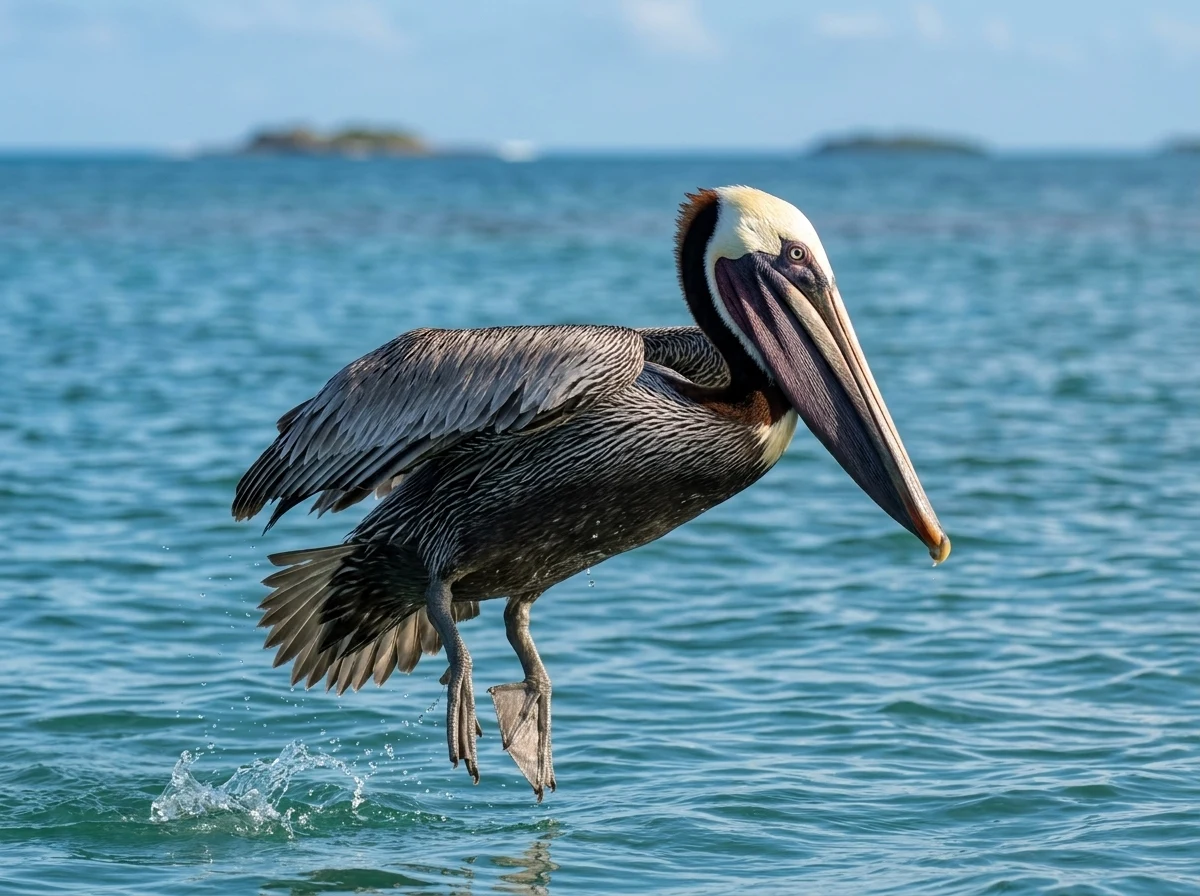
For birding, separate open water, shallow edge, emergent vegetation, channel, mangrove, and forest crown. Herons, coots, ducks, pelicans, pigeons, and raptors use each zone differently. Movement among zones often reveals more than remaining at one lagoon.
Wetland guide
Inventory and habitat
91birds in the historical inventoryFigure from the designation document; it requires date context.
10recorded heronsThe most characteristic family in the reserve's historical analysis.
6zones to scanWater, edge, vegetation, channel, mangrove, and canopy.
01
Herons: posture and feeding technique
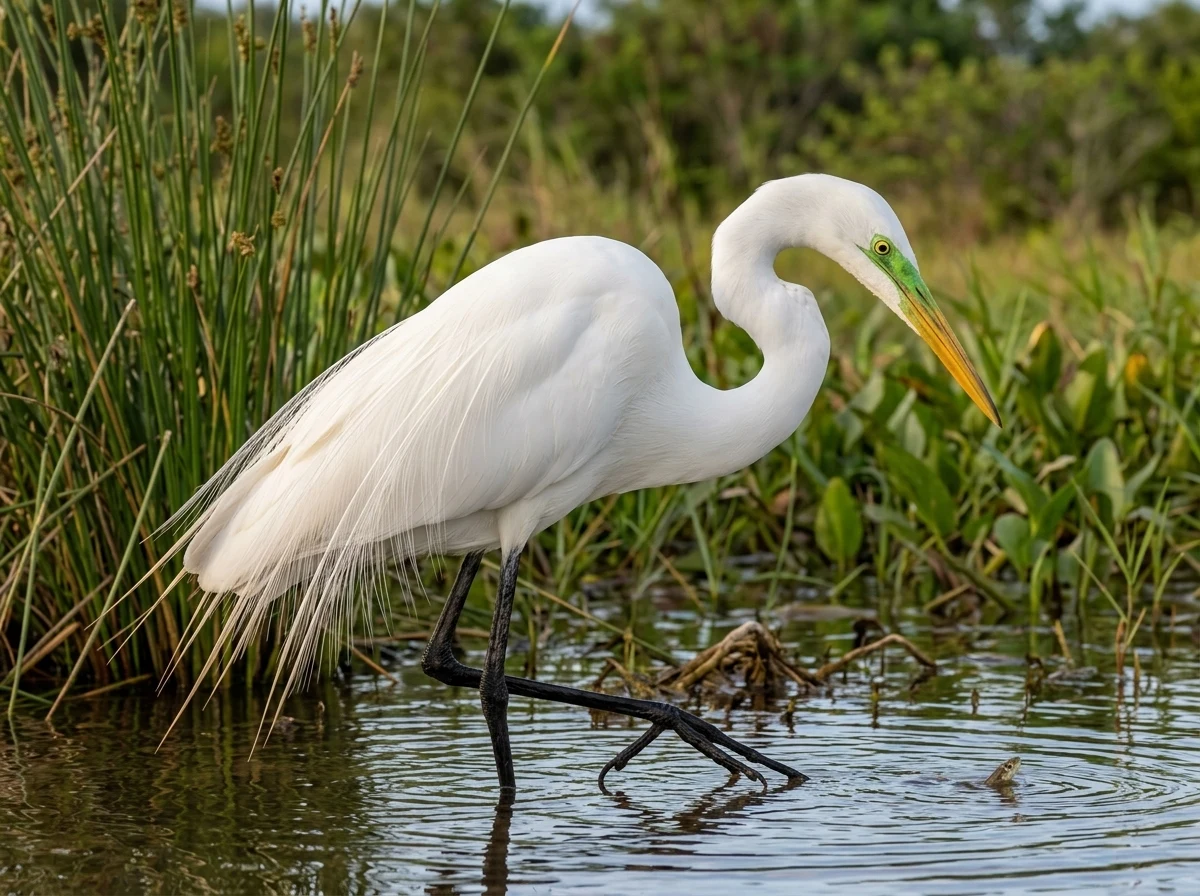
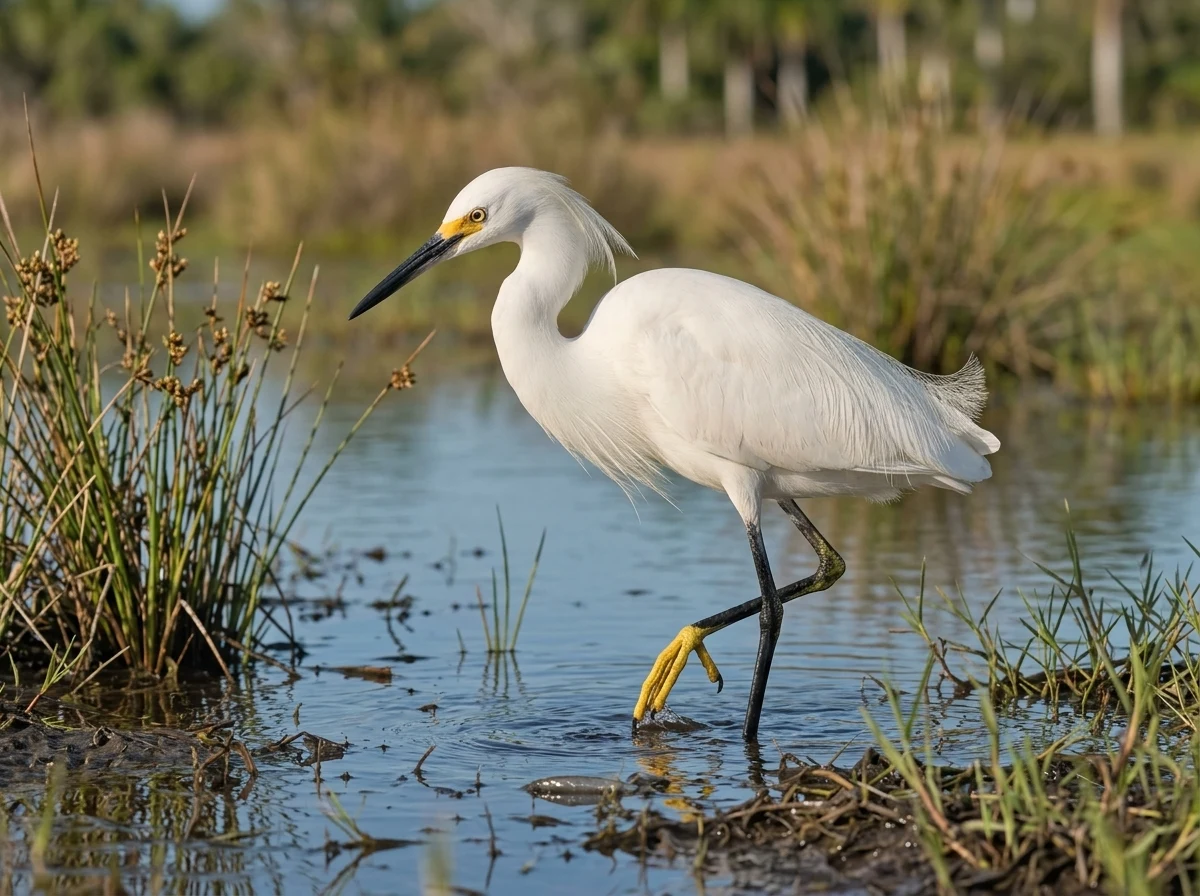
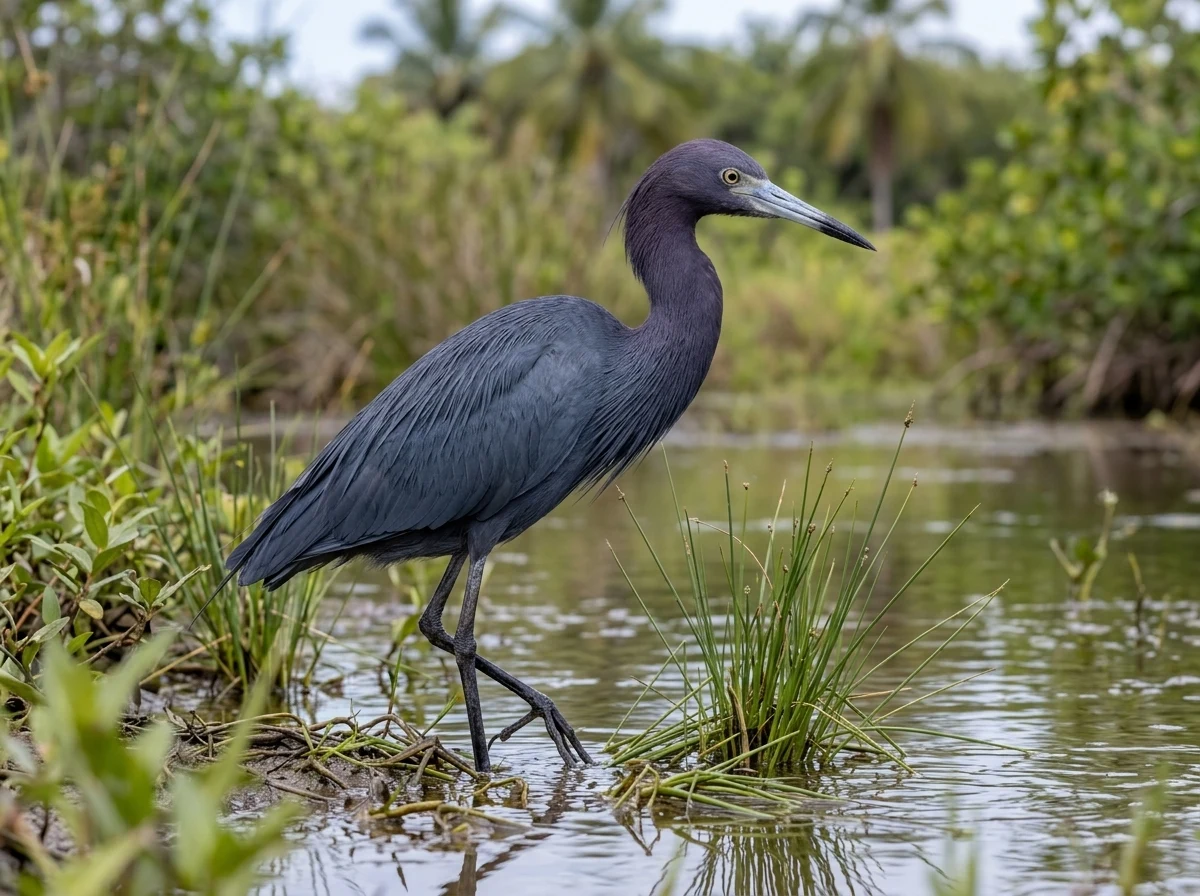
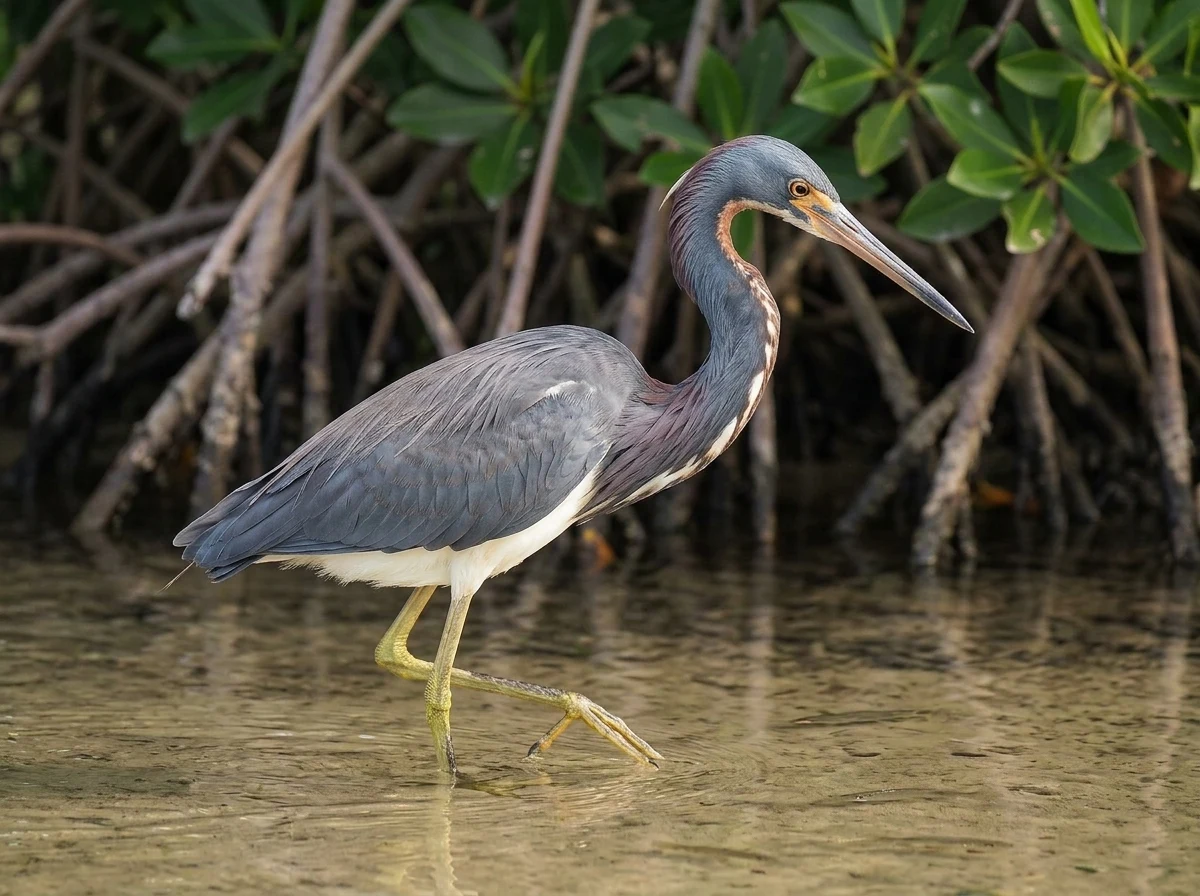
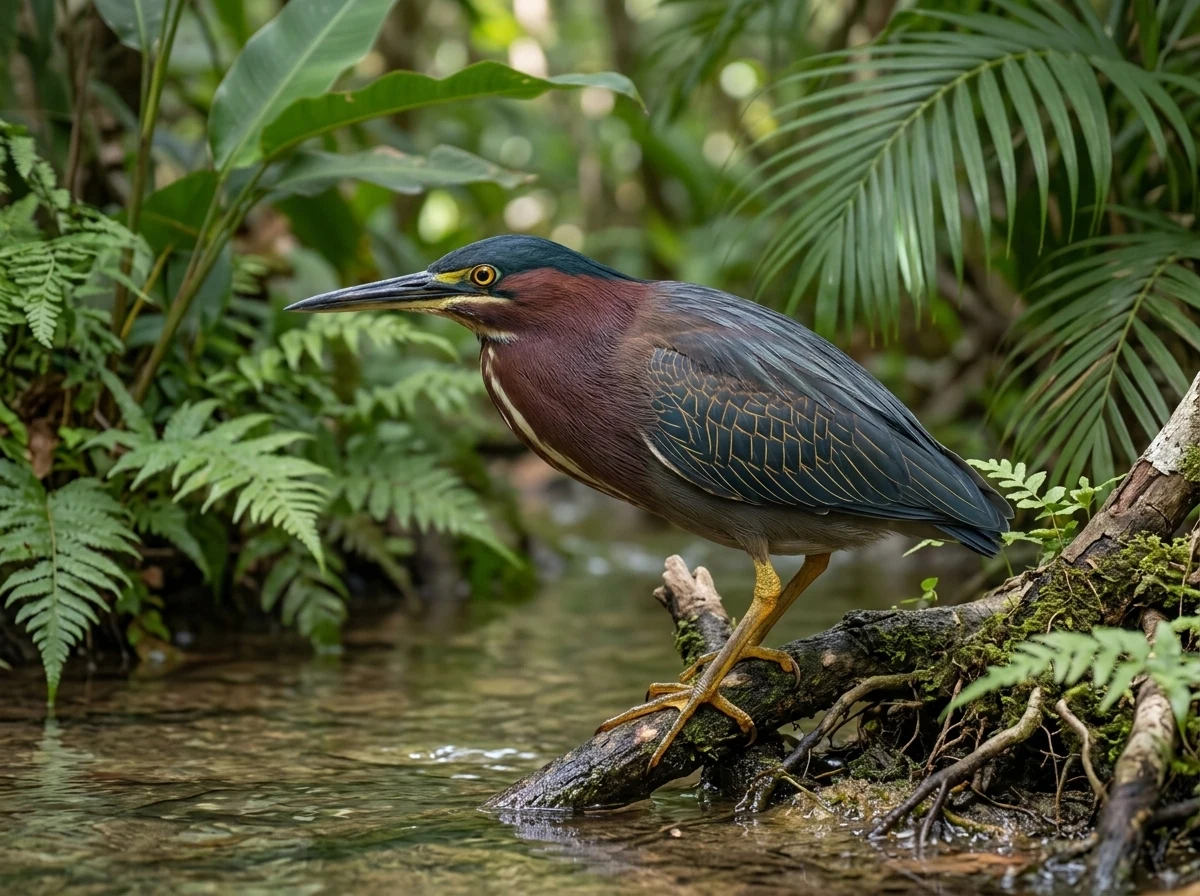
Great Egret stands out through size and long neck; Snowy Egret is smaller with contrasting legs and feet; Little Blue and Tricolored Herons change substantially with age. Green Heron stays compact and near cover. Before color, compare size, neck length, legs, and water depth.
Watch how it hunts: standing still, walking slowly, stirring with its feet, or dropping from a perch. White juveniles can break a color rule, but they rarely change a species' basic structure and behavior.
02
Open water, edge, and mangrove
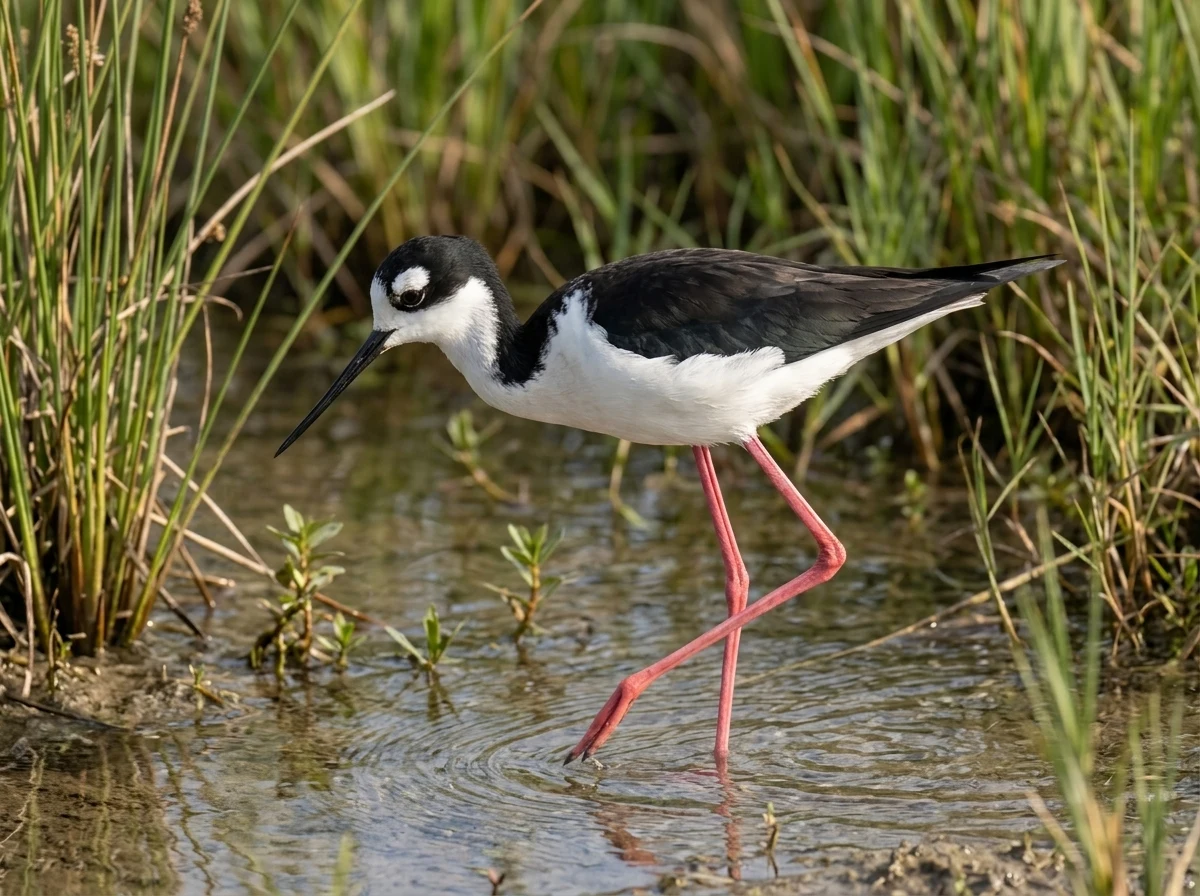
Pelicans and some diving birds use open water; stilts, small herons, and shorebirds explore shallow edges; pigeons and passerines cross mangrove and taller vegetation. Scanning each band at a different speed prevents treating a wetland as a flat surface.
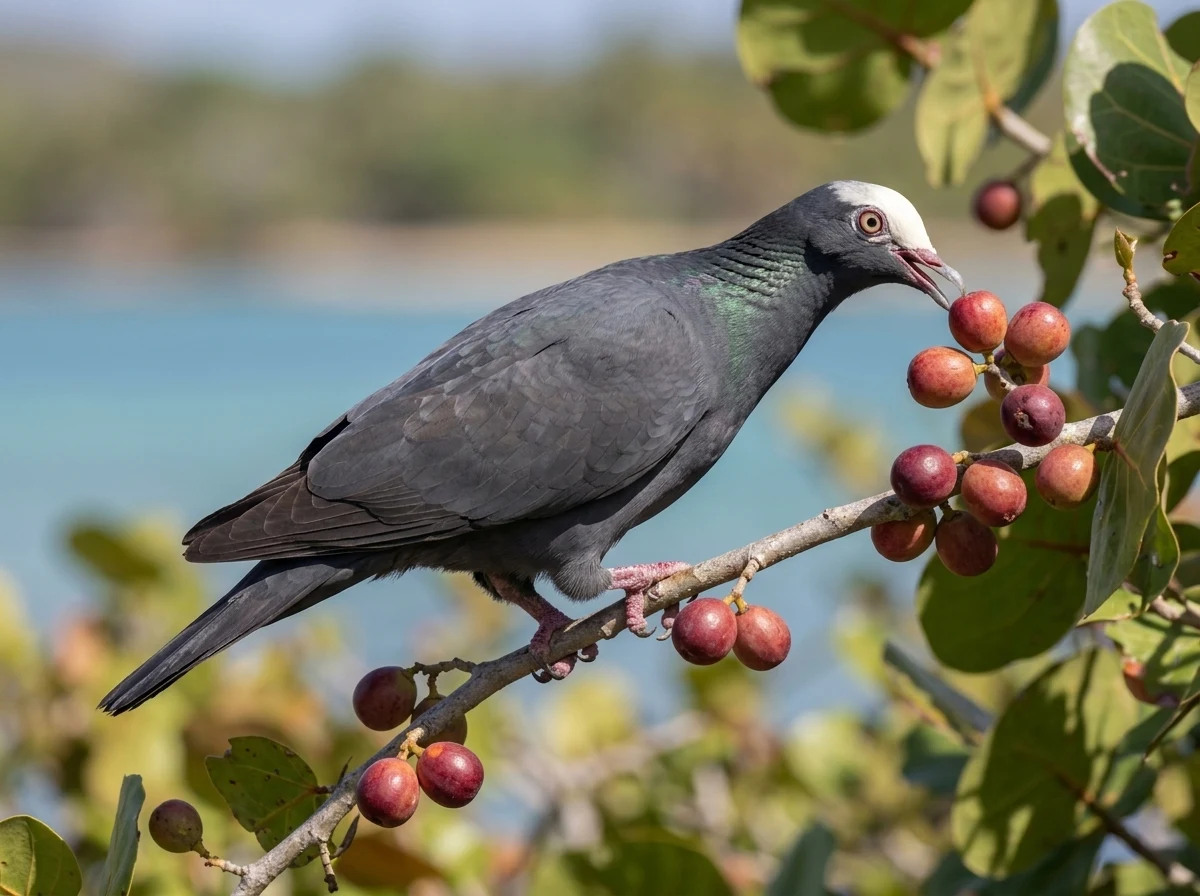
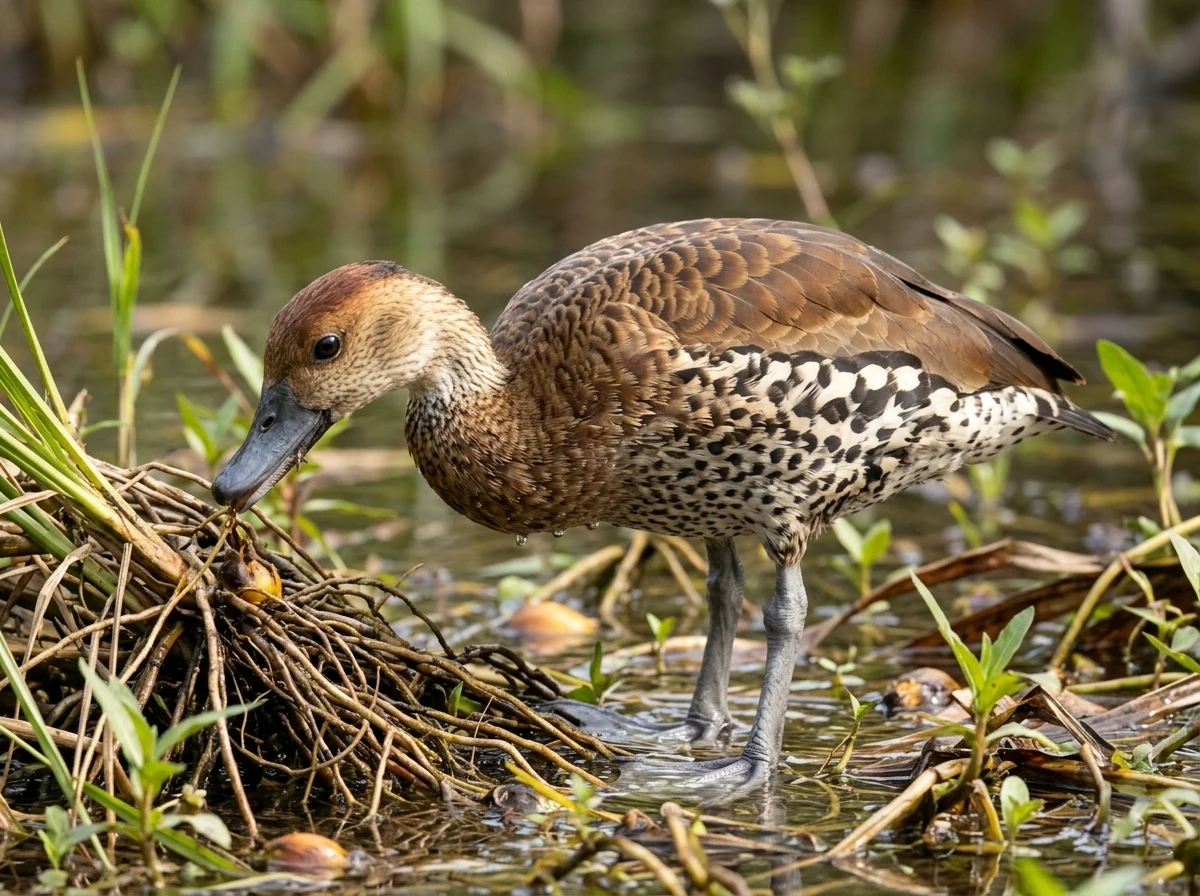
White-crowned Pigeon may appear around coastal forest and mangrove, while West Indian Whistling-Duck depends on wetlands and cover. Do not cross edges for a better angle: one approach can displace many birds at once.
03
Raptors and movement above the reserve
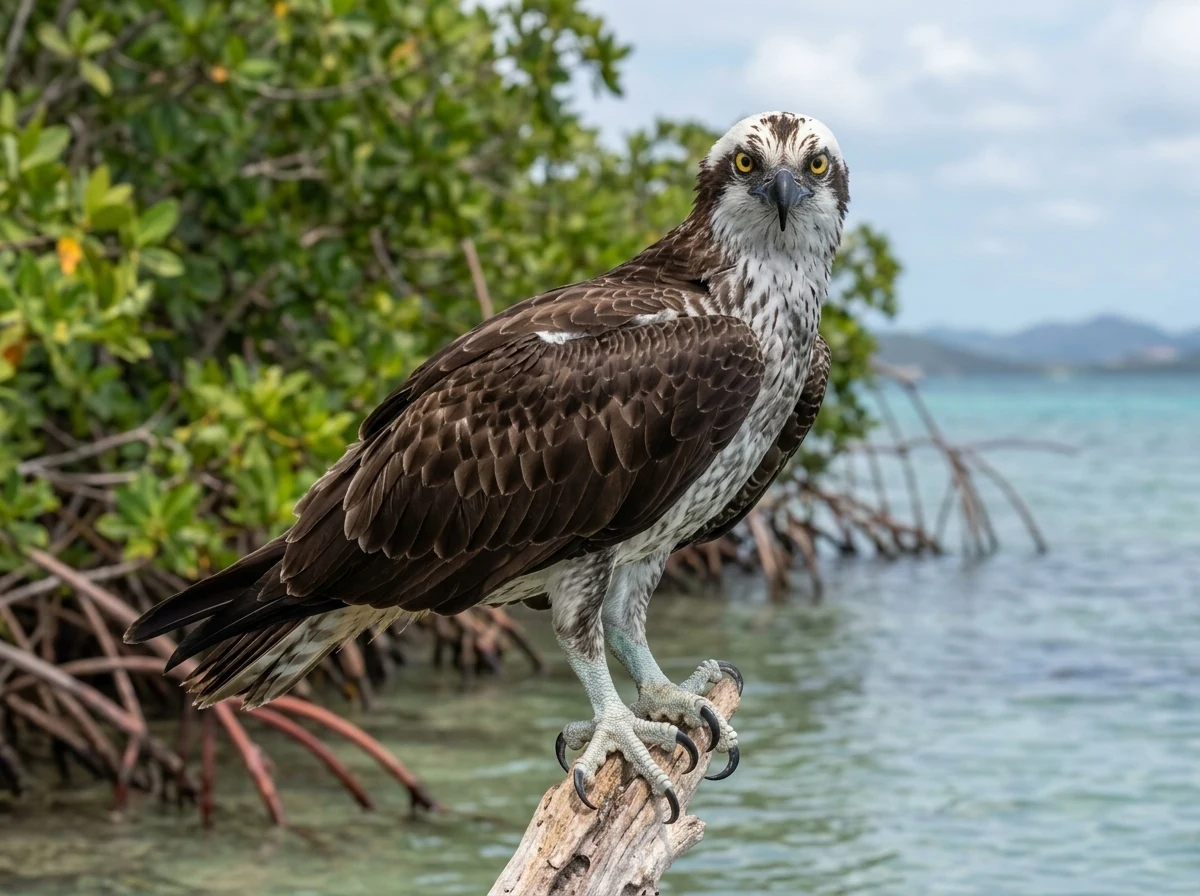
Osprey and Peregrine Falcon may use the coastal corridor, especially during movement windows. Do not identify a raptor simply because it flies over water: inspect wing shape, glide, tail, dives, and whether it carries a fish.
Warm hours create thermals and change flight height, while coastal wind alters posture. Read a silhouette with behavior and season; the linked migration guide expands that context.
04
A living reserve needs live information
The designation document explains why the system was protected, but it is not an operations notice. Verify access, hours, weather, and activities through DNER or current official channels. Heavy rain can alter trails and water levels even when a historical page remains unchanged.
Keep away from roosts, colonies, and feeding groups. Avoid drones, loud sounds, and feeding wildlife. Date every observation because wetlands change across seasons and years; that temporal dimension is part of the data's value.
Linked profiles
Ten profiles for crossing the mosaic
Begin with families and habitats, then refine age, plumage, and season in each profile.
Sound archive
Hear its voice
Explore real songs and calls. The spectrogram turns each sound into a visual trace of time and frequency.
XC1024214Recording 1 of 3alarm call

Play: alarm call by Paul Driver
Choose another recording
Sound recorded by Paul Driver · XC1024214 · CC BY-NC-SA 4.0. Visualization by Stichting Xeno-canto voor Natuurgeluiden.
Every recording retains the creator, catalogue number, and license published by Xeno-canto. Metadata via GBIF ↗
01
How many bird species are at Humacao Natural Reserve?
The historical designation document identified 91. That figure has temporal context and is not the same as a current checklist or the number expected in one visit.
02
Which herons can I compare there?
Great Egret, Snowy Egret, Little Blue Heron, Tricolored Heron, and Green Heron are useful study profiles. Age and light change color, so use size, neck, legs, and behavior.
03
Can I rely on hours published years ago?
No. Use historical documents for ecology and conservation, but confirm access and hours with a current official source before visiting.
Keep exploring
Connected routes
Sources and review
The evidence is one link away.
These sources support the editorial scope of this guide. Bird profiles also retain their own taxonomy, occurrence, and conservation references.
Reviewed:
01↗02↗03↗
Departamento de Recursos Naturales y Ambientales
Humacao reserve designation document
Historical bird inventory and ecological description of lagoons, channels, and Pterocarpus forest.Discover Puerto Rico
Humacao Natural Reserve
General visitor orientation for the reserve and its coastal ecosystems.Corriente Verde
Migratory birds of the archipelago
Local introduction to the origins, routes, and seasons of migratory visitors.The atlas continues