 AI
AIFieldcraft guide
How to count birds in a flock without double-counting
Blocks, time sampling and photos: three ways to estimate a moving flock without counting the same bird twice.
Reviewed: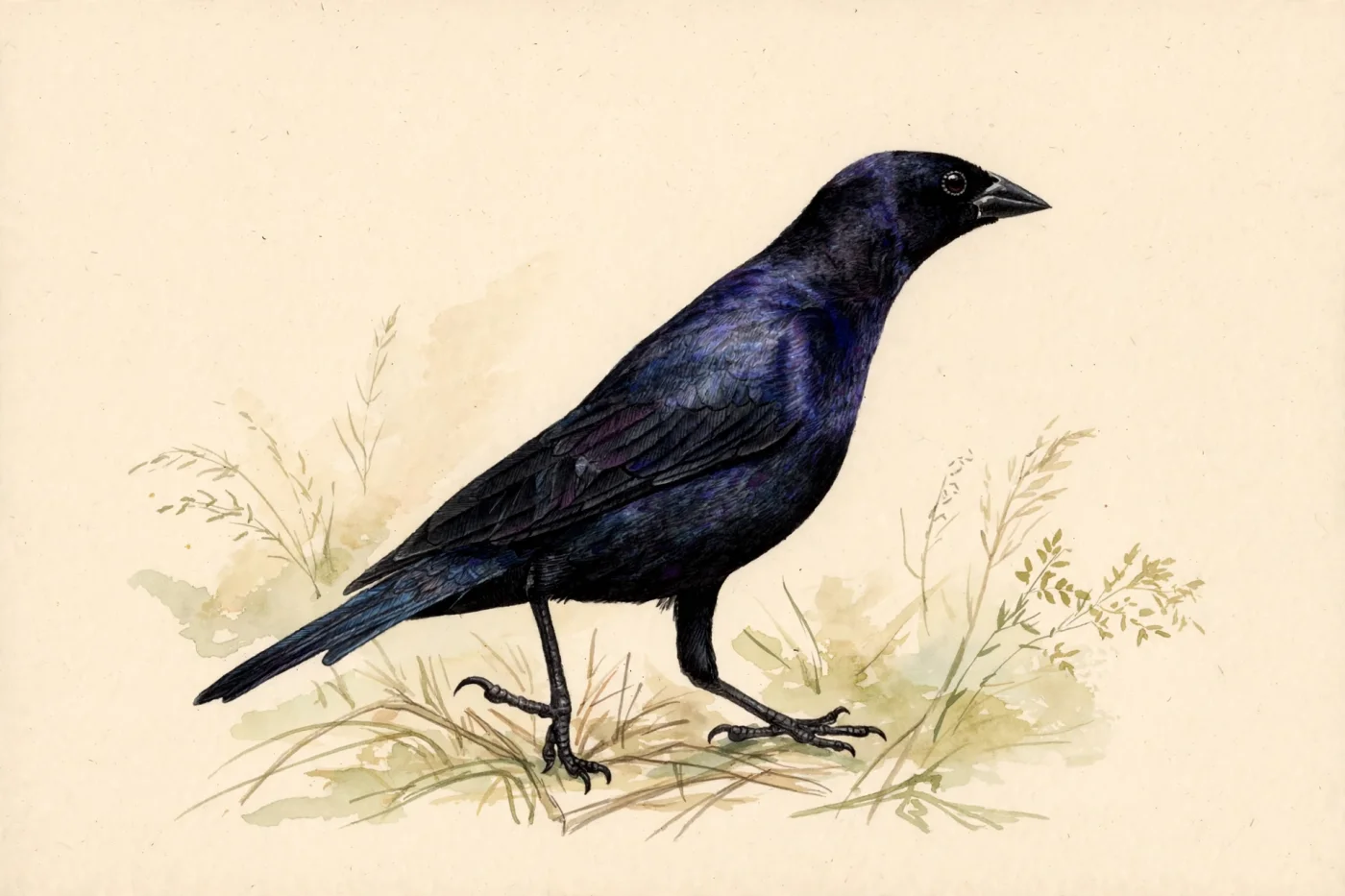
Prepared with AI assistance and linked sources. Illustrations are not field photographs.
The rule that prevents double-counting
Double-counting almost never happens because the observer counts badly, but because the flock moves and the eye returns to the same group. The solution is not to count faster, but to stop trying to follow individual birds inside a moving mass. eBird recommends giving your best estimate on every checklist, because an approximate number carries more information than an X for presence: an X could be one bird or a thousand.
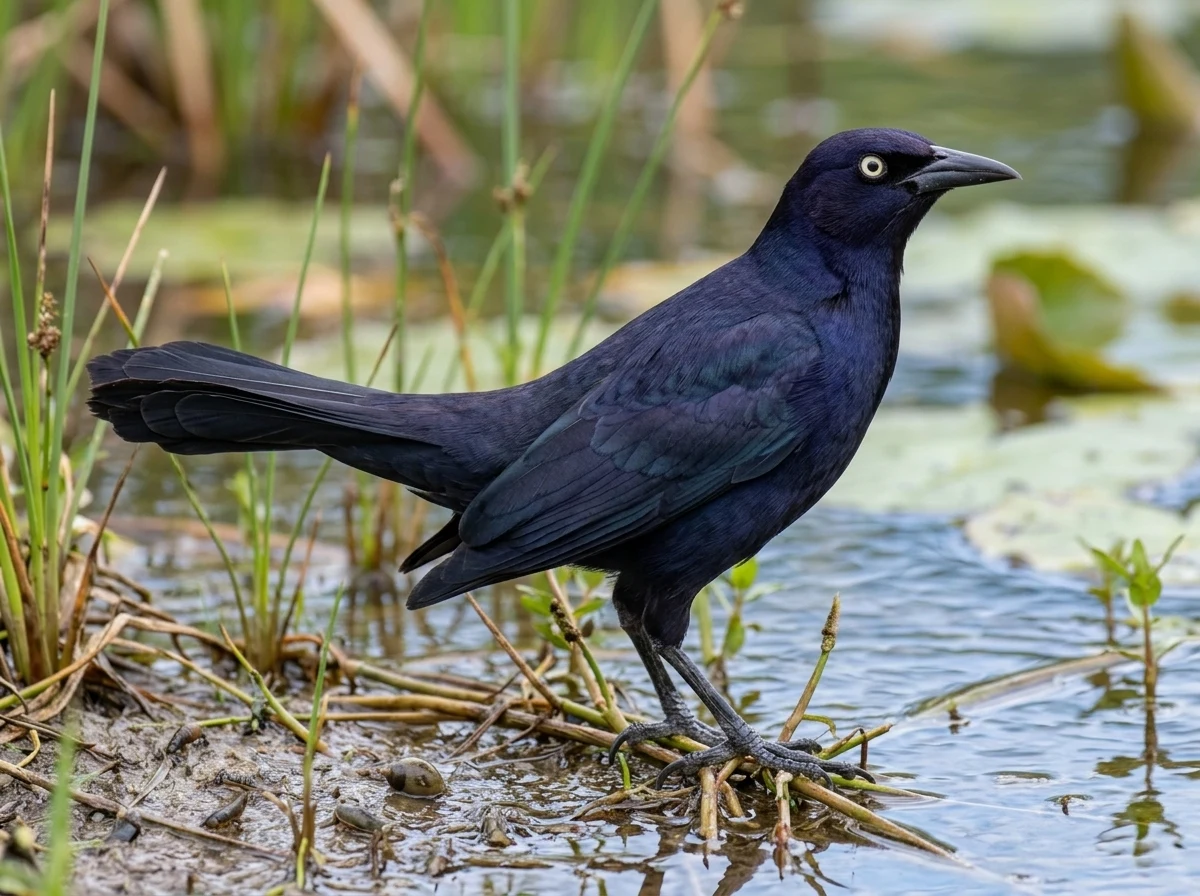
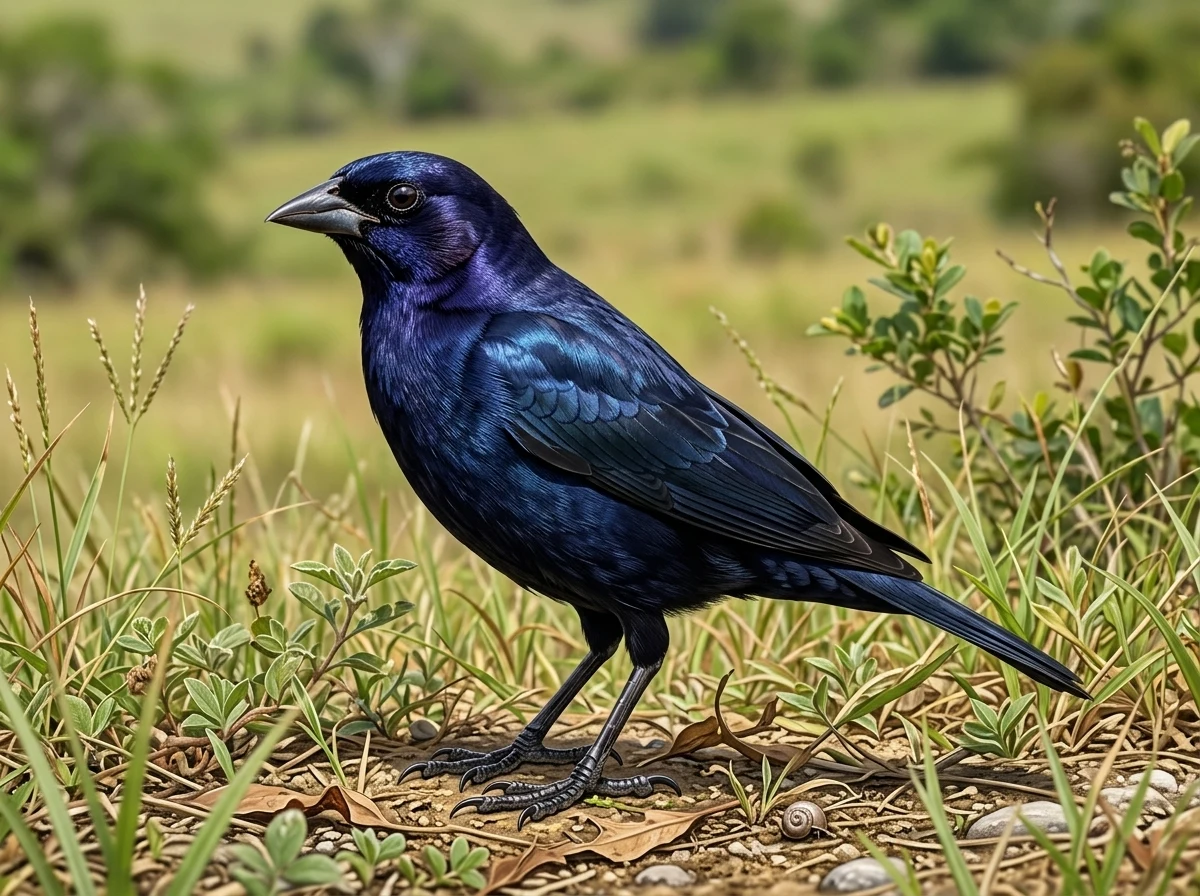
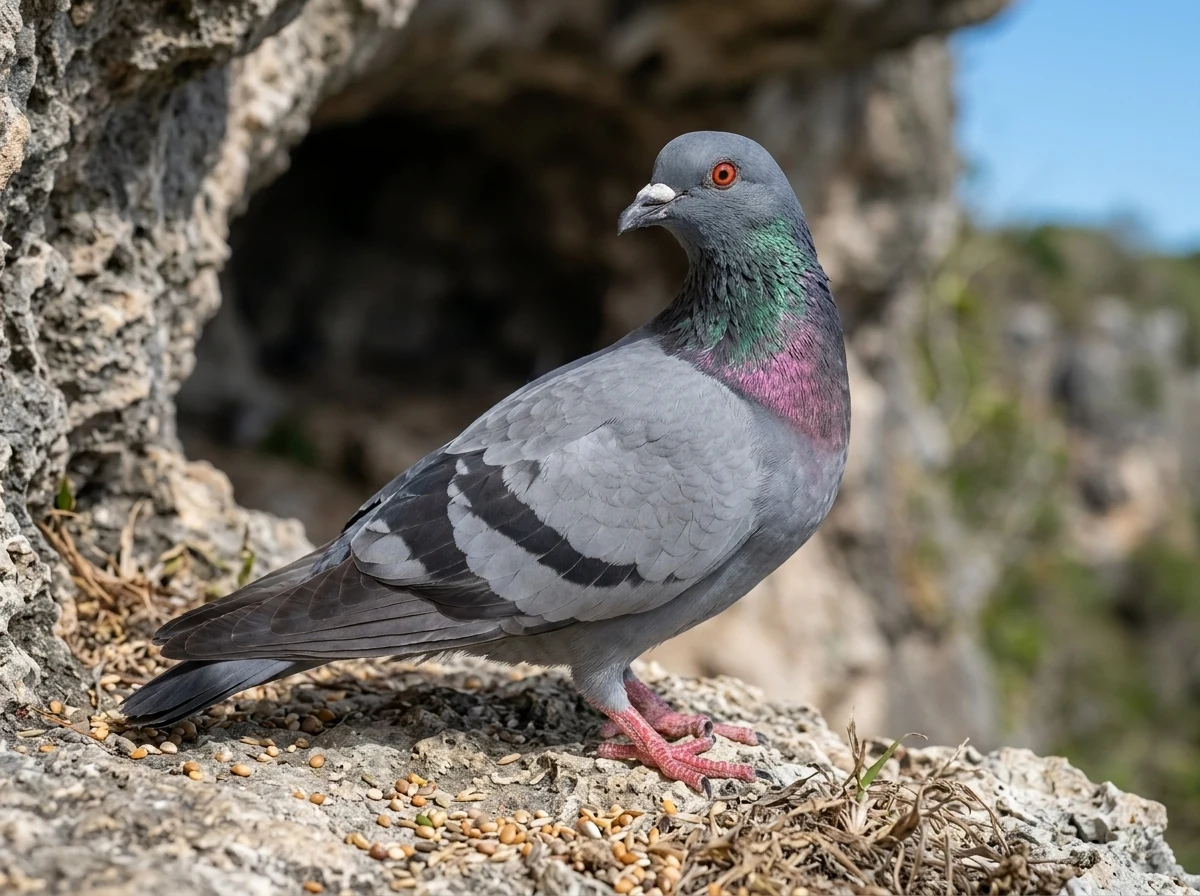
The practical key is to fix a reference point and count only what crosses that point, or to freeze the flock in an image and count on it. In Puerto Rico this applies to flocks of Greater Antillean Grackle (Quiscalus niger), Shiny Cowbird (Molothrus bonariensis), pigeons and sparrows in plazas, parking lots and fields. This guide explains how to choose the method, how to record the result and how to avoid false precision.
Fieldcraft guide
Three ideas to remember
Mejor estimaciónAn estimate is worth more than an XeBird asks for your best estimate on every checklist; an X does not distinguish between one bird and a thousand.
BloquesCount in blocks of 10, 50 or 100Count one block and extrapolate to the rest of the flock, without adding exact counts to the same estimate.
15 minutosWrite totals every 15 minutesKeeping running totals per species prevents losing count in long or mixed flocks.
01
First: choose the method based on how the flock moves
There is no single method. eBird distinguishes between large stationary flocks and large moving flocks. For stationary ones, such as pigeons feeding in a parking lot or blackbirds in a field, you count a subset and extrapolate to the total. For birds flying past, there are two options: count in blocks (count a small group and use its shape and size to estimate the rest) or count birds per unit of time (for example, birds per minute) when the flow is steady.
The choice depends on how coherent the flock is. If it is a compact flock moving together, the block method is the most logical. If it is a river of birds passing without pause, the rate-per-time method works better. In both cases, the goal is not absolute accuracy, but a conservative and repeatable estimate.
02
The block method, step by step
The block method consists of counting a small group and using its visual size as a template. The U.S. Fish and Wildlife Service recommends starting with units of 10, because flock density varies and affects perception. Once the 10-count is mastered, you can move to blocks of 100 or 1000. eBird describes the same principle: count the first ten individuals, see what proportion of the flock they occupy and extrapolate by tens to the rest.
The most common error is underestimation. People tend to underestimate large flocks, and the problem gets worse when the flock has depth, because the same visual size at the rear represents many more birds than at the front. eBird illustrates this with a gull flock where a straight extrapolation gave 150 birds when there were 206. The correction is to adjust the block size according to distance and depth.
03
Moving flocks: blocks or rate per time
When the flock flies past, double-counting happens if the observer tries to follow individual birds and then counts the same group again. The solution is to count only what crosses a fixed reference point, or to count in blocks as the flock passes. If the flow is steady, count during a fixed interval (for example, one minute or five minutes) and extrapolate to the total time. eBird gives the example of 1300 Sooty Shearwaters in 5 minutes that, if the flow holds for 15 minutes, extrapolate to 3900.
It is important to monitor the flow: if the volume changes, make a new rate count. This method also allows counting several species at once, which helps in mixed flocks. For mixed flocks, eBird suggests two approaches: count each species separately with the best method, or estimate the total and the proportion of each species. Neither is perfect, but both give a useful conservative estimate.
04
False precision and recording in eBird
If you count by tens, you should not add an exact count for the same species. eBird calls this false precision: if you estimated 1110 birds by tens and then 3 birds pass, the reported total remains 1110, not 1113. If 5 more birds then pass, you can bump it to 1120. The rule is to keep the reported number at the lowest level of precision used when counting that species.
For recording, eBird recommends writing things down in the moment and keeping running totals at least every 15 minutes. It also recommends being conservative: if you see a bird at the start of the walk and another similar one in the same place on the way back, leave the count at one. If you see another half a mile away, you can count two. In flocks of grackles, cowbirds, pigeons and sparrows, this discipline prevents inflated numbers.
05
Practical exercise: count a flock in Puerto Rico
Choose an accessible flock: grackles in a park, Shiny Cowbirds in an open field, Rock Pigeons in a plaza or House Sparrows on a sidewalk. Before counting, decide the method. If the flock is perched and moves little, use blocks. If it is flying in a steady direction, use rate per time. If you can take a photo, use it as a backup to count calmly later.
Concrete procedure: 1) note time and place; 2) choose a fixed reference point; 3) count a block of 10 and memorize its visual size; 4) extrapolate in blocks to the rest of the flock; 5) if the flow is continuous, count birds per minute for 5 minutes and repeat if the volume changes; 6) write the total every 15 minutes; 7) check the photo if you have one; 8) report the number at the level of precision used. Do not add exact counts to estimates of the same species.
Linked profiles
Flocking birds in Puerto Rico
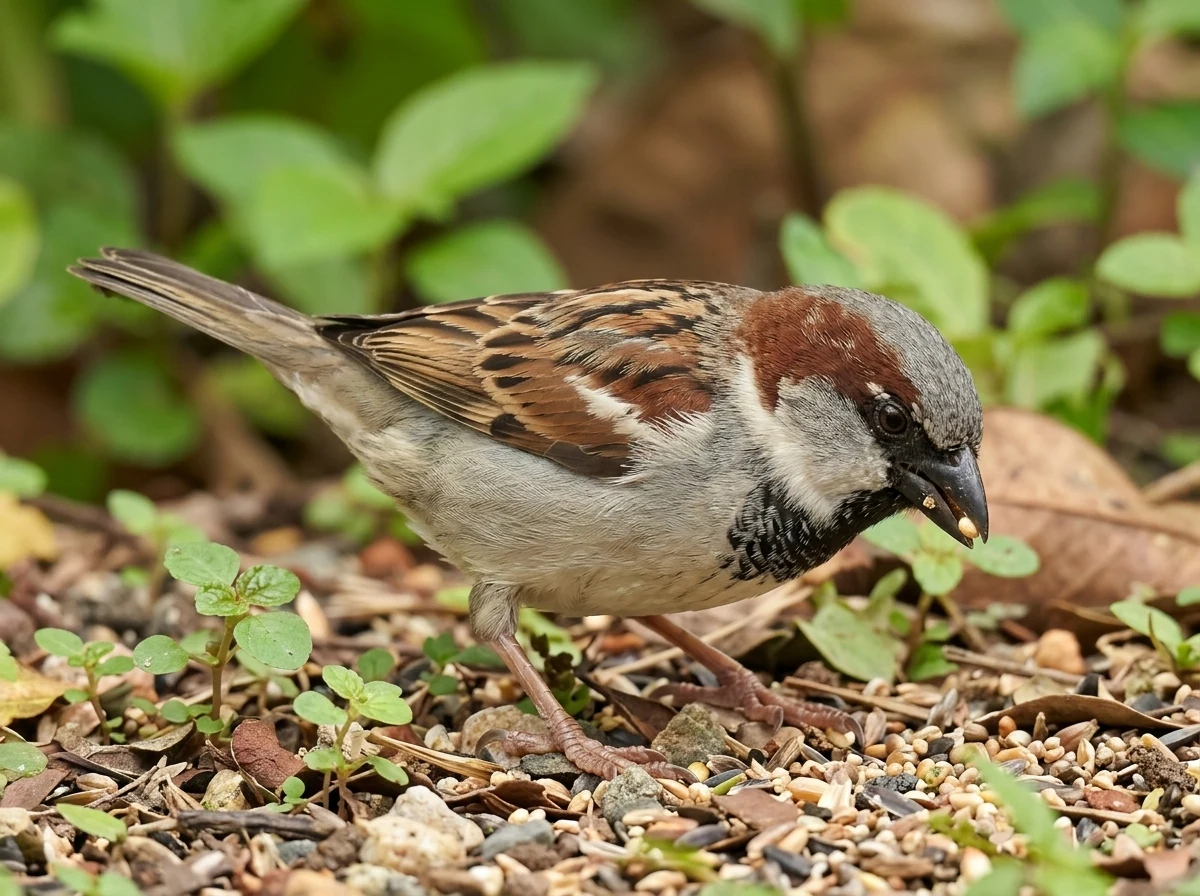
These species are present in Puerto Rico and often occur in groups in plazas, fields and cities, which makes them good for practicing counting methods.
01
What is the best method for a flock that flies without stopping?
If the flock is compact, count in blocks: count a group of 10 or 50 and extrapolate to the rest. If the flow is steady, count birds per unit of time (for example, birds per minute) and extrapolate to the total time. eBird recommends monitoring the flow and making a new count if the volume changes.
02
What is false precision and why does it matter?
It is adding an exact count to an estimate of the same species. If you counted by tens and estimated 1110 birds, do not report 1113 if 3 more pass. Keep the number at the lowest level of precision used. eBird recommends this to avoid implying an accuracy that does not exist.
03
How do I avoid counting the same bird twice in a mixed flock?
Fix a reference point and count only what crosses that point, or use a photo to freeze the flock. For mixed flocks, eBird suggests counting each species separately or estimating the total and the proportion of each species. Scan the whole flock before extrapolating, because species are not always evenly distributed.
04
Should I report an X if I cannot count the flock?
eBird recommends giving your best estimate instead of an X. An X could be one bird or a thousand, while an approximate number provides information on relative abundance. If you cannot count, a conservative estimate is more useful than presence without a number.
05
How often should I write down totals?
eBird recommends keeping running totals for all species at least every 15 minutes. This prevents losing count in long or mixed flocks and helps make the final checklist more accurate.
Keep exploring
Connected routes
Sources and review
The evidence is one link away.
These sources support the editorial scope of this guide. Bird profiles also retain their own taxonomy, occurrence, and conservation references.
Reviewed:
01↗02↗03↗04↗
eBird (Cornell Lab of Ornithology)
Bird Counting 101
Evidence for cited sections; consult the original document.eBird (Cornell Lab of Ornithology)
Bird Counting 201
Evidence for cited sections; consult the original document.eBird Help Center (Cornell Lab of Ornithology)
How to Count Birds
Evidence for cited sections; consult the original document.U.S. Fish and Wildlife Service
Estimating Flock Size
Evidence for cited sections; consult the original document.The atlas continues