 AI
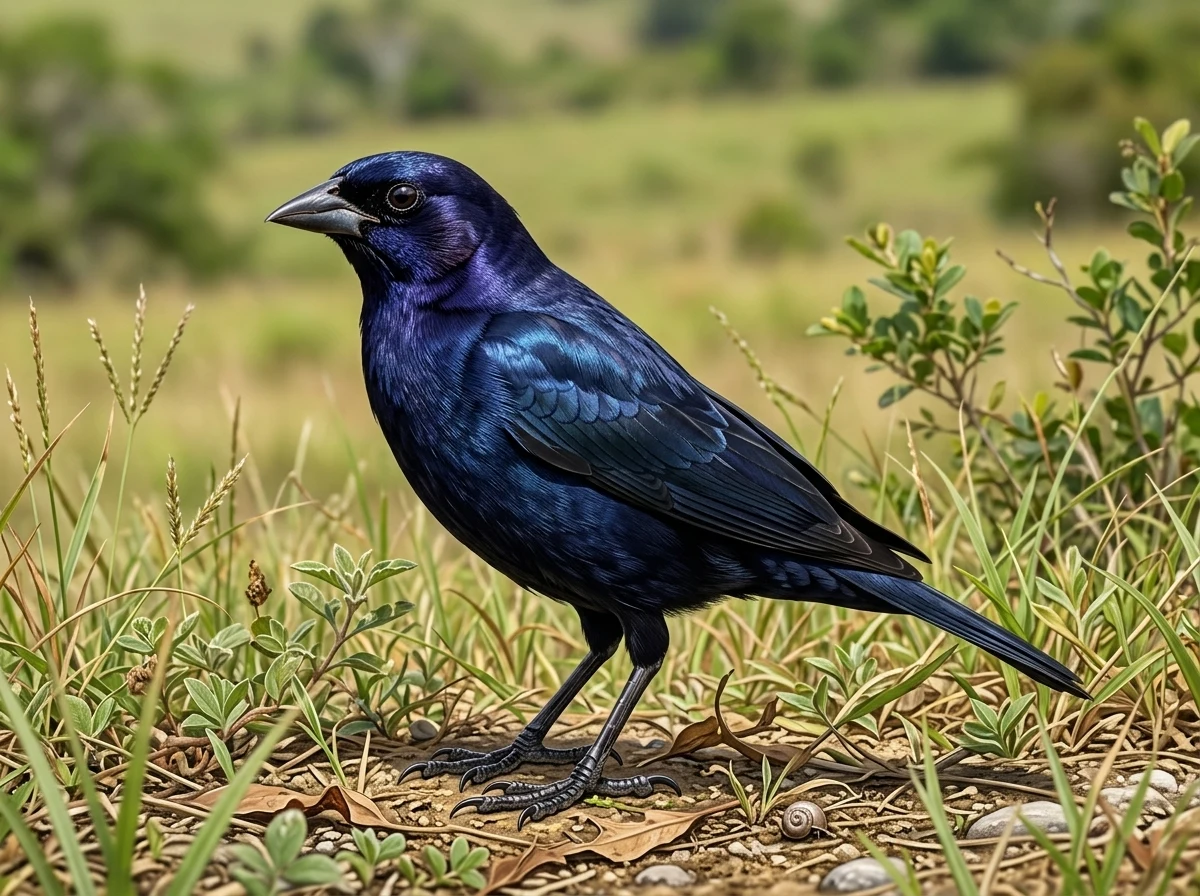
AIAI reconstruction created with Nano Banana 2 · 1K, grounded in the profile’s documented taxonomy, habitat, natural-history sources, and an open-license visual reference when available. It is an interpretive image, not documentary evidence. Image policy →
Shiny Cowbird
Tordo Lustroso
Molothrus bonariensis
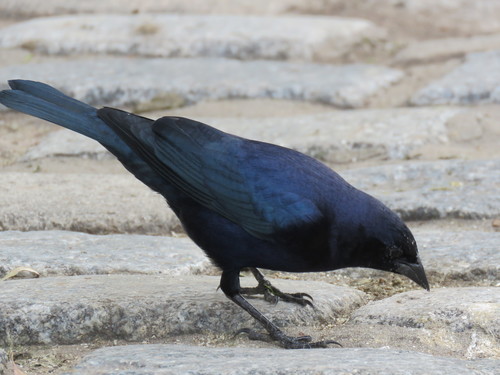
The shiny cowbird (Molothrus bonariensis) is a passerine bird in the New World family Icteridae. It breeds in most of South America except for dense forests and areas of high altitude such as mountains. Since 1900 the shiny cowbird's range has shifted northward, and it was recorded in the Caribbean islands as well as the United States, where it is found breeding in southern Florida. It is a bird associated with open habitats, including disturbed land from agriculture and deforestation. Adults are sexually dimorphic. Males are all black with a purple-blue iridescence. The female is smaller, with dull brown plumage that is sometimes paler on the underparts. Females of the species can be distinguished from the female brown-headed cowbird by their longer, finer bills and flatter heads. The shiny cowbird's diet consists mainly of insects, other arthropods and seeds, and they have been recorded foraging for grains in cattle troughs. Like most other cowbirds, it is an obligate brood parasite, laying its eggs in the nests of many other bird species such as the rufous-collared sparrow. Different host species show different responses to their nests being parasitised, with behaviours ranging from accepting and caring for the cowbird eggs, to rejecting the eggs from the nest. As the shiny cowbird is an effective generalist brood parasite, it can be considered the South American counterpart to the brown-headed cowbird.
Sound archive
Hear its voice
Explore real songs and calls. The spectrogram turns each sound into a visual trace of time and frequency.

Play: song by Étienne Leroy
Choose another recording
Sound recorded by Étienne Leroy · XC972903 · CC BY-NC-SA 4.0. Visualization by Stichting Xeno-canto voor Natuurgeluiden.
Every recording retains the creator, catalogue number, and license published by Xeno-canto. Metadata via GBIF ↗
Island profile
About the Shiny Cowbird
This atlas includes Shiny Cowbird (Molothrus bonariensis) with atlas status “Native / natural occurrence” within scope “Avibase inferred core 380.” Global trait data associate it primarily with grassland; consult the linked records to resolve its Puerto Rico habitat use.
Conservation
Least Concern
IUCN LC
- Global IUCN
- LC
- Puerto Rico DNER
- No current listing in source crosswalk
- Federal ESA
- No current listing in source crosswalk
- Critical habitat
- Not identified in source crosswalk
Natural history
How it lives
- Habitat
- forests
- Elevation
- 0–2000 m
- Nest
- No nest
- Clutch
- 1–5 eggs
- Social behavior
- Social / flocking
Keep exploring
This bird belongs to 5 paths through the atlas.
Guides featuring this bird
Follow this record beyond the profile.
Identification, sound, place, and explanatory guides connecting this species to larger questions.
Related in the atlas
Where to fly next
Connected by taxonomy, habitat, occurrence, and conservation.
 AI
AI AI
AI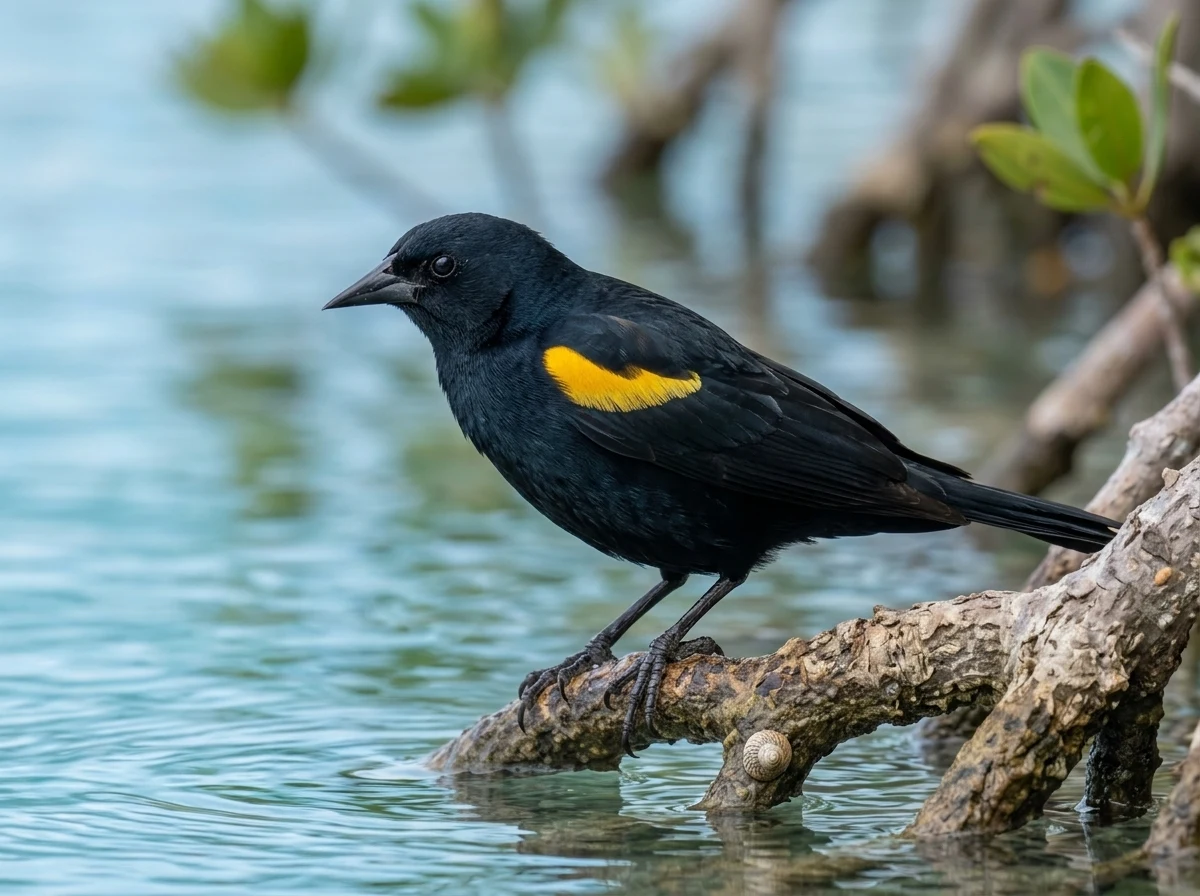 AI
AI AI
AI AI
AI AI
AI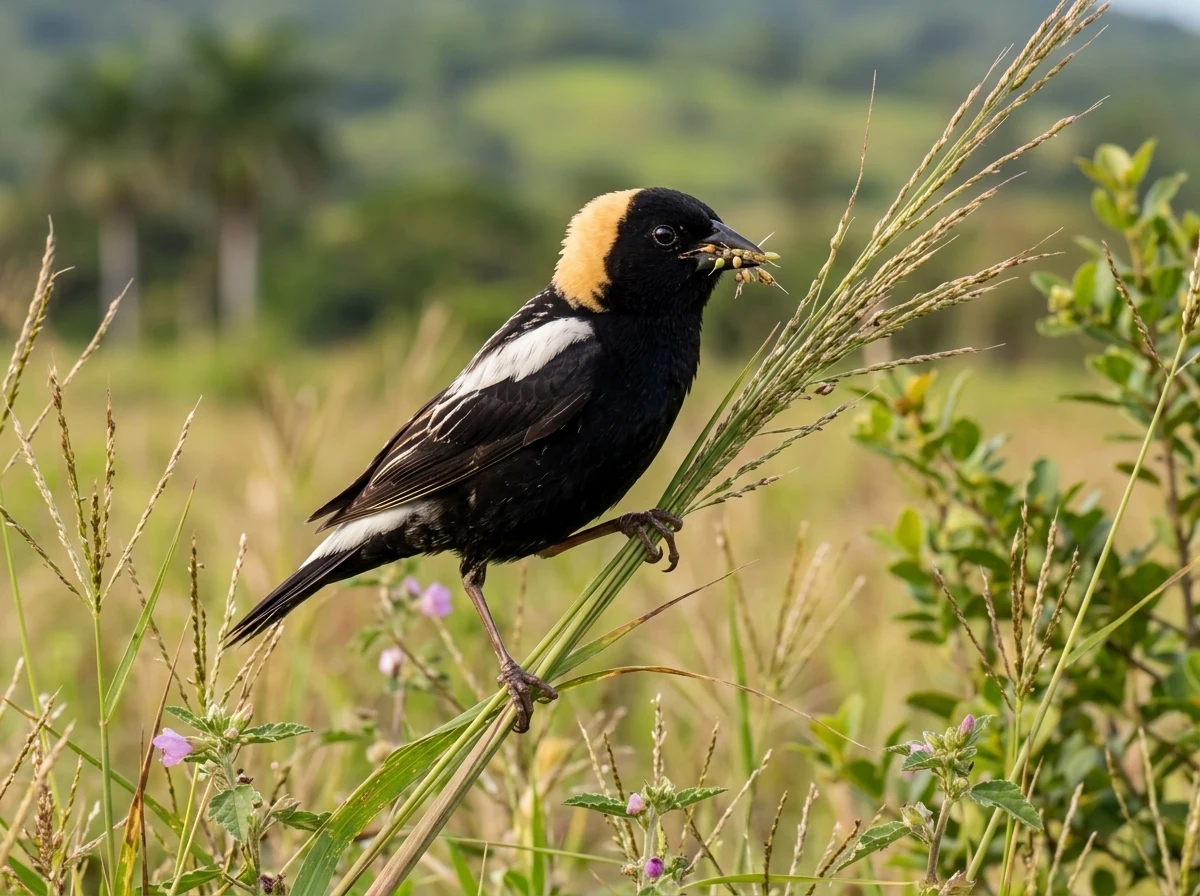
Evidence trail