 AI
AIConservation and law
Laws That Protect Birds in Puerto Rico
A plain-language guide citing the official texts. It does not replace advice from an attorney or guidance from the DNER.
Reviewed:Which laws protect birds in Puerto Rico?
In Puerto Rico, birds are protected by three main laws: the New Wildlife Law of Puerto Rico (Act 241 of 1999), the federal Endangered Species Act of 1973, and the Migratory Bird Treaty Act of 1918. In practice, nearly any native wild bird, its nest, and its eggs cannot be hunted, captured, possessed, or sold without authorization.
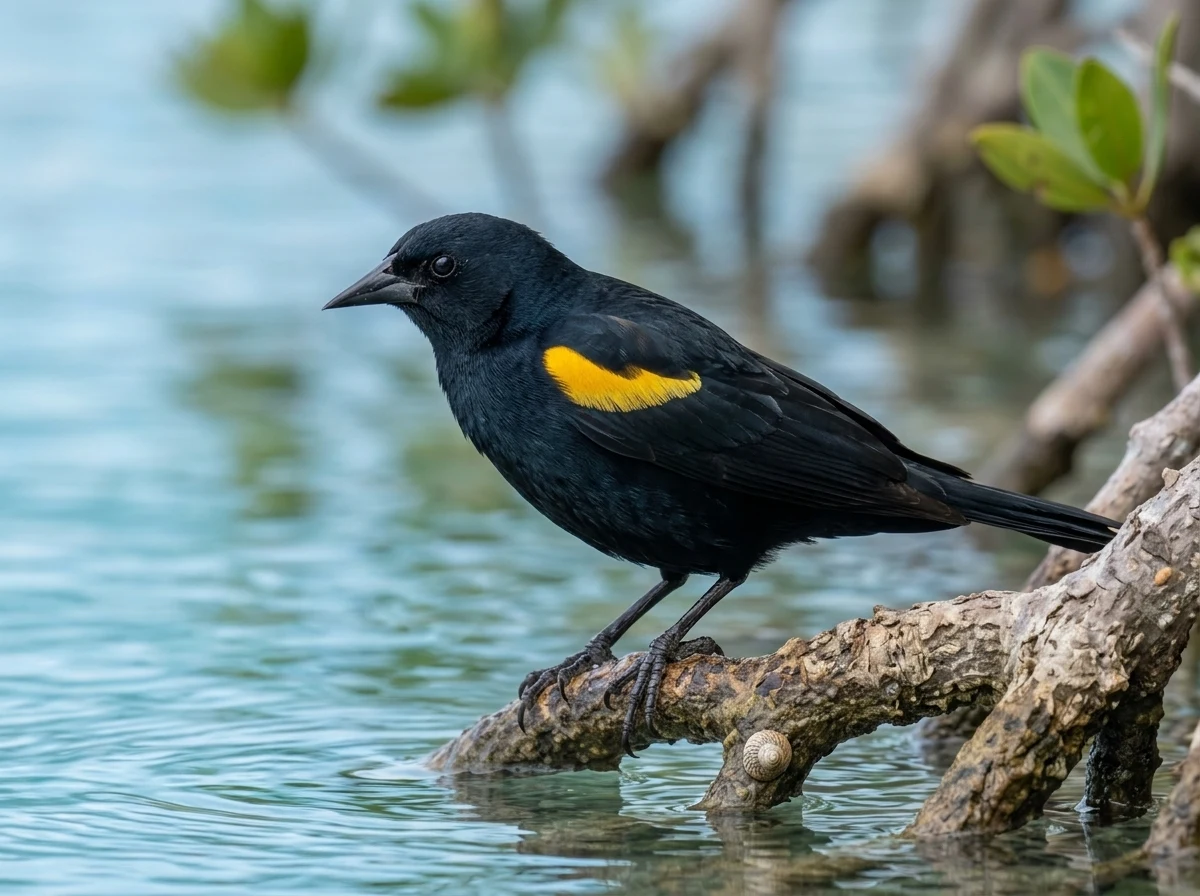
Act 241 declares all wildlife within Puerto Rico's jurisdiction the property of Puerto Rico and is enforced by the Department of Natural and Environmental Resources (DNER) through its Ranger Corps. The two federal laws are administered by the U.S. Fish and Wildlife Service. The three overlap: a single act, such as knocking down a Yellow-shouldered Blackbird nest, can violate all three at once.
Conservation and law
The legal framework in figures
3main lawsPuerto Rico Act 241, the Endangered Species Act, and the Migratory Bird Treaty Act.
$5,000–$50,000fine per specimenFor violating the rules on vulnerable or endangered species (Act 241, Art. 22).
318DNER rangersOfficers charged with enforcing Act 241 across the archipelago.
01
Act 241: the New Wildlife Law of Puerto Rico
Act No. 241 of August 15, 1999, last amended in 2025, protects native and migratory species, regulates hunting and the entry of exotic species, and makes habitat protection public policy. Its definition of wildlife expressly includes birds and 'any part, product, nest, egg, young, or dead body.'
Article 6 lists the prohibited acts. Among them: hunting or collecting vulnerable or endangered species (clause o); possessing or keeping native or migratory wildlife in captivity without the Secretary's written authorization (clause p); and possessing, transporting, taking, collecting, or destroying individuals, nests, eggs, or young without a permit (clause u). It also bans buying and selling wildlife, their young, or nests (clause e).
02
Penalties under Puerto Rico law
Article 22 sets two tiers. Most violations are misdemeanors, with a fine of $100 to $500 per specimen or up to six months in jail, or both. Violations of the rules on vulnerable or endangered species are felonies: a fine of $5,000 to $50,000 per specimen or 90 days to three years in jail, or both.
'Per specimen' matters: taking three nestlings from a nest counts as three. Fines, licenses, and donations go into the Special Fund for Wildlife Management, which pays for education, enforcement, and research. The Ranger Corps, reorganized by Act 110 of 2020, has 318 officers charged, among other duties, with enforcing Act 241.
03
Regulations 6766 and 6765: the list and hunting
Regulation 6766, adopted February 11, 2004, identifies vulnerable and endangered species, promotes conservation of their critical natural habitat, and regulates their import and export. According to the Fish and Wildlife Service's summary, its Article 2.05 prohibits possessing, hunting, killing, or harming any listed animal. The current list includes 28 birds.
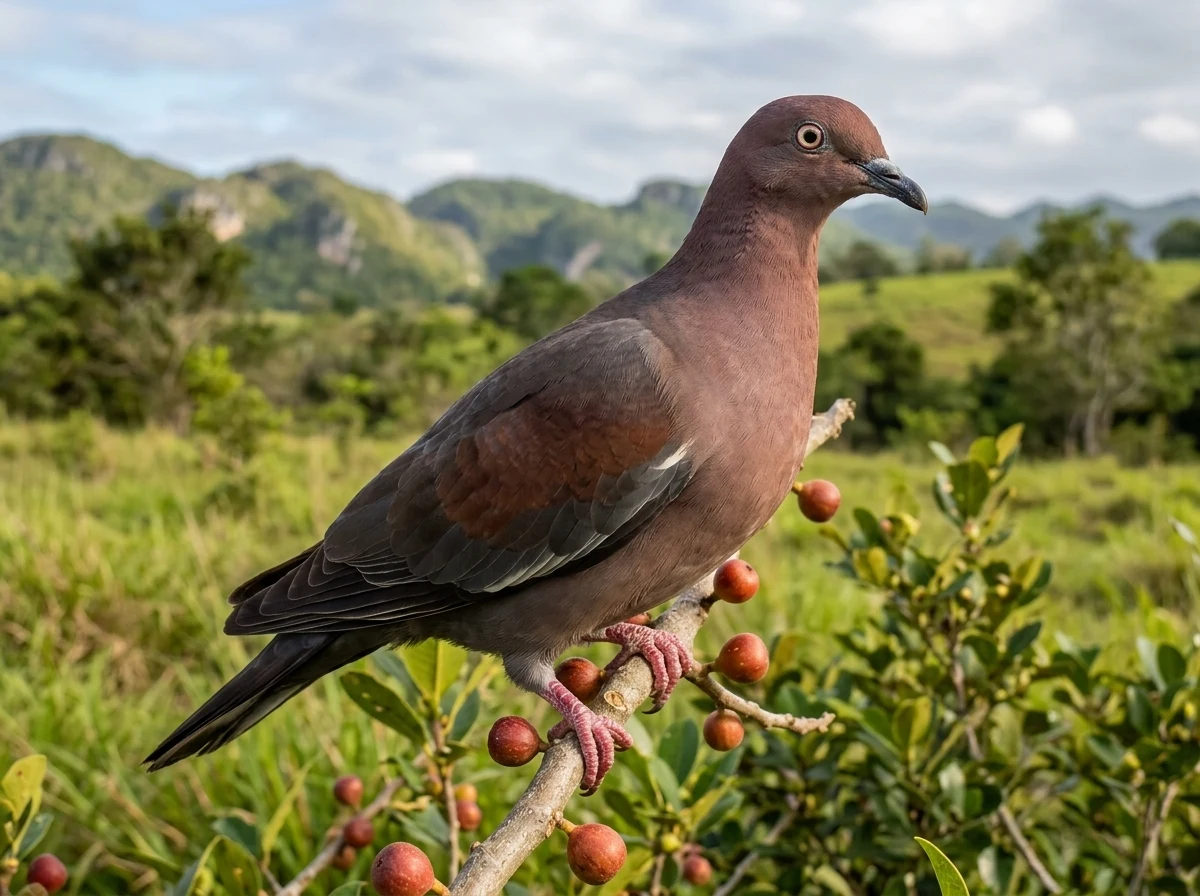
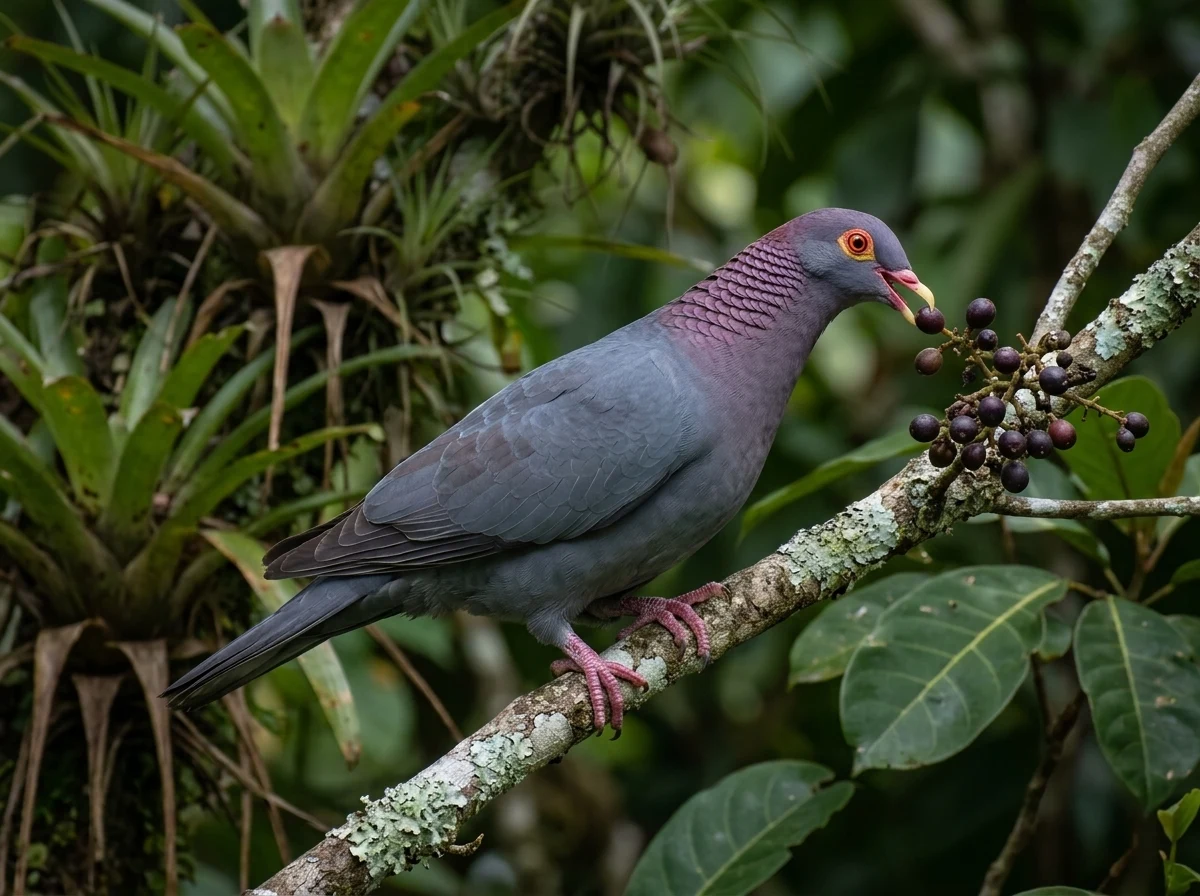
Regulation 6765 governs wildlife conservation, exotic species, and hunting. Pigeon hunting is legal for designated species such as the Scaly-naped Pigeon, but not for the Plain Pigeon, which resembles the Scaly-naped and can be shot by mistake. That is why a hunting exclusion zone covers part of its range.
04
The federal Endangered Species Act
The Endangered Species Act was signed on December 28, 1973 (16 U.S.C. 1531-1544). Its definition of 'State' expressly includes the Commonwealth of Puerto Rico. An 'endangered' species is in danger of extinction throughout all or a significant portion of its range; a 'threatened' species is likely to become endangered within the foreseeable future.
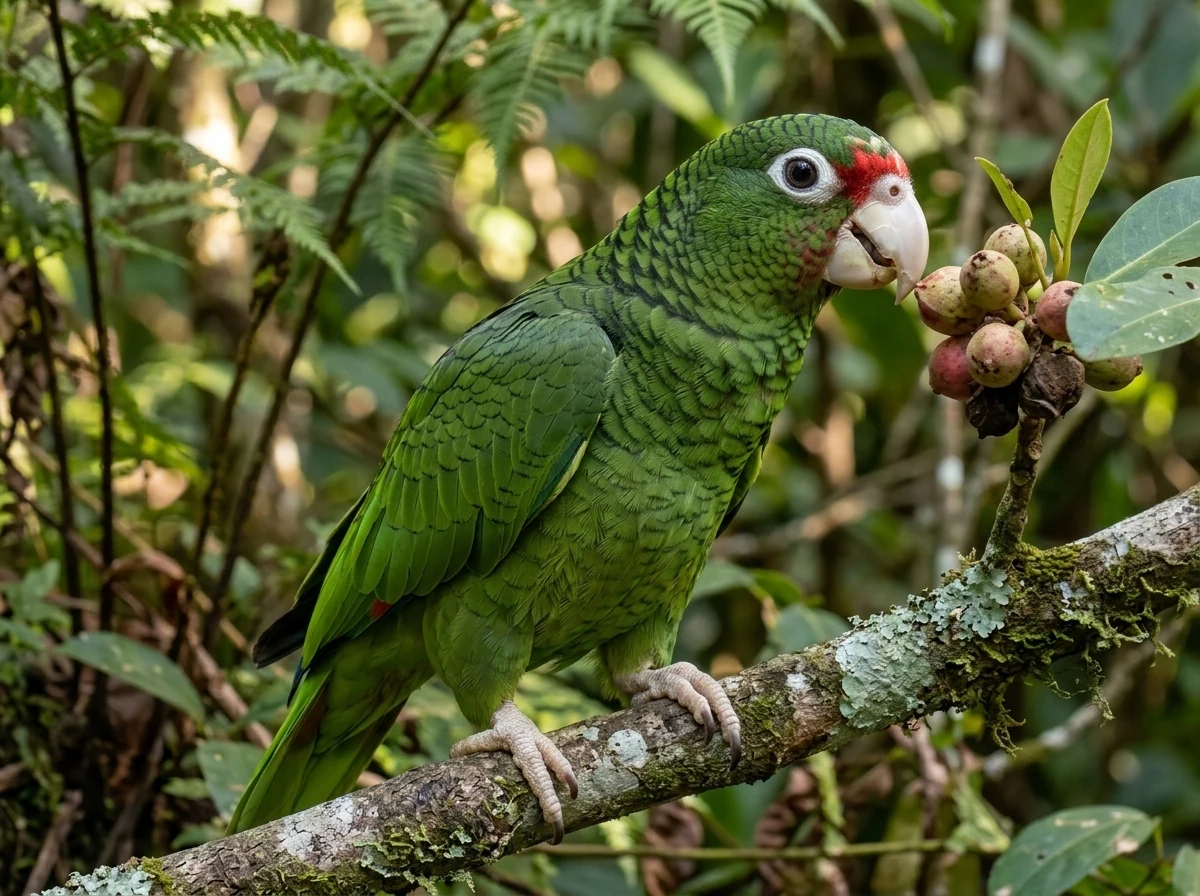
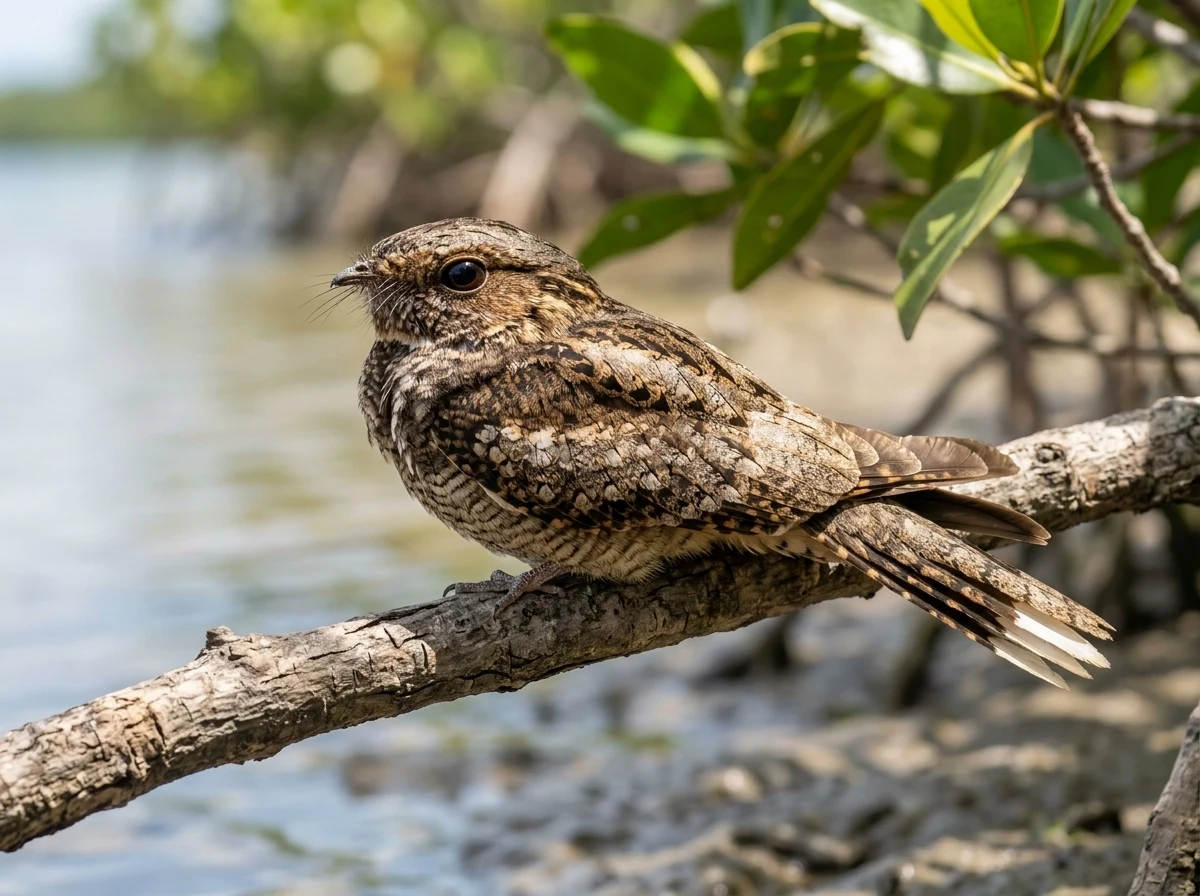
Section 9 prohibits 'take' of endangered species, which the law defines as to harass, harm, pursue, hunt, shoot, wound, kill, trap, capture, or collect, or to attempt any of those. It also bans possessing, transporting, or selling specimens taken illegally. In Puerto Rico it covers 10 birds, including the Iguaca, the Plain Pigeon, and the Puerto Rican Nightjar.
05
The Migratory Bird Treaty Act
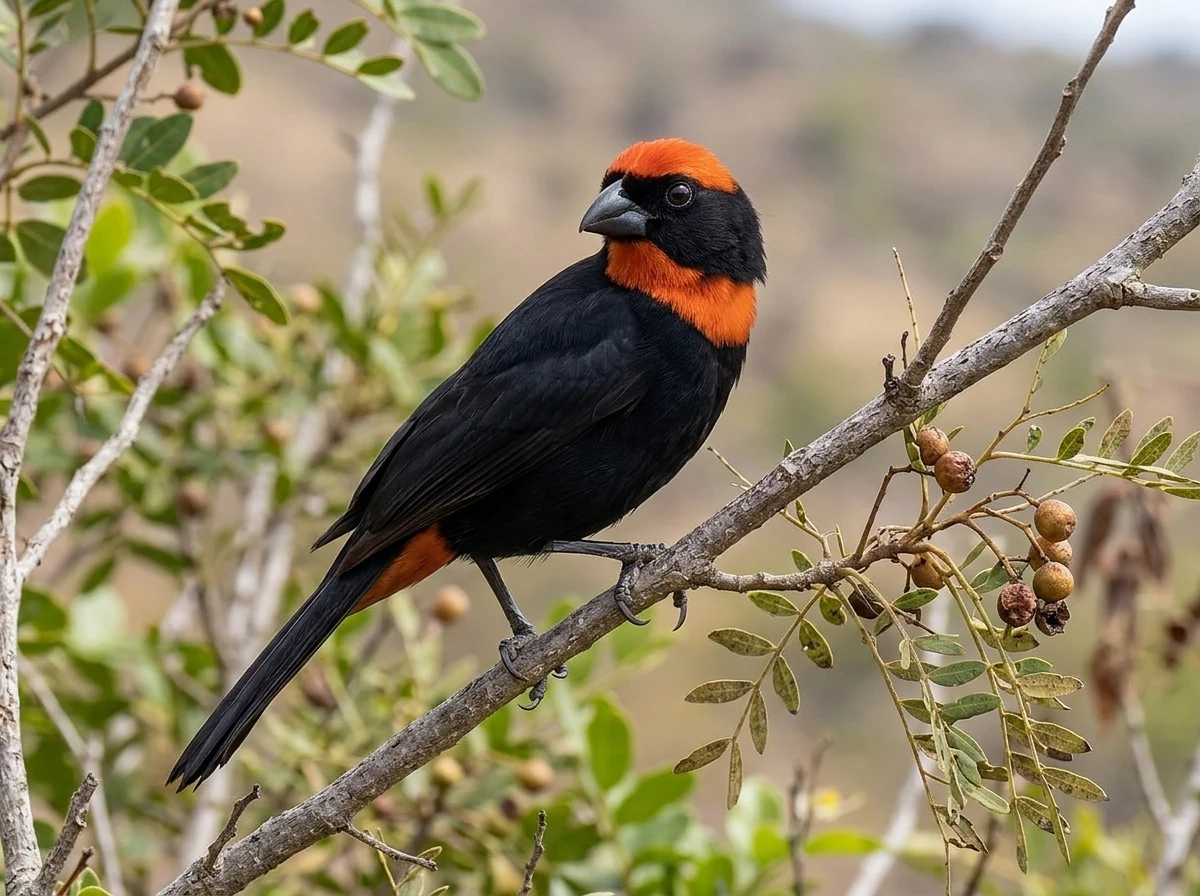
Despite its name, this 1918 law (16 U.S.C. 703-712) does not protect only migrating birds. It implements treaties with Canada (1916), Mexico (1936), Japan (1972), and Russia (1976), and prohibits killing, capturing, selling, trading, or transporting listed species without authorization in the United States and its territories. The federal list at 50 CFR 10.13 includes endemics such as the Yellow-shouldered Blackbird, Puerto Rican Bullfinch, Puerto Rican Emerald, and Elfin-woods Warbler.
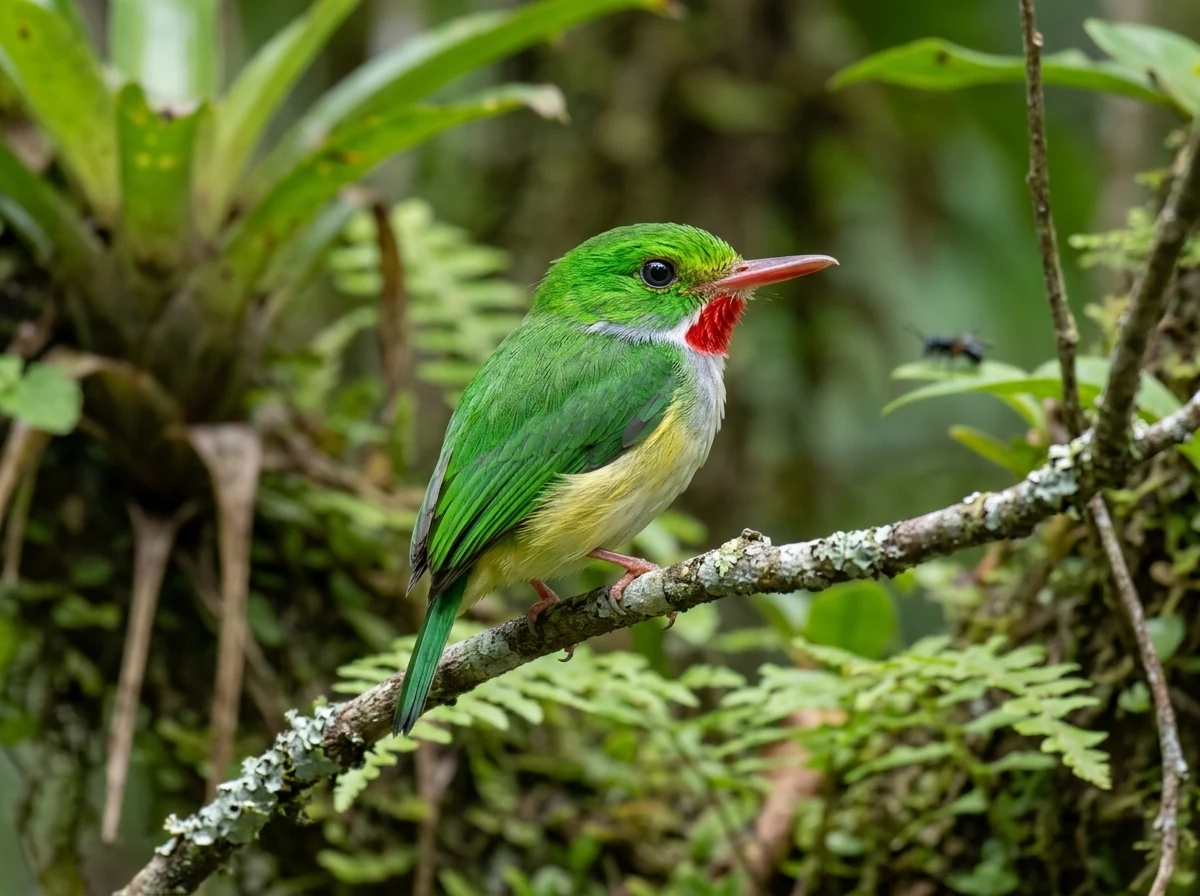
It does not cover species introduced by people, because it applies to species present through natural processes. Nor does it cover families outside its list; the Puerto Rican Tody, for example, does not appear, though it is still protected by Act 241. A basic violation is a misdemeanor with a fine of up to $15,000 or six months in jail; knowingly selling protected birds is a felony.
06
Common situations: what the law says
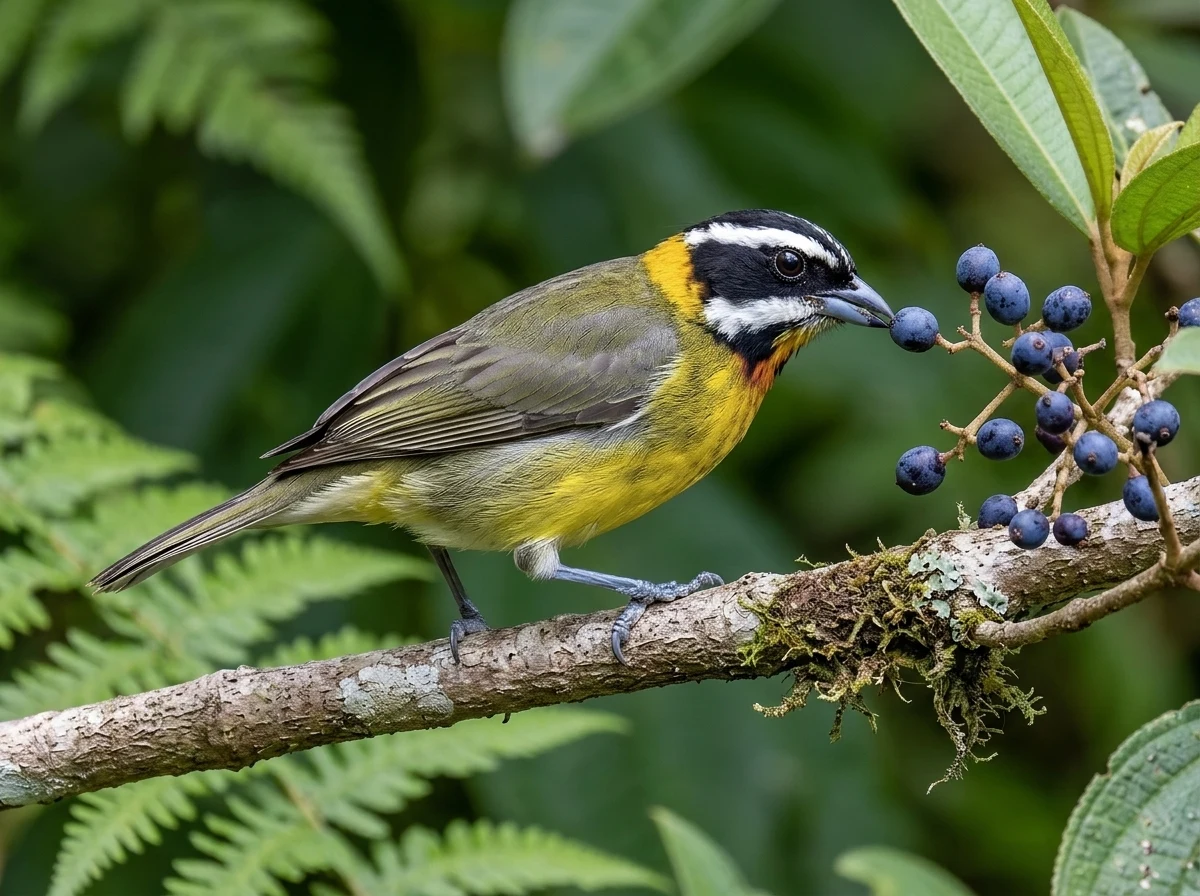
Keeping a Puerto Rican Spindalis or Puerto Rican Bullfinch in a cage? Possessing native wildlife in captivity without written authorization is illegal under Act 241. Buying a 'parrot chick' on social media? The law bans the sale of wildlife and, for exotic species, also bans using internet ads to facilitate that trade without a permit. Trimming a tree with an active nest? Destroying nests or eggs without authorization is prohibited.
If you find an injured bird or a nestling, do not keep it as a pet: contact the DNER for guidance. If you witness illegal hunting, sale of native birds, or nest destruction, note the date, place, and what you saw, and report it to the Ranger Corps. Do not confront anyone or post the location of nests of sensitive species.
Linked profiles
Birds mentioned in this guide
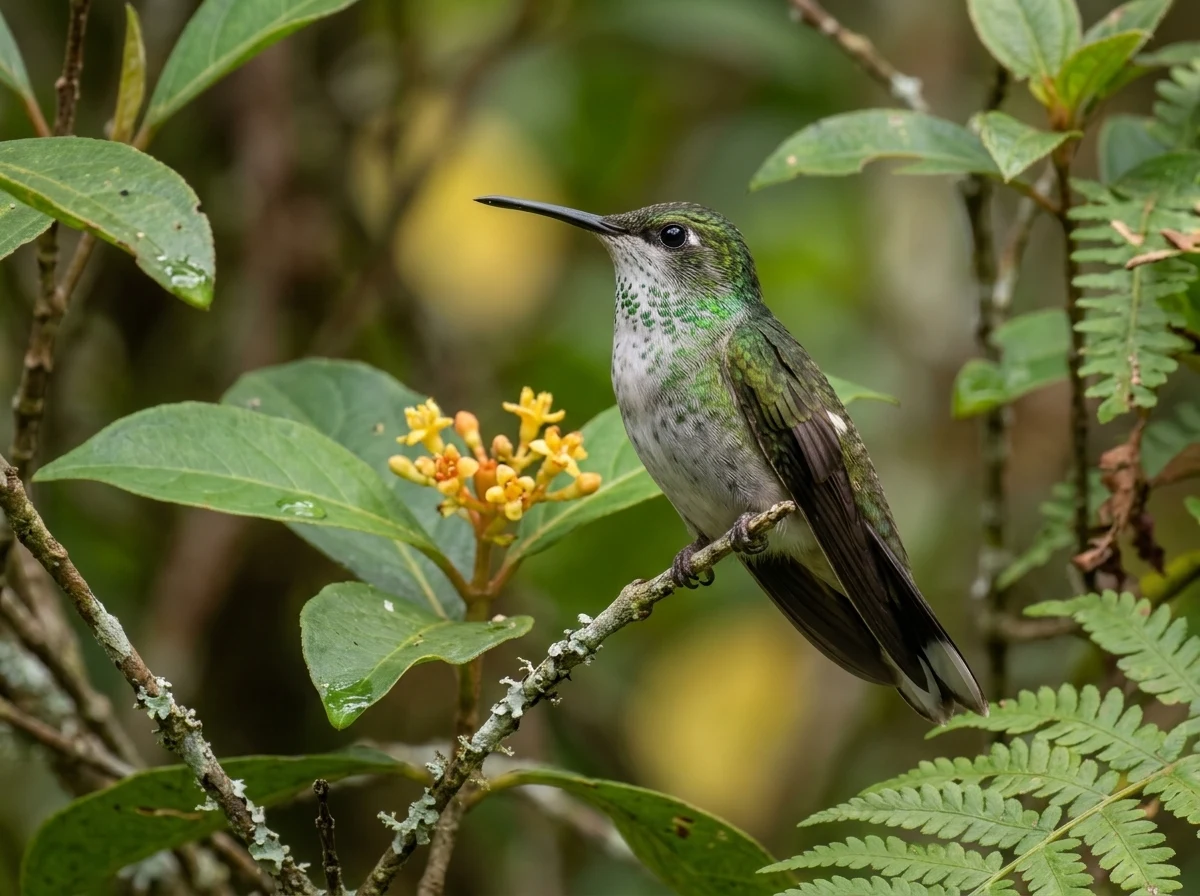
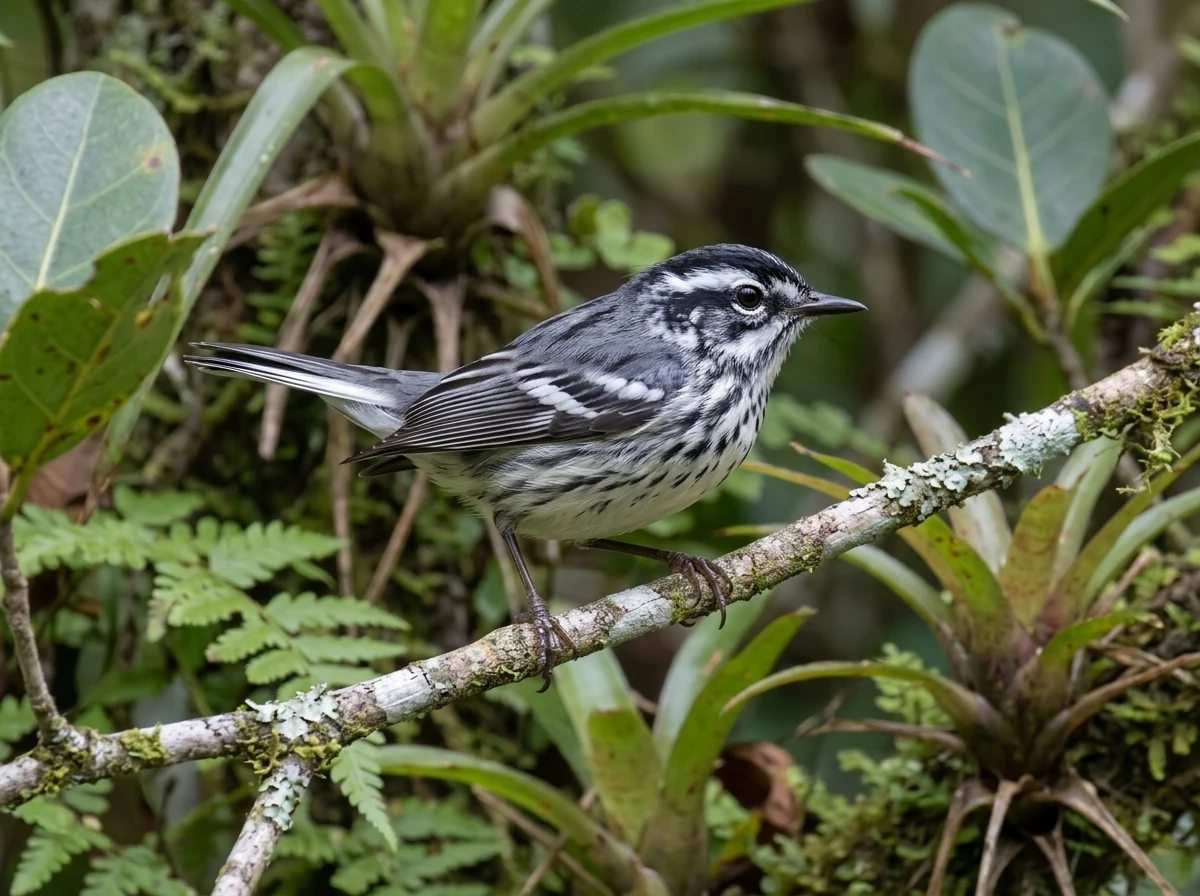
Species with local protection, federal protection, or both, plus the Scaly-naped Pigeon, a legal game bird often confused with the Plain Pigeon.
Sound archive
Hear its voice
Explore real songs and calls. The spectrogram turns each sound into a visual trace of time and frequency.
XC308516Recording 1 of 3song

Play: song by Ross Gallardy
Choose another recording
Sound recorded by Ross Gallardy · XC308516 · CC BY-NC-SA 4.0. Visualization by Stichting Xeno-canto voor Natuurgeluiden.
Every recording retains the creator, catalogue number, and license published by Xeno-canto. Metadata via GBIF ↗
01
Is it illegal to keep a native bird as a pet in Puerto Rico?
Yes. Article 6(p) of Act 241 prohibits possessing or keeping in captivity any native or migratory wildlife species, except for scientific, educational, or recovery purposes with written authorization from the DNER Secretary.
02
What is the fine for killing an endangered bird in Puerto Rico?
Under Act 241, violating the rules on vulnerable or endangered species is a felony, with a fine of $5,000 to $50,000 per specimen or 90 days to three years in jail, or both. If the species is federally listed, the Endangered Species Act can also apply.
03
Can you hunt the Plain Pigeon?
No. The Plain Pigeon is endangered under both the DNER and federal law. It resembles the Scaly-naped Pigeon, which is a legal game species, so a hunting exclusion zone covers part of its east-central range.
04
Does the Endangered Species Act apply in Puerto Rico?
Yes. The definition of 'State' in 16 U.S.C. 1532 expressly includes the Commonwealth of Puerto Rico. Ten birds with range in Puerto Rico are listed, including the Puerto Rican Parrot, Yellow-shouldered Blackbird, and Elfin-woods Warbler.
05
Does the Migratory Bird Treaty Act protect birds that don't migrate?
Yes, if they are on its official list. The 50 CFR 10.13 list includes Puerto Rico residents and endemics such as the Yellow-shouldered Blackbird and the Puerto Rican Bullfinch. It does not include species introduced by people.
06
Where do I report illegal hunting or bird sales in Puerto Rico?
To the DNER Ranger Corps, which enforces Act 241 and its regulations. Note the date, time, place, species if you recognize it, and any evidence such as photos or screenshots of ads, without confronting anyone.
Keep exploring
Connected routes
Sources and review
The evidence is one link away.
These sources support the editorial scope of this guide. Bird profiles also retain their own taxonomy, occurrence, and conservation references.
Reviewed:
01↗02↗03↗04↗05↗06↗07↗08↗09↗10↗11↗
Oficina de Gerencia y Presupuesto, Gobierno de Puerto Rico
New Wildlife Law of Puerto Rico, Act 241-1999 as amended
Official text (rev. April 16, 2026): definitions, Article 6 prohibited acts, and Article 22 penalties.U.S. Fish and Wildlife Service
Endangered Species Act of 1973 summary
Enactment date (December 28, 1973), 16 U.S.C. 1531-1544 citation, and administering agency.Legal Information Institute, Cornell Law School
16 U.S.C. § 1532: Endangered Species Act definitions
Legal definitions of endangered species, threatened species, take, and State, which includes Puerto Rico.U.S. Fish and Wildlife Service
Migratory Bird Treaty Act of 1918
What the law prohibits, treaties with Canada, Mexico, Japan, and Russia, and application in territories.Legal Information Institute, Cornell Law School
50 CFR § 10.13: list of protected migratory birds
Check of which Puerto Rico species appear on the federal list.Departamento de Recursos Naturales y Ambientales
DNER Ranger Corps
Legal basis (Act 110 of 2020), 318 officers, and their duty to enforce Act 241.USDA APHIS Wildlife Services, en consulta con el DRNA
Environmental assessment: managing mammal and reptile damage in Puerto Rico (2021)
Table C.3 of DNER-designated critically endangered, endangered, and vulnerable species; summary of Regulation 6766 and legal authority over feral cats.U.S. Fish and Wildlife Service, Caribbean Ecological Services Field Office
Puerto Rican Plain Pigeon: 5-year status review (August 2025)
Population history, 2024 estimate, nesting, threats, 1982 recovery-plan criteria, and recommended actions.Legal Information Institute, Cornell Law School
16 U.S.C. § 1538: Endangered Species Act prohibited acts
Section 9 prohibitions for endangered species.U.S. Fish and Wildlife Service
Federally listed species with range in Puerto Rico (ECOS)
Federal status (endangered or threatened) and listing date for the 10 Endangered Species Act birds with range in Puerto Rico.Legal Information Institute, Cornell Law School
16 U.S.C. § 707: Migratory Bird Treaty Act penalties
Fines and jail terms for misdemeanor violations and for selling migratory birds.The atlas continues