 AI
AILearning Guides
Family Bird Journal: 7-Day Challenge
Seven days, five common backyard birds, and a notebook. This is how a family starts watching birds closely and recording what it sees.
Reviewed: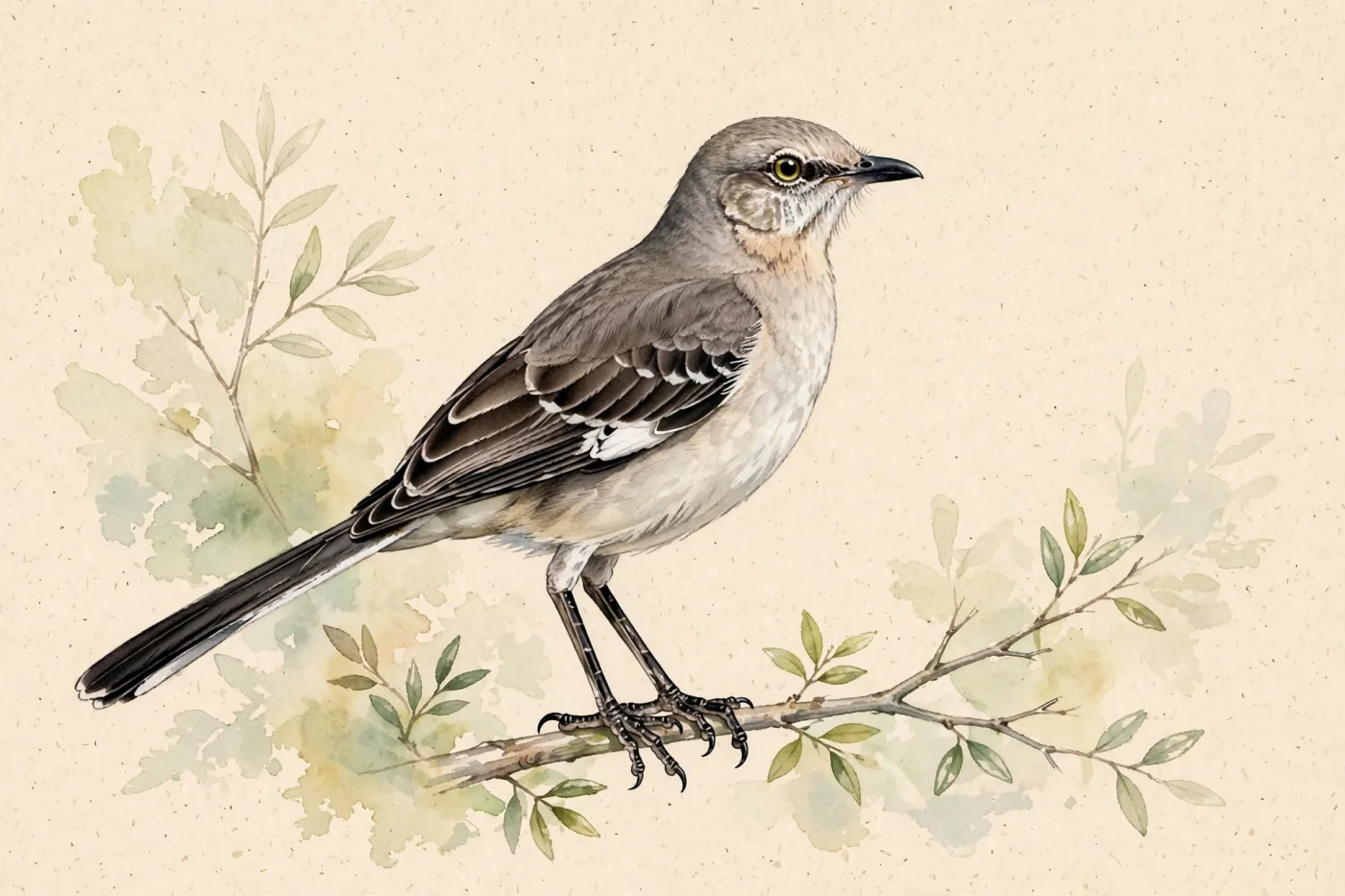
Prepared with AI assistance and linked sources. Illustrations are not field photographs.
Why a Family Bird Journal
Family birdwatching doesn't require expensive gear or long trips. A notebook, a pencil, and fifteen minutes a day are enough to start. The key is consistency: watching the same yard or balcony for several days in a row and noting what changes. That habit turns an everyday space into a small observation lab.
This seven-day challenge is designed for families with children and beginners. Each day offers a different question, space to draw, and a simple table for recording data. It isn't a generic school project: the focus is on the birds actually seen near home in Puerto Rico, and on learning to watch them without disturbing them.
Learning Guides
The Challenge in Numbers
7days of observationA different question each day, with space for a sketch and data.
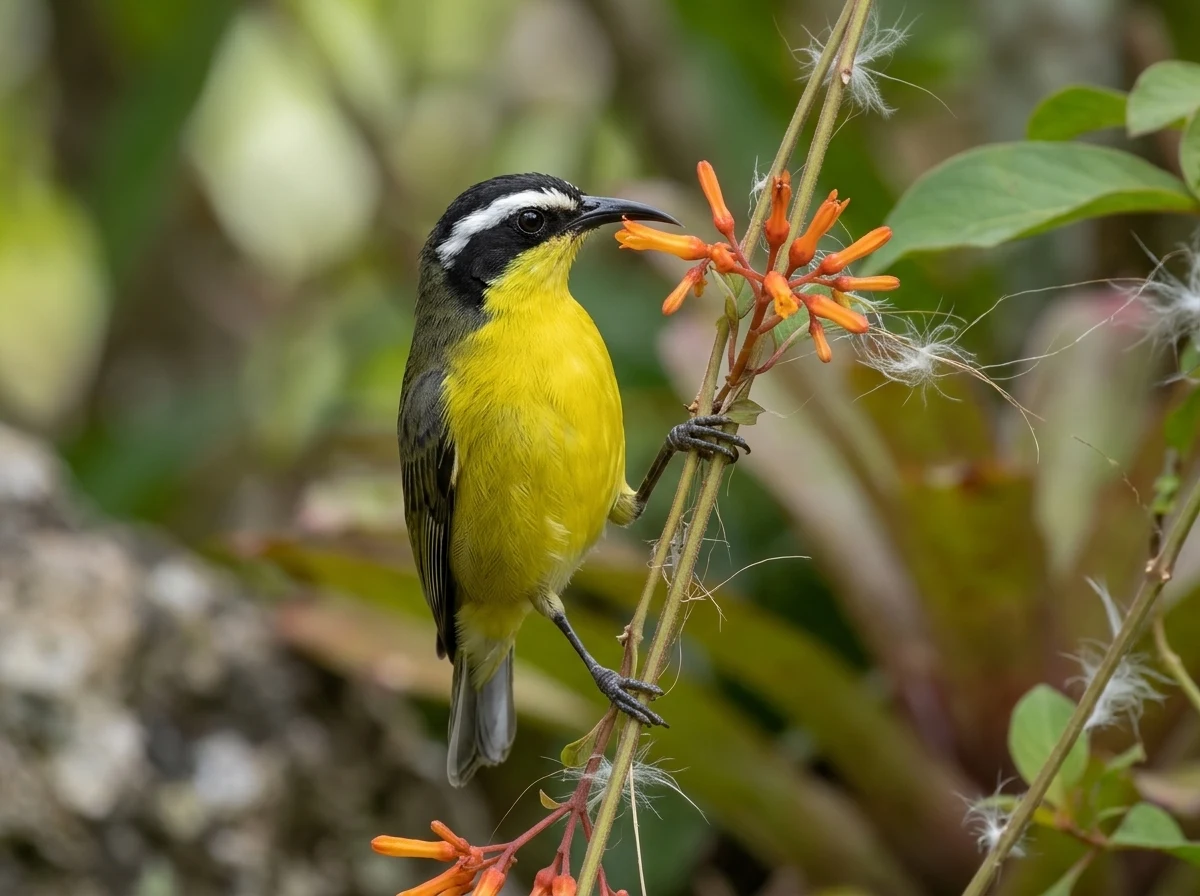
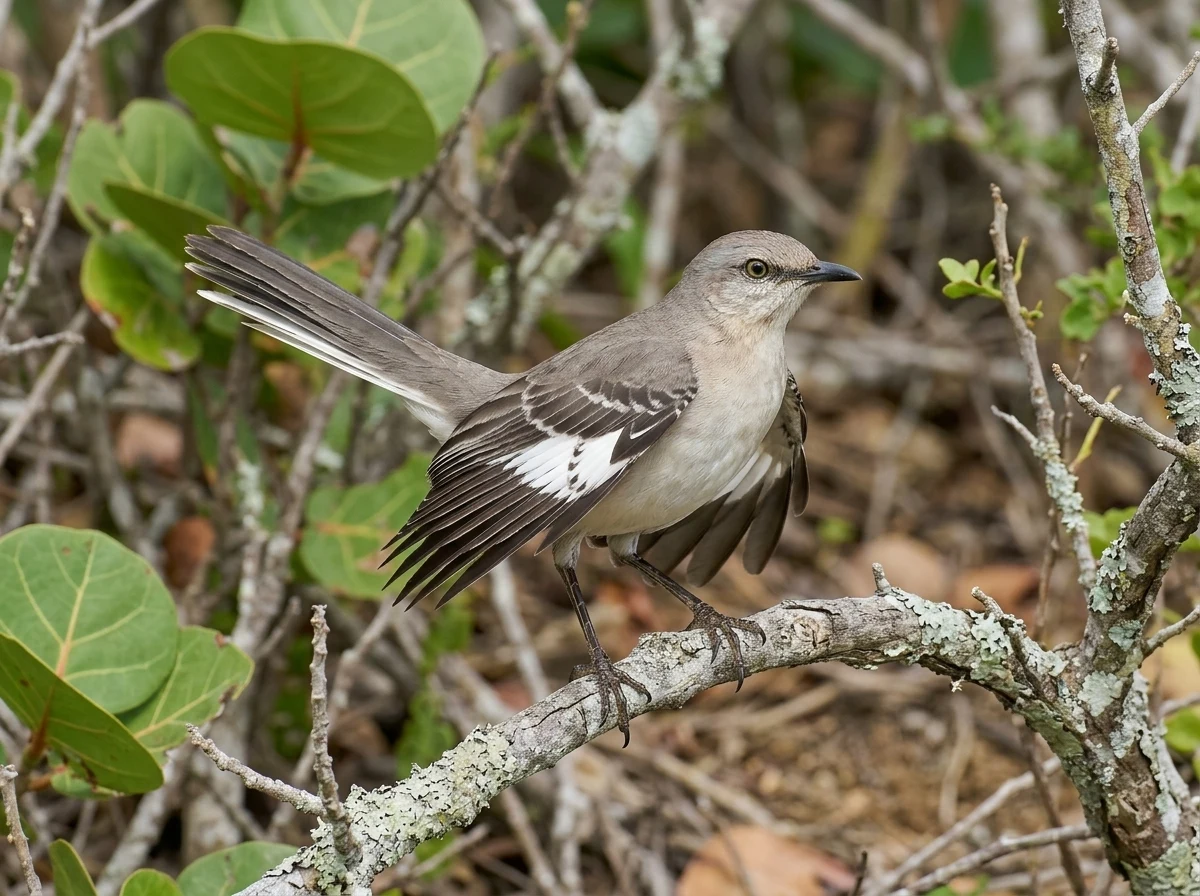
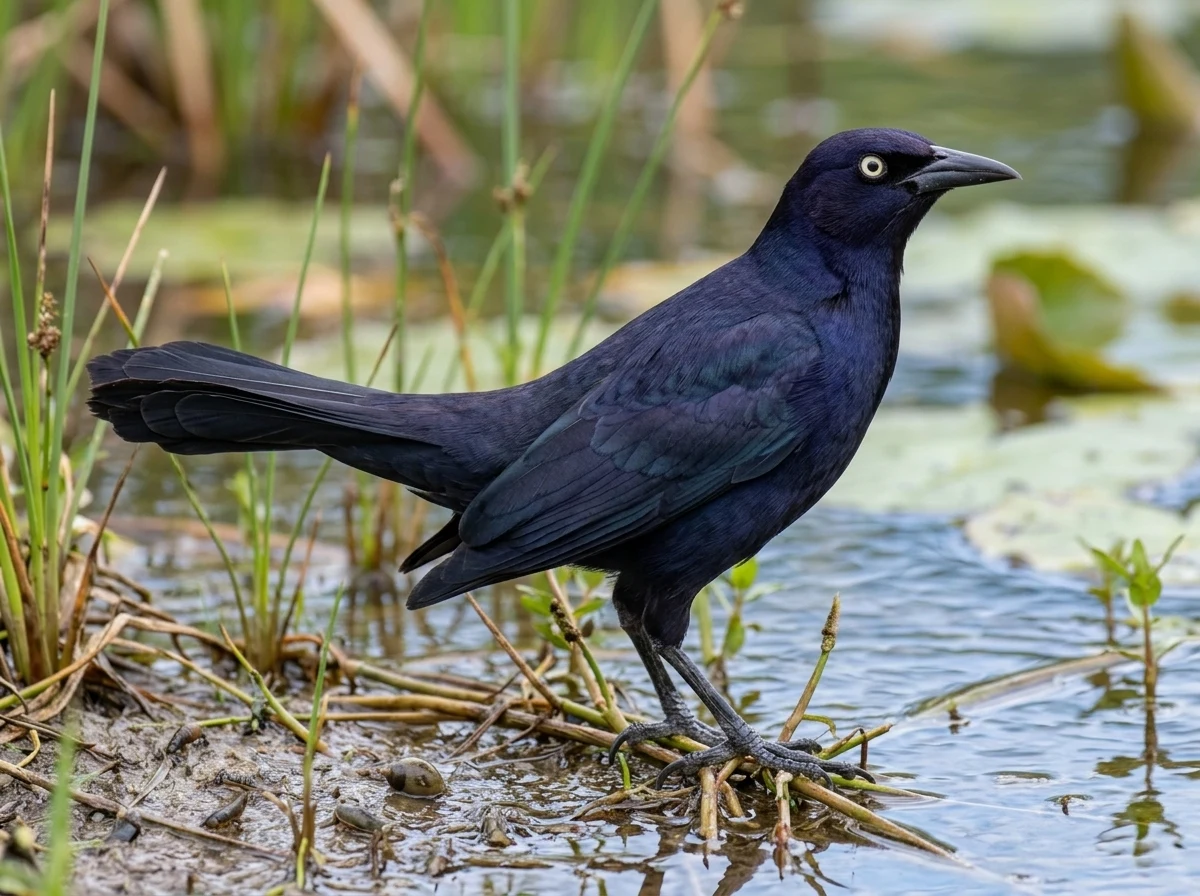
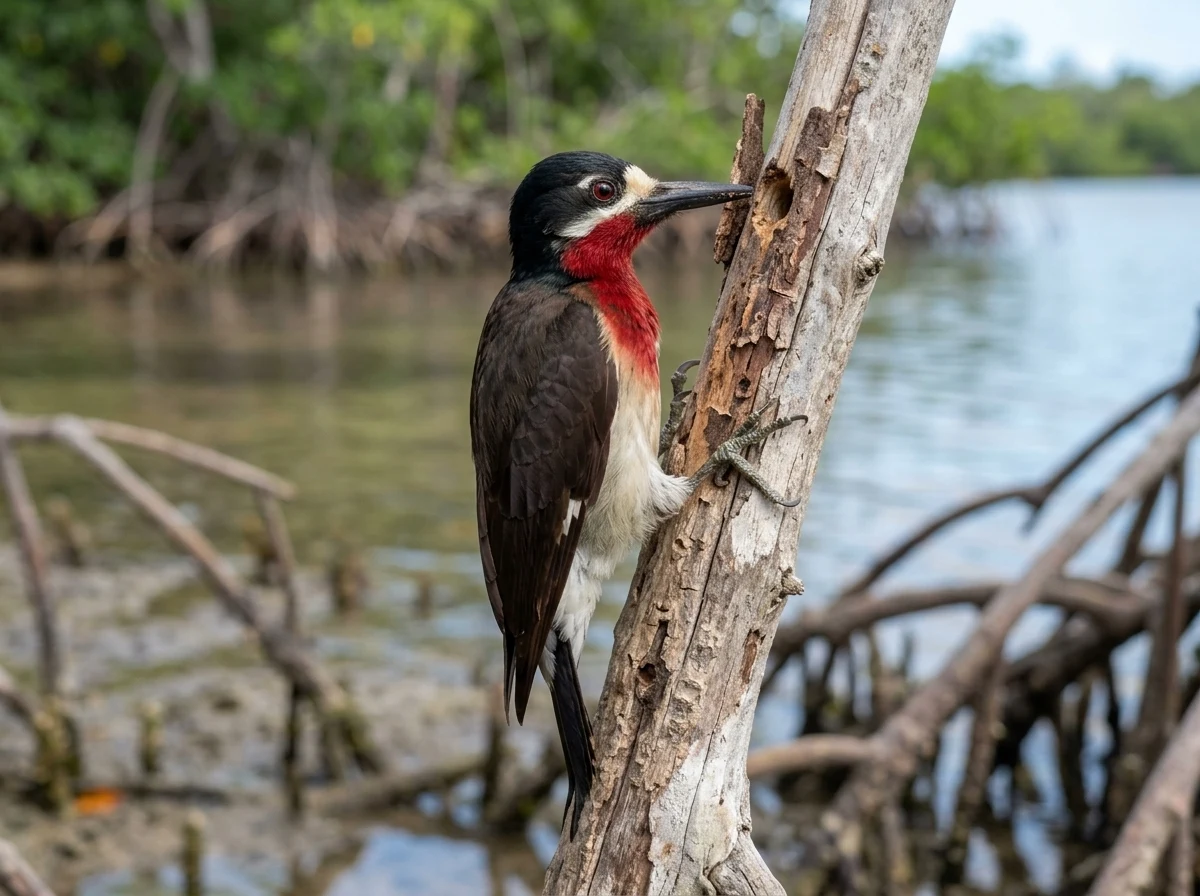
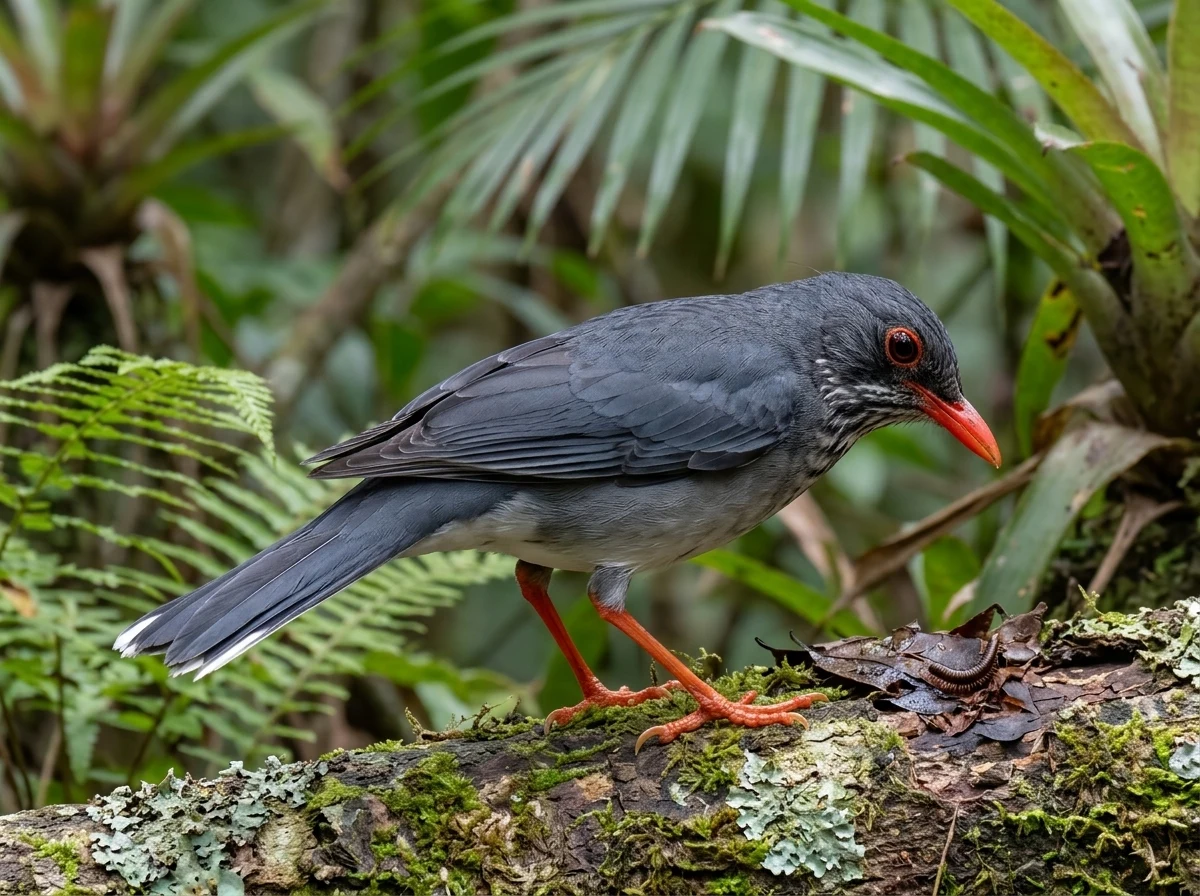
5backyard birds to look forBananaquit, Northern Mockingbird, Greater Antillean Grackle, Puerto Rican Woodpecker, and Eastern Red-legged Thrush.
15minutes a dayEnough to observe, record, and sketch without tiring younger children.
01
Set Up the Notebook and the Spot
Before starting, each family picks a fixed observation spot: a balcony, a window, a yard, or a nearby park. What matters is that it's a safe, comfortable place where they can stay still for fifteen minutes. The notebook can be a small pad or a few stapled sheets. On the first page, write the start date, the name of the place, and the names of everyone taking part.
Each day of the challenge has three parts: a question to discuss, space to draw, and a data table. The table has simple columns: time, bird name (or description if unknown), how many were seen, what they were doing, and weather notes. You don't need to identify every bird; describing what you see is already valuable data. If you don't know a species, you can draw it or note its size, color, and behavior to look it up later.
02
The Five Backyard Birds
The Bananaquit is a small, active bird that visits gardens and wooded areas. It feeds on nectar and often moves alone or in pairs. The Northern Mockingbird is known for mimicking sounds and defending its territory; it is gray with white patches on the wings and tail. The Greater Antillean Grackle is black, with yellow eyes and a V-shaped tail; it lives in towns, coasts, and wetlands, and often moves in flocks.
The Puerto Rican Woodpecker is endemic to the archipelago and the only resident woodpecker on the main island. It is seen in dry and moist forests, mangroves, plantations, parks, and gardens. The Eastern Red-legged Thrush is a forest bird, native to the Caribbean, that can also appear in wooded areas. These five species won't all be seen in every yard, but they are good candidates to look for during the week.
03
7-Day Plan: Questions and Sketches
Day 1: Which birds visit our yard? Draw a silhouette. Day 2: What time is there the most activity? Note the time of each sighting. Day 3: What are they eating? Look for signs of nectar, insects, or fruit. Day 4: What do they sound like? Describe or imitate the sound. Day 5: Where do they perch? Draw the tree, pole, or roof. Day 6: How many birds do we see at once? Count and compare. Day 7: What changed during the week? Review the notebook and write a family conclusion.
Each day, spend fifteen minutes observing and ten minutes filling in the journal. Sketches don't have to be perfect: they help you remember details. At the end of the week, the family can compare notes and pick a favorite sighting. If they want to go further, they can upload their observations to eBird, a citizen science platform that receives data from around the world. eBird is a collaborative project in Puerto Rico between the Sociedad Ornitológica Puertorriqueña and Para la Naturaleza.
04
Watch Without Disturbing
Ethical observation is part of the challenge. Keep your distance and use binoculars or a zoom camera instead of getting closer. If a bird flies away or changes its behavior when you approach, you are too close. Avoid chasing birds to make them fly, and don't use call playback to attract them. Don't touch nests or get close to them: parents may abandon them if they feel threatened.
In the yard, keep feeders and water baths clean and stocked with appropriate food. Don't offer processed food or bread. If you see an injured bird or a chick on the ground, don't handle it without guidance; seek help from a wildlife center. The goal of the journal is to learn to watch with respect, not to interfere with the birds' lives.
05
From Observation to Citizen Science
The data a family records in its journal can become part of a larger scientific project. Citizen science allows ordinary people to contribute to real research. In the Caribbean, thousands of volunteers have contributed observations to eBird that helped complete the first regional assessment of shorebirds, identifying critical sites for their conservation.
To participate, you just need to register on eBird and record the date, place, time, and species seen. You don't have to be an expert. Observations from yards and balconies are valuable because scientists can't always access those spaces. The seven-day challenge can be the first step for the whole family to become regular observers and contribute useful data.
Linked profiles
Birds to Look for in the Challenge
Five species common in yards, gardens, and wooded areas of Puerto Rico.
01
Do we need binoculars for the challenge?
No. You can start with just a notebook and pencil. Binoculars help you see details, but they aren't required. A zoom camera or a phone can also help enlarge the image.
02
What if we don't know how to identify a bird?
Write a description: size, colors, beak shape, behavior, and sound. You can draw it or take a photo. Later, with a guide or app, try to identify it. What matters is recording what you saw.
03
What is the best time to watch birds in the yard?
Early morning usually has more activity, but every yard is different. The challenge suggests observing at different times to discover when there is more movement in your space.
04
Can we participate if we live in an apartment?
Yes. A balcony, a window, or a nearby park is enough. Many birds visit urban areas, and data from those places is also valuable for citizen science.
05
How do we share our data?
You can register on eBird and upload your observations with date, place, time, and species. You can also keep the journal as a family keepsake and compare it with future challenges.
Keep exploring
Connected routes
Sources and review
The evidence is one link away.
These sources support the editorial scope of this guide. Bird profiles also retain their own taxonomy, occurrence, and conservation references.
Reviewed:
01↗02↗03↗
Cornell Lab of Ornithology
Puerto Rico — eBird
Evidence for cited sections; consult the original document.BirdsCaribbean
A Beginner's Guide to Becoming a Citizen Scientist
Evidence for cited sections; consult the original document.National Audubon Society
Audubon's Guide to Ethical Bird Photography and Videography
Evidence for cited sections; consult the original document.The atlas continues