 AI
AILearning guide
Family Tree: Endemic vs. Introduced
A sorting activity to arrange Puerto Rico birds by origin and spark a conversation about conservation.
Reviewed: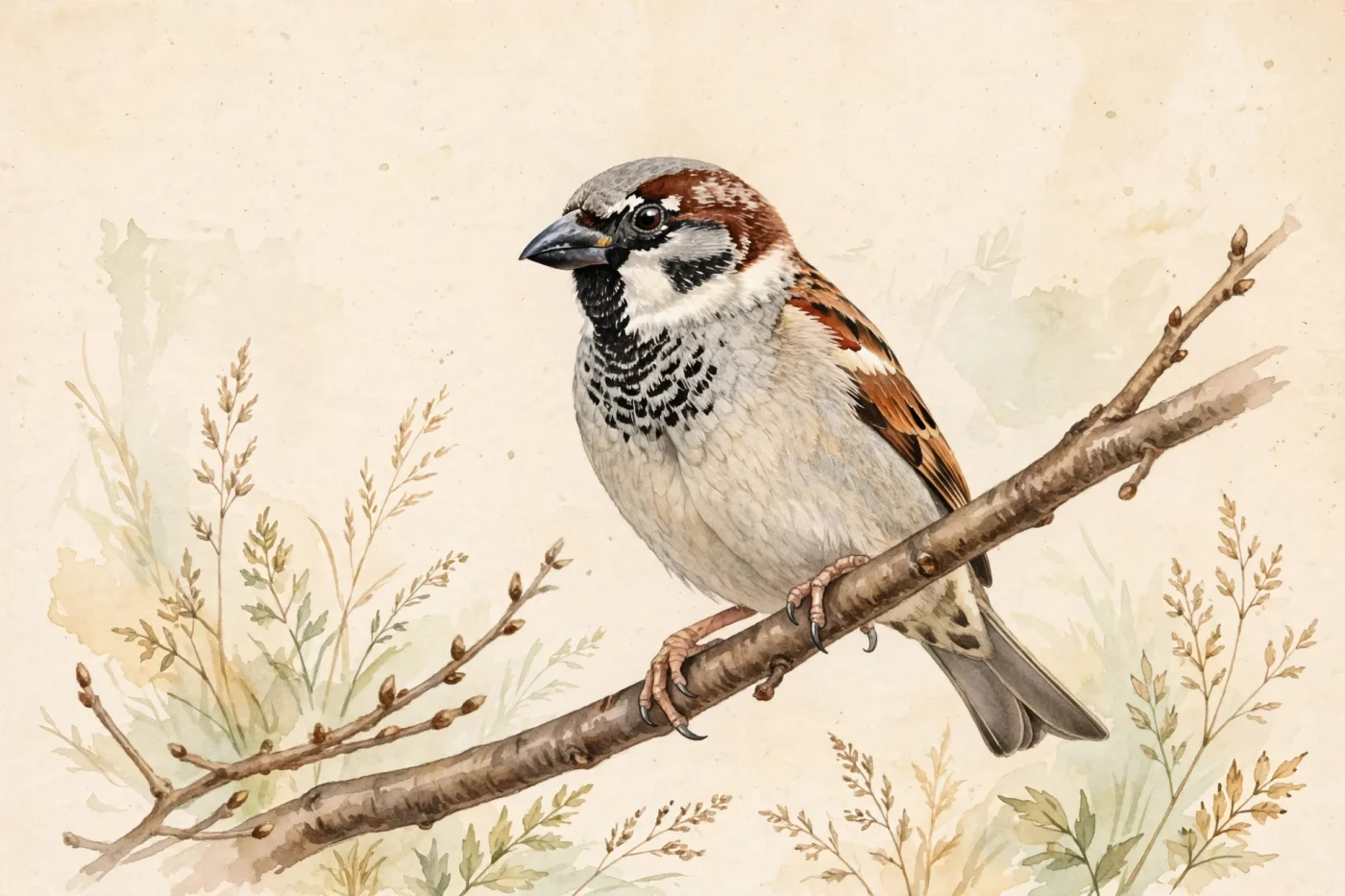
Prepared with AI assistance and linked sources. Illustrations are not field photographs.
Three labels, one question
When we ask what difference there is between an endemic and an introduced bird in Puerto Rico, the short answer is this: an endemic bird exists naturally only in the archipelago, while an introduced bird arrived through human actions, direct or indirect. Between the two lies a broad category, native birds: present through natural processes, but not exclusive to Puerto Rico.
This guide proposes a bird-card activity for building a Venn diagram with three circles: endemic, native, and introduced. As each card is sorted, the group discusses origin, status, and conservation. The definitions and examples come from the cited sources; the game mechanics are a teaching suggestion.
Learning guide
Facts for the conversation
17endemic speciesAccording to the consulted list of birds of Puerto Rico.
43species introduced by humansSpecies listed as introduced in that same list.
3circles in the Venn diagramEndemic, native, and introduced: the three labels in the activity.
01
What each label means
A native species is indigenous to a region or ecosystem if its presence there results only from local natural evolution during history. The term is equivalent to indigenous or autochthonous. An introduced species is a wild organism that humans brought to a region where it was not native. If that species causes substantial ecological, environmental, or economic damage, it may also be regarded as invasive.
An endemic species is exclusively found in a particular place. The key point is that native and endemic are not synonyms: a native species may occur in areas other than the one under consideration, but an endemic one does not. The labels also do not imply that the organism necessarily first originated or evolved where it is currently found.
02
How this looks in Puerto Rico
The consulted list of birds of Puerto Rico records 385 species in the archipelago, of which 17 are endemic and 43 were introduced by humans. That same list notes that non-native species are common and that individuals of many other species, mostly parrots, finches, and waxbills, are flying free, presumably after escaping or being released from captivity.
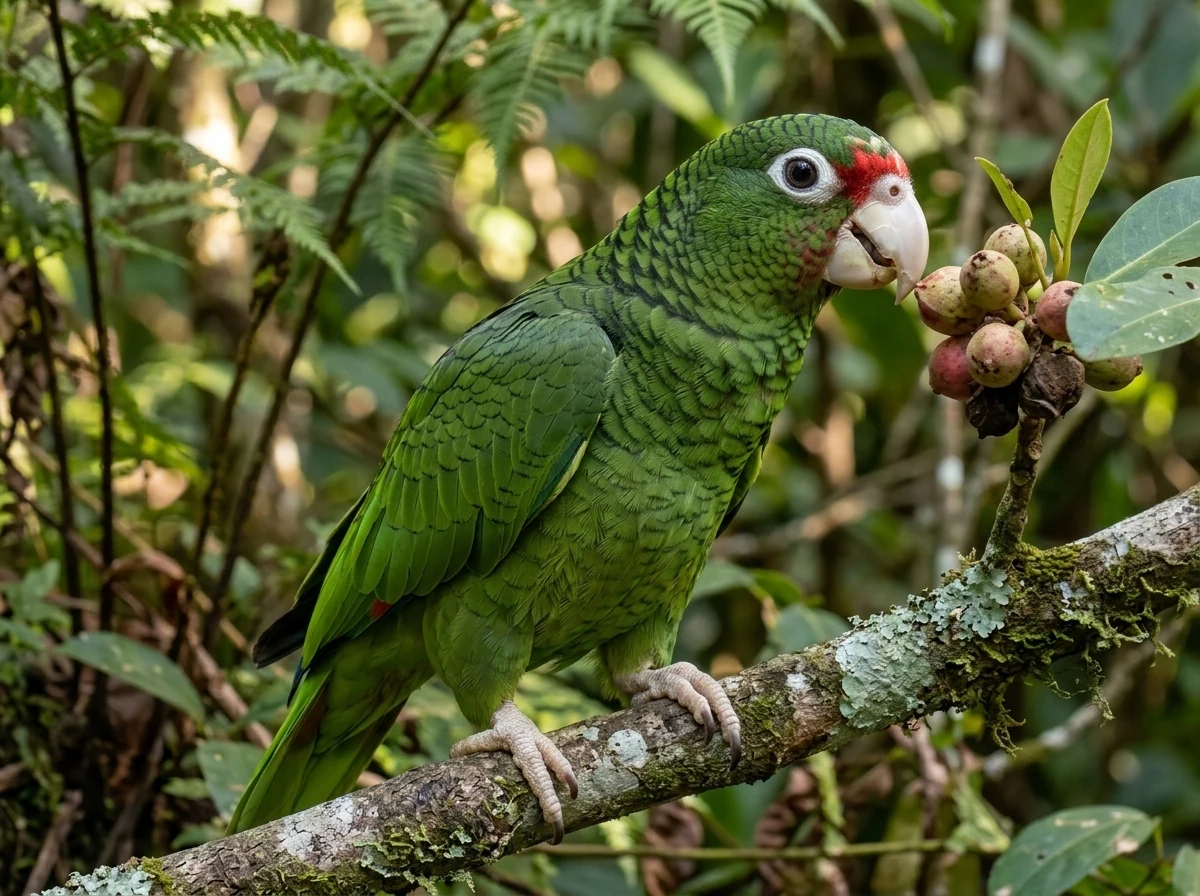
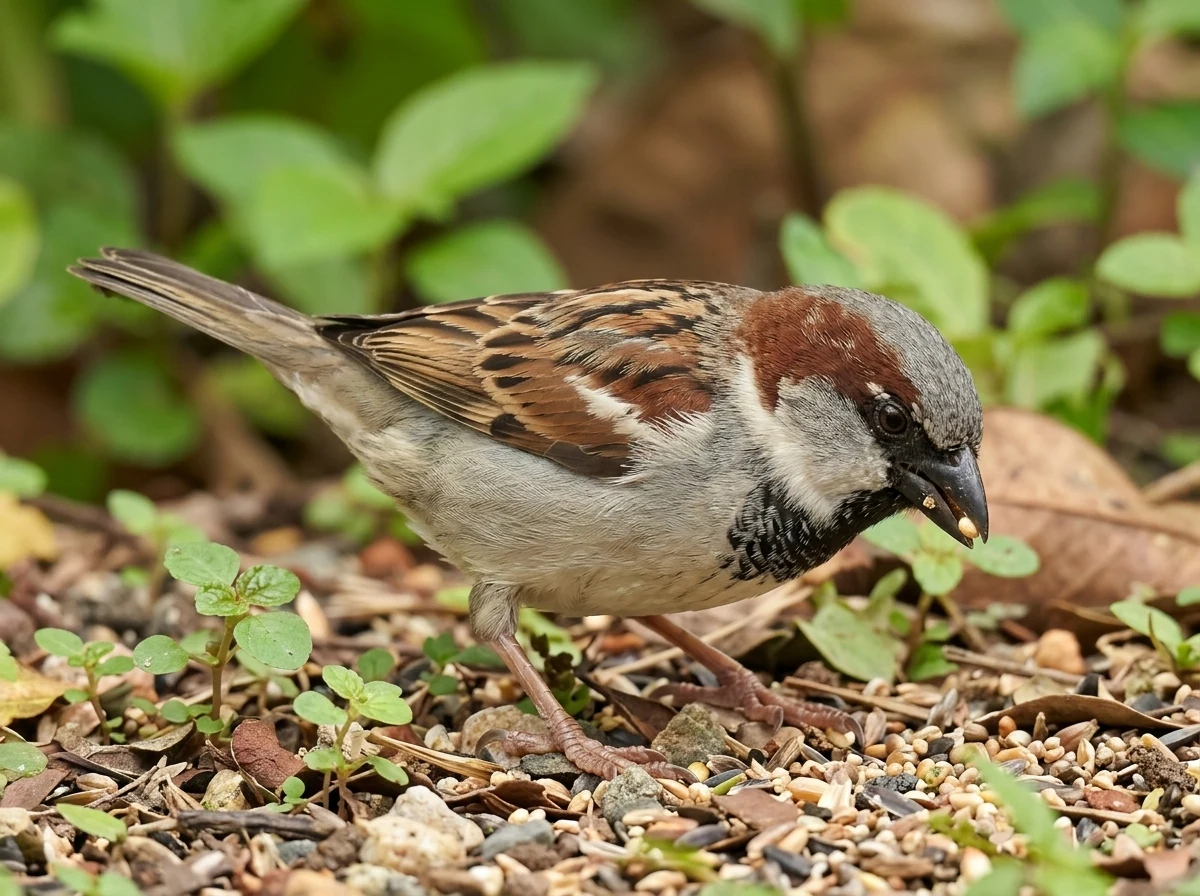
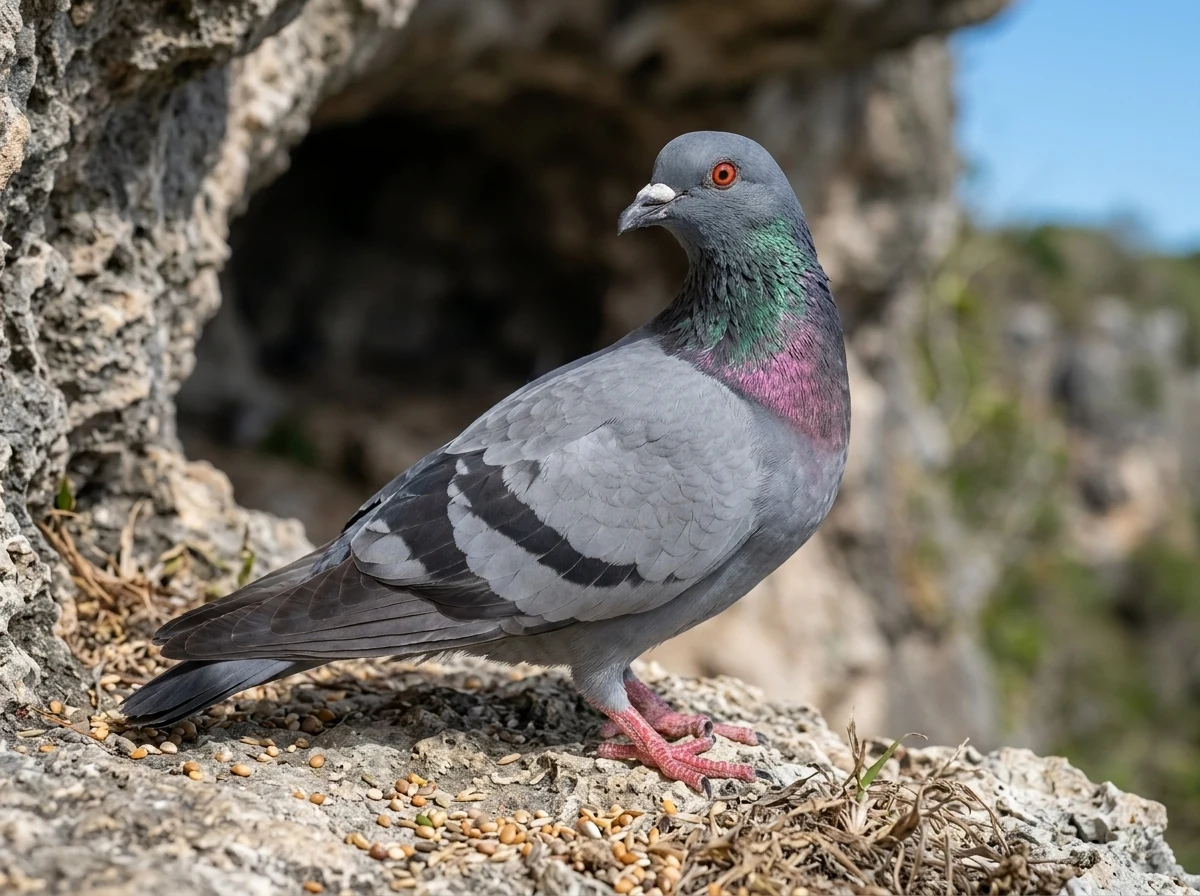
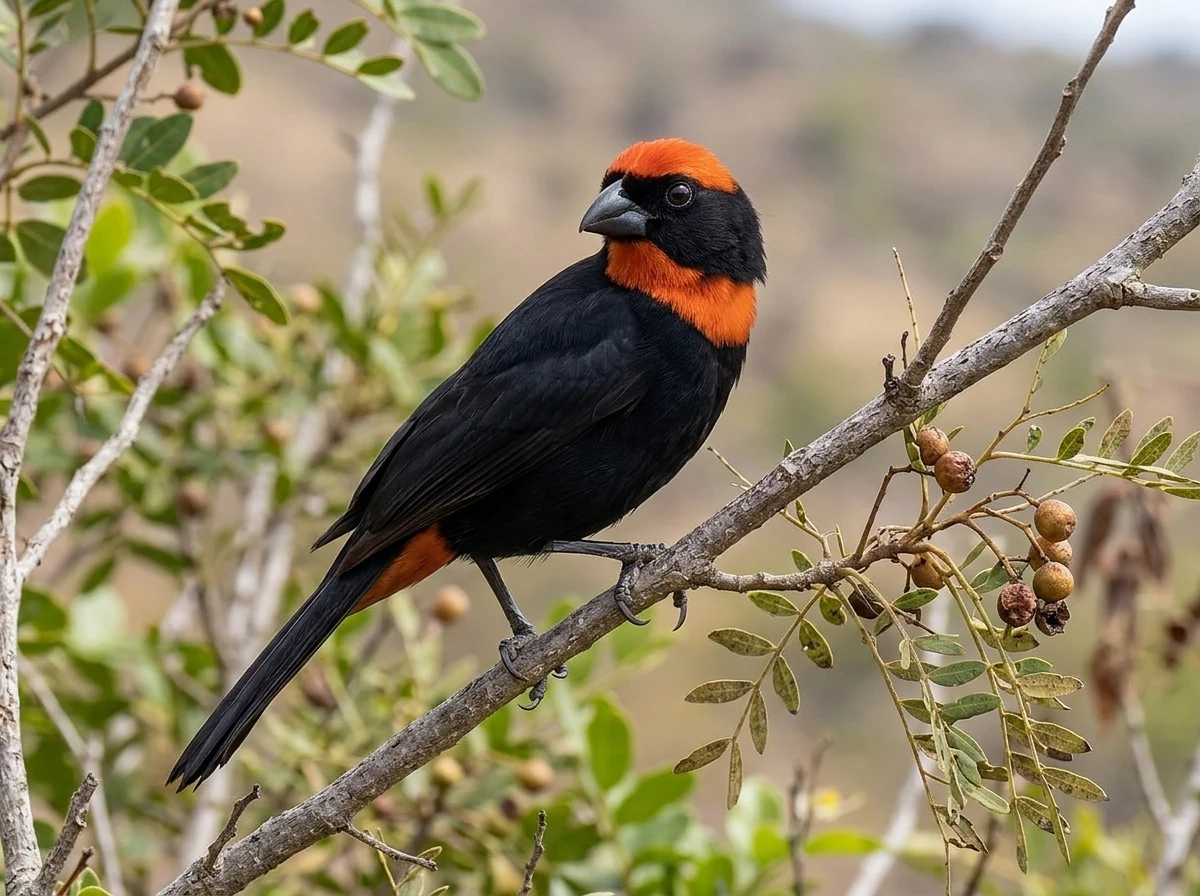
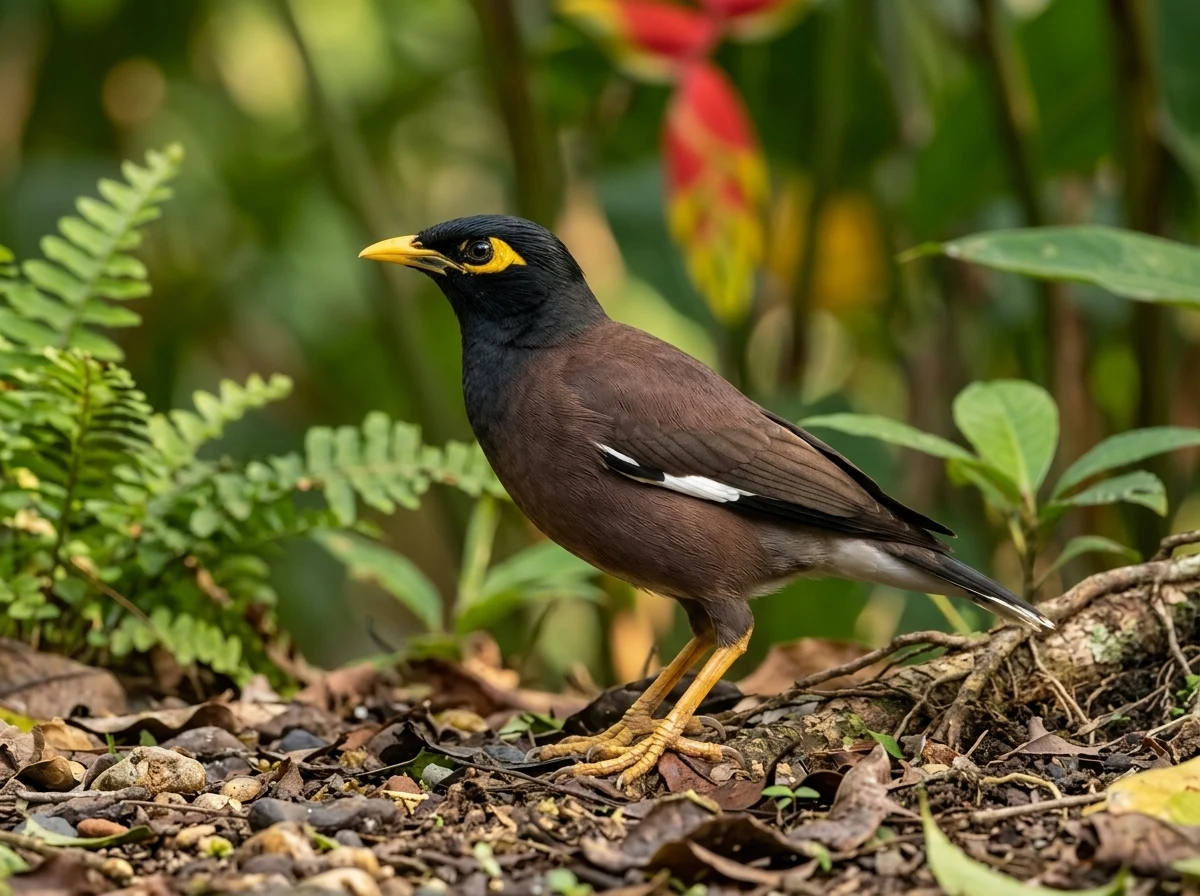
For the activity, the bird catalog offers five clear cards. The Puerto Rican Amazon (Amazona vittata) and the Puerto Rican Bullfinch (Melopyrrha portoricensis) are classified as endemic and native. The House Sparrow (Passer domesticus), the Rock Pigeon (Columba livia), and the Common Myna (Acridotheres tristis) are classified as introduced. That mix lets the Venn diagram have real overlaps to discuss.
03
The activity: cards and Venn diagram
Suggested materials: five cards with the common name, scientific name, and an origin note; three hoops or large circles labeled endemic, native, and introduced; and a discussion sheet. Procedure: (1) read the definitions from the sources aloud; (2) hand out the cards; (3) ask each person to place their card in the circle they think is correct and explain why; (4) review the answers together using the catalog; (5) close with a conservation question.
The tricky part is the overlap. An endemic species is also native, so its card can go in the intersection of endemic and native. An introduced species is not native to Puerto Rico, so it goes alone in its circle. If the group discusses a species whose origin is unclear, such as the Turkey Vulture according to the consulted list, the card should stay outside the diagram with a note that the status requires more evidence.
04
Origin, status, and conservation
The Common Myna is a good case for discussing why origin matters. It is native to southern Asia and was widely introduced, mainly for pest control, in the late 1800s in many far-flung areas of the world. In 2000, the IUCN Species Survival Commission declared it one of the world's most invasive species and one of only three birds listed among 100 of the World's Worst Invasive Species. It may compete aggressively for nest sites and prey on eggs, and there is evidence it may be a reservoir or source of avian malaria.
The Puerto Rican Amazon shows the other side of the coin. It is the only remaining native parrot in Puerto Rico and has been listed as critically endangered since 1994. Its population declined drastically in the 19th and early 20th centuries due to habitat loss, and it vanished completely from Vieques and Mona. Conservation efforts began in 1968. Comparing both stories helps show that status is not an academic curiosity: it guides management decisions.
05
A checklist for sorting without mistakes
Before placing a card, ask these questions in order: (1) Does the species exist naturally only in Puerto Rico? If yes, it is endemic and also native. (2) If it is not exclusive, is it in the archipelago through natural processes? If yes, it is native. (3) Did it arrive through human actions, direct or indirect? If yes, it is introduced. (4) Is the origin uncertain or disputed? Then do not force it into the diagram: note it separately and explain the uncertainty.
This order avoids the most common mistake, which is treating endemic and native as separate categories. It also avoids the opposite mistake, which is calling any non-endemic species introduced. The consulted list uses explicit tags for endemic and introduced, and leaves the rest as part of the native avifauna or of unresolved status.
Linked profiles
The five activity cards
Each card carries a common name, scientific name, and an origin note for sorting into the diagram.
01
What is the main difference between an endemic and an introduced bird?
An endemic one is exclusively found in a particular place, in this case the archipelago of Puerto Rico. An introduced one arrived through human actions, direct or indirect, to a region where it was not native. An endemic species is also native; an introduced species is not native to Puerto Rico.
02
Are all non-endemic birds introduced?
No. A native species may occur in areas other than Puerto Rico and not be endemic. The consulted list uses explicit tags for endemic and introduced, and the rest of the avifauna may be native or have unresolved status.
03
Why was the Common Myna introduced elsewhere in the world?
According to Birds of the World, the Common Myna, native to southern Asia, was widely introduced, mainly for pest control, in the late 1800s in many far-flung areas of the world. In Hawaii it was introduced in 1865 to control a plague of cutworms and army worms.
04
What if I am not sure about a species' origin?
Do not force it into the diagram. Note it separately and explain that the status requires more evidence. The consulted list, for example, notes that the Turkey Vulture's origin in the archipelago is unclear and it may be an introduced species.
05
Why does correct classification matter for conservation?
Because status guides management decisions. The Puerto Rican Amazon, endemic and critically endangered since 1994, has required conservation efforts since 1968. The Common Myna, introduced and invasive, poses different risks, such as competition for nest sites and a possible link to avian malaria.
Keep exploring
Connected routes
Sources and review
The evidence is one link away.
These sources support the editorial scope of this guide. Bird profiles also retain their own taxonomy, occurrence, and conservation references.
Reviewed:
01↗02↗03↗
Wikipedia
List of birds of Puerto Rico
Evidence for cited sections; consult the original document.Birds of the World (Cornell Lab of Ornithology / American Ornithological Society)
Common Myna (Acridotheres tristis) — Introduction
Evidence for cited sections; consult the original document.Wikipedia
Native species
Evidence for cited sections; consult the original document.The atlas continues