 AI
AIPractical eastern route
Puerto Rico in three days
Three days work better when one region replaces the urge to cross the whole island.
Reviewed:An eastern circuit, not an island-wide race.
This route starts in the metro area, combines urban mangrove, wet forest, and eastern wetland, and avoids daily transfers west.
It guarantees no species. Use profiles as likely targets, confirm access and weather each morning, and preserve afternoons for rest or repeats.
Practical eastern route
The guide at a glance
9linked profilesA focused selection connects the guide with verifiable species.
3reading lensesContext, identification, and practical decisions organized by topic.
5primary sourcesAgencies, research, and ornithological organizations support the content.
01
Days 1 and 2: Piñones and El Yunque
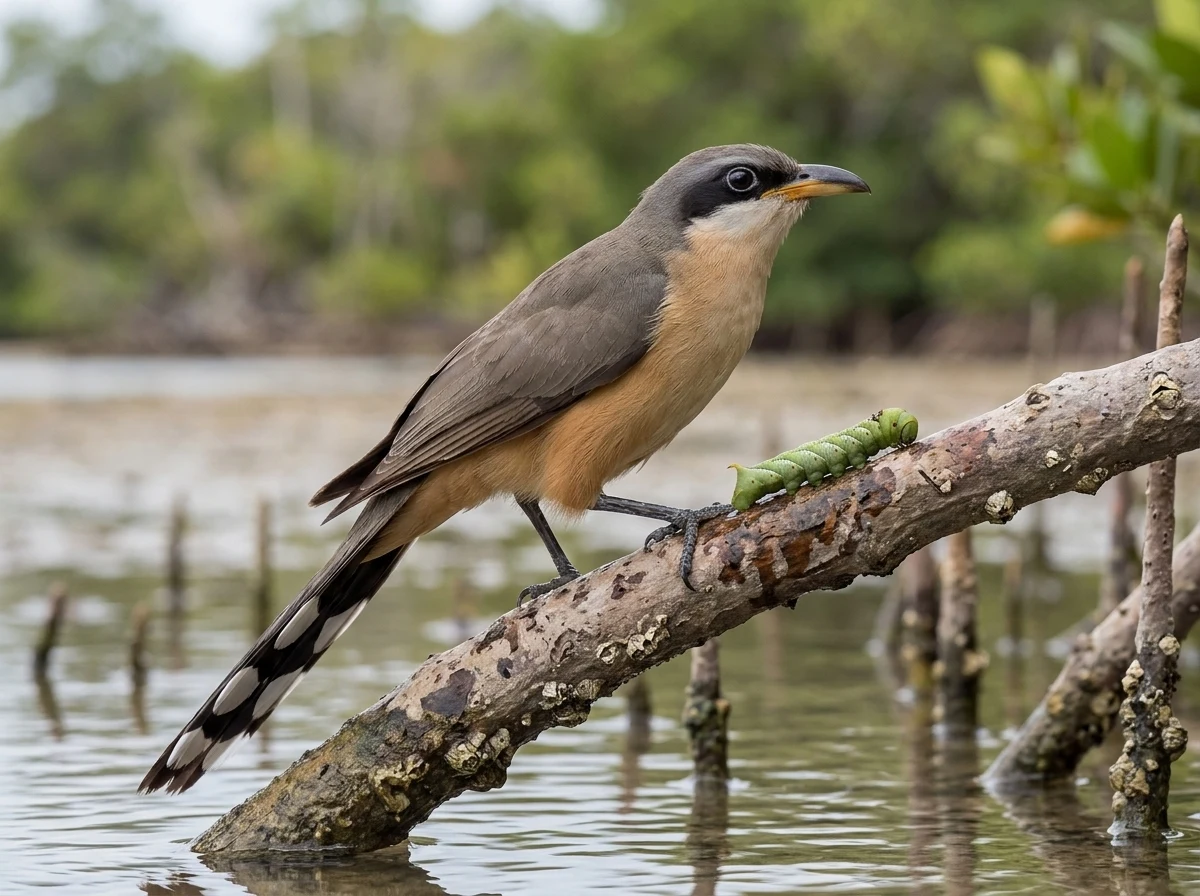
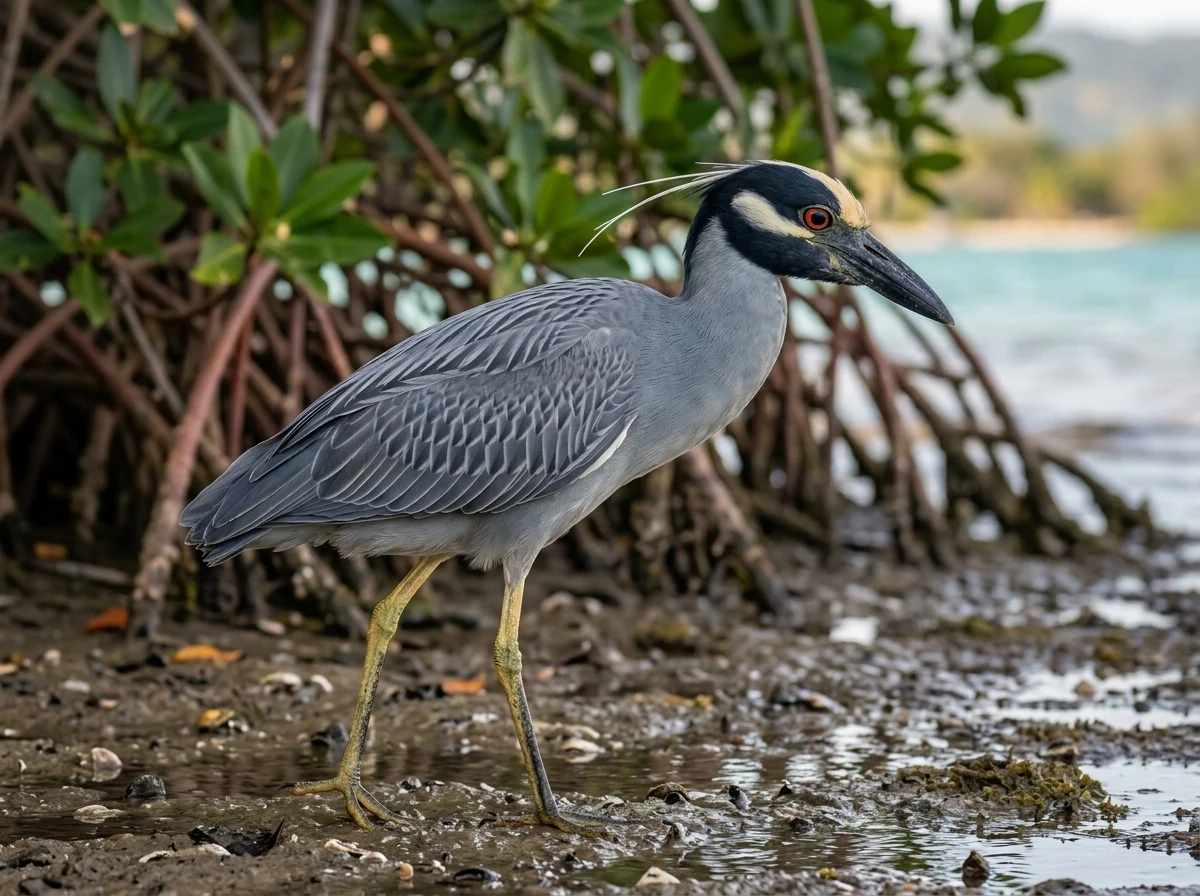
Day 1: urban and mangrove dawn at Piñones, scanning Gray Kingbird, grackle, cuckoo, night-herons, herons, and coast; finish before heat or repeat at another tide.
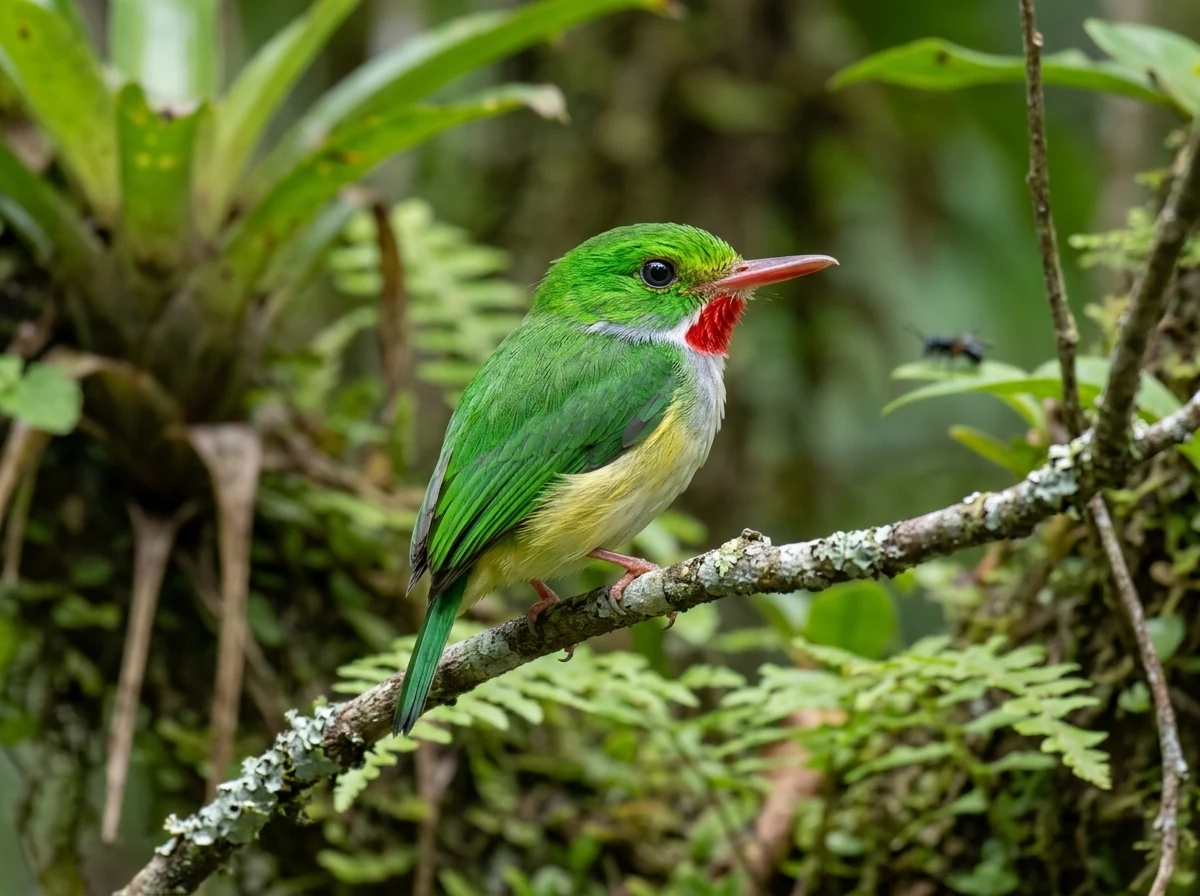
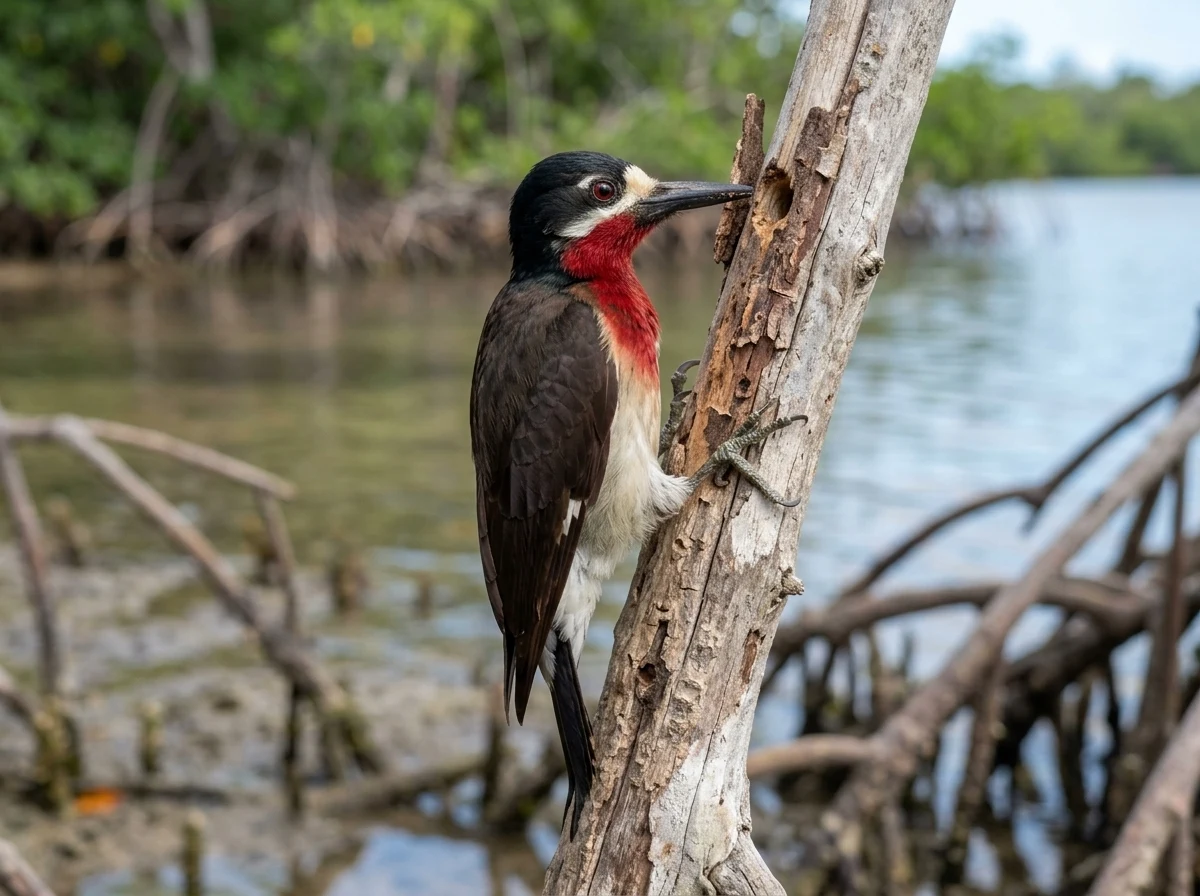
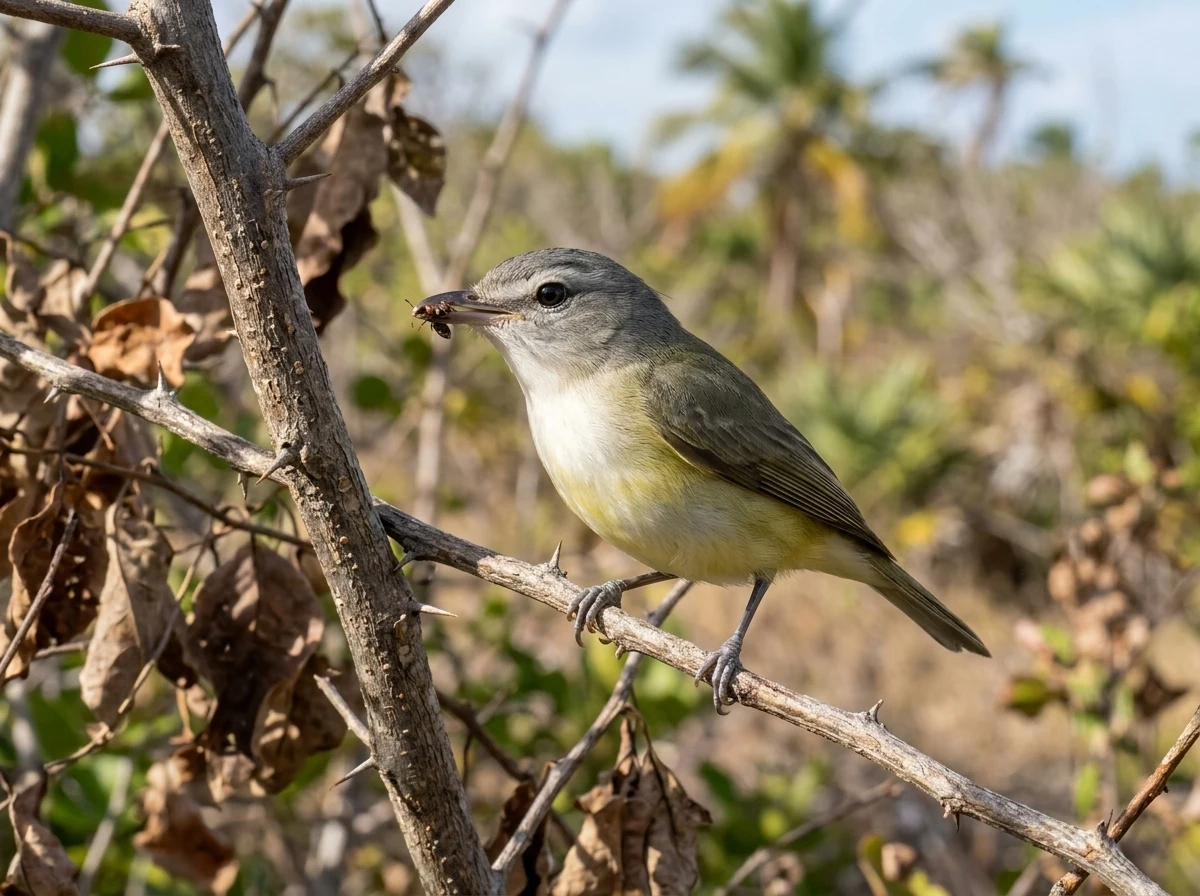
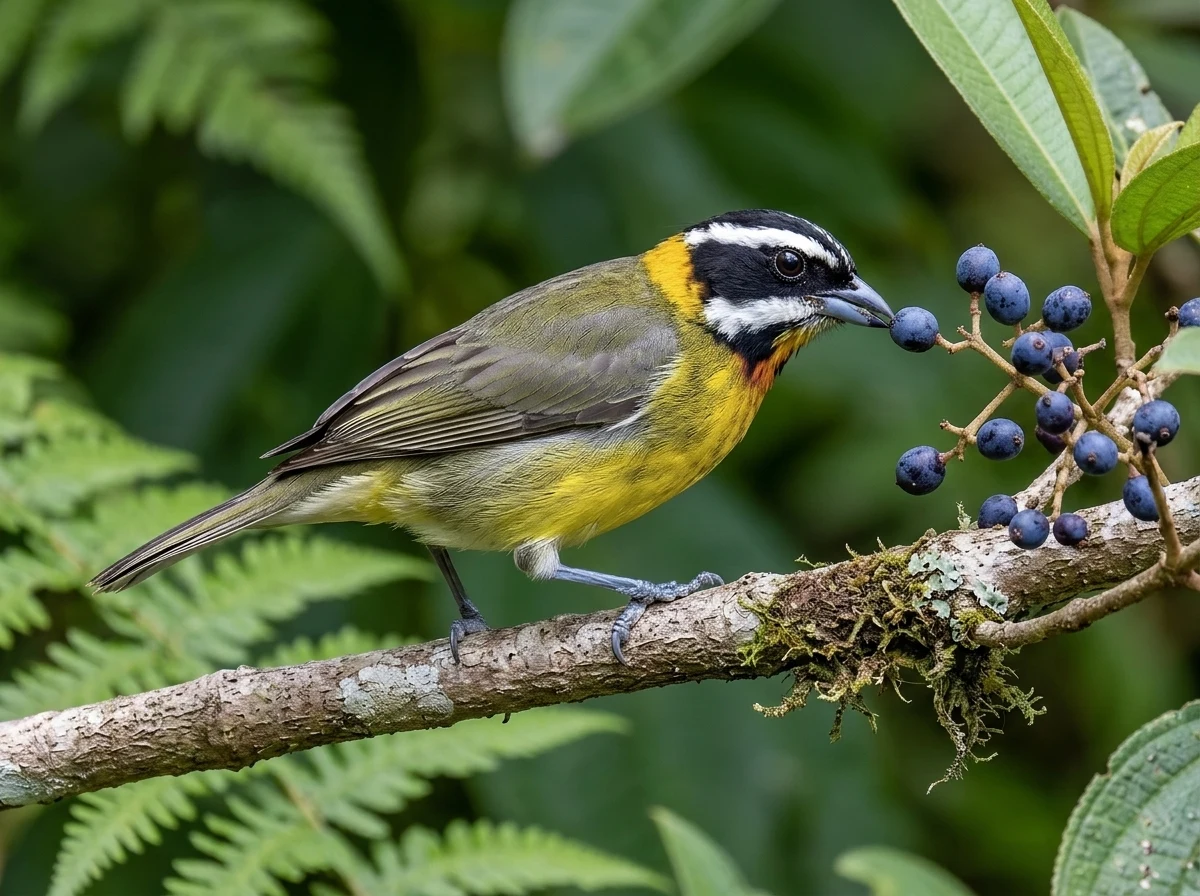
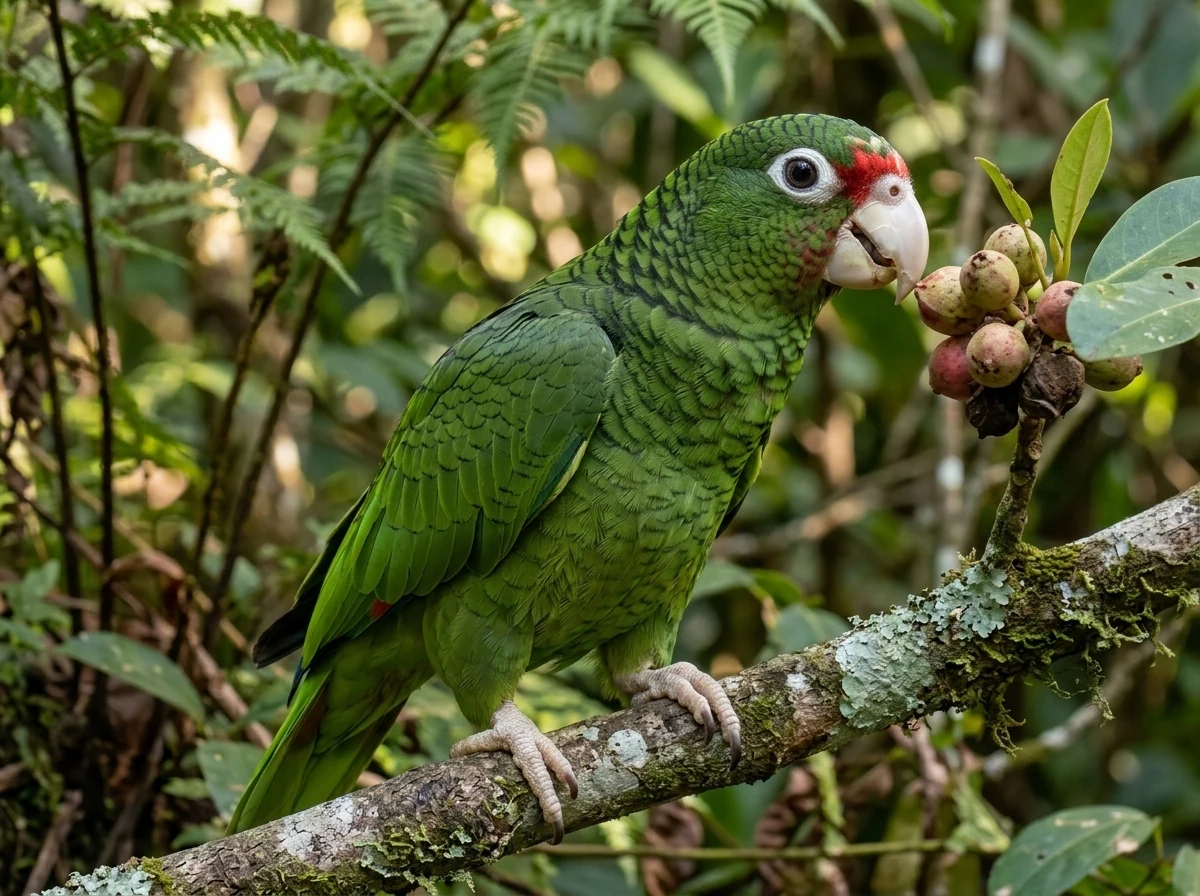
Day 2: El Yunque from open areas, seeking Tody, Woodpecker, Vireo, Spindalis, and signs of Iguaca. Respect reservations, closures, and management.
02
Day 3: Humacao and return
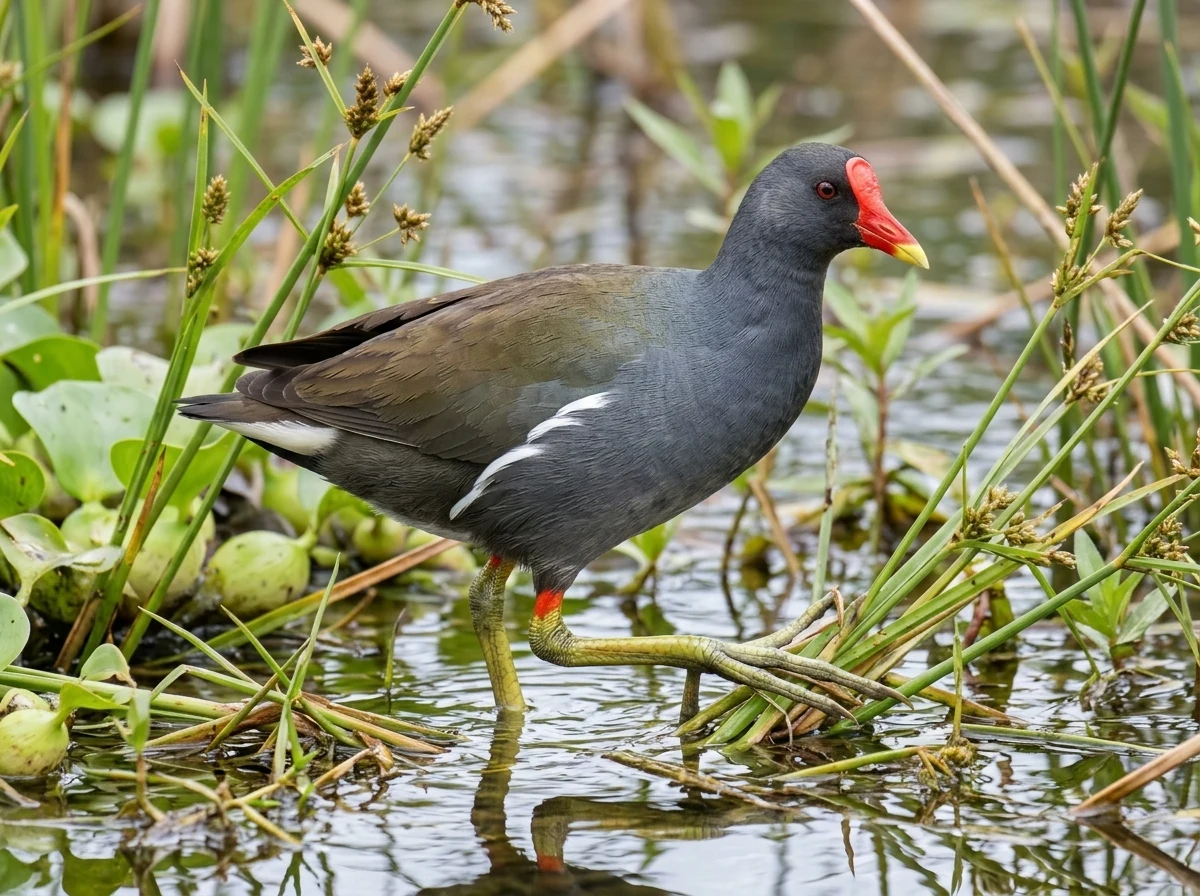
Explore lagoons, channels, and Pterocarpus forest from current access points for herons, ducks, gallinules, kingfishers, and migrants.
Confirm hours the day before, carry water and a scope if available, and allow traffic margin. If closed, return to Piñones or use an urban park.
Linked profiles
Birds to compare
Open each profile to review names, marks, audio, habitat, status, and sources.
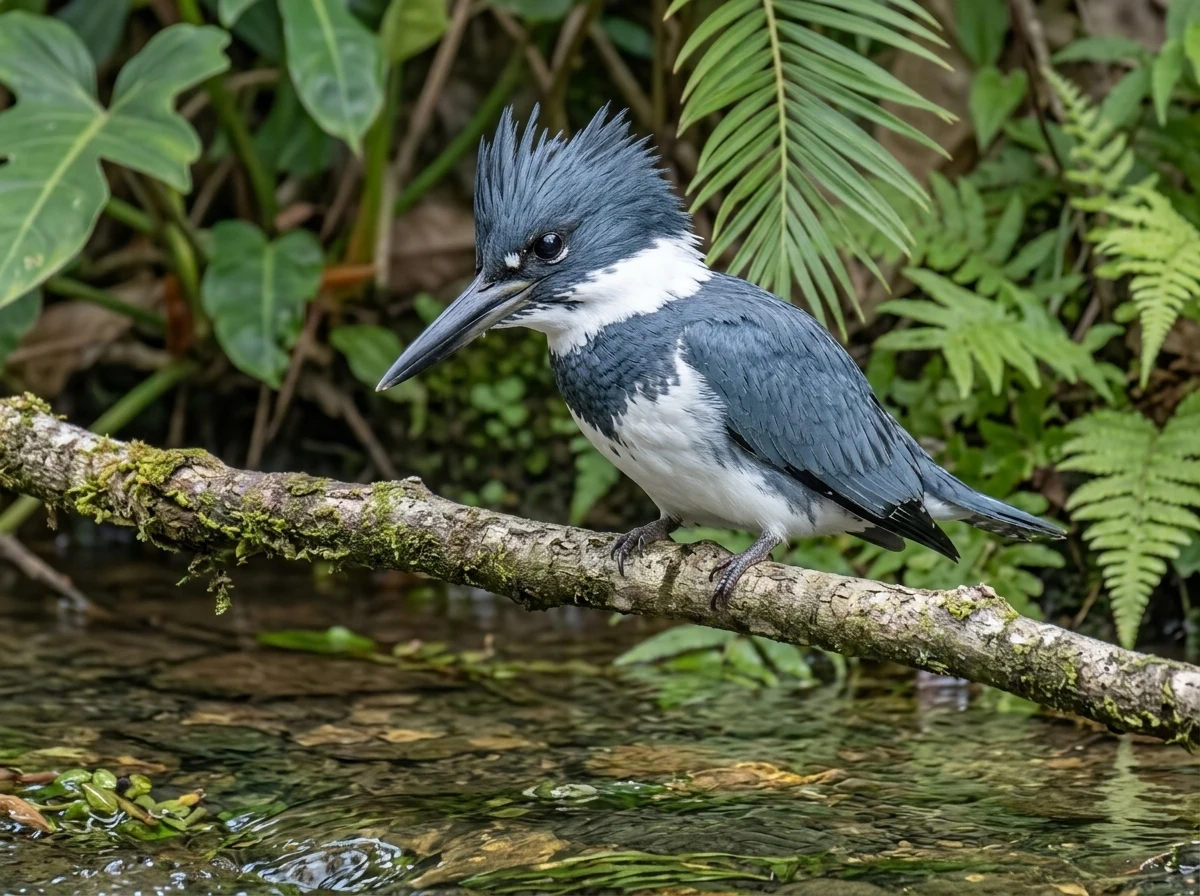
Sound archive
Hear its voice
Explore real songs and calls. The spectrogram turns each sound into a visual trace of time and frequency.
XC796586Recording 1 of 3call

Play: call by Bobby Wilcox
Choose another recording
Sound recorded by Bobby Wilcox · XC796586 · CC BY-NC-SA 4.0. Visualization by Stichting Xeno-canto voor Natuurgeluiden.
Every recording retains the creator, catalogue number, and license published by Xeno-canto. Metadata via GBIF ↗
01
Does this route see all endemics?
No. It prioritizes eastern diversity and realistic logistics; west and southwest need more days.
02
Do I need to change hotels?
Not necessarily. One metro or eastern base can cover all three days, subject to traffic.
03
How do I verify an identification or claim?
Compare more than one mark, check date and place, open the linked profile, and consult the sources published at the end of the guide.
Keep exploring
Connected routes
Sources and review
The evidence is one link away.
These sources support the editorial scope of this guide. Bird profiles also retain their own taxonomy, occurrence, and conservation references.
Reviewed:
01↗02↗03↗04↗05↗06↗
Departamento de Recursos Naturales y Ambientales
Piñones State Forest
Official context for Puerto Rico's largest mangrove forest.U.S. Forest Service
El Portal de El Yunque
Official visitor information and context for the Puerto Rican Parrot recovery program.Departamento de Recursos Naturales y Ambientales
Humacao reserve designation document
Historical bird inventory and ecological description of lagoons, channels, and Pterocarpus forest.Discover Puerto Rico
Humacao Natural Reserve
General visitor orientation for the reserve and its coastal ecosystems.U.S. Fish and Wildlife Service
Puerto Rican Parrot recovery
Populations, management, and goals of the interagency program.U.S. Geological Survey
Puerto Rico: wetlands
Scientific synthesis of mangroves, lagoons, salt flats, and birds.The atlas continues