 AI
AILearning guide
Timeline: Extinct and Endangered Birds
A timeline for ordering extinctions and conservation statuses, with questions about causes and actions.
Reviewed: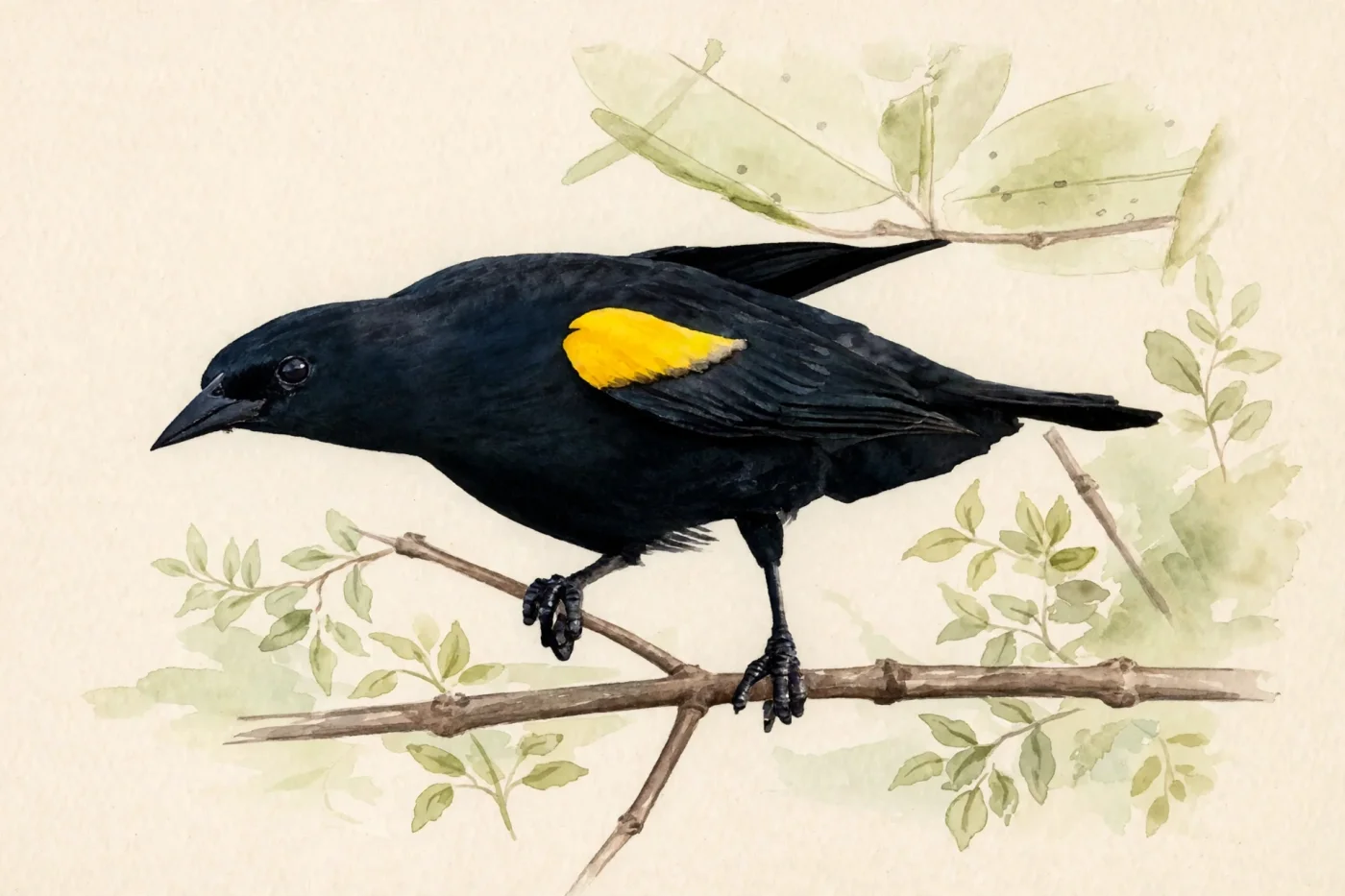
Prepared with AI assistance and linked sources. Illustrations are not field photographs.
Why a timeline changes how you see conservation
A list of extinct or endangered birds tells you what was lost or what is at risk, but not when or why. A timeline adds order: it lets you see whether a loss happened before or after a protection, whether a species was thought extinct and then reappeared, or whether a category change reflects a real improvement or only better knowledge.
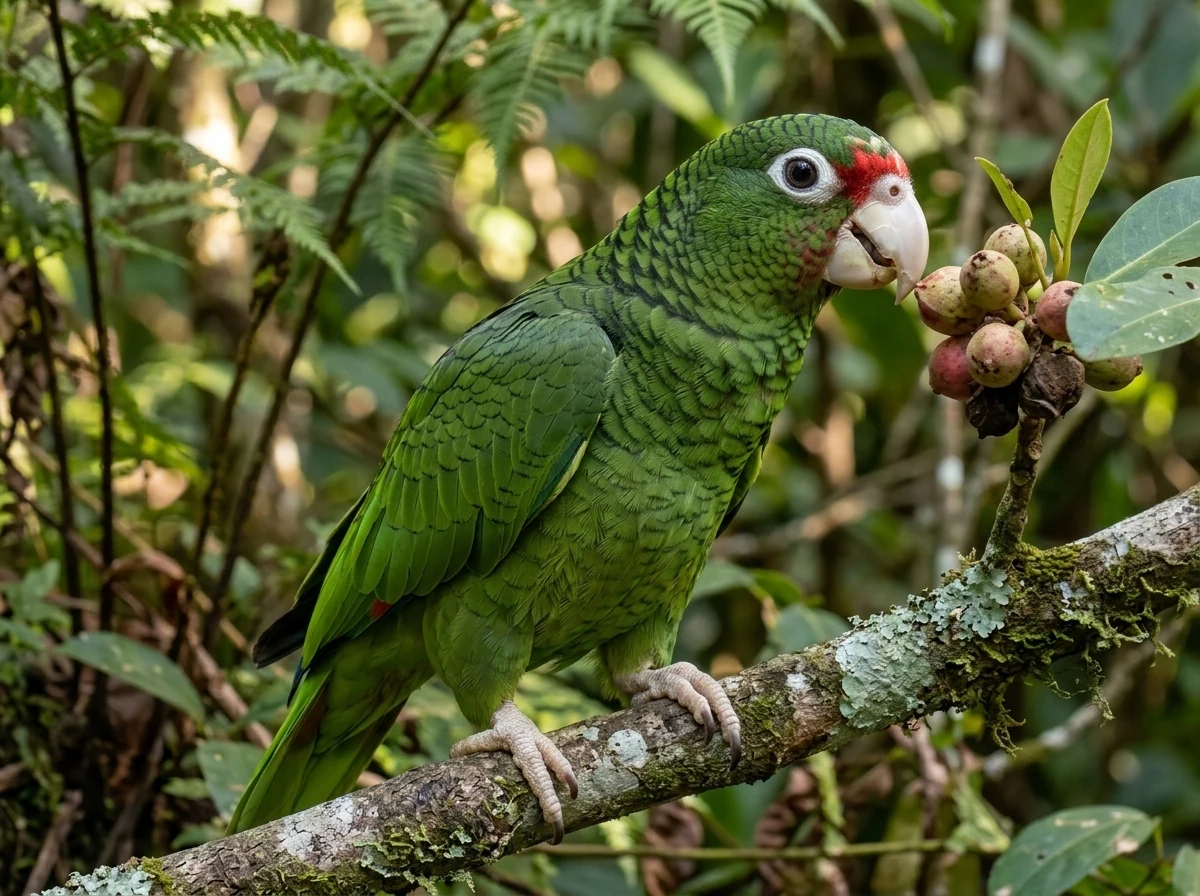
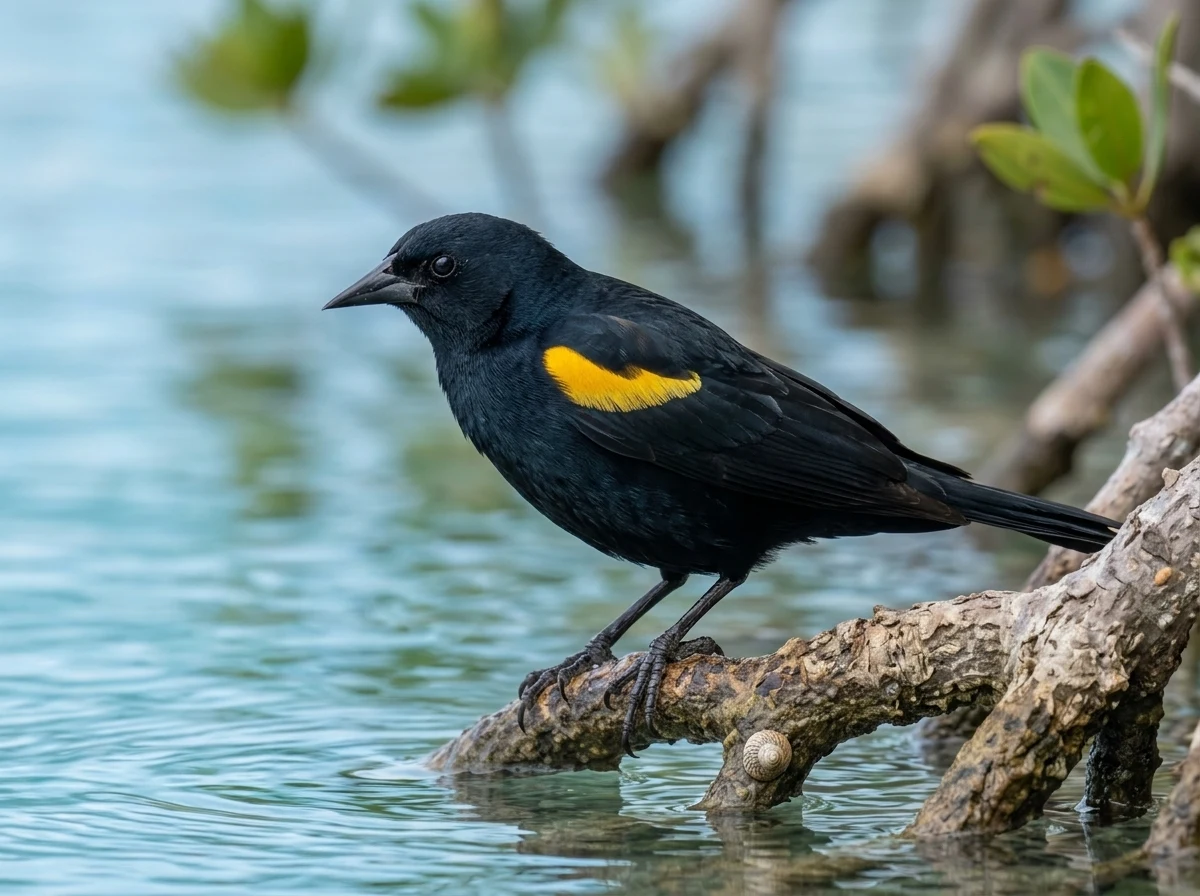
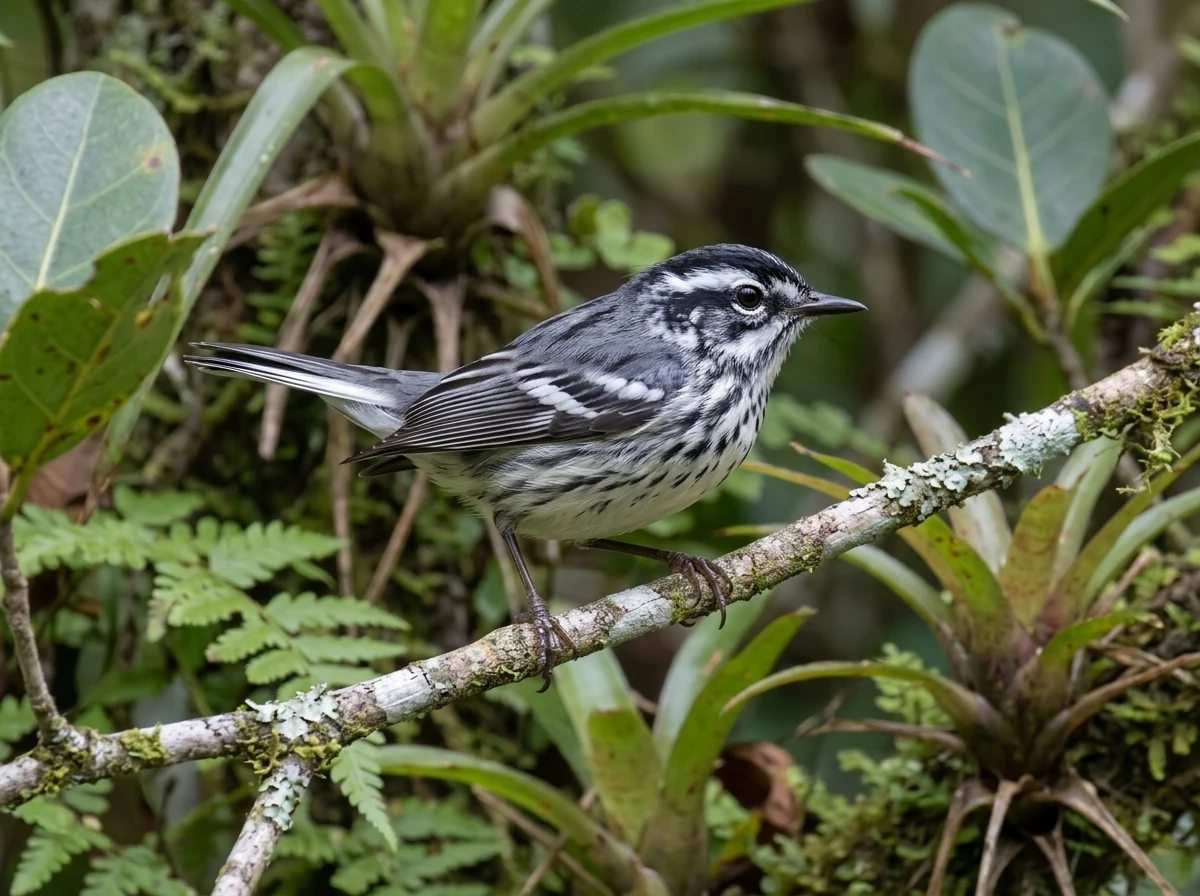
This guide is not a species profile. It is an exercise in placing events on a timeline from 1500 to the present and asking questions about causes and actions. It uses five Puerto Rican birds as anchors: the Puerto Rican Amazon, the Yellow-shouldered Blackbird, the Elfin-woods Warbler, the Plain Pigeon, and the Puerto Rican Nightjar. For each, distinguish what is known about its current status from what is inferred about its history.
Learning guide
Three takeaways
1961The Nightjar was rediscoveredIt was considered extinct until observed in the wild in 1961.
2016The Elfin-woods Warbler was listed as ThreatenedThe federal final rule was published on 22 June 2016.
Dos poblacionesThe Elfin-woods Warbler survives in two regionsEl Yunque, where it is thought to have declined, and Maricao, where the population appears stable.
01
How to read a timeline of extinctions
A timeline is not a list of loose dates. Each mark should answer three questions: what event happened, what evidence supports it, and what uncertainty remains. For example, the Puerto Rican Amazon has a subspecies, the Culebra form, considered extinct since 1912; the main species still exists but has vanished from Vieques and Mona. That distinction matters: a local extinction is not the same as a total extinction.
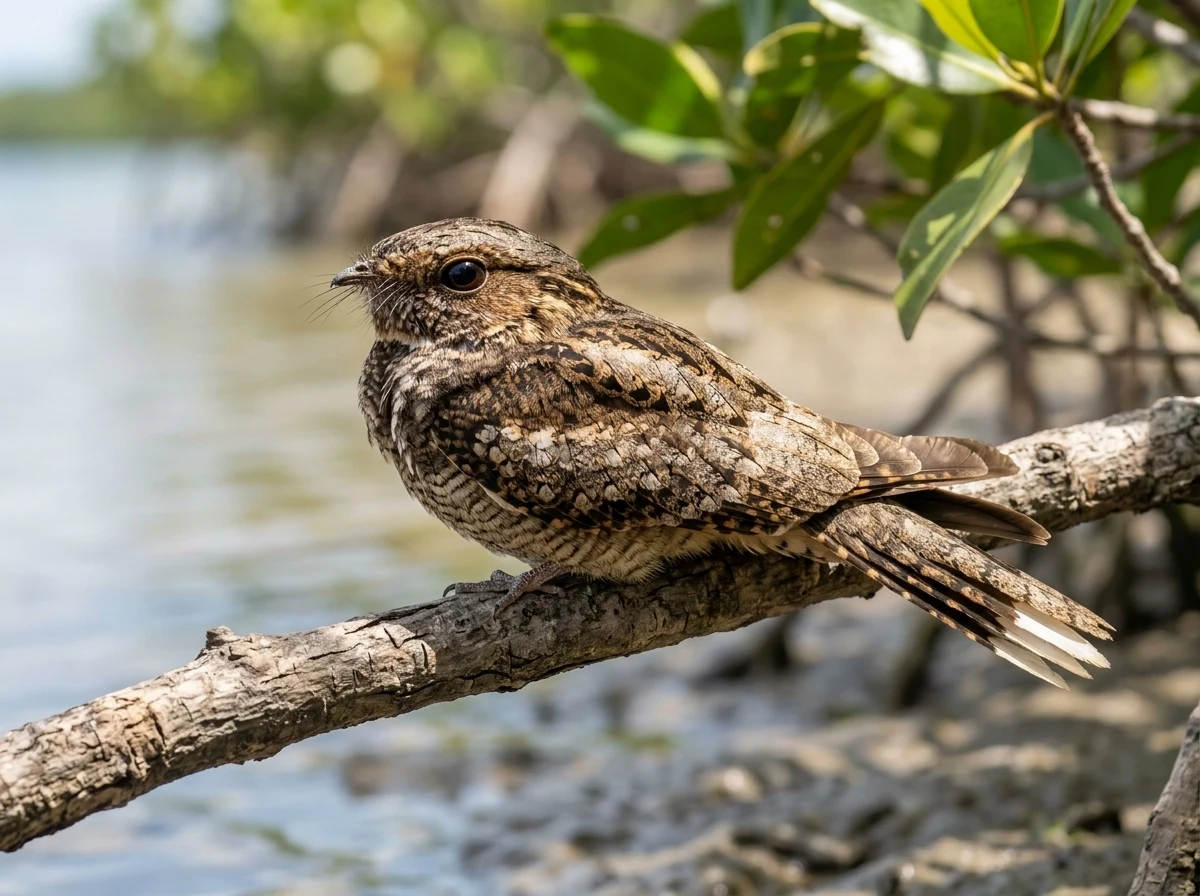
The Nightjar shows the opposite case. It was described in 1916 from bones and an 1888 skin, and was considered extinct until observed in the wild in 1961. Its history teaches that a species can go decades without records and not be extinct. On a timeline, that gap is not an absence of bird, but an absence of search or investigated habitat.
02
The five birds and their current status
The Puerto Rican Amazon has been classified as Critically Endangered by the International Union for Conservation of Nature since 1994. The Yellow-shouldered Blackbird faces habitat destruction, brood parasitism by the Shiny Cowbird, and predators such as mongooses and rats. The Elfin-woods Warbler was listed as Threatened under the United States Endangered Species Act in 2016; locally PRDNER classifies it as Endangered and the international scientific community lists it as Vulnerable.
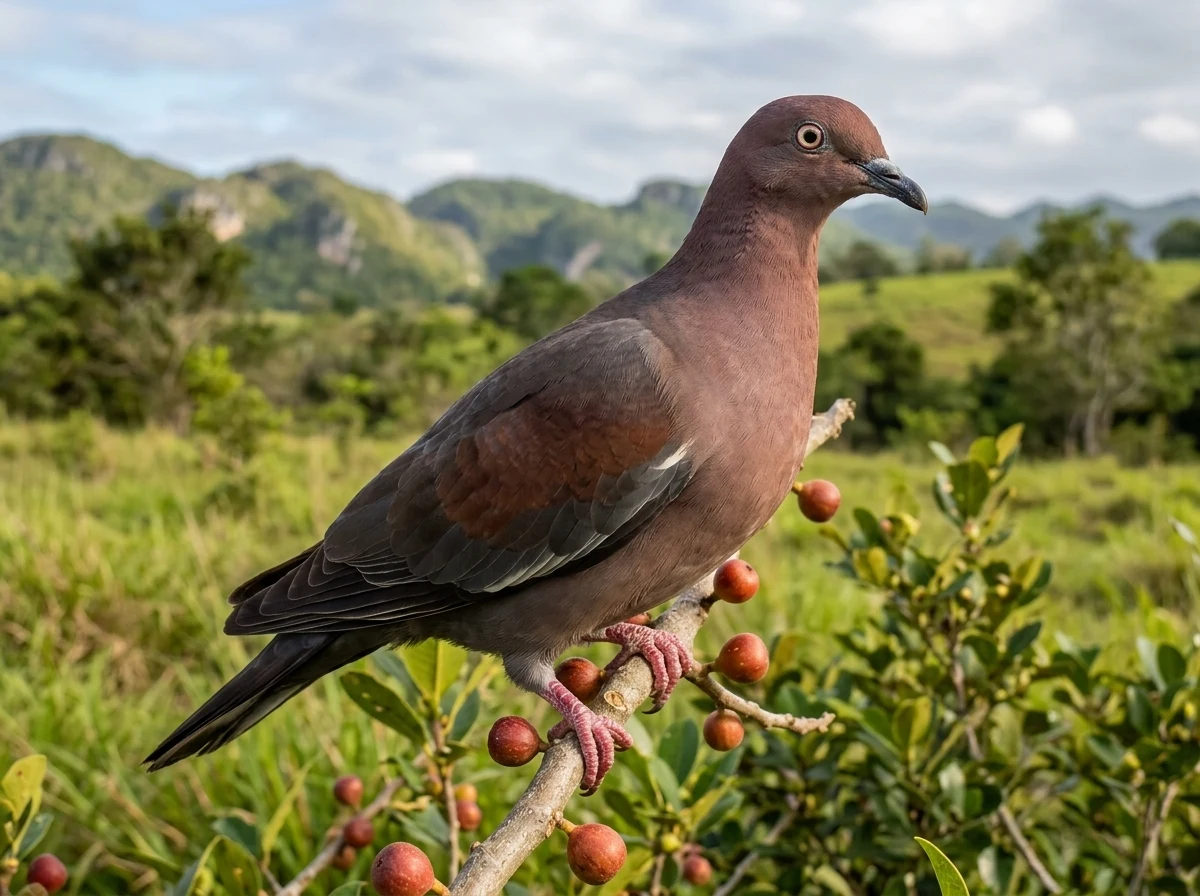
The Plain Pigeon is threatened by habitat loss and illegal hunting; legal listings apply to the subspecies wetmorei. The Nightjar is classified as Endangered due to habitat loss; its current population is estimated at 1,400 to 2,000 mature birds. These categories are not equivalent to one another: one is global, another federal, another local. On the timeline, note which authority issues each one.
03
Causes: what repeats and what changes
The causes of extinction and endangerment in these birds fall into three groups. First, habitat loss, fragmentation, and degradation, often from urban development, unsustainable agriculture, and clearing. Second, introduced species: predators such as rats, mongooses, and cats, and nest parasites such as the Shiny Cowbird. Third, natural and climatic events: hurricanes, fires, and changes in precipitation.
The Elfin-woods Warbler illustrates the combination. Its decline in El Yunque between 1989 and 2006 has been linked to habitat degradation from hurricanes and droughts, plus loss and fragmentation from development. In Maricao, by contrast, the population appears stable. The same species can have different trajectories in two forests, and the timeline should show both.
04
Exercise: build your own timeline
Draw a horizontal line from 1500 to the present. Mark each type of event with a different symbol: confirmed extinction, local extinction, rediscovery, federal listing, global category, and category change. Place these marks: 1912, extinction of the Culebra subspecies of the Amazon; 1916, description of the Nightjar; 1961, rediscovery of the Nightjar; 1968, discovery of the Elfin-woods Warbler; 1994, the Amazon as Critically Endangered; 2016, the Warbler as Threatened.
Then write an open question next to each mark. What evidence supports the date? Did the category change because of real improvement or better knowledge? Which population or subspecies does it affect? This exercise does not require going into the field. It requires distinguishing between data, inference, and information gaps.
05
Checklist for observing without harming
Before looking for these birds, review a concrete list. Confirm whether the species is endemic or not, whether its habitat is montane forest, karst, dry forest, or mangrove, and whether its status is global, federal, or local. Bring binoculars, a notebook, and if you plan to record sounds, review the protected area rules. Do not share exact locations of nests or rare birds in public forums.
During observation, note time, habitat, behavior, and distance. Do not use playback to attract endangered birds. If you see a species outside its known area, document with photos or audio and submit it to a citizen science program. Remember that most of these birds depend on protected or recovering forests; your presence should be brief and quiet.
Linked profiles
The birds on this timeline
Five species to anchor extinctions, rediscoveries, and conservation statuses.
01
Which birds have gone extinct in Puerto Rico?
The Culebra subspecies of the Puerto Rican Amazon is considered extinct since 1912. The main species is not extinct but has vanished from Vieques and Mona. Other prehistoric or extinct birds require a separate guide.
02
What is the current status of the Puerto Rican Amazon?
It has been classified as Critically Endangered by the International Union for Conservation of Nature since 1994. It is the only remaining native parrot in Puerto Rico.
03
Why is the Elfin-woods Warbler threatened?
Due to habitat loss, fragmentation, and degradation, mainly from urban development, unsustainable agriculture, and clearing. Hurricanes, droughts, and fires also play a role. It was listed as Threatened in 2016.
04
Was the Nightjar extinct?
It was considered extinct until observed in the wild in 1961. Its habitat had not been investigated and its habits are secretive. Today it is classified as Endangered.
05
What causes the most extinctions in these birds?
Habitat loss and degradation is the most repeated cause. It is followed by introduced species, such as rats, mongooses, and the Shiny Cowbird, and natural events such as hurricanes.
Keep exploring
Connected routes
Sources and review
The evidence is one link away.
These sources support the editorial scope of this guide. Bird profiles also retain their own taxonomy, occurrence, and conservation references.
Reviewed:
01↗02↗
BirdLife International DataZone (IUCN Red List authority for birds)
Puerto Rican Nightjar Antrostomus noctitherus Species Factsheet
Evidence for cited sections; consult the original document.Journal of Caribbean Ornithology (BirdsCaribbean)
Status and recommendations for the recovery of the Elfin-woods Warbler (Setophaga angelae) in Puerto Rico
Evidence for cited sections; consult the original document.The atlas continues