 AI
AIIdentification answer
Are there toucans in Puerto Rico?
Toucans live in the forests of the mainland American tropics. In Puerto Rico, a toucan report usually turns out to be a Smooth-billed Ani, a Puerto Rican Woodpecker, or, very rarely, an escaped pet.
Reviewed:Short answer: there are no wild toucans.
No. Puerto Rico has no wild toucans. No toucan species appears in the Puerto Rican Ornithological Society's 375-species catalog or among the 130 species in the Puerto Rico Breeding Bird Atlas, so there is no native or established introduced population.
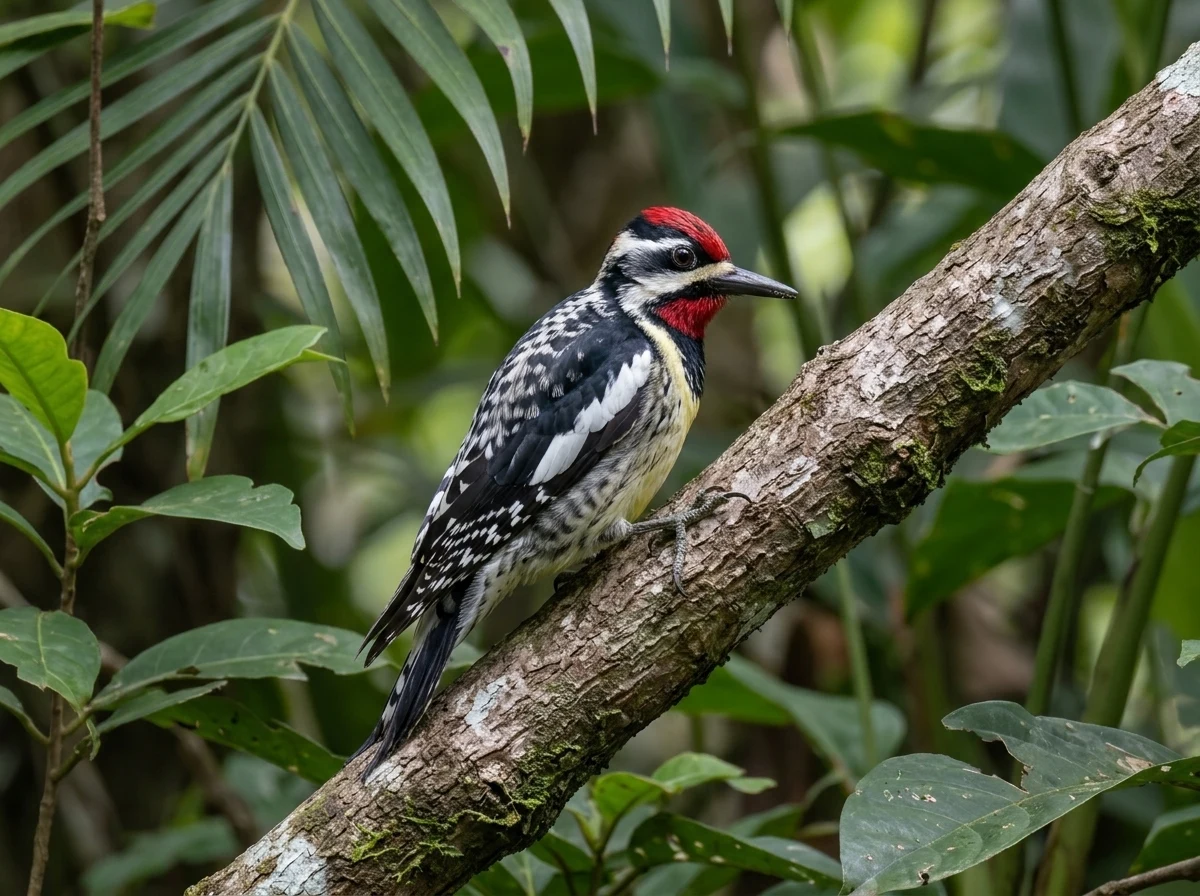
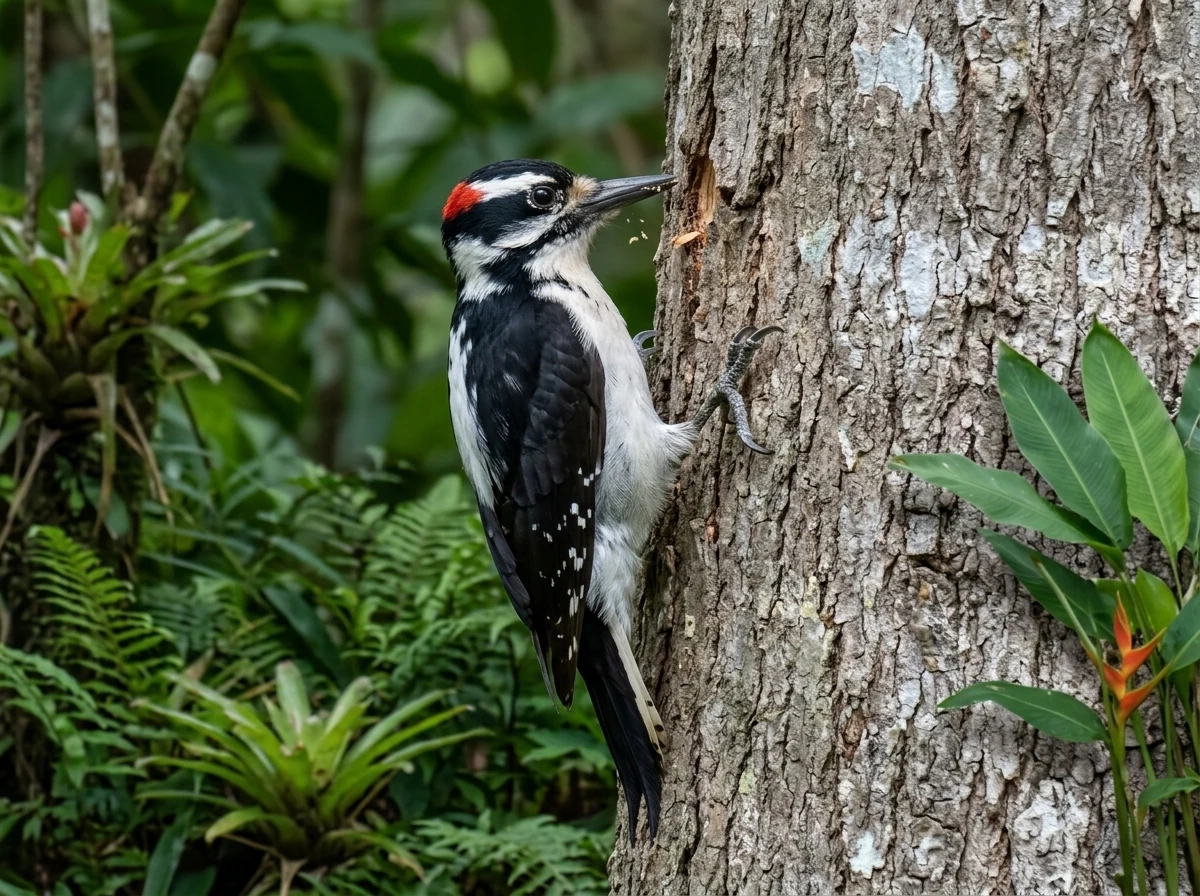
Toucans belong to the order Piciformes, the same order as woodpeckers. In Puerto Rico that order is represented only by woodpeckers: the endemic Puerto Rican Woodpecker, the migratory Yellow-bellied Sapsucker, and the accidental Hairy Woodpecker. This guide explains where toucans come from, which local birds get mistaken for them, and how to report an escaped exotic bird.
Identification answer
Toucans and Puerto Rico by the numbers
0Toucans on the official listNone in SOPI's 375-species catalog.
3Piciformes recordedAll woodpeckers; only one is resident.
31Parrot species recordedPer El Pitirre; nearly all arrived through the pet trade.
75%Atlas hexagons with Smooth-billed Ani631 records in 359 hexagons.
01
Where toucans actually live
Toucans are birds of the tropical forests of the American mainland. The Keel-billed Toucan, the classic image with the rainbow bill, lives in lowland evergreen and secondary forest from southern Mexico through Central America to northern Colombia and extreme northwestern Venezuela, according to Birds of the World.
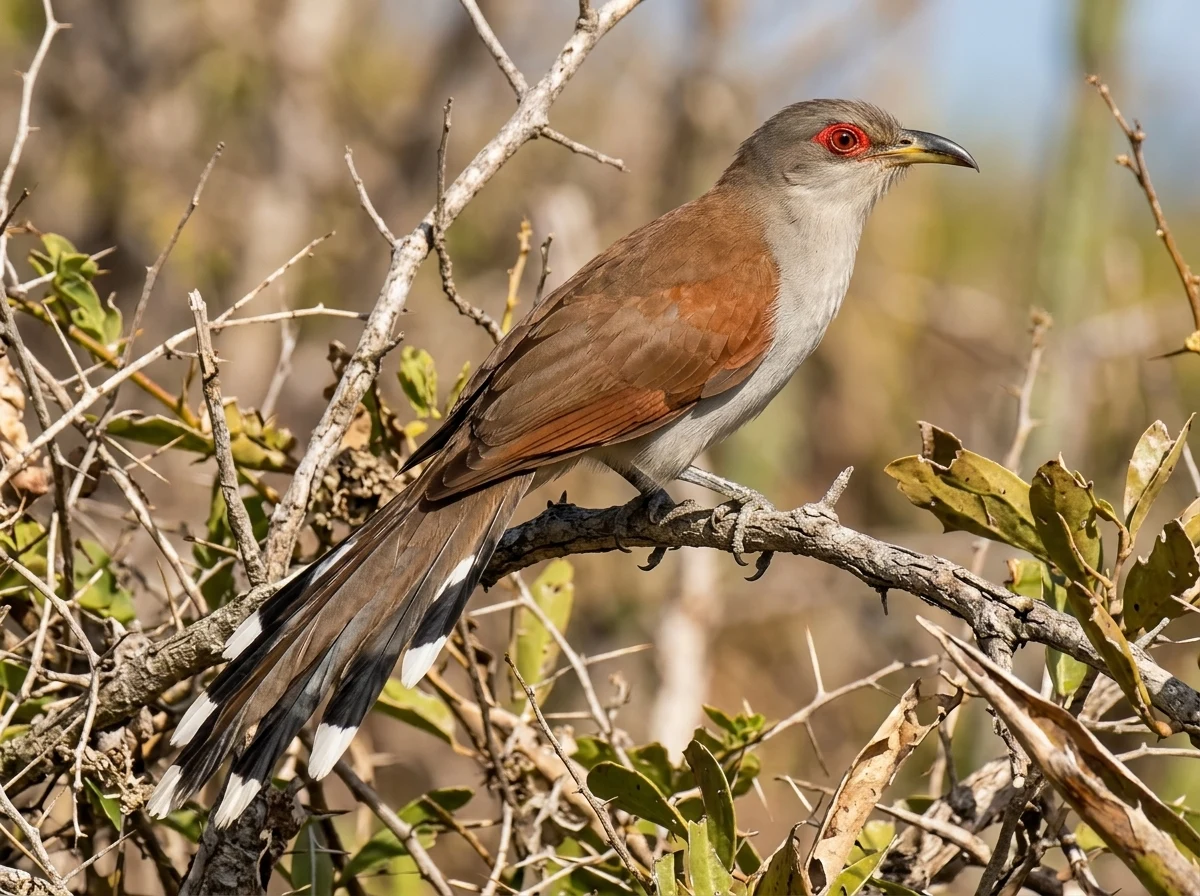
Puerto Rico is outside that range, and no toucan appears in SOPI's 2006 catalog or in the 2004–2009 breeding atlas. The island does have brightly colored birds, but they belong to other groups: Puerto Rican Tody, Puerto Rican Spindalis, hummingbirds, and woodpeckers. If you are looking for toucans in Puerto Rico, what you will find in the forest are their distant relatives, the woodpeckers.
02
Smooth-billed Ani: the big bill that fools people
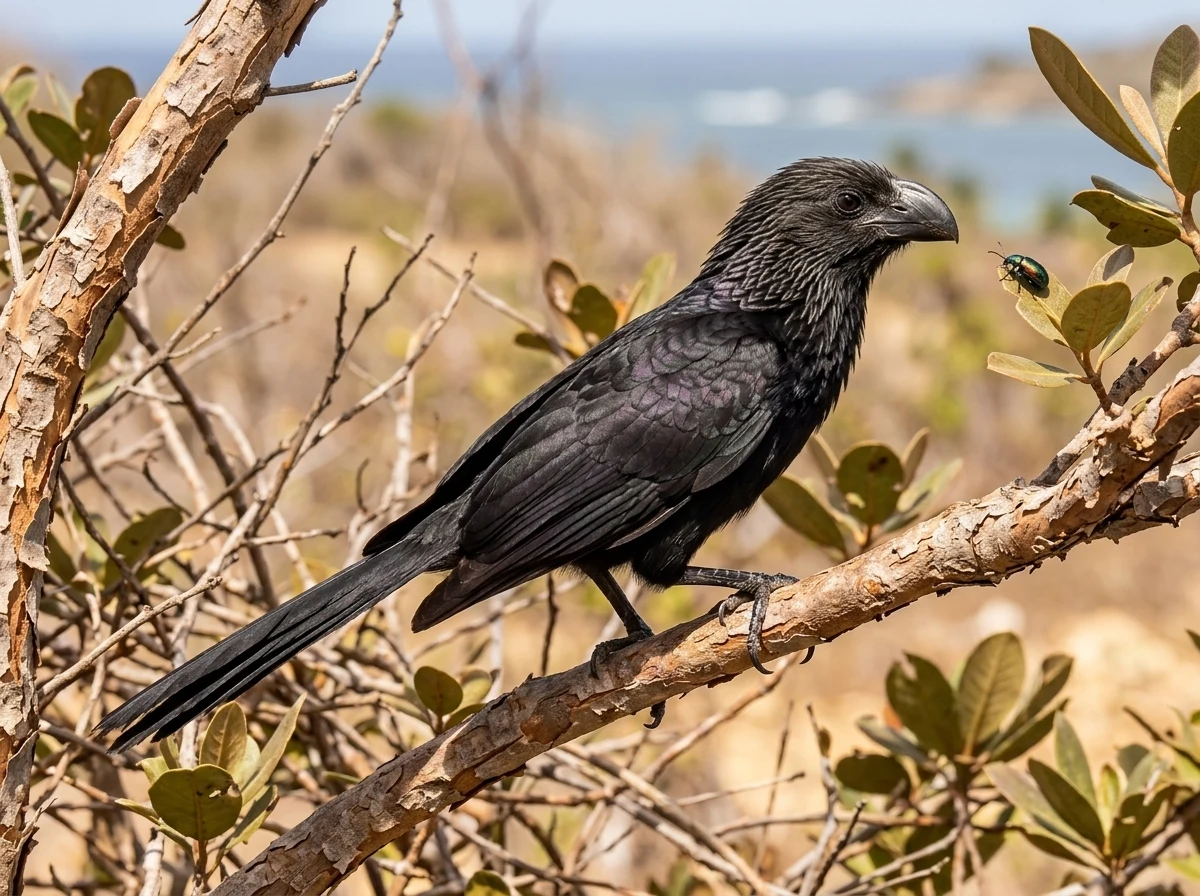
The Smooth-billed Ani, called Garrapatero or Judío locally, is the top candidate when someone describes a black toucan. It is a crow-sized cuckoo, all black, long-tailed and loose-jointed, with a tall bill that has a high, peaked ridge. It moves in noisy groups through pastures, farms, and scrub, and often follows cattle to catch the insects they flush.
It is common and widespread: the atlas recorded it in 359 of 479 hexagons, plus Desecheo, Mona, Culebra, and Vieques. Its bill looks oversized up close, but it is black, not yellow or orange, and the bird has no colored patches. If your toucan was black and moved in a group on the ground, it was almost certainly an ani.
03
Puerto Rican Woodpecker, the toucans' relative
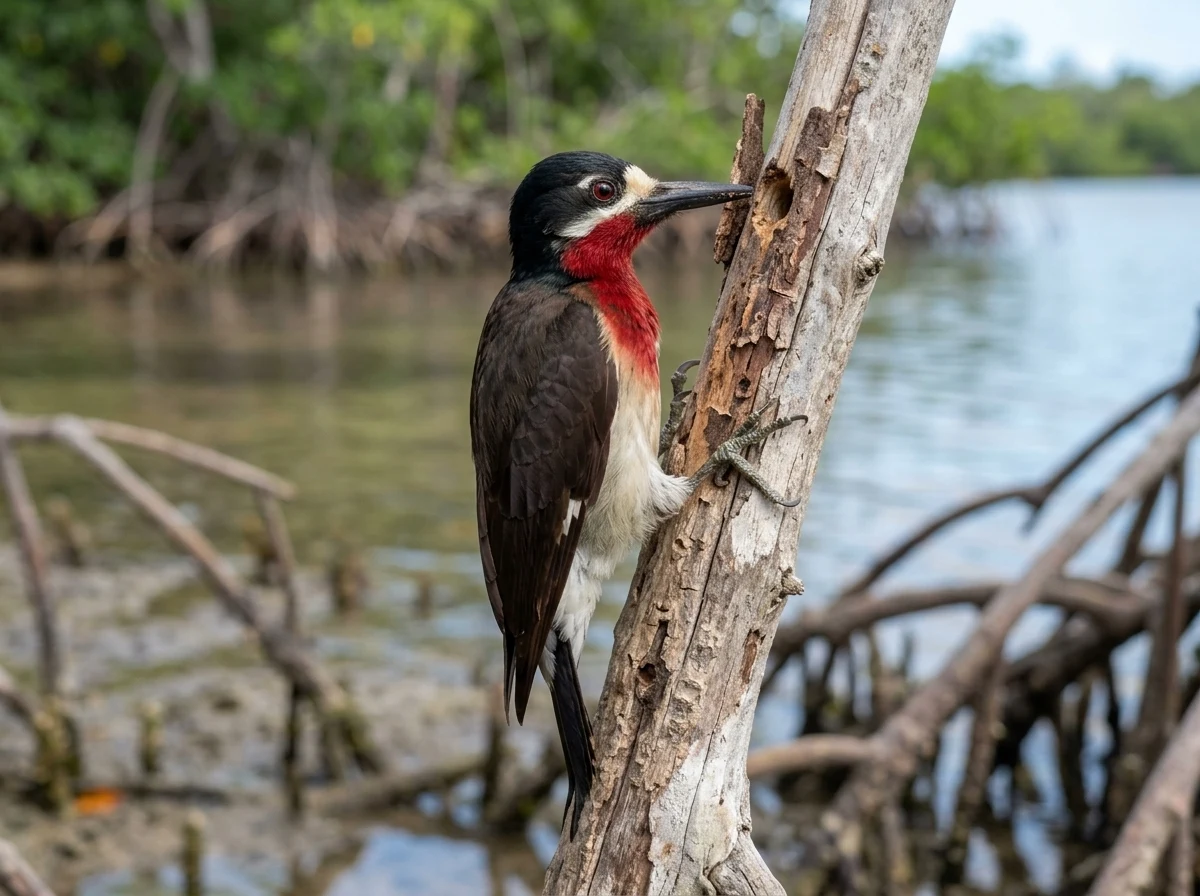
The Puerto Rican Woodpecker is endemic and is the island's only resident woodpecker. It shares the order Piciformes with toucans, so it is, quite literally, the closest relative of toucans living on the island. It excavates nest holes in tall trees or palms in January or February, and fledglings are reported from late March to June.
It is easy to find: the atlas located it in 388 of 479 hexagons, from the coast to the mountains, in forests, mangroves, shade coffee, palm groves, parks, and gardens, and it is fairly common on Vieques. If you saw a colorful bird climbing a trunk or a palm, start here before thinking of a toucan.
04
Escaped pets: why an exotic bird sometimes appears
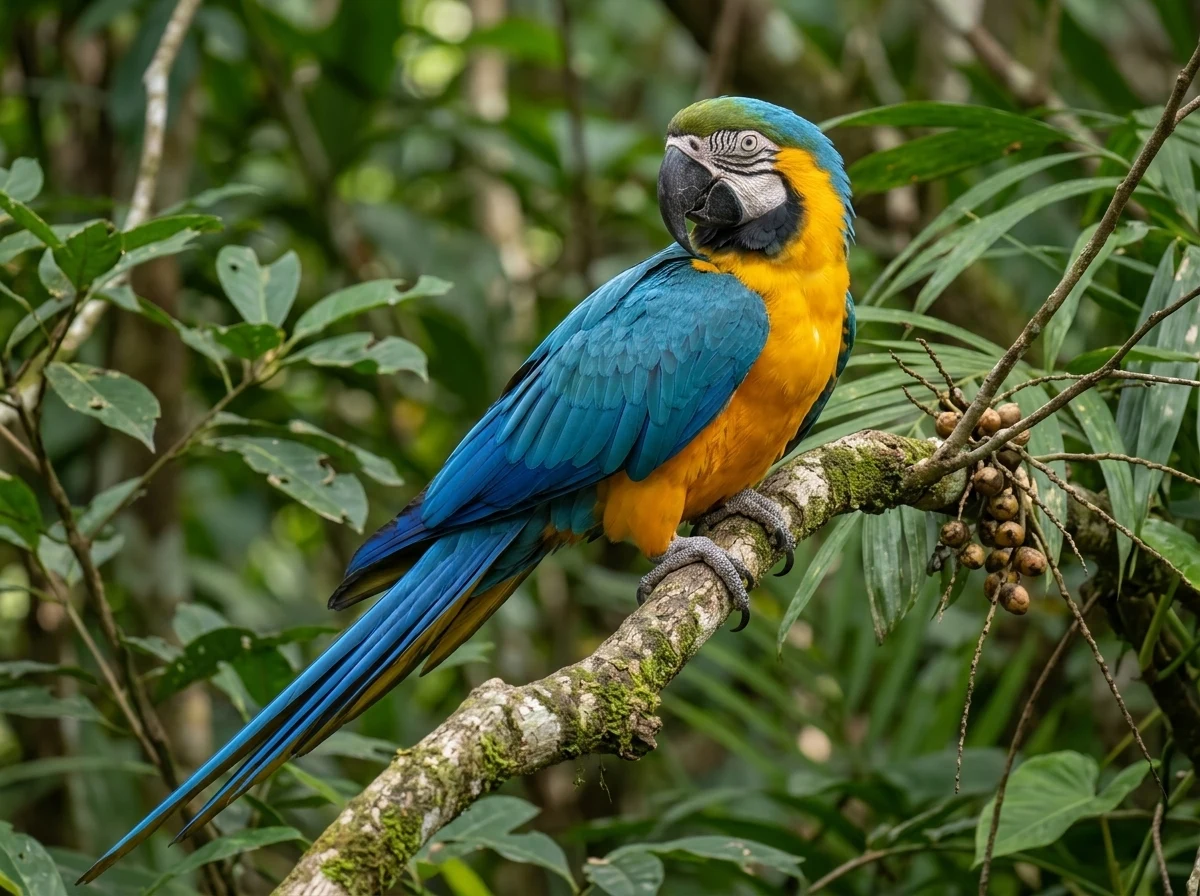
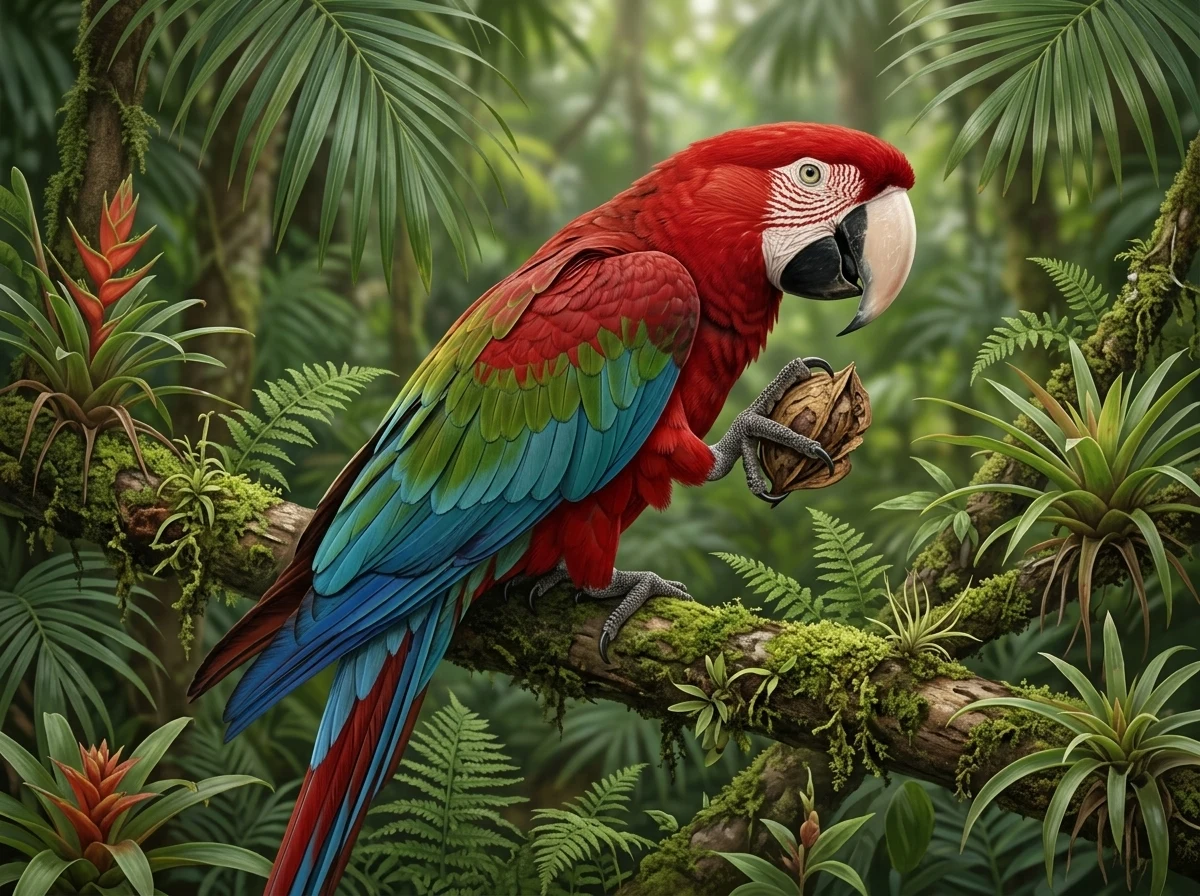
Puerto Rico knows the escaped-bird phenomenon well. An article in El Pitirre documents 31 parrot species recorded on the island, only two of them pre-Columbian; for decades hundreds of exotic parrots were imported for the pet trade, and many escaped and became established. At Tintillo, Guaynabo, the authors counted 23 macaws on a single day in 1997.
That is why a toucan photographed in Puerto Rico, if one ever were, would be treated first as a possible escape from captivity rather than a wild bird. The difference matters: exotic macaws and parrots do form populations today, such as the Blue-and-yellow Macaw, which the breeding atlas lists as a nonnative resident. No toucan has taken that step.
05
How to report an exotic or unusual bird
If you see a bird that looks like a toucan, photograph it head-on and in profile to show the bill, note the date, time, and exact place, and watch whether it lets people approach or feeds near them: tameness is a clue to captivity. Compare it with Smooth-billed Ani, Puerto Rican Woodpecker, Puerto Rican Lizard-Cuckoo, and the introduced macaws.
Uploading the record with photos to eBird or iNaturalist lets local reviewers assess whether it is an escape. Do not try to capture the bird. If you suspect it is a lost pet, posting in community groups often helps it get home; a well-documented record also helps detect exotic species early, before they can become established.
Linked profiles
Birds mistaken for toucans
Woodpeckers, a high-billed cuckoo, and introduced macaws: compare their profiles before reporting a toucan.
Sound archive
Hear its voice
Explore real songs and calls. The spectrogram turns each sound into a visual trace of time and frequency.
XC998933Recording 1 of 3song

Play: song by GABRIEL LEITE
Choose another recording
Sound recorded by GABRIEL LEITE · XC998933 · CC BY-NC-SA 4.0. Visualization by Stichting Xeno-canto voor Natuurgeluiden.
Every recording retains the creator, catalogue number, and license published by Xeno-canto. Metadata via GBIF ↗
01
Are there toucans in Puerto Rico?
There are no wild toucans in Puerto Rico. No toucan species appears in the Puerto Rican Ornithological Society's catalog or in the breeding bird atlas. A toucan seen on the island would almost certainly be an escaped pet.
02
What bird in Puerto Rico looks like a toucan?
The Smooth-billed Ani, a black crow-sized cuckoo with a tall, high-ridged bill, is the most common confusion. So is the Puerto Rican Woodpecker, which belongs to the same order as toucans and climbs trunks and palms.
03
Where are toucans from?
Toucans live in the tropical forests of the American mainland. The Keel-billed Toucan, for example, ranges from southern Mexico through Central America to northern Colombia and northwestern Venezuela.
04
Are there macaws in Puerto Rico?
Yes, but they are introduced. SOPI's catalog lists three macaws as introduced, and the breeding atlas lists the Blue-and-yellow Macaw as a nonnative resident. They come from the pet trade, like most of the 31 parrot species recorded on the island.
05
How many woodpeckers are there in Puerto Rico?
SOPI's catalog includes three: the Puerto Rican Woodpecker, endemic and resident; the Yellow-bellied Sapsucker, a migrant; and the Hairy Woodpecker, an accidental. They are the island's only Piciformes, the order that also includes toucans.
06
What should I do if I see a toucan in Puerto Rico?
Photograph the bird, note the date, time, and place, and watch whether it is tame, which suggests captivity. Upload it to eBird or iNaturalist for review and do not try to capture it. If it looks like a lost pet, post in community groups.
Keep exploring
Connected routes
Sources and review
The evidence is one link away.
These sources support the editorial scope of this guide. Bird profiles also retain their own taxonomy, occurrence, and conservation references.
Reviewed:
01↗02↗03↗04↗05↗06↗
Sociedad Ornitológica Puertorriqueña
Catalog of the Birds of Puerto Rico (2006)
A 375-species list accepted in August 2006, with official Spanish names and status labels such as Accidental, Introduced, or Extirpated.U.S. Forest Service Research and Development
Puerto Rico Breeding Bird Atlas
Distribution and breeding timing for 130 species breeding in Puerto Rico and its satellite islands.Birds of the World / Cornell Lab of Ornithology
Keel-billed Toucan (Ramphastos sulfuratus)
Native range of a typical toucan: southern Mexico to northern Colombia and extreme northwestern Venezuela.El Pitirre 13(2) / Journal of Caribbean Ornithology
New psittacine records for Puerto Rico
Documents 31 parrot species recorded in Puerto Rico and the pet trade's role in escaped exotic birds.National Audubon Society
Field guide: Smooth-billed Ani
Size, high-ridged bill, long tail, and group behavior of the Smooth-billed Ani.Macaulay Library / Cornell Lab of Ornithology
Puerto Rico sound archive
Complementary audio collection for comparing songs, calls, locations, and dates.The atlas continues