 AI
AIFieldcraft
Bird tracking: tracks, feathers, and signs
Learn to read the marks birds leave behind: track categories, feather types, and other signs, with a field procedure and checklist.
Reviewed: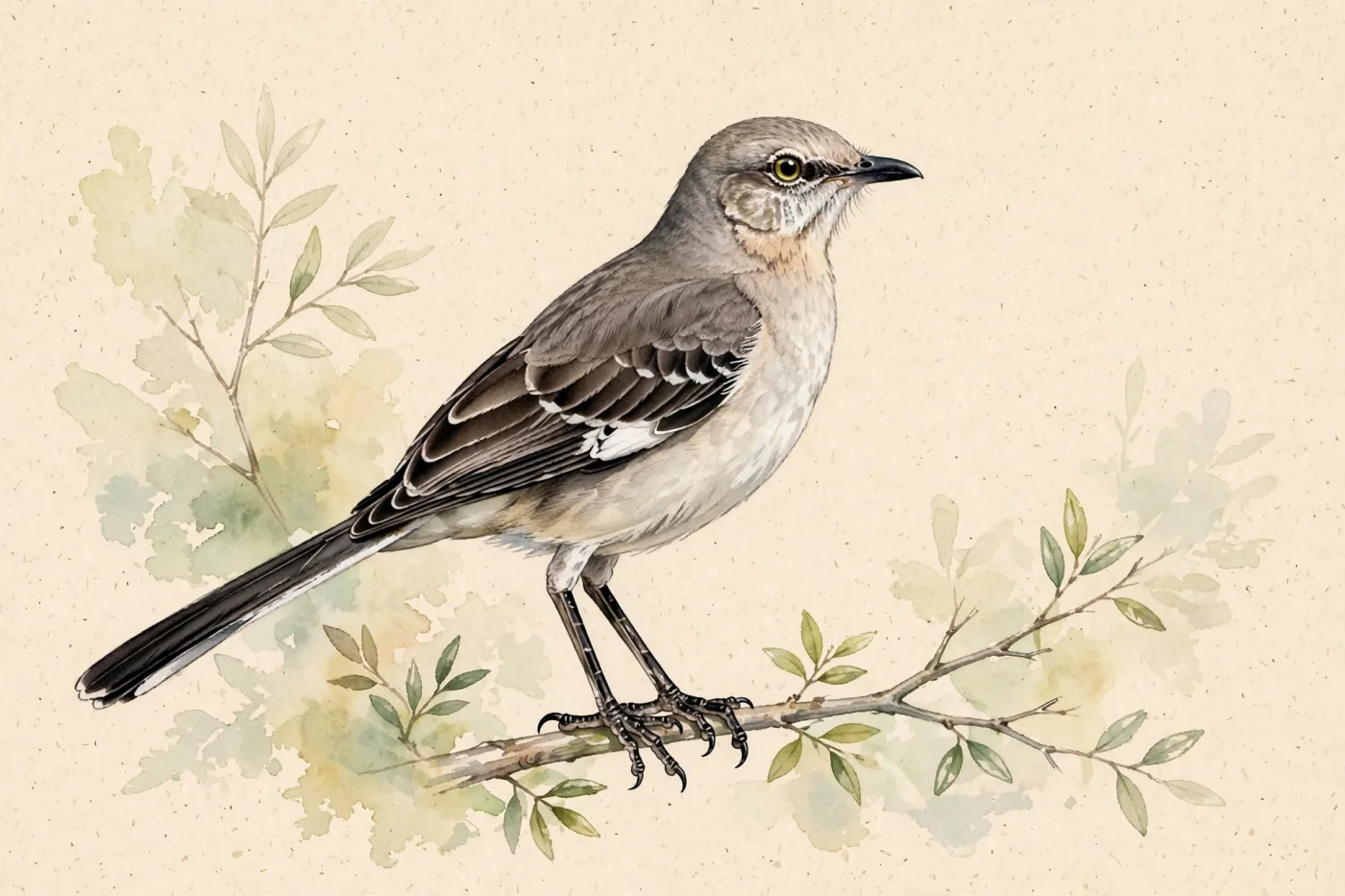
Prepared with AI assistance and linked sources. Illustrations are not field photographs.
Introduction
Birds do not always show themselves, but they almost always leave something behind: a track in mud, a feather on a trail, a dropping under a branch, or a feeding mark on a trunk. Learning to read these signs expands what you can observe on a walk and helps confirm which species use a place even when you do not see them directly.
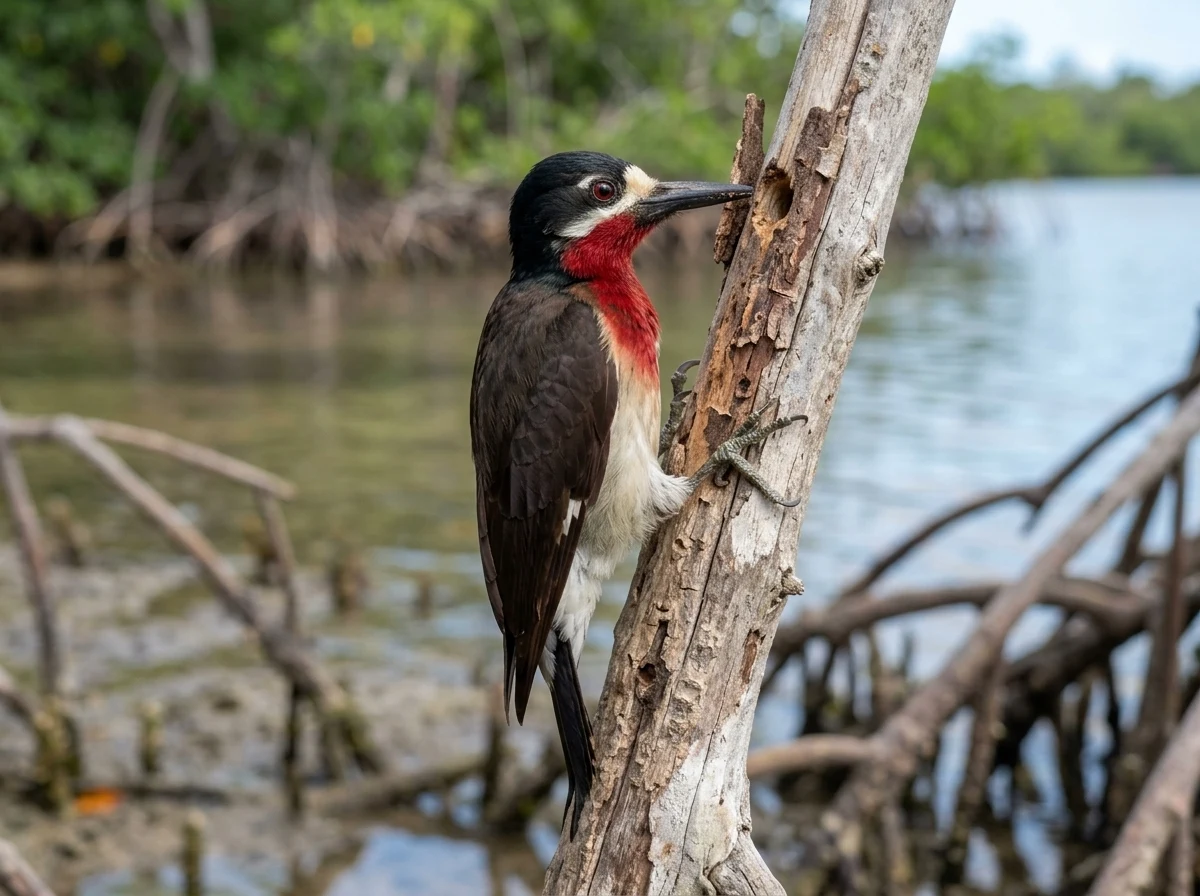
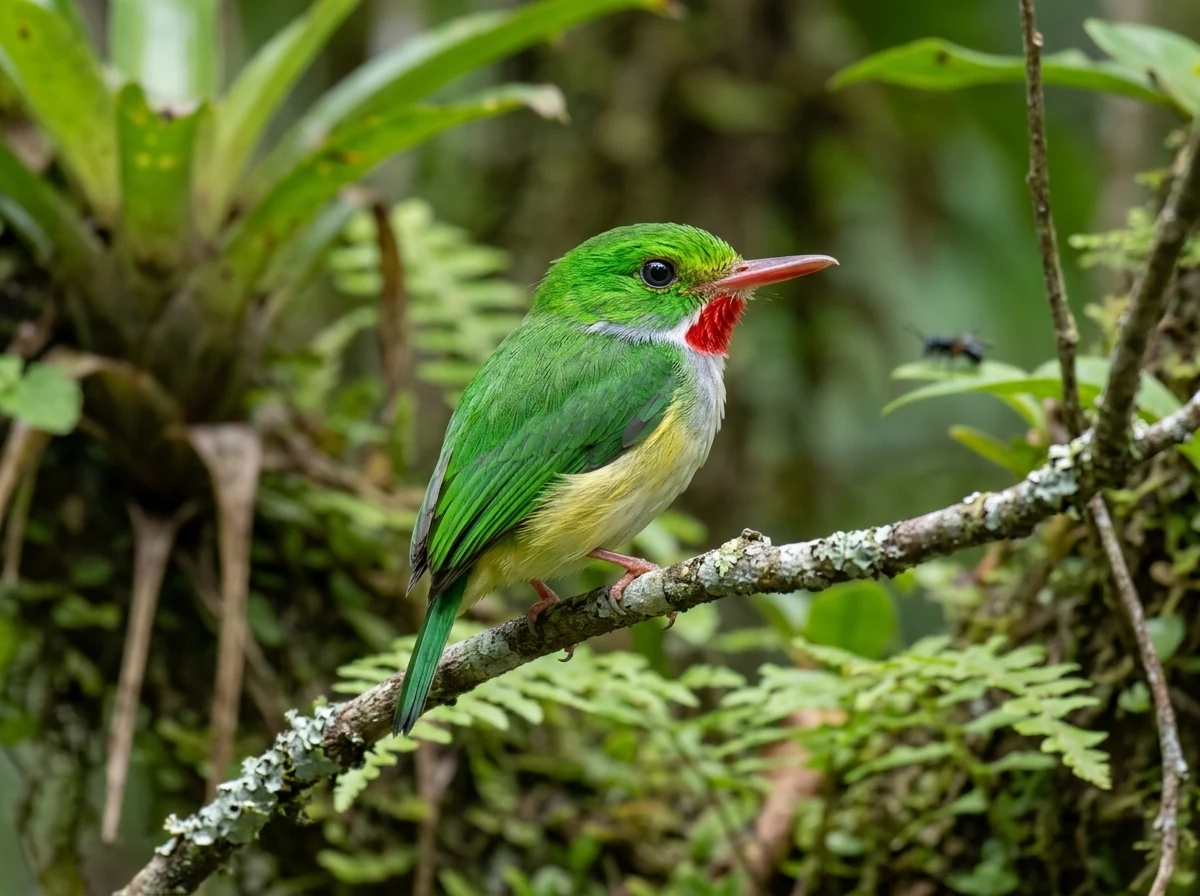
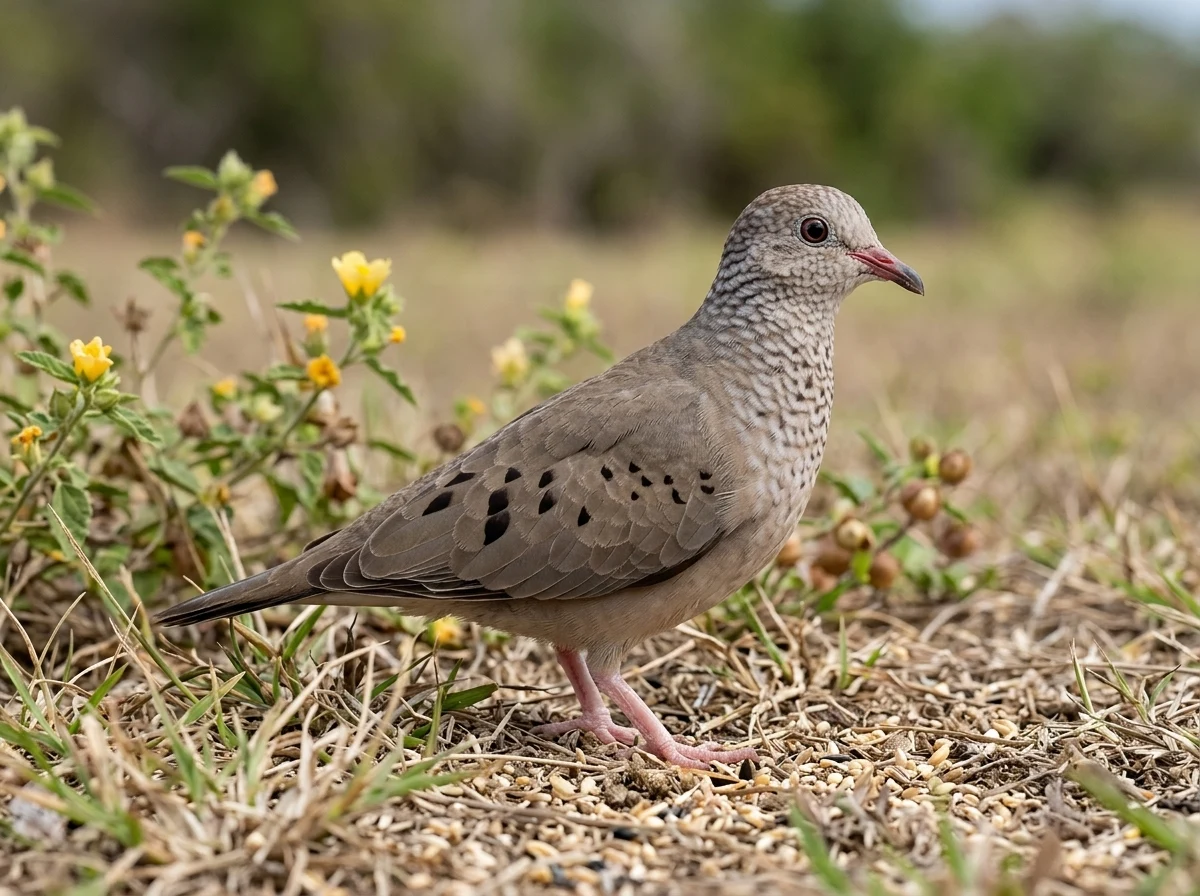
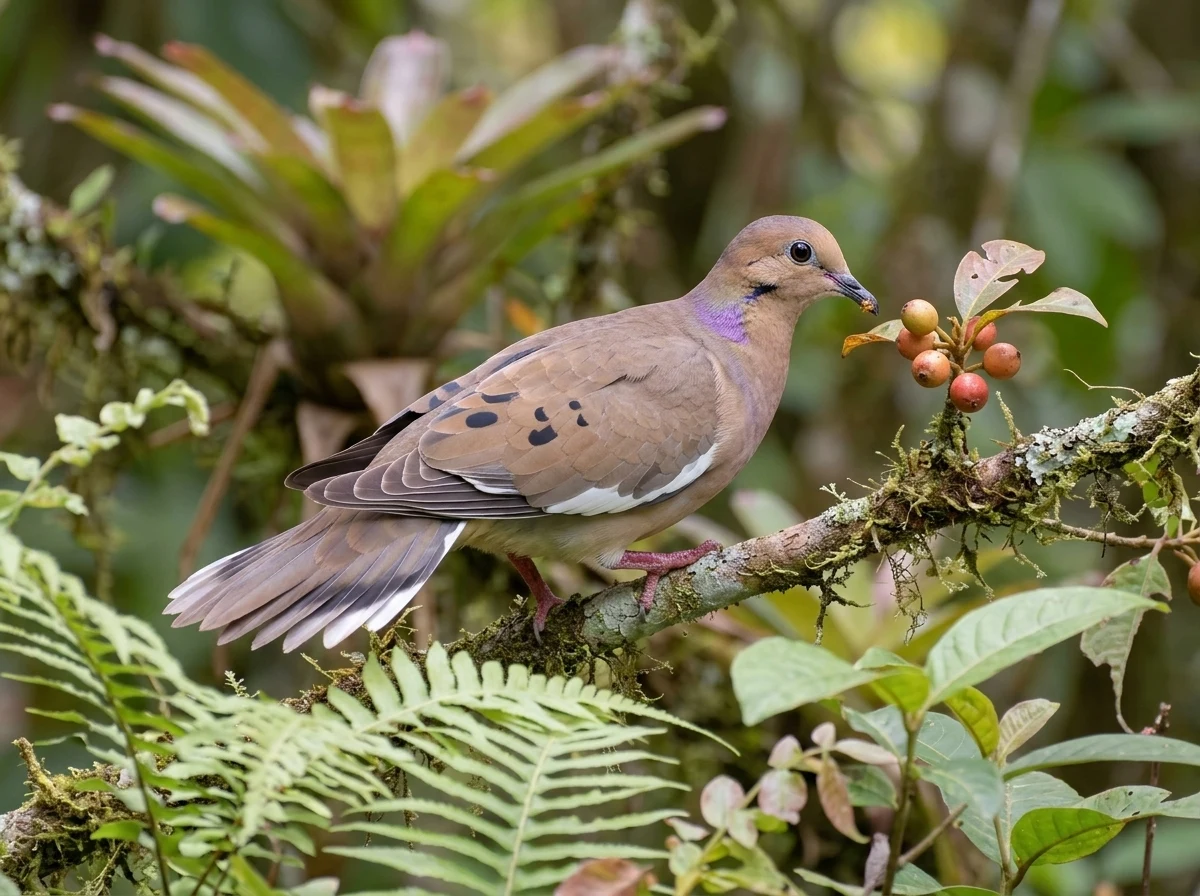
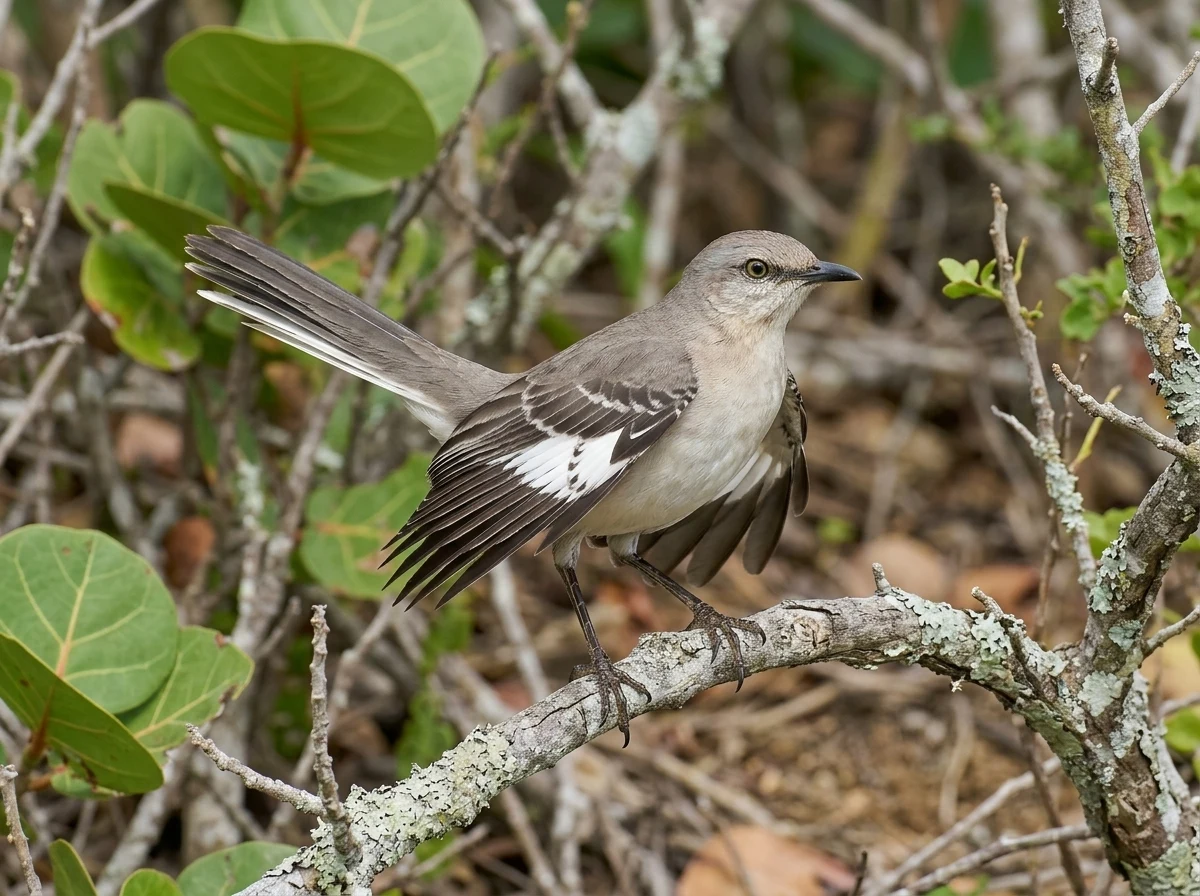
This guide summarizes how to classify bird tracks, which feather types are most useful for identification, and what other signs to look for. It includes a field procedure, a checklist, and comparisons for common Puerto Rico species such as the Puerto Rican Woodpecker, Puerto Rican Tody, Common Ground Dove, Zenaida Dove, and Northern Mockingbird.
Fieldcraft
Key takeaways
5track categoriesClassic, game bird, webbed, totipalmate, and zygodactyl.
4feather size classesSmall, medium, large, and huge, based on total length.
438species in the Feather AtlasDatabase of flight feathers of North American birds.
01
How to identify bird tracks
Bird tracks are classified into five categories based on foot structure. Classic (anisodactyl) tracks have three toes forward and one long toe backward; they are common in perching birds, doves, hawks, herons, and many others. Game bird tracks resemble classic tracks, but the rear toe is much smaller or absent; they include quail, shorebirds, and cranes. Webbed (palmate) tracks have the forward toes connected by webbing and the outer toes curve slightly inward; they group ducks, geese, gulls, and terns. Totipalmate tracks have webbing between all four toes, as in pelicans and cormorants. Zygodactyl tracks have two toes forward and two backward, as in woodpeckers, owls, and roadrunners.
To identify a track, first assign it to a category, then measure its length and compare it with size references. Mark Elbroch's Bird Tracks and Sign divides tracks into these five categories and provides quick reference tables by size. In Puerto Rico, the Puerto Rican Woodpecker leaves zygodactyl tracks, while the Common Ground Dove and Zenaida Dove leave classic tracks. The Puerto Rican Tody, which nests in burrows, may leave marks near its excavations. Remember that a single track rarely suffices to reach species; look for the gait pattern, direction, and substrate.
02
Feathers: types and how to use them
Flight feathers are the most useful for identification because their shape, size, and pattern vary among groups. The Feather Atlas Identify Feather tool from the U.S. Fish and Wildlife Service lets you search by pattern (unpatterned, two-tone, mottled, barred, spotted, iridescence, dark tip, pale tip), characteristic color, size, and position. The main positions are primaries (wing), secondaries (wing), and rectrices (tail). If you are unsure what type of feather you have, you can search all feathers.
Size is classified into four categories: small (less than 8 cm), medium (8–16 cm), large (16–24 cm), and huge (more than 24 cm). You can also restrict the search by taxonomic group, for example pigeons and doves (Columbiformes), woodpeckers (Piciformes), or songbirds (Passeriformes). In Puerto Rico, a barred feather with a soft, fuzzy texture is probably from an owl, while a barred feather with stiff edges could be from a woodpecker. The Feather Atlas database includes 438 North American bird species, but not all Puerto Rican species are represented; use it as a comparative reference, not absolute confirmation.
03
Other signs: droppings, pellets, and feeding marks
Bird droppings vary in shape, color, and consistency depending on diet. Dove and pigeon droppings are often cylindrical and may contain visible seeds; insectivorous bird droppings can be more liquid and dark. Pellets are regurgitated masses of undigested material such as bones, fur, or exoskeletons, and are documented in owls and vultures. NatureTracking documents owl pellets and vulture pellets. Do not handle pellets without gloves or put them near your mouth; they are biological material.
Feeding marks include holes excavated in trunks by woodpeckers, peeled bark, cracked seeds, and peck marks on fruits. The Puerto Rican Woodpecker, which feeds on invertebrates and nests in tree cavities, leaves characteristic holes in trunks and posts. The Common Ground Dove and Zenaida Dove, which feed on seeds and fruits on the ground, may leave cracked seeds or peck marks on the ground. The Northern Mockingbird, an omnivore, consumes fruits and invertebrates and may leave berry remnants or exoskeletons. Observe context: the sign next to a trunk, under a branch, or on the ground guides you to the bird group.
04
Field procedure and checklist
When you find a sign, follow this procedure: 1) Photograph the complete sign and a close-up with a ruler or coin for scale. 2) Record date, time, location, substrate (mud, sand, soil, snow), and weather conditions. 3) Measure the length and width of the track or feather. 4) Describe the pattern: number of toes, presence of webbing, orientation, claw marks. 5) Look for associated signs: droppings, feathers, pellets, feeding marks. 6) Do not collect feathers from native birds without permits; in the United States it is illegal to possess feathers from most native birds without proper authorization. 7) Take notes in a field notebook or app, and if possible, include a photo of the surrounding plant or habitat.
Checklist for your outing: notebook or notes app, pencil, ruler or measuring tape, hand lens, camera or phone, disposable gloves (to avoid touching biological signs), paper bags (only for waste, not for feathers), water, sunscreen, and a track or feather guide. If you find a feather, do not store it in plastic; paper allows it to breathe and prevents mold. Remember that identification by signs is probabilistic: a track or feather brings you closer to a group, but confirmation requires context, habitat, and, when possible, direct observation of the bird.
05
Comparing signs in common Puerto Rico species
The Puerto Rican Woodpecker (Melanerpes portoricensis) is endemic and the only resident woodpecker in Puerto Rico. Its tracks are zygodactyl (two toes forward, two backward), and its nesting cavities in trunks and posts leave characteristic holes. The Puerto Rican Tody (Todus mexicanus) is endemic and nests in burrows in the ground; its tracks are classic and it may leave excavation marks on slopes or soft soils. The Common Ground Dove (Columbina passerina) is native and spends much time on the ground; its tracks are classic and small, and its droppings may contain seeds. The Zenaida Dove (Zenaida aurita) is native and also leaves classic tracks, but larger than those of the Common Ground Dove. The Northern Mockingbird (Mimus polyglottos) is native and omnivorous; its tracks are classic and it may leave fruit remnants or exoskeletons.
To differentiate classic tracks of small birds, use scale: the Common Ground Dove is a small bird (about 32 g), the Zenaida Dove is medium (about 151 g), and the Northern Mockingbird is small-medium (about 48 g). The Puerto Rican Woodpecker weighs about 60 g and its zygodactyl tracks are unmistakable due to toe arrangement. The Puerto Rican Tody is very small (about 6 g) and its tracks are tiny. Remember that track size does not always reflect bird weight; substrate and speed affect the impression. Use the combination of category, size, and context to get closer to the species.
Linked profiles
Featured species
These Puerto Rico birds leave identifiable signs in the field.
01
Can I identify a species from a single track?
Rarely. A track lets you assign a category (classic, game bird, webbed, totipalmate, or zygodactyl) and estimate a size range, but species confirmation requires context, gait pattern, habitat, and, when possible, direct observation. Use the track as a clue, not definitive proof.
02
Which feathers are most useful for identifying birds?
Flight feathers: primaries, secondaries, and rectrices. Their shape, size, and pattern vary among groups and are the basis for tools like the Feather Atlas. Coverts or down feathers are less diagnostic. If you find a feather, photograph both sides with a ruler for scale.
03
Is it legal to collect bird feathers in Puerto Rico?
In the United States it is illegal to possess feathers from most native birds without proper permits. This applies to protected migratory and resident species. To avoid problems, observe and photograph feathers in place, and do not collect them. If you need a feather for an educational project, consult the appropriate authorities.
04
How do I distinguish bird droppings from other animals?
Bird droppings often contain a white portion (uric acid) and may include seed, insect, or fruit remnants. Dove and pigeon droppings are cylindrical; insectivorous bird droppings can be more liquid. Mammal droppings generally lack the white portion and are often larger with hair or bones. Observe context and size.
05
What other signs should I look for besides tracks and feathers?
Look for pellets (regurgitated masses of bones, fur, or exoskeletons), feeding marks such as holes in trunks or cracked seeds, nests and cavities, and excavation marks in the ground. You may also find feathers around a resting or feeding area. Each sign adds evidence about which birds use the place.
Keep exploring
Connected routes
Sources and review
The evidence is one link away.
These sources support the editorial scope of this guide. Bird profiles also retain their own taxonomy, occurrence, and conservation references.
Reviewed:
01↗02↗03↗
U.S. Fish and Wildlife Service Forensics Laboratory
Identify Feather Tool - The Feather Atlas
Evidence for cited sections; consult the original document.NatureTracking.com
Bird Tracks and Sign
Evidence for cited sections; consult the original document.U.S. Fish and Wildlife Service
The Feather Atlas - Feather Identification and Scans
Evidence for cited sections; consult the original document.The atlas continues