 AI
AIFieldcraft
Diagnostic photography for bird identification
A checklist of diagnostic shots —head, bill, wing, tail, legs— plus practical settings for sharp, well-exposed photos in Puerto Rico's light.
Reviewed: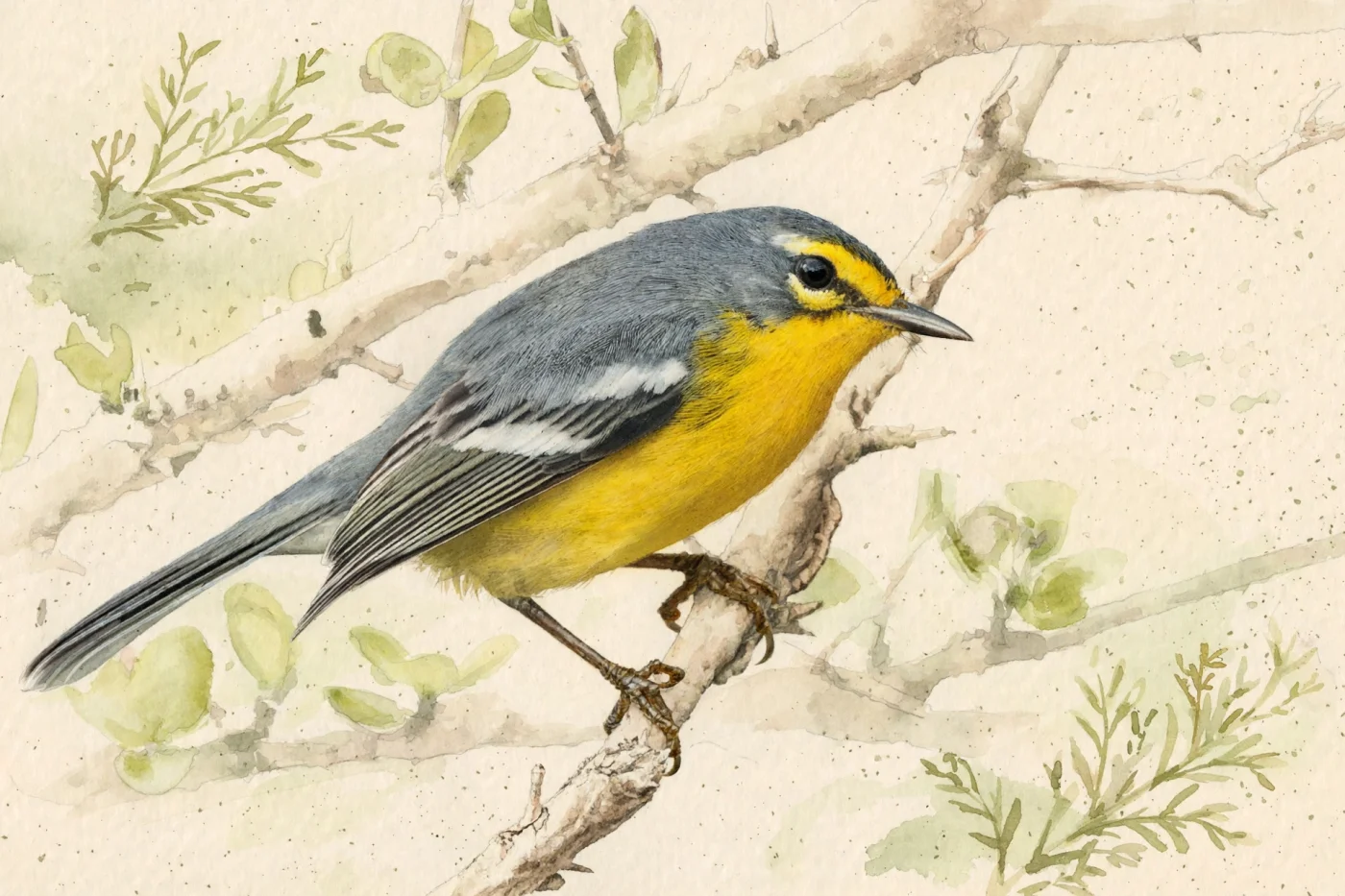
Prepared with AI assistance and linked sources. Illustrations are not field photographs.
The photo that answers the question
A brief encounter with a bird often lasts seconds. In that time, the difference between a confident identification and doubt is usually a single photo: the one showing the detail that separates the observed species from its look-alikes. Diagnostic photography does not aim for the most beautiful image, but for the most informative one.
Documenting birds is not limited to rarities. eBird guidance advises uploading photos for both rare and common species, and notes that even a low-quality photo is valuable if it can be used to establish a bird's identification. This article proposes an order of shots, camera settings, and a field routine to achieve that.
Fieldcraft
Three key ideas
Cabeza primeroThe detail that decides mostFacial pattern, eye color, and bill shape usually separate similar species.
1/2000 sShutter speed for birds in flightThe U.S. Fish & Wildlife Service recommends 1/2000 sec or faster, with continuous autofocus and high burst mode.
10Photos per species on eBirdeBird allows up to 10 files per species; it also asks that you upload multiple photos only if they are sufficiently different from one another.
01
Which features to photograph and in what order
Useful documentation starts with diagnostic features. eBird guidance asks observers to note diagnostic features, explain how similar species were ruled out, and record age and sex when possible. In practice, that becomes a sequence of shots: the head first, because facial pattern, eye color, and bill shape concentrate most of the differences between similar species; then the full body, for proportions and overall color; then the wing and tail, where bars, edges, and patterns appear; and finally the legs, whose color and length separate entire groups.
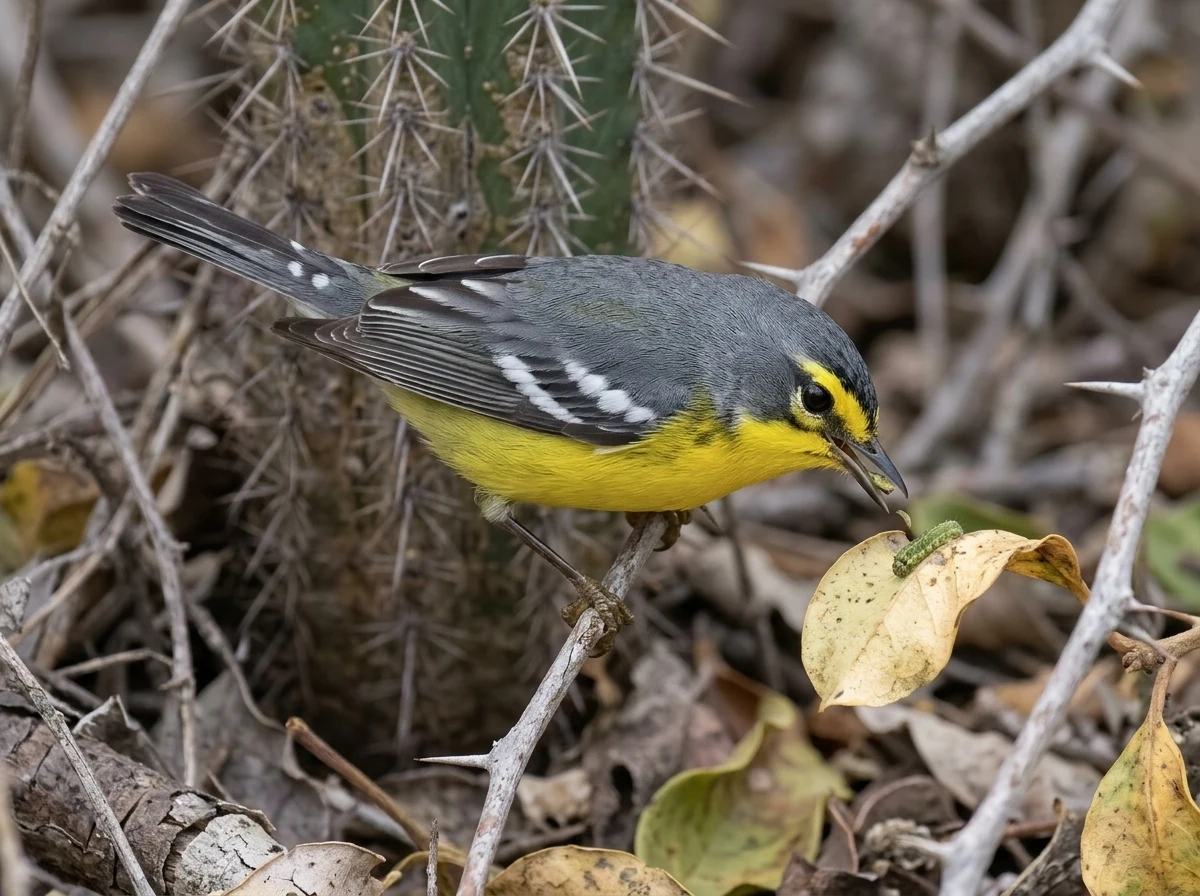
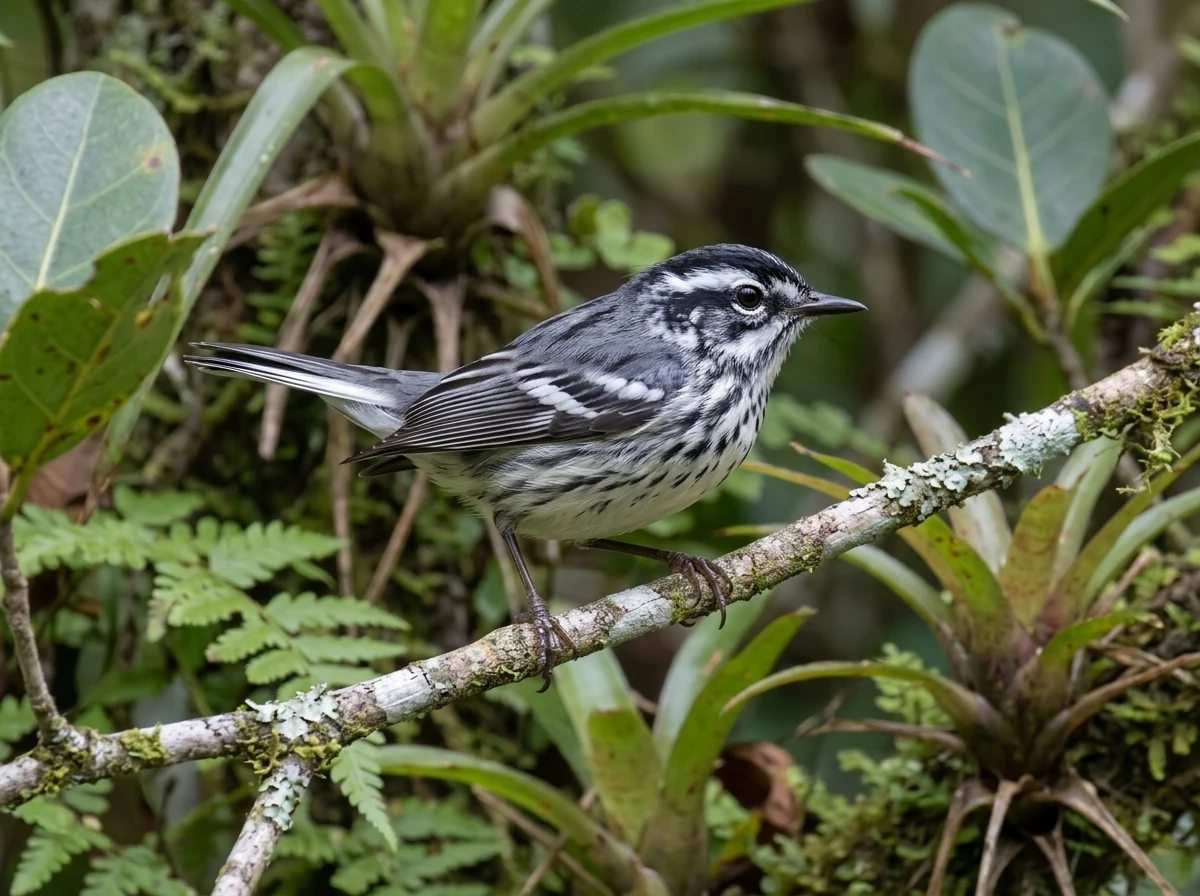
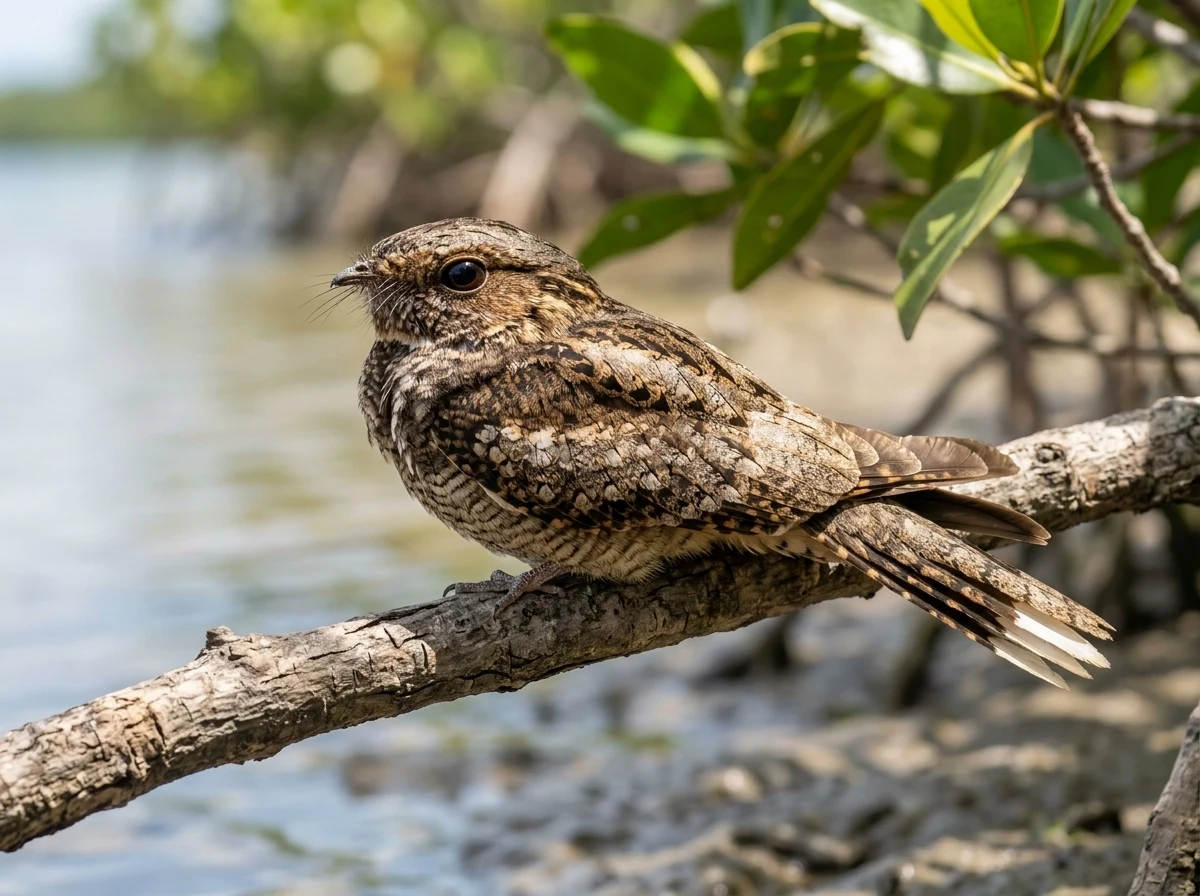
Each species in the catalog suggests its own key shot. The Elfin-woods Warbler is a local and uncommon species of montane wet forest, cloud forest, and elfin woodland, with small populations and restricted habitat; a photo showing the whole bird and its vegetation context provides useful information about a difficult-to-find species. Adelaide's Warbler is common in the dry forests of southern Puerto Rico and Vieques, and also occurs in wet limestone forests and secondary forests on the northern coast; it is absent from higher elevations and the eastern end of the island. It is an active bird, not shy of humans, which makes it easier to obtain several shots. The Puerto Rican Nightjar poses a different challenge: it is a nocturnal, discreet bird that nests on the ground among leaf litter, and whose population is estimated at 1,400 to 2,000 mature individuals.
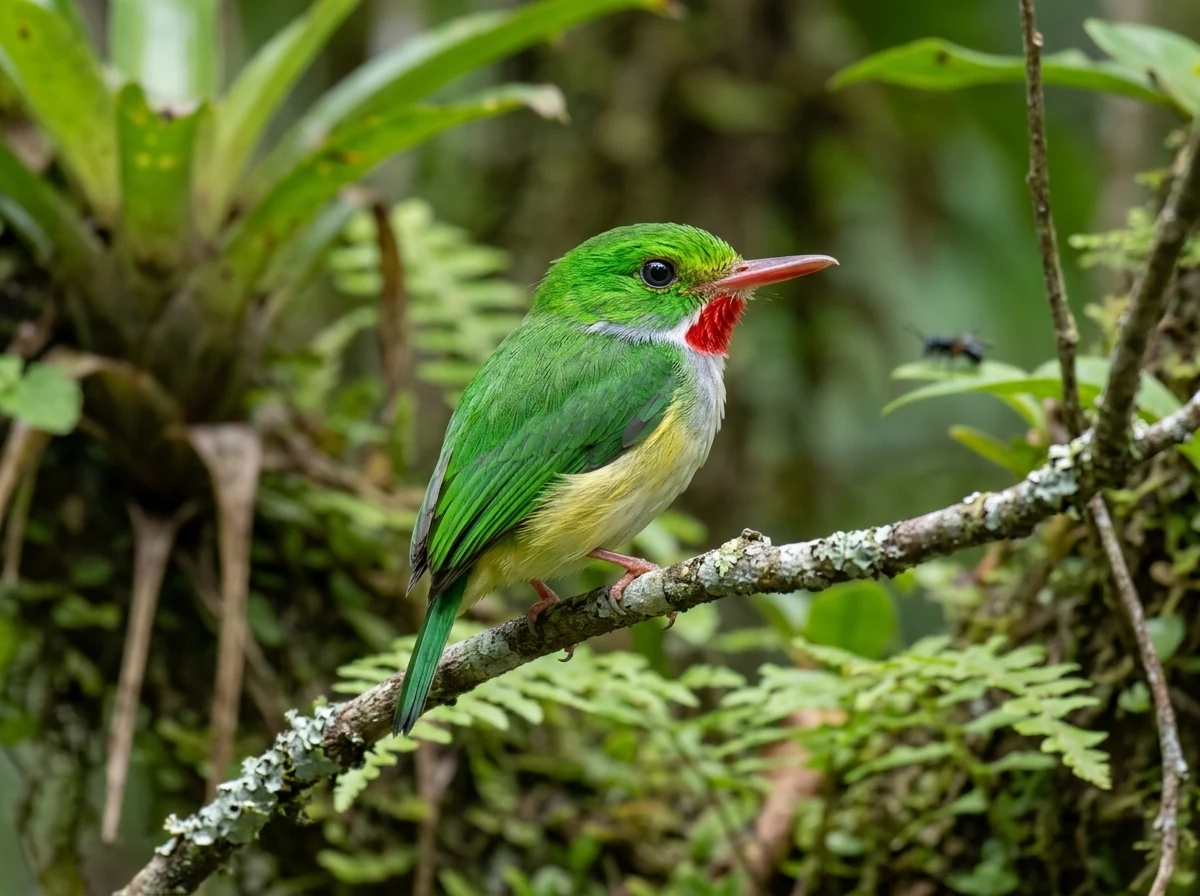
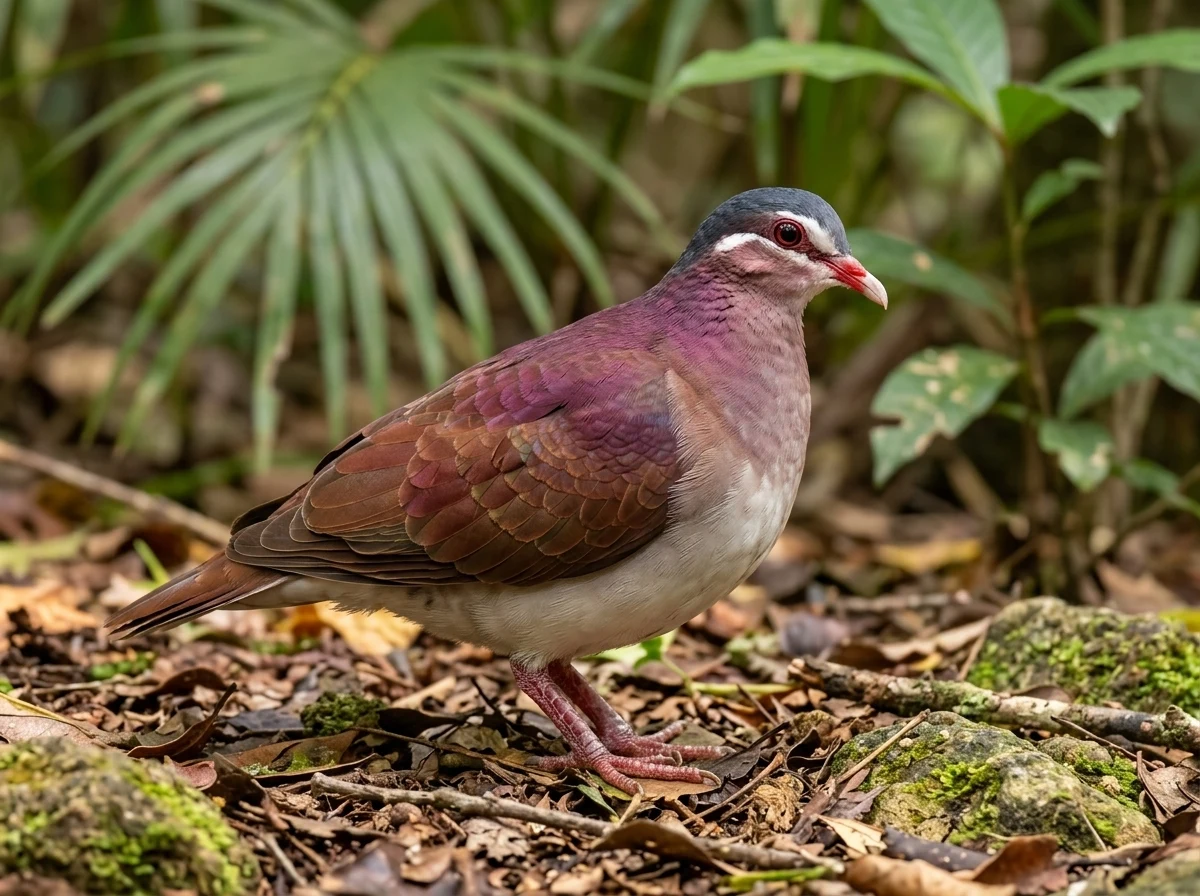
The Key West Quail-Dove is a bird of dry and moist forest with dense understory and karst; a photo capturing the whole bird and the understory setting helps document an elusive species. For the Puerto Rican Tody, there are no similar species in Puerto Rico, so a sharp profile photo showing the long, flat bill and bright green plumage is enough.
02
Settings to freeze motion
For birds in flight, the U.S. Fish & Wildlife Service recommends at least a 400mm lens, a shutter speed of 1/2000 sec or faster, continuous autofocus tracking, and high burst mode. That combination is not arbitrary: a small bird's wing moves so fast that a slower speed produces blurred wings even when the head is sharp.
Audubon advises learning which shutter speed freezes which behavior and setting it before the action unfolds. It also recommends shooting in Aperture-Priority or Manual mode rather than Program mode, to control depth of field and shutter speed. For perched birds, a slower speed allows a lower ISO and more detail; for birds walking or hopping among branches, an intermediate speed freezes motion without sacrificing too much light.
None of the consulted sources offers ISO or aperture values specific to Puerto Rico's light. The practical rule is to raise ISO until the desired shutter speed is reachable, and to check exposure after each burst, because light changes quickly when clouds alternately obscure and expose the sun.
03
Tropical light and background
Tropical forest light is a constant challenge: the canopy blocks the sun and creates a mosaic of bright patches and deep shadows. The consulted sources do not quantify that effect for Puerto Rico, but they do offer applicable principles. FWS recommends shooting during the golden hour, early morning and late afternoon, when light is beautiful and birds are most active. Audubon advises arriving early and staying until the last light fades.
Background matters as much as the bird. Audubon suggests using your f-stop, your angle of shooting, or your proximity to eliminate distracting elements, and changing your angle to transform a cluttered background into a clean one. It also recommends shooting at the subject's eye level, and FWS agrees: approach birds at an angle, not head-on, so they do not fly away.
In dense forest, a crossing branch can cover exactly the diagnostic feature. It pays to step left or right before shooting, and to use gaps where light reaches the understory. For nocturnal birds like the Puerto Rican Nightjar, which nests on the ground among leaf litter, natural-light photography is especially difficult; documenting the bird with the best available light and noting the context is more useful than forcing an impossible exposure.
04
Ethics and file preparation
The welfare of the bird takes priority. BirdsCaribbean's photo contest rules instruct participants to keep their distance and not disturb birds, and prohibit audio playback and flash or other artificial lights. Although these are contest rules, they offer a useful ethical standard for any field outing.
Before uploading a photo, eBird recommends cropping and editing the image, but not over-cropping or over-editing; uploading full-resolution JPGs under 10 MB; refraining from adding watermarks or text; and not uploading composite images or back-of-camera photos. eBird allows up to 10 files per species and asks that you upload multiple photos only if they are sufficiently different from one another. If a photo contains more than one species, upload it to the primary species and tag the others using the Additional Species field.
Preparation does not end with the photo. eBird asks users to add comments and metadata, tag age and sex, and rate the image. For an unusual observation, any photo is often better than no photo: even the worst quality photos are valuable if they can be used to establish the identification of a bird.
Linked profiles
Mentioned species
Five birds whose diagnostic features illustrate the sequence of shots.
01
Which photo should I take first if I only have a few seconds?
The head. Facial pattern, eye color, and bill shape concentrate most of the differences between similar species. If the bird disappears afterward, that shot is usually the one that resolves the identification.
02
Is a blurry or low-quality photo useful?
Yes. eBird states that even the worst quality photos are valuable if they can be used to establish the identification, and that when documenting a rare or unusual sighting, any photo is often better than no photo.
03
What shutter speed do I need for a bird in flight?
The U.S. Fish & Wildlife Service recommends 1/2000 sec or faster, with at least a 400mm lens, continuous autofocus tracking, and high burst mode.
04
Can I use flash or playback to get the photo?
BirdsCaribbean's photo contest rules prohibit audio playback and flash or other artificial lights, and ask participants to keep their distance without disturbing birds. It is a useful ethical standard even if you are not entering a contest.
05
How many photos can I upload to eBird per species?
Up to 10 files per species. In addition, upload multiple photos only if they are sufficiently different from one another, crop and edit without overdoing it, upload full-resolution JPGs under 10 MB, and do not add watermarks or text.
Keep exploring
Connected routes
Sources and review
The evidence is one link away.
These sources support the editorial scope of this guide. Bird profiles also retain their own taxonomy, occurrence, and conservation references.
Reviewed:
01↗02↗03↗04↗05↗06↗07↗
eBird / Cornell Lab of Ornithology (New York Breeding Bird Atlas)
Documenting Your Sightings (with photos, recordings, and written descriptions)
Evidence for cited sections; consult the original document.eBird / Cornell Lab of Ornithology
eBird Media Upload FAQ
Evidence for cited sections; consult the original document.U.S. Fish & Wildlife Service
Master Bird Photography
Evidence for cited sections; consult the original document.National Audubon Society
10 Tips for Photographing Birds
Evidence for cited sections; consult the original document.Cornell Lab of Ornithology (Birds of the World; author Judith D. Toms)
Adelaide's Warbler Setophaga adelaidae (Birds of the World account)
Evidence for cited sections; consult the original document.Cornell Lab of Ornithology (Birds of the World; author Francisco J. Vilella)
Puerto Rican Nightjar Antrostomus noctitherus (Birds of the World account)
Evidence for cited sections; consult the original document.BirdsCaribbean
Photography (BirdsCaribbean tag page)
Evidence for cited sections; consult the original document.The atlas continues