 AI
AICays and seabird colonies
Birds of Culebra
The most sensitive richness occurs on cays that are refuges, not stages for close approach.
Reviewed:A distant view can be the best view.
The refuge includes dry forest, mangroves, lagoons, and 21 cays; it documents landbirds, waders, shorebirds, waterfowl, and seabirds.
Colonies and access change with breeding, management, seas, and safety. Check official notices and use operators that respect distances and closures.
Cays and seabird colonies
The guide at a glance
10linked profilesA focused selection connects the guide with verifiable species.
3reading lensesContext, identification, and practical decisions organized by topic.
3primary sourcesAgencies, research, and ornithological organizations support the content.
01
From lagoon to cay
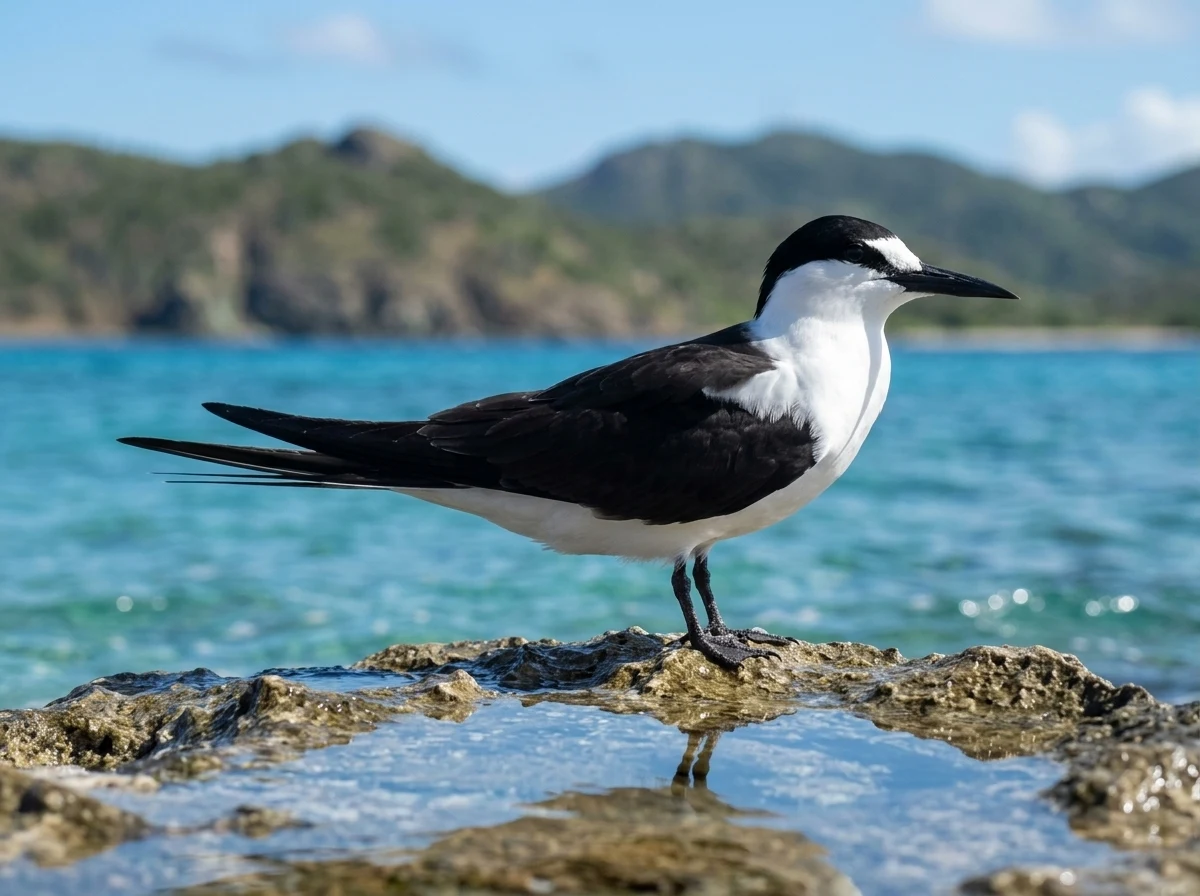
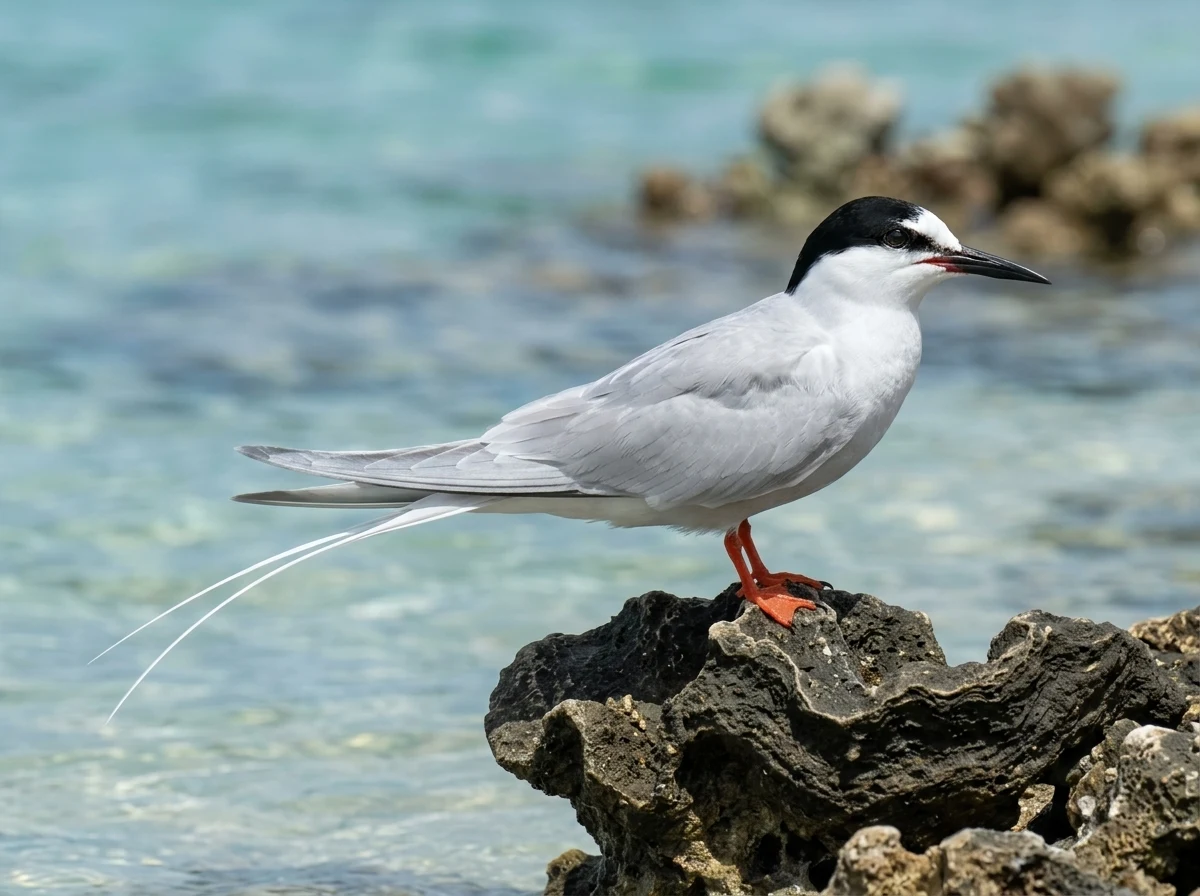
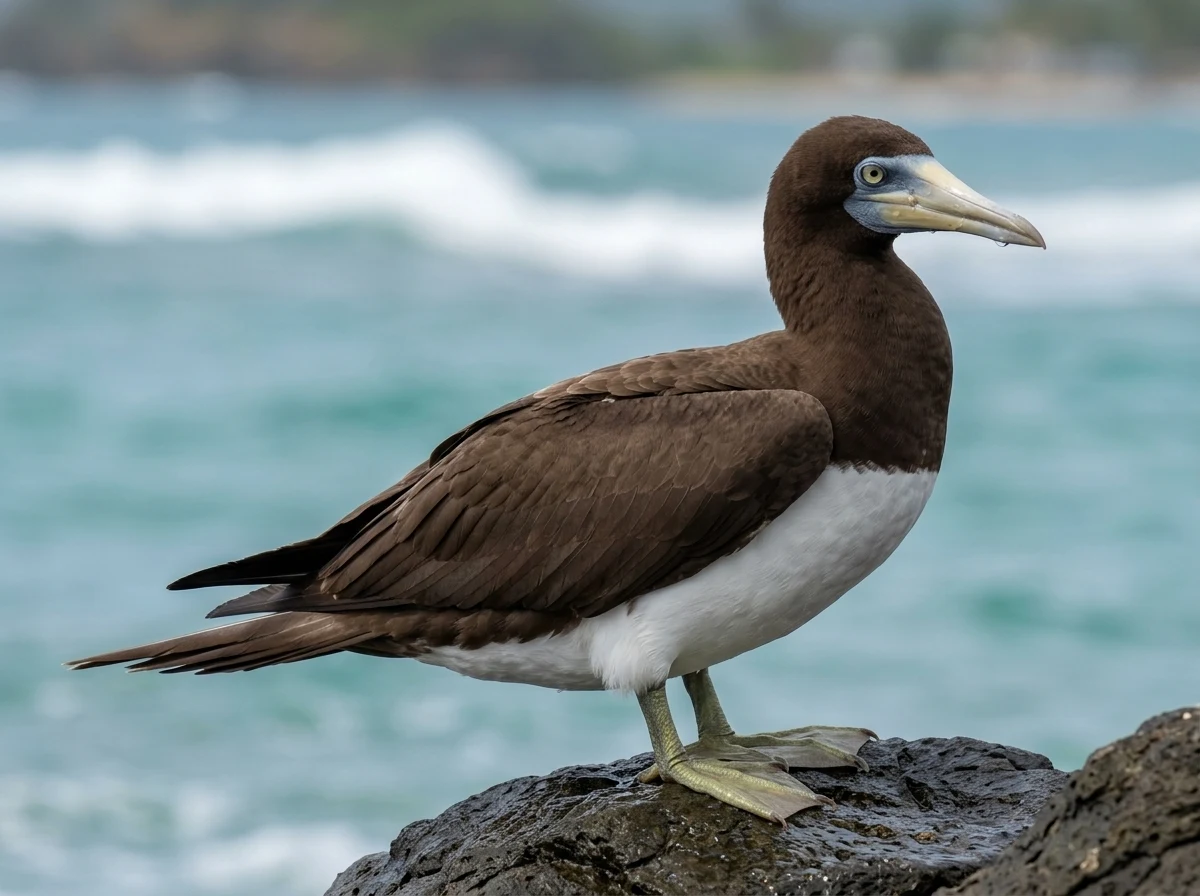
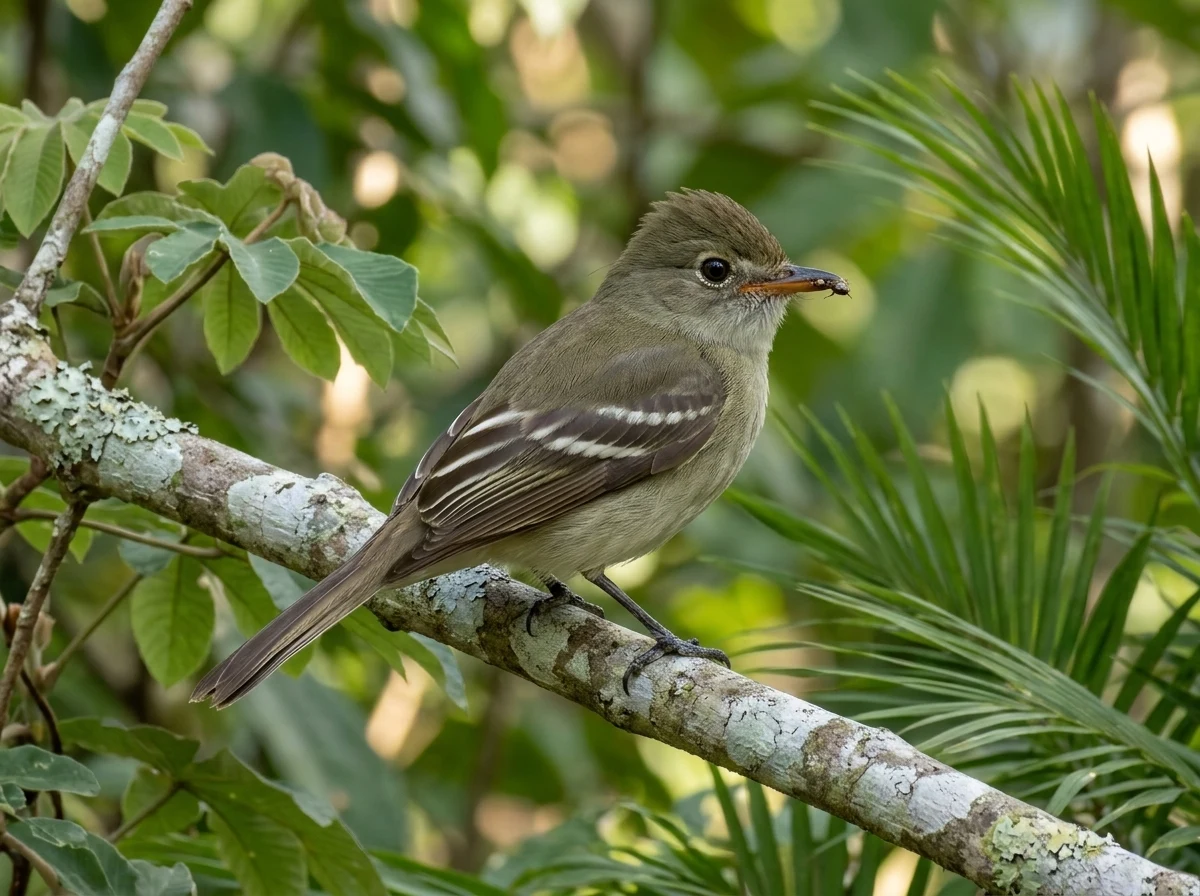
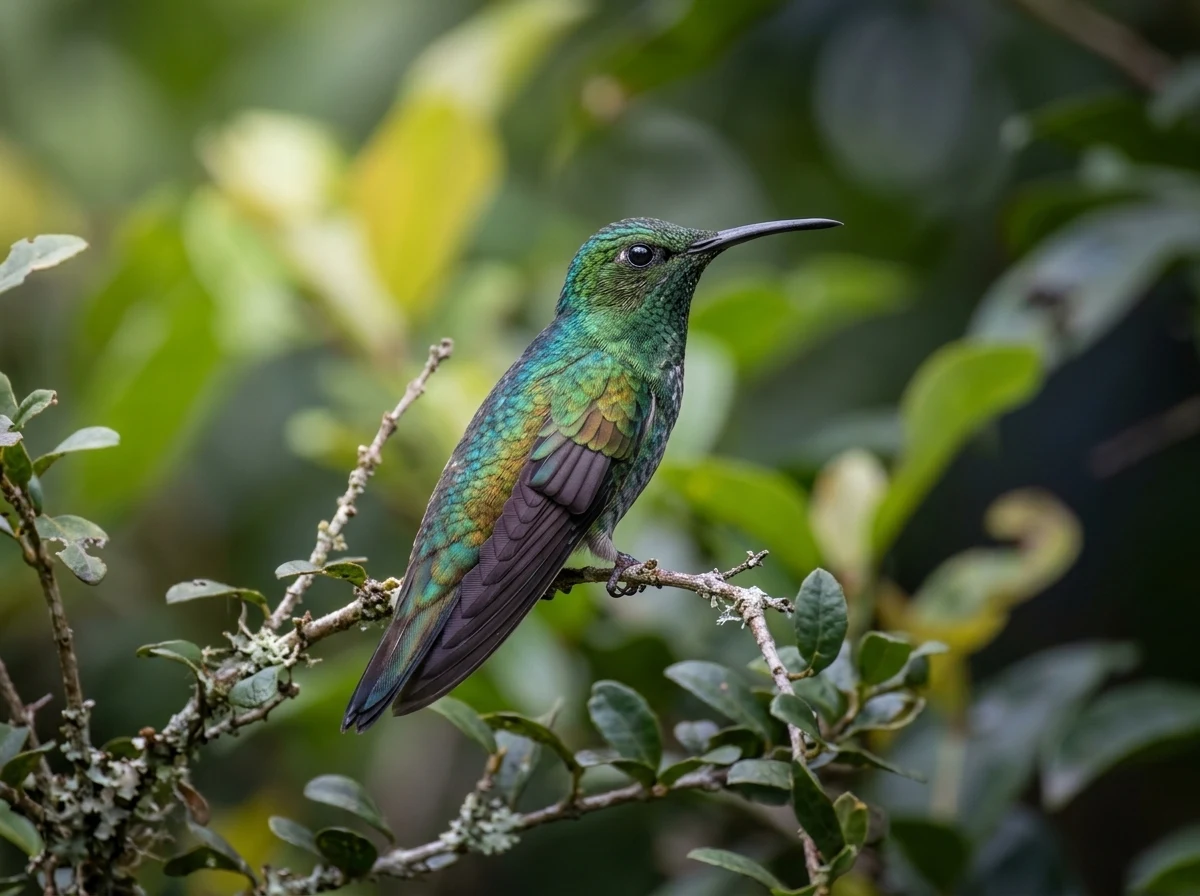
Lagoons concentrate herons, ducks, and shorebirds; forest and scrub hold Elaenia, Gray Kingbird, and hummingbirds; cays host terns and other seabirds.
Use a scope and scan from shore. Silhouette, flight pattern, and relative size can be documented without landing.
02
Colonies without disturbance
Do not land on closed cays, use drones, circle nests, or cause flights. Displaced adults expose eggs and chicks to heat and predation.
Ask an operator about permits and practices before departure. If birds change behavior because of the boat, increase distance.
Linked profiles
Birds to compare
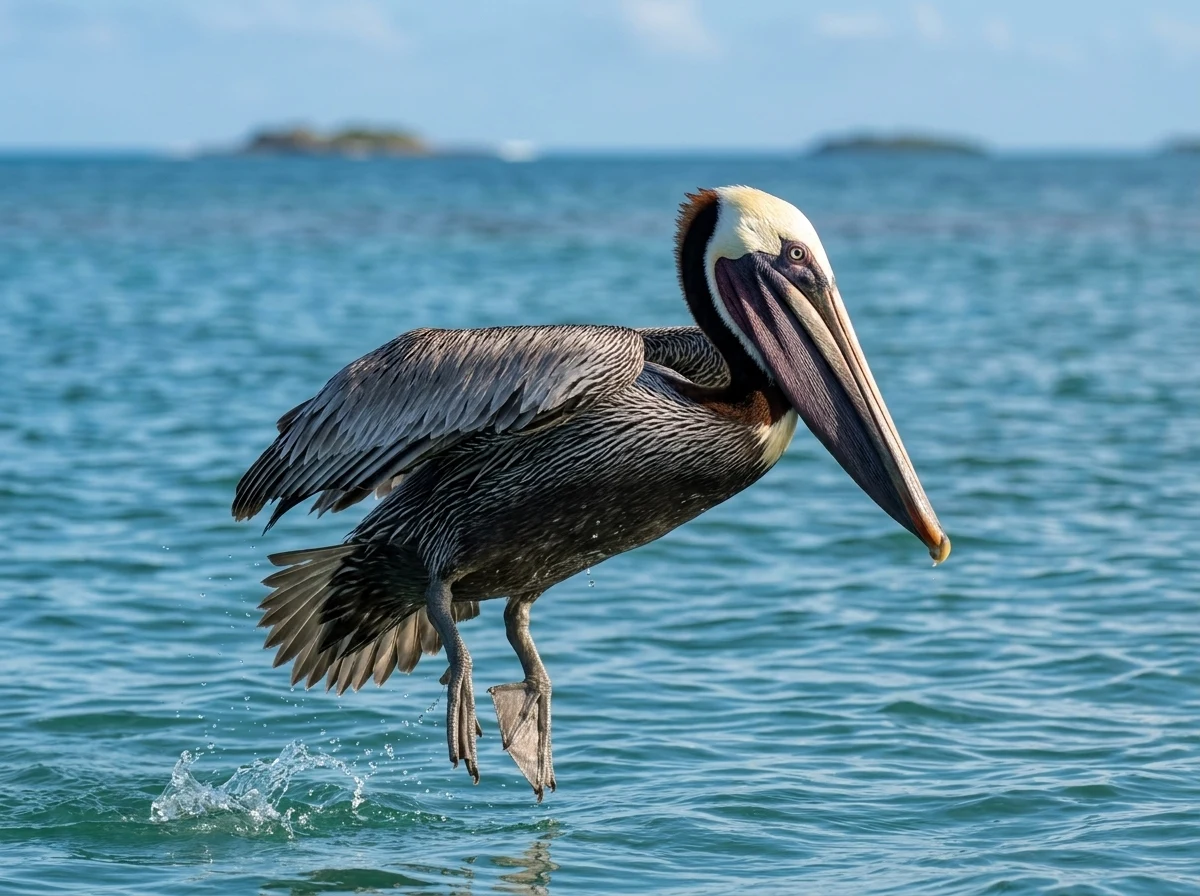
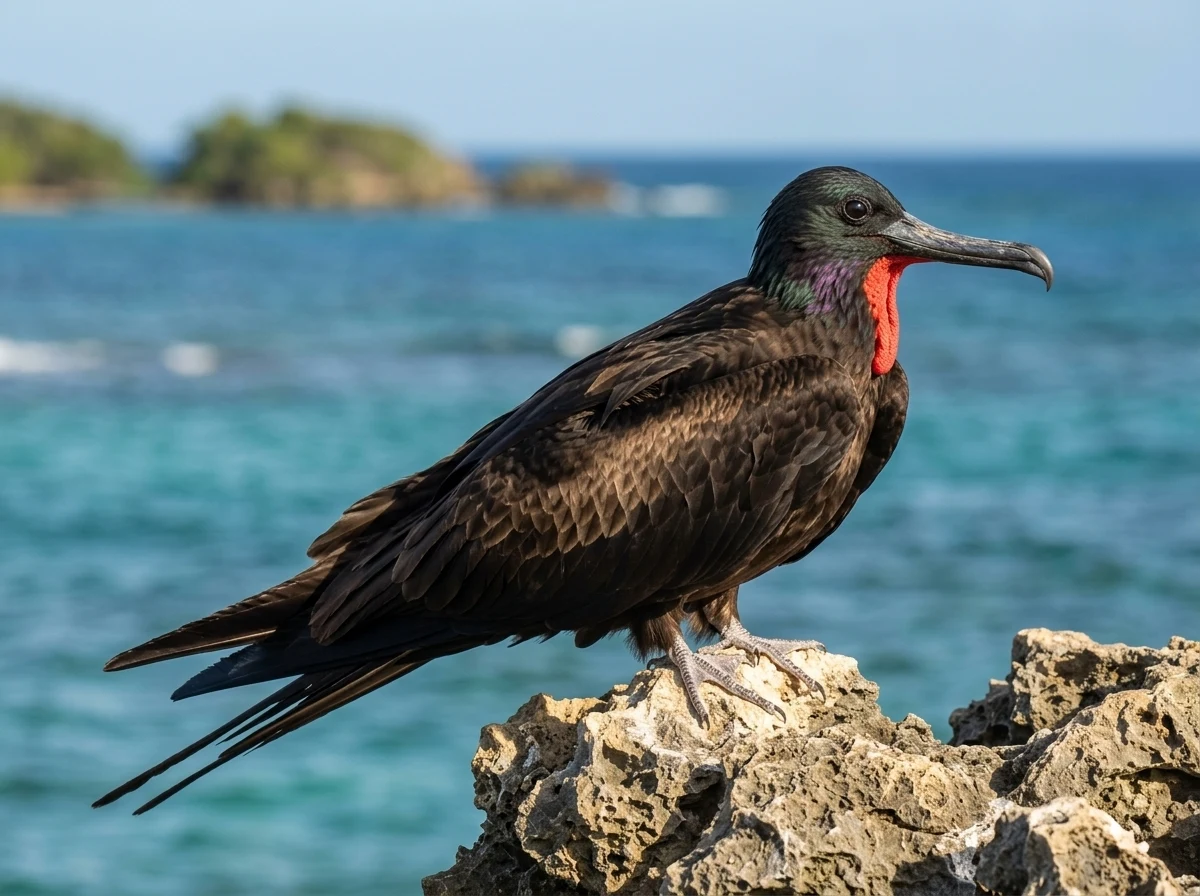
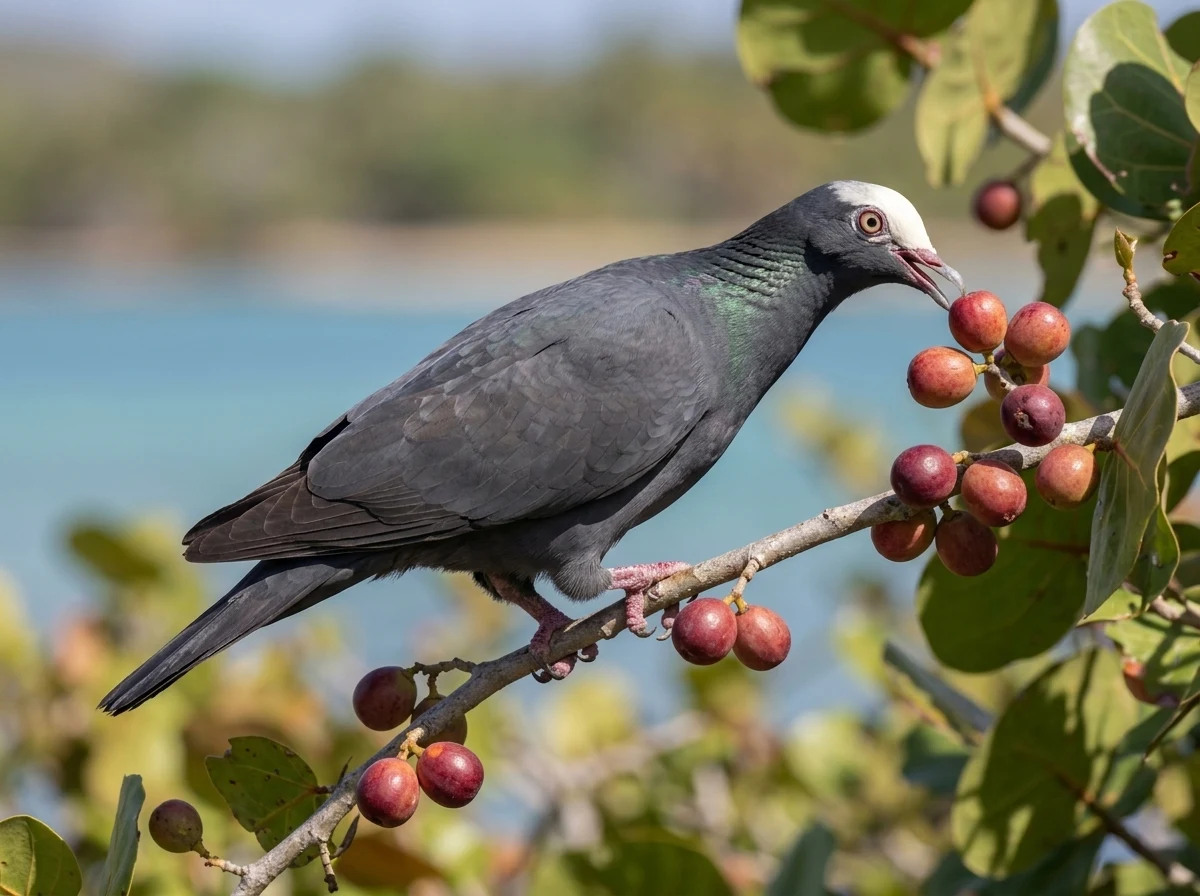
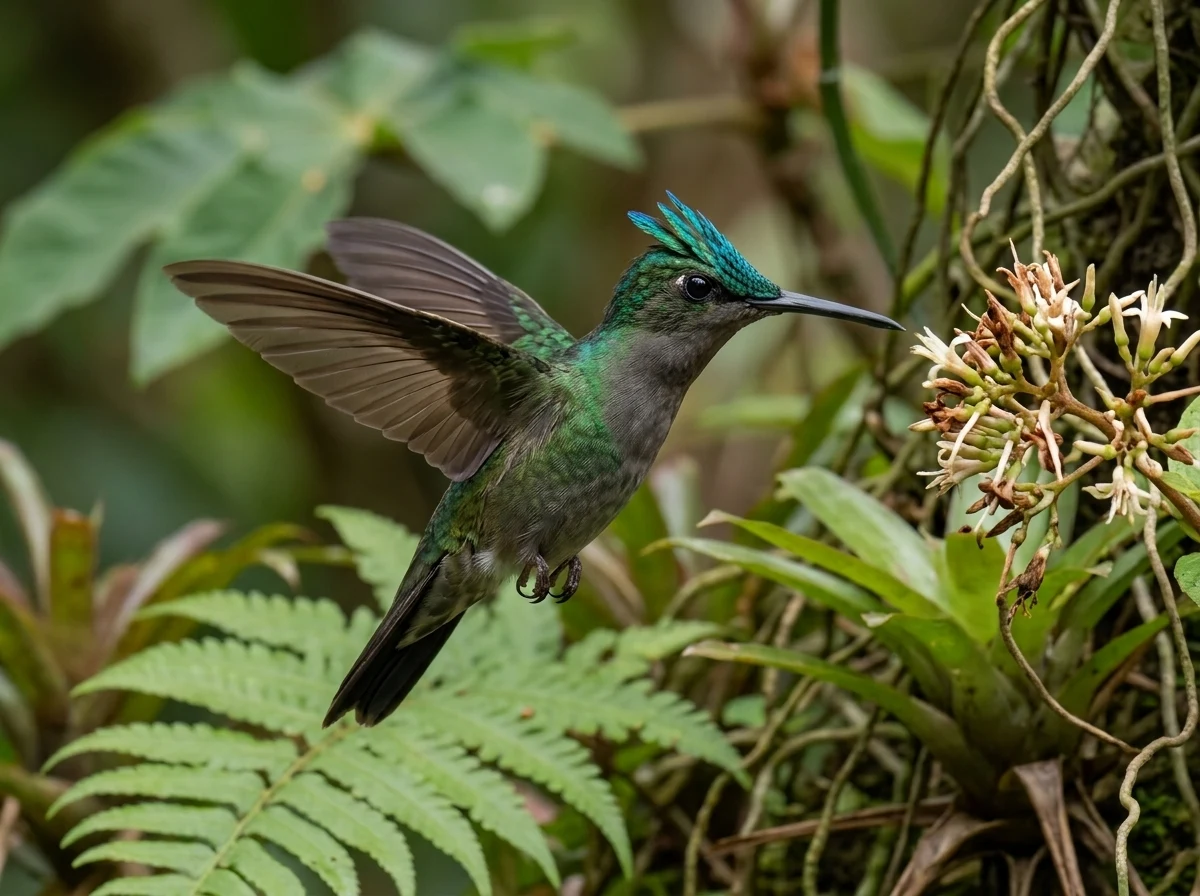
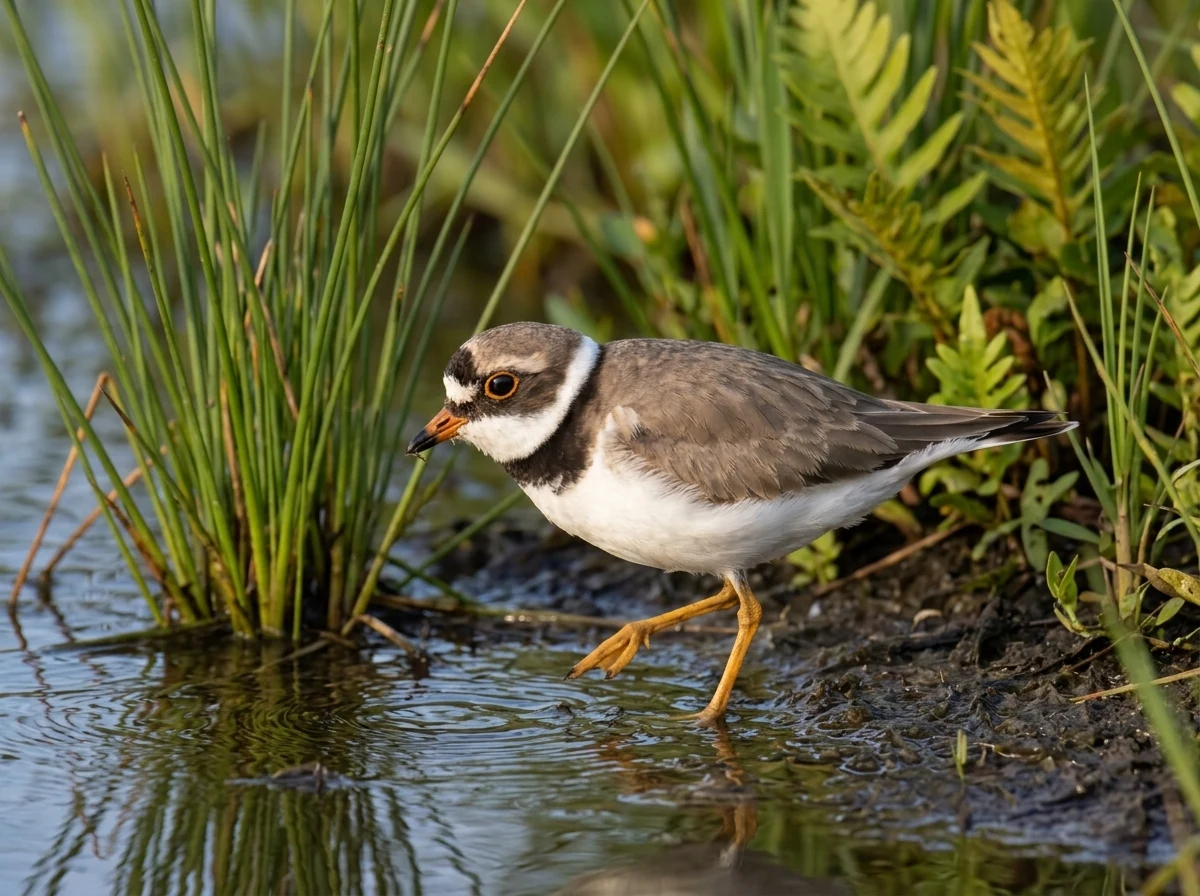
Open each profile to review names, marks, audio, habitat, status, and sources.
Sound archive
Hear its voice
Explore real songs and calls. The spectrogram turns each sound into a visual trace of time and frequency.
XC766526Recording 1 of 3alarm call

Play: alarm call by Craig Robertson
Choose another recording
Sound recorded by Craig Robertson · XC766526 · CC BY-NC-SA 4.0. Visualization by Stichting Xeno-canto voor Natuurgeluiden.
Every recording retains the creator, catalogue number, and license published by Xeno-canto. Metadata via GBIF ↗
01
May I visit nesting cays?
Do not assume so. Many have restrictions; confirm with the refuge and respect closures and distance.
02
Do I need binoculars or a scope?
Binoculars are enough to begin; a scope lets you study cays and lagoons without approaching.
03
How do I verify an identification or claim?
Compare more than one mark, check date and place, open the linked profile, and consult the sources published at the end of the guide.
Keep exploring
Connected routes
Sources and review
The evidence is one link away.
These sources support the editorial scope of this guide. Bird profiles also retain their own taxonomy, occurrence, and conservation references.
Reviewed:
01↗02↗03↗
U.S. Fish and Wildlife Service
Culebra National Wildlife Refuge
Dry forest, mangroves, lagoons, cays, and seabird colonies.U.S. Geological Survey
Puerto Rico: wetlands
Scientific synthesis of mangroves, lagoons, salt flats, and birds.Sociedad Ornitológica Puertorriqueña
Official bird list
Local names, occurrence categories, and the public summary of 17 endemics.The atlas continues