 AI
AIFieldcraft
How to watch raptor migration in Puerto Rico
A practical guide to reading the sky: seasons, weather, silhouettes, and an observation routine for falcons, hawks, and the Osprey.
Reviewed:Prepared with AI assistance and linked sources. Illustrations are not field photographs.
The sky as a corridor
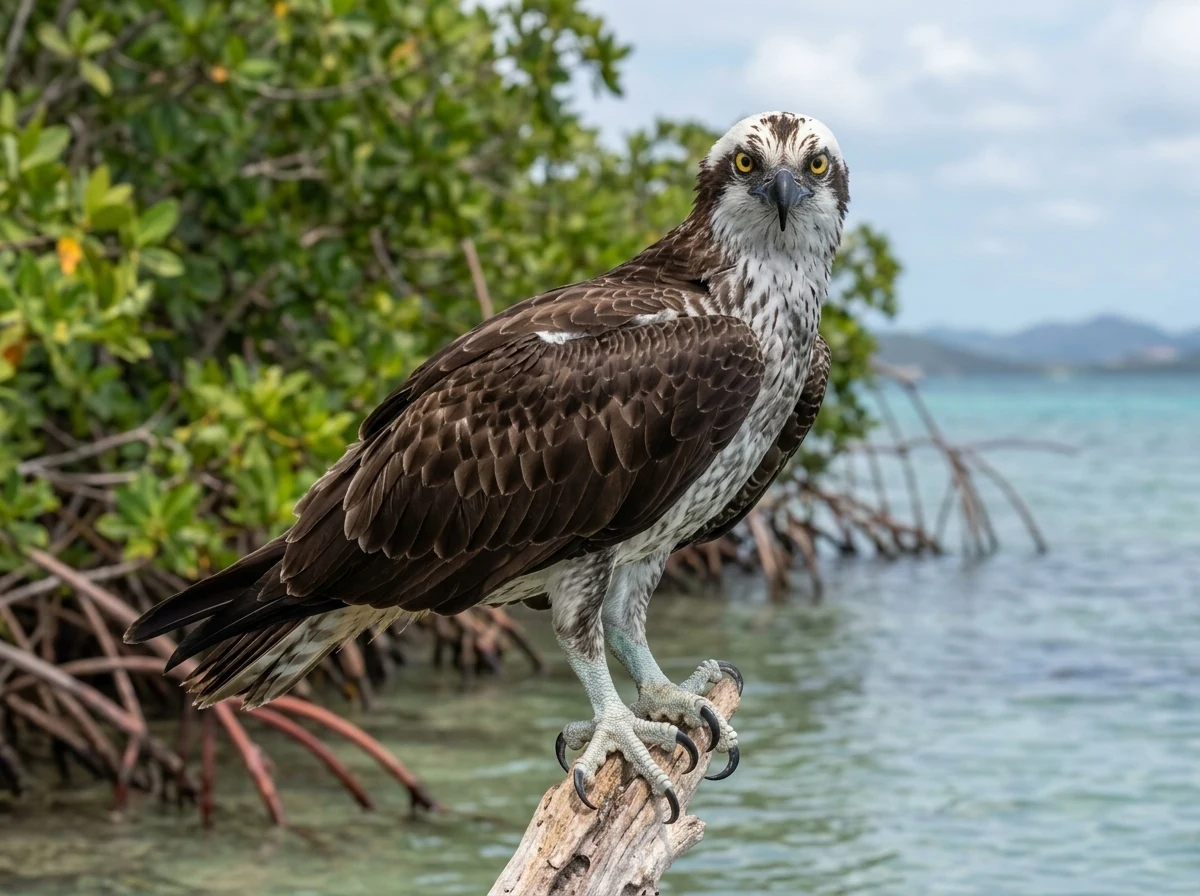
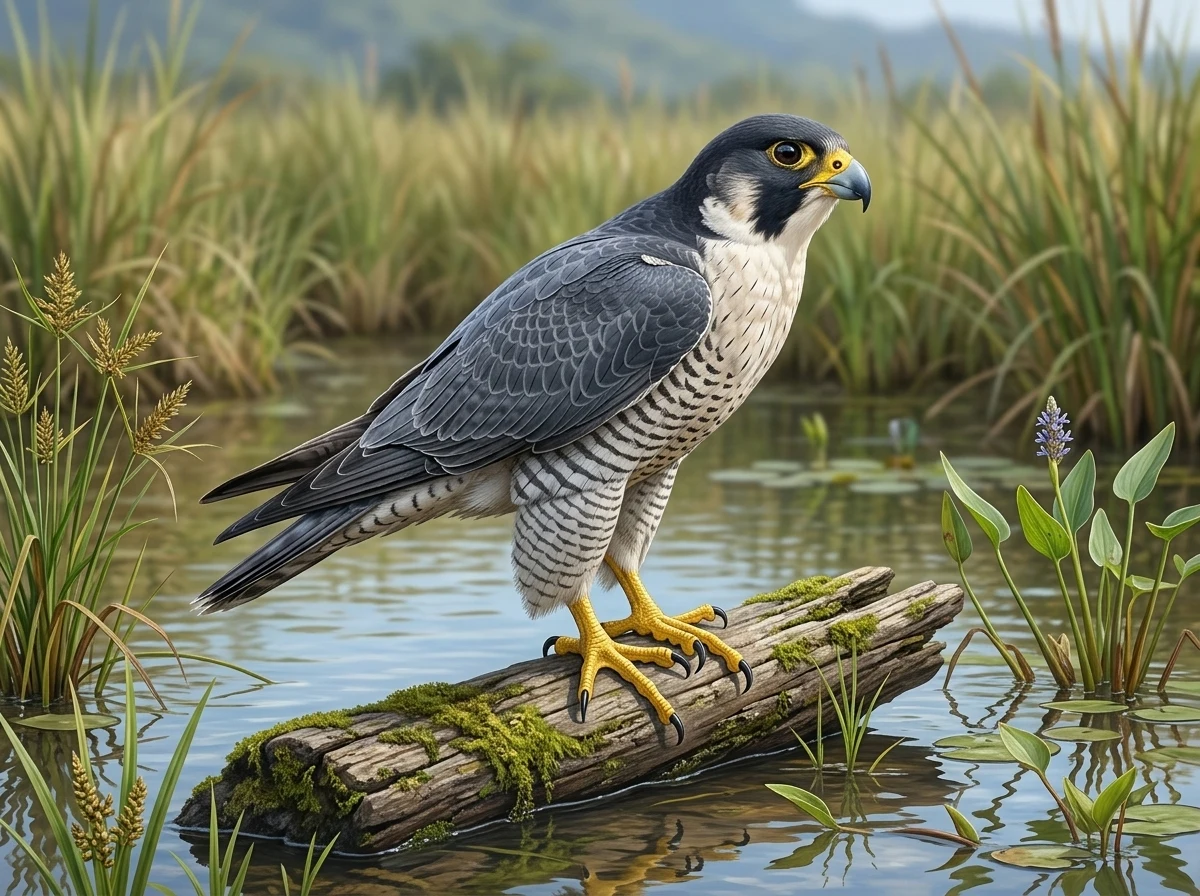
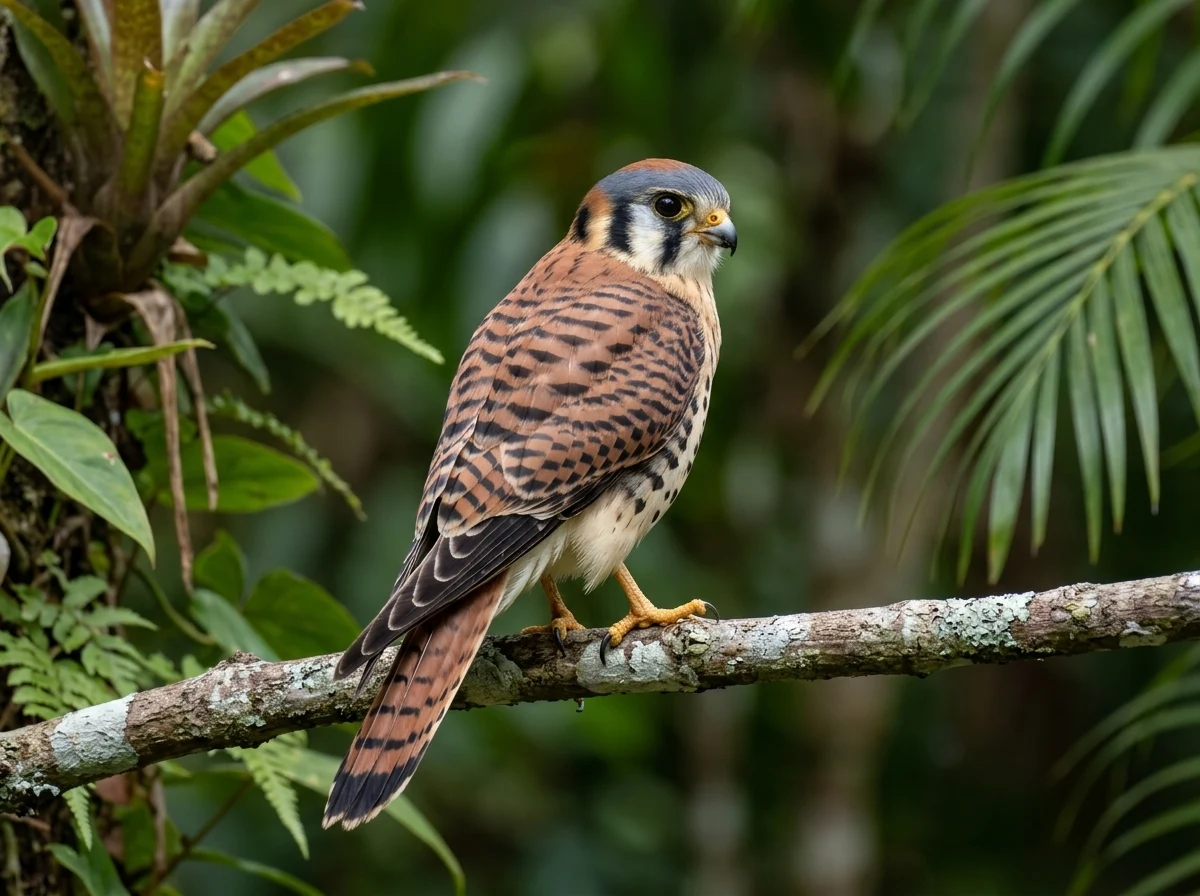
Puerto Rico sits in a strategic position on the Atlantic migratory flyway. Each year, raptors that breed in North America pass through the Caribbean or winter in the region. Among them are the Peregrine Falcon, the American Kestrel, and the Osprey, which moves along coastlines and water bodies.
Watching this migration does not require expensive equipment, but it does require patience and method. The key is choosing the right season, understanding how wind and weather shape flights, and training your eye to identify silhouettes in motion. This guide gives you a concrete procedure to do just that.
Fieldcraft
Three keys to start
Otoño y primaveraMigration windowsNorthern migratory raptors move mainly during these two seasons.
Viento y climaThe engines of flightWind patterns and atmospheric conditions influence when and how raptors fly.
Silueta y vueloIdentification in the skyBody shape, wing shape, and flight style are more useful than color when birds are distant.
01
When to look up
Raptor migration in the Caribbean has two main pulses: fall and spring. In fall, birds that bred in North America move south; in spring, they return north. Species such as the Peregrine Falcon, the American Kestrel, and the Osprey are part of this flow, though their patterns vary. The Osprey also migrates and can be seen near coastlines and lagoons.
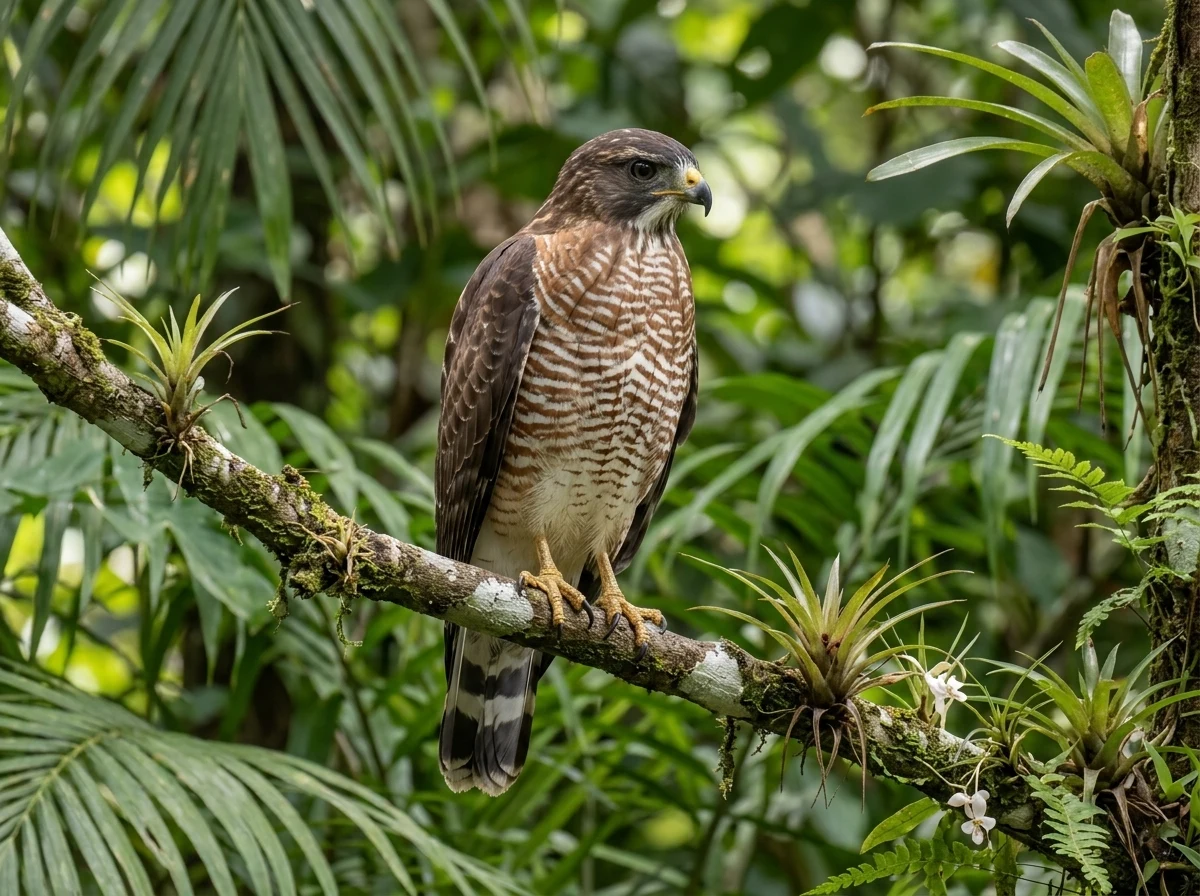
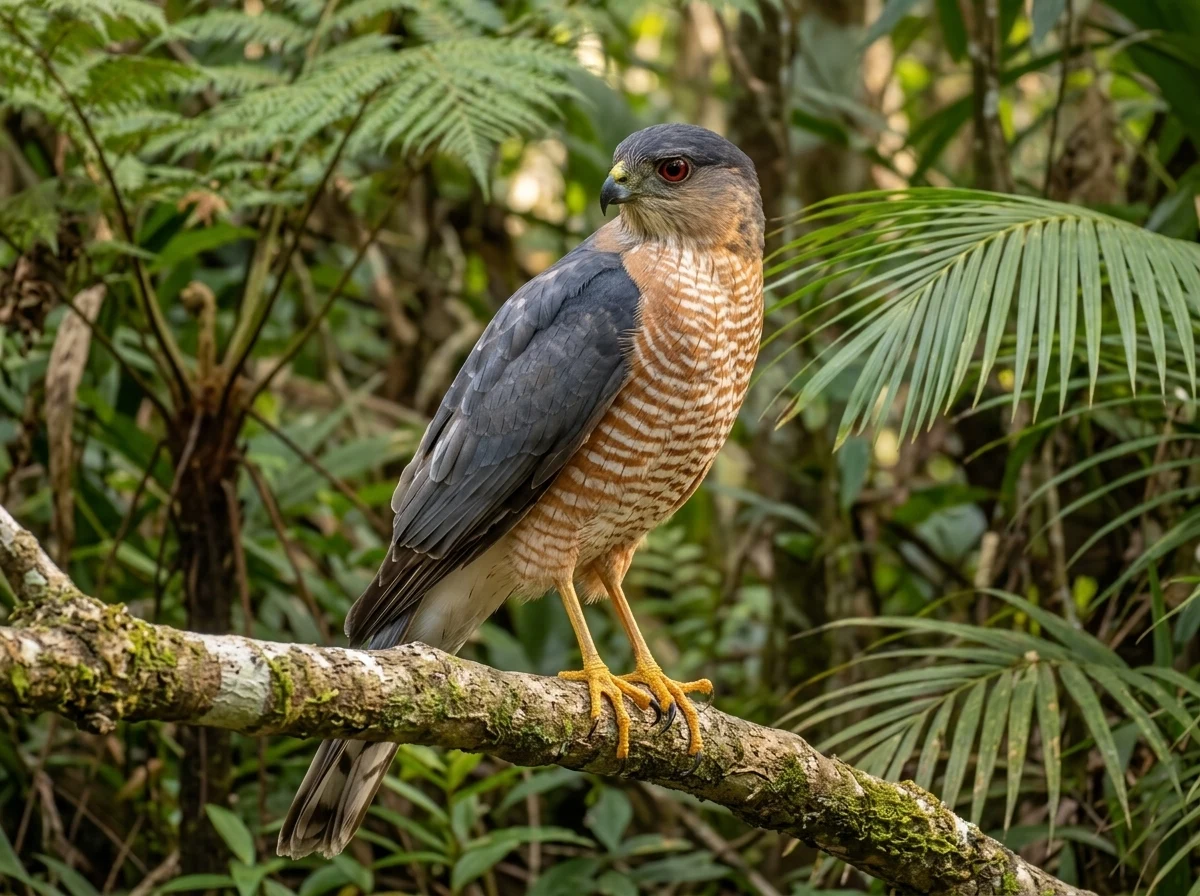
Not every raptor you see in Puerto Rico is migrating. The Broad-winged Hawk and the Sharp-shinned Hawk have resident populations on the island. The Broad-winged Hawk has resident subspecies in the Caribbean, while northern populations migrate. For the Sharp-shinned Hawk, the situation is more complex: the species as a whole shows migratory, partial, and altitudinal movements, and the Caribbean island populations have been proposed as separate species, though no ornithological authority has yet adopted that split. So before assuming a bird is on passage, it helps to know which populations nest here and which only pass through. The season is not a fixed date but a window that varies by year and weather conditions.
02
Weather as an ally
Migrating raptors depend on atmospheric conditions to fly. As a practical field suggestion, try watching on days with steady wind and clear skies, and compare your results with other conditions.
Pay attention to weather changes. The arrival of a front or a shift in wind direction can bring a pulse of birds. You do not need to be a meteorologist: just watch the weather vane, the clouds, and the time of day.
03
Flight identification: silhouettes and attitude
When raptors fly in large numbers, color and fine markings become illegible. Identification relies on body shape, wing and tail proportions, and flight style. A general raptor-watching technique, described for U.S. species, is to learn a baseline buteo first and compare other buteos to it. For accipiters, head projection is key: the Sharp-shinned Hawk has a small head that sits in a valley between its wings, while Cooper's Hawk projects a larger head in front of the wings' leading edge. This comparison is based on continental forms and may not apply to resident Caribbean populations.
Falcons also have distinct flight personalities. The American Kestrel is small and playful, with frequent flapping and an erratic flight. The Peregrine Falcon is larger and more powerful, with a broad chest and long wings, and crosses the sky like a jet. The Osprey, in contrast, has long, angled wings that often bend in a distinctive curve, and it usually flies near water. Consistent practice at a watch point is the best way to learn these differences.
04
Observation procedure and checklist
Before heading out, check the weather forecast and choose an elevated spot with good visibility, such as a ridge or a coast. Bring binoculars, water, sunscreen, and a notebook or app for notes. A weather vane or windsock can help you record wind direction. If possible, join other observers: repetition and group discussion speed up learning.
During observation, follow this procedure: first, scan the sky with binoculars in slow sweeps; second, when you see a bird, study its silhouette and flight before trying to identify colors; third, note the time, wind, and species if you are sure. At the end of the session, review your notes and compare with guides. This routine turns a casual outing into effective field practice.
Linked profiles
Key species in migration
Five raptors you may encounter on passage or as residents, with notes for flight identification.
01
What is the best time to see migrating raptors in Puerto Rico?
The two main windows are fall and spring, when northern raptors move south and return north. However, exact dates vary by year and weather, and some species such as the Broad-winged Hawk or the Sharp-shinned Hawk have resident populations on the island.
02
How does weather influence raptor migration?
Raptors use atmospheric conditions to fly. As a practical suggestion, try watching on days with steady wind and clear skies, and compare your results with other conditions.
03
What should I look at to identify a raptor in flight?
Focus on the silhouette: body shape, wing and tail proportions, and flight style. For accipiters, head projection is key. For falcons, size and flapping pattern. Color is less useful when birds are distant.
04
Do I need special equipment to watch migration?
No. Basic binoculars, a notebook, and water are enough. A weather vane or windsock helps record wind direction. The most important thing is consistency: visiting the same spot several times during the season.
Keep exploring
Connected routes
Sources and review
The evidence is one link away.
These sources support the editorial scope of this guide. Bird profiles also retain their own taxonomy, occurrence, and conservation references.
Reviewed:
The atlas continues