 AI
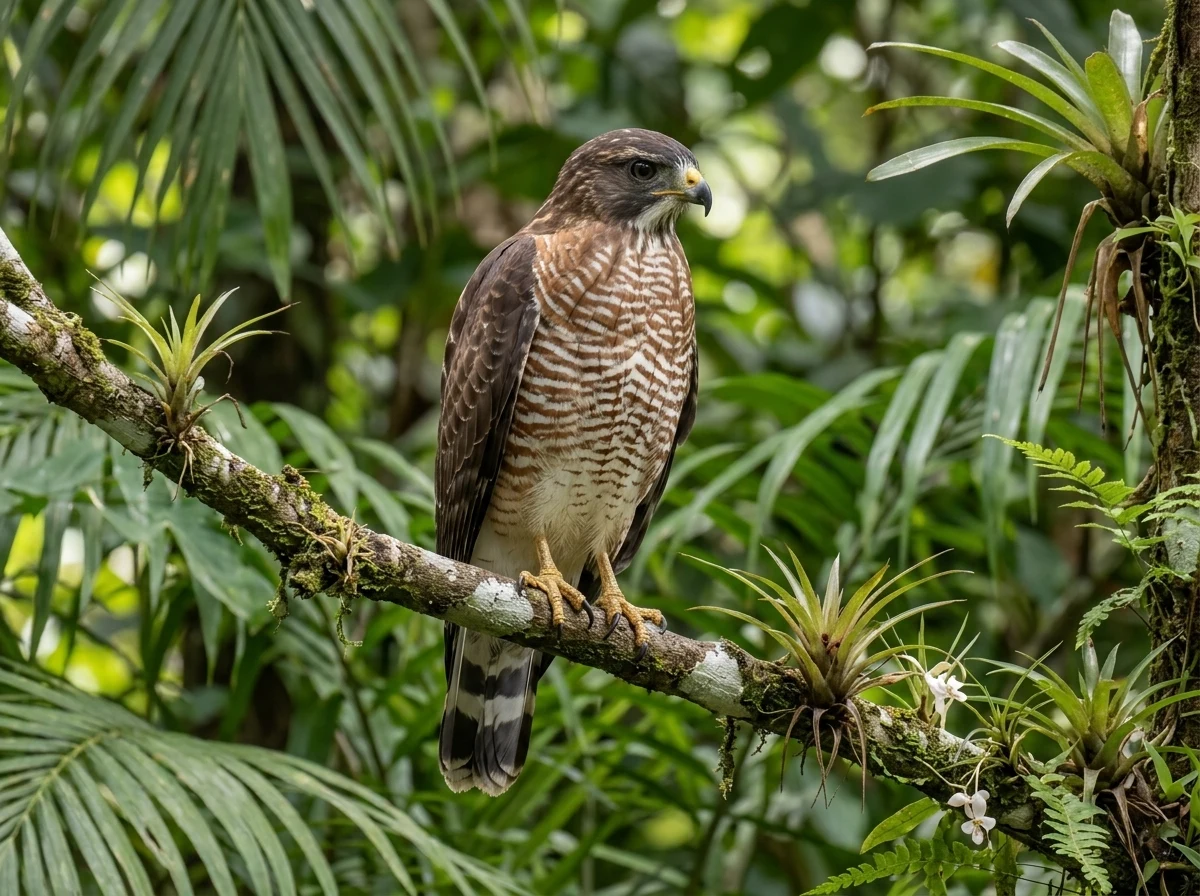
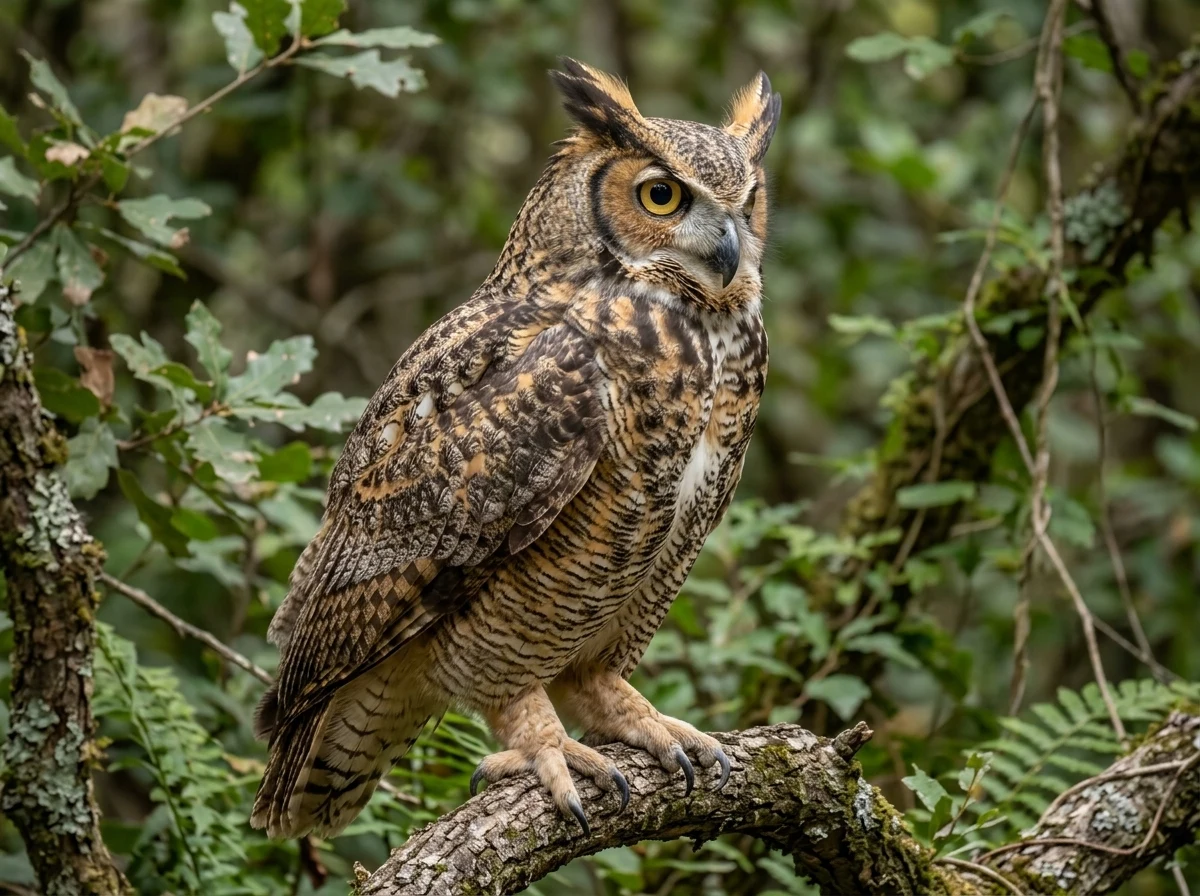
AIAI reconstruction created with Nano Banana 2 · 1K, grounded in the profile’s documented taxonomy, habitat, natural-history sources, and an open-license visual reference when available. It is an interpretive image, not documentary evidence. Image policy →
Broad-winged Hawk
Guaraguao de Bosque
Buteo platypterus
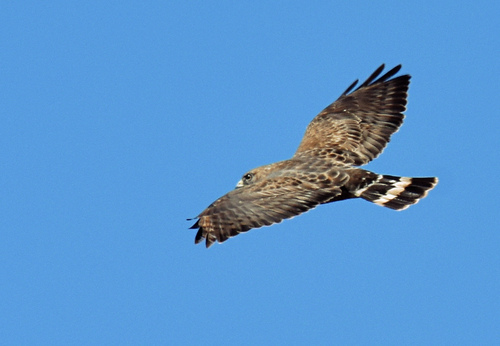
The broad-winged hawk (Buteo platypterus) is a medium-sized hawk of the genus Buteo. During the summer, some subspecies are distributed over eastern North America, as far west as British Columbia and Texas; they then migrate south to winter in the Neotropics from Mexico south to southern Brazil. Other subspecies are all-year residents on Caribbean islands. As in most raptors, females are slightly larger than males. Broad-winged hawks' wings are relatively short and broad with a tapered, somewhat pointed appearance. The two types of coloration are a dark morph with fewer white areas and a light morph that is more pale overall. Although the broad-winged hawk's numbers are relatively stable, populations are declining in some parts of its breeding range because of forest fragmentation.
Sound archive
Hear its voice
Explore real songs and calls. The spectrogram turns each sound into a visual trace of time and frequency.

Play: field recording by ABirder
Choose another recording
Sound recorded by ABirder · XC782169 · CC BY-NC-SA 4.0. Visualization by Stichting Xeno-canto voor Natuurgeluiden.
Every recording retains the creator, catalogue number, and license published by Xeno-canto. Metadata via GBIF ↗
Island profile
About the Broad-winged Hawk
This atlas includes Broad-winged Hawk (Buteo platypterus) with atlas status “Resident” within scope “Avibase inferred core 380.” Puerto Rico context sources associate it with Montane wet forest and mature forest landscapes.
Conservation
Least Concern
IUCN LC; DNER CR; ESA Endangered
- Global IUCN
- LC
- Puerto Rico DNER
- CR
- Federal ESA
- Endangered
- Critical habitat
- No in cited 2026 table
Natural history
How it lives
- Habitat
- Montane wet forest and mature forest landscapes
- Elevation
- 0–1000 m
- Nest
- Cup / bowl; Other bird's nest · Animal / bird nest; Tree
- Clutch
- 2–3 eggs
- Social behavior
- Singly and pairs; Solitary
Keep exploring
This bird belongs to 9 paths through the atlas.
Guides featuring this bird
Follow this record beyond the profile.
Identification, sound, place, and explanatory guides connecting this species to larger questions.
Related in the atlas
Where to fly next
Connected by taxonomy, habitat, occurrence, and conservation.
 AI
AI AI
AI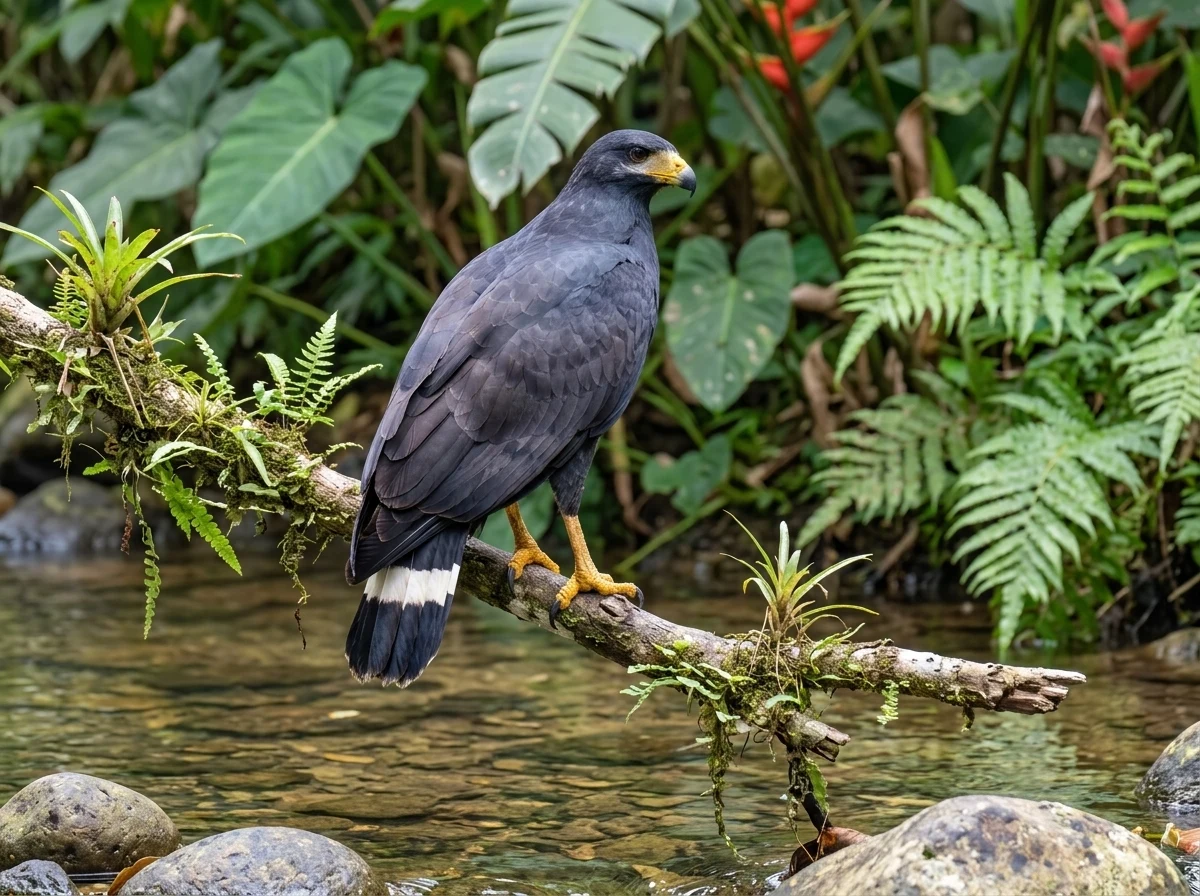 AI
AI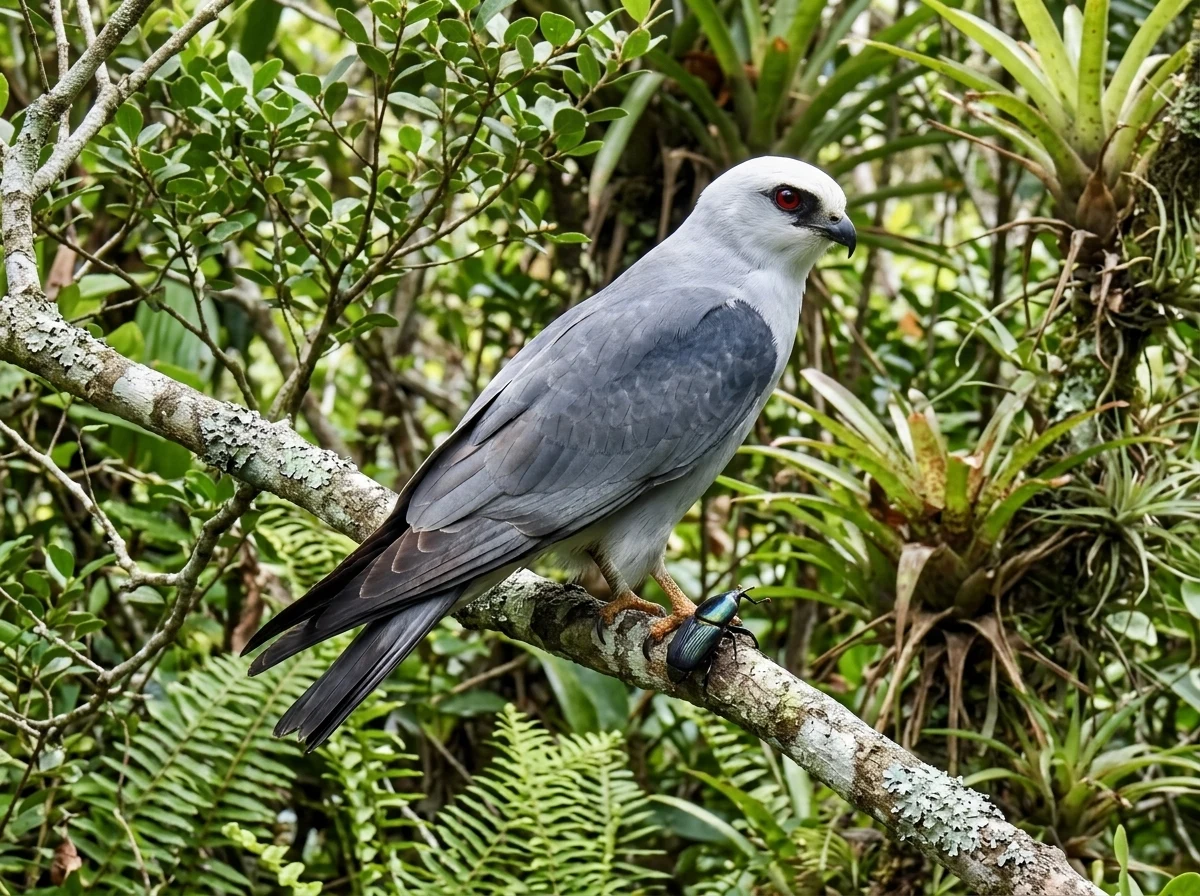 AI
AI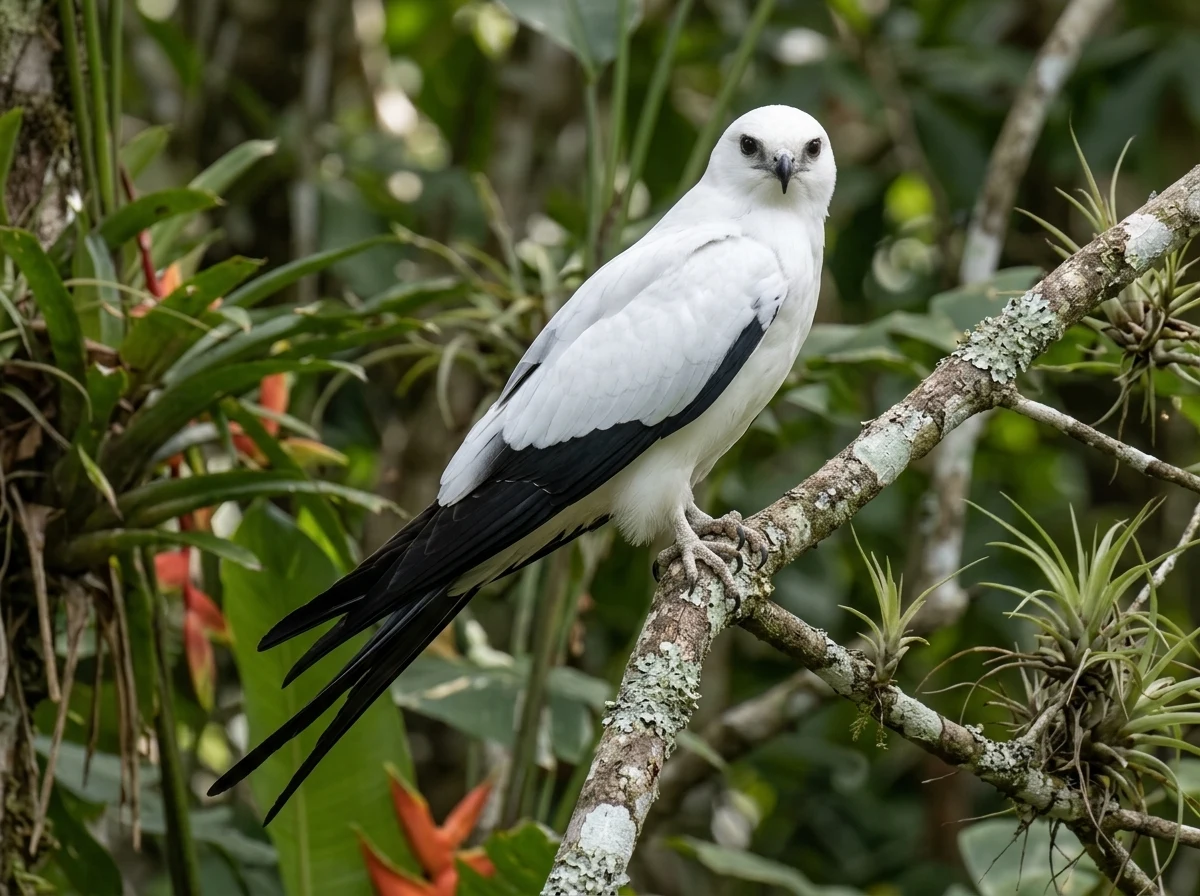 AI
AI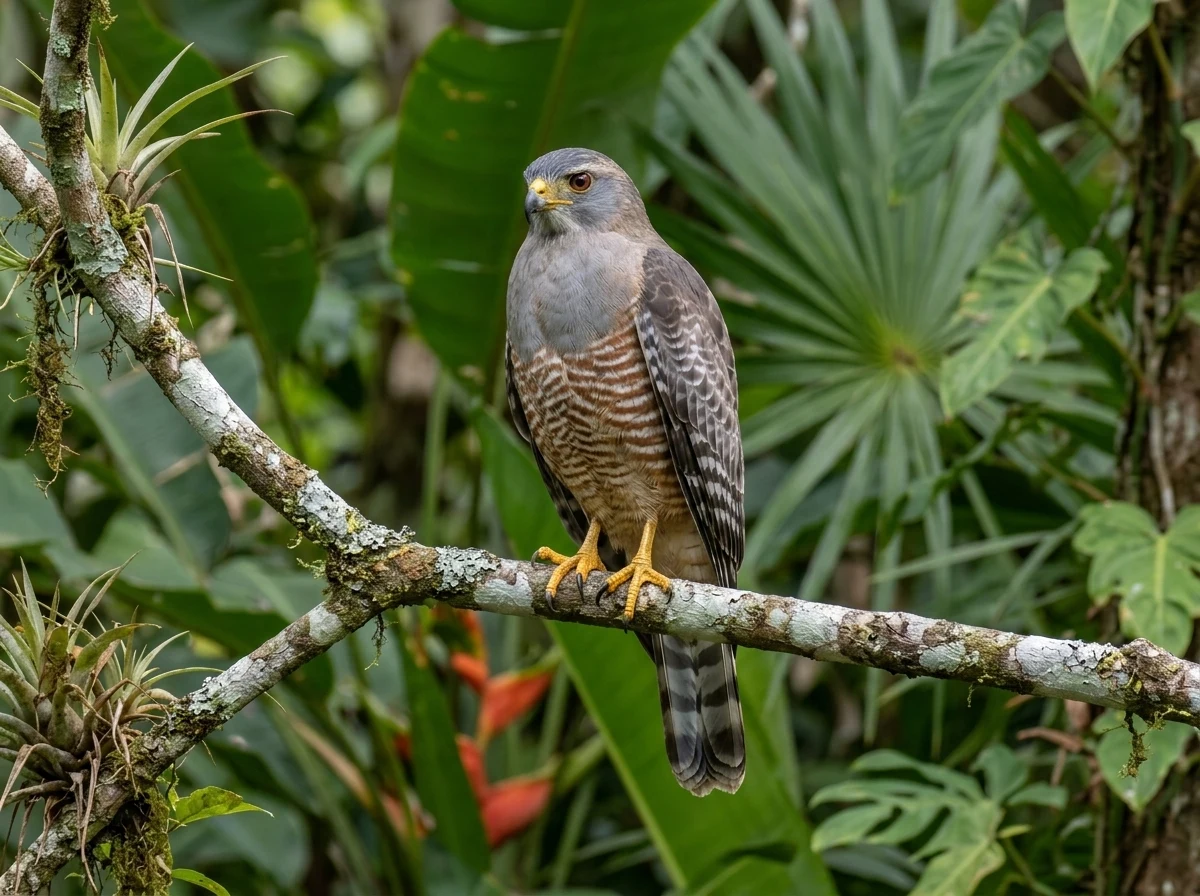 AI
AI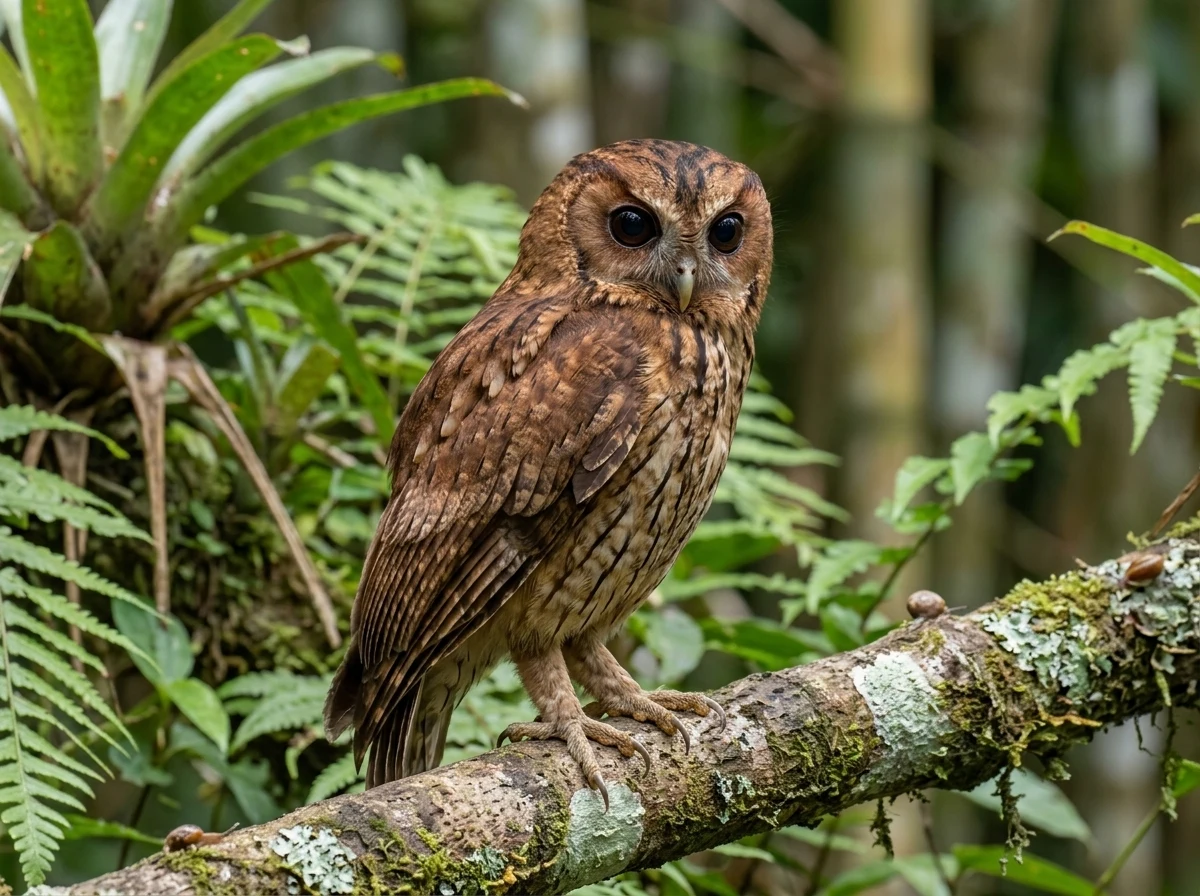
Evidence trail
Sources, media & further reading
Research note: Keep trinomial because listings apply to subspecies brunnescens