 AI
AILearning · Sounds
Sound Bingo: Dawn Chorus
An activity to listen, note, and compare the songs that open the day on the island.
Reviewed: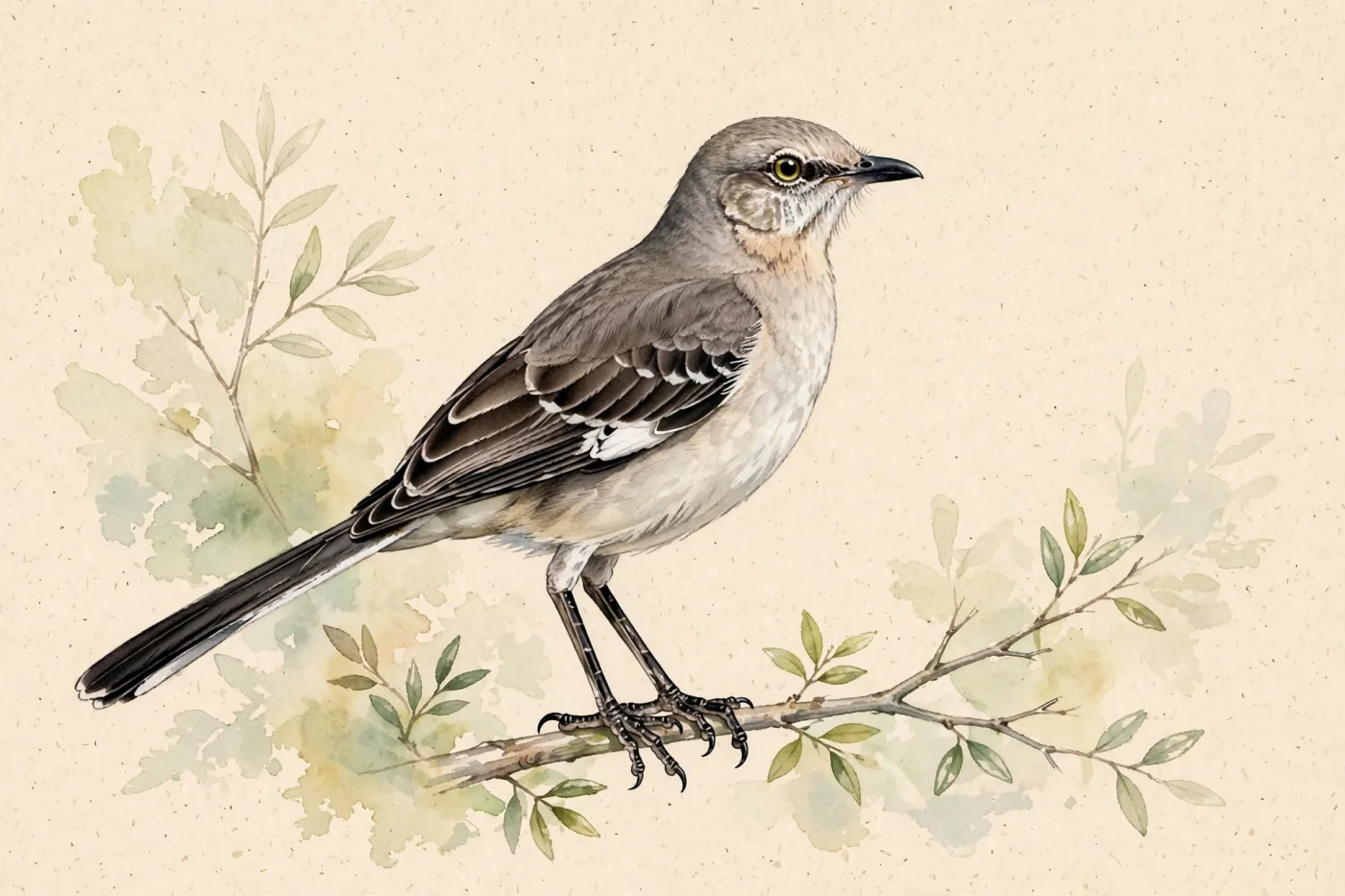
Prepared with AI assistance and linked sources. Illustrations are not field photographs.
Why dawn sounds different
Puerto Rico's dawn chorus mixes birds, coquíes, and insects. Not every species vocalizes at the same time: some are heard in the dark and others join as the sky brightens. This sound bingo invites you to listen closely, mark what you recognize, and compare your notes with reference recordings.
The activity needs no special equipment. A notebook, a pencil, and a phone with a recorder are enough. The goal is to learn patterns: which voices are heard, what they sound like, and how the chorus changes over time. Reference recordings are examples made on particular dates and at particular places; they do not describe a universal schedule or a fixed sequence for the whole island.
Learning · Sounds
Three keys for the game
9squares per cardThe card has nine squares. You can include catalog species even if they do not appear in a particular recording set; mark them as possible if they are not documented in your references.
20 minquiet listeningStay still and quiet for at least twenty minutes. Note what you hear without trying to fit it to a fixed schedule.
Escucha y comparamethodNote direction, sound quality, and a word description; then compare with a reference recording.
01
Who can appear on your card
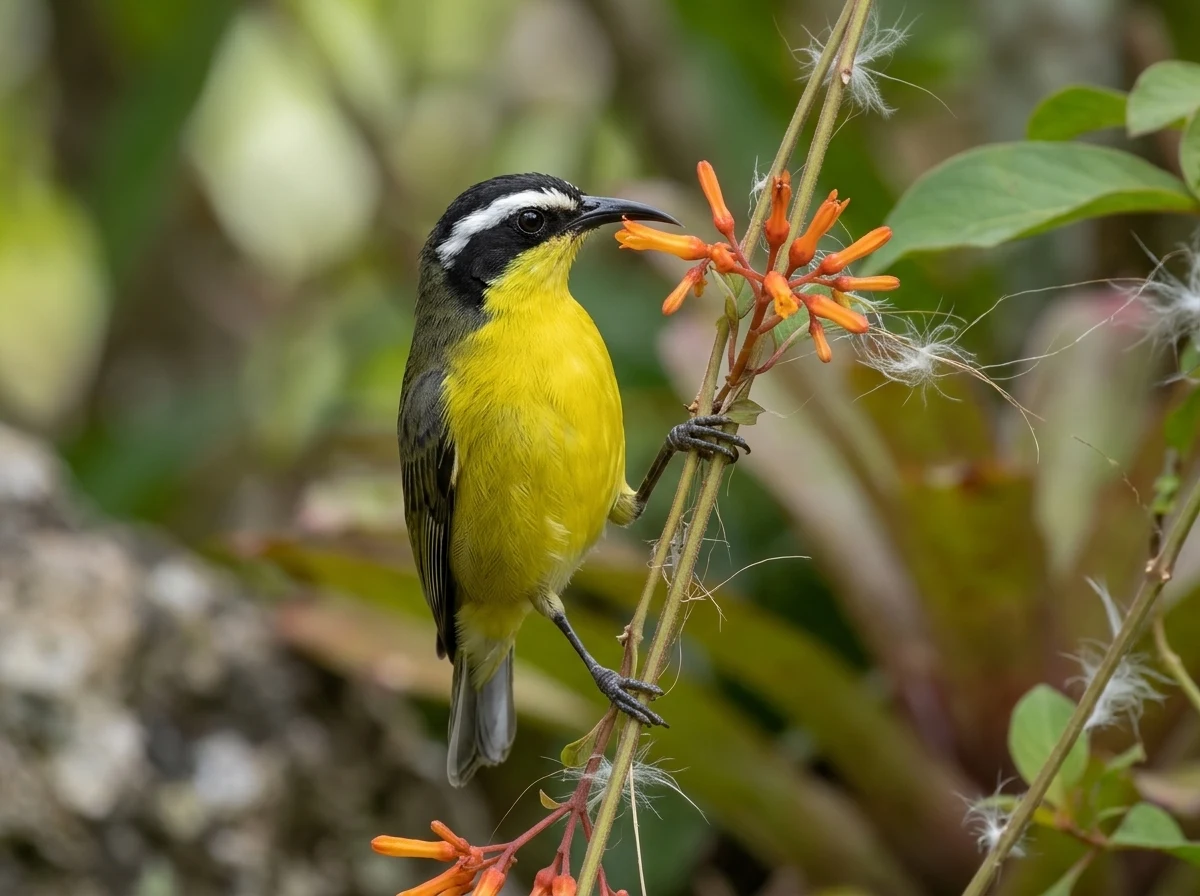
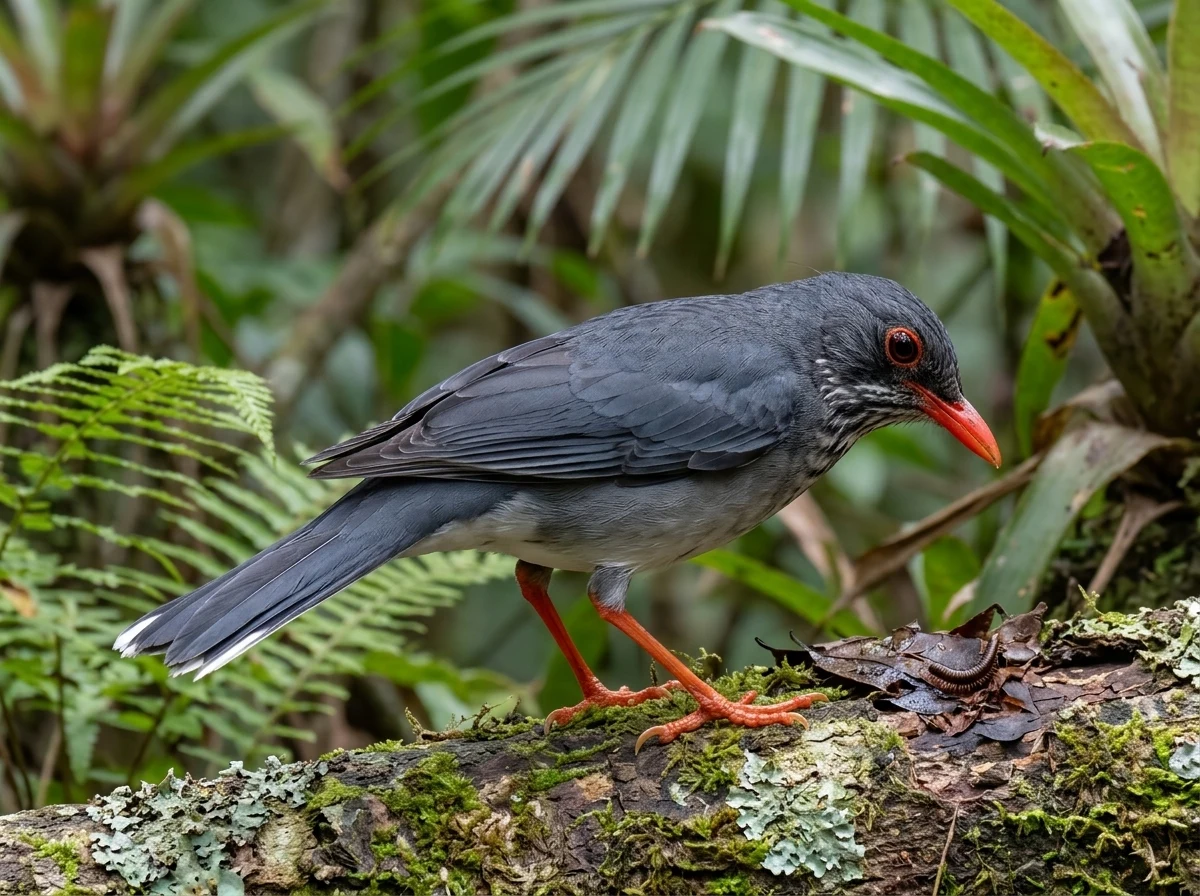
Reference recordings from Xeno-canto for Puerto Rico document several species active in the early hours. Among them are the Puerto Rican Owl (Gymnasio nudipes), the Eastern Red-legged Thrush (Turdus ardosiaceus; the recording labels it Turdus plumbeus), the Bananaquit (Coereba flaveola), the Puerto Rican Oriole (Icterus portoricensis), the Smooth-billed Ani (Crotophaga ani), the Ruddy Quail-Dove (Geotrygon montana), and the Loggerhead Kingbird (Tyrannus caudifasciatus). Also recorded are the Puerto Rican Tanager, the Puerto Rican Bullfinch, and the Antillean Euphonia, among others.
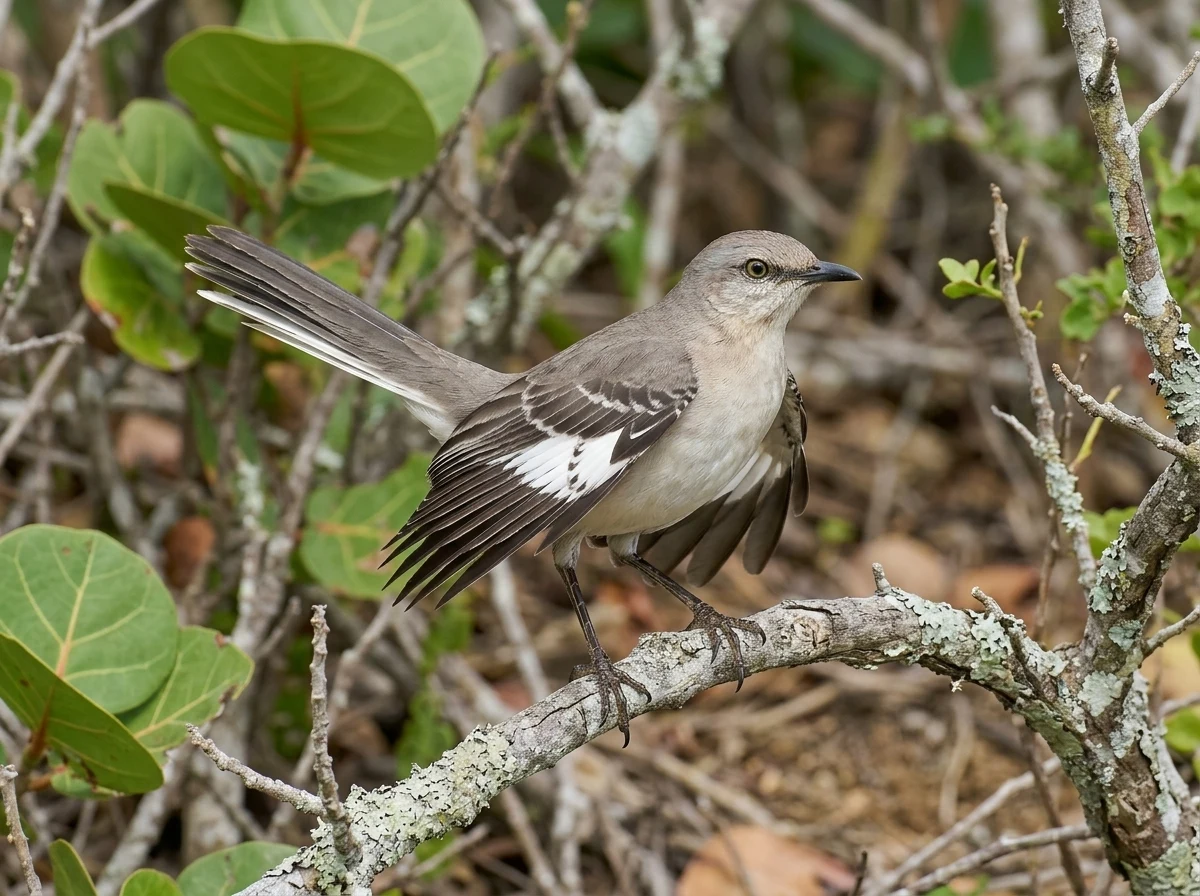
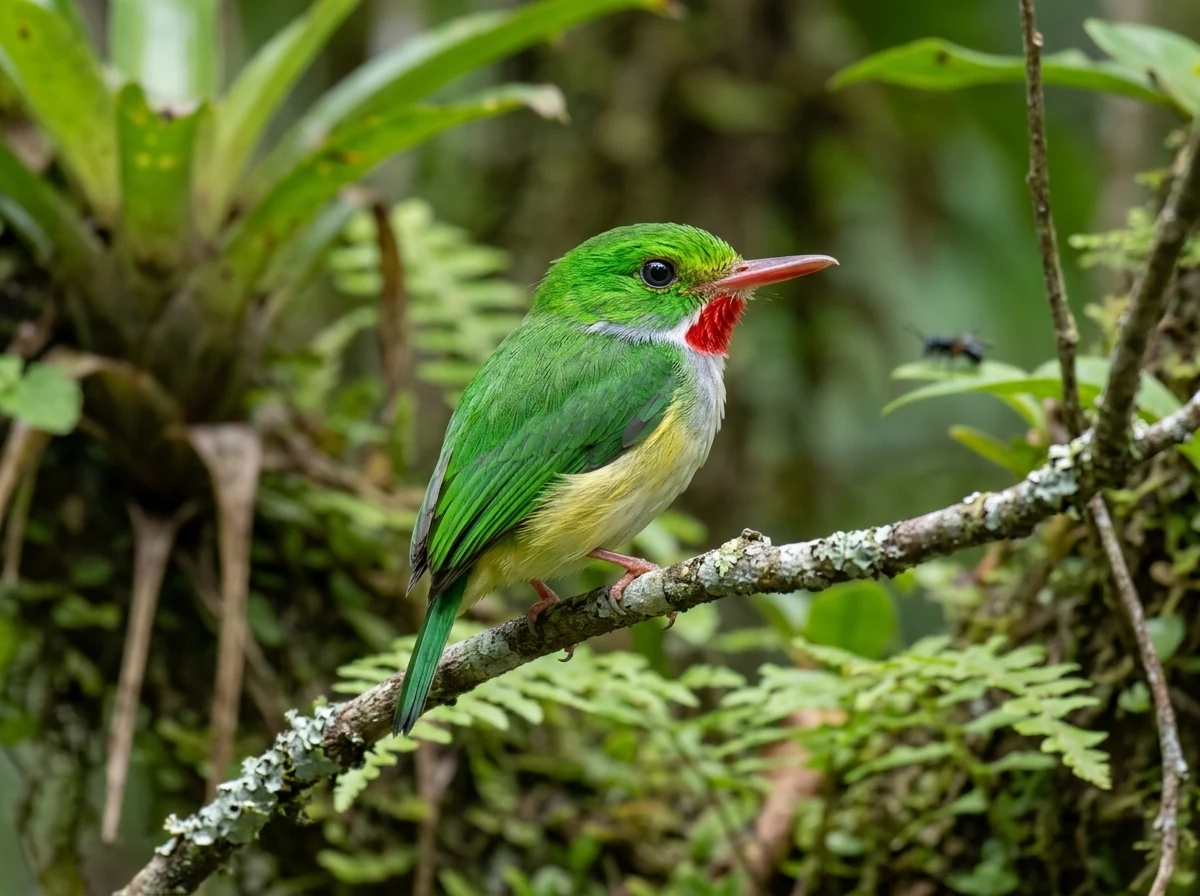
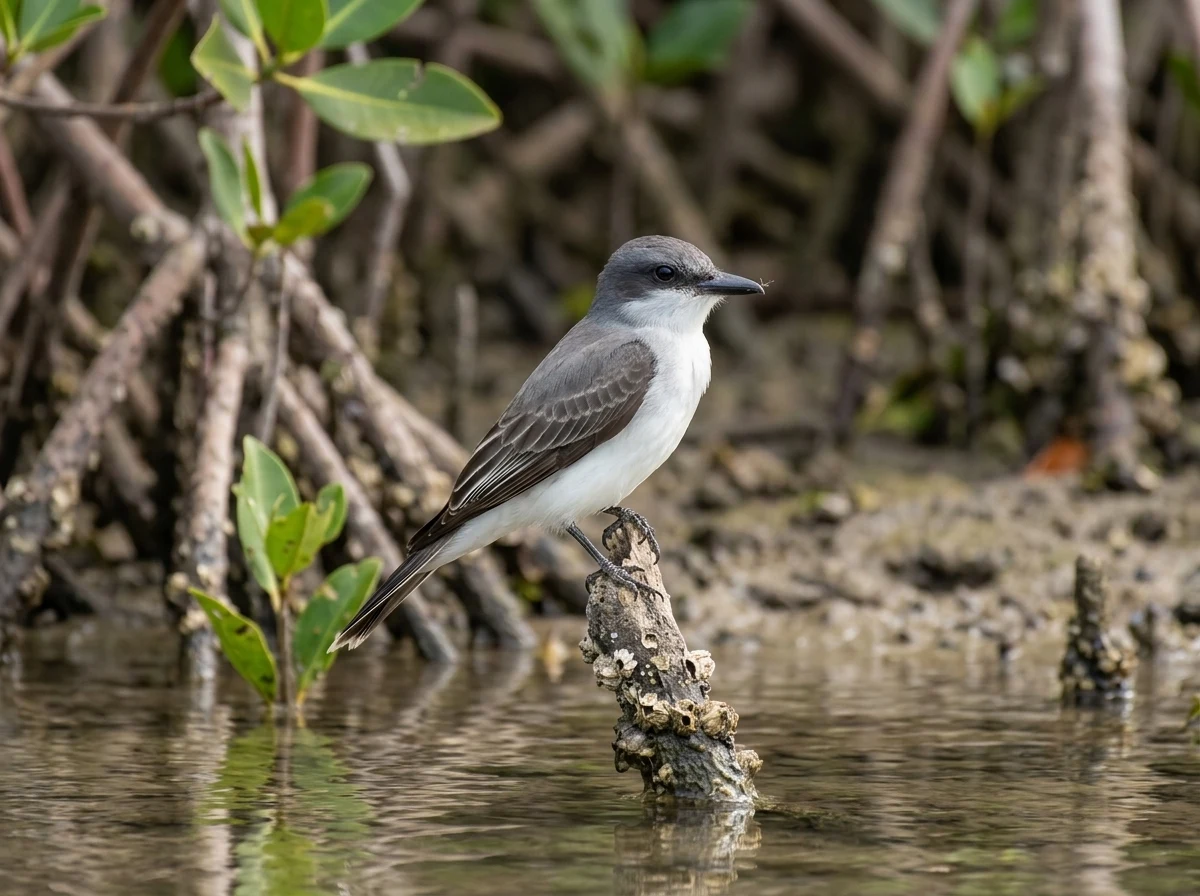
The bingo card can include species from the Puerto Rico bird catalog even if they do not appear in a particular recording set. That does not mean they are in those recordings or that they sing in your area. If a species is not documented in your references, mark it as possible, not confirmed. The Puerto Rican Tody (Todus mexicanus) has separate Xeno-canto recordings from early hours, such as one at 06:00 at El Yunque National Forest, although it does not appear in the cited dawn recording set. The Gray Kingbird (Tyrannus dominicensis) and the Northern Mockingbird (Mimus polyglottos) are examples of voices you can look for without claiming they appear in the cited recordings.
02
What they sound like: clues for recognition
The Eastern Red-legged Thrush gives an extended dawn song with varied phrases that change as the sky brightens. The Bananaquit produces quick, high notes, often while foraging. The Loggerhead Kingbird sings from high perches with loud, repeated vocalizations. The Northern Mockingbird is known for mimicking other birds and environmental sounds, although it is not documented in the dawn reference recordings.
The Puerto Rican Owl has nocturnal calls and duets that can sound like laughter or meows. The Puerto Rican Oriole sings in the early morning with clear phrases. The Smooth-billed Ani produces a group chorus called ahnee, with overlapping calls before leaving the roost. The Ruddy Quail-Dove gives a short, lilting coo. The Puerto Rican Tody has repetitive churt calls, with some squeaky notes; it has separate Xeno-canto recordings from early hours, such as one at 06:00 at El Yunque National Forest, although it is not in the cited dawn recording set. These descriptions are approximate: the best reference is to listen to recordings and compare.
03
How to prepare the nine-square card
Draw a large square and divide it into three rows and three columns, to get nine equal squares. In each square, write the name of a species. You can use these nine: Puerto Rican Owl, Eastern Red-legged Thrush, Bananaquit, Puerto Rican Tody, Gray Kingbird, Northern Mockingbird, Puerto Rican Oriole, Smooth-billed Ani, and Ruddy Quail-Dove. If you like, draw a silhouette or a sound wave next to the name.
Mark with a different symbol the species not documented in the dawn reference recordings (Gray Kingbird and Northern Mockingbird) to indicate they are possible, not confirmed. The Puerto Rican Tody has separate Xeno-canto recordings from early hours, such as one at 06:00 at El Yunque National Forest, although it does not appear in the cited dawn recording set. Bring the card, a pencil, and a watch or phone. You do not need to download anything: the card is made by hand on a sheet of paper or in a notebook.
04
How to play sound bingo
Choose a quiet place, away from traffic or music, and arrive with time to settle in. Sit quietly and listen for at least twenty minutes. Each time you recognize a song, mark the corresponding square and note the time, direction, and a word description. If you are not sure, record the sound and compare it later with a reference recording.
At the end, compare your card with someone else's: did you agree on the species marked? Which was the first one you heard? Which was hardest? Repeat the exercise another day at the same place to see what changes. Remember that reference recordings are examples made on particular dates and at particular places; your experience may be different.
05
Checklist and observation procedure
Checklist: bingo card with nine species; pencil or pen; watch or phone; recorder (optional); neutral-colored clothing; water; and a list of reference recordings for comparison. If you go to a natural area, check the rules beforehand and do not use playback to attract birds.
Procedure: arrive at the site with time to settle in. Find a fixed point away from noise. Note the start time. Listen quietly for twenty minutes. Mark each species when you recognize it and note the time. If you can, record the ambient sound. When you finish, review your notes and compare with reference recordings. Repeat the exercise another day at the same place to see what changes.
Linked profiles
Bingo birds
Five key species to start recognizing the dawn chorus.
01
Which bird sings first in the early morning in Puerto Rico?
There is no single answer. Reference recordings are examples made on particular dates and at particular places, and the first singer can vary by location and season. Instead of looking for a fixed schedule, note what you hear first at your site and compare your notes with someone else's.
02
Do I need special equipment for sound bingo?
No. A card, a pencil, and a watch are enough. A phone recorder helps you compare later with reference recordings.
03
Can I use playback to make birds sing?
It is not recommended. Playback can alter bird behavior. For this game, just listen and note what you hear naturally.
04
What if I do not recognize a song?
Record it if you can and note the time, direction, and a word description. Then compare it with reference recordings from Xeno-canto or eBird.
05
Is this game useful for schools?
Yes. It can be adapted as a listening, science, or language activity. It works best in small groups and with a follow-up discussion about what each student heard.
Keep exploring
Connected routes
Sources and review
The evidence is one link away.
These sources support the editorial scope of this guide. Bird profiles also retain their own taxonomy, occurrence, and conservation references.
Reviewed:
The atlas continues