 AI
AIDawn sounds
The Dawn Chorus in Puerto Rico: Which Birds Sing First
The dawn chorus has shifts. Using real times from recordings made on the island, learn who opens the morning, who carries it, and why.
Reviewed:The short answer: night birds hand the shift to the dawn singers.
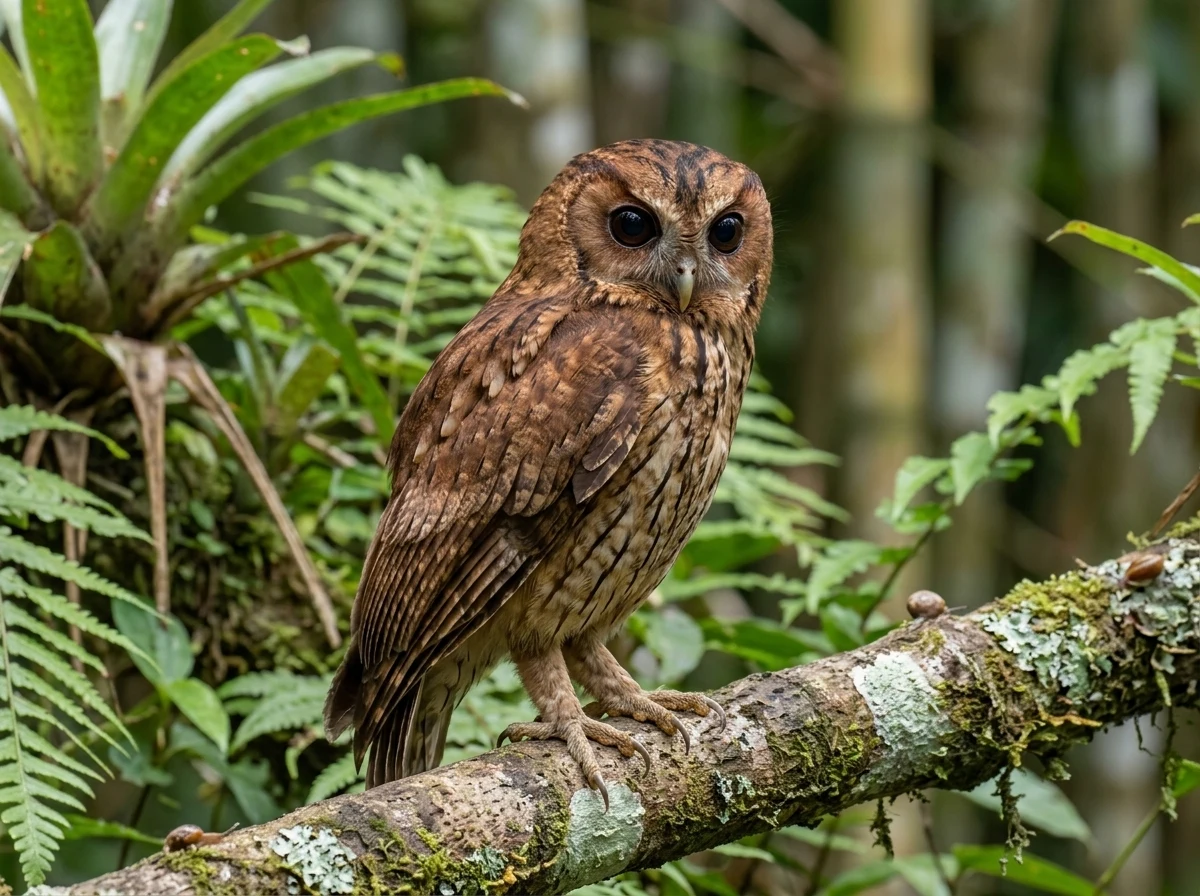
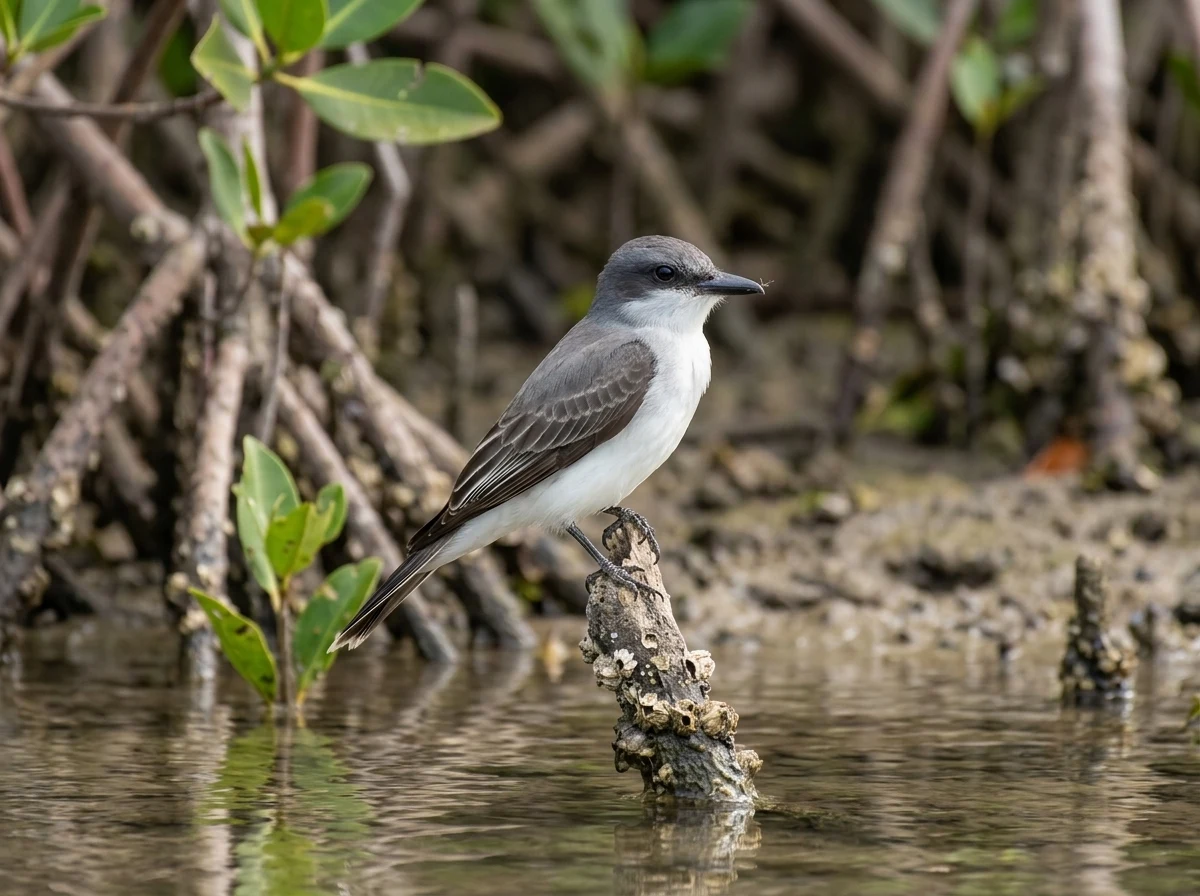
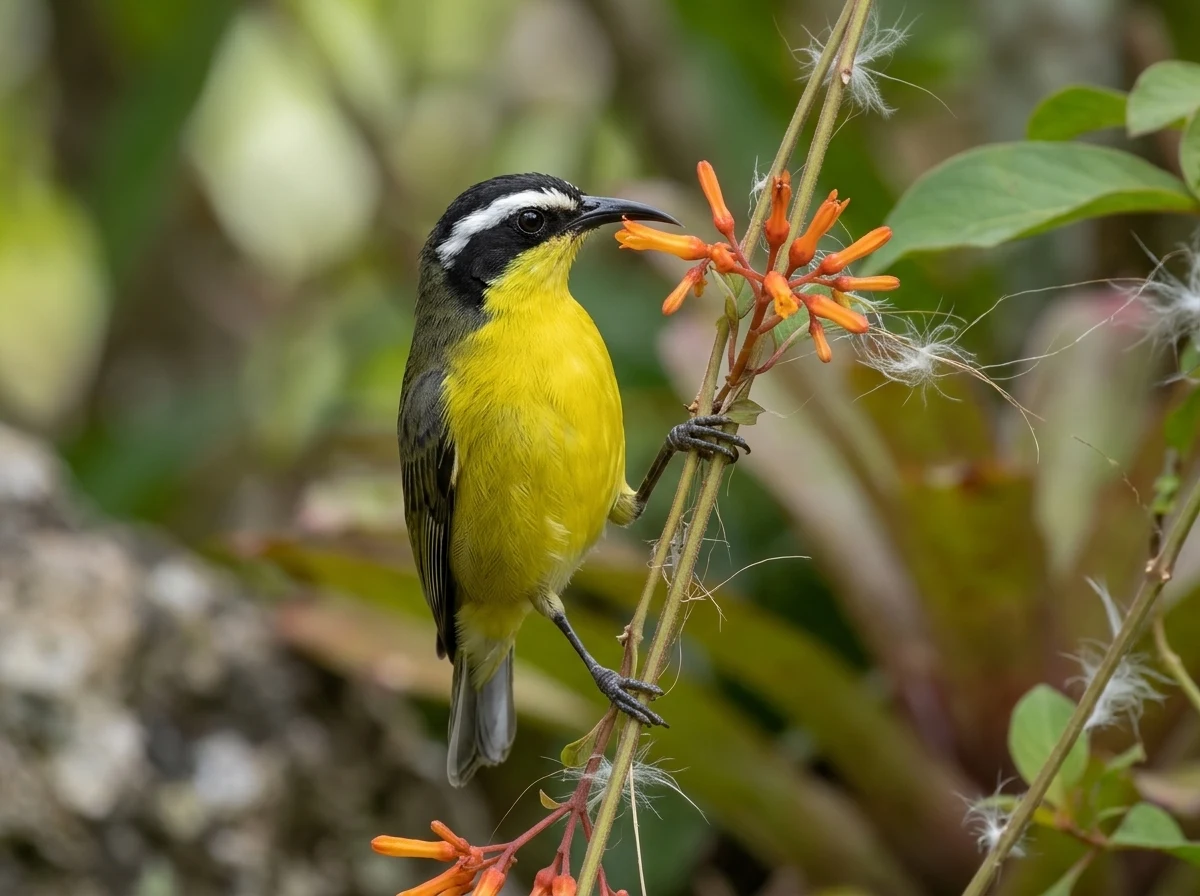
In Puerto Rico, the first voices before dawn are usually night birds that are still active, such as the Puerto Rican Owl (Múcaro) and, in the southwestern dry forest, the Puerto Rican Nightjar (Guabairo); with first light the Puerto Rican Oriole, Red-legged Thrush, Gray Kingbird (Pitirre), Greater Antillean Grackle, and Pearly-eyed Thrasher join in, and by sunrise Bananaquits, Puerto Rican Todies, and many others are singing.
That sequence is not a fixed rule: it shifts with month, habitat, rain, and even street noise. To describe it without guessing, we checked the times logged on the Puerto Rico recordings that Xeno-canto shares through GBIF. When we queried them in September 2026 there were 554 recordings from the island; 470 carry a time, and 53 of those were made between 4:00 and 6:29 a.m., covering 19 species.
Dawn sounds
Dawn by the numbers
53recordings from 4:00 to 6:29 a.m.Out of 470 timed Puerto Rico recordings in the Xeno-canto subset on GBIF.
19species in that windowFrom Puerto Rican Owl to Bananaquit and Puerto Rican Tody.
4:16earliest owl in the windowRecorded at Arecibo Observatory in March 2012.
~5:45–7:00San Juan sunrise rangeEarly in June, later in January; the island does not use daylight saving time.
01
Why birds sing more at dawn
For decades the dawn chorus was explained by still, humid morning air carrying sound farther. A 2025 study from Cornell's K. Lisa Yang Center for Conservation Bioacoustics, using passive acoustic monitoring of 69 species in a tropical forest in India, found no support for that environmental explanation or for light as the main driver.
What did predict more dawn song was behavior: highly territorial species and omnivores sang more strongly at dawn. The practical takeaway for Puerto Rico is simple: at dawn you mostly hear birds re-announcing territories after the night, such as Gray Kingbird and Puerto Rican Oriole, rather than quieter species that only call as they move.
02
Before first light: owl and nightjar
In the Puerto Rico data, the Puerto Rican Owl has the most recordings between 4:00 and 6:29 a.m. (8), plus another 8 made between 7:30 p.m. and 4:00 a.m. At Arecibo Observatory it was recorded calling at 4:16 a.m. in March 2012 and several times between 5:05 and 5:10 a.m. in November 2011. If you hear a bird before it gets light in forest, farmland, or a leafy neighborhood, the owl is a good first candidate.
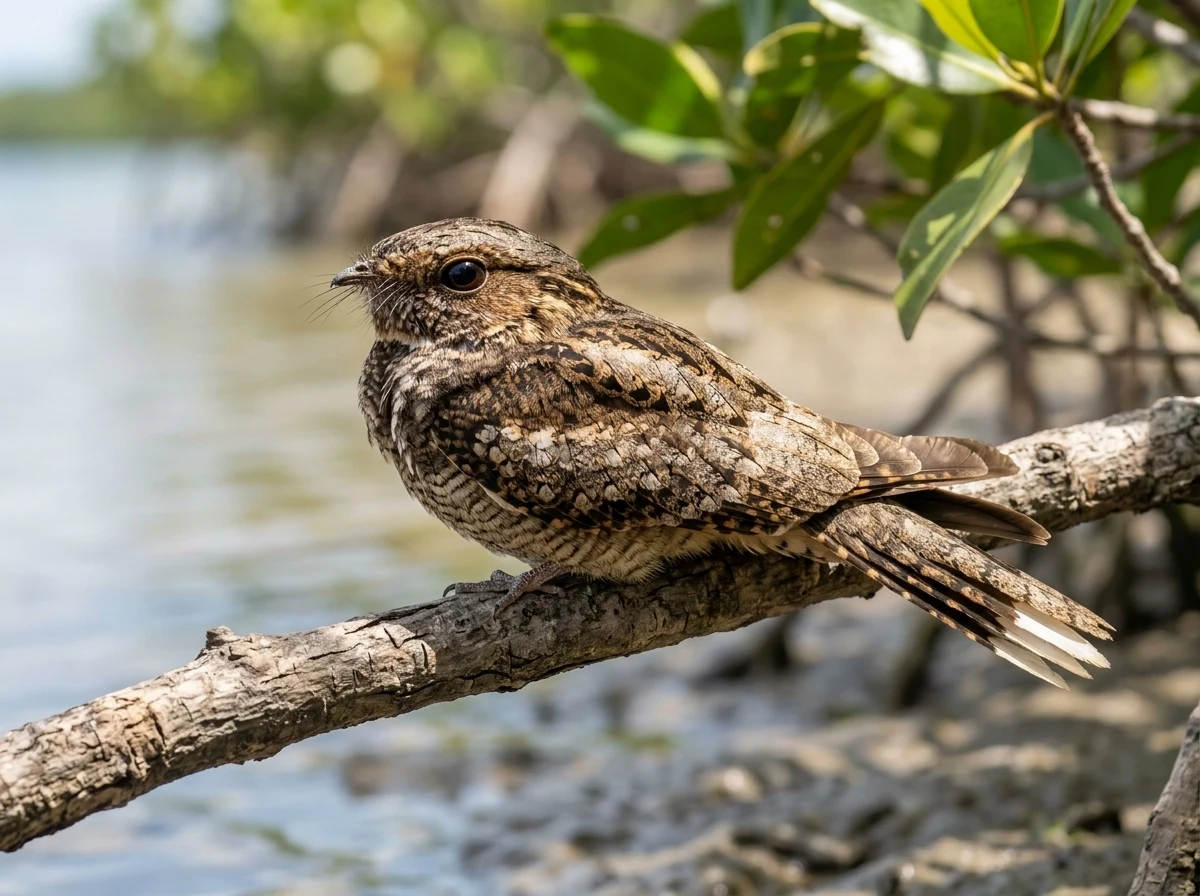
The Puerto Rican Nightjar, endemic and endangered, lives in dry forest and scrub in the south and southwest. Its timed recordings cluster between 6:30 and 8:30 p.m., but there is also one from 5:30 a.m. at Guánica in January 2002. Scientific counts of the species are run in exactly those crepuscular hours, at dusk and dawn, from January to June.
03
At first light: orioles, thrushes, kingbirds, and grackles
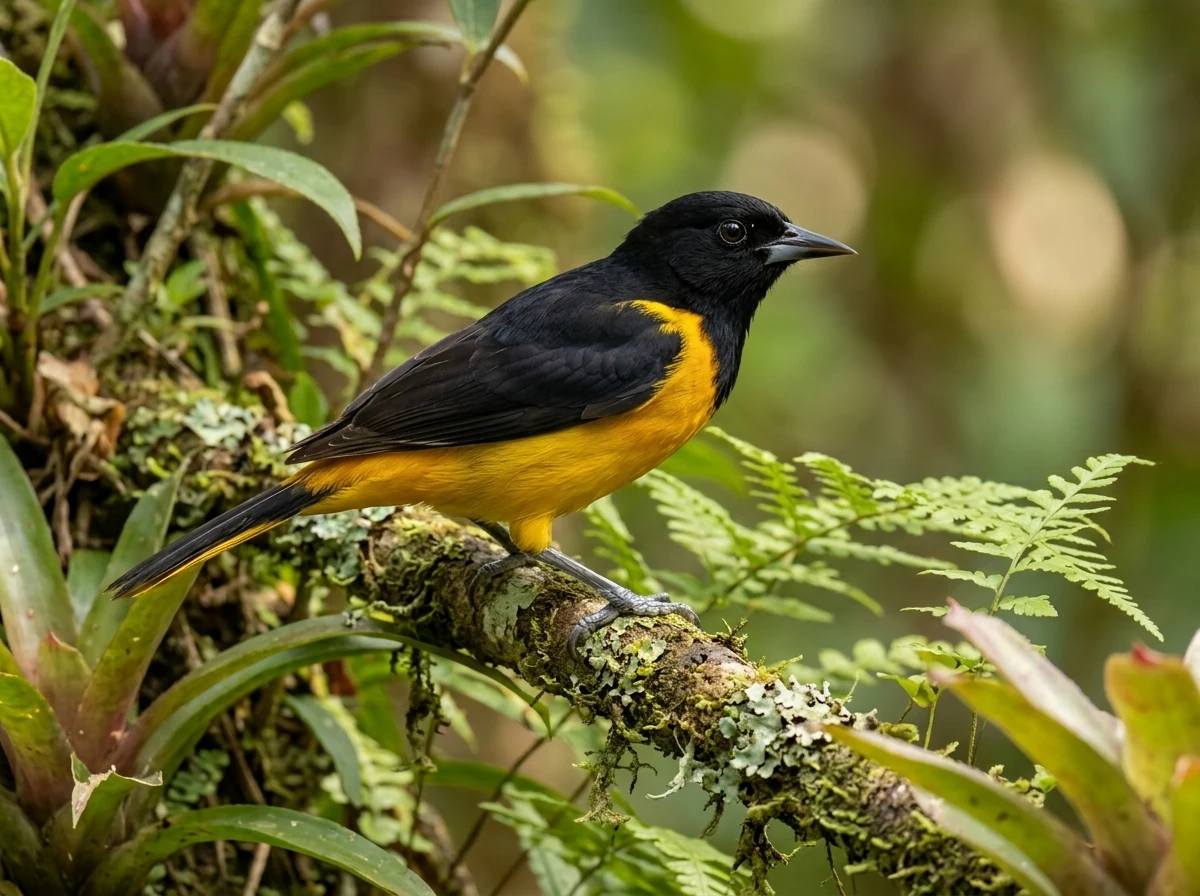
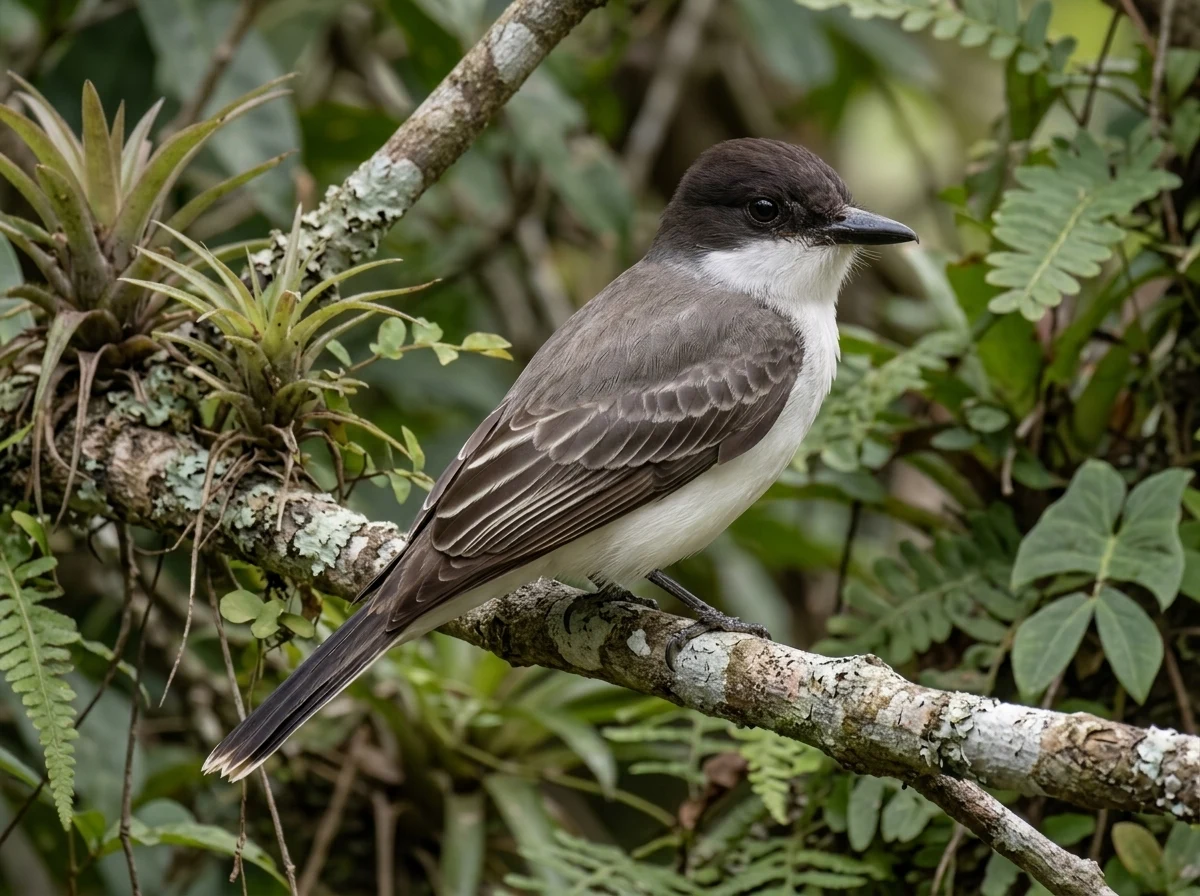
Some recordists label files as 'dawn song,' a song certain species use almost only in that window. Puerto Rico has 11 recordings with that label: the endemic Puerto Rican Oriole in Manatí and Barranquitas between 5:37 and 6:02 a.m. in March and April 2023; Gray Kingbird at 5:50 (two files) and 6:35 and Red-legged Thrush at 5:55 at Maricao in April 2009; Loggerhead Kingbird (Clérigo) at 6:24 and 6:40, also at Maricao; and, oddly, a Puerto Rican Flycatcher at Susúa labeled that way but recorded at 6:50 p.m.
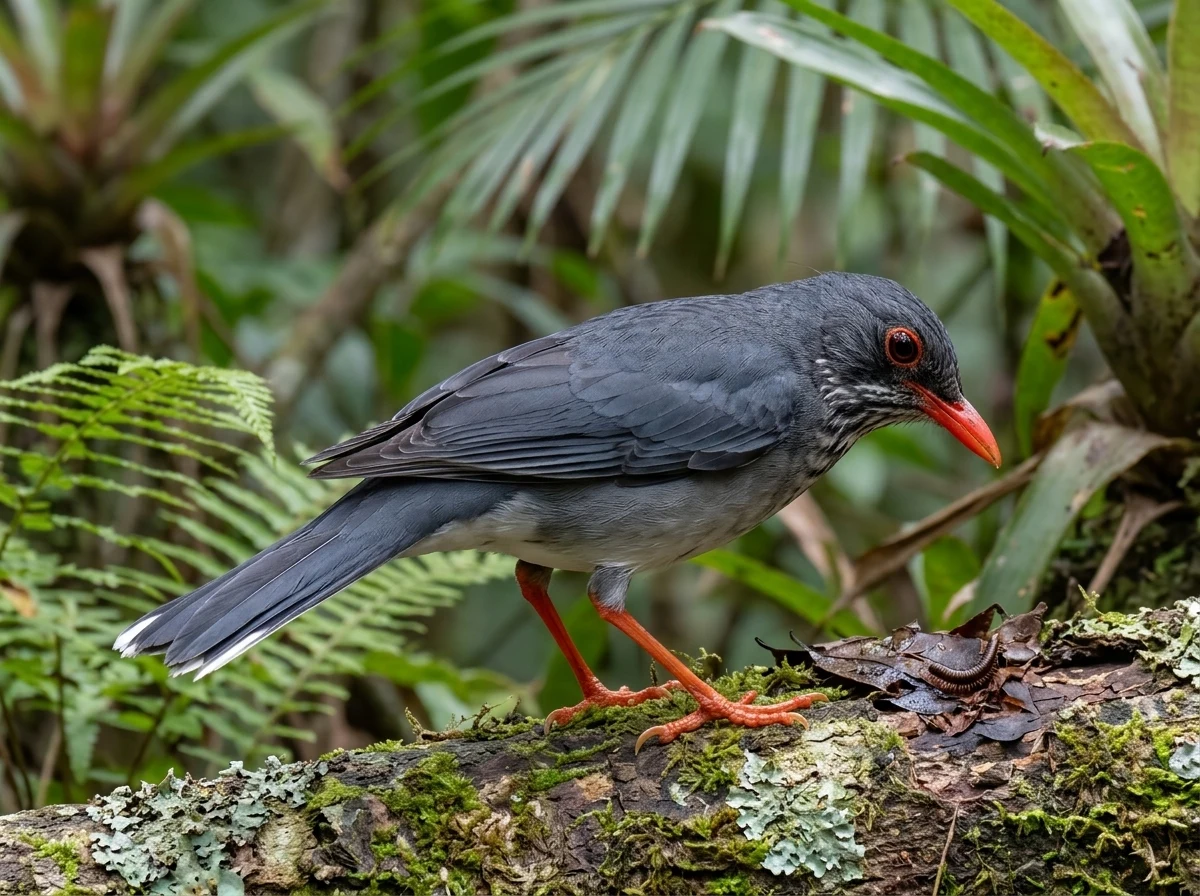
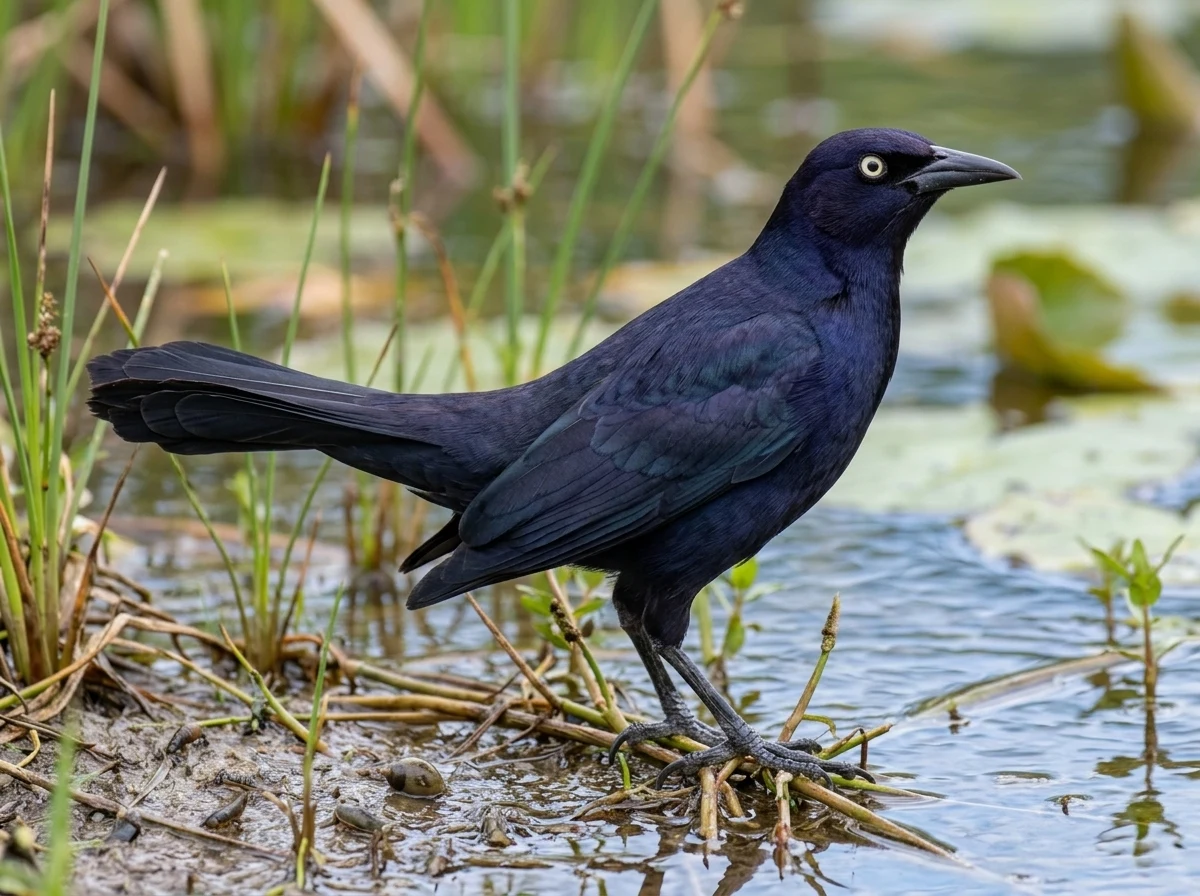
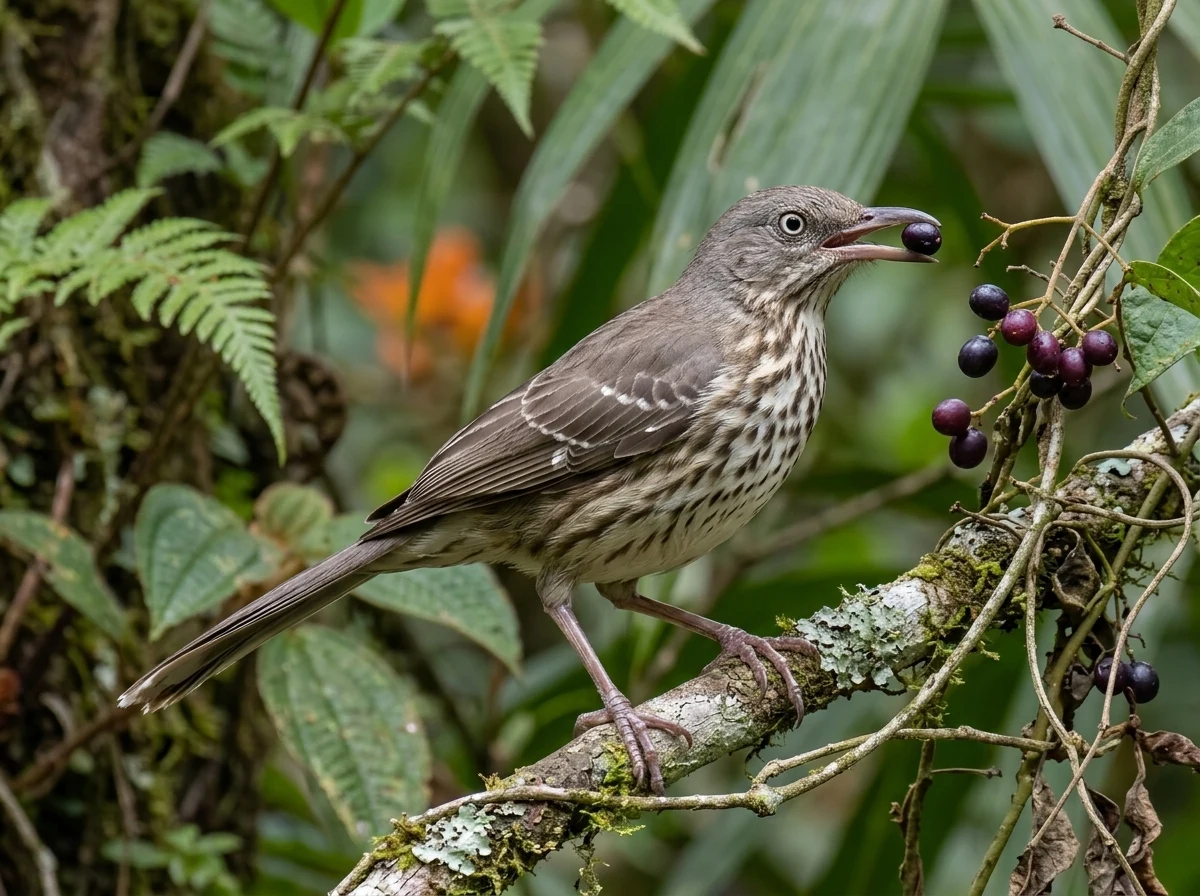
Other species show up in the same window without that label: Red-legged Thrush singing from 5:10 a.m. at Ceiba, Greater Antillean Grackle at 4:39 and Pearly-eyed Thrasher at 5:00 in Carolina in May 2022. Gray Kingbird has a shrill, buzzy call Audubon writes as pe-cheer-y, easy to pick out while it is still dark.
04
At sunrise: the chorus fills in
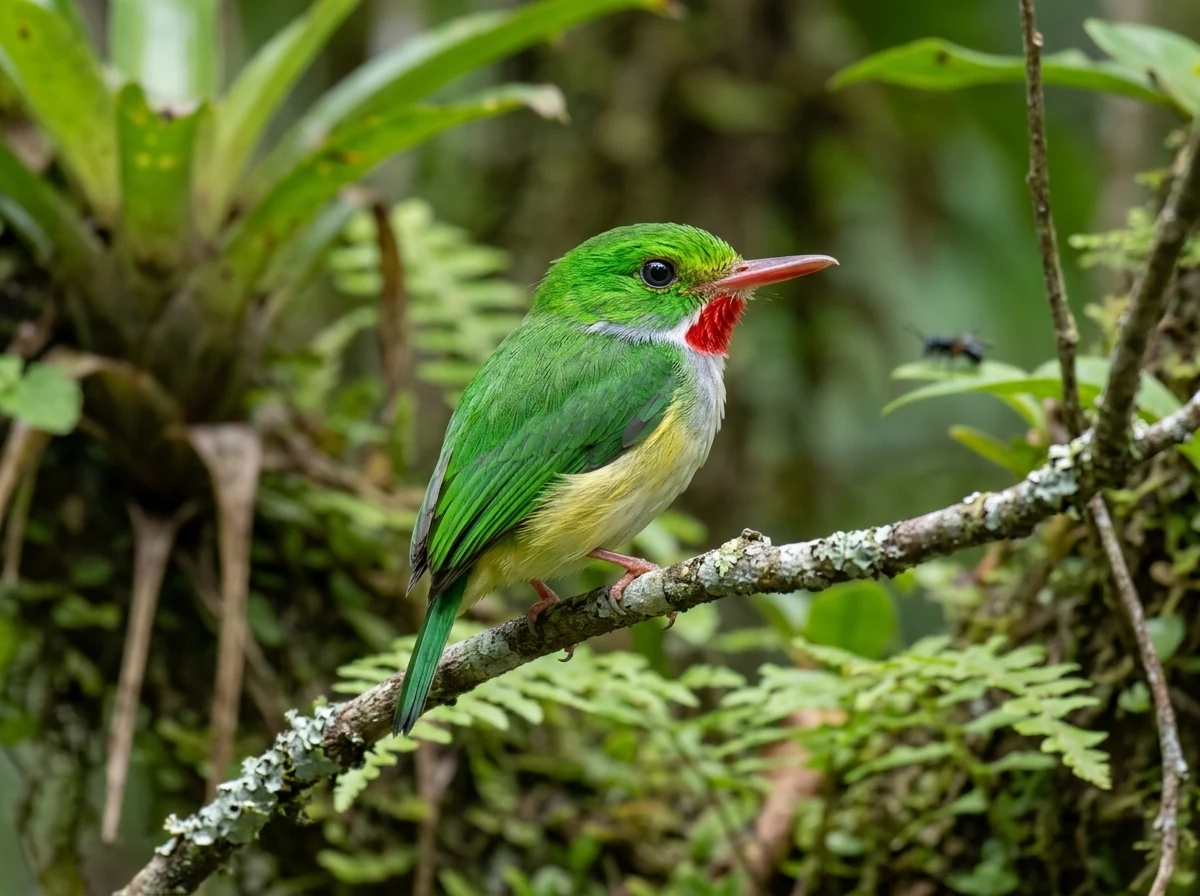
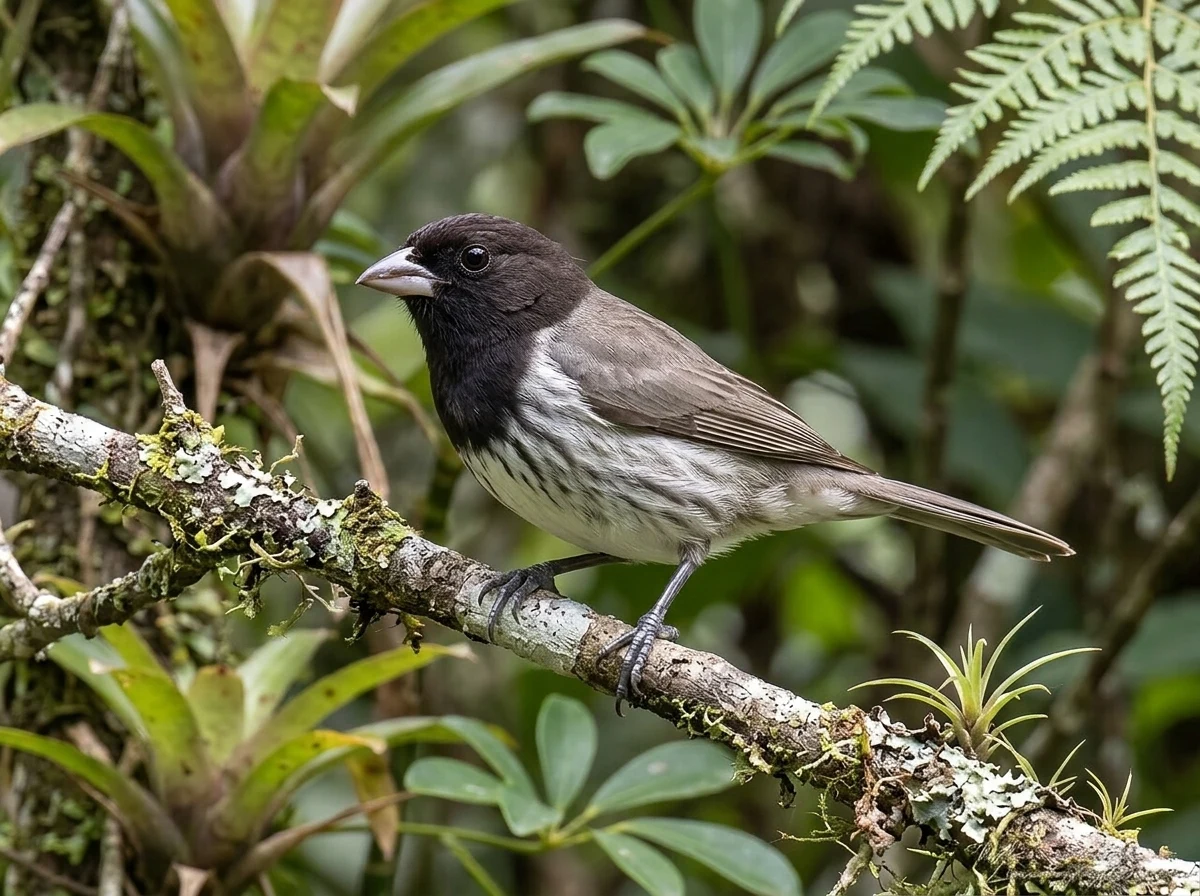
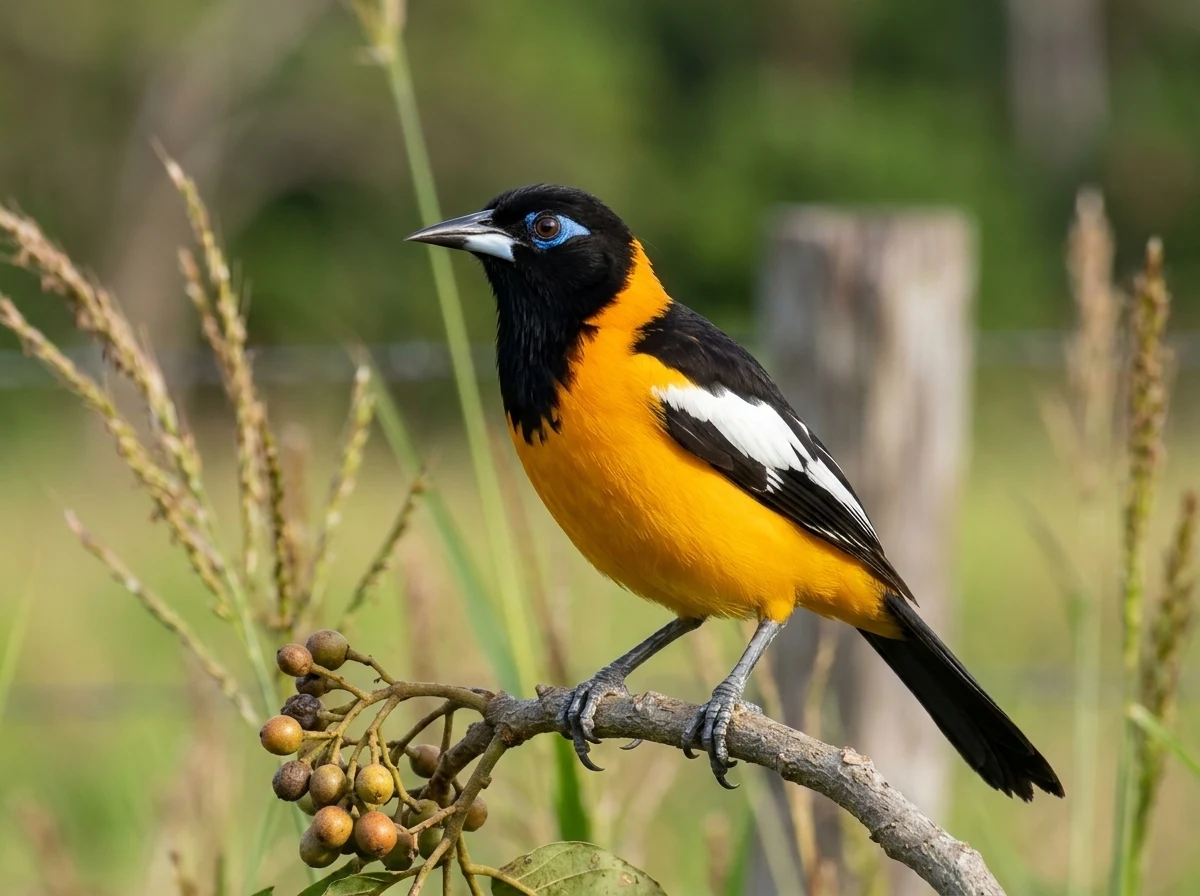
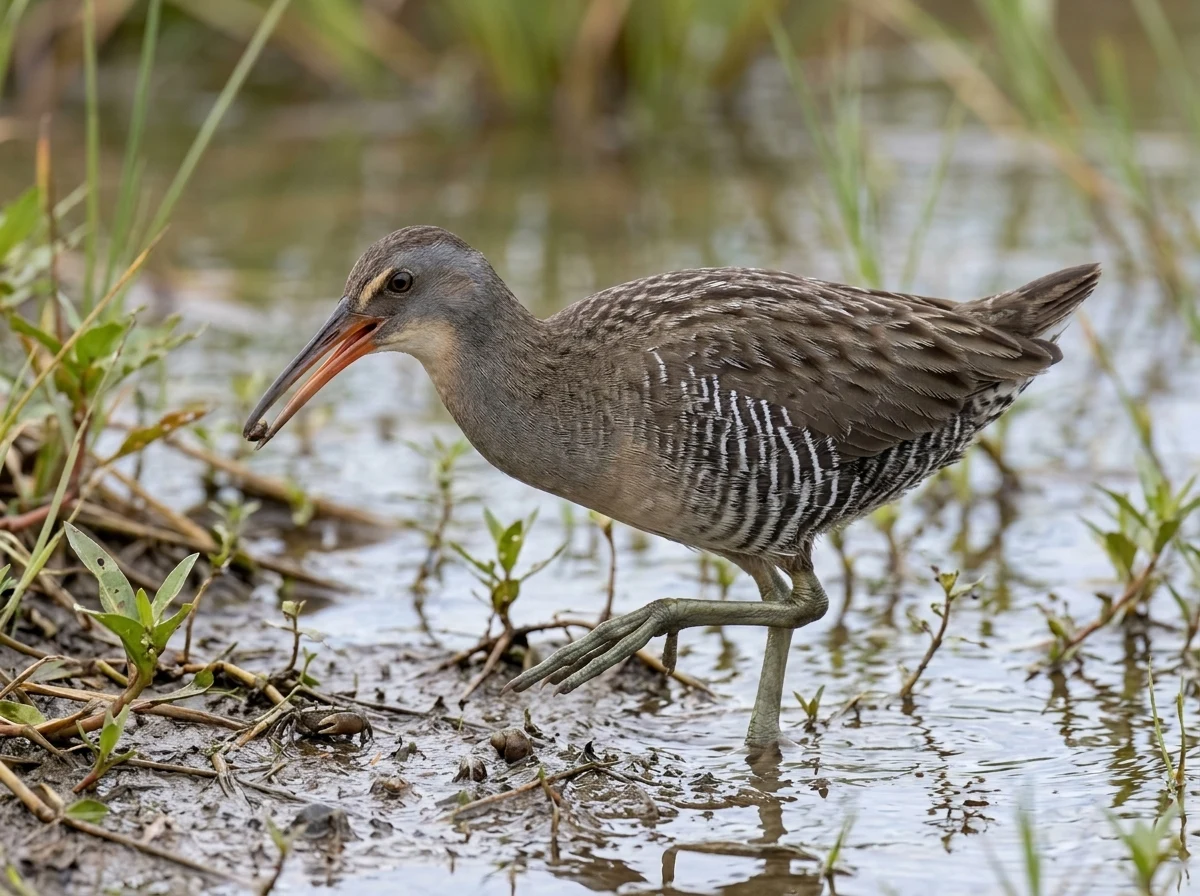
Between 6:00 and 6:30 a.m. the island's recordings add Bananaquit, Puerto Rican Tanager, Puerto Rican Tody, Puerto Rican Bullfinch, Ruddy Quail-Dove, and others. At Cabo Rojo the introduced Venezuelan Troupial was recorded duetting at 6:00 a.m. in May 2013, and at La Parguera a Clapper Rail called at 6:00 a.m. in February 2023: the coast has its own chorus too.
In San Juan the sun rises around 5:45 a.m. in June and close to 7:00 a.m. in January, and because Puerto Rico does not shift its clocks in summer, that gap of more than an hour shows up directly in your alarm. In January you can arrive at 6:15 and still hear the night shift; in June the chorus is already full by then.
05
Cities change the schedule
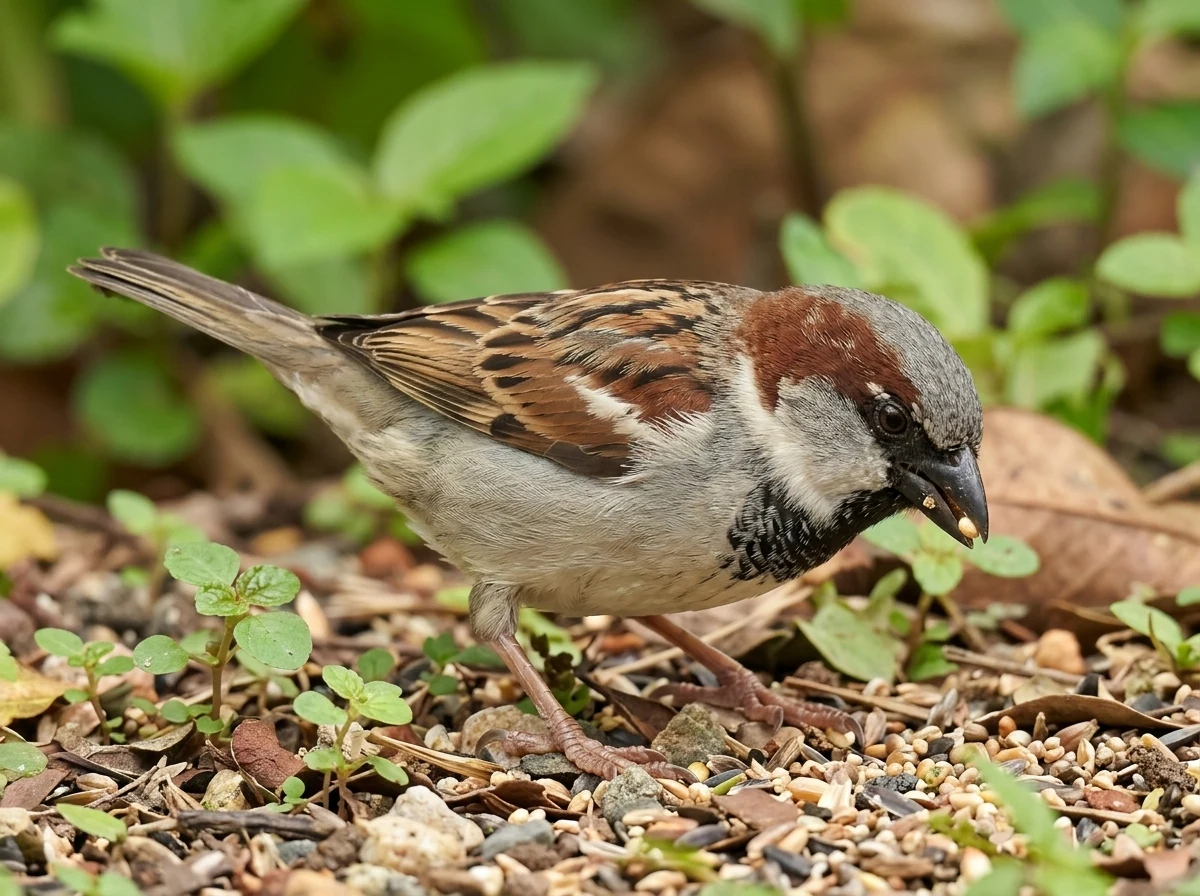
Urban noise can shift the chorus. In an experiment on tree-lined streets in Seville, Spain, published in 2013, when traffic noise was played before dawn, starlings and House Sparrows started singing about 20 minutes earlier than normal, as if to finish before rush hour.
That study was not done in Puerto Rico, so it cannot tell us how much earlier Greater Antillean Grackles or House Sparrows start here. It does explain why the same species can sound off at different times in a Carolina parking lot and in a Maricao forest, and why you should note place and background noise when you compare your mornings.
06
How to listen to your own dawn chorus
Arrive 45 minutes before sunrise, stay in one spot, and write down the time you first hear each voice. Repeat it at the same place in another season: comparing January with May, when many species breed, teaches more than one long outing.
If you record, keep the phone still, aimed at the bird, and let it run for several minutes. A recording with date, time, and place can end up in eBird or Xeno-canto and help make data like this page's more complete. Avoid playing songs to provoke a response, especially near threatened species such as the Puerto Rican Nightjar.
Linked profiles
The voices of the dawn shift
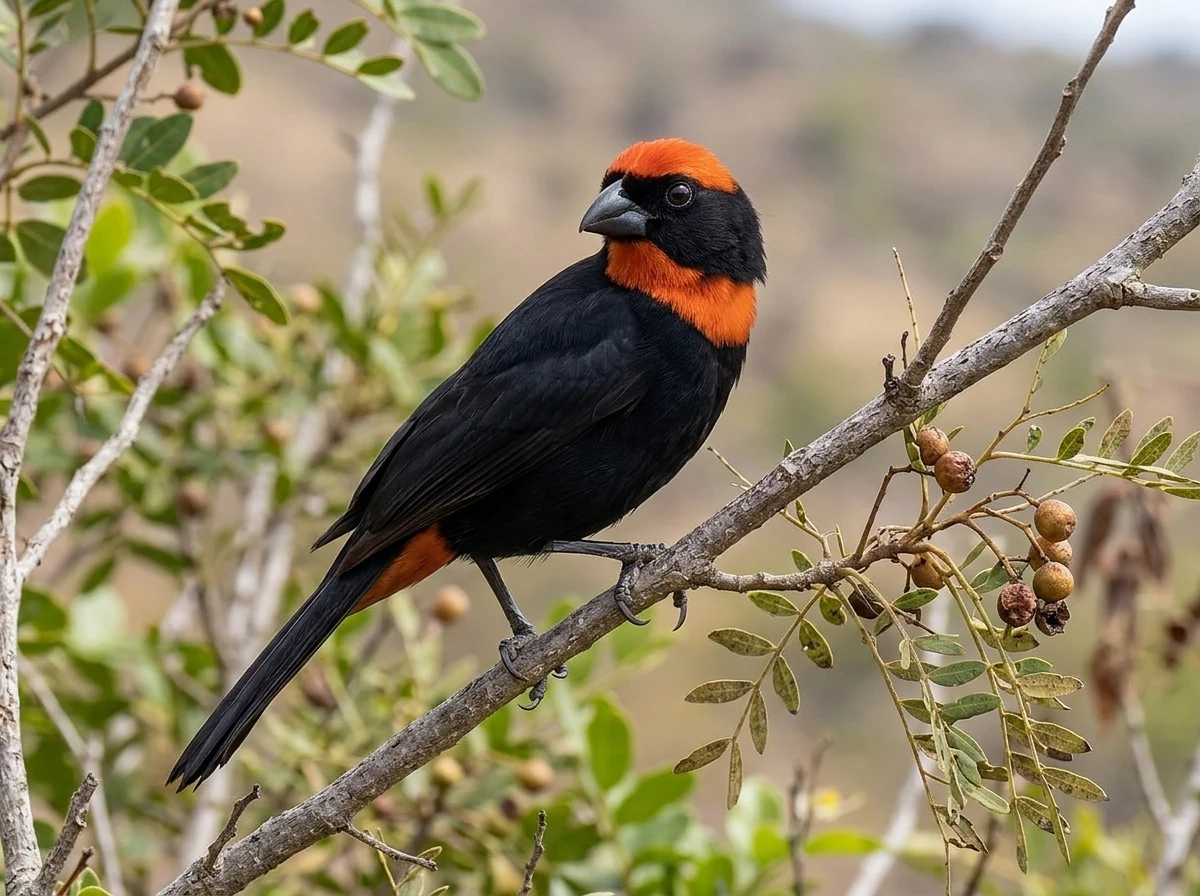
Listen to each profile in the order they tend to appear: night birds first, then the dawn singers.
Sound archive
Hear its voice
Explore real songs and calls. The spectrogram turns each sound into a visual trace of time and frequency.
XC793983Recording 1 of 3call

Play: call by Barry Edmonston
Choose another recording
Sound recorded by Barry Edmonston · XC793983 · CC BY-NC-SA 4.0. Visualization by Stichting Xeno-canto voor Natuurgeluiden.
Every recording retains the creator, catalogue number, and license published by Xeno-canto. Metadata via GBIF ↗
01
What bird sings before dawn in Puerto Rico?
The most common candidate before it gets light is the Puerto Rican Owl, recorded on the island as early as 3:30 and 4:16 a.m. In the southwestern dry forest it may also be the Puerto Rican Nightjar. With first light, Puerto Rican Oriole, Red-legged Thrush, Gray Kingbird, and Greater Antillean Grackle join.
02
What time do birds start singing in Puerto Rico?
It depends on the month: sunrise in San Juan ranges from about 5:45 a.m. in June to about 7:00 a.m. in January. In the island's recordings, songs labeled as dawn song cluster between 5:37 and 6:40 a.m., and Greater Antillean Grackle and Pearly-eyed Thrasher were recorded singing from 4:39 and 5:00 a.m. in May.
03
Why do birds sing so much at dawn?
A 2025 study of 69 tropical species found that territoriality and an omnivorous diet predict more dawn song, while sound transmission and light did not explain it. In other words, the chorus is mainly a daily renewal of territories and contacts.
04
What bird sings at 4 a.m. in Puerto Rico?
At that hour it is almost always a night bird: the Puerto Rican Owl is the likeliest option across most of the island. In lit urban areas, Northern Mockingbirds also sing at night regularly, and a Greater Antillean Grackle was recorded at 4:39 a.m. in Carolina. If the sound is a repeated ko-KEE, it is a coquí, not a bird.
05
Is the dawn chorus the same all year in Puerto Rico?
No. Sunrise time changes, the species present change with migration, and intensity changes with breeding. All 11 of the island's recordings labeled as dawn song are from March and April, which makes those months a good place to start.
06
Where can I hear the dawn chorus in Puerto Rico?
Any forest with early access works, and the island's recordings include dawns at Maricao, El Yunque, Ceiba, Manatí, Barranquitas, La Parguera, and Cabo Rojo. Confirm opening hours and access rules for each forest or refuge before you go.
Keep exploring
Connected routes
Sources and review
The evidence is one link away.
These sources support the editorial scope of this guide. Bird profiles also retain their own taxonomy, occurrence, and conservation references.
Reviewed:
01↗02↗03↗04↗05↗06↗07↗08↗09↗10↗11↗
Global Biodiversity Information Facility / Xeno-canto
Xeno-canto recordings from Puerto Rico (GBIF)
Time, date, place, equipment, and vocalization type for the 554 Puerto Rico recordings shared with GBIF (queried September 2026).Philosophical Transactions of the Royal Society B
Why is the early bird early? (Ramesh et al.)
Passive acoustic study of 69 tropical species: territoriality and omnivory predict dawn-biased song; environmental factors do not.National Audubon Society
Urban birds rising earlier because of traffic noise
Seville experiment: with pre-dawn traffic noise, starlings and sparrows began singing about 20 minutes earlier.Bird Conservation International (Cambridge University Press)
Habitat models of the Puerto Rican Nightjar
Crepuscular counts from January to June in Guánica, Susúa, and El Convento, and estimated point occupancy.Xeno-canto Foundation / GBIF
Xeno-canto recordings published through GBIF
Metadata, authorship, licenses, and catalogue records for field recordings used by the atlas.Macaulay Library / Cornell Lab of Ornithology
Puerto Rico sound archive
Complementary audio collection for comparing songs, calls, locations, and dates.Bird Academy / Cornell Lab of Ornithology
Songs and calls: vocal behavior
Explains the classic distinction between song and call, including cases that mix criteria of complexity, learning, and function.U.S. Fish and Wildlife Service
Puerto Rican Nightjar
Federal identity and status reference for the endemic nightjar.National Audubon Society
Gray Kingbird field guide
Shrill, buzzy pe-cheer-y call.eBird / Cornell Lab of Ornithology
Smartphone recording tips
WAV format, 48 kHz, automatic gain control and noise reduction off, 30 seconds or longer.American Birding Association
Code of Birding Ethics
Limit playback to attract birds, especially for rare or threatened species.The atlas continues