 AI
AIClear status
Are There Black Vultures in Puerto Rico? Zopilote and Golero Explained
Zopilote, golero, gallinazo, zamuro: many names for a vulture that is common on the mainland but very rare on the island.
Reviewed:Short answer: almost never.
There is no Black Vulture population in Puerto Rico. The Black Vulture (Coragyps atratus), known as zopilote or golero in much of Latin America, is classified as accidental on the island, known only from occasional wandering individuals. The vulture you see every day, especially in the southwest, is the Turkey Vulture (aura tiñosa).
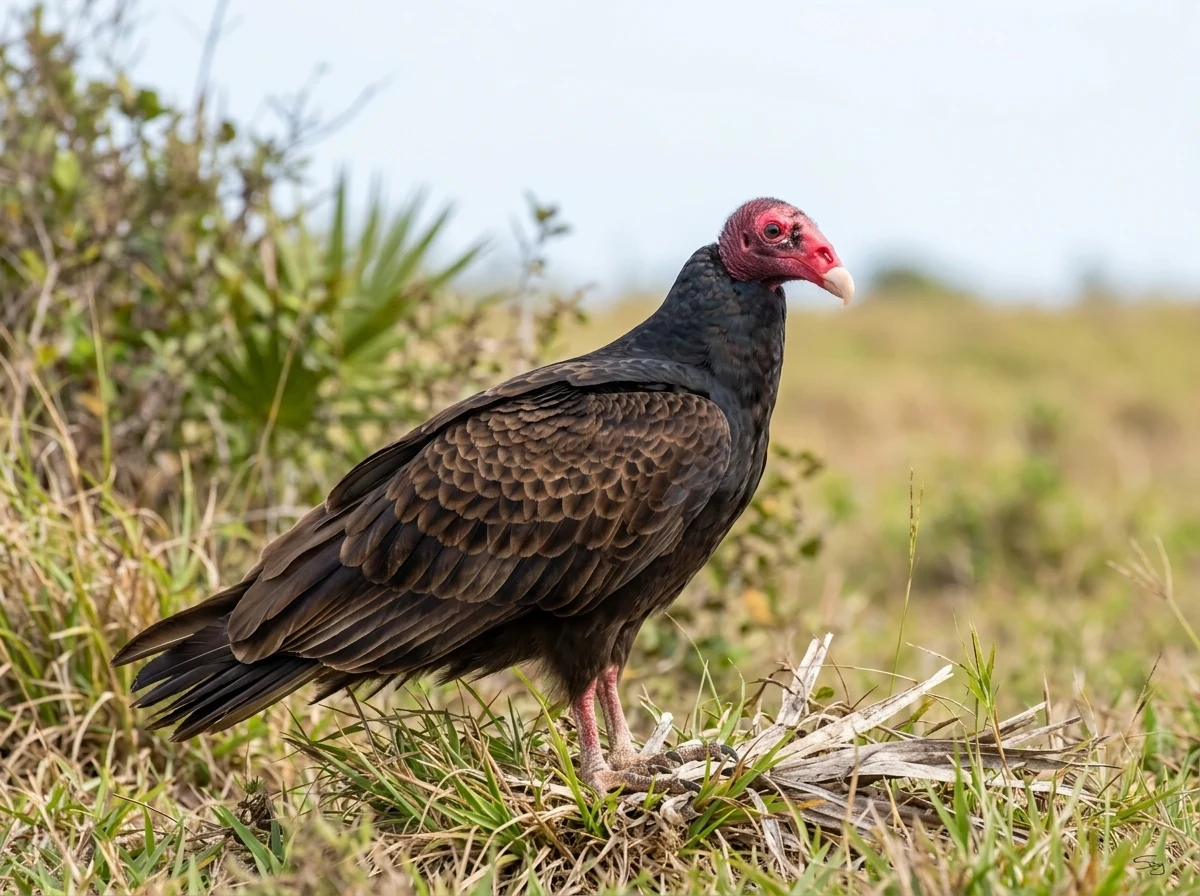
The confusion comes from names. Visitors from Mexico, Central America, Colombia, or Venezuela know the zopilote, golero, or zamuro as the most common black vulture in their city, and they apply that word to any vulture in Puerto Rico. But the Turkey Vulture is a different species, with a red head, a long tail, and wings held in a V.
Below we explain what the Puerto Rico checklist says, how to recognize a real Black Vulture if one appears, how the two species differ, and how to document a rare sighting so it has scientific value.
Clear status
Two vultures, two statuses
AccidentalBlack VultureOccasional records only; it does not breed on the island.
IntroducidaTurkey VultureBrought from Cuba in the 19th century and now established.
1,2–1,5 mBlack Vulture wingspan4.5 to 5 feet, shorter than the vulture's 5 to 6 feet.
01
What the Puerto Rico checklist says
In this site's catalog, based on Avibase, the Black Vulture appears as a naturally occurring but accidental or vagrant species, with no resident population and no documented breeding. The Puerto Rico list compiled from Bird Checklists of the World gives it the same category, accidental (A): a species that reaches the island rarely or by chance.
The Turkey Vulture, by contrast, is listed as introduced (I). The distinction matters: the Turkey Vulture is part of the everyday landscape in the south and west, while a real Black Vulture would be an observation worth reporting. SOPI includes both species in its official list of birds reported from Puerto Rico, which does not mean both are common.
02
Zopilote, golero, gallinazo: one bird, many names
Coragyps atratus is the only species in its genus and goes by dozens of Spanish names: zopilote, zopilote negro, golero, gallinazo, chulo, zamuro, jote de cabeza negra, and more. That is why searches such as golero bird or what is a zopilote land on Puerto Rico pages even though the bird barely occurs here.
In Puerto Rico, the everyday local name for a vulture is aura or aura tiñosa, which refers to Cathartes aura. Despite its name, the Black Vulture is not a close relative of the Eurasian Black Vulture either: American vultures form their own family, Cathartidae, separate from eagles and hawks.
03
How to recognize a real Black Vulture
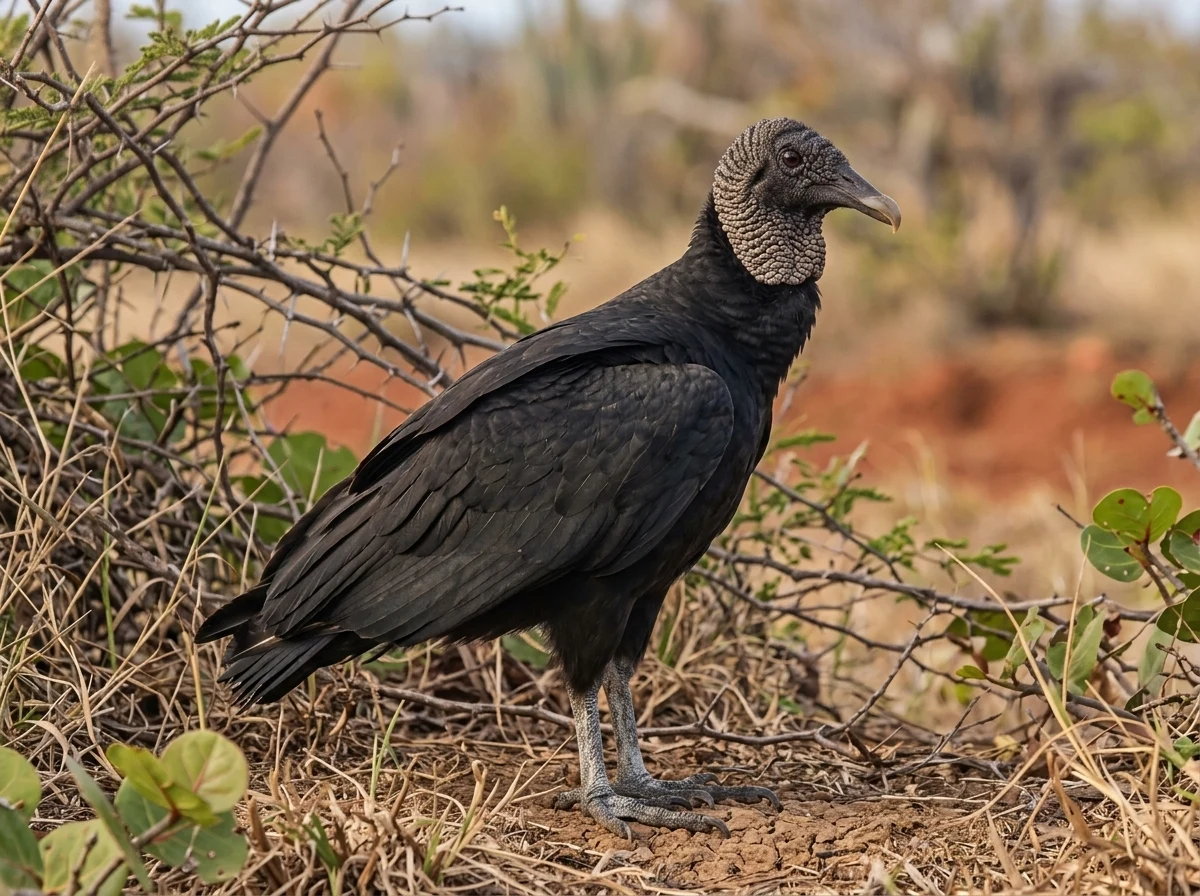
The Black Vulture is stocky, with a short tail, a bigger head, and broad wings; although it weighs about the same as a Turkey Vulture, it looks smaller because its wings and tail are shorter. Its bare head is always dark gray. The most useful flight mark is a whitish patch near each wingtip, on the primaries.
It also flies differently, alternating several quick flaps with a flat-winged glide rather than a V. With good thermals it can soar high, but without the Turkey Vulture's wobble. If you see a short-tailed vulture with flat wings and silvery wingtips, you have a serious Black Vulture candidate.
04
Black Vulture vs Turkey Vulture: key differences
Under the wing, the Turkey Vulture shows a silvery-gray band along the whole trailing edge, while the Black Vulture has pale tips only. Adult Turkey Vultures have red heads and long tails; Black Vultures have dark gray heads and short tails. The Turkey Vulture finds food by smell; the Black Vulture relies on sight and often follows Turkey Vultures to carrion.
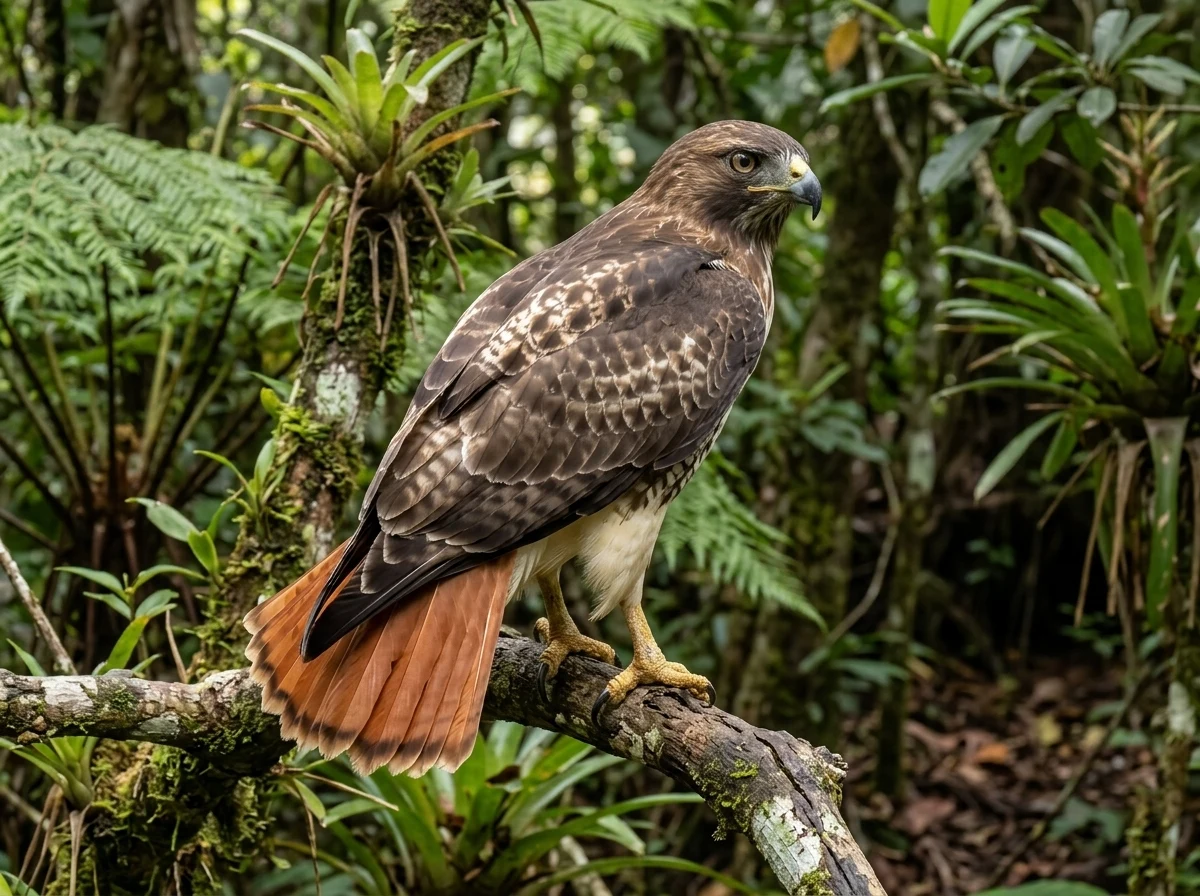
Watch out for juvenile Turkey Vultures, which also have gray heads; that is the most common trap. Rule them out by the long tail, V-shaped wings, and full silvery trailing edge. On the mainland, Black Vultures are often more aggressive at carcasses and drive Turkey Vultures away; in Puerto Rico there are not enough of them to see that competition.
05
If you think you saw a Black Vulture: how to document it
A Black Vulture in Puerto Rico is a rare record, so evidence matters. Photograph the bird in flight from below (to show the wingtips and tail length) and, if perched, the head. Note date, time, exact place, and whether it was alone or with Turkey Vultures, which provide scale.
Submit the record to eBird with the photos and a description of what you saw, including how you ruled out a young Turkey Vulture. Do not chase or flush the bird for a better shot. Our guide to documenting rare birds explains step by step how to present evidence that others can review.
Linked profiles
Vultures recorded in Puerto Rico
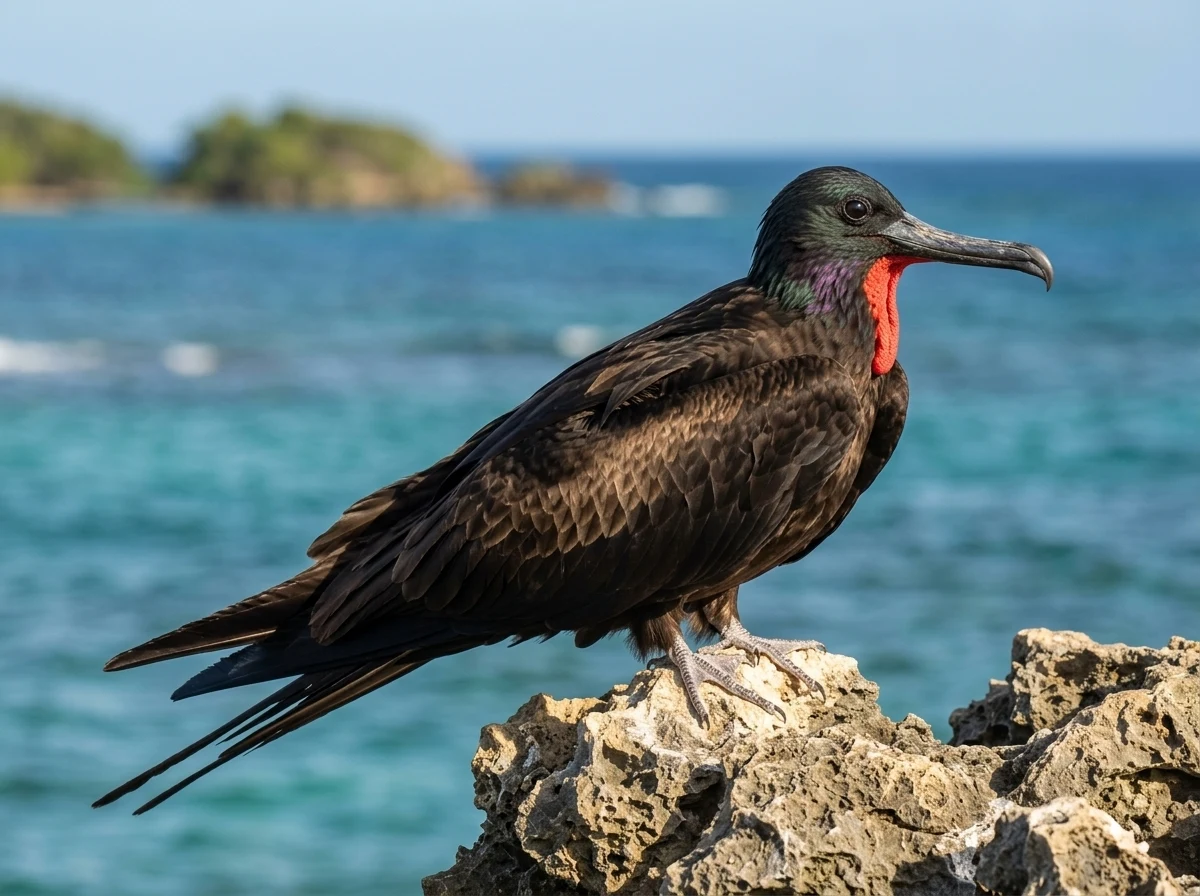
The accidental Black Vulture, the established Turkey Vulture, and dark birds sometimes mistaken for them.
Sound archive
Hear its voice
Explore real songs and calls. The spectrogram turns each sound into a visual trace of time and frequency.
XC917558Recording 1 of 3call, bater de asas

Play: call, bater de asas by JAYRSON ARAUJO DE OLIVEIRA
Choose another recording
Sound recorded by JAYRSON ARAUJO DE OLIVEIRA · XC917558 · CC BY-NC-SA 4.0. Visualization by Stichting Xeno-canto voor Natuurgeluiden.
Every recording retains the creator, catalogue number, and license published by Xeno-canto. Metadata via GBIF ↗
01
Are there black vultures in Puerto Rico?
Not regularly. The Black Vulture (Coragyps atratus) is classified as accidental in Puerto Rico, known only from occasional wandering individuals. The vulture seen every day, mainly in the southwest, is the Turkey Vulture (Cathartes aura).
02
What is a golero bird?
Golero is one of many Spanish names for the Black Vulture (Coragyps atratus), a black vulture with a bare dark-gray head. It is common across much of the Americas, but in Puerto Rico it appears only as an accidental visitor.
03
Are the Turkey Vulture and the Black Vulture the same bird?
No. They are two species in the same family. The Turkey Vulture has a red head, long tail, V-shaped wings, and finds food by smell; the Black Vulture has a dark gray head, short tail, flat wings with whitish tips, and hunts by sight.
04
What is the Black Vulture's scientific name?
Coragyps atratus. It is the only living species in the genus Coragyps, within the New World vulture family Cathartidae. The Turkey Vulture, by contrast, is Cathartes aura.
05
What is the difference between a buitre and a zopilote?
Buitre is a general Spanish word for large scavenging birds; zopilote is the common name for Coragyps atratus in Mexico and Central America. American vultures (family Cathartidae) are not closely related to the vultures of Europe, Africa, and Asia.
06
How do I report a Black Vulture in Puerto Rico?
Photograph it in flight from below and its head, note the date, time, and place, and submit it to eBird with a description. Explain how you ruled out a young Turkey Vulture, which also has a gray head. Do not chase the bird.
Keep exploring
Connected routes
Sources and review
The evidence is one link away.
These sources support the editorial scope of this guide. Bird profiles also retain their own taxonomy, occurrence, and conservation references.
Reviewed:
01↗02↗03↗04↗05↗06↗
Wikipedia (basada en Bird Checklists of the World / Avibase)
List of birds of Puerto Rico
Lists Black Vulture as accidental (A) and Turkey Vulture as introduced (I).National Audubon Society
Field guide: Black Vulture
Stocky silhouette, short tail, whitish wingtip patches, and quick flaps with flat-winged glides.University of Georgia Cooperative Extension
Valuable Vultures
Comparison of wingspan, underwing color, and search method (smell or sight) between the two vultures.Sociedad Ornitológica Puertorriqueña
Official bird list
Local names, occurrence categories, and the public summary of 17 endemics.National Audubon Society
Field guide: Turkey Vulture
Measurements, two-toned underwing, V-shaped soaring, smell, nesting, and voice (hisses and grunts).Wikipedia
Turkey vulture
Side-to-side tilting flight, detection of ethyl mercaptan, urohidrosis, defensive regurgitation, and longevity.The atlas continues