 AI
AIMyths and facts
Are Turkey Vultures Dangerous? Myths, Facts, and Their Role
It has a bad reputation for eating the dead, but it is one of nature's most efficient cleanup crews.
Reviewed:Short answer: it is not dangerous.
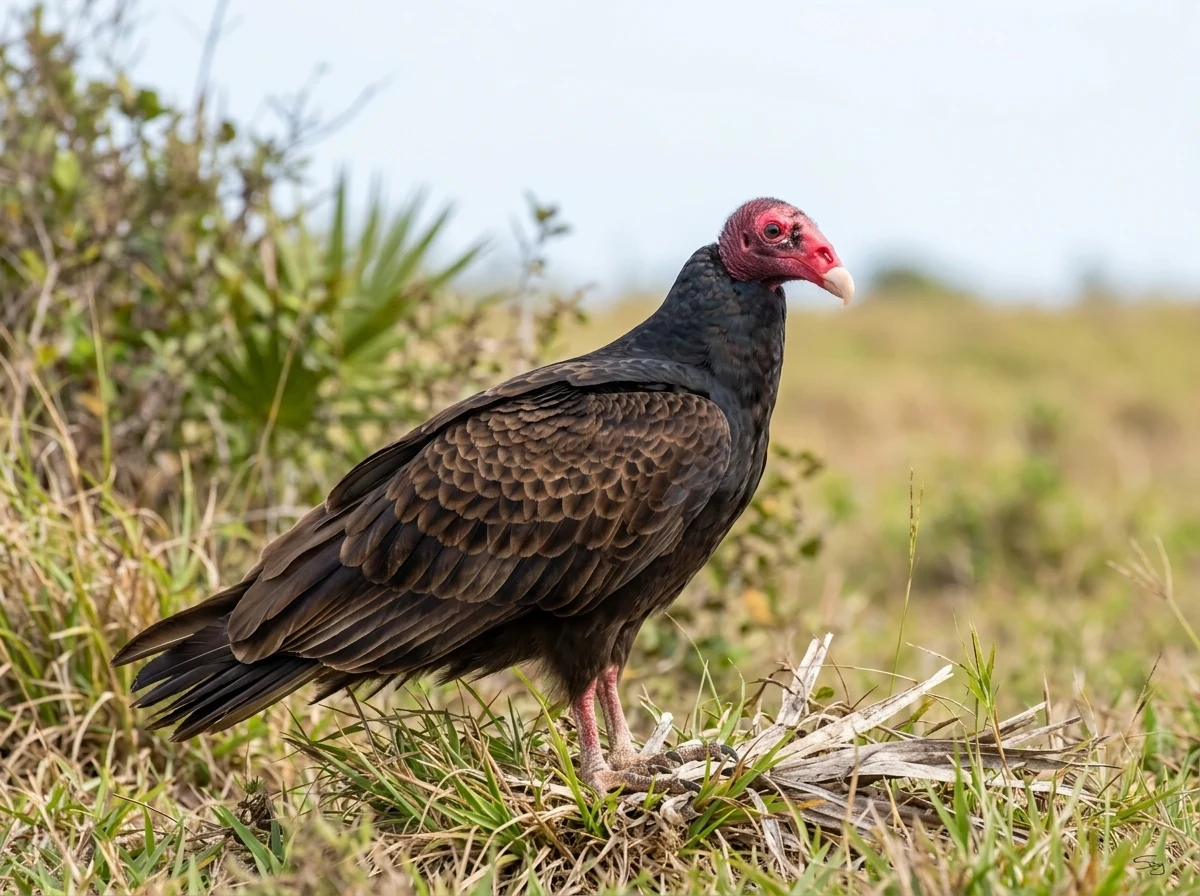
No, the Turkey Vulture is not dangerous to people. It is a scavenger that feeds almost exclusively on dead animals and rarely, if ever, kills prey; it does not attack people or healthy pets. Its main defense, if cornered, is to vomit semi-digested food.
Its bad reputation comes from its diet, its bare head, and its habit of gathering around roadkill. Ecologically, though, it plays a valuable role: it clears carrion from roads and fields, and its digestive system destroys many pathogens that would otherwise remain in the environment.
This guide separates myths from verified facts: what the vulture does by the road, what real risks exist (mostly to property, not health), how to live alongside it, and what legal protection it has in Puerto Rico.
Myths and facts
Facts that bust myths
pH ~0digestive acidityVulture digestion is as acidic as battery acid.
16+ añoswild lifespanCaptive birds have lived more than 45 years.
1918Migratory Bird Treaty ActThe federal law protecting it also applies in Puerto Rico.
01
Myth 1: Turkey Vultures attack people and live animals
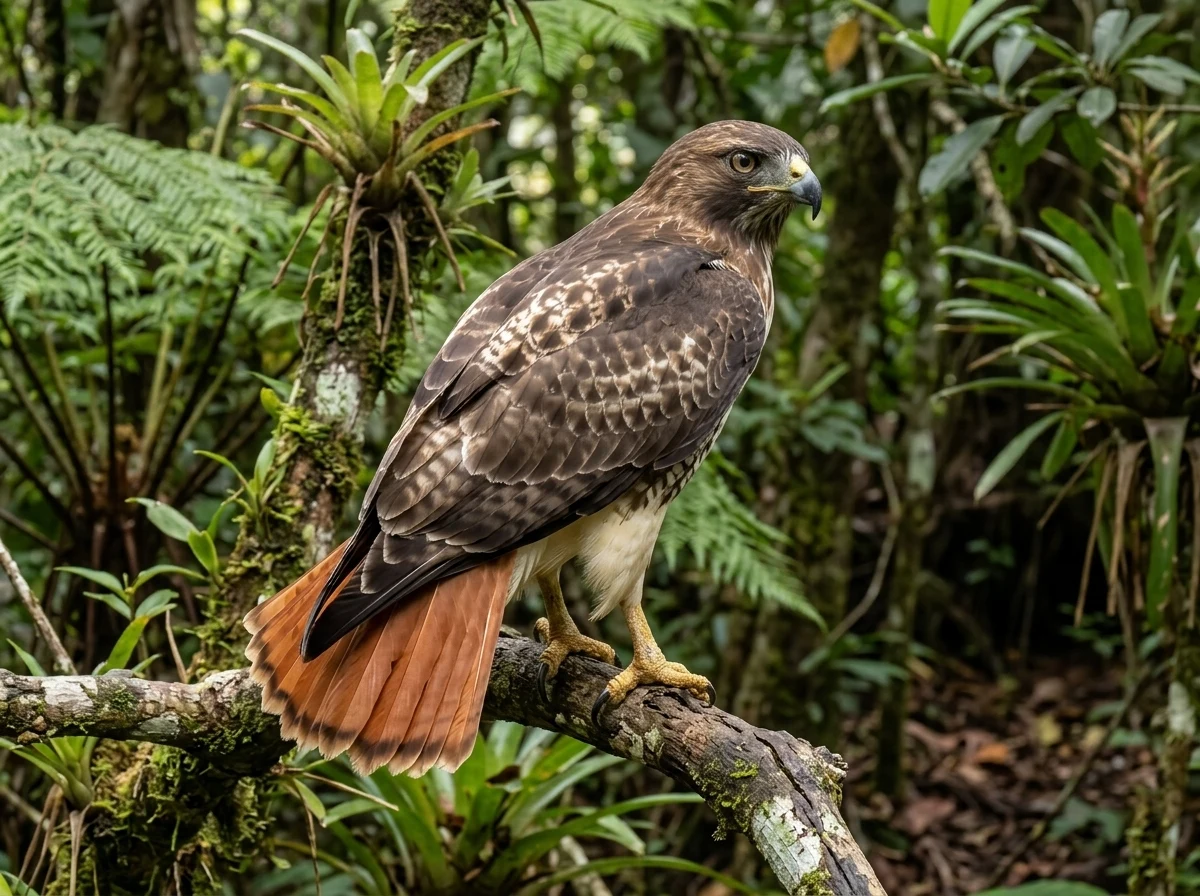
False. The Turkey Vulture feeds almost exclusively on carrion and rarely, if ever, kills prey; at most it may eat very weak or sick animals. Its feet are flat and relatively weak, with blunt talons poorly suited to grasping prey the way a hawk's do.
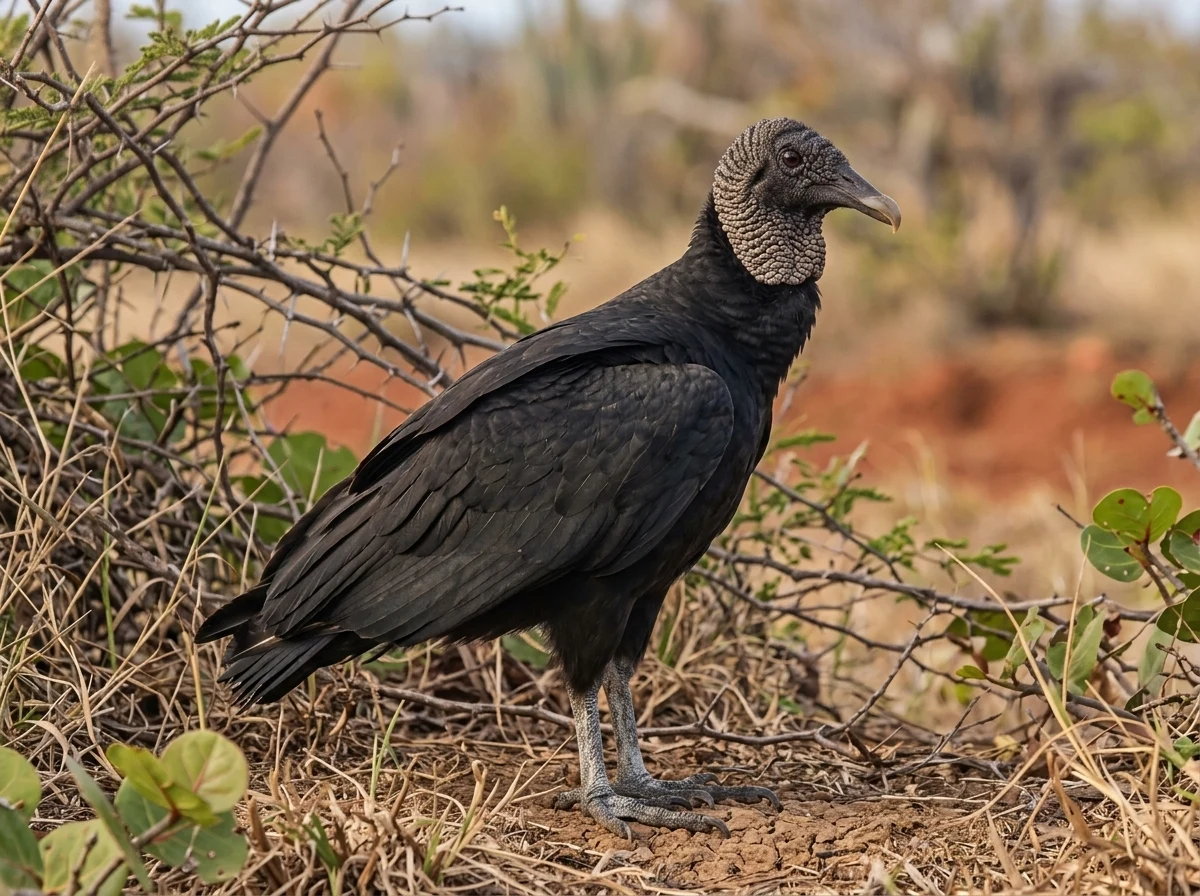
The USDA's Animal and Plant Health Inspection Service (APHIS) draws a clear line: Turkey Vultures mainly scavenge, while the mainland Black Vulture can kill vulnerable newborn livestock. In Puerto Rico that Black Vulture is only accidental. A Turkey Vulture near your house poses no risk to healthy dogs, cats, or chickens.
02
Myth 2: Vultures spread disease
It is the opposite. Vulture digestion is extraordinarily acidic, with a pH slightly above 0, comparable to battery acid. That acidity destroys pathogens such as anthrax, tuberculosis, rabies, salmonella, cholera, and botulism, among others. By eating a carcass, the vulture removes a source of infection from the environment.
Its featherless head is also a hygienic adaptation: bare skin stays cleaner than feathers after feeding. That does not mean you should touch a vulture or its food; as with any wild animal, keep your distance, do not handle it, and wash your hands if you touched anything near a carcass.
03
On the road: why they gather and how to avoid collisions
Turkey Vultures find roadkill by the smell of ethyl mercaptan, a gas produced as decay begins, which is why you see them perched on the shoulder or feeding in the lane itself. They take off with deep, labored wingbeats, so they are slow to gain height as a car approaches.
If you see vultures on the road, slow down and give them time to lift off; do not honk at close range or swerve sharply. Safely removing a carcass from the shoulder, when possible, reduces how often they drop back into the lane. Note too that flocks near landfills can pose a hazard to nearby aircraft.
04
Odd behaviors that alarm people (and what they mean)
If you disturb a Turkey Vulture, it may vomit semi-digested meat, a defense that repels predators and can sting if it reaches the face or eyes. It is not an attack; it is its way of saying back off. That is why you should never corner or try to grab a vulture, even one that seems injured.
You will also see vultures spreading their wings to the sun, a stance that dries the wings and warms the body, and birds with white-streaked legs. The latter is urohidrosis: the bird defecates on its legs and the evaporation helps it cool down. It is silent because it lacks a syrinx, so a hiss near a nest is a warning, not aggression.
05
Real problems, coexistence, and what the law says
Real conflicts with vultures are mostly about property: large roosts can damage roofs, caulking, and pool covers, scratch vehicles, and pile droppings on electrical towers. Solutions start by removing what attracts them, such as exposed carrion or garbage, and by non-lethal deterrence.
The Turkey Vulture is protected under the Migratory Bird Treaty Act of 1918, and the federal rules define the United States as expressly including Puerto Rico. Killing or capturing one, or destroying its nests or eggs, without a U.S. Fish and Wildlife Service permit is illegal; depredation permits come into play when non-lethal methods fail.
Linked profiles
The Turkey Vulture and its neighbors
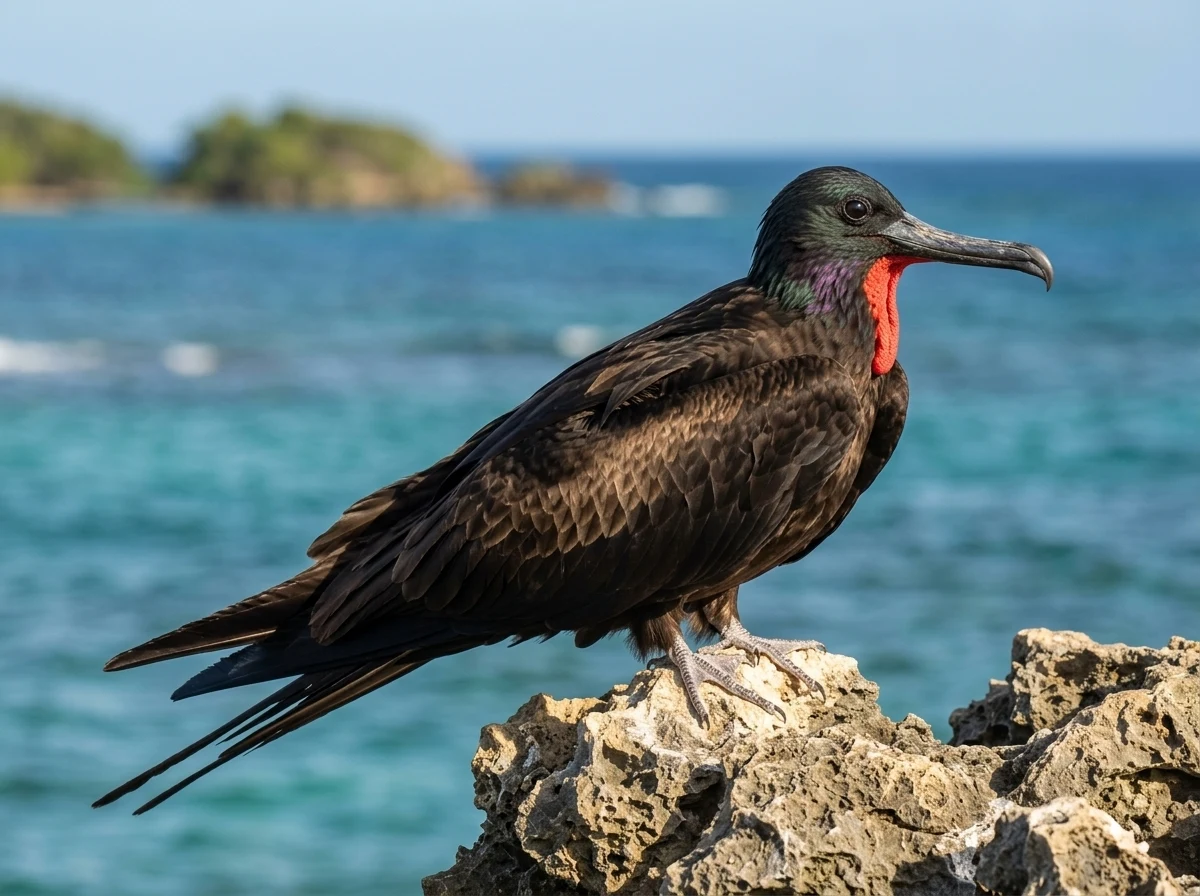
The established scavenger, the accidental Black Vulture, and the big birds it shares the sky with.
Sound archive
Hear its voice
Explore real songs and calls. The spectrogram turns each sound into a visual trace of time and frequency.
XC989811Recording 1 of 3call

Play: call by Ed Pandolfino
Choose another recording
Sound recorded by Ed Pandolfino · XC989811 · CC BY-NC-SA 4.0. Visualization by Stichting Xeno-canto voor Natuurgeluiden.
Every recording retains the creator, catalogue number, and license published by Xeno-canto. Metadata via GBIF ↗
01
Are turkey vultures dangerous?
Not to people. It eats almost exclusively carrion and rarely kills prey, so it does not attack people or healthy pets. If cornered it may vomit in defense, which is why you should not approach or touch it.
02
Do turkey vultures carry diseases?
The effect is largely the opposite: their digestion, with a pH slightly above 0, destroys pathogens such as anthrax, cholera, rabies, and botulism. By removing carcasses they reduce sources of infection. Still, do not handle wild birds or carrion.
03
Why are turkey vultures on the road?
Because roads provide roadkill, which they detect by the smell of gas released as decay begins. They take off slowly, so slow down and give them time to fly.
04
Is it illegal to kill a turkey vulture in Puerto Rico?
Yes. The Turkey Vulture is protected by the Migratory Bird Treaty Act of 1918, which applies in Puerto Rico. Killing, capturing, or destroying its nests without a federal U.S. Fish and Wildlife Service permit is illegal.
05
What should I do if a vulture vomits?
Back away calmly: vomiting is a defense against a perceived threat and can sting the eyes or face. It is not an attack. Give the bird space and it will leave on its own once it feels safe.
06
What is the ecological role of the turkey vulture?
It is a natural cleanup crew: it removes carrion from roads, coasts, and fields, recycles nutrients, and destroys pathogens as it digests. That is why, according to an 1878 document, it was brought from Cuba and hunting it was banned in Puerto Rico.
Keep exploring
Connected routes
Sources and review
The evidence is one link away.
These sources support the editorial scope of this guide. Bird profiles also retain their own taxonomy, occurrence, and conservation references.
Reviewed:
01↗02↗03↗04↗05↗06↗07↗08↗
USDA Animal and Plant Health Inspection Service
Operational activities: vultures
Behavioral difference between Turkey and Black Vultures, property damage, airport hazards, and depredation permits.San Diego Zoo Wildlife Alliance
Vultures: The Gastronomic Marvel
Digestive acidity (pH slightly above 0) and pathogens destroyed by vulture digestion.Wikipedia
Turkey vulture
Side-to-side tilting flight, detection of ethyl mercaptan, urohidrosis, defensive regurgitation, and longevity.Legal Information Institute, Cornell Law School
50 CFR § 10.13: list of protected migratory birds
Includes Turkey Vulture, Black Vulture, Red-tailed Hawk, and Magnificent Frigatebird under the Migratory Bird Treaty Act.Legal Information Institute, Cornell Law School
50 CFR § 10.12: definitions
Defines the United States for these rules as expressly including the Commonwealth of Puerto Rico.Caribbean Journal of Science 34:160–162 (Santiago-Valentín, 1998)
Confirmation of the Turkey Vulture's introduction to Puerto Rico
An official 1878 document describing the Turkey Vulture as recently brought from Cuba and prohibiting its hunting.University of Georgia Cooperative Extension
Valuable Vultures
Comparison of wingspan, underwing color, and search method (smell or sight) between the two vultures.National Audubon Society
Field guide: Turkey Vulture
Measurements, two-toned underwing, V-shaped soaring, smell, nesting, and voice (hisses and grunts).The atlas continues