 AI
AILearning guides
Bird Math: Wingspan and Weight Comparisons
A practical guide to using documented bird weights and turning observation into exercises in comparison, scale, and graphing.
Reviewed: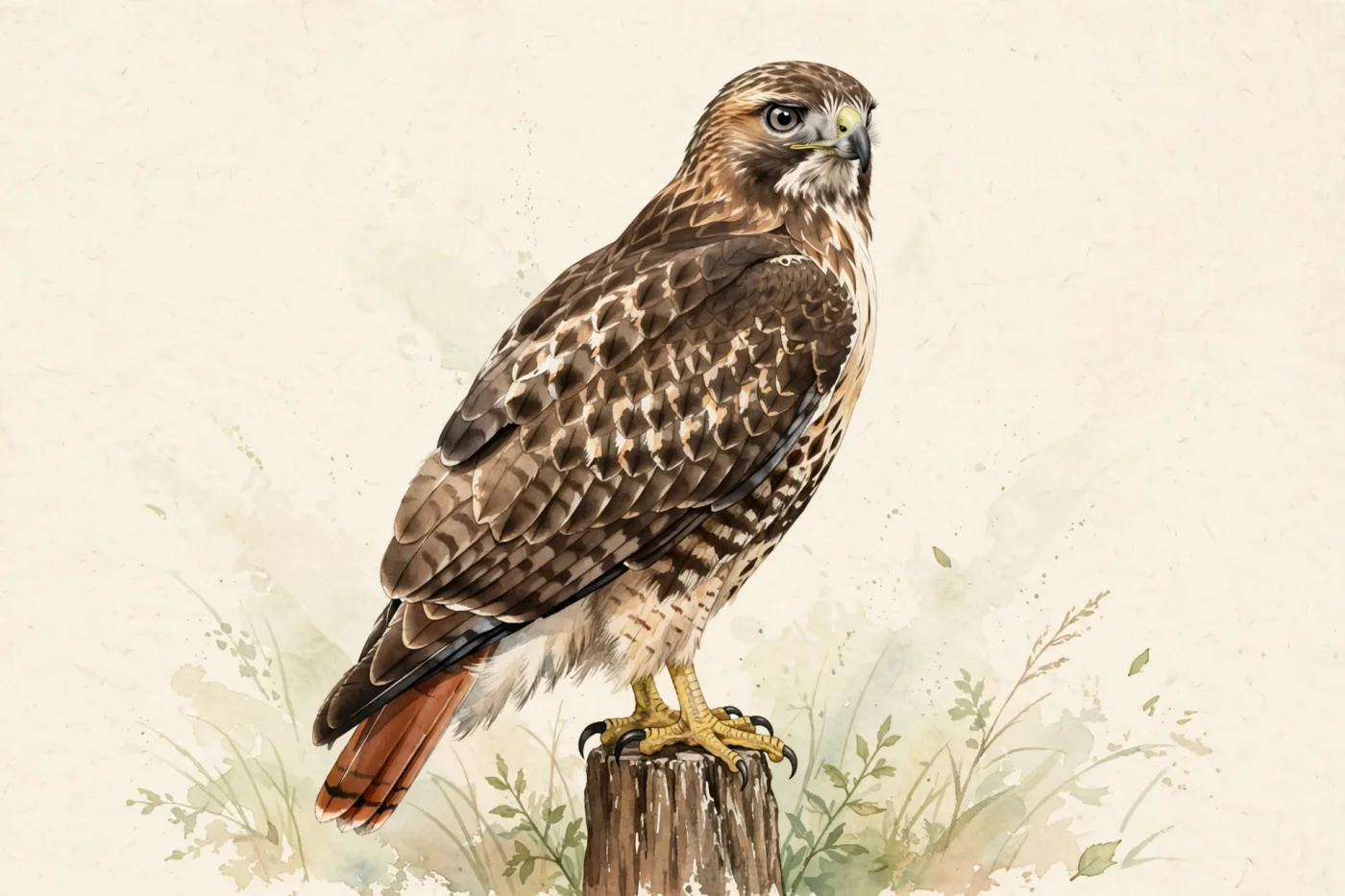
Prepared with AI assistance and linked sources. Illustrations are not field photographs.
Why measurements matter
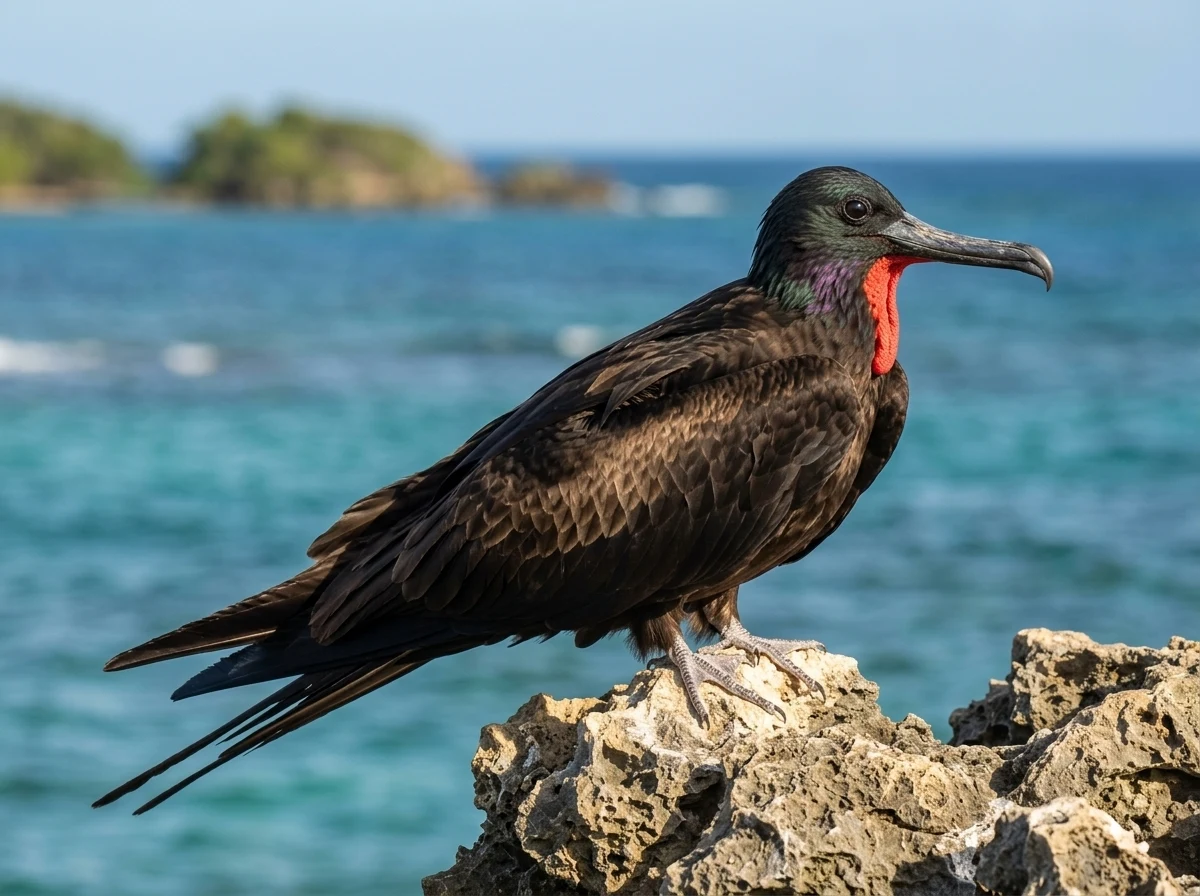
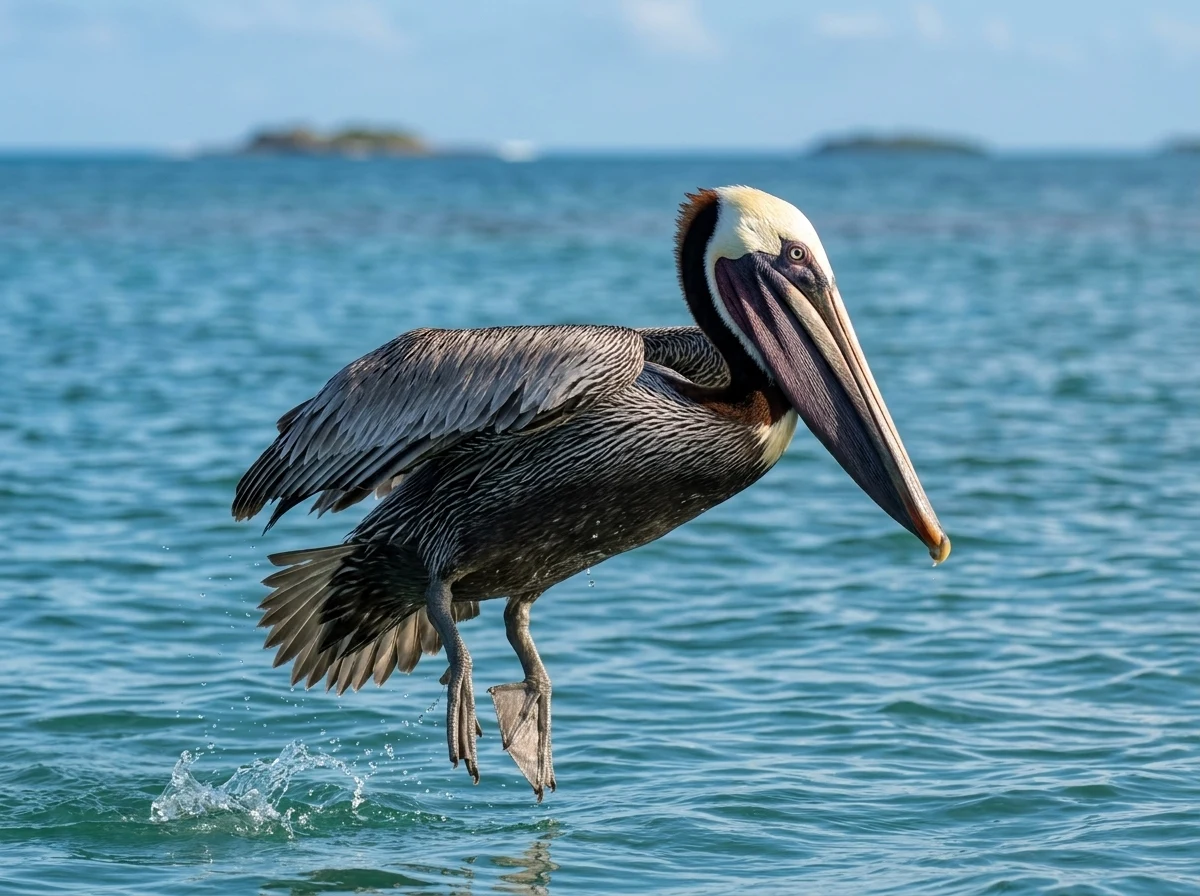
Wingspan and weight are two of the most useful measurements for comparing birds. Wingspan is the distance from wingtip to wingtip with wings extended; weight is body mass. Together they describe a bird's size and build better than length alone, because a frigatebird can be long but light, while a pelican is heavy and broad-winged.
This guide gathers documented weights for several species and proposes math exercises: subtract to find differences, divide to get ratios, and graph to visualize scales. The data come from cited sources; they are not field measurements taken by us. Use them as a starting point to observe, compare, and ask questions.
Learning guides
Three key takeaways
3040 gBrown Pelican weightWeight documented in the bird catalog; its wingspan is not documented in the cited sources.
4.25 gPuerto Rican Emerald weightWeight documented in the bird catalog; its wingspan is not documented in the cited sources.
2.1–2.4 mfrigatebird wingspanRange documented in the Audubon source: male 2.1–2.3 m; female 2.3–2.4 m.
01
How to read a measurement table
A measurement table should list species, wingspan, weight, and source. Wingspan is given in centimeters or meters; weight in grams or kilograms. To compare, convert everything to the same unit. For example, 1 kg = 1000 g. So a 3040 g pelican weighs 3.04 kg.
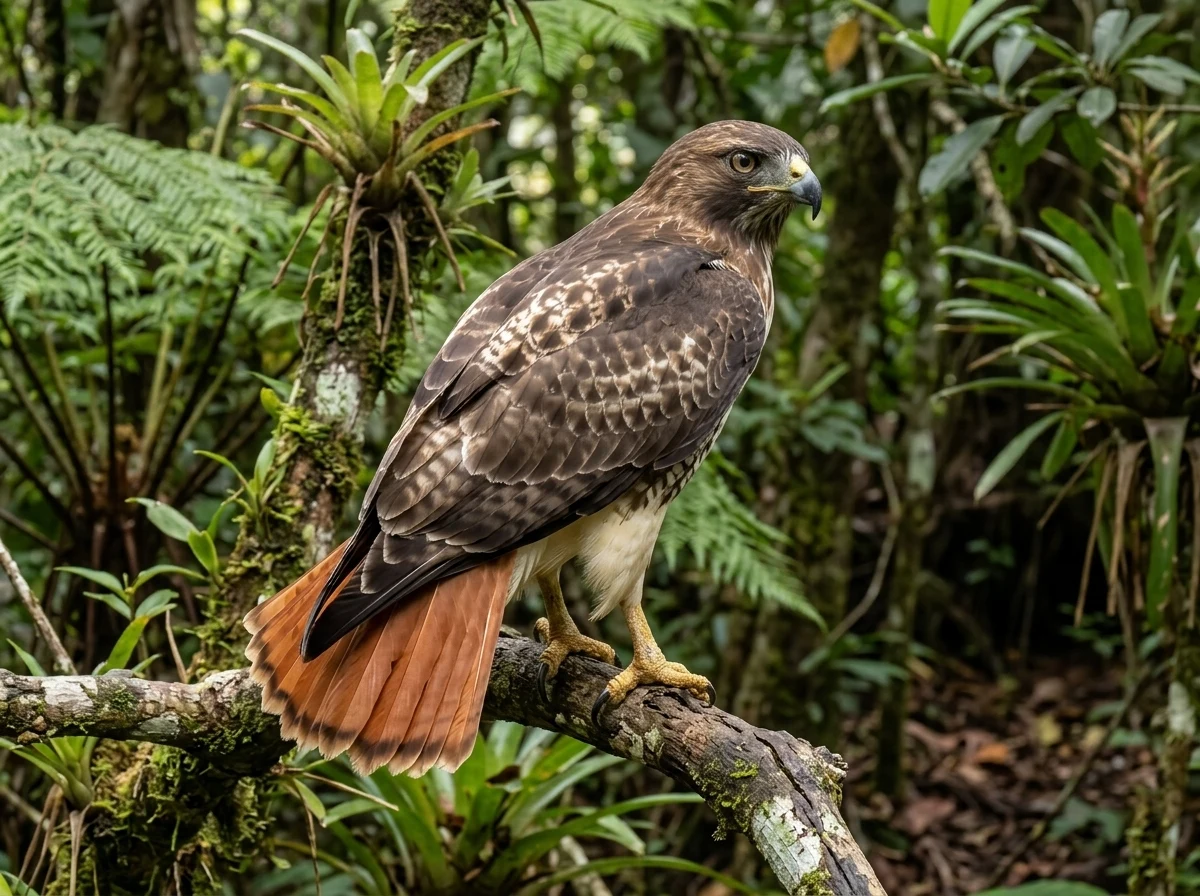
You also need to distinguish male and female measurements. In the Red-tailed Hawk, the female is about 25% heavier than the male. These differences are part of each species' biology and affect any comparison. When a source does not separate males and females, it is best to note that.
02
Data table: what is documented
The cited sources document weights for several species. The bird catalog provides: Brown Pelican 3040 g, Puerto Rican Emerald 4.25 g, Bananaquit 10.2 g, Red-tailed Hawk 1072.8 g, and frigatebird 1498.7 g (average). The Audubon source documents the frigatebird's wingspan and weight: male 2.1–2.3 m and 1.2–1.4 kg; female 2.3–2.4 m and 1.4–1.8 kg.
For the other species in this guide, the cited sources do not document specific wingspans. Therefore the table should mark those spaces as 'not documented in the cited sources' instead of inventing figures. An honest table shows what is known and what is missing; filling the gaps is part of the research exercise.
03
Difference and ratio exercises
To calculate a difference, subtract the smaller value from the larger. Example with documented weights: Brown Pelican 3040 g minus Puerto Rican Emerald 4.25 g. Difference: 3040 − 4.25 = 3035.75 g. For a ratio, divide the larger by the smaller: 3040 ÷ 4.25 ≈ 715. The pelican weighs about 715 times as much as the emerald.
With documented weights you can also compare the frigatebird (1498.7 g) and the Red-tailed Hawk (1072.8 g): 1498.7 − 1072.8 = 425.9 g difference. The ratio is 1498.7 ÷ 1072.8 ≈ 1.40. These numbers help scale the diversity of bird sizes in Puerto Rico without relying on undocumented data.
04
How to make a bar graph
A bar graph compares measurements visually. Choose one axis for species and another for the measurement. If you graph wingspan and weight together, use two scales or two separate graphs, because the units differ. Order bars from largest to smallest to see the pattern at a glance.
Include a human silhouette to scale for context. As an exercise, you can assume that a person 1.7 m tall has a similar arm span; this is an approximate assumption, not a documented fact. For species whose wingspan is not documented, leave the bar empty or marked as missing data; do not invent a height. If you graph only weights, the human silhouette does not directly apply.
05
Interpretation questions
After calculating differences and ratios, ask: which species has the greatest documented weight? Which has the least? Is there a species with high weight but undocumented wingspan? The Brown Pelican has the greatest documented weight in the cited sources (3040 g), while the Puerto Rican Emerald has the least (4.25 g).
Another question: how do the ratios change if we use the minimum instead of the maximum? Ranges matter. Also ask why some species have incomplete data and what sources could complete them. These questions connect math with observation and research.
Linked profiles
Birds in the table
Five species with documented weights; wingspan is documented only for the frigatebird in the cited sources.


01
What is wingspan and how is it measured?
Wingspan is the distance from wingtip to wingtip with wings extended. It is measured in centimeters or meters. In live birds it is estimated; in museum specimens it is measured precisely. The data in this guide come from published sources, not our own measurements.
02
Why is the female Red-tailed Hawk heavier than the male?
In the Red-tailed Hawk, the female is about 25% heavier than the male. This difference is documented. In many raptors the female is also heavier. Causes vary by species and are not explained by a single rule.
03
Can I use this data to identify birds in the field?
Not directly. Measurements are population averages or ranges, not individual birds. A young or malnourished bird may weigh less. Use measurements as context, not as an identification rule. To identify, observe shape, color, behavior, and habitat.
04
Where can I find more wingspan and weight data?
Specialized field guides and museum databases often include measurements. For Puerto Rico, the bird catalog and the sources cited in this guide are a starting point. When searching, check whether the source specifies male, female, or combined measurements.
Keep exploring
Connected routes
Sources and review
The evidence is one link away.
These sources support the editorial scope of this guide. Bird profiles also retain their own taxonomy, occurrence, and conservation references.
Reviewed:
The atlas continues