 AI
AIIdentification by silhouette
Large birds of Puerto Rico
Large is not a bird family: it is a clue that works when paired with shape, behavior, place, and frequency.
Reviewed:Use a familiar bird as your field ruler.
Distance deceives: a nearby heron may look larger than a distant pelican, while an extended neck or tail changes the impression. Compare the unknown bird with a pigeon, grackle, post, or another bird in the same plane.
Then measure the bird against itself: bill length versus head, folded or extended neck, legs beyond the tail, wing breadth, and tail shape. Add flight, behavior, habitat, and status before treating color as the final answer.
Identification by silhouette
The guide at a glance
14linked profilesA focused selection connects the guide with verifiable species.
4reading lensesContext, identification, and practical decisions organized by topic.
4primary sourcesAgencies, research, and ornithological organizations support the content.
01
Coast and sky: three enormous silhouettes
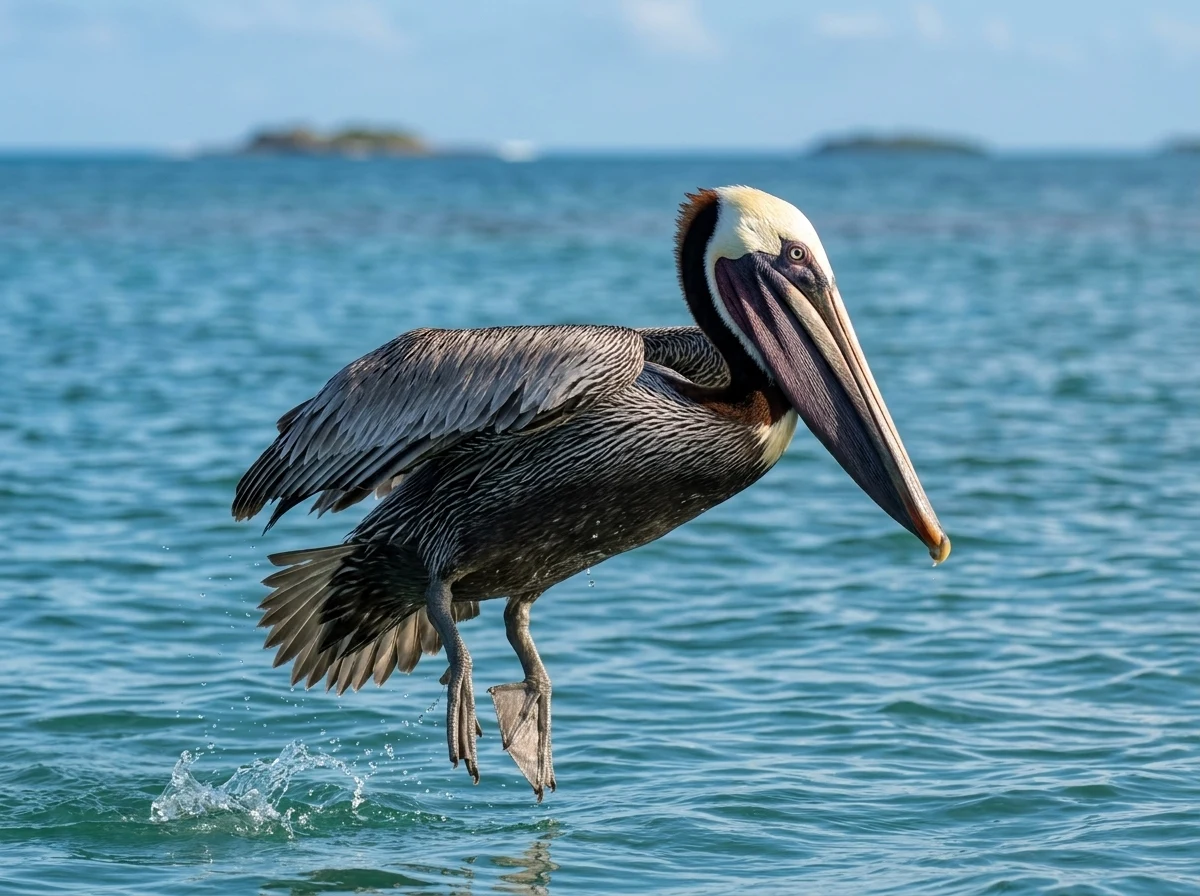
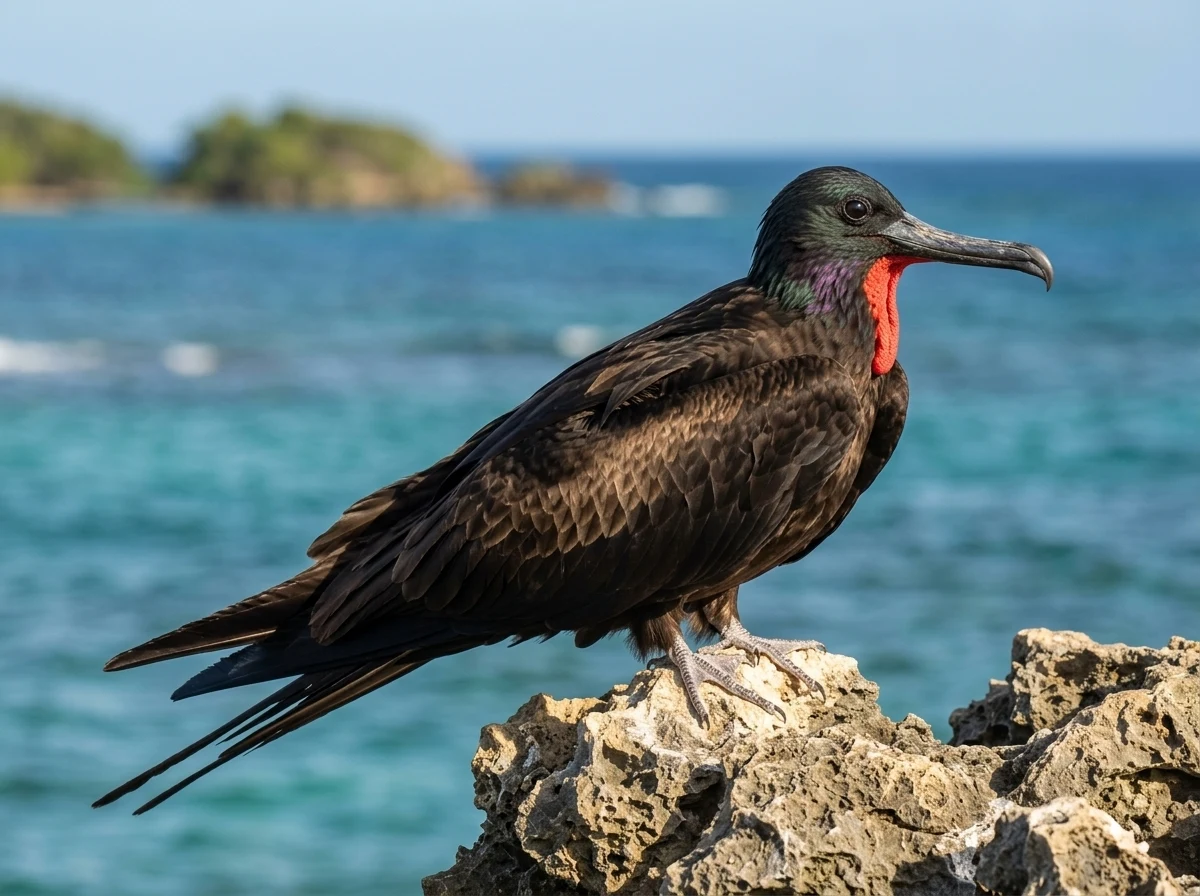
Brown Pelican combines an extremely long bill and pouch with broad wings; it often alternates deep wingbeats and glides and may plunge into the water. Magnificent Frigatebird looks lighter: long angular wings, a deeply forked tail, and high soaring without settling on the sea.
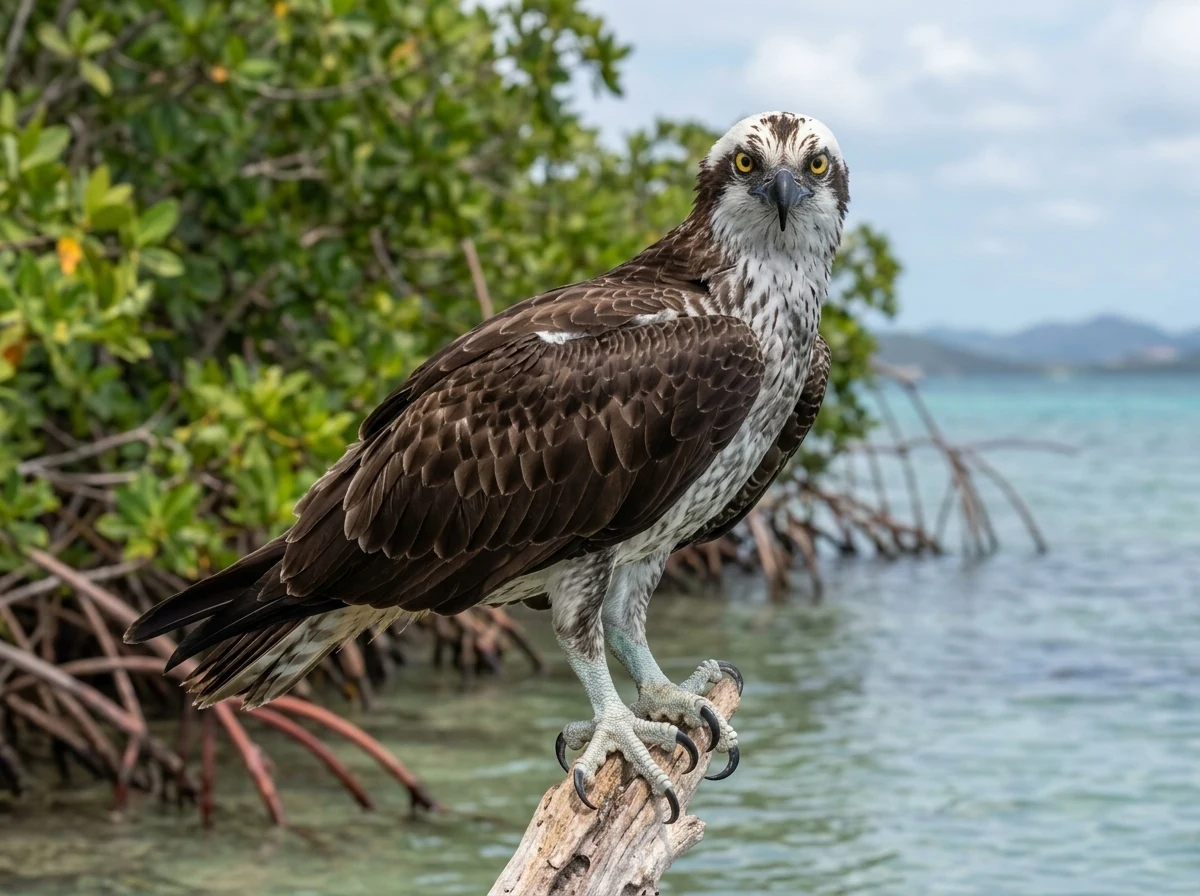
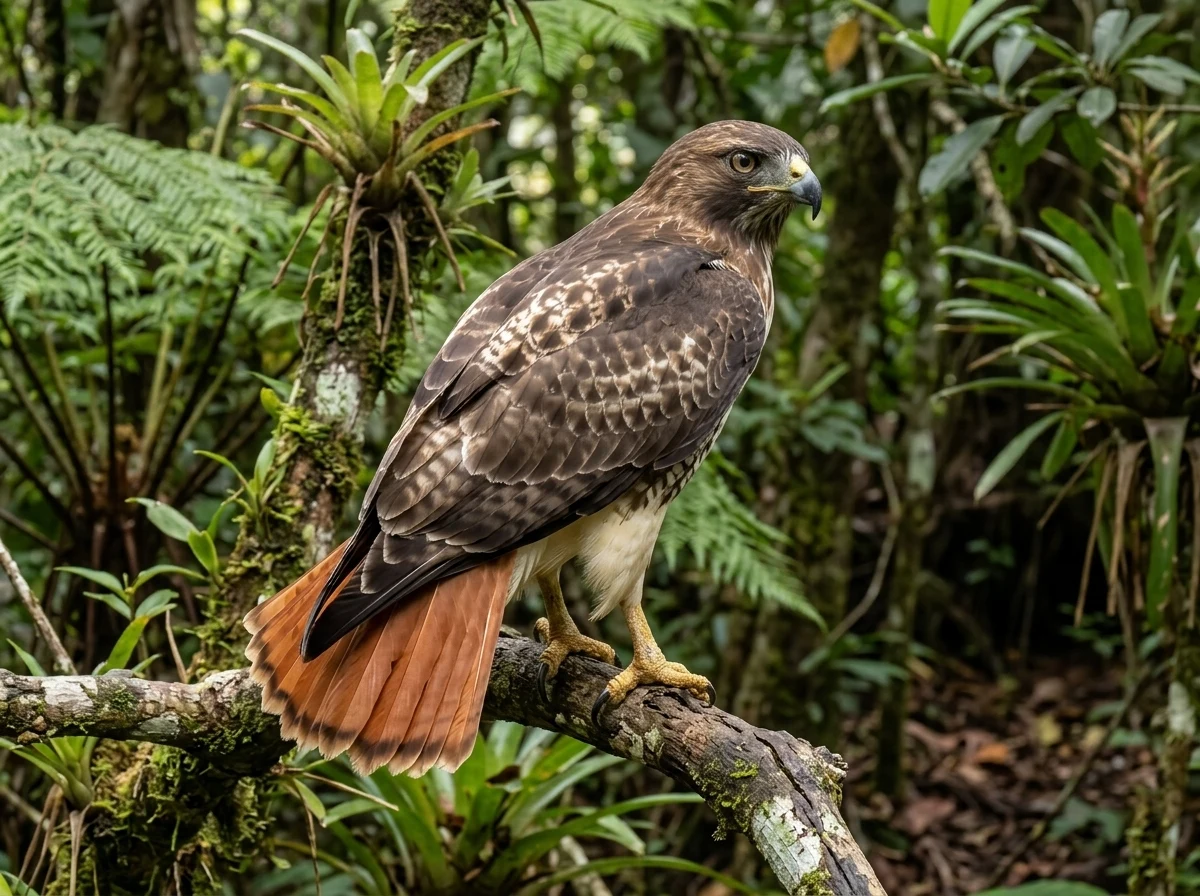
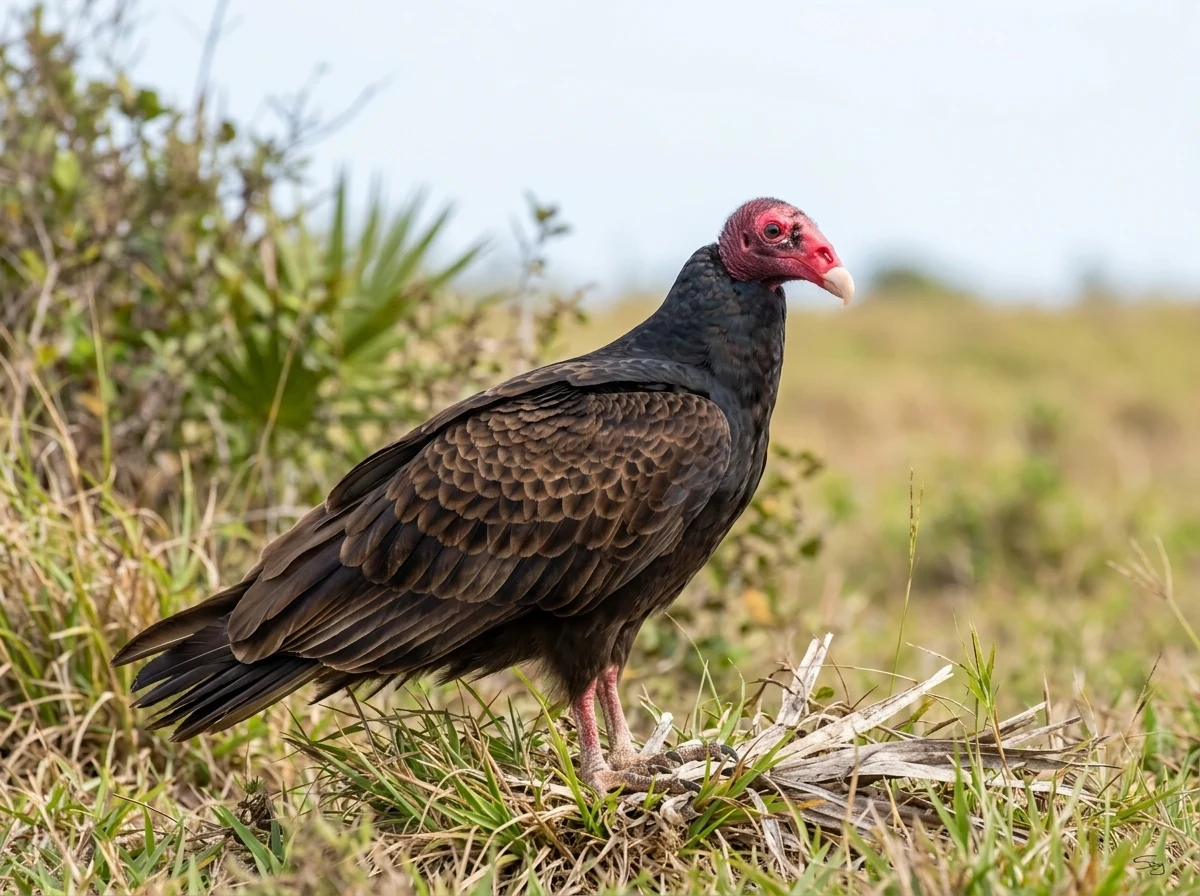
Osprey holds long wings with a marked bend and searches water from above. Over land, Red-tailed Hawk shows broad wings and a relatively short tail, while Turkey Vulture soars with raised wings and rocks. Confirm several marks because one posture can mislead.
02
Wetlands: neck, legs, and bill
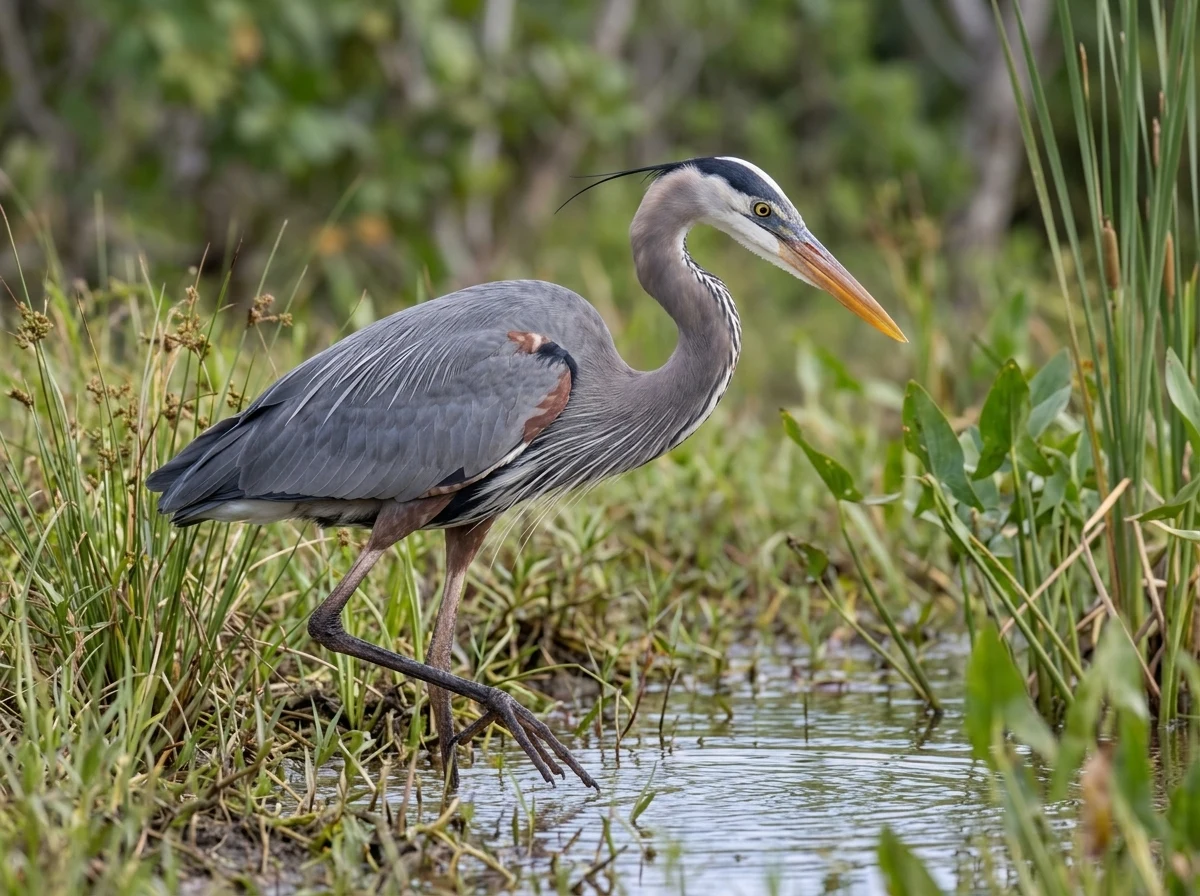
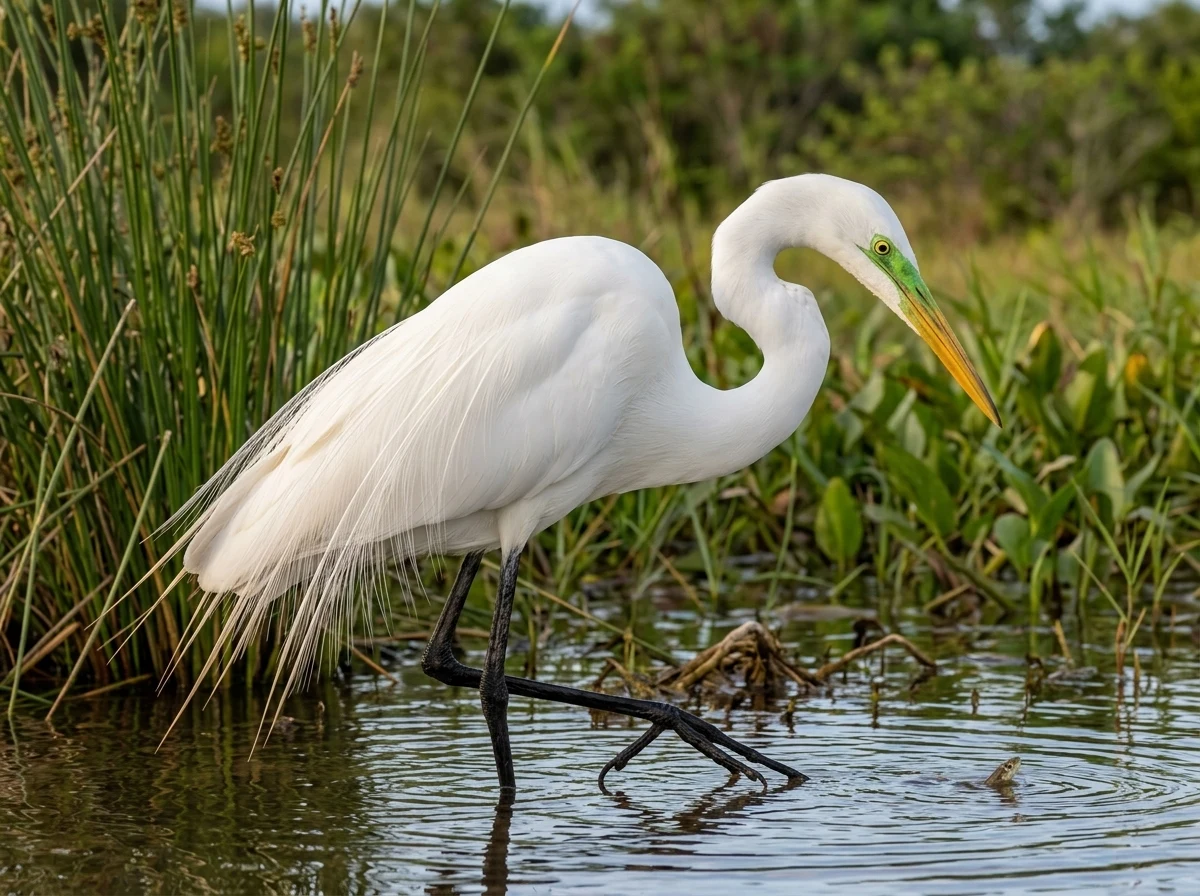
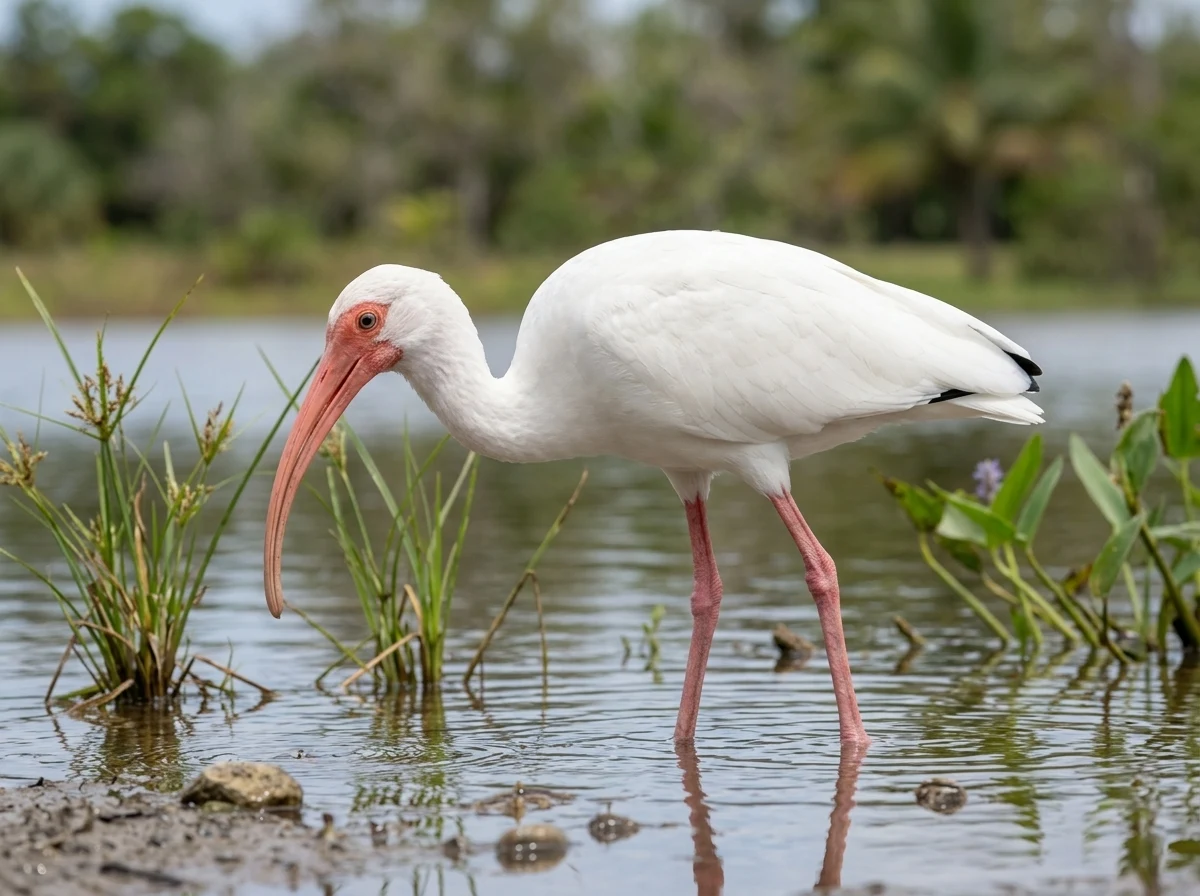
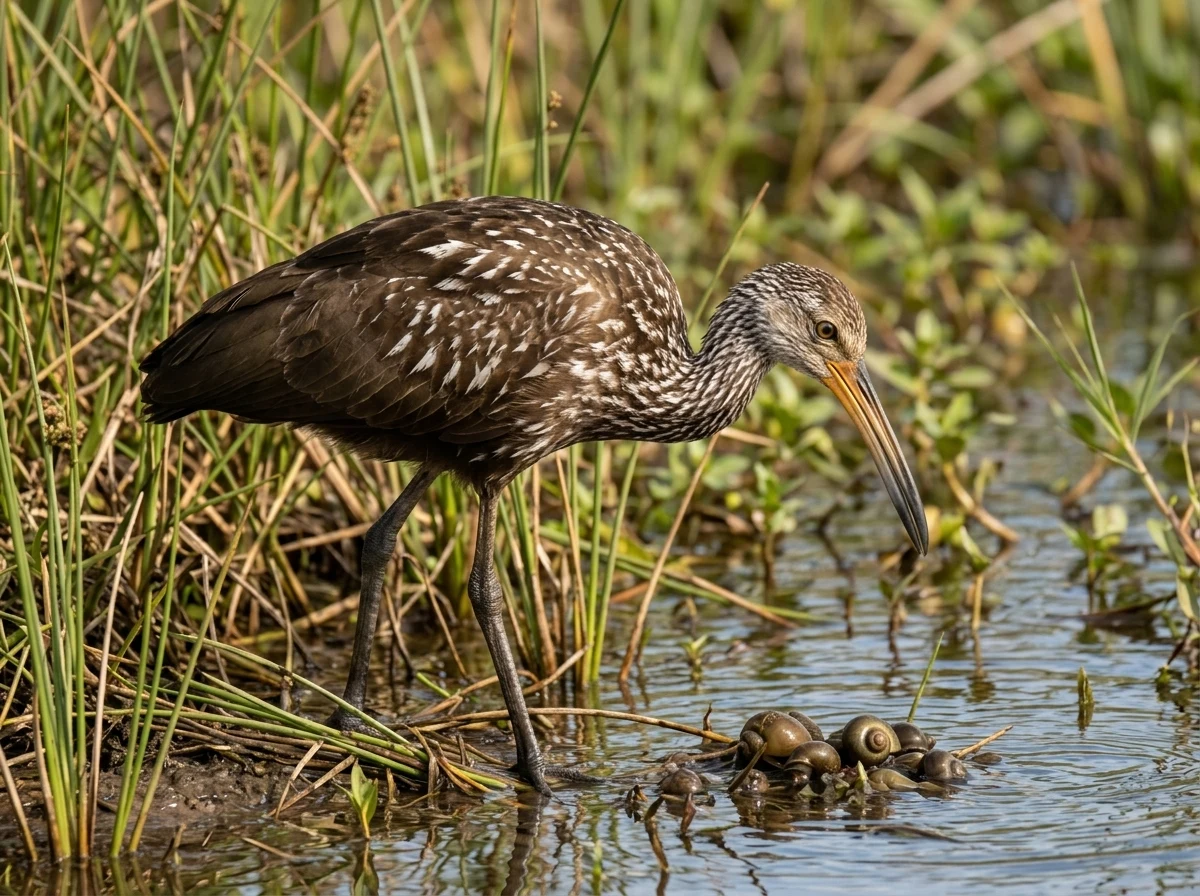
Great Blue Heron is blue-gray, very tall, and flies with its neck folded and legs projecting behind. Great Egret is white and slender with a straight bill; White Ibis is also pale but has a downcurved bill. Limpkin is brown and streaked and walks through freshwater vegetation.
Bill action separates groups: spearing, probing, filtering, and scooping are not the same. Also record water depth, whether the bird was alone or grouped, and whether it flew with its neck extended or folded; those clues survive backlighting better than color.
03
A documented species is not always expected
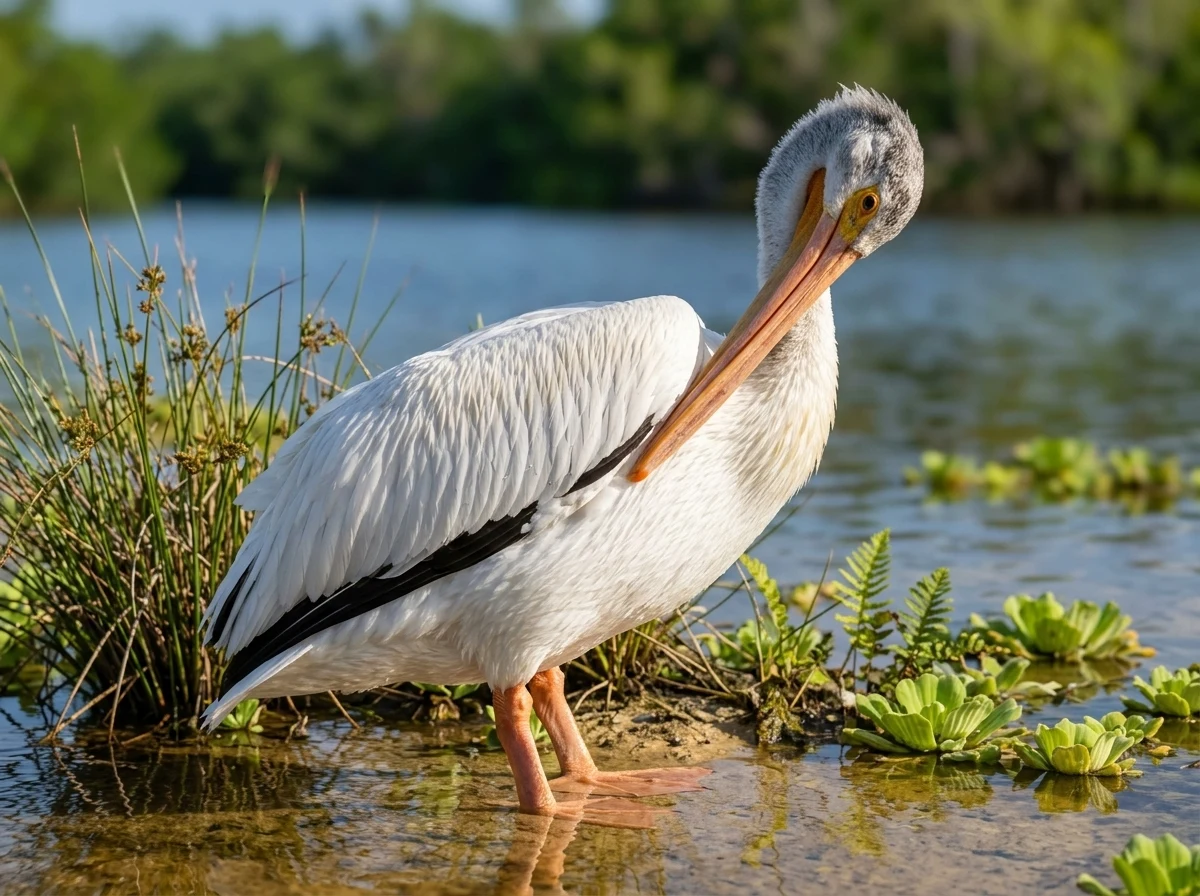
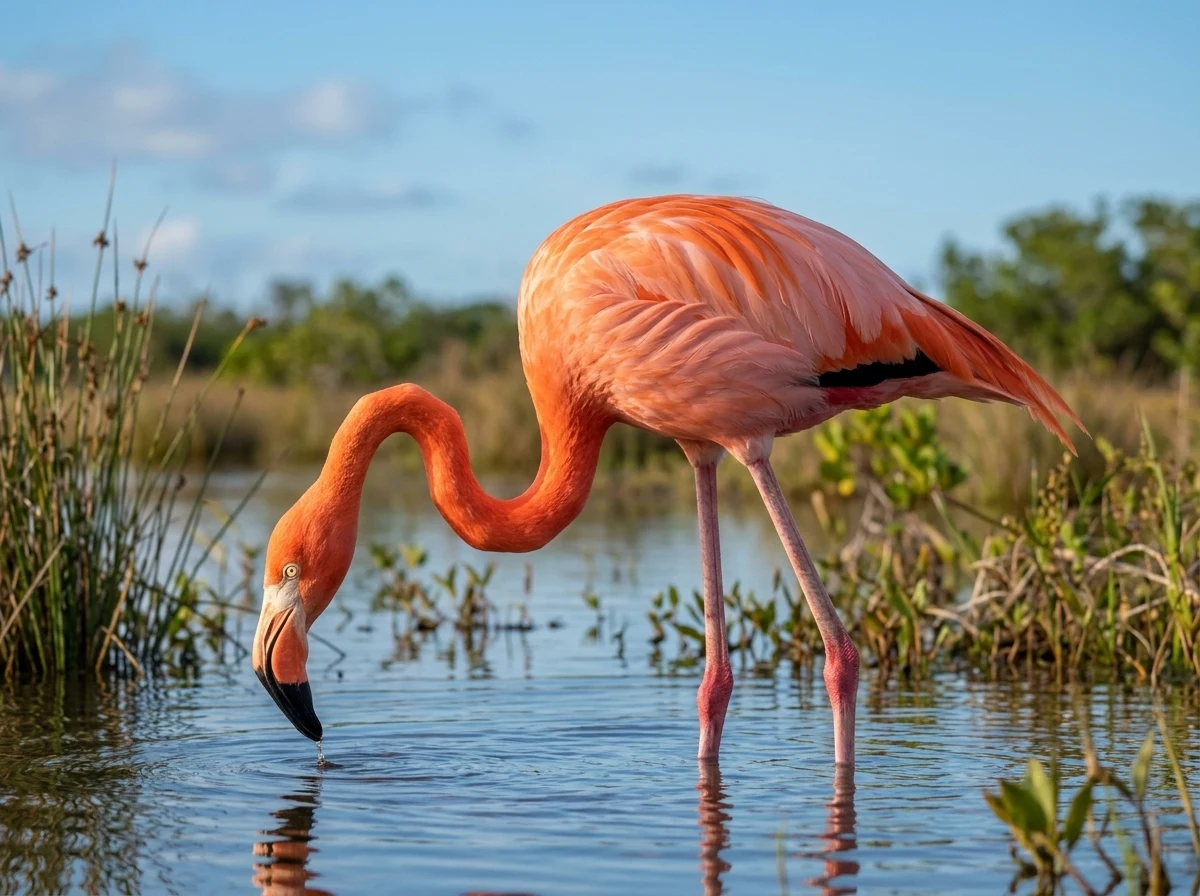
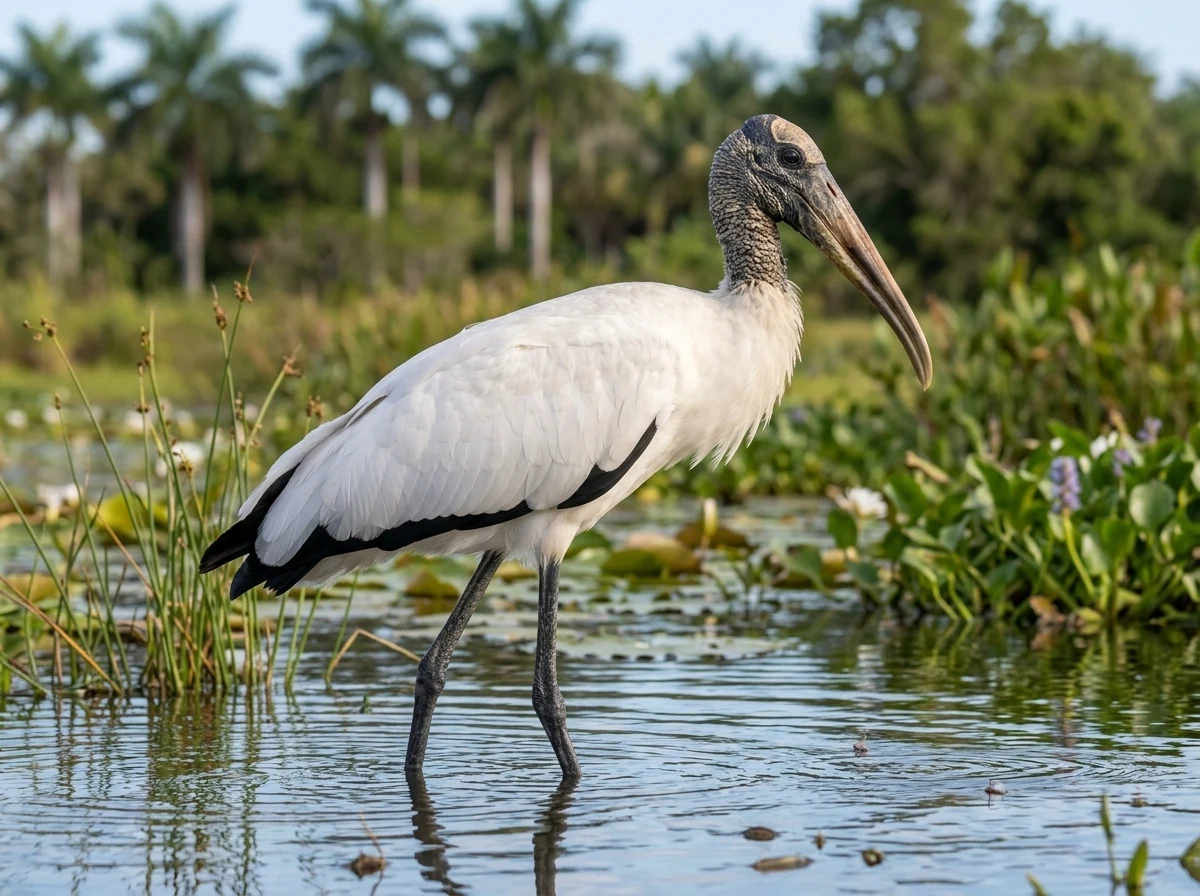
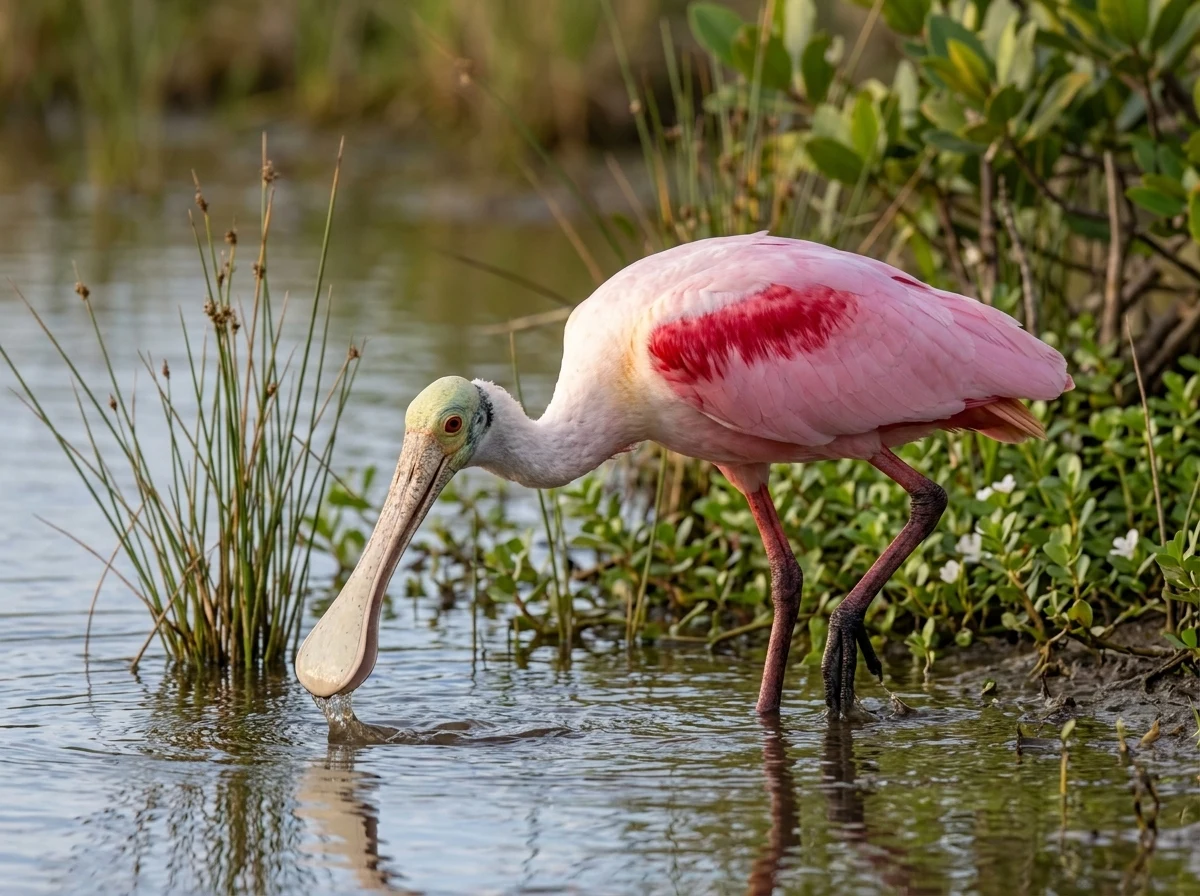
American White Pelican, American Flamingo, Wood Stork, and Roseate Spoonbill appear in the atlas because Puerto Rico records exist, but they are flagged as accidental or vagrant. They should not lead an everyday identification from size or color alone.
First eliminate residents and more regular visitors using complete photographs, date, municipality, habitat, and behavior. If a rare option remains, preserve original files, withhold nests or sensitive locations, and allow independent review without approaching the bird.
Linked profiles
Birds to compare
Open each profile to review names, marks, audio, habitat, status, and sources.
Sound archive
Hear its voice
Explore real songs and calls. The spectrogram turns each sound into a visual trace of time and frequency.
XC1120047Recording 1 of 3call

Play: call by Marcos E. Sosa
Choose another recording
Sound recorded by Marcos E. Sosa · XC1120047 · CC BY-NC-SA 4.0. Visualization by Stichting Xeno-canto voor Natuurgeluiden.
Every recording retains the creator, catalogue number, and license published by Xeno-canto. Metadata via GBIF ↗
01
What is the largest bird in Puerto Rico?
It depends on whether you compare height, length, mass, or wingspan. American White Pelican is among the largest documented species, but it is accidental; for everyday watching, Brown Pelican and Magnificent Frigatebird are more useful coastal benchmarks.
02
What large white bird might I see in Puerto Rico?
Start with Great Egret and confirm its straight bill, long legs, and flight shape. If size was hard to judge, compare smaller white egrets. White Ibis, American White Pelican, and Wood Stork require added evidence because the atlas flags them as accidental visitors.
03
What large black bird flies over the coast?
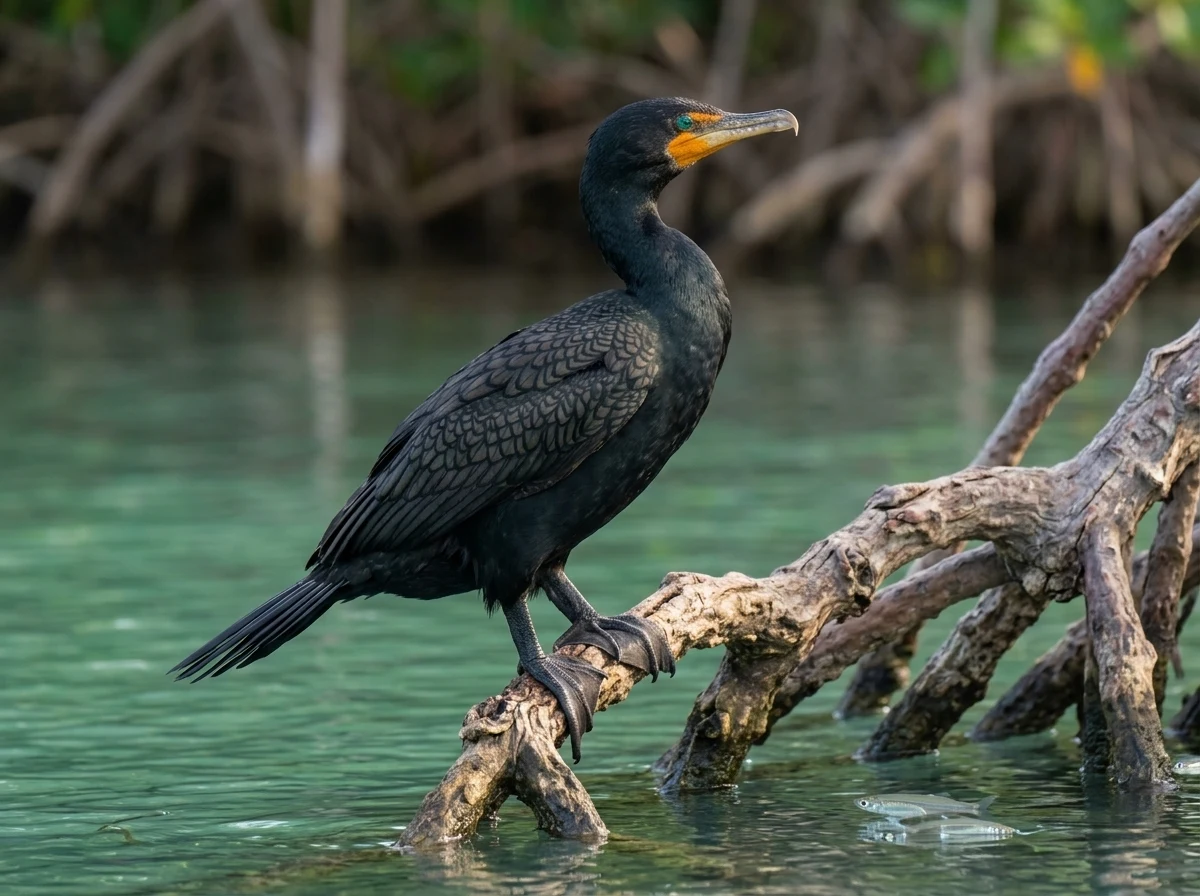
Magnificent Frigatebird is a strong candidate because of its angular wings and forked tail. Compare with Turkey Vulture over land, low-flying Brown Pelican, and perched or swimming cormorants; place and behavior matter as much as color.
04
How do I verify an identification or claim?
Compare more than one mark, check date and place, open the linked profile, and consult the sources published at the end of the guide.
Keep exploring
Connected routes
Sources and review
The evidence is one link away.
These sources support the editorial scope of this guide. Bird profiles also retain their own taxonomy, occurrence, and conservation references.
Reviewed:
01↗02↗03↗04↗
Sociedad Ornitológica Puertorriqueña
Official bird list
Local names, occurrence categories, and the public summary of 17 endemics.Cornell Lab of Ornithology
Bird identification by size and shape
A method for comparing relative size, silhouette, and proportions without relying on color alone.U.S. Forest Service Research and Development
Puerto Rico Breeding Bird Atlas
Distribution and breeding timing for 130 species breeding in Puerto Rico and its satellite islands.U.S. Fish and Wildlife Service
Brown Pelican
Federal description of Brown Pelican size, plumages, and diagnostic field marks.The atlas continues