 AI
AIFieldcraft guides
How to make a complete and useful eBird checklist
A complete checklist does not require identifying every bird: it requires intent, effort, and not omitting species you could identify. Here is the procedure, common mistakes, and an exercise to practice.
Reviewed: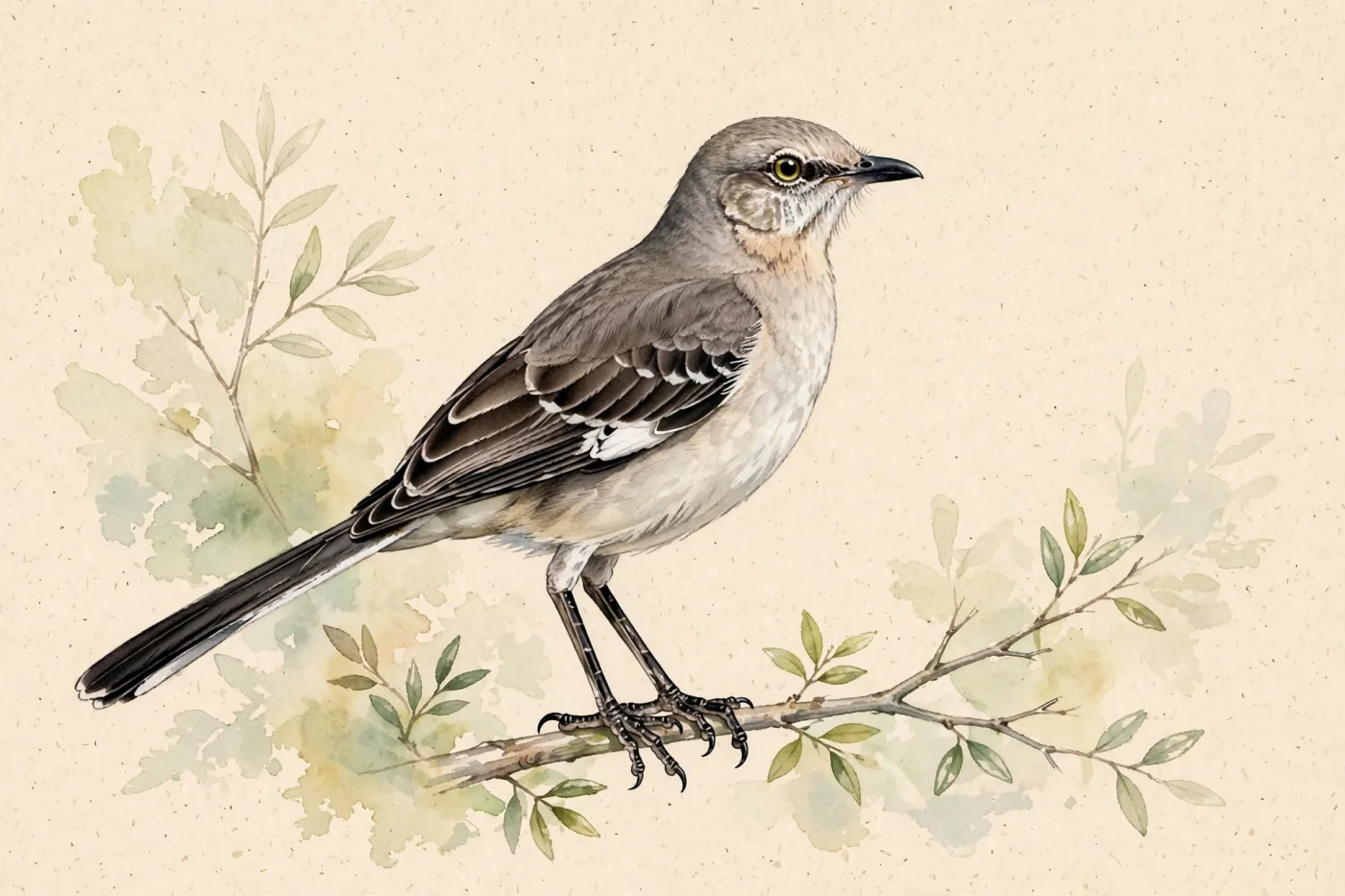
Prepared with AI assistance and linked sources. Illustrations are not field photographs.
The checklist that serves science
An eBird checklist is complete when birding was your primary purpose and you reported every species you could identify, by sight or sound, to the best of your ability. You do not need to count every individual or identify every bird to species; what you cannot do is intentionally leave out a species you detected and identified. That distinction is the basis for everything else.
Scientific usefulness comes from effort and context. A complete checklist tells eBird not only which birds you found, but also which species you did not observe. Knowing where birds are not is just as important as knowing where they are. That is why you should record duration, distance, protocol, and a precise location, and why you should start a new checklist when you change sites, habitats, or birding style.
Fieldcraft guides
Three keys to a useful checklist
CompletaPrimary purposeIf birding was not your primary purpose, use Incidental: eBird automatically marks it as not complete.
EsfuerzoDuration and distanceeBird recommends Traveling checklists under 5 miles (8 km) and Stationary checklists under 3 hours; under one hour or one mile gives even more precision.
ConteosNumbers, not just presenceUse 1 only if you saw exactly one individual; use X if you identified the species but did not count it. An estimate is more informative than X.
01
What “complete” means in eBird
eBird defines a complete checklist as any list where birding was the observer's primary purpose and every species the observer could identify to the best of their ability, by sight or sound, is reported. You do not need to count every individual, though accurate counts are preferred; the key is not intentionally leaving any species off the list. Nor do you need to identify every bird to species level or detect every bird present: birds you could not identify may be omitted, but eBird encourages using “spuhs” (for example, “hawk sp.”) or slash options (for example, “Sharp-shinned/Cooper's Hawk”) for partial identifications.
Incomplete checklists include, among others, lists of just the “highlights” from a trip, lists that exclude introduced or invasive species, and lists that omit heard-only species you could identify by sound. Incidental observations, when birding was not the primary purpose, can still be submitted, but eBird automatically marks them incomplete. Only complete checklists currently power eBird Status and Trends and many other research and conservation projects. It is acceptable to omit captive species, such as zoo birds or chickens in a coop; complete checklists refer only to wild birds.
02
Effort and area: when to start a new checklist
Each eBird checklist must correspond to a single calendar date and a single map location. eBird advises starting a new checklist any time you change birding locations, change major habitat types, change the type of birding (for example, from stationary to traveling), have been stationary more than an hour, or have been traveling more than a mile. The shorter the duration and distance, the more valuable the information, because long checklists over large areas say less about exactly where and when birds occurred.
eBird's “Pro Tip” recommends keeping Traveling checklists under 5 miles (8 km) and Stationary checklists under 3 hours; limiting them to under one hour or one mile provides even more precision. The protocol should describe how you birded: Stationary if you did not go more than about 100 ft (30 m) from the starting point, Traveling if you went farther and know or estimate the distance, Incidental if birding was not the primary purpose, and Historical if you know the date but not the exact start time, duration, or distance. eBird Mobile with tracking on adjusts the protocol and estimates distance and duration automatically, even without cell service.
03
Field procedure: from arrival to submission
Before heading out, choose a precise location that represents your activity and decide whether it will be stationary or traveling. On arrival, start eBird Mobile tracking if you will use it and note the start time. During the outing, stop, look, listen, and count: eBird recommends giving birds even a few minutes of concentrated attention, because checklists made with birding as the primary purpose have greater scientific value than incidental ones. Carry a notebook or a simple checklist so you do not lose data on common birds while searching for rarities; observers tend to “tune out” common species, and that creates gaps in the data.
When you finish, review the list before submitting. Check that no species you identified is missing, including heard-only birds and free-flying introduced species. Review counts: use exact numbers when you can, your closest estimate when you cannot, 1 only if you saw exactly one individual, and X if you identified the species but did not count it. Add notes, photos, or recordings for rare species or high counts. If eBird flags an observation as “Needs Details”, do not immediately remove it or lower the count: if you are confident, provide the requested details. A volunteer reviewer will evaluate the evidence and decide whether the record is accepted or left unconfirmed.
04
Common mistakes and how to avoid them
The most common mistake is submitting only the highlights. A “best of the outing” list is incomplete by definition, even if the rare species are well documented. Another mistake is excluding introduced species: if you see or hear Rock Pigeons, House Sparrows, or starlings, they belong on the list; omitting them makes it incomplete. A list that includes only birds seen and leaves out those identified by sound is also incomplete. And using 1 as a catch-all is a mistake: eBird asks you to use 1 only when you saw exactly one individual and X when you identified the species but did not count it.
Other problems are contextual. A checklist that spans multiple days, combines different locations, or adds observations from people who did not bird together does not meet the rules. Extremely long traveling checklists, over 50 miles (80.5 km), are automatically marked not public, and reviewers may hide shorter but unusually long checklists, generally over 15 miles. A checklist can also be marked not public for an incorrect location, an imprecise date, or the wrong protocol. The solution is simple: short checklists, one location, one date, a protocol that describes what you did, and every species you identified.
05
Exercise: a complete checklist in your yard
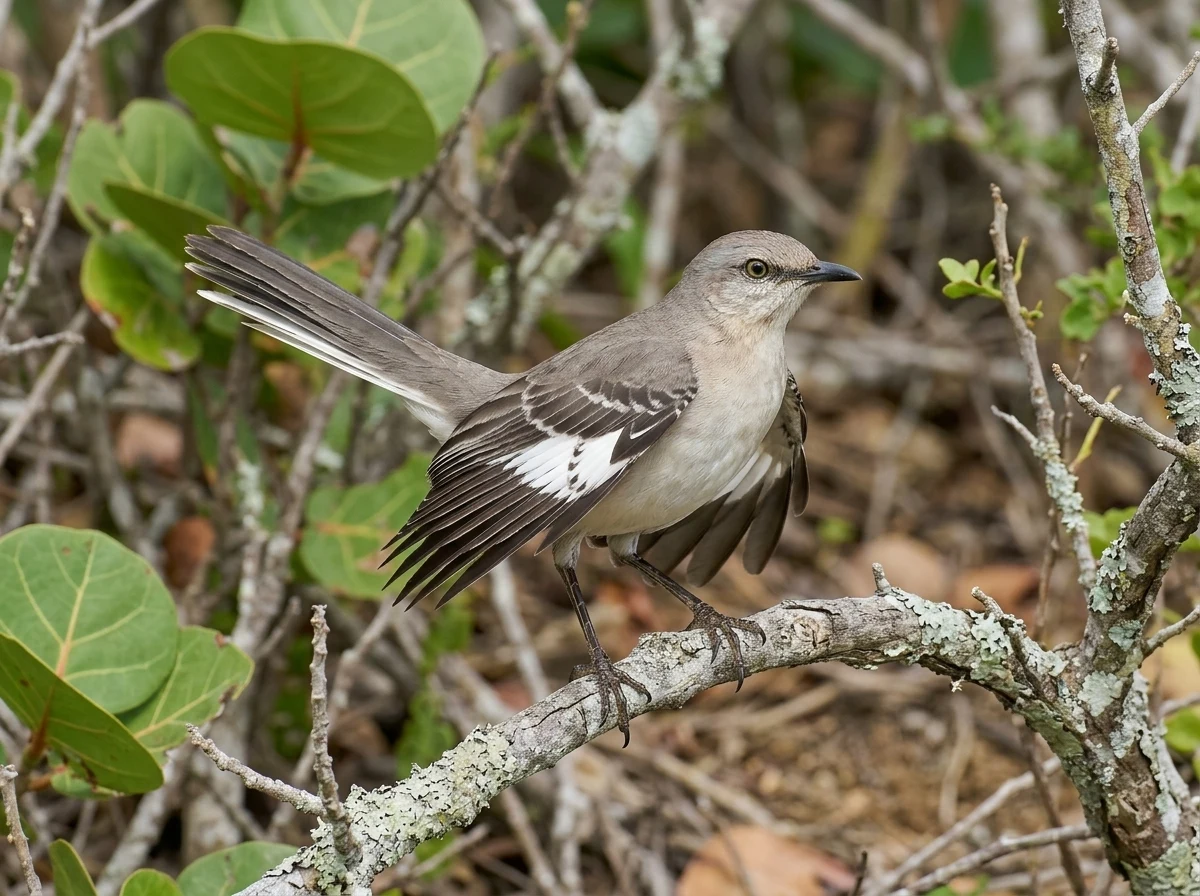
Choose a fixed point in your yard or balcony and sit for ten minutes with the intention of detecting every bird possible. Start a Stationary checklist in eBird Mobile and note the time. Listen carefully: if you identify a Northern Mockingbird by its song, it goes on the list even if you do not see it. If you see a Rock Pigeon or a House Sparrow, they go on too. If you cannot identify a bird, you may omit it or use a general category if your region's filter offers one. When you finish, check that nothing is missing and submit the list as complete.
Then repeat the exercise at the same point on another day and compare. Do the same species appear? Do the counts change? Did you notice a common species you had overlooked before? This simple habit trains what makes a checklist valuable: sustained attention, recording every identified species, and documented effort. BirdsCaribbean's Global Big Day recaps cover the Caribbean as a whole, not Puerto Rico alone. The 2025 recap lists Gray Kingbird and Northern Mockingbird among the most commonly reported birds in the Caribbean, and the 2026 recap repeats both names in that most-commonly-reported list and also presents a separate most-abundant metric headed by Laughing Gull and American Flamingo. That does not mean they are abundant in your yard, but it does show why a complete checklist with counts contributes more than a presence-only list.
Linked profiles
Birds to practice with
These species appear in the avespuertorico.com catalog and are useful for practicing complete checklists. Include free-flying introduced species when you see or hear them.



01
Do I have to count every individual for the checklist to be complete?
No. eBird states that you do not need to count every individual, though accurate counts are preferred. The essential thing is not intentionally omitting any species you identified. Use exact numbers when you can, your closest estimate when you cannot, 1 only if you saw exactly one individual, and X if you identified the species but did not count it.
02
Should I include Rock Pigeons and House Sparrows?
Yes, if they are free-flying. eBird asks you to include free-flying introduced species and specifically mentions Rock Pigeons, European Starlings, and House Sparrows. Omitting them makes the checklist incomplete. Captive birds, such as zoo birds or chickens in a coop, are not included.
03
What should I do if eBird flags my observation as “Needs Details”?
Do not immediately remove it or lower the count. If you are confident in your observation, provide the requested details: field notes, photos, or recordings. A volunteer reviewer will evaluate the evidence and decide whether the record is accepted or left unconfirmed. A flagged observation does not appear publicly until a reviewer evaluates it.
04
When should I start a new checklist?
Start a new checklist when you change birding locations, change major habitat types, change the type of birding (for example, from stationary to traveling), have been stationary more than an hour, or have been traveling more than a mile. eBird recommends keeping Traveling checklists under 5 miles (8 km) and Stationary checklists under 3 hours; under one hour or one mile provides even more precision.
05
Can I submit a checklist if birding was not my primary purpose?
Yes, but use the Incidental protocol. eBird automatically marks those checklists as not complete and does not allow you to change it, because when birding is not the primary focus you may not give birds the attention needed for a complete checklist. If you have time and are not driving, try to focus on birds for even a few minutes to turn it into a complete Stationary or Traveling checklist.
Keep exploring
Connected routes
Sources and review
The evidence is one link away.
These sources support the editorial scope of this guide. Bird profiles also retain their own taxonomy, occurrence, and conservation references.
Reviewed:
01↗02↗03↗04↗05↗06↗07↗08↗
eBird / Cornell Lab of Ornithology (Help Center)
Birding as your 'Primary Purpose' and Complete Checklists
Evidence for cited sections; consult the original document.eBird / Cornell Lab of Ornithology (Help Center)
eBird Best Practices
Evidence for cited sections; consult the original document.eBird / Cornell Lab of Ornithology (Help Center)
eBird Protocols
Evidence for cited sections; consult the original document.eBird / Cornell Lab of Ornithology (News)
Bird Counting 101
Evidence for cited sections; consult the original document.eBird / Cornell Lab of Ornithology (Help Center)
The eBird Review Process (eBird Data Quality)
Evidence for cited sections; consult the original document.BirdsCaribbean
Global Big Day 2026 Makes History: The Biggest West Indies Big Day Ever
Evidence for cited sections; consult the original document.BirdsCaribbean
#GBD2025 Recap: Big Wins for Birds and Birders in the Caribbean
Evidence for cited sections; consult the original document.eBird / Cornell Lab of Ornithology (regional bird list)
Bird List - Las Piedras, Puerto Rico
Evidence for cited sections; consult the original document.The atlas continues