 AI
AILearning guide
Conservation Debate: Cats and Birds
A practical guide to debate with evidence, without oversimplifying a topic that mixes conservation, animal welfare, and community decisions.
Reviewed: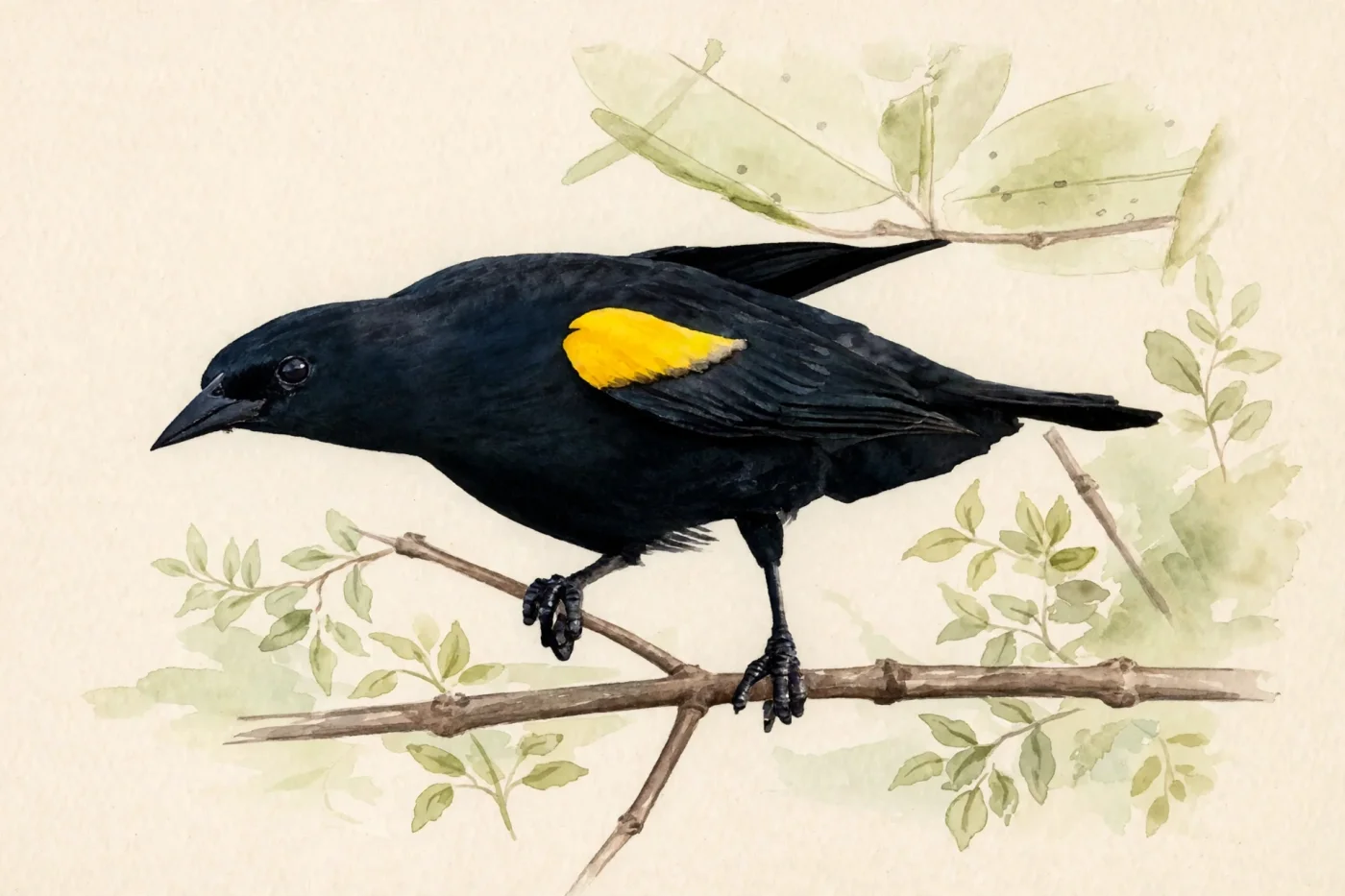
Prepared with AI assistance and linked sources. Illustrations are not field photographs.
Why this debate matters
The debate about cats and birds in Puerto Rico is not an abstract exercise. Several endemic birds face documented threats, and feral and free-ranging cats appear among the predators mentioned in official conservation documents. At the same time, cat welfare and human responsibility toward animals also matter. A good school debate does not seek an easy winner; it teaches students to separate evidence from opinion, recognize uncertainty, and propose ethical solutions.
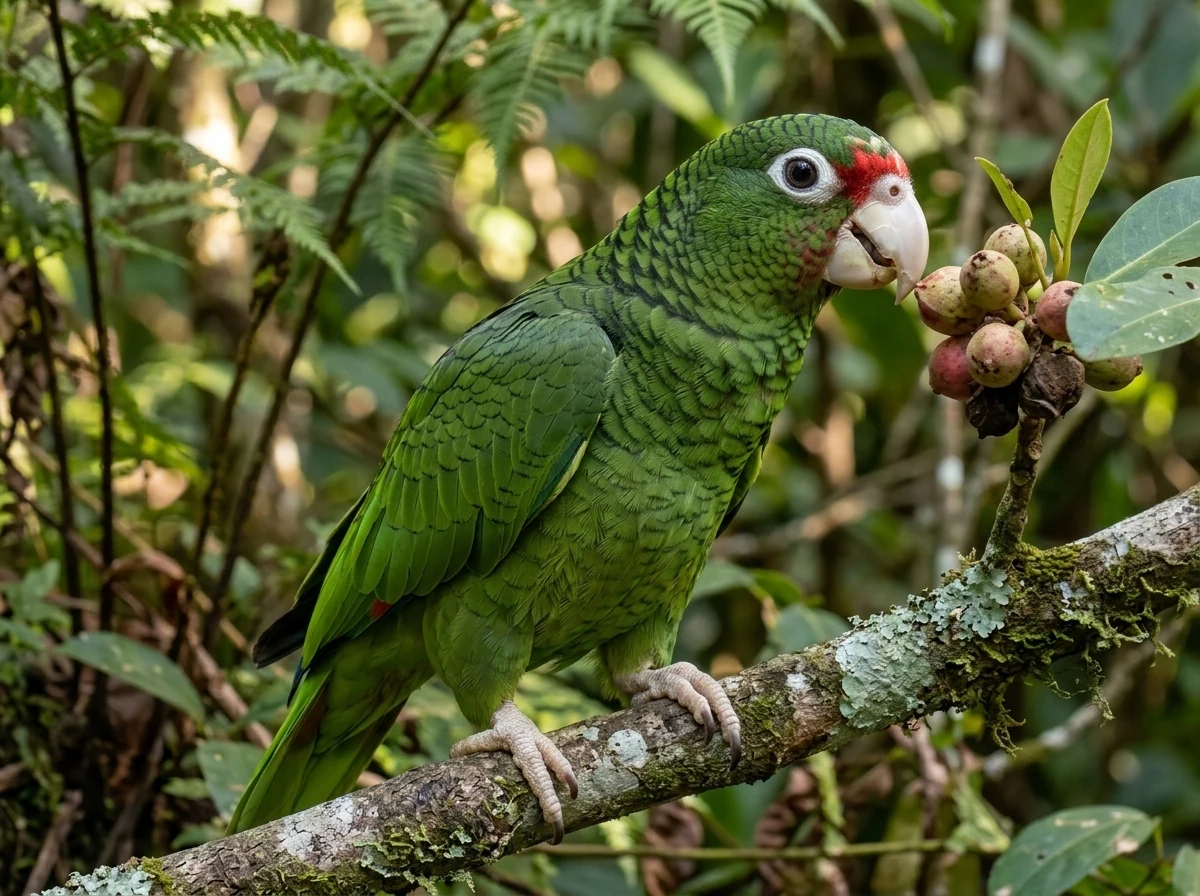
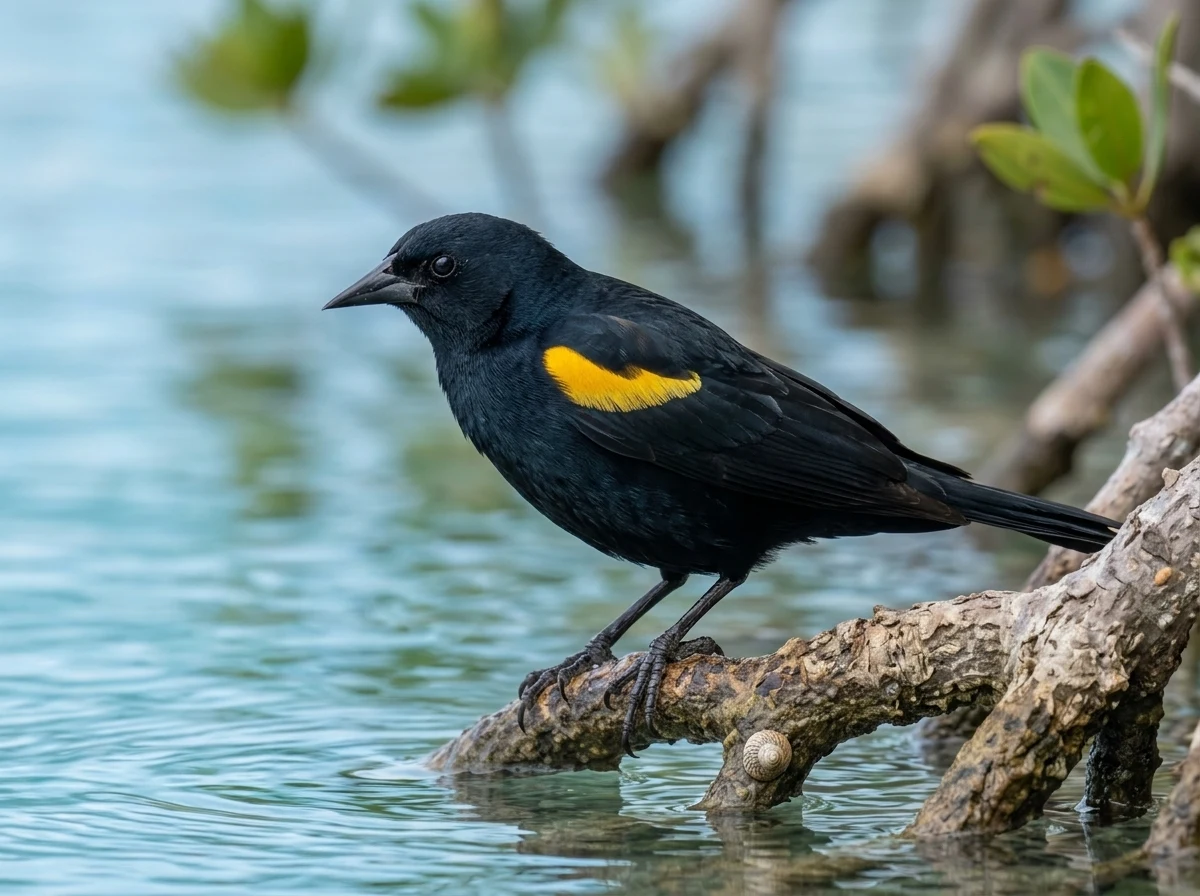
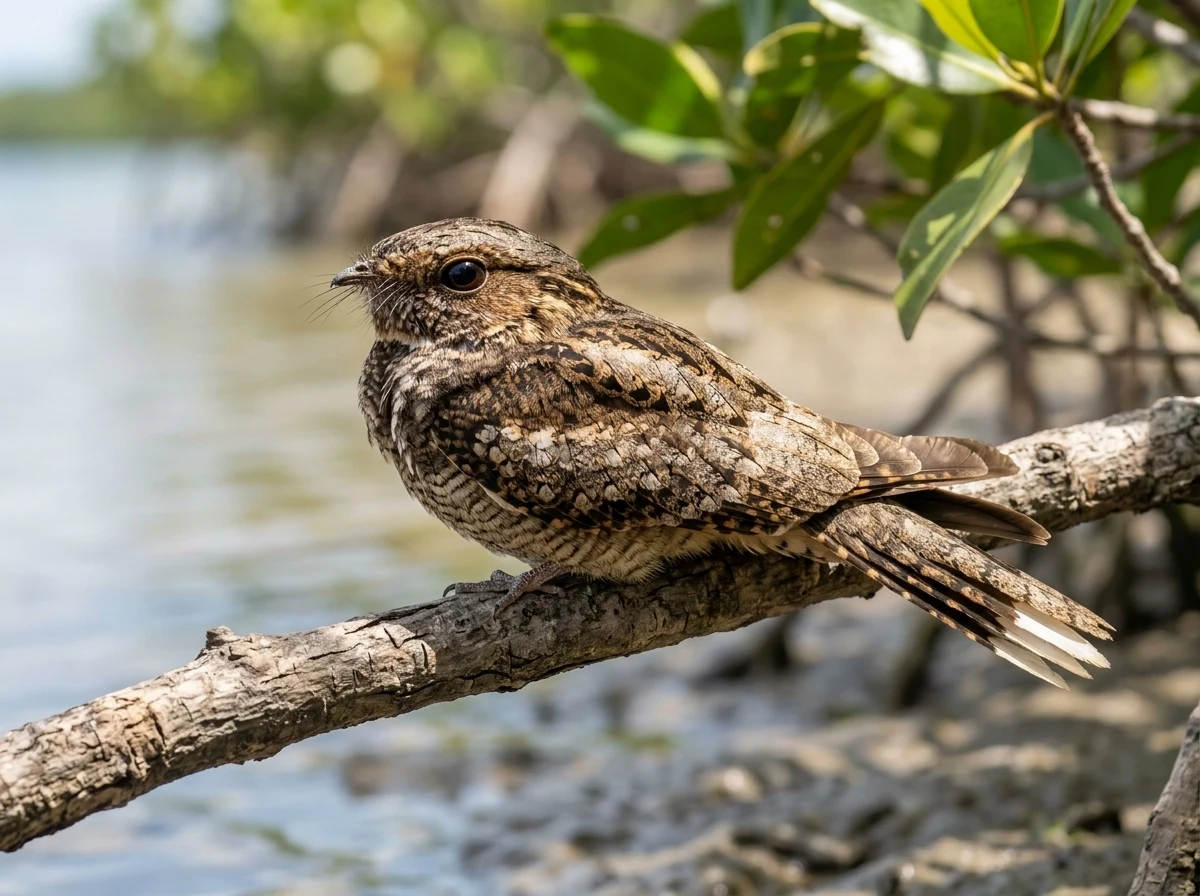
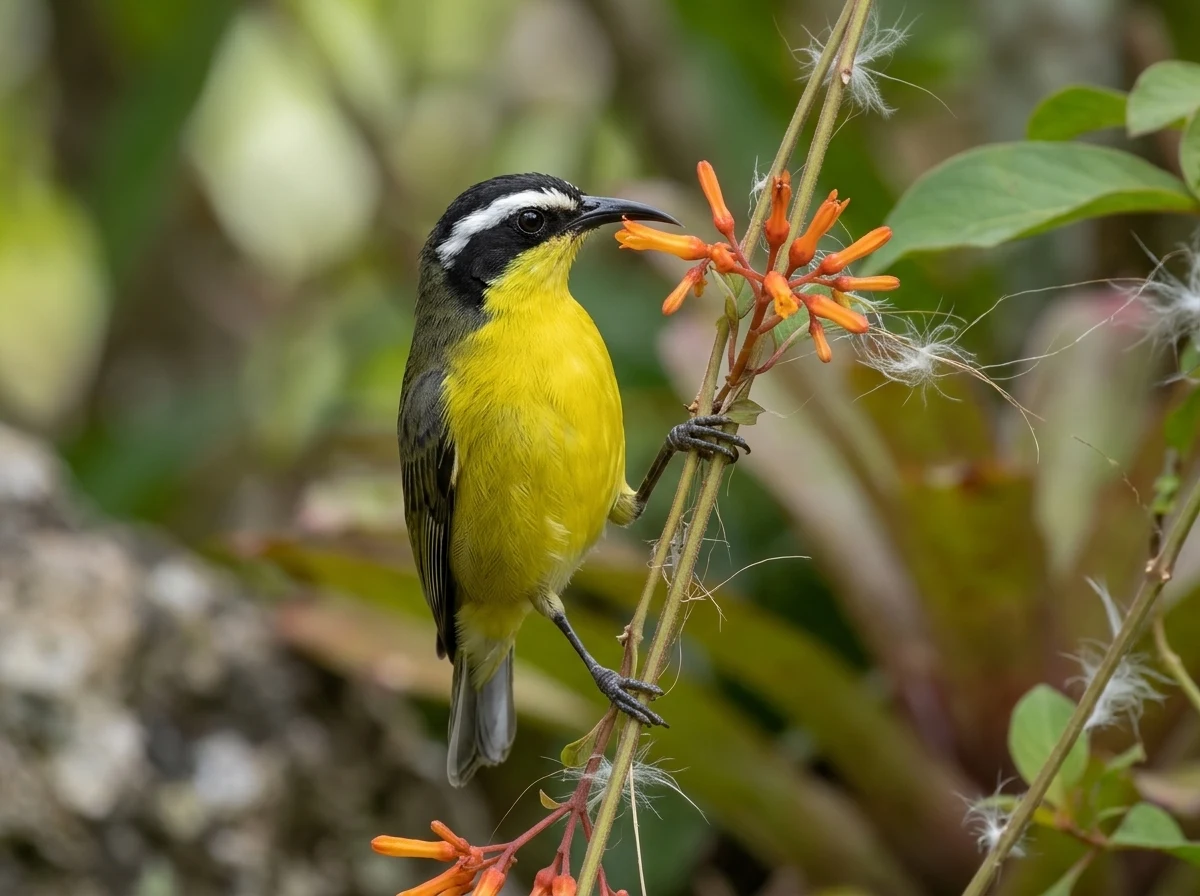
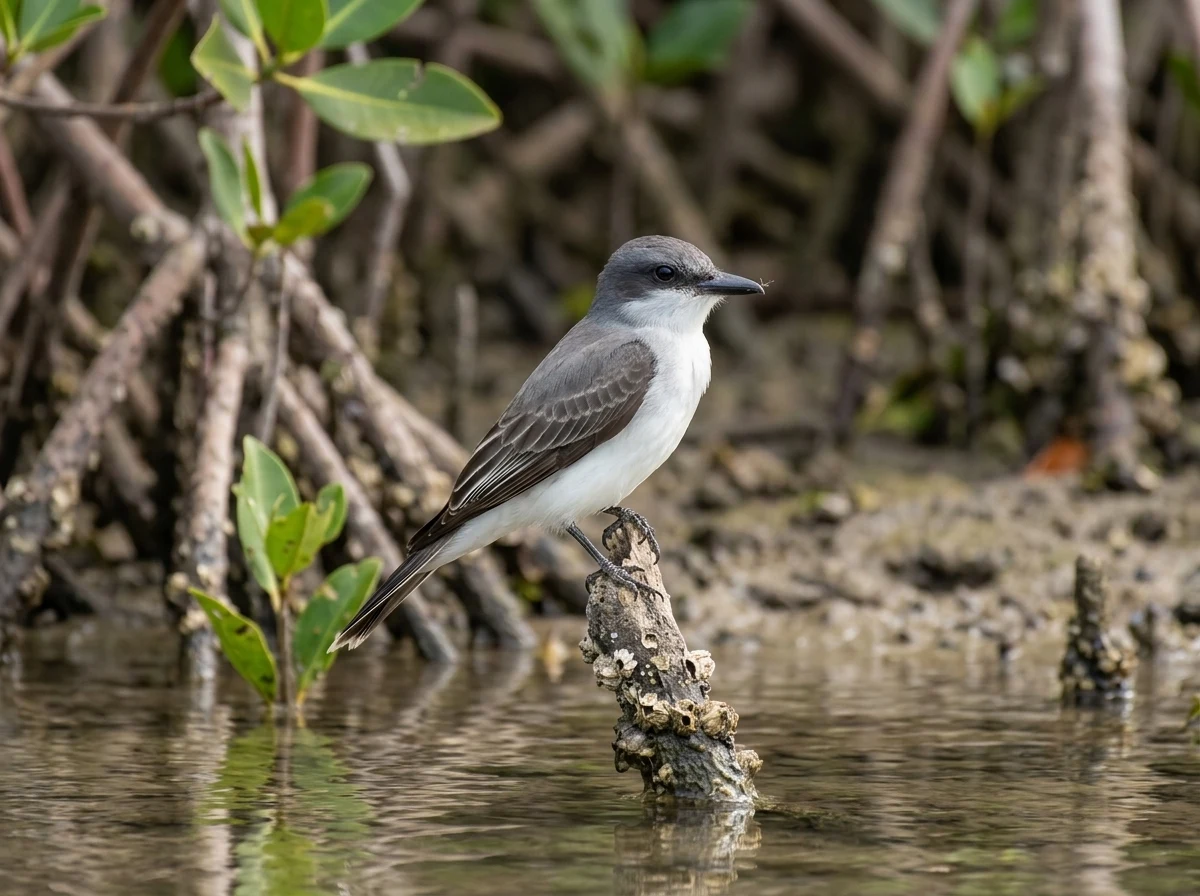
This guide offers a ready-to-use classroom format: roles, guiding questions, verifiable data, and an observation procedure. The goal is for students to practice critical thinking while learning about birds such as the Puerto Rican Amazon, the Yellow-shouldered Blackbird, the Puerto Rican Nightjar, the Bananaquit, and the Gray Kingbird. It is not about blaming cats or people, but about understanding a real conservation conflict and seeking data-based agreements.
Learning guide
Debate facts
Tresendemic birds in the debateThe Puerto Rican Amazon, Yellow-shouldered Blackbird, and Puerto Rican Nightjar are endemic to Puerto Rico according to the bird catalog. The Yellow-shouldered Blackbird recovery plan specifically documents feral cat predation for that species.
Depredadoresfree-ranging cats among threatsThe Yellow-shouldered Blackbird recovery plan mentions feral cats among the predators affecting the species. The USDA Wildlife Services document includes feral and free-ranging cats among the target species that can cause damage to natural resources in Puerto Rico.
Solucionesethical and evidence-basedThe debate must consider animal welfare, colony management, and habitat protection.
01
What the scientific evidence says
Conservation documents for Puerto Rico identify feral and free-ranging cats as predators of threatened birds. The Yellow-shouldered Blackbird (Agelaius xanthomus) Recovery Plan states that the main threats to the species include habitat loss and degradation, predation by other species (e.g., rats, feral cats, and raptors), and nest parasitism by the shiny cowbird. The Yellow-shouldered Blackbird is endemic to Puerto Rico, and its populations are small and fragmented, making them vulnerable.
The Puerto Rican Amazon (Amazona vittata) is another endemic and critically endangered species according to the bird catalog. The Puerto Rican Nightjar (Antrostomus noctitherus) inhabits subtropical dry limestone forest, coastal dry forest, and scrub; its population is estimated at 1,400 to 2,000 individuals, and predation by mongooses, rats, and cats is mentioned as a factor to control in its catalog entry. These data do not mean cats are the only cause, but they are part of the documented problem.
02
How to organize the classroom debate
Divide the class into four teams: bird conservation, animal welfare, community, and public policy. Each team researches and presents arguments based on the available documents. The conservation team focuses on evidence about predation and threatened species. The animal welfare team investigates ethical management methods, such as sterilization, adoption, and managed colonies. The community team explores how decisions affect residents, cat owners, and volunteers. The public policy team analyzes what laws and agencies exist in Puerto Rico.
Each team must prepare three evidence-based arguments, one question for another team, and one proposed solution. The debate is divided into three rounds: argument presentation, cross-examination, and agreement proposals. At the end, the class votes on the proposal that best balances conservation and animal welfare. The teacher acts as moderator and ensures no one uses fallacies or personal attacks.
03
Guiding questions for the debate
These questions help deepen the discussion without oversimplifying: What evidence exists that free-ranging cats affect endemic birds in Puerto Rico? How do we distinguish between natural predation and predation by introduced species? What solutions exist that protect birds without causing unnecessary suffering to cats? Who should make decisions about cat management: the government, communities, or conservation organizations? How can we measure whether a solution works?
Another key question is how to prioritize limited resources. The Yellow-shouldered Blackbird, the Puerto Rican Amazon, and the Puerto Rican Nightjar face multiple threats: habitat loss, hurricanes, parasitism, and predation. The debate must recognize that addressing only one factor may not save a species. Students can propose a combination of actions: protect habitat, control predators ethically, educate cat owners, and support scientific research.
04
Observation exercise and checklist
To connect the debate with the real world, students can conduct a structured observation in a nearby yard, park, or green area. This is not about capturing or disturbing animals, but about recording what they see for 20 minutes. The goal is to practice data collection and recognize the difference between observation and opinion. It can be done silently, with a notebook or table, and then results can be compared in class.
Observation checklist: 1) Date, time, and place. 2) Weather conditions. 3) Did you see cats? How many? Were they alone or in a group? 4) Did you see birds? Which ones? Use the bird guide to identify them. 5) Were the birds on the ground, in shrubs, or in trees? 6) Did you notice any interaction between cats and birds? 7) Were there feeders, garbage, or cat shelters? 8) What questions arise? 9) What data are missing to answer them? 10) How could you obtain that data ethically?
This exercise does not prove causation. Seeing a cat near a bird does not mean it preyed on it. But it helps formulate hypotheses and understand why controlled research is needed. Students can compare their observations with data from official documents and discuss the differences between anecdotal and scientific evidence.
05
Ethical and evidence-based solutions
The debate should end with concrete proposals. The Yellow-shouldered Blackbird Recovery Plan mentions predator control and nest management as recovery actions. For cats, ethical options include sterilization and adoption programs, managed colonies with controlled food and shelter, and responsible pet ownership campaigns. No solution is perfect, but they can be combined to reduce impact without ignoring animal welfare.
It is important to avoid oversimplifications like “all cats are bad” or “birds will save themselves.” Evidence shows that threatened species face multiple pressures. A comprehensive approach includes protecting and restoring habitat, controlling invasive species such as rats and mongooses, reducing shiny cowbird parasitism, and managing cat populations humanely. Students can propose a local education campaign, a citizen science project, or a letter to an agency requesting more research.
Linked profiles
Key birds in this debate
These species help focus the debate on real conservation in Puerto Rico.
01
Are cats the only cause of bird declines in Puerto Rico?
No. Official documents mention multiple threats: habitat loss, hurricanes, shiny cowbird parasitism, rats, mongooses, and cat predation. The debate must recognize that causes are complex and addressing only one factor is not enough.
02
What ethical solutions exist for managing cats without causing suffering?
Sterilization and adoption programs, managed colonies with food and shelter, and responsible pet ownership campaigns. These measures aim to reduce impact without ignoring animal welfare. Evidence on their effectiveness varies and requires monitoring.
03
How can I use scientific data in a school debate?
Cite official documents such as the Yellow-shouldered Blackbird Recovery Plan. Distinguish between anecdotal observation and reviewed evidence. Acknowledge uncertainty and avoid absolute claims.
04
Which endemic birds are most vulnerable to cats?
The Yellow-shouldered Blackbird appears in the recovery plan with threats that include predation by feral cats. The Puerto Rican Nightjar appears in the bird catalog with predation by mongooses, rats, and cats as a factor to control. The Puerto Rican Amazon is critically endangered and faces habitat loss and other pressures, although its situation is more complex.
05
How do I close the debate constructively?
Ask each team to propose a concrete, realistic action. Then the class votes on the proposal that best combines bird conservation and animal welfare. Close by reminding everyone that the goal is to learn to make informed decisions, not to win an argument.
Keep exploring
Connected routes
Sources and review
The evidence is one link away.
These sources support the editorial scope of this guide. Bird profiles also retain their own taxonomy, occurrence, and conservation references.
Reviewed:
01↗02↗
U.S. Fish and Wildlife Service
Yellow-shouldered Blackbird (Agelaius xanthomus) Recovery Plan Amendment
Evidence for cited sections; consult the original document.USDA Wildlife Services / U.S. Fish and Wildlife Service
Environmental Assessment: Managing Damage Caused by Mammal and Reptile Species in Puerto Rico
Evidence for cited sections; consult the original document.The atlas continues