 AI
AIThreats and solutions
Cats and Birds in Puerto Rico: Impact and Solutions
An emotional topic told through the available data: who is responsible for each cat, what they eat, and how to protect birds without cruelty.
Reviewed:Do cats affect Puerto Rico's birds?
Yes. Free-roaming cats hunt birds, nestlings, and eggs, and in Puerto Rico they are documented as predators on Mona Island and as a threat to the Puerto Rican Parrot and the Plain Pigeon. There is no estimate of how many birds they kill on the island, but in the United States cats are estimated to kill 1.3 to 4.0 billion birds a year.
The solution is not to blame cats but to change how we manage them: keep owned cats indoors or in enclosed spaces, spay and neuter and promote adoption, avoid feeding colonies near nesting areas, and protect natural reserves. This guide summarizes what studies and the law say, without exaggerating or minimizing the problem.
Threats and solutions
What the studies show
1.3–4.0 mil millonesbirds killed yearly in the U.S.Estimate by Loss et al. (2013); unowned cats cause most of it.
14 %of modern extinctionsIsland cats contributed to 33 Red List bird, mammal, and reptile extinctions.
178cats in Old San Juan2018 estimate (±21), about 3.6 cats per hectare.
01
Why cats are a special problem on islands
Domestic cats rank among the world's 100 worst invasive species. On islands, where many birds evolved without mammalian predators, free-ranging cats have contributed to 33 modern bird, mammal, and reptile extinctions recorded by the IUCN, 14% of the total. A cat does not need to be hungry to hunt.
An experiment cited in Dauphiné and Cooper's 2009 review found no link between hunger and hunting behavior, so a well-fed cat may be no less likely to kill than a hungry one. Unlike mainly nocturnal native predators, cats hunt day and night, and in the open in urban areas.
02
Mona Island: what the stomachs revealed
Cats have been on Mona since at least 1898, and about 200 were estimated in 1975. In a three-year project published in 2001, the DNER trapped 21 cats in 336 hours of trapping and hunters removed 12 more. Of 33 stomachs analyzed, 22 held food: arthropods (40%) and reptiles (33%) were the most common prey, including Mona's endemic lizards.
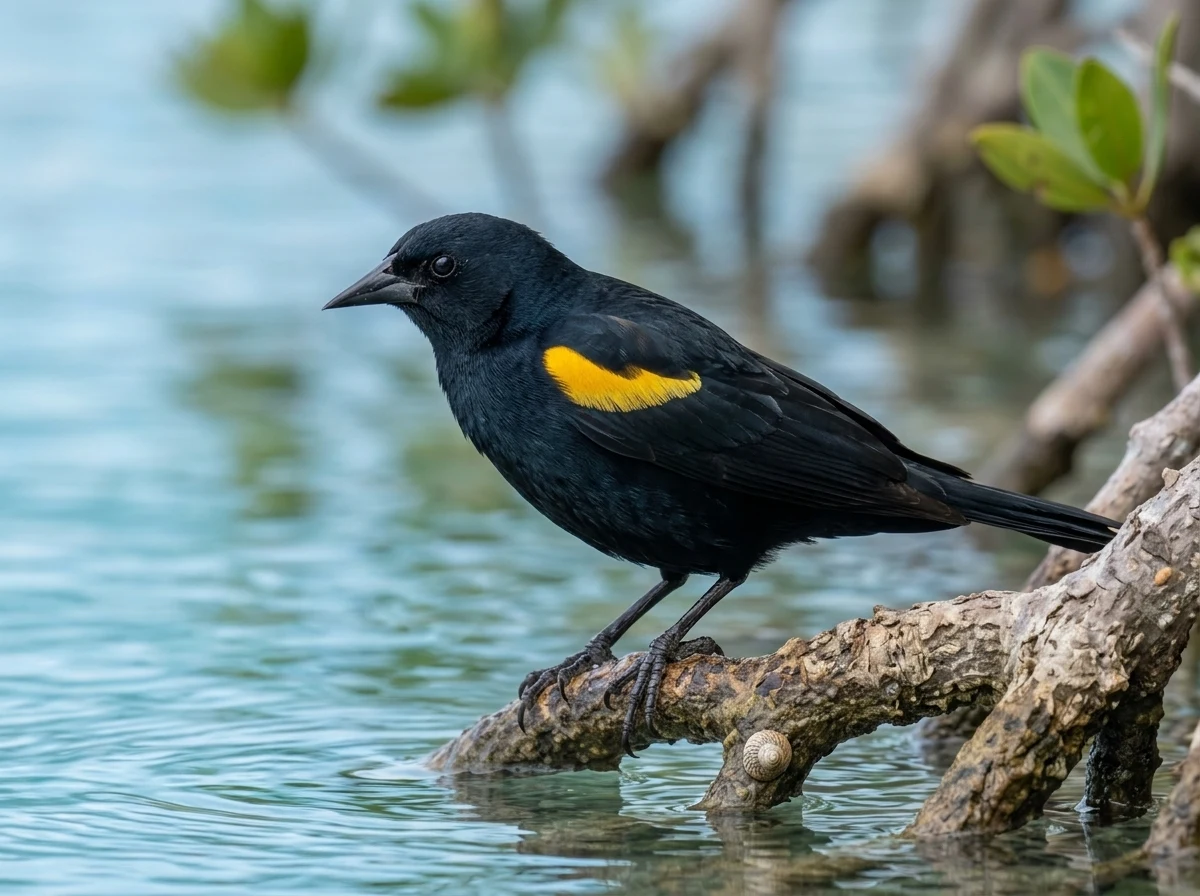
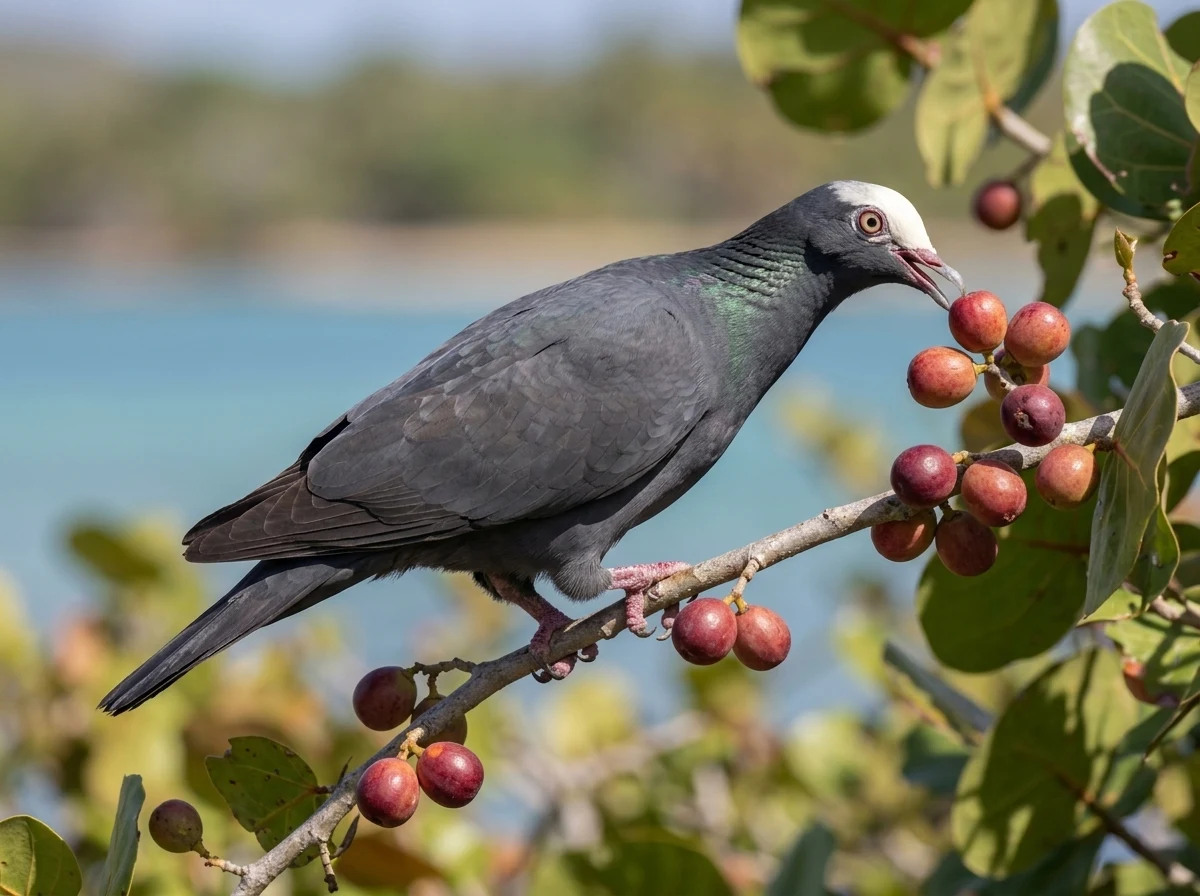
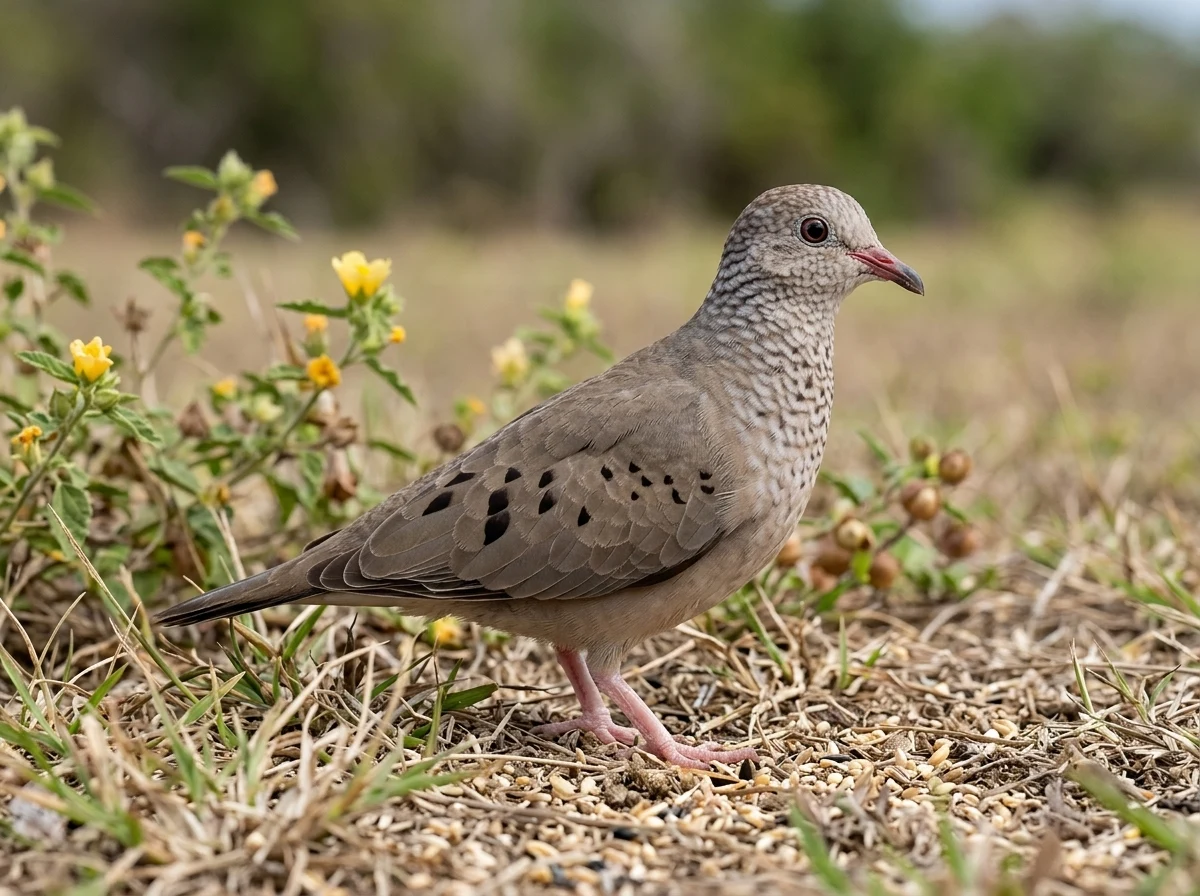
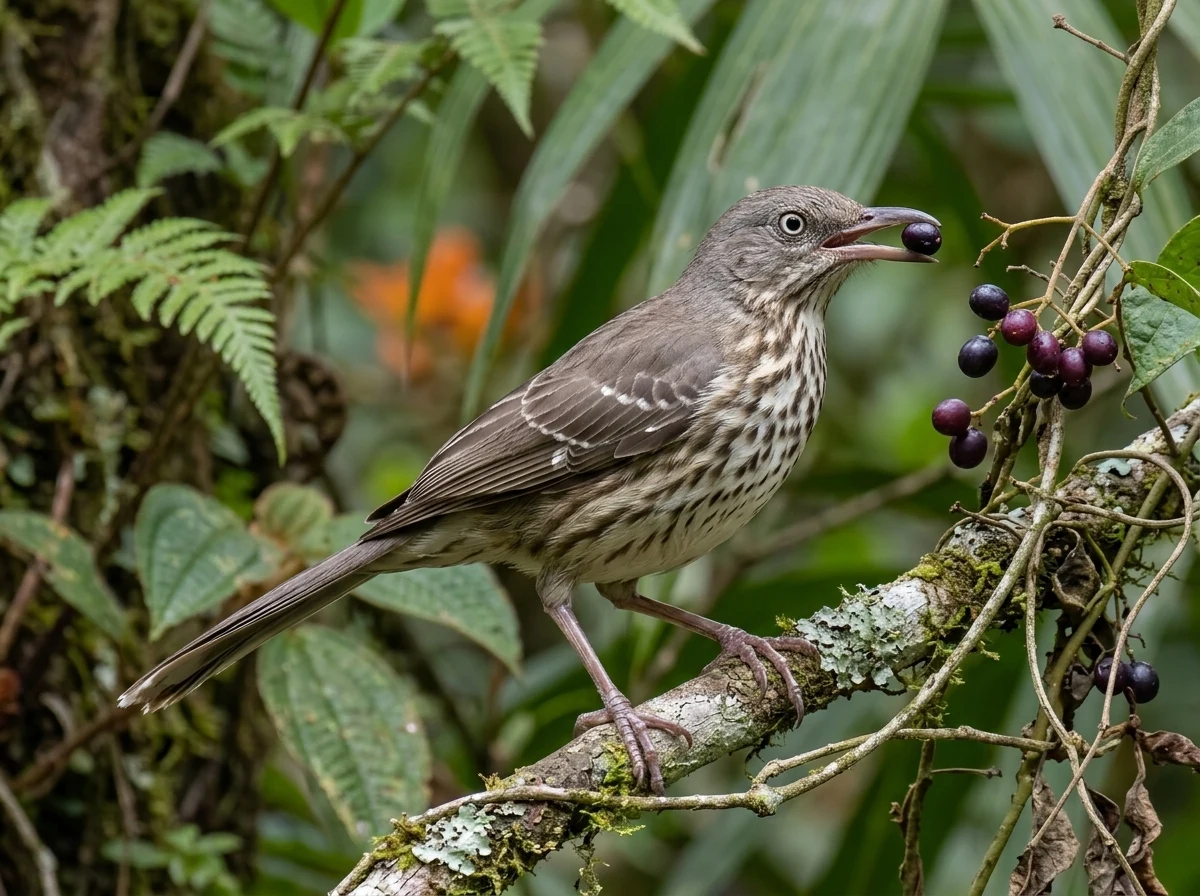
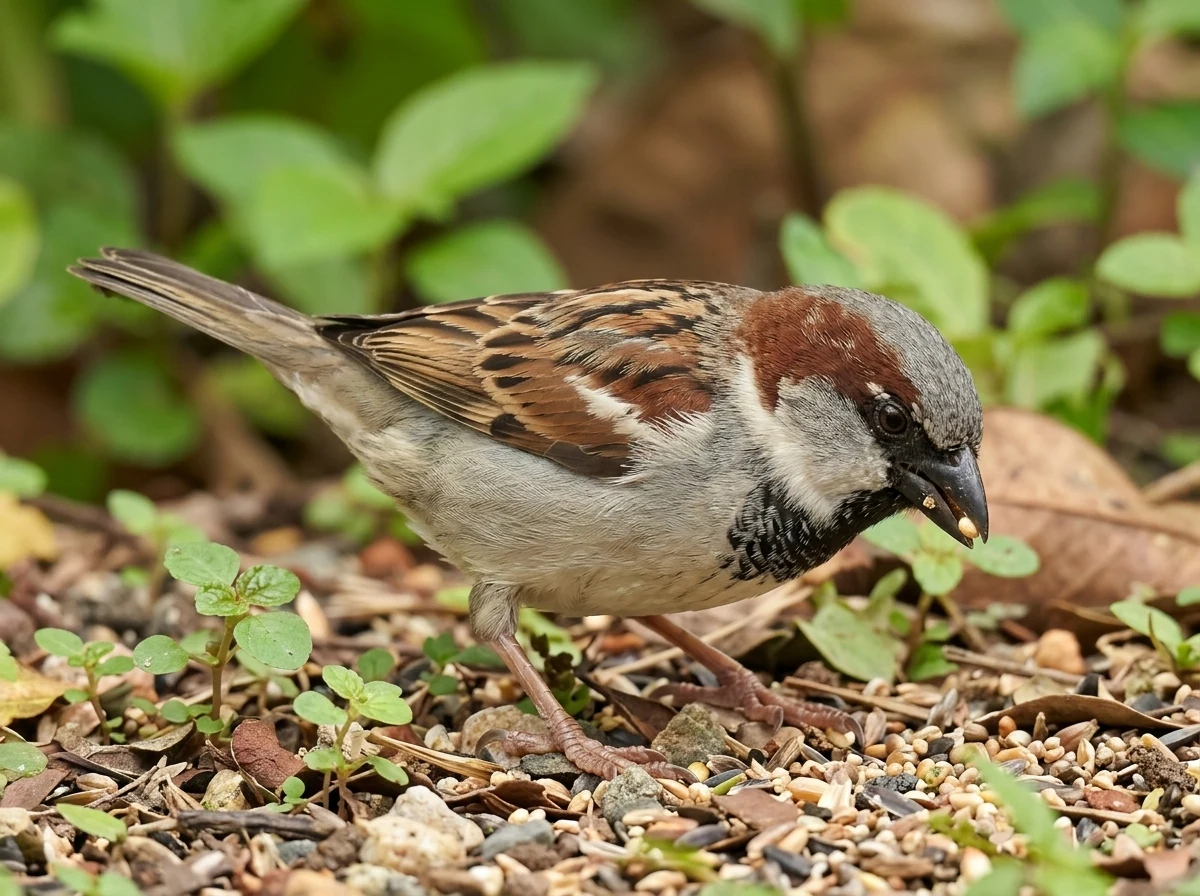
Three stomachs contained bird feathers and skin. The species identified were Pearly-eyed Thrasher, Common Ground-Dove, White-crowned Pigeon, and House Sparrow. The authors cautioned that cats likely prey opportunistically on Mona's Yellow-shouldered Blackbirds and on migratory birds, and recommended long-term control because eradication from a 55 km² island would require enormous resources.
03
Cats and endangered birds on the main island
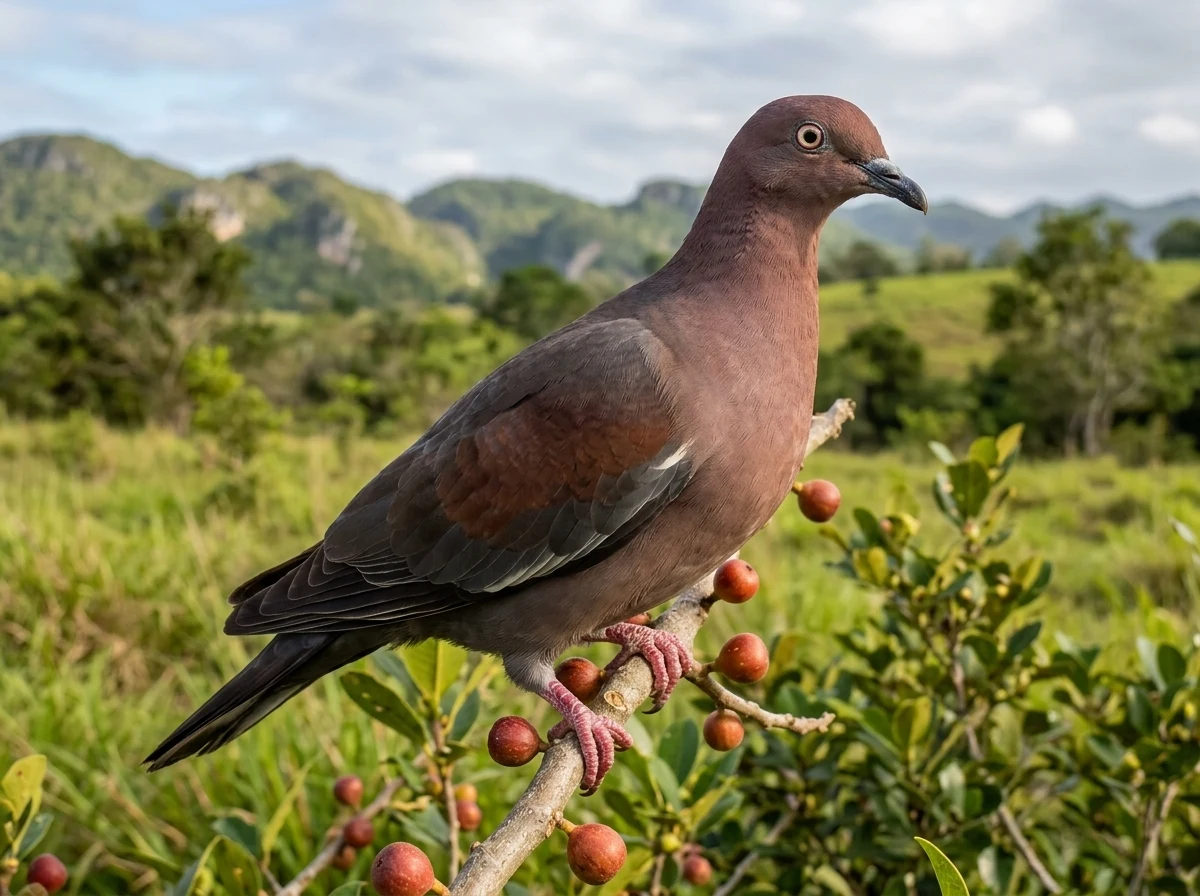
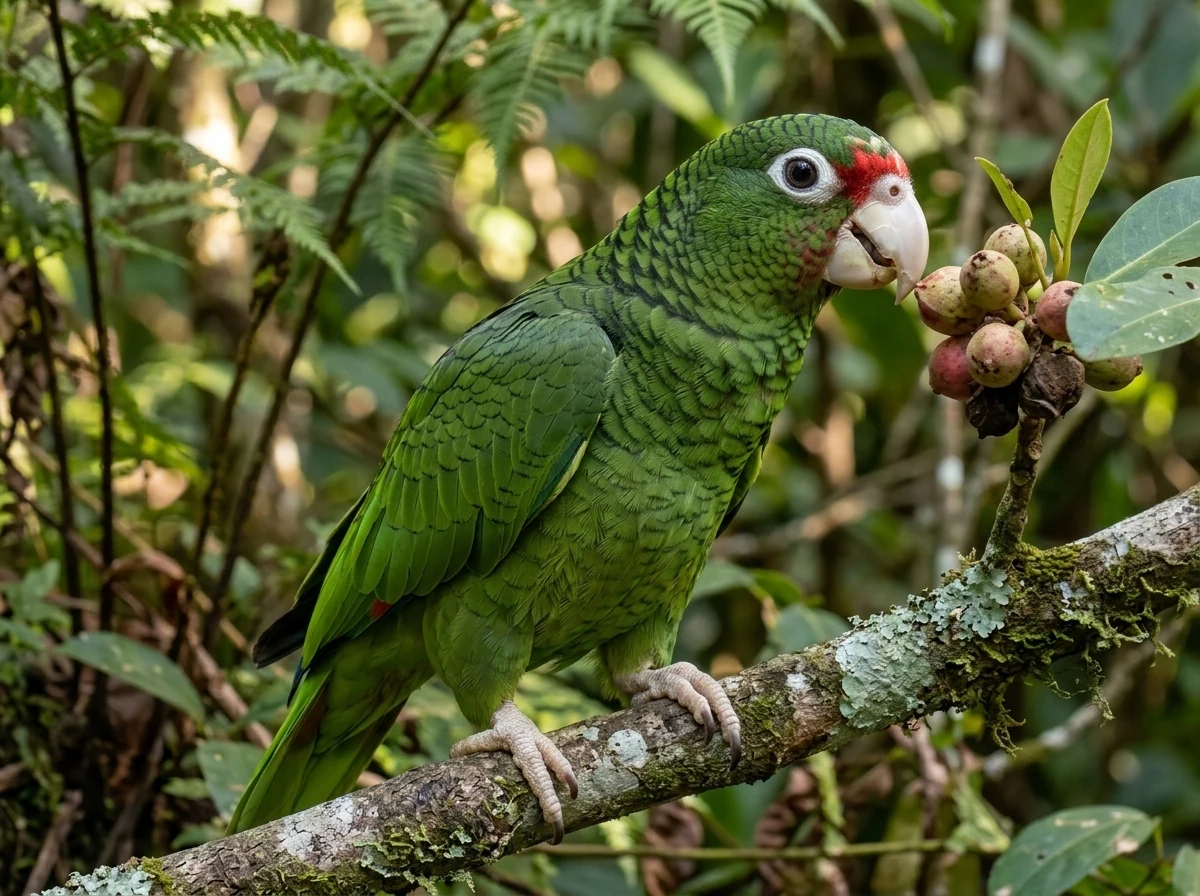
Feral cats have been documented as predators of the Puerto Rican Parrot in studies from 1959 and 1987, alongside rats and mongooses, according to the 2021 federal environmental assessment. At Plain Pigeon nesting areas, researchers often observed cats and dogs, and in 2022 and 2023 documented a cat foraging near a nest.
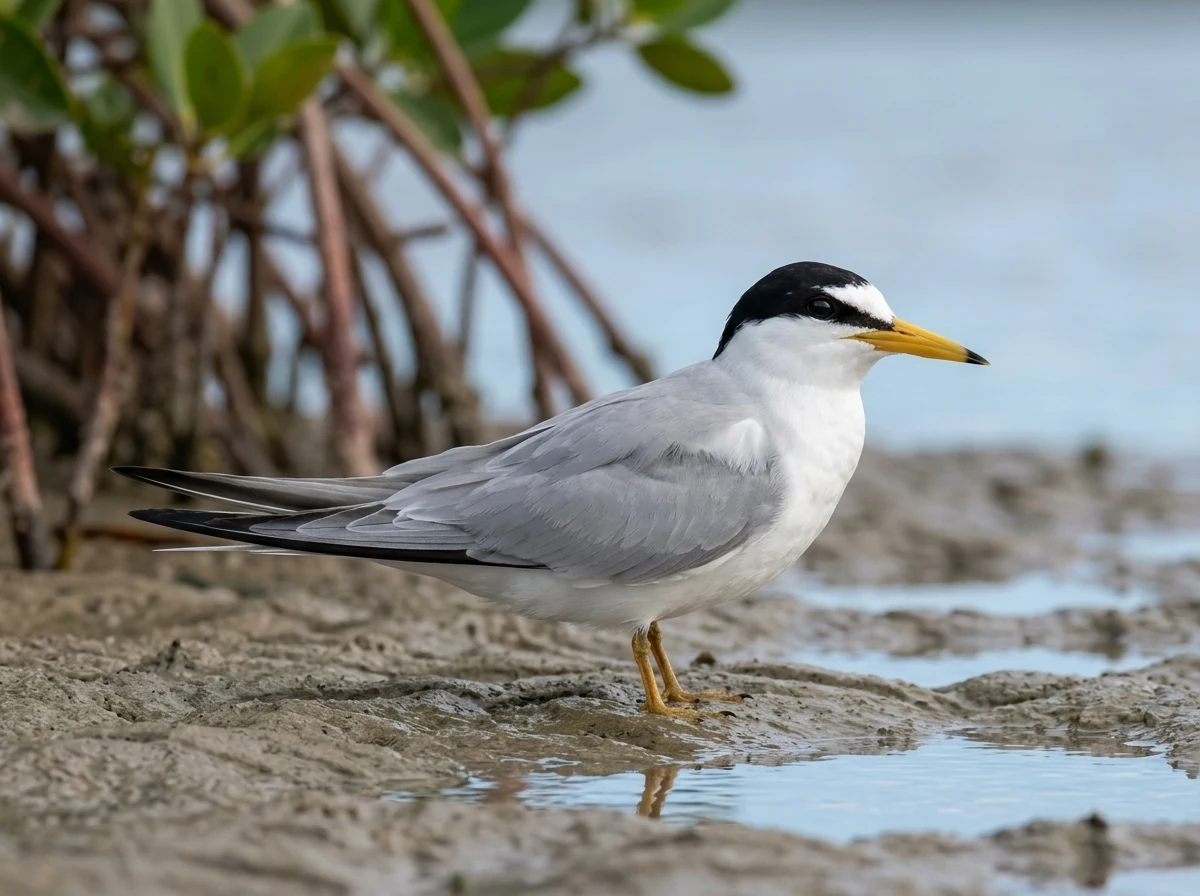
Birds that nest on or near the ground are especially exposed. In Australia, a single desexed semi-feral cat caused a tern colony to be abandoned and 111 nests to fail, and killed six adults. That case illustrates the risk for beach-nesting birds in Puerto Rico such as the Least Tern.
04
Urban colonies: the Old San Juan case
A University of Puerto Rico study estimated 178 cats (±21) across 49 hectares of Old San Juan, about 3.6 per hectare. Of 149 individuals identified, 105 (70%) were neutered and 32 (21%) were in very poor physical condition. Cats clustered strongly in residential areas where people provided food.
The authors reviewed the literature on trap-neuter-return: combined with adoption it reduced some U.S. colonies, but it proved ineffective in open populations or those above 50 cats, populations rebounded when programs stopped, and it does not address predation. Sterilization helps cat welfare, but on its own it does not protect birds.
05
What Puerto Rico law says
Responsibility depends on the type of cat. Stray cats that rely on people to survive fall under municipal authority. Cats that become feral and no longer rely on people are considered wildlife under DNER authority, and capturing or removing them requires a permit under Act 241.
In natural reserves, wildlife refuges, and state forests, Regulation 6765 treats feral cats as a harmful exotic species. According to the 2021 federal environmental assessment, from fiscal years 2015 through 2020 the federal Wildlife Services program live-captured 89 cats in Puerto Rico and released them or handed them to animal control facilities to assess adoptability.
06
Solutions that protect birds and cats
If you have a cat, the most effective step is keeping it from roaming: indoors, in an enclosed patio, or on a leash. That removes its predation and also protects the cat from cars, fights, and disease. Spay or neuter your cat and never abandon animals: unowned cats cause most bird deaths, according to Loss and colleagues.
If you feed street cats, do it away from nesting areas, mangroves, nesting beaches, and reserves, and support programs that pair sterilization with adoption to shrink the colony. In east-central Puerto Rico during Plain Pigeon nesting, these steps make a difference. If you see cats in reserves or refuges, report it to the area's managers or to the DNER.
Linked profiles
Birds affected by cats in Puerto Rico
Species found in cat stomachs on Mona, endangered birds with documented predation, and ground-nesting birds.
Sound archive
Hear its voice
Explore real songs and calls. The spectrogram turns each sound into a visual trace of time and frequency.
XC46655Recording 1 of 3call

Play: call by Daniel Lane
Choose another recording
Sound recorded by Daniel Lane · XC46655 · CC BY-NC-SA 3.0. Visualization by Stichting Xeno-canto voor Natuurgeluiden.
Every recording retains the creator, catalogue number, and license published by Xeno-canto. Metadata via GBIF ↗
01
Do cats kill a lot of birds?
Yes. In the United States, a 2013 study estimated that free-ranging cats kill 1.3 to 4.0 billion birds a year, likely making them the largest human-related source of bird deaths. No equivalent estimate exists for Puerto Rico.
02
Does a well-fed cat still hunt birds?
Yes. Experimental evidence reviewed by Dauphiné and Cooper (2009) found no link between hunger and hunting in cats, so feeding them does not stop hunting. The only sure way to keep your cat from hunting is to keep it from roaming.
03
Which Puerto Rico birds do cats hunt?
On Mona, remains of Pearly-eyed Thrasher, Common Ground-Dove, White-crowned Pigeon, and House Sparrow were found in cat stomachs. Cats are also documented predators of the Puerto Rican Parrot and have been seen near Plain Pigeon nests, both endangered species.
04
Does trap-neuter-return protect birds?
Not on its own. Sterilization can shrink some colonies when paired with adoption, but neutered cats keep hunting. In Australia, a single desexed cat caused 111 tern nests to fail.
05
Who is responsible for stray cats in Puerto Rico?
It depends. Stray cats that rely on people fall under municipal authority; cats that become feral and no longer rely on people are considered wildlife under the DNER. In natural reserves and state forests, Regulation 6765 treats feral cats as a harmful species.
06
How do I protect birds if I have a cat?
Keep your cat indoors, in an enclosed patio, or on a leash, and spay or neuter it. If you feed street cats, do it away from nests, beaches, and reserves. These steps protect birds and also shield cats from cars, fights, and disease.
Keep exploring
Connected routes
Sources and review
The evidence is one link away.
These sources support the editorial scope of this guide. Bird profiles also retain their own taxonomy, occurrence, and conservation references.
Reviewed:
01↗02↗03↗04↗05↗06↗07↗08↗
Nature Communications
Loss, Will, and Marra (2013): wildlife mortality caused by cats in the U.S.
Estimate of 1.3 to 4.0 billion birds killed annually and cats' role in island extinctions.Caribbean Journal of Science / DRNA
García, Diez, and Álvarez (2001): impact of feral cats on Mona Island wildlife
Stomach contents of Mona cats, bird prey, and control recommendations.Puerto Rico Health Sciences Journal
Castro-Prieto and Andrade-Núñez (2018): stray cats in Old San Juan
Cat population size and density, share neutered, and review of trap-neuter-return effectiveness.USDA APHIS Wildlife Services, en consulta con el DRNA
Environmental assessment: managing mammal and reptile damage in Puerto Rico (2021)
Table C.3 of DNER-designated critically endangered, endangered, and vulnerable species; summary of Regulation 6766 and legal authority over feral cats.Proceedings of the Fourth International Partners in Flight Conference
Dauphiné and Cooper (2009): impacts of free-ranging cats on birds
Evidence that hunger and hunting are not linked in cats, and review of colony programs.Animals (MDPI), vía PubMed Central
Greenwell et al. (2019): cat predation on a tern colony
Documented case of a single desexed cat causing the failure of 111 nests.U.S. Fish and Wildlife Service, Caribbean Ecological Services Field Office
Puerto Rican Plain Pigeon: 5-year status review (August 2025)
Population history, 2024 estimate, nesting, threats, 1982 recovery-plan criteria, and recommended actions.Oficina de Gerencia y Presupuesto, Gobierno de Puerto Rico
New Wildlife Law of Puerto Rico, Act 241-1999 as amended
Official text (rev. April 16, 2026): definitions, Article 6 prohibited acts, and Article 22 penalties.The atlas continues