 AI
AIFieldcraft guide
Why to Limit Pishing and Other Bird-attraction Methods
Pishing can reveal hidden birds, but it also changes their behavior. This guide explains what the sources say, when to hold back, and how to watch with respect.
Reviewed: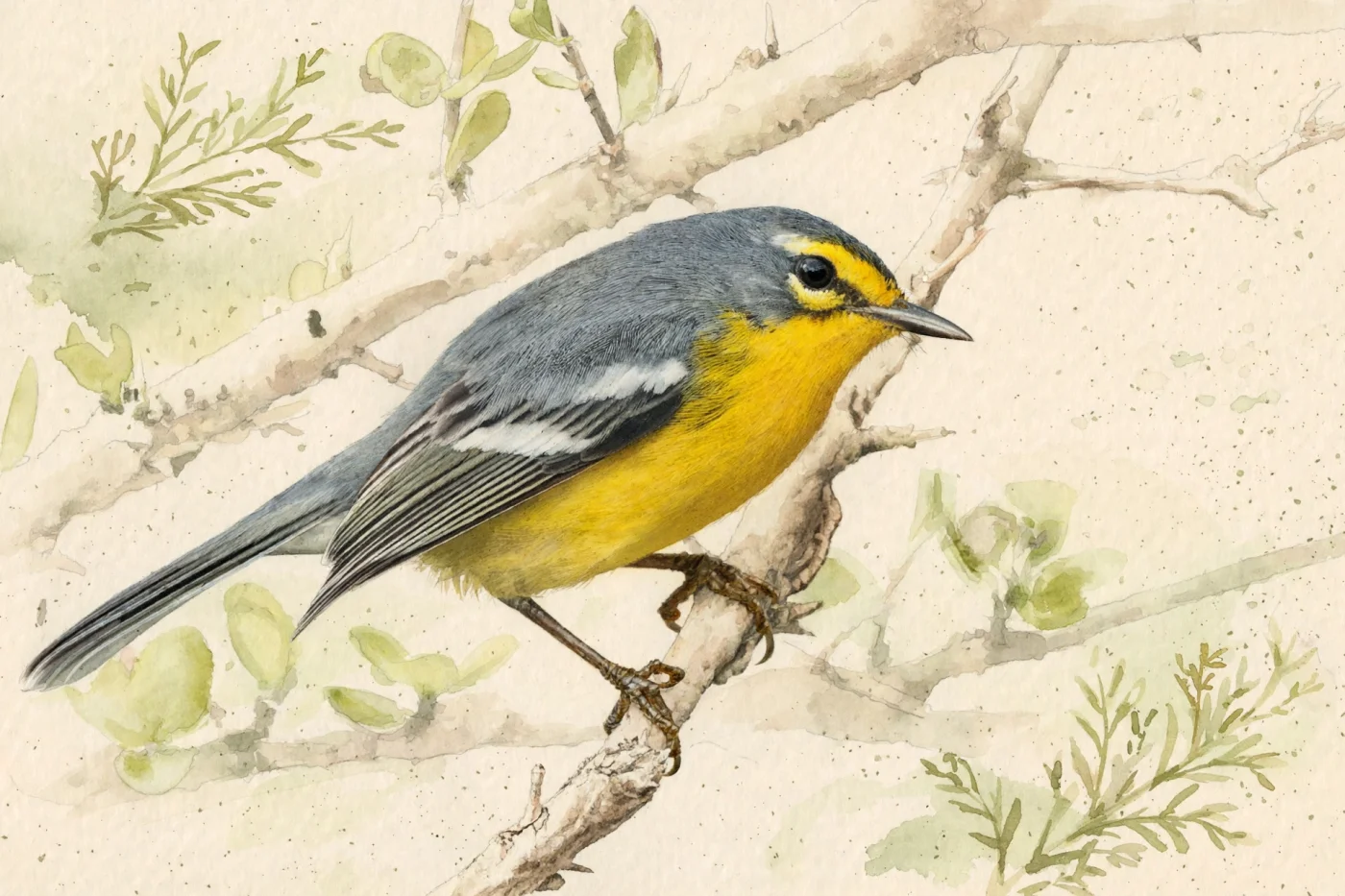
Prepared with AI assistance and linked sources. Illustrations are not field photographs.
A tool with limits
Pishing is a vocal technique that imitates alarm or scold calls of birds. The idea is that other birds come to investigate the supposed threat, emerge from dense vegetation, and become visible. It is a widely accepted practice among birders, but it is not neutral: it changes bird behavior and exposes them. The ABA itself asks birders to avoid stressing birds and to limit audio methods of attracting them, especially in heavily birded areas and for rare or threatened species.
This guide does not teach harassment or promise that no harm occurs. It explains what is known, what is recommended, and how to decide when not to pish. It also covers other attraction methods, such as playback of recordings, and offers passive observation alternatives. The goal is to enjoy sightings without triggering repeated defensive responses or disrupting birds more than necessary.
Fieldcraft guide
Three key takeaways
Una herramienta, no un hábitoPishing is a targeted techniqueThe ABA recommends limiting audio methods of attracting birds, especially in heavily birded areas and for rare or threatened species.
Detente al identificarRule of thumb: pish until you identify, then stopAudubon suggests pishing only until you can identify the bird, then stopping, to reduce behavioral disruption.
Anidaje: máxima cautelaAvoid playback during nesting seasonAudubon notes that using predator or competitor calls during breeding can distract parents and leave eggs or chicks vulnerable.
01
What pishing is and how it is done
Pishing imitates the alarm or scold calls birds make when a predator is near. According to Audubon, the standard pish is a drawn-out 'shhh' with a 'p' at the front: 'Psshhhh'. Short 'chit' notes can be mixed in. The logic is that these sounds are recognizable across species: when one bird makes them, others come out to see what is happening. That is why it works best with small scrub and forest birds such as warblers, wrens, sparrows, and similar species.
The technique described by Audubon is simple: make the sound and watch. If birds respond, they emerge from vegetation and come closer. If there is no response, do not persist. Audubon suggests a rule of thumb: use pishing only until you can identify the bird, then stop. It is not a tool for keeping birds exposed for long periods or for extended photography.
02
How pishing and playback affect birds
Pishing changes bird behavior: it tricks them into doing something they would not otherwise do. Audubon describes it as a widely accepted practice and less potentially harmful than playing recordings, but recommends using it carefully. The ABA, in its code of ethics, asks birders to avoid stressing birds and to limit the use of recordings and other audio methods of attracting them, especially in heavily birded areas, for rare species, and for threatened or endangered species.
Playback (playing recorded songs or calls) is more intense. Audubon explains that it can be used to mimic a competitor or a predator, and that research on its impacts is ongoing. Documented risks include: distracting birds from their nests, causing them to burn energy, and leaving eggs or chicks vulnerable to predators.
03
When to avoid pishing and playback
Avoid pishing and especially playback during nesting season. Audubon notes that it is imperative to refrain from using playback during breeding, because birds may be drawn away from their nests to confront the perceived predator or rival. This distracts them from parental duties, burns vital energy reserves, and leaves eggs or chicks exposed. It should also be avoided with at-risk species: never use predator or competitor playback in the presence of threatened or endangered species, or to call in rare vagrants.
The ABA adds that birders should be particularly cautious around active nests, nesting colonies, roosts, display sites, and feeding sites. Audio methods should also be limited in heavily birded areas and for rare or threatened species. In protected areas such as national parks or refuges, the use of recordings may be illegal; it is up to the observer to confirm local rules. If an area has no specific rules, consider the potential impacts before using any attraction method.
04
Alternatives and observation procedure
Instead of attracting birds with sounds, you can observe passively. Walk slowly, stop in silence, and use binoculars to scan vegetation. Learn songs and calls with recordings at home or in the car, not in the field. Audubon suggests that recordings can be used to learn sounds and locate birds while walking or driving, without playing them to attract birds. Patience and stillness are often more effective than any sound.
If you decide to pish, do it sparingly: one brief attempt, watch the response, identify, and stop. Do not repeat it in the same place or use it to keep a bird exposed. Avoid pishing if there are active nests, birds feeding young, or rare or threatened species. In groups, make sure everyone knows these guidelines. The ABA recommends that in group situations, knowledge of the code is promoted and interference with other area users is avoided.
05
Checklist before you pish
Before pishing, review this checklist: Am I in nesting season? If so, avoid it. Are there active nests, birds with young, or roosts nearby? If so, do not use it. Is it a rare, threatened, or endangered species? Do not use it. Is it a heavily birded area? Limit or avoid it. Have I already identified the bird? If so, stop. Am I in a group? Make sure everyone follows the same guidelines.
If you decide to pish, do it once, briefly. Watch for a response. If birds emerge, identify them and stop. Do not chase the bird or follow it with sounds. Do not use playback to attract birds, especially during breeding season. Remember that the goal is to observe, not to alter. The ABA asks birders to avoid stressing birds and to limit audio methods; Audubon suggests pishing only until you identify, then stopping.
Linked profiles
Birds you might encounter
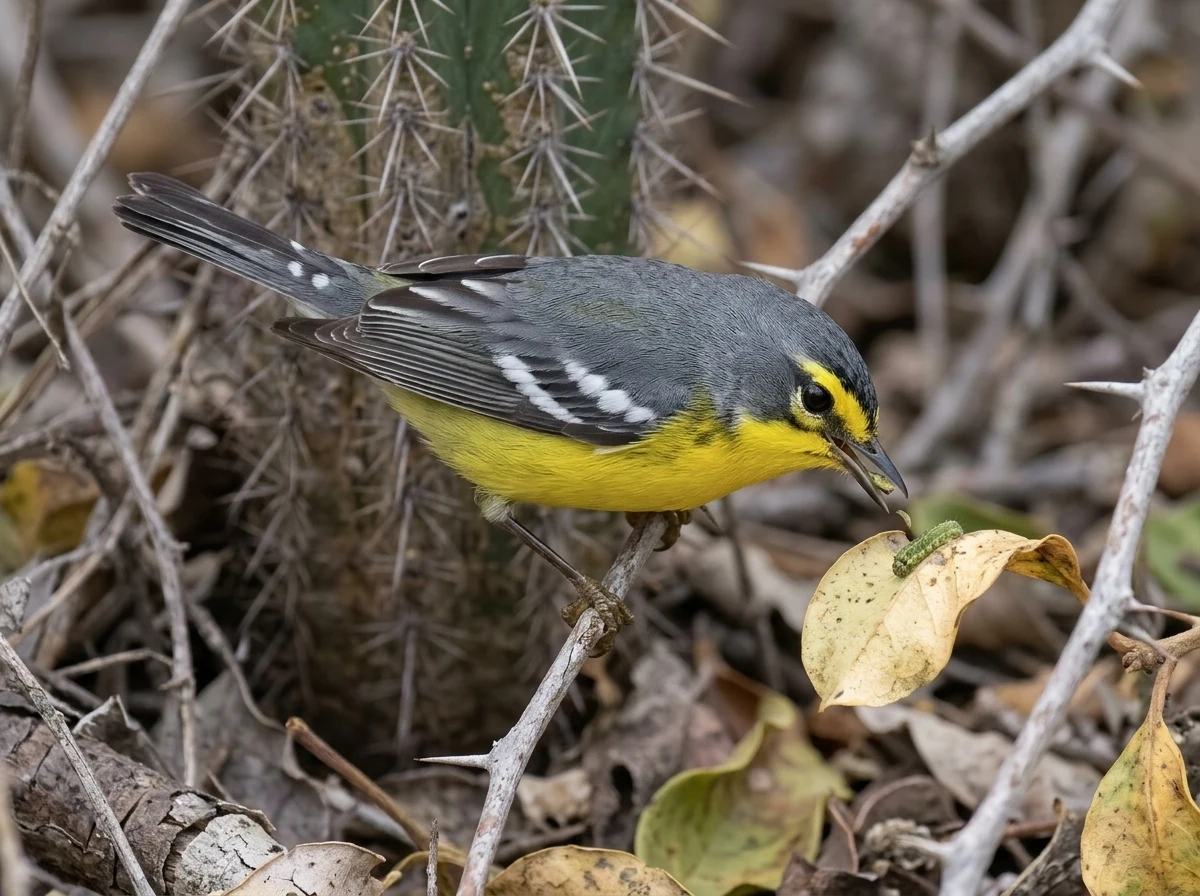
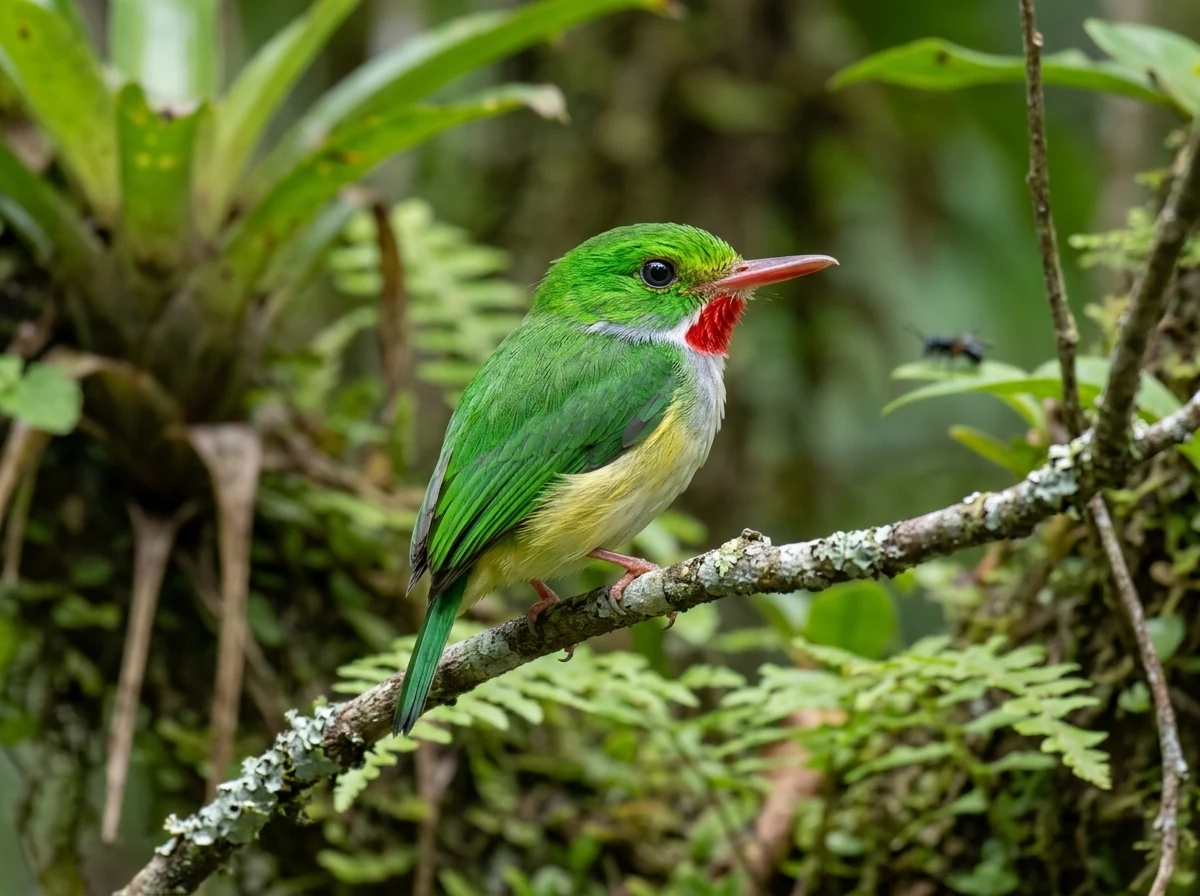
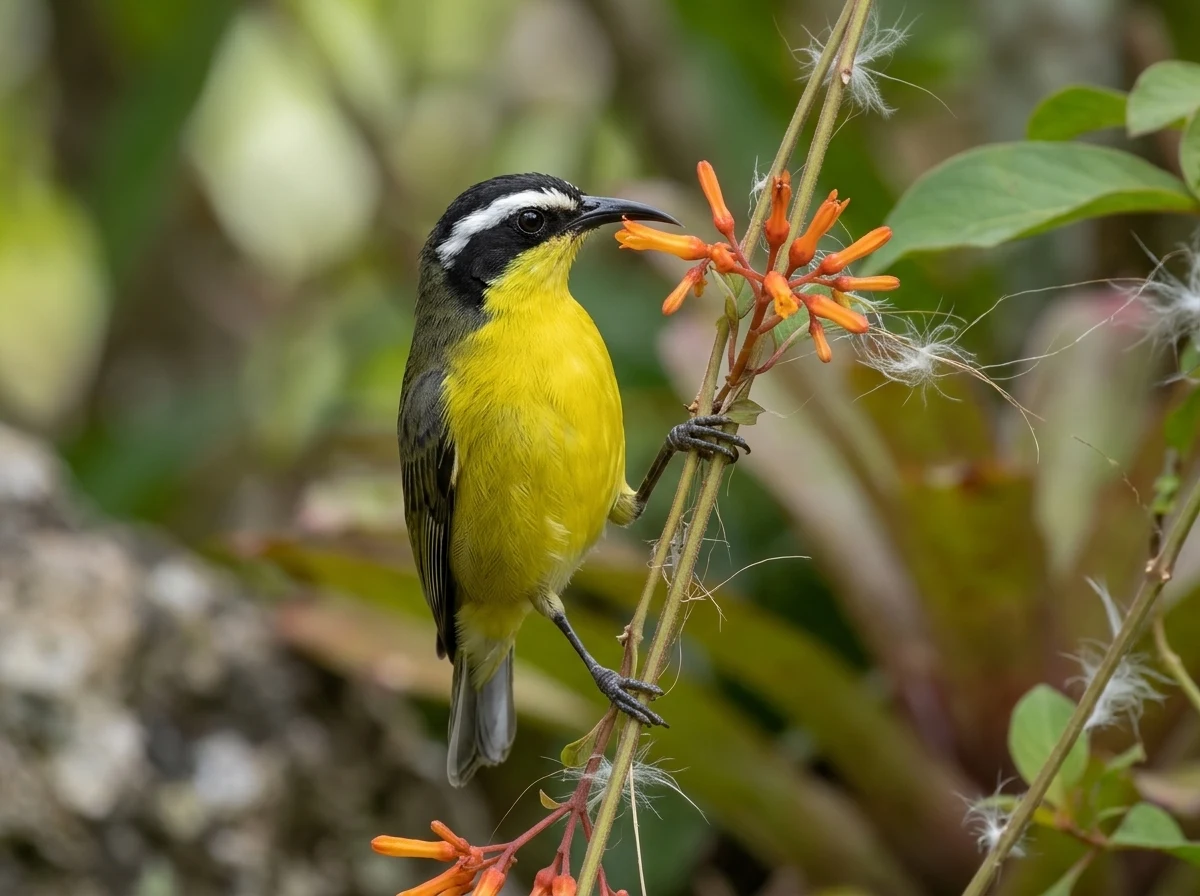
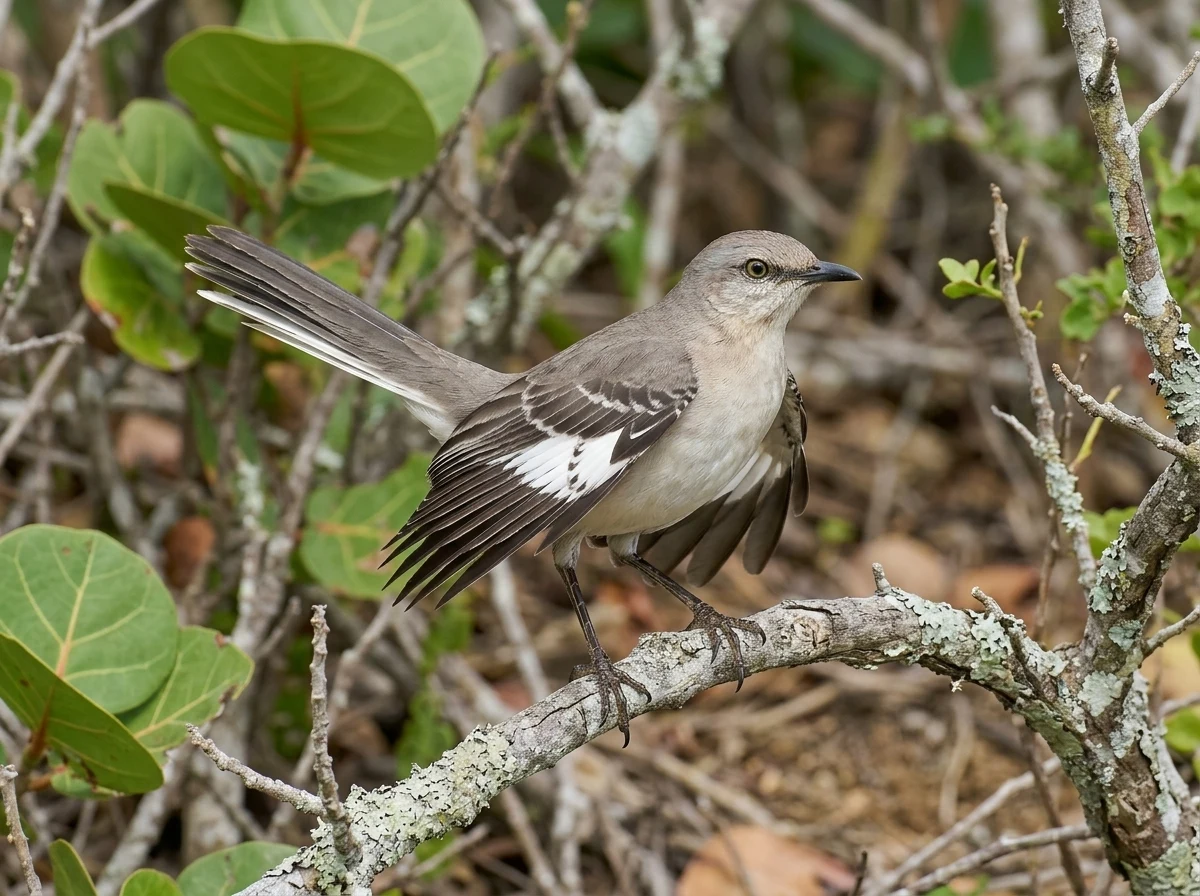
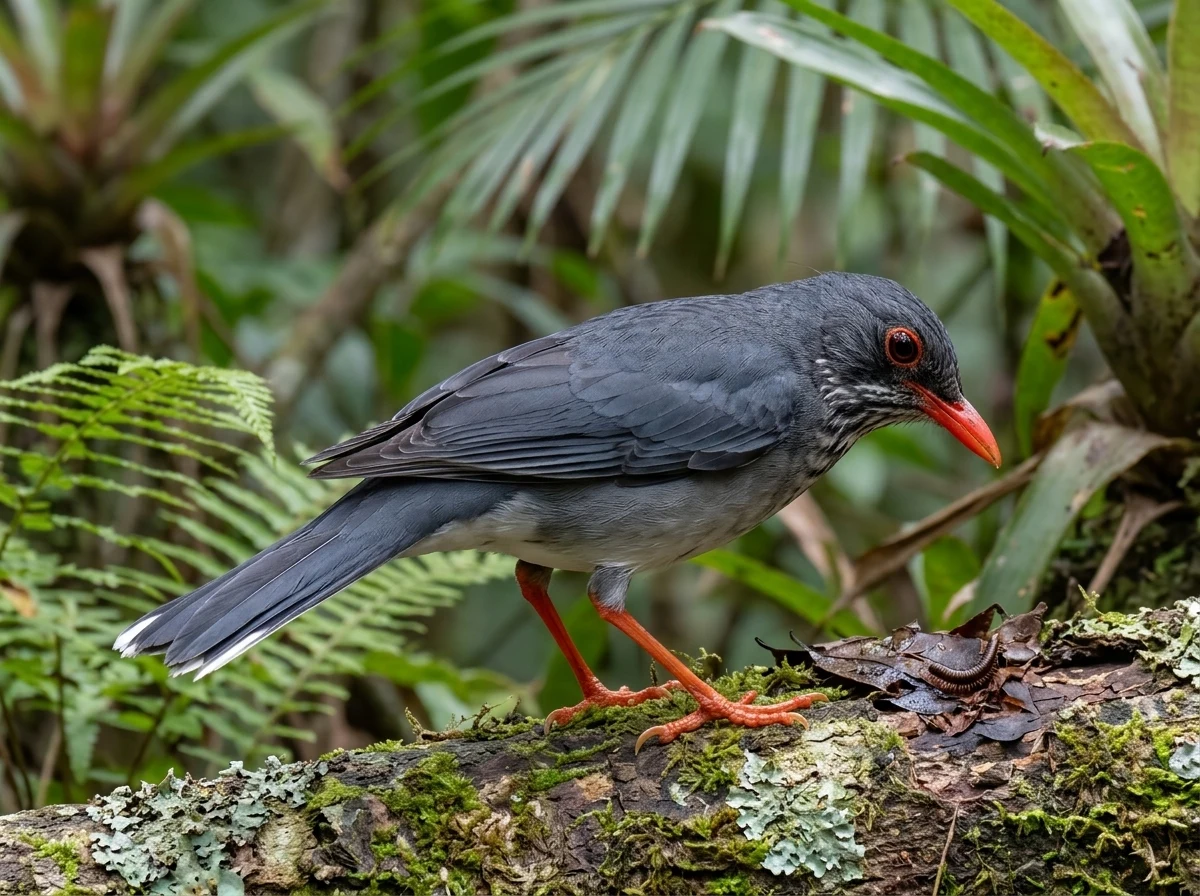
These Puerto Rico species can be found in different habitats. Watch them with caution and follow ethical guidelines, without assuming they will respond to pishing.
01
What is the recommended technique for pishing?
Audubon describes the standard pish as a drawn-out 'shhh' with a 'p' at the front: 'Psshhhh'. Short 'chit' notes can be mixed in. Audubon suggests using it only until you identify the bird, then stopping.
02
How can pishing cause stress or disturbance to birds?
Pishing imitates alarm calls and causes birds to come out and investigate a supposed threat. This changes their behavior and exposes them. The ABA asks birders to avoid stressing birds and to limit audio methods of attracting them, especially in heavily birded areas and for rare or threatened species.
03
When should pishing be avoided during the breeding season?
Audubon notes that it is imperative to refrain from using playback during nesting, because it distracts parents and leaves eggs or chicks vulnerable. Pishing, though less intense, should also be avoided near active nests, birds with young, and roosts. The ABA recommends being especially cautious in those sites.
04
Is it legal to use recordings to attract birds?
In many areas, such as national parks and national wildlife refuges, the use of recordings is illegal. Other preserves may have vague language or seasonal changes in their policies. It is up to the observer to confirm whether playback is permitted. The ABA asks birders to familiarize themselves with local laws and regulations.
05
What alternatives are there to pishing?
You can observe passively: walk slowly, stop in silence, and scan vegetation with binoculars. Learn songs and calls with recordings at home or in the car, not in the field. Audubon suggests that recordings can be used to learn sounds and locate birds without playing them to attract birds.
Keep exploring
Connected routes
Sources and review
The evidence is one link away.
These sources support the editorial scope of this guide. Bird profiles also retain their own taxonomy, occurrence, and conservation references.
Reviewed:
01↗02↗03↗
American Birding Association (ABA)
ABA Code of Birding Ethics
Evidence for cited sections; consult the original document.National Audubon Society (Audubon)
Birdist Rule #77: Use Your Voice To Attract Birds
Evidence for cited sections; consult the original document.Audubon Magazine (National Audubon Society)
Why Photographers Should Reconsider Using Playback in the Field
Evidence for cited sections; consult the original document.The atlas continues