 AI
AIIdentification answer
Are there seagulls in Puerto Rico?
Puerto Rico has fewer gulls than a visitor from the north might expect, and on a reversed schedule: they are commoner in summer. Many beach seagulls are actually terns.
Reviewed:Short answer: yes, mainly the Laughing Gull.
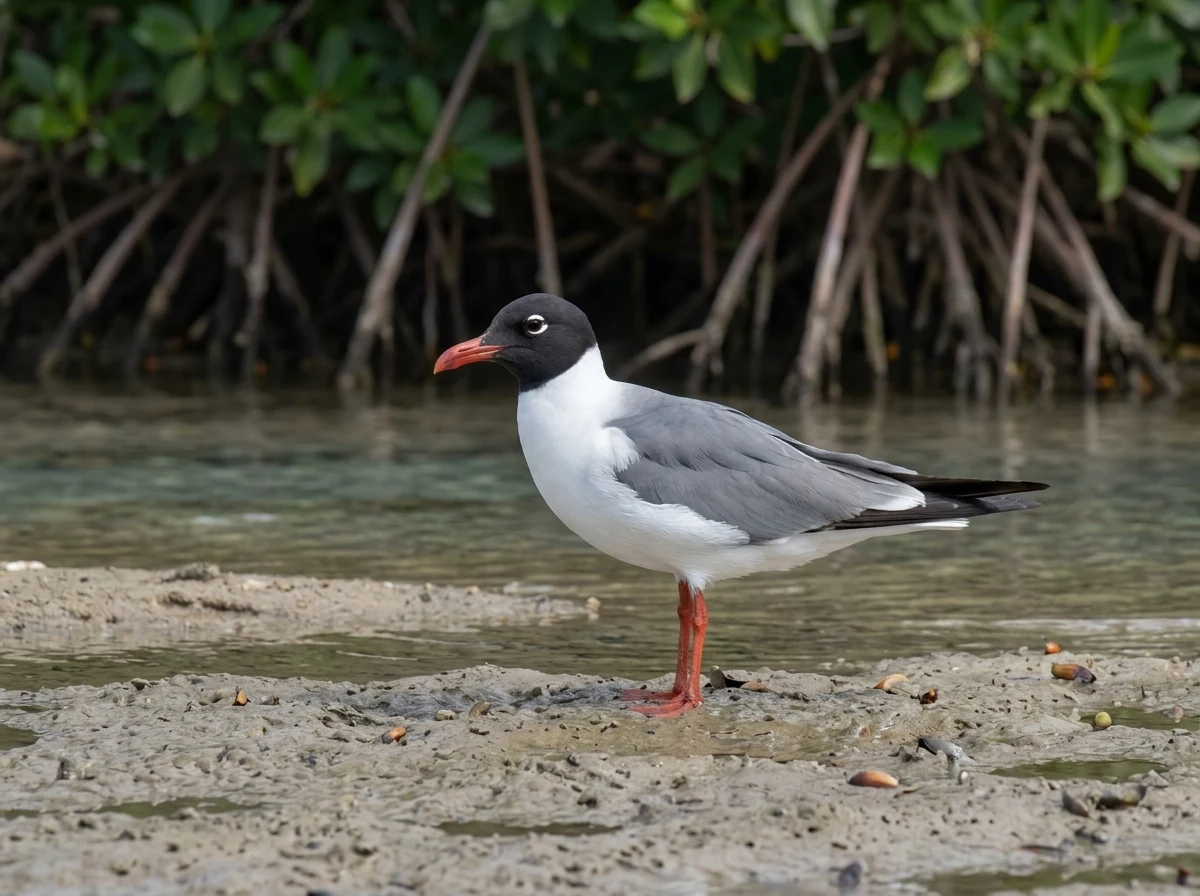
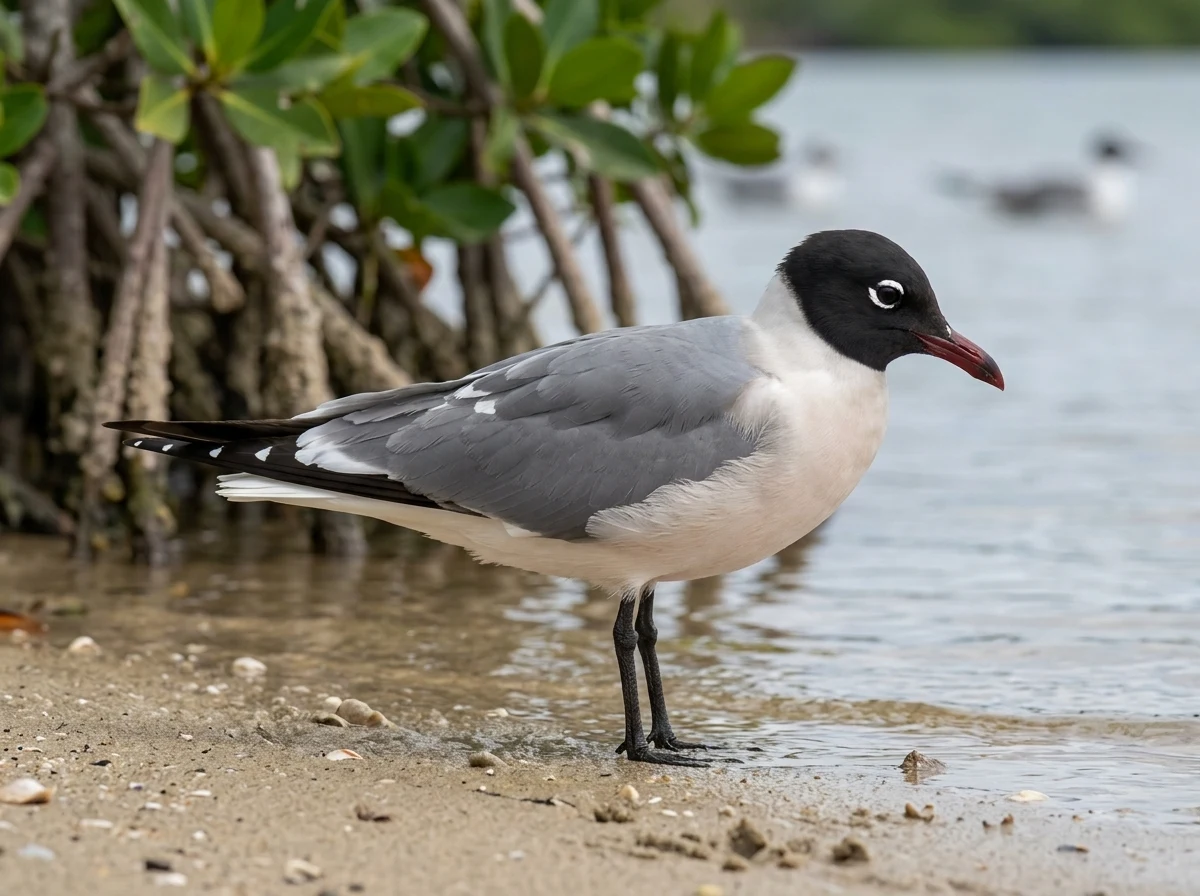
Yes. Puerto Rico has seagulls, but only one species is truly common: the Laughing Gull (Leucophaeus atricilla). It is the only gull that nests on the island, on rocky cays around Culebra, Mona, and Monito, and it is common from April to September; the rest of the year it becomes irregular and rare.
The Puerto Rican Ornithological Society's catalog includes 12 gull species, but the other 11 are infrequent visitors, several of them accidental. That is why people from Florida or New York notice that there are no seagulls: the big northern gulls rarely make it this far. This guide explains which gulls occur, when to see them, and why many birds people call seagulls are actually terns.
Identification answer
Gulls by the numbers
12Gulls in SOPI's catalogOnly the Laughing Gull nests.
Abr–SepLaughing Gull seasonCommon in those months; irregular and rare the rest of the year.
JulioNesting peakNests mostly May to July, per the atlas.
80Atlas hexagons with Laughing Gull124 records, 17% of 479 hexagons.
01
Laughing Gull, Puerto Rico's gull
The Laughing Gull is 14–16.5 inches long with a wingspan of 99–110 cm, roughly 3.3–3.6 feet. In breeding plumage it has a black hood, a dark gray back, and mostly black wingtips; outside the breeding season the hood shrinks or disappears. The bill and legs are dark, often with a reddish tinge. Its loud, rolling call sounds like laughter, which gives the species its name.
It uses marshes, coastal waters, tidal flats, calm bays, and islets, and sometimes moves inland to landfills and reservoirs. The Breeding Bird Atlas recorded it in 80 hexagons, mostly coastal and within the subtropical dry forest life zone. It is not listed in any threatened category by the Puerto Rico DNER or the U.S. Fish and Wildlife Service, and the IUCN rates it Least Concern.
02
Why it seems there are no seagulls
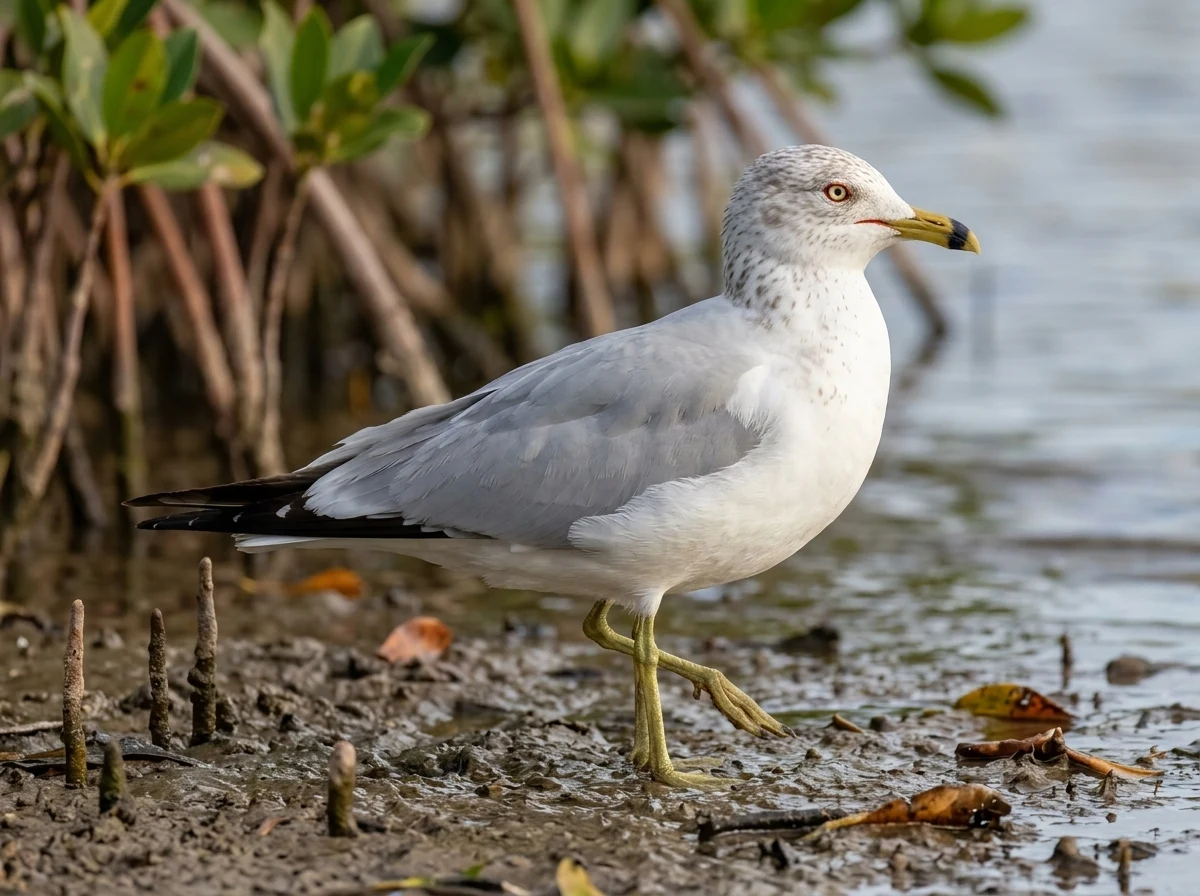
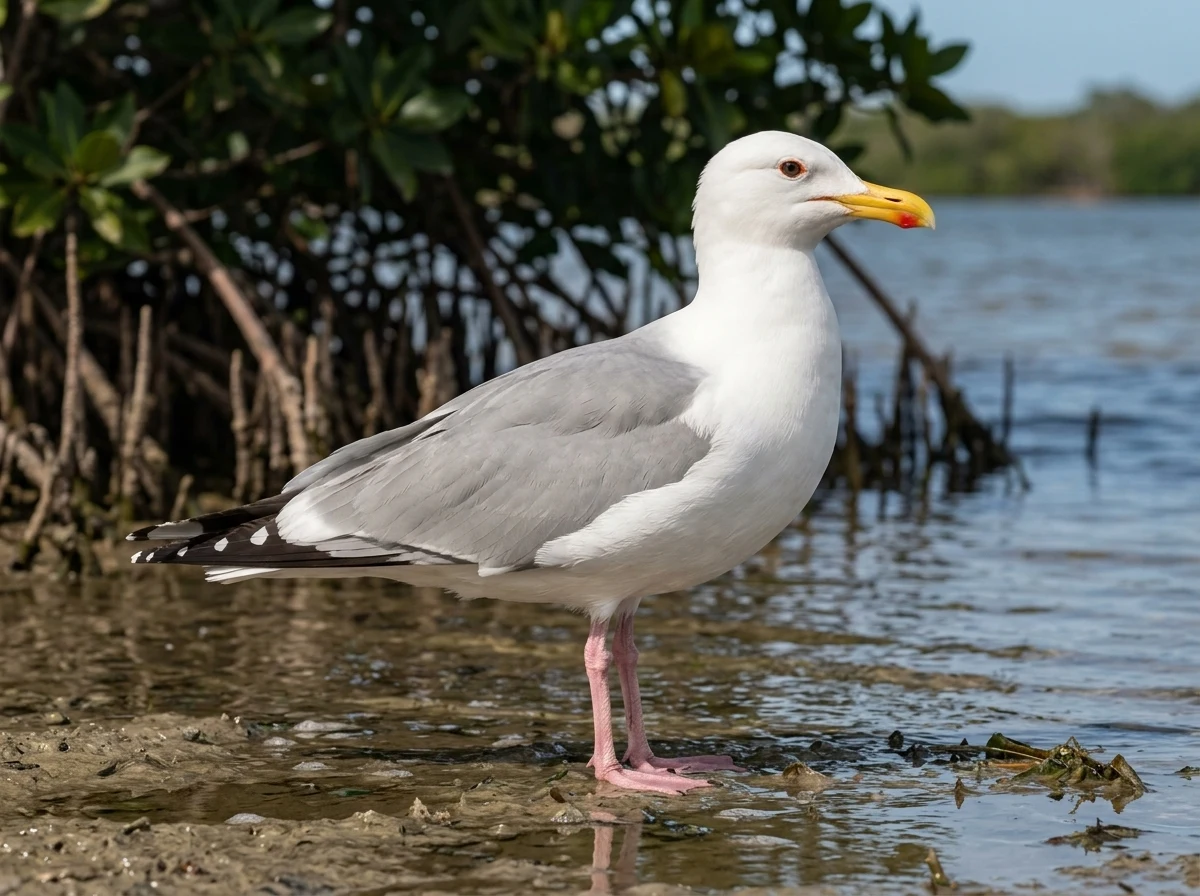
The big gulls people associate with northern piers and parking lots, such as Herring, Ring-billed, and Great Black-backed Gulls, nest far to the north; the Ring-billed Gull, for example, breeds in Canada and the northern United States and winters mainly in the United States and northern Mexico. They reach Puerto Rico only now and then. In this atlas's data, 10 of the 12 recorded gulls are classified as accidental visitors.
The calendar also surprises visitors from the north: in Puerto Rico the Laughing Gull is common from April to September, the season when it nests, and becomes irregular and rare in the cooler months. A visitor arriving in January can walk beaches for days without seeing a single gull, finding only terns, pelicans, and frigatebirds.
03
The other 11 gulls on the list
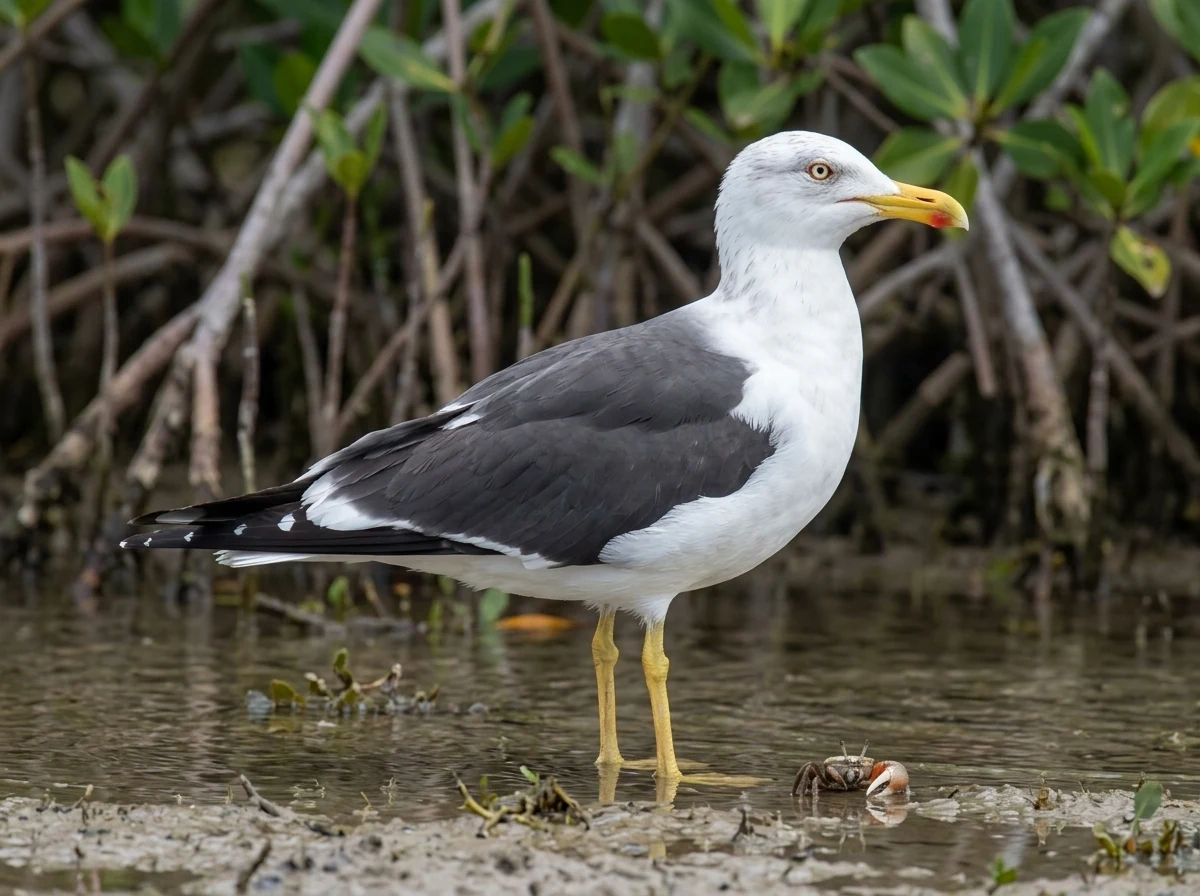
Besides the Laughing Gull, SOPI's catalog includes Franklin's, Little, Black-headed, Bonaparte's, Ring-billed, Herring, Yellow-legged, Lesser Black-backed, Great Black-backed, and Sabine's Gulls, plus Black-legged Kittiwake. Four of them, Little Gull, Yellow-legged Gull, Sabine's Gull, and Black-legged Kittiwake, are explicitly marked Accidental.
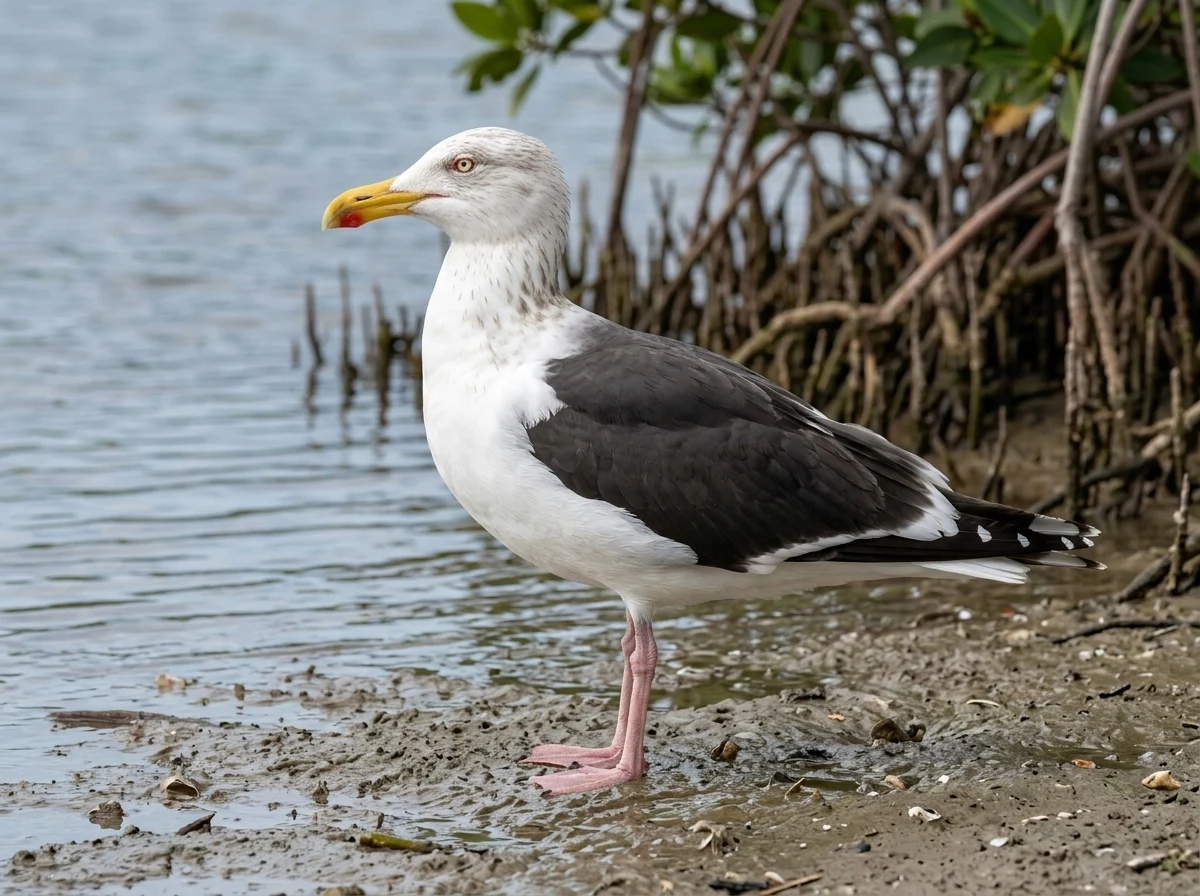
Several are frequent searches on this site, such as Lesser and Great Black-backed Gulls, because their appearances generate photos and questions. Identifying them means comparing relative size, back color, leg and bill color, and the bird's age: large gulls take several years to reach adult plumage, and brown immatures are the hardest.
04
Terns: the seagulls that are not gulls
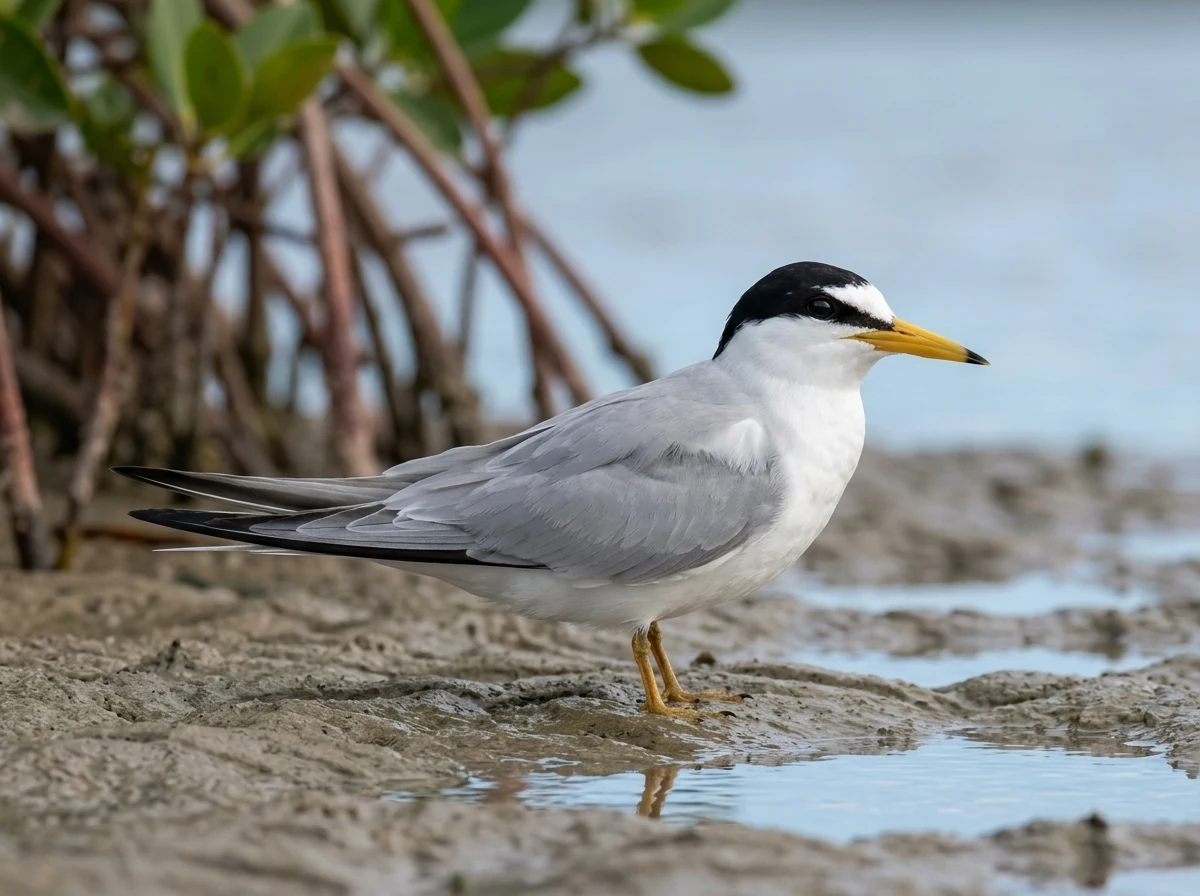
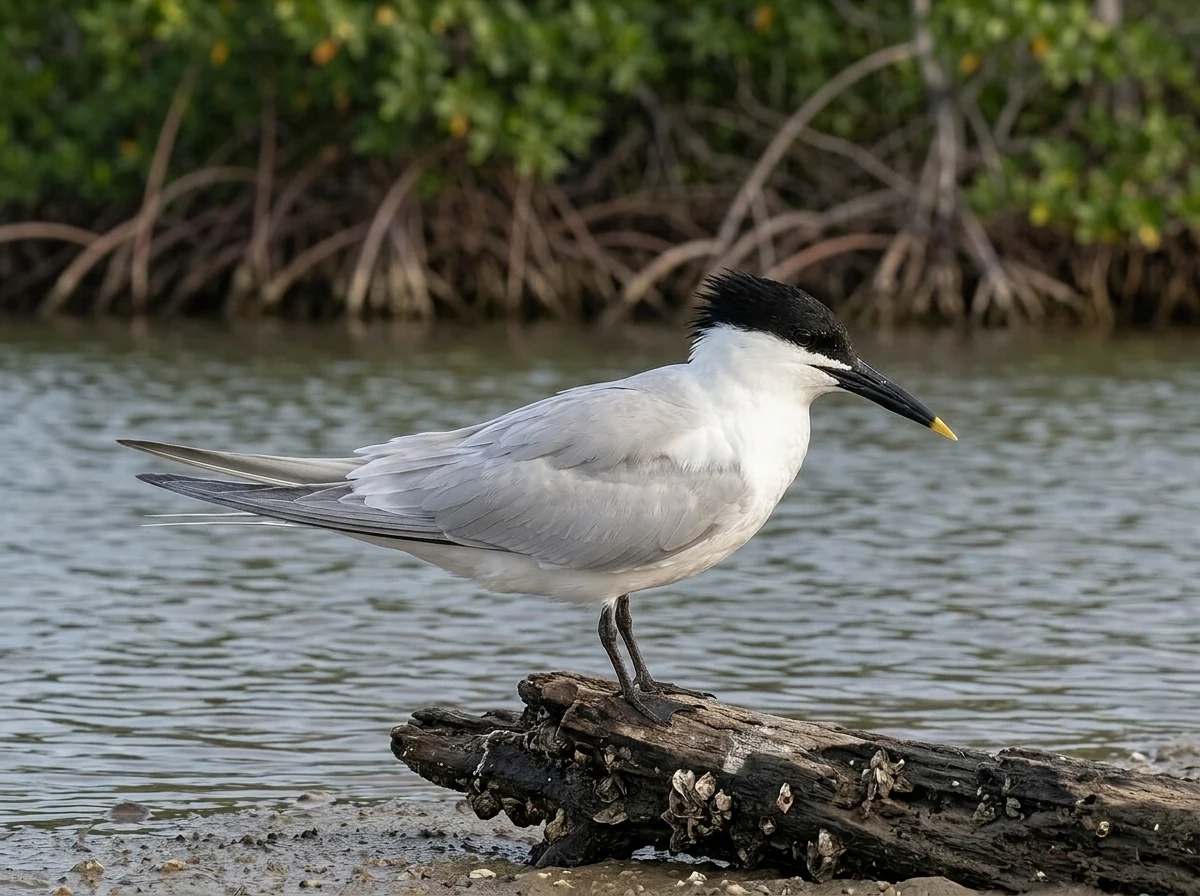
Many people call any white-and-gray beach bird a seagull. SOPI's catalog itself records the folk name Gaviota chica, little gull, for the Least Tern, a 22–24 cm tern with a black cap and, in summer, a yellow bill with a black tip, which nests on the Cabo Rojo Salt Flats alongside Snowy and Wilson's Plovers.
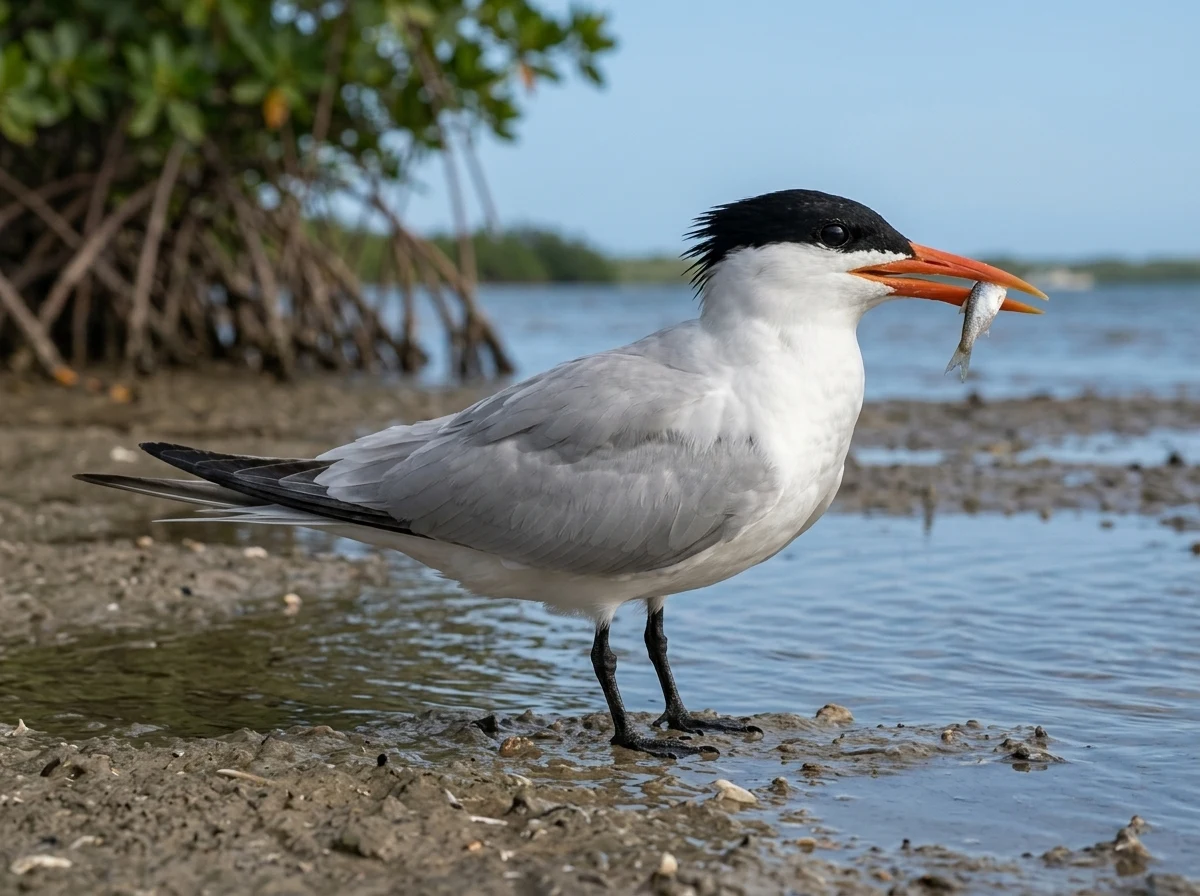
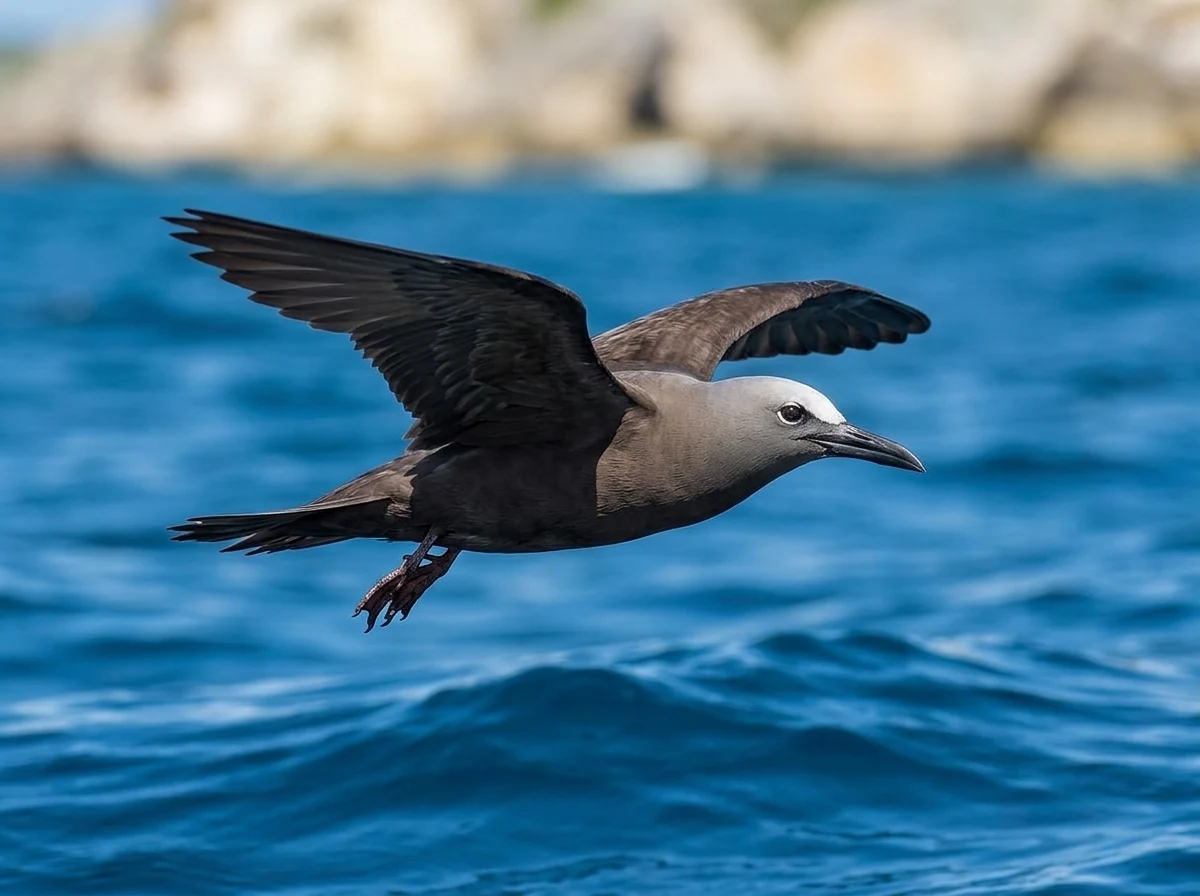
The breeding atlas documents seven terns and noddies nesting in Puerto Rico, including Royal, Sandwich, Roseate, Sooty, and Bridled Terns and Brown Noddy. Compared with the Laughing Gull, terns have narrower, more pointed wings and thin straight bills, and many fish by plunge-diving from the air.
05
Where and when to see gulls in Puerto Rico
For the Laughing Gull, plan between April and September and check bays, piers, beaches, and coastal lagoons. The cays around Culebra, Mona, and Monito are its nesting areas, so summer boat trips around Culebra are a good opportunity; keep your distance and respect cay closures during the nesting season.
For the rare gulls there is no guarantee. Scan flocks of birds resting on beaches, bays, and reservoirs during the cooler months, and photograph any large or pale-legged gull. Note the date, place, and apparent age, and upload the record to eBird: a clear photo of the open wings and the legs is usually enough to confirm the species.
Linked profiles
Gulls and terns of Puerto Rico
The Laughing Gull, the most-searched rare gulls, and the terns people often call seagulls.
Sound archive
Hear its voice
Explore real songs and calls. The spectrogram turns each sound into a visual trace of time and frequency.
XC999399Recording 1 of 3song, call

Play: song, call by GABRIEL LEITE
Choose another recording
Sound recorded by GABRIEL LEITE · XC999399 · CC BY-NC-SA 4.0. Visualization by Stichting Xeno-canto voor Natuurgeluiden.
Every recording retains the creator, catalogue number, and license published by Xeno-canto. Metadata via GBIF ↗
01
Are there seagulls in Puerto Rico?
Yes. The Laughing Gull is common from April to September and is the only gull that nests in Puerto Rico, on cays around Culebra, Mona, and Monito. Eleven other gull species have been recorded as infrequent or accidental visitors.
02
Why are there no seagulls in Puerto Rico?
There are some, just few. The big northern gulls nest and winter far from Puerto Rico and arrive only rarely. The common Laughing Gull is seen mostly from April to September, so in winter it can seem there are none at all.
03
What is the most common gull in Puerto Rico?
The Laughing Gull (Leucophaeus atricilla). It is recognized by its black hood in the breeding season, dark gray back, black wingtips, and a call that sounds like laughter.
04
What bird looks like a seagull but is smaller?
It is almost always a tern, especially the Least Tern, known locally as Gaviota chica. It is 22–24 cm long with a black cap and, in summer, a yellow bill with a black tip, and it fishes over coastal waters and salt flats.
05
When does the Laughing Gull nest in Puerto Rico?
The breeding atlas indicates it nests mostly from May to July, with some activity in March and a peak in July. It makes a ground scrape on beaches or in crevices of rocky cays, sometimes near other seabird colonies.
06
Are there big gulls in Puerto Rico?
Only as rarities. Herring, Lesser Black-backed, and Great Black-backed Gulls are on SOPI's catalog, but none is resident and their appearances are occasional. A big gull in Puerto Rico deserves photos and a record.
Keep exploring
Connected routes
Sources and review
The evidence is one link away.
These sources support the editorial scope of this guide. Bird profiles also retain their own taxonomy, occurrence, and conservation references.
Reviewed:
01↗02↗03↗04↗05↗06↗
Sociedad Ornitológica Puertorriqueña
Catalog of the Birds of Puerto Rico (2006)
A 375-species list accepted in August 2006, with official Spanish names and status labels such as Accidental, Introduced, or Extirpated.U.S. Forest Service Research and Development
Puerto Rico Breeding Bird Atlas
Distribution and breeding timing for 130 species breeding in Puerto Rico and its satellite islands.National Audubon Society
Field guide: Laughing Gull
Measurements, black breeding hood, bill and leg color, and the call that sounds like laughter.Adventours Puerto Rico
Avifauna gallery: gulls and skimmers
Local photo gallery of gulls documented in Puerto Rico, with a section for accidental and rare species.U.S. Fish and Wildlife Service
Cabo Rojo National Wildlife Refuge
Habitats, focal birds, conservation, trails, and official refuge notices.Macaulay Library / Cornell Lab of Ornithology
Puerto Rico sound archive
Complementary audio collection for comparing songs, calls, locations, and dates.The atlas continues