 AI
AIIslet off Ponce
Birds of Caja de Muertos Island
A natural reserve of dry forest, cays, and reefs 4.8 nautical miles off the Ponce coast, where seabirds lead.
Reviewed:At Caja de Muertos, the birds are on the rocks and the sea.
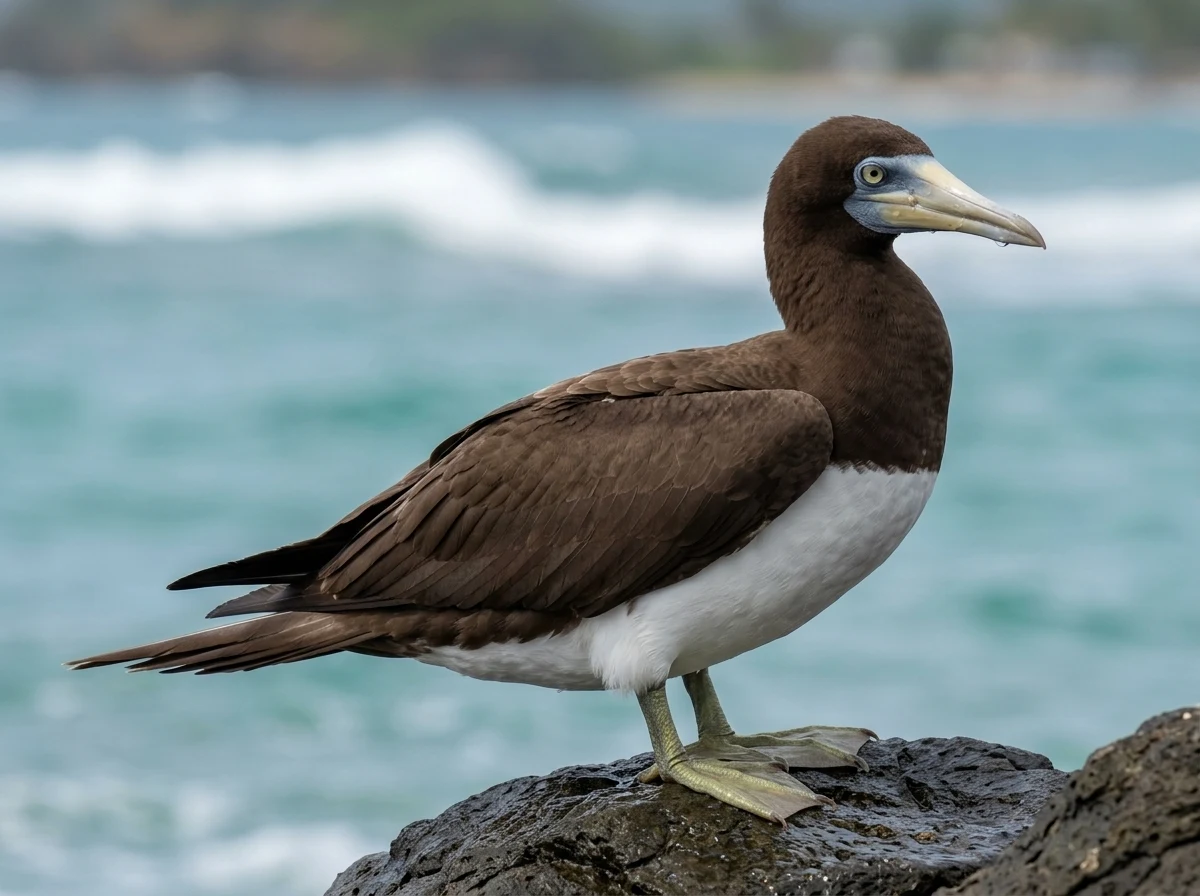
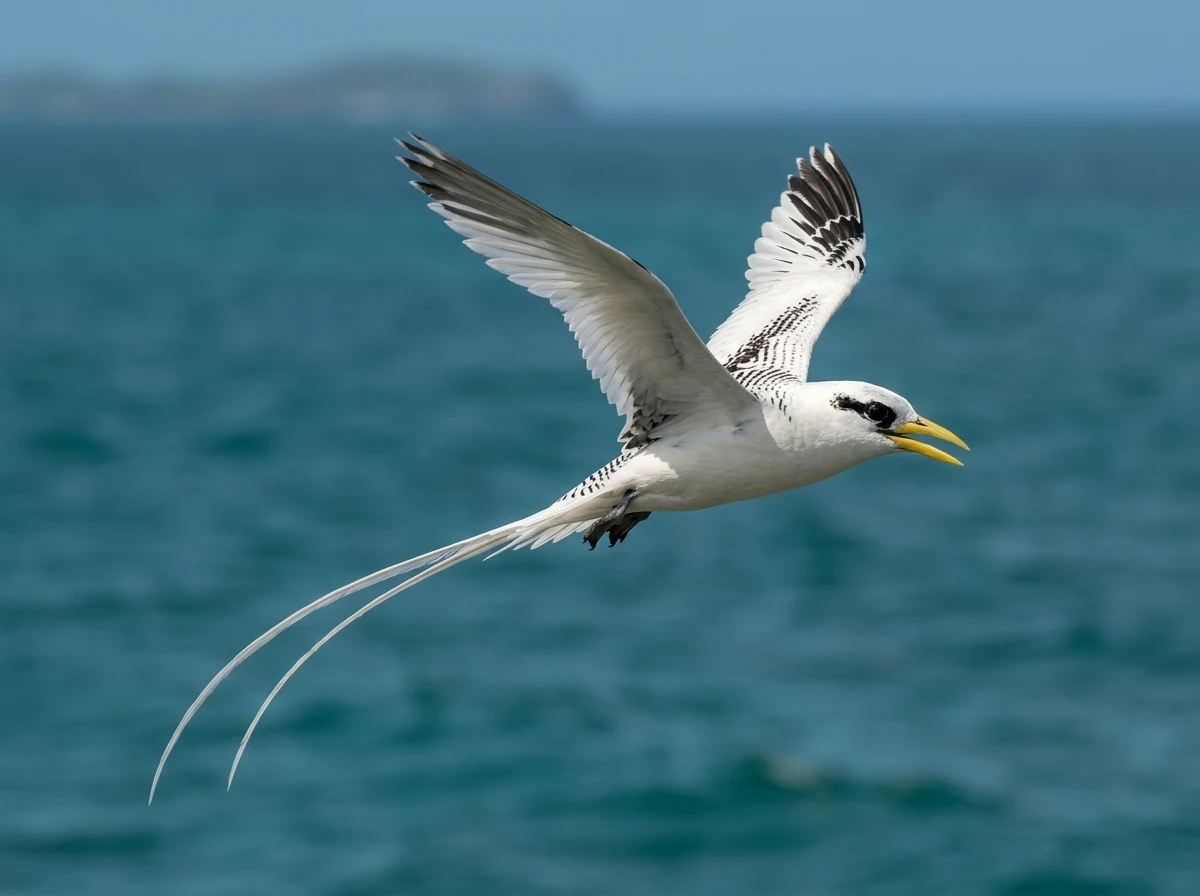
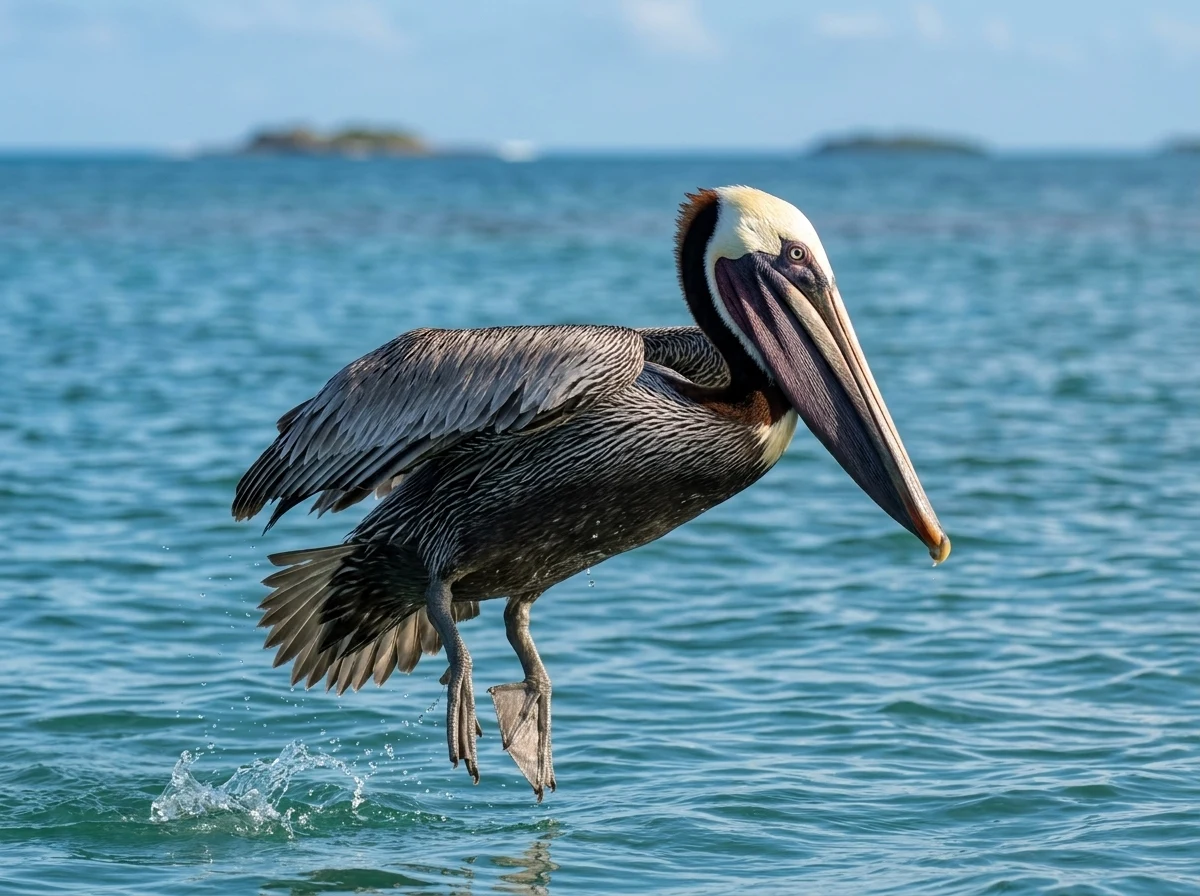
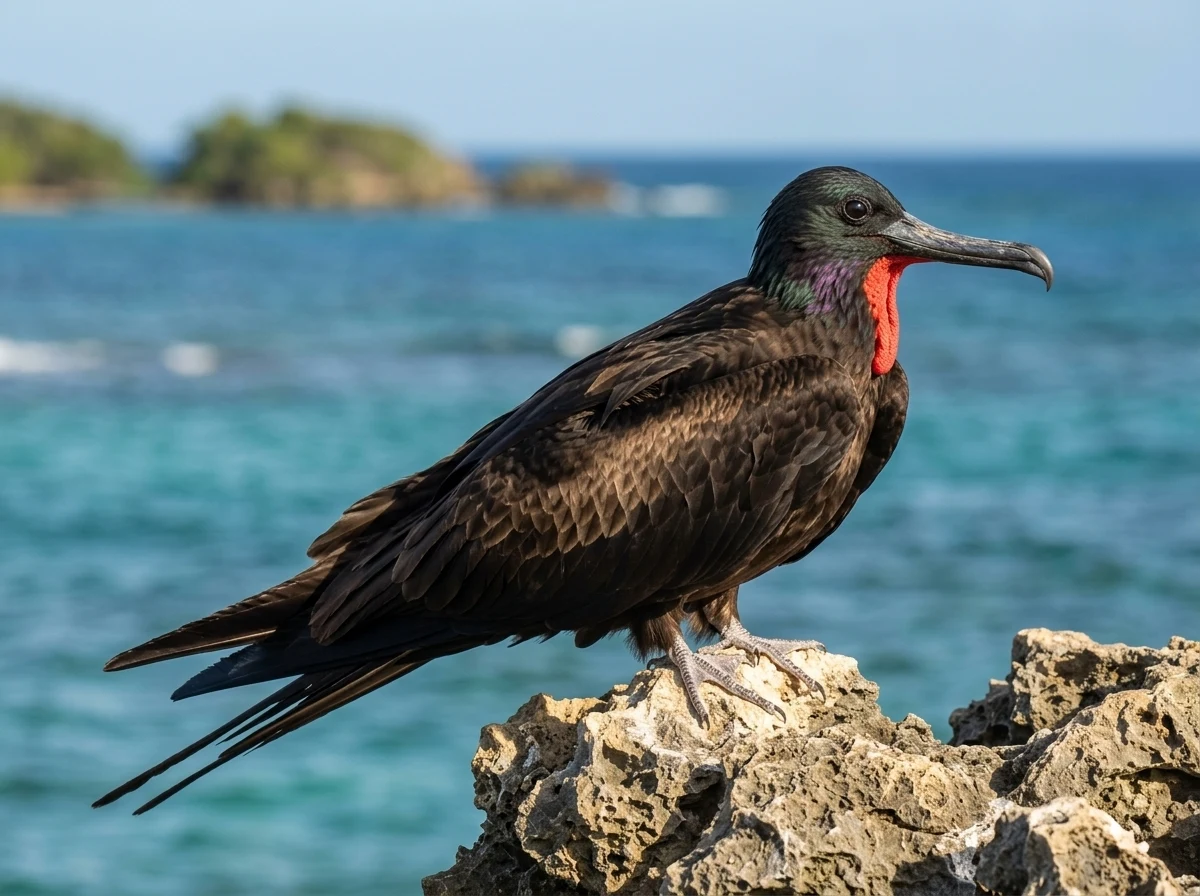
Caja de Muertos Island is mainly a place for seabirds and coastal birds: Brown Booby, White-tailed Tropicbird, Brown Pelican, Magnificent Frigatebird, and several terns, while Pearly-eyed Thrasher dominates on land. Before planning, confirm access: in March 2026 El Nuevo Día reported that the pier that used to receive the ferry had been dismantled.
The reserve, designated in 1980 along with Cayo Berbería and Cayo Morrillito, is managed by DRNA. Its management plan summarizes the available bird surveys, which date from 1979 and 1980. This guide separates those historical data from recent records and explains how to watch without disturbing colonies or turtle nests.
Islet off Ponce
The reserve in DRNA figures
4.8 mnfrom the Ponce coastNautical miles, per DRNA's management plan.
1.62 km²of island2.75 km long by 1.85 km wide; the reserve covers 188.4 km², mostly sea.
~150Brown Boobies on Morrillito1980 survey estimate cited by DRNA.
1980year designatedNatural reserve together with Cayo Berbería and Cayo Morrillito.
01
Brown Boobies and seabirds on Morrillito
DRNA's management plan identifies Brown Booby as the reserve's most distinctive seabird. A colony uses the north side of Cayo Morrillito's rocky outcrop to roost; in 1980 about 150 birds were estimated, many of them juveniles, which led to the conclusion that Morrillito is a nesting area that should be protected.
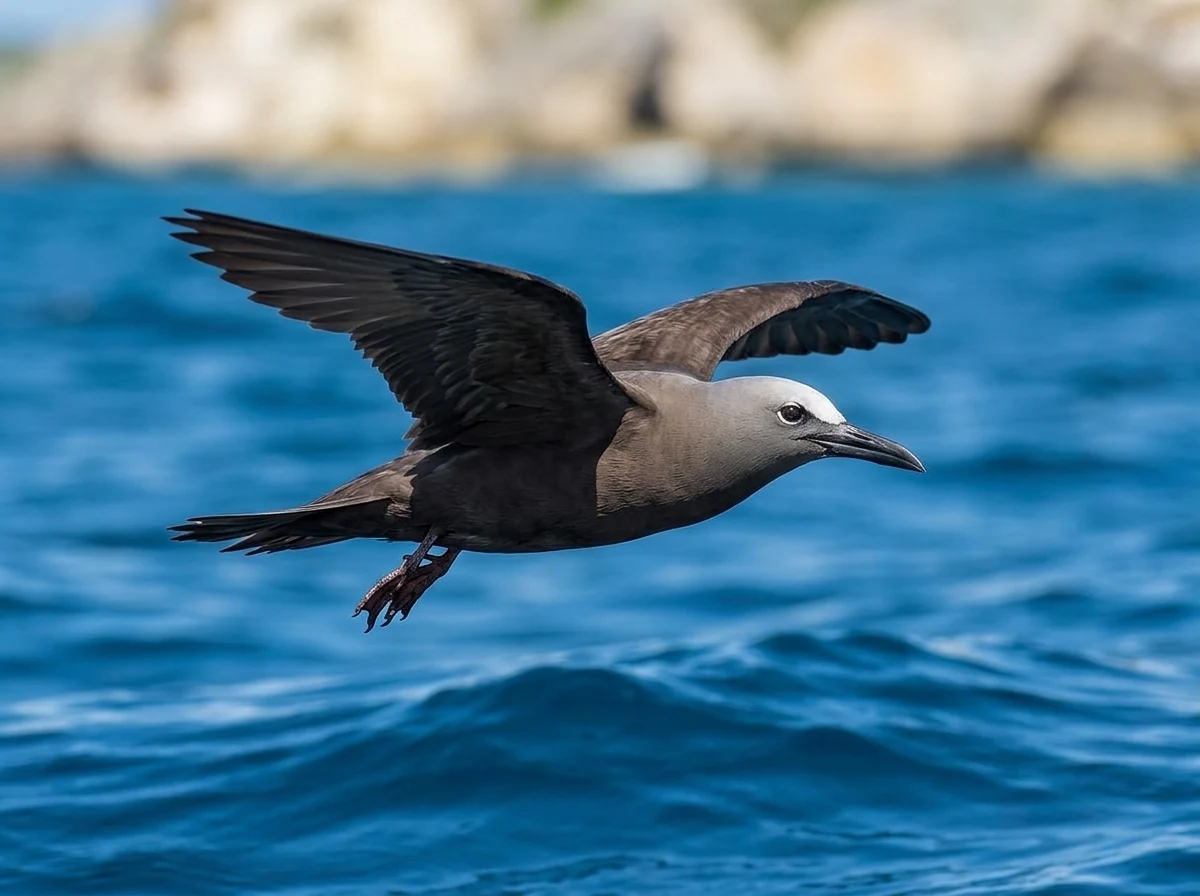
The same document cites 1980 reports of Brown Noddy and Sooty Tern nesting on Morrillito between June and August. Morrillito is joined to the southwest of Caja de Muertos by a marine terrace about 100 meters long. These data are more than 40 years old: use them as context, not as a guarantee of an active colony today.
02
Tropicbirds, Roseate Terns, and pelicans
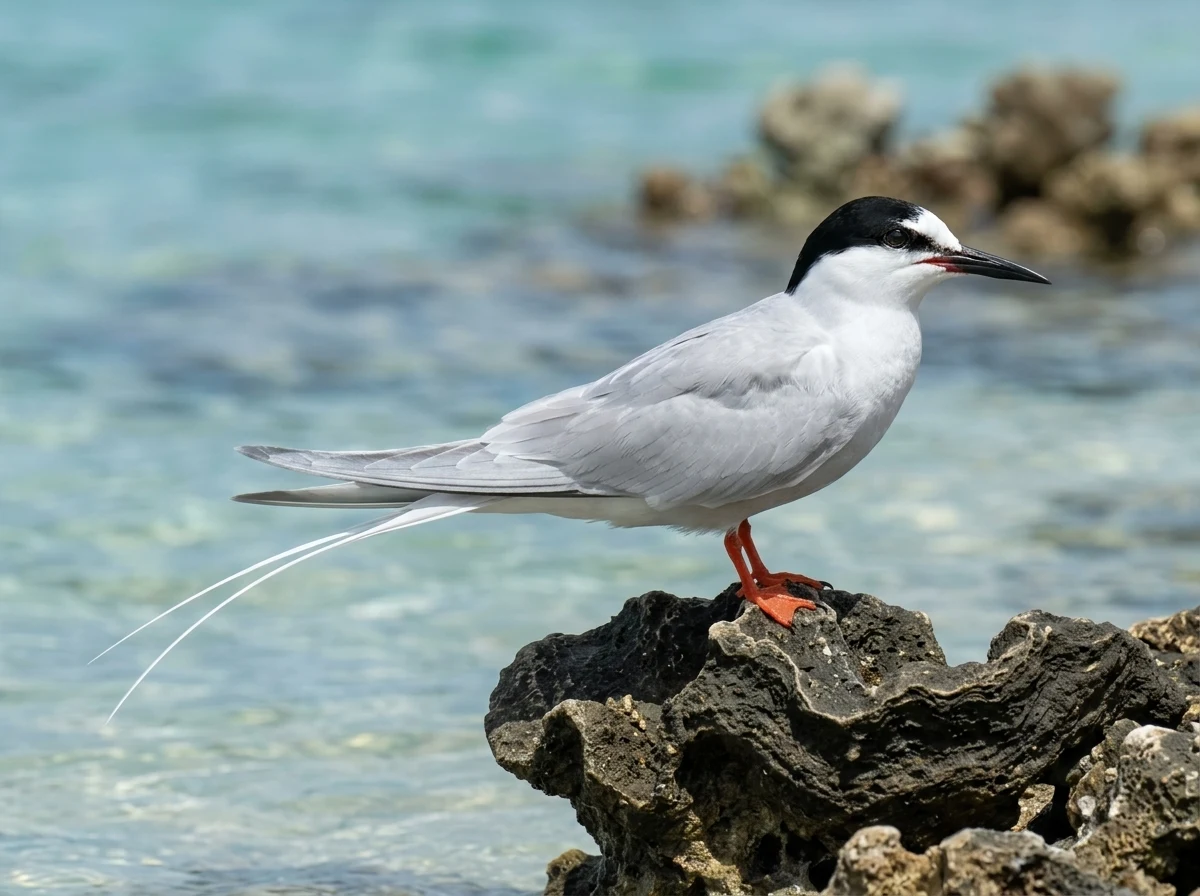
DRNA states that White-tailed Tropicbird nests on the rocky outcrops at the lighthouse and at El Morrillo. The lighthouse, which began operating on August 15, 1887, according to the plan, stands on the highest part of the island. It also cites Raffaele (1979), who reported Roseate Tern colonies nesting among the boulders. Both species are listed as vulnerable by DRNA, so any rock with perched birds deserves distance.
A director of DRNA's sanctuaries and natural reserves bureau reported several pairs of Brown Pelicans nesting in the sea grape canopy on the north side of El Morrillo, near Playa Pelícano. Brown Pelican is listed as endangered by DRNA. Watch from the beach with binoculars and do not approach the shrubs where they rest.
03
Land birds and Cayo Berbería
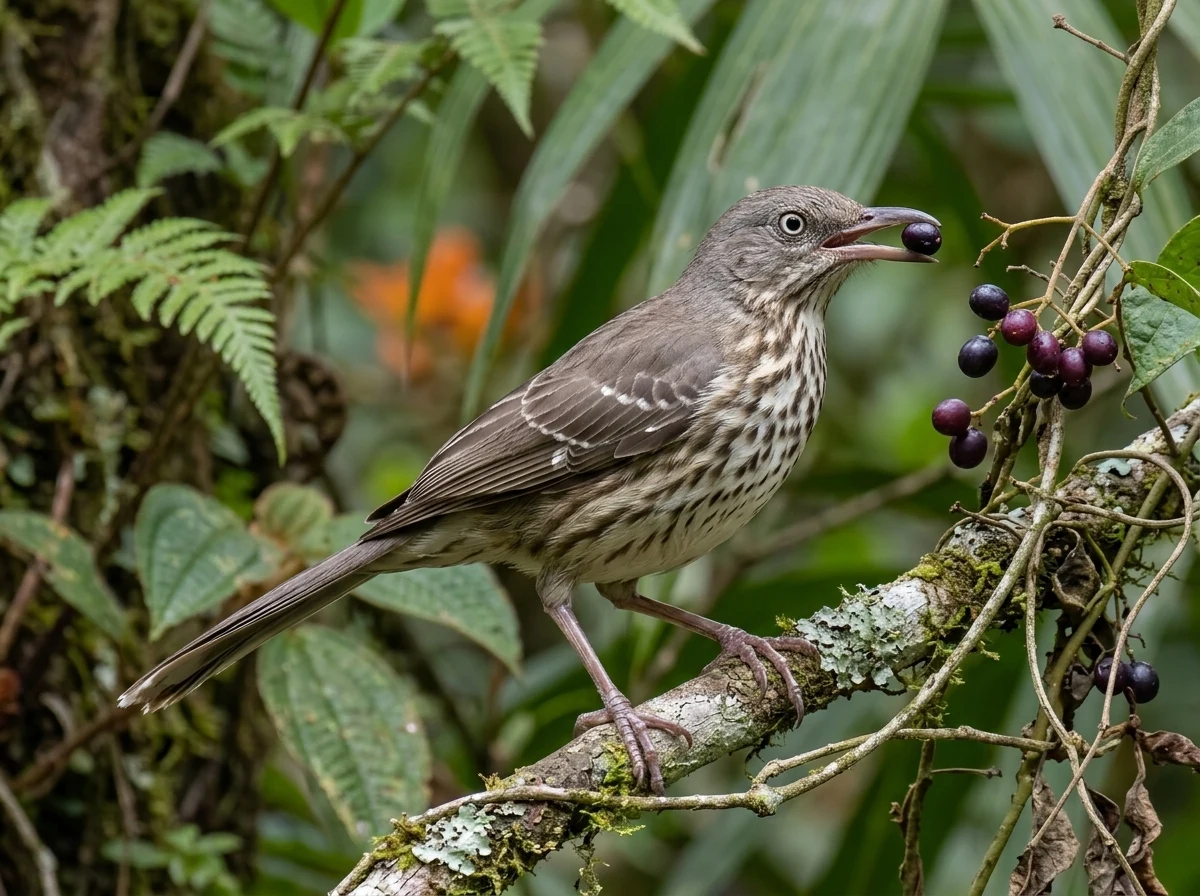
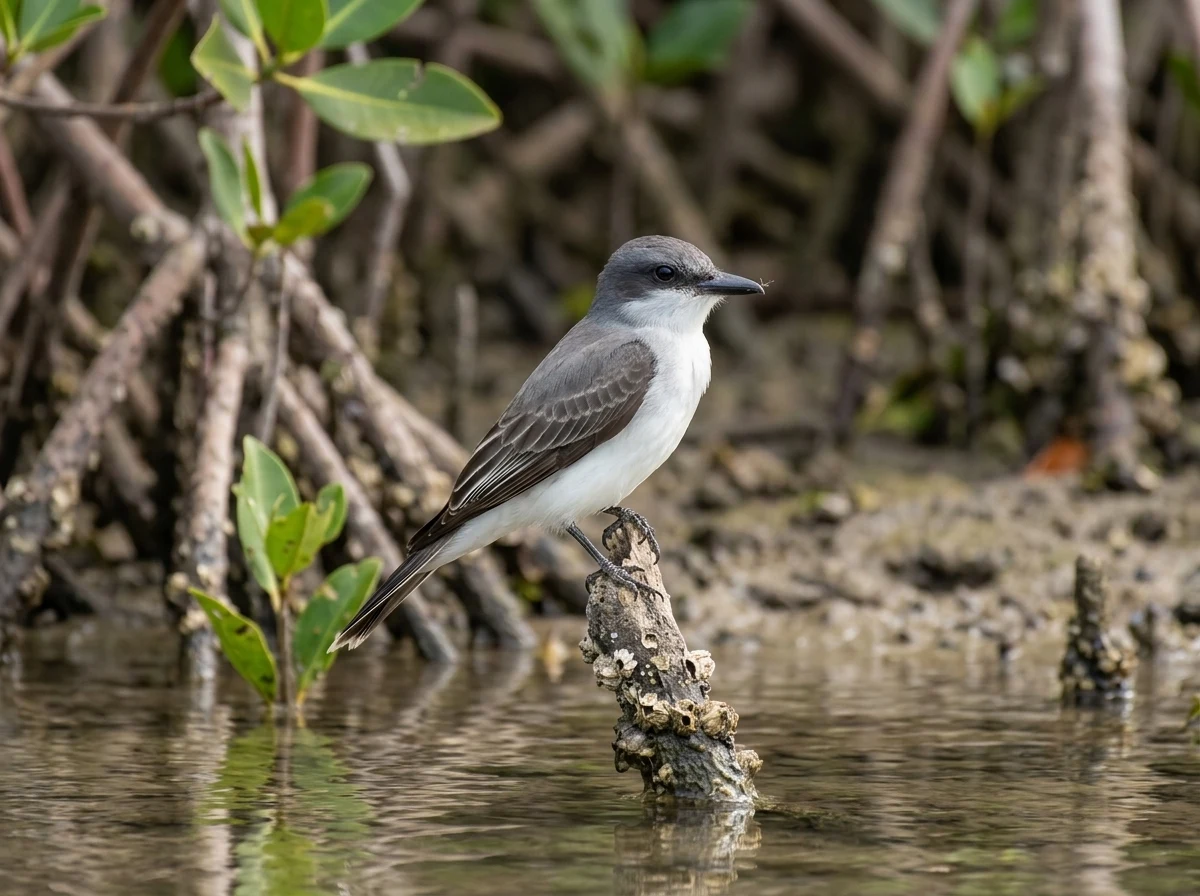
The plan describes land birdlife as minimal. Pearly-eyed Thrasher is the most abundant land bird, mainly in coastal forest, and DRNA warns that it preys on other birds' nests. Common Ground Dove, Zenaida Dove, Gray Kingbird, and Bananaquit were also recorded.
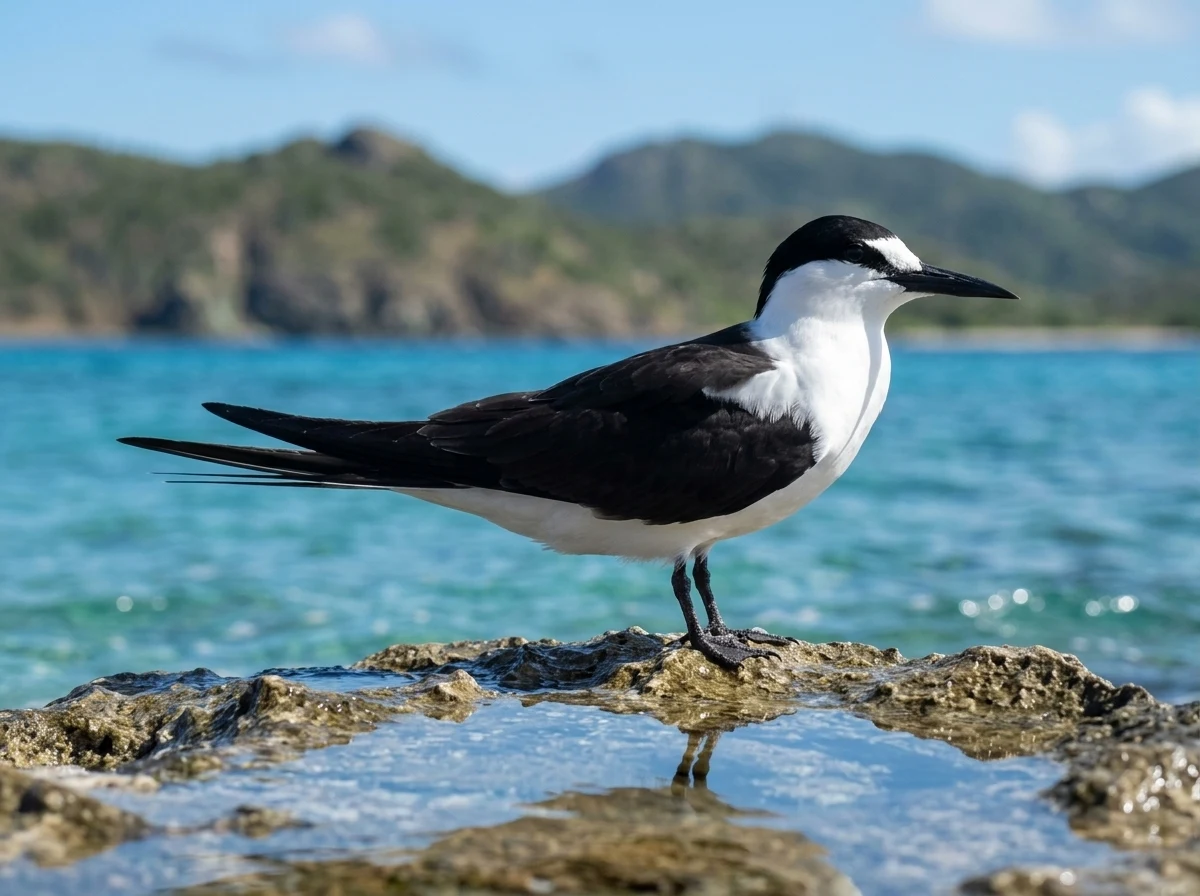
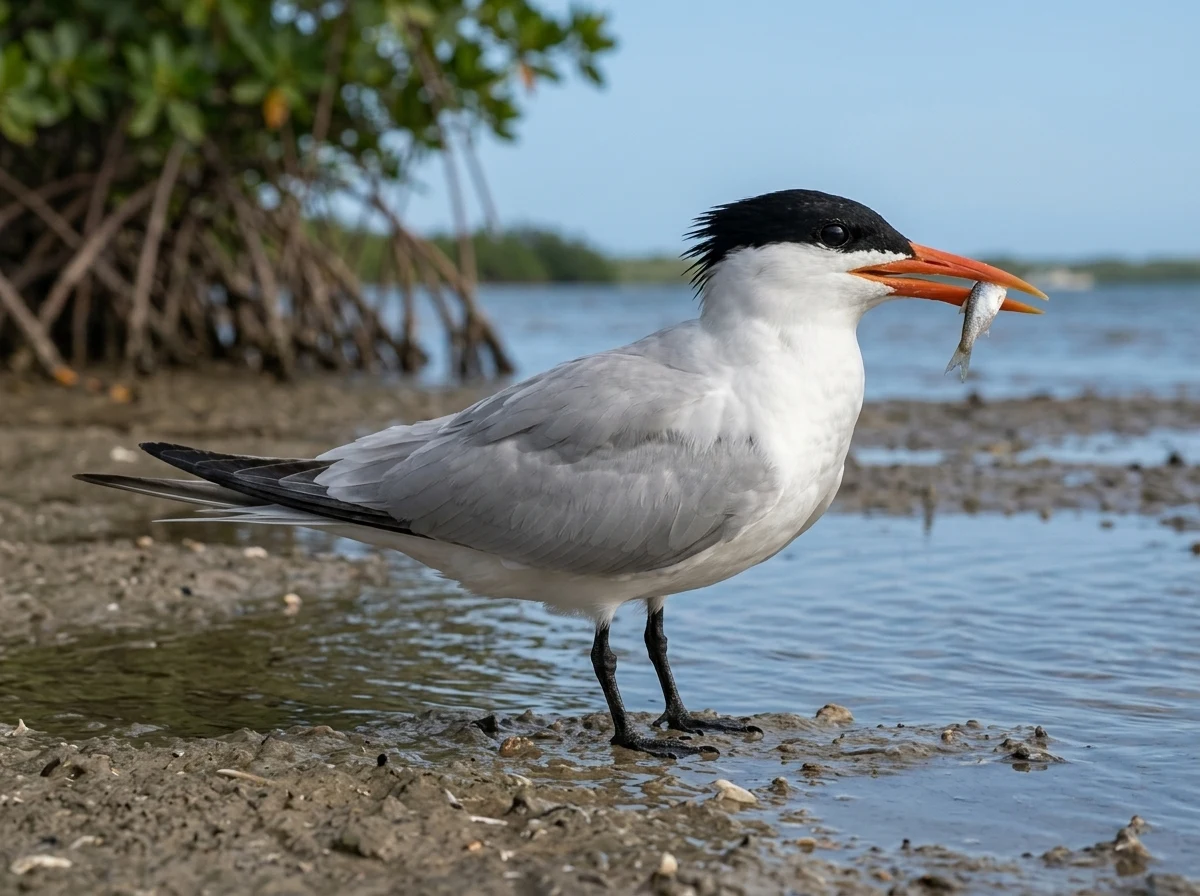
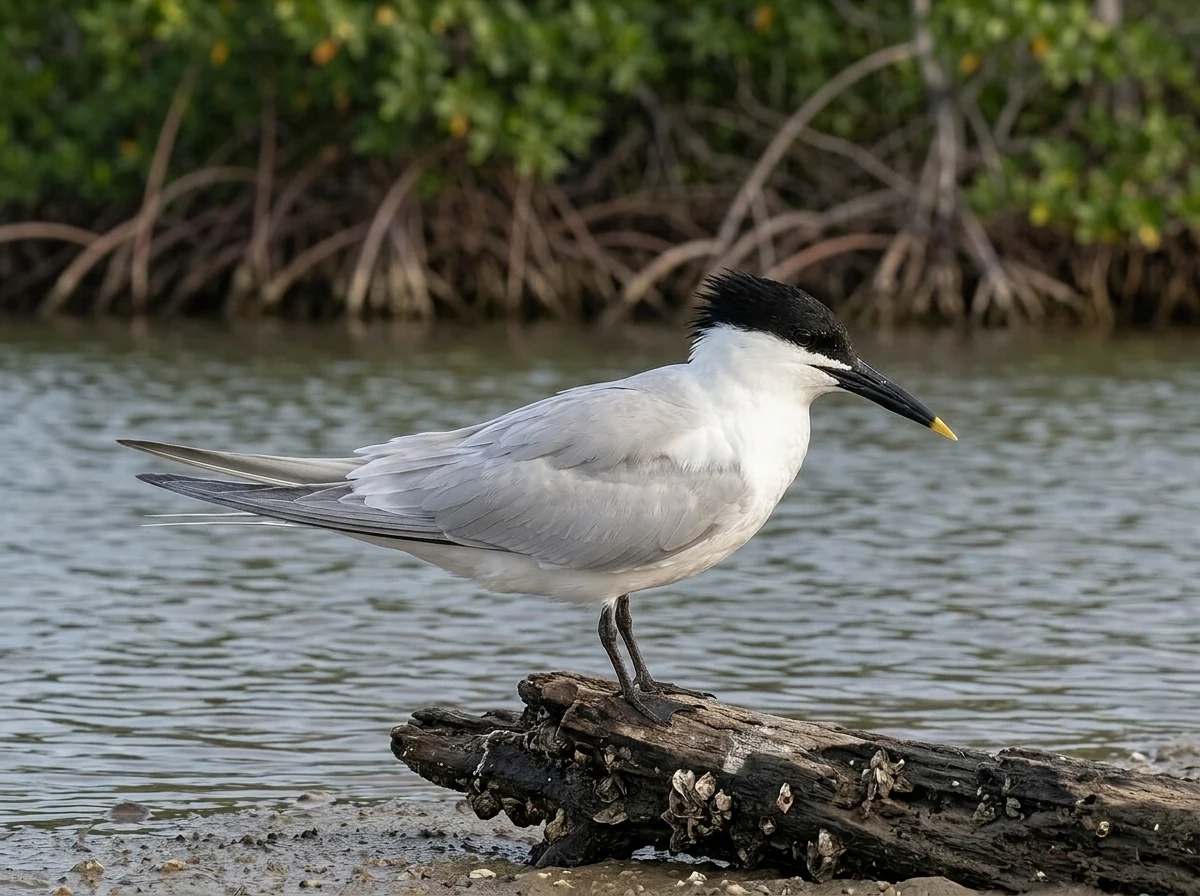
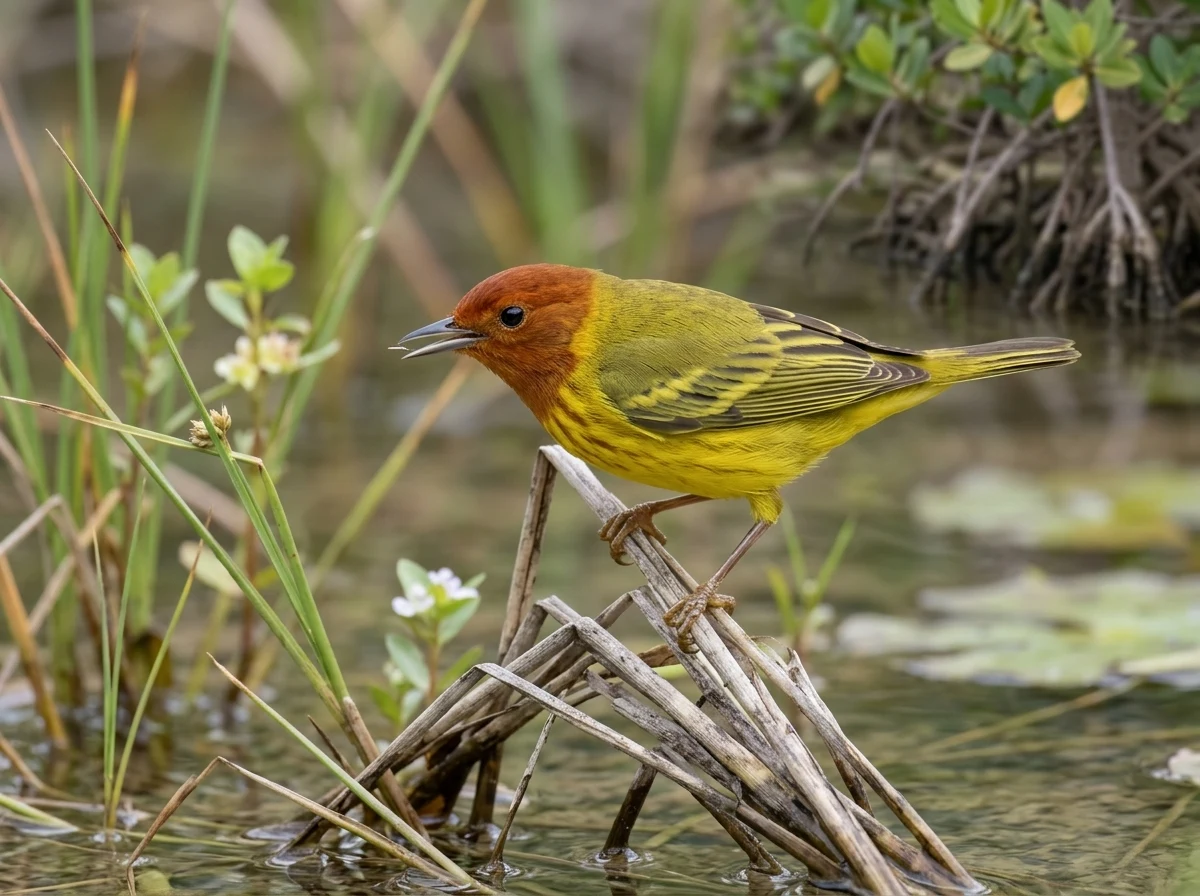
On Cayo Berbería, a mangrove cay within the reserve, Mangrove Yellow Warbler was the most abundant bird. A fall 1980 survey recorded 13 species there, including Brown Pelican, Brown Booby, Roseate Tern, Royal Tern, and Sandwich Tern.
04
What recent records show
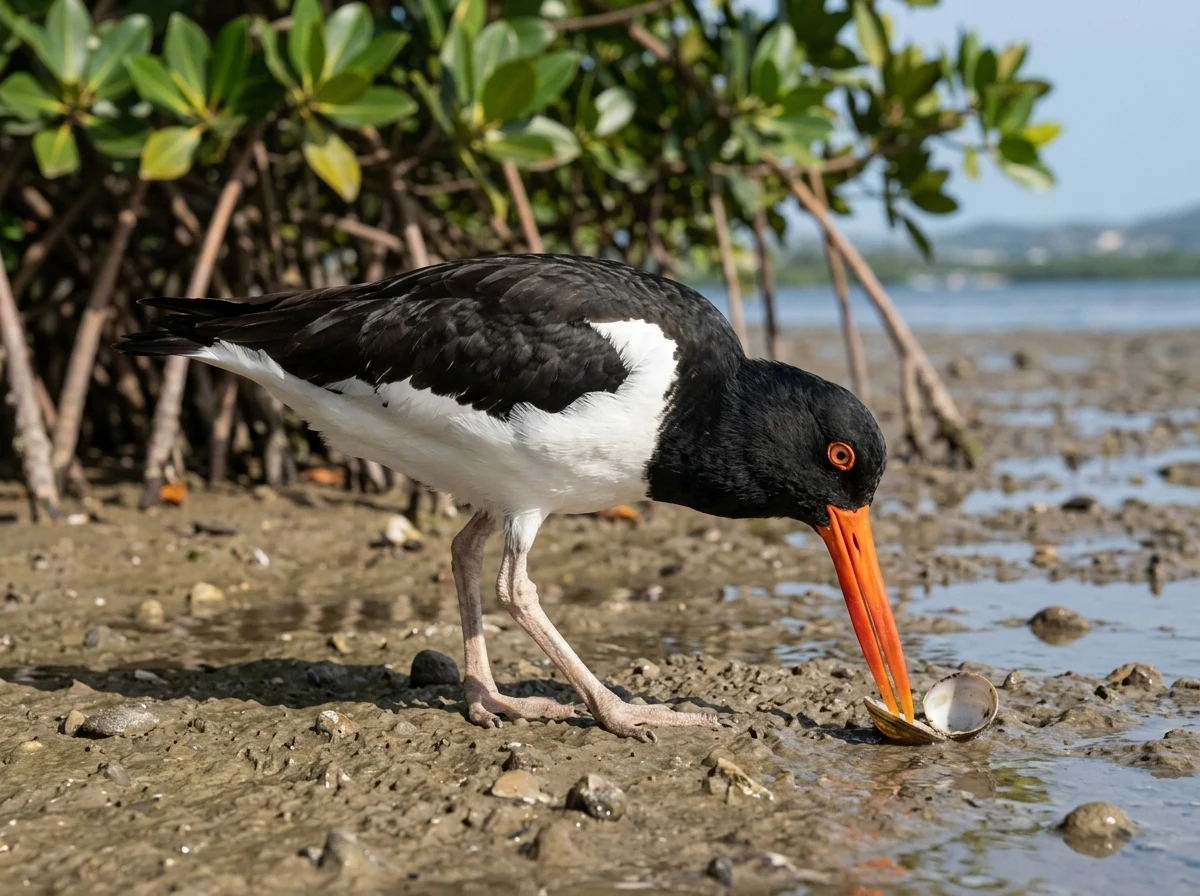
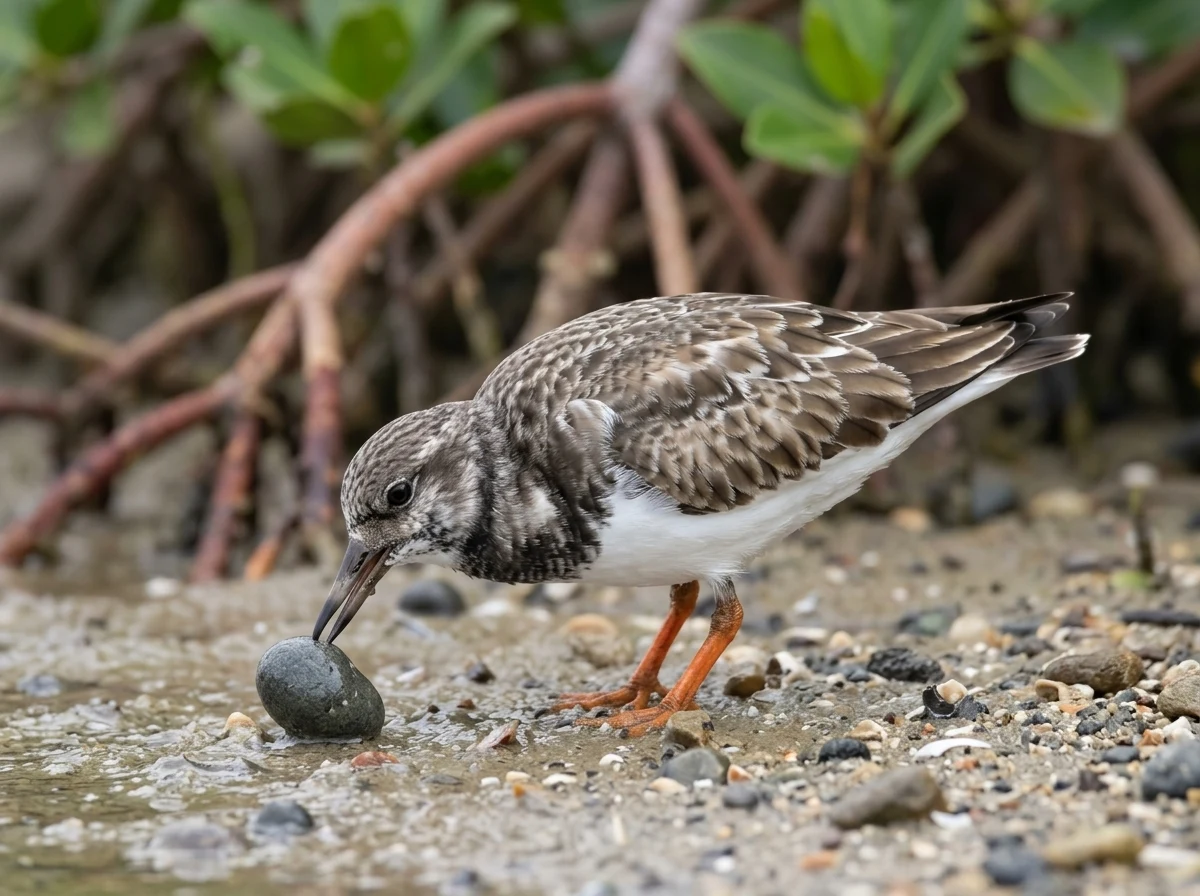
Open records aggregated by GBIF for the island are few, but they confirm the coastal pattern. The species with the most records are Magnificent Frigatebird, Pearly-eyed Thrasher, Brown Pelican, Royal Tern, Ruddy Turnstone, Brown Booby, and American Oystercatcher, followed by Sandwich Tern and White-tailed Tropicbird.
American Oystercatcher, listed as vulnerable by DRNA, uses rocky and sandy shores; Ruddy Turnstone flips stones and seaweed along the tideline. Because observer coverage is low, every complete checklist with date, time, and counts adds to what is known about the place.
05
Access today: pier, ferry, and rules
The 2010 management plan said the main access is by sea from the La Guancha pier in Ponce, and it described a concessionaire running a passenger ferry to the reserve. In March 2026, El Nuevo Día reported that the pier that received the ferry on weekends and holidays had been completely dismantled, that there had been no on-site watch station since 2020, and that DRNA keeps no estimate of how many people still visit the islet.
Before going, confirm access and rehabilitation status with DRNA. Green and hawksbill sea turtles, both endangered, nest on the reserve's beaches; stay off beach-berm vegetation, leave no trash, and do not land on Morrillito or on rocks with birds. The best birding here is done at a distance, with binoculars or a scope.
Linked profiles
Birds of Caja de Muertos and its cays
Rock-nesting seabirds, terns, shorebirds, and the island's few land birds. Open each profile to compare.
Sound archive
Hear its voice
Explore real songs and calls. The spectrogram turns each sound into a visual trace of time and frequency.
XC927122Recording 1 of 3call

Play: call by JAYRSON ARAUJO DE OLIVEIRA
Choose another recording
Sound recorded by JAYRSON ARAUJO DE OLIVEIRA · XC927122 · CC BY-NC-SA 4.0. Visualization by Stichting Xeno-canto voor Natuurgeluiden.
Every recording retains the creator, catalogue number, and license published by Xeno-canto. Metadata via GBIF ↗
01
What birds live on Caja de Muertos?
DRNA highlights Brown Booby, which roosts on Cayo Morrillito, White-tailed Tropicbird, which nests on rocks at the lighthouse and El Morrillo, Brown Pelican, and terns such as Roseate Tern. On land, Pearly-eyed Thrasher is the most abundant bird.
02
Is there a ferry to Caja de Muertos?
The 2010 management plan described a concession ferry, but in March 2026 El Nuevo Día reported that the pier it used had been dismantled. Confirm current access with DRNA before planning.
03
How far is Caja de Muertos from Ponce?
DRNA's management plan places it 4.8 nautical miles off the Ponce coast. The island is 2.75 km long by 1.85 km wide.
04
When do seabirds nest on Caja de Muertos?
DRNA cites 1980 reports of Brown Noddy and Sooty Tern nesting on Cayo Morrillito from June to August. Those data are historical, so treat the whole summer as a sensitive season and keep away from rocks with birds.
05
What is Cayo Morrillito?
It is a rocky cay joined to the southwest of Caja de Muertos by a marine terrace about 100 meters long, and part of the natural reserve. DRNA considers it a seabird nesting area that should be protected.
06
Do sea turtles nest on Caja de Muertos?
Yes. According to DRNA's management plan, green and hawksbill sea turtles, both endangered, nest on the reserve's sandy beaches. That is why it is best to stay off beach-berm vegetation and leave no trash on the sand.
07
What birds are found on Cayo Berbería?
Cayo Berbería is a mangrove cay within the reserve. A fall 1980 survey cited by DRNA recorded 13 species, with Mangrove Yellow Warbler the most abundant, plus Brown Pelican, Brown Booby, Roseate Tern, Royal Tern, and Sandwich Tern.
Keep exploring
Connected routes
Sources and review
The evidence is one link away.
These sources support the editorial scope of this guide. Bird profiles also retain their own taxonomy, occurrence, and conservation references.
Reviewed:
01↗02↗03↗04↗
Departamento de Recursos Naturales y Ambientales
Caja de Muertos Island Natural Reserve management plan
1980 designation, dimensions, 1979-1980 bird surveys, seabird colonies, and sea turtles.El Nuevo Día
Rehabilitation of DRNA facilities on Caja de Muertos gets under way
Condition of the pier and on-site staffing as of March 2026.Global Biodiversity Information Facility
GBIF bird records: Caja de Muertos
Species with open records on the island, queried in September 2026.Sociedad Ornitológica Puertorriqueña
Official bird list
Local names, occurrence categories, and the public summary of 17 endemics.The atlas continues