 AI
AISierra de Cayey forest guide
Birds of Carite State Forest
A short drive from the San Juan metro area, Carite is the nearest mountain forest for learning sierra palm birds, hawks, and pigeons.
Reviewed:The mountain forest closest to San Juan.
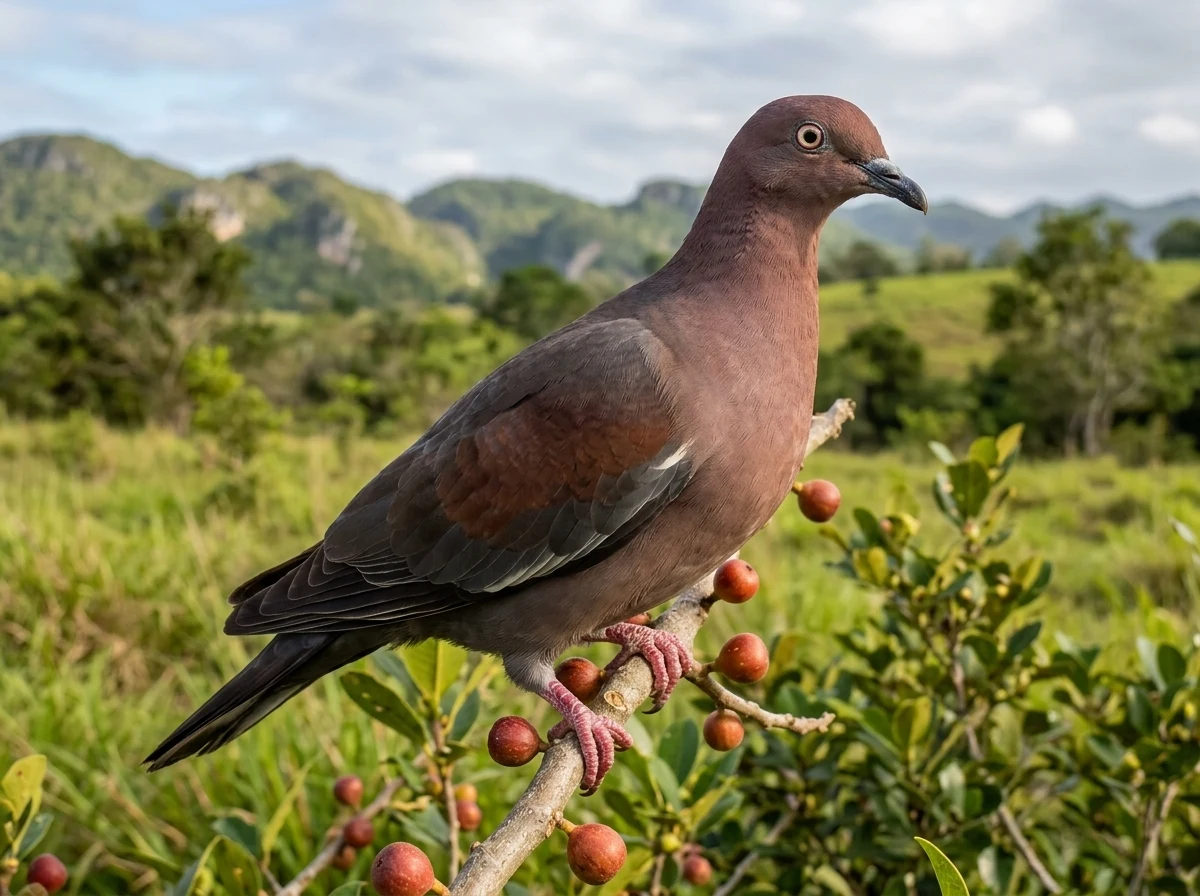
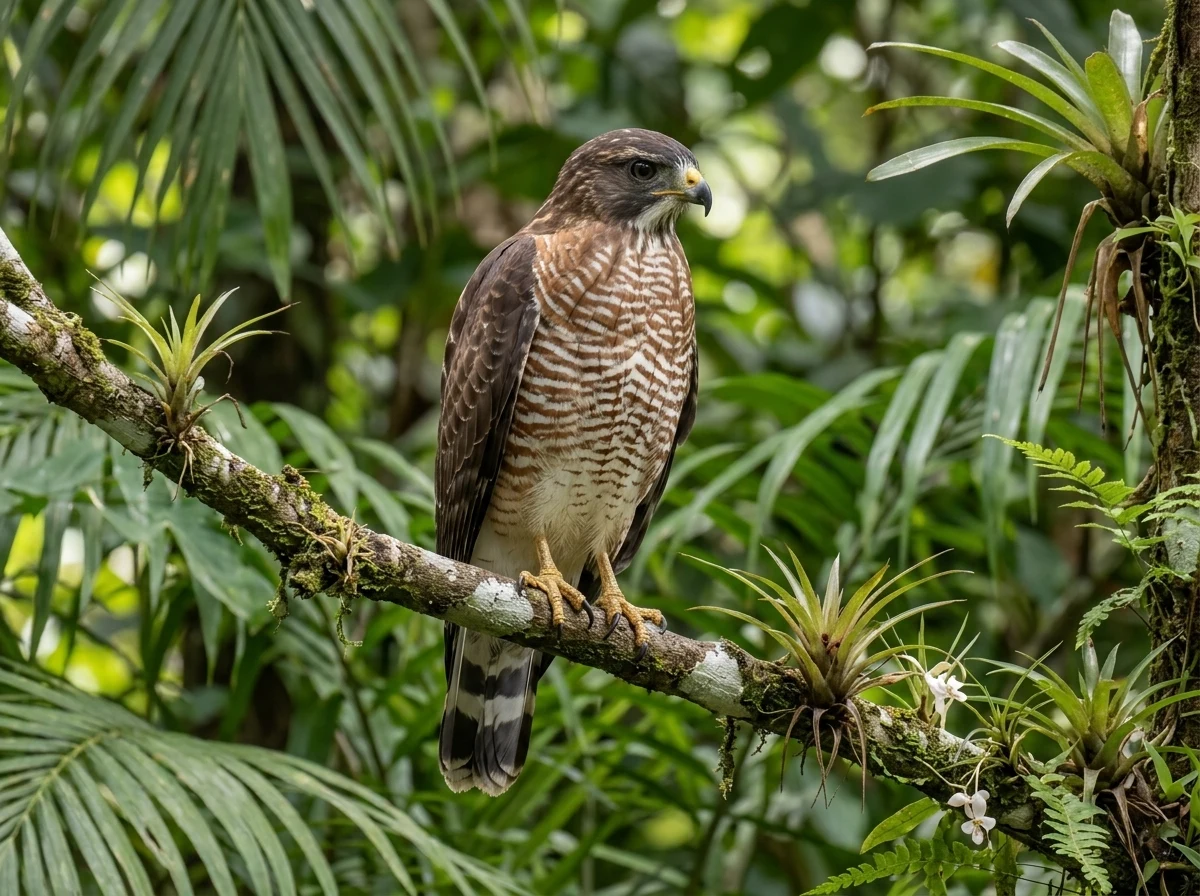
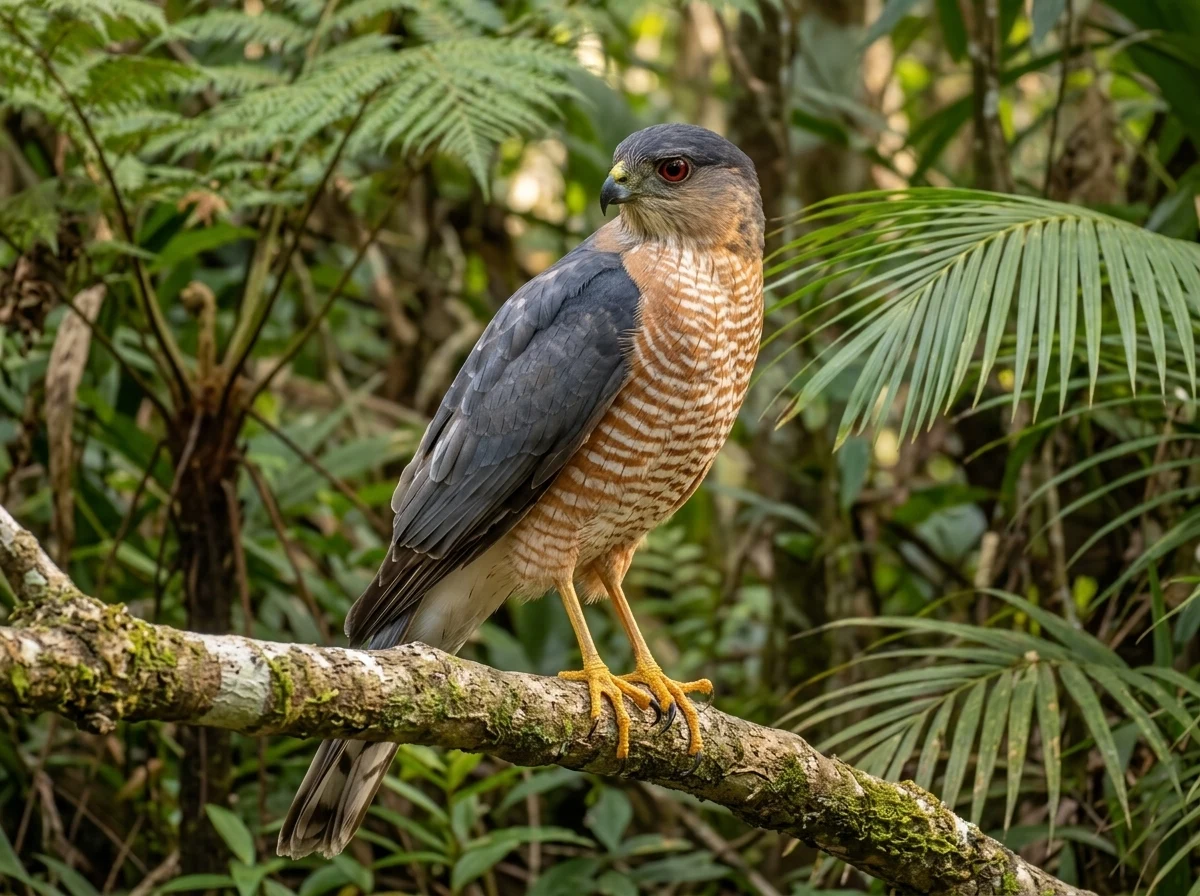
At Carite State Forest, DNER has reported 49 bird species, 9 of them endemic, along with protected species such as the Plain Pigeon (Paloma Sabanera), the Broad-winged Hawk (Guaraguao de Bosque), and the Sharp-shinned Hawk (Falcón de Sierra). It is a good choice for wet mountain birding close to the San Juan metro area.
Carite covers about 6,700 cuerdas (6,499 acres) in the Sierra de Cayey, spanning Cayey, Caguas, Guayama, San Lorenzo, and Patillas. It was established by proclamation in 1935 to protect the watersheds of the Río Grande de Loíza, Río Grande de Patillas, and Río La Plata, which were eroding after early 20th-century deforestation. This guide explains what DNER says about its birds, which species to expect, and how to visit responsibly.
Sierra de Cayey forest guide
Carite according to DNER
49bird species9 endemic, per the DNER fact sheet.
250-903 melevationFrom 820 to 2,962 feet above sea level.
1935year proclaimedCreated to protect three watersheds.
9protected speciesBirds, coquís, and the boa, under Regulation No. 6766.
01
Access: Guavate, Charco Azul, and PR-184
Most visitors reach Carite on PR-184, the road that climbs from Guavate in Cayey, famous for its lechoneras, and crosses the forest toward Patillas. DNER lists rivers and pools, a camping area, the Charco Azul and Real de Patillas recreation areas, parking, gazebos, restrooms, interpretive trails, grills, and the forest manager's office among its facilities.
Charco Azul is the best-known destination and the most practical starting point for a short birding walk. Trails and recreation areas have changed after hurricanes, so confirm with DNER what is open. Educational, ecotourism, and research groups must coordinate with the Uses and Permits Office.
02
Habitats: almost all very wet forest
DNER groups Carite's vegetation into three life zones and places most of the forest in subtropical very wet forest, where sierra palm is abundant and elfin forest appears on the high ridges. Lower elevations hold subtropical moist forest with sierra palm and roble de sierra, and a tiny fraction is lower montane very wet forest with palo colorado.
Carite has 204 tree species, 176 native and 43 endemic, and also the island's largest teak plantation. For birding, alternate between roadside edges with views over the slopes, where hawks and pigeons show, and trails under closed canopy, where you hear Puerto Rican Tody, Puerto Rican Bullfinch, and hummingbirds. Average rainfall is 85 inches a year and average temperature is about 22 °C.
03
Birds named by DNER
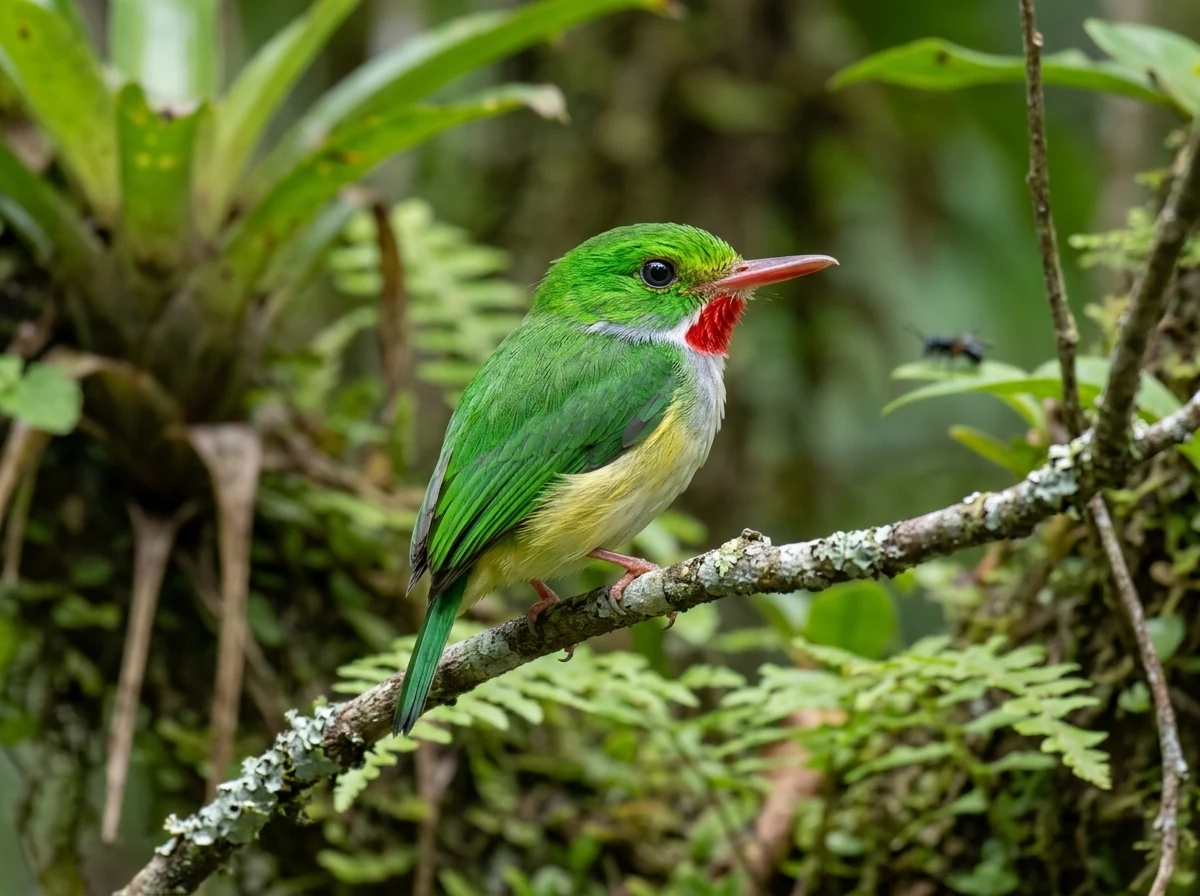
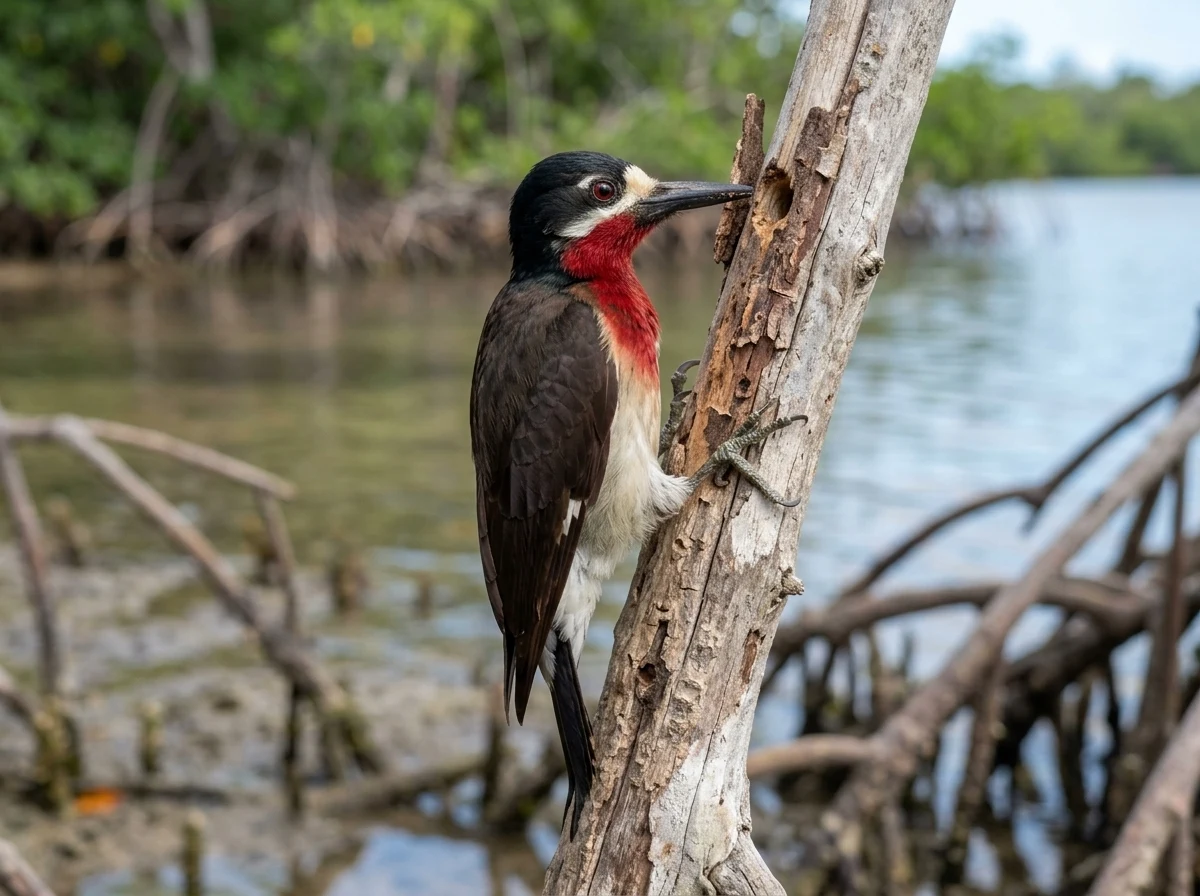
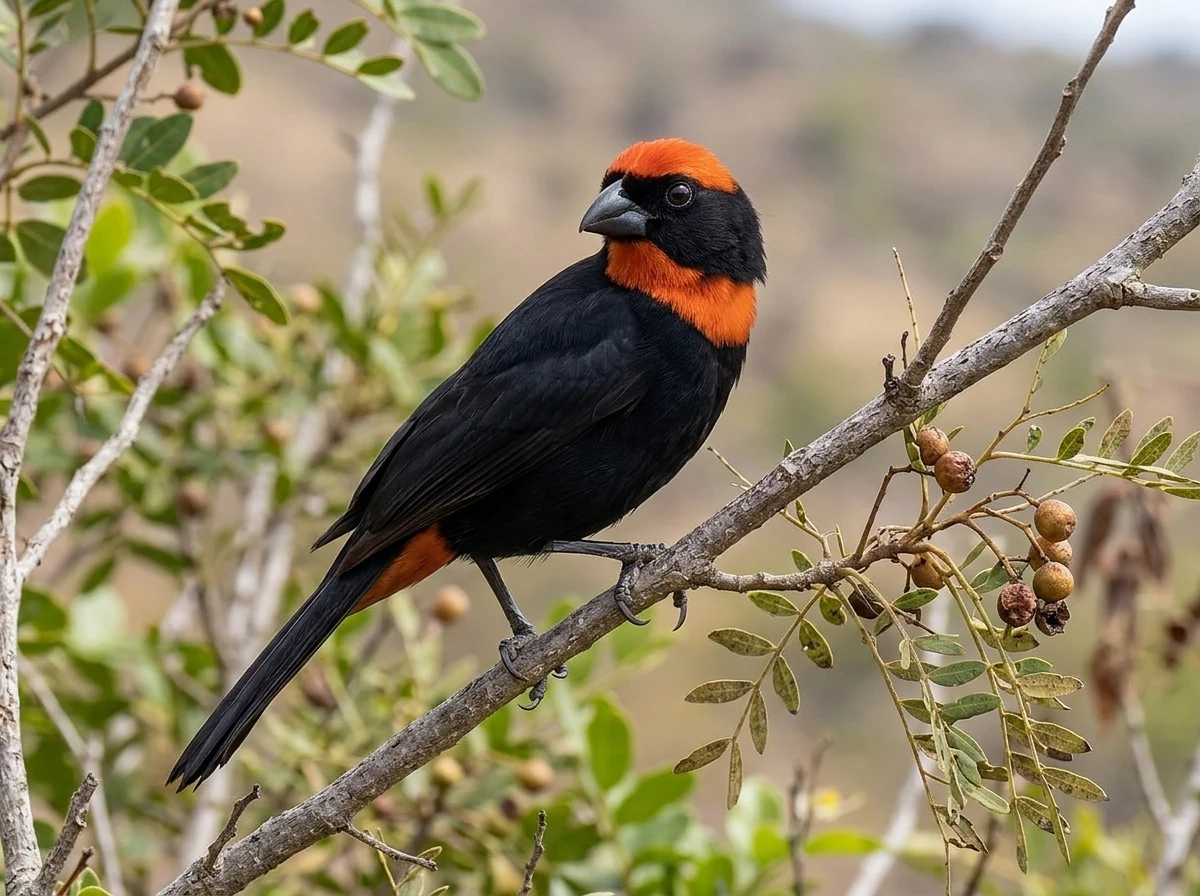
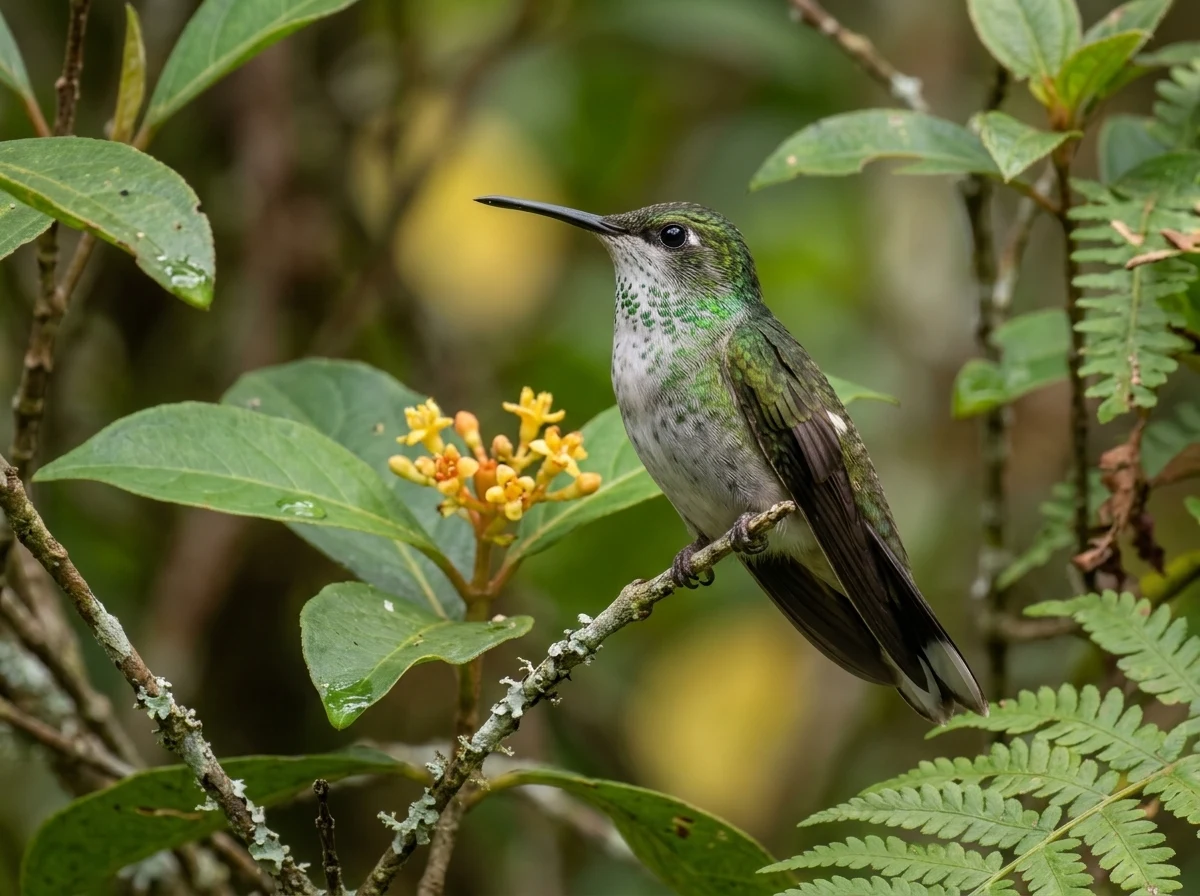
The DNER fact sheet names the Puerto Rican Tody (San Pedrito), Puerto Rican Woodpecker, Puerto Rican Bullfinch (Comeñame), and Puerto Rican Emerald (Zumbadorcito de Puerto Rico) among the forest's birds. These are four endemics you can learn by voice: the tody's nasal 'bzzt', the woodpecker's drumming and calls, the bullfinch's rising whistle, and the emerald's buzz near flowers.
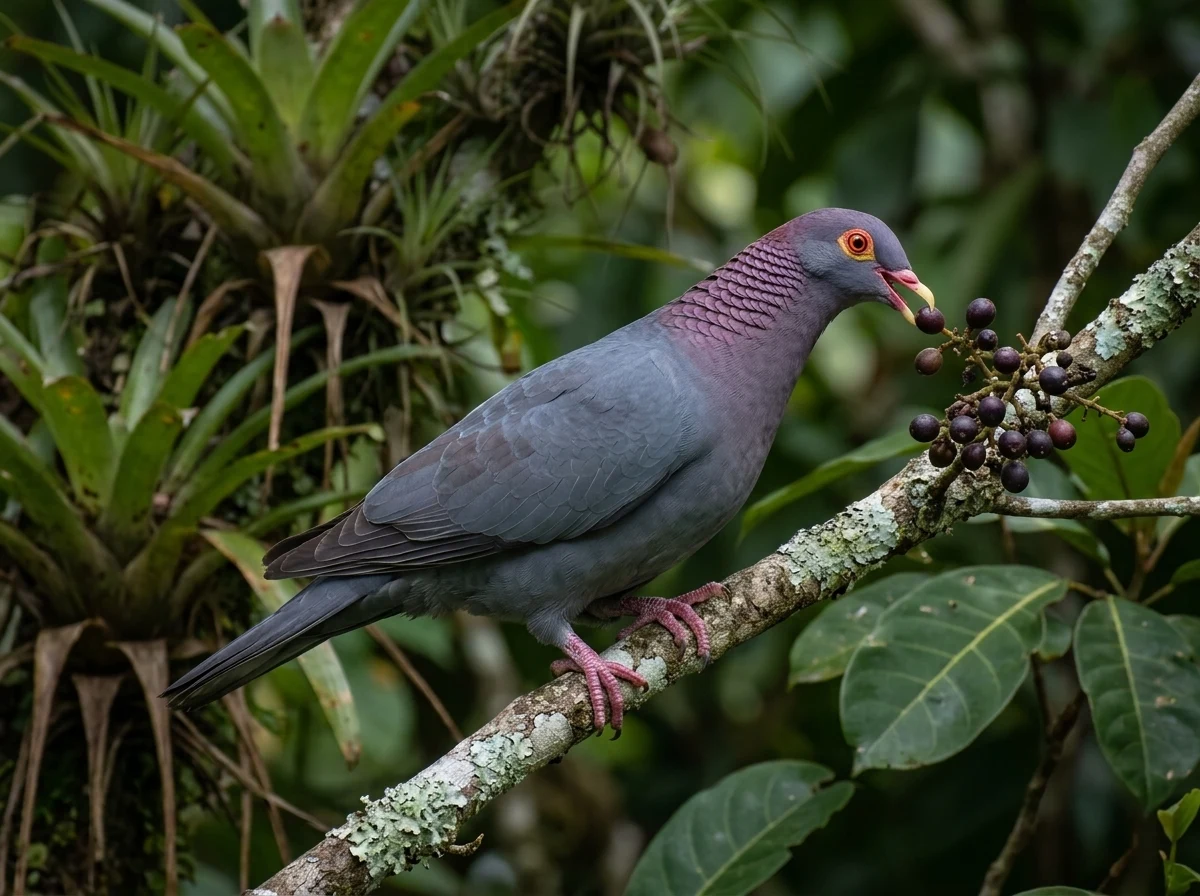
Among species protected by Regulation No. 6766, DNER lists the Broad-winged Hawk and Sharp-shinned Hawk as critically endangered and the Plain Pigeon as endangered. The Plain Pigeon is rare and easy to confuse with the far commoner Scaly-naped Pigeon, which is slate gray with a scaled, wine-colored neck. Before recording a Plain Pigeon, study the neck, wing, and voice carefully and document it with photos.
04
Elfin-woods Warbler: a historical record
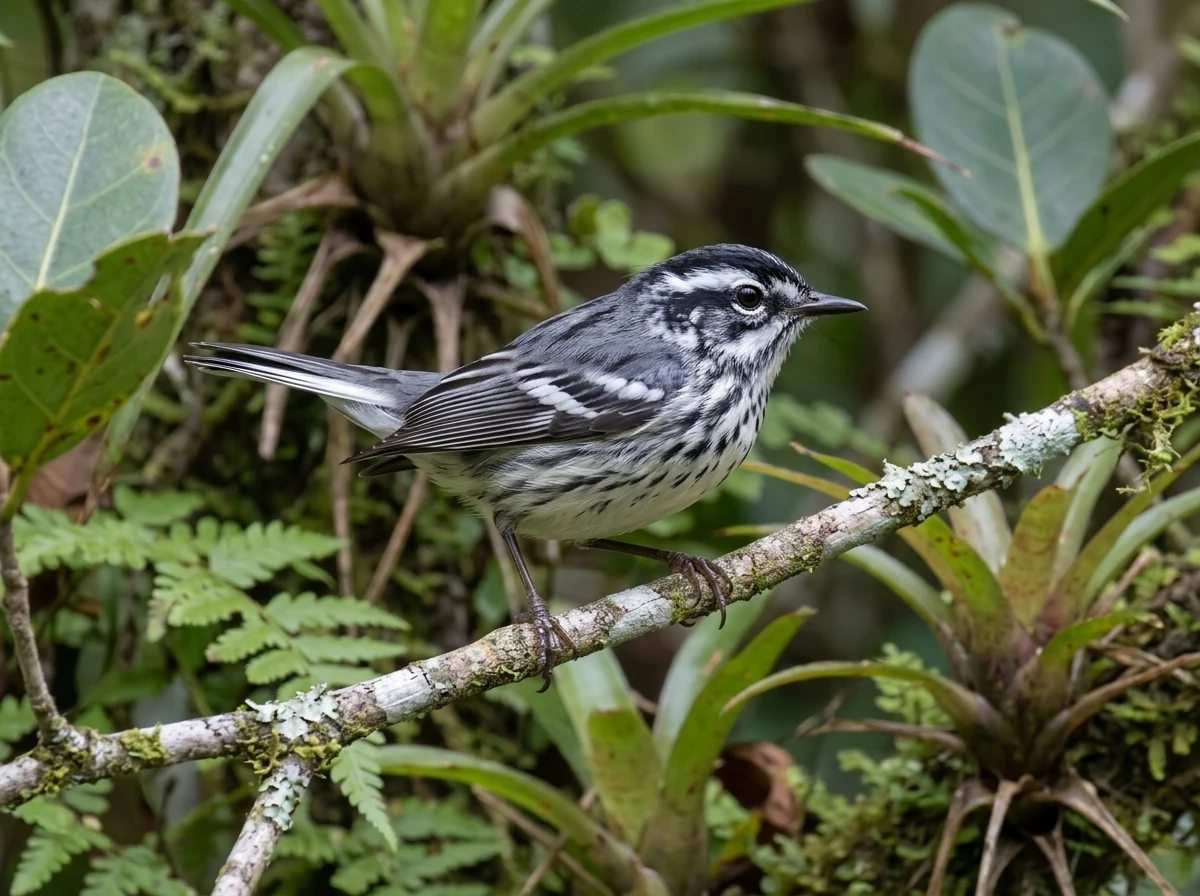
DNER's 2008 fact sheet includes the Elfin-woods Warbler among Carite's species. The 2016 federal rule adds context: the species was reported in the Guavate area of Carite forest, but had not been seen there in about 15 years, and surveys published in 2000 and 2006 did not detect it.
That is why this guide does not present it as a Carite target. If you see a black-and-white warbler in the elfin forest, compare it with the Black-and-white Warbler, a trunk-creeping winter migrant, and document it with photos and audio. Known Elfin-woods Warbler populations today are in Maricao and El Yunque.
05
Best season and time for Carite
According to DNER, Carite's wettest months run from May to October. November through April usually brings more dry mornings and overlaps with the season when northern migrant warblers arrive, adding species to the forest list.
The first two or three hours after sunrise are the most active. Avoid mid-morning weekends near Charco Azul if you want quiet: it is a popular swimming spot, and noise cuts down detection by ear. Hawks show best once the sun warms the slopes, from an open point along the road.
06
How to watch without disturbing
Carite protects nine species under Regulation No. 6766, including birds, coquís such as Eneida's coquí and the web-footed coquí, and the Puerto Rican boa. Do not use playback to draw in protected hawks or pigeons, do not approach nests, and do not share exact locations of sensitive species online.
Park only in permitted areas along PR-184, which is narrow and winding. Stay on trails, do not leave food for animals, and respect closures after heavy rain. Record what you saw separately from what you only heard; that distinction makes your checklists more useful for other birders and for forest management.
Linked profiles
Carite birds to study before you go
Species named or protected per DNER, the pigeon most often confused with the Plain Pigeon, and the historically recorded warbler.
Sound archive
Hear its voice
Explore real songs and calls. The spectrogram turns each sound into a visual trace of time and frequency.
XC796586Recording 1 of 3call

Play: call by Bobby Wilcox
Choose another recording
Sound recorded by Bobby Wilcox · XC796586 · CC BY-NC-SA 4.0. Visualization by Stichting Xeno-canto voor Natuurgeluiden.
Every recording retains the creator, catalogue number, and license published by Xeno-canto. Metadata via GBIF ↗
01
What birds are in Carite forest?
DNER reports 49 bird species at Carite, 9 endemic, and names the Puerto Rican Tody, Puerto Rican Woodpecker, Puerto Rican Bullfinch, and Puerto Rican Emerald. The forest also protects the Plain Pigeon, Broad-winged Hawk, and Sharp-shinned Hawk.
02
Where is Carite State Forest?
In the Sierra de Cayey in southeastern Puerto Rico, between Cayey, Caguas, Guayama, San Lorenzo, and Patillas. It is usually reached on PR-184 from Guavate in Cayey, with the Charco Azul area on the Patillas side.
03
Can you see the Plain Pigeon at Carite?
DNER lists the Plain Pigeon among the endangered species protected at Carite, but a sighting is not guaranteed. It is rare and often confused with the far commoner Scaly-naped Pigeon, which is slate gray with a scaled, wine-colored neck; check neck, wing, and voice and document it with photos before you record it.
04
Is there an Elfin-woods Warbler at Carite?
There was a historical report in the Guavate area, but the 2016 federal rule says it had not been seen there in about 15 years and that surveys published in 2000 and 2006 did not detect it. Maricao and El Yunque are the places with known populations.
05
When is the best time to bird Carite?
The wettest months are May to October, according to DNER, so November through April usually brings more dry mornings plus migrant warblers. In any month, the first hours after sunrise are the most active.
06
Carite or El Yunque for birding?
El Yunque has more infrastructure and the Puerto Rican Parrot; Carite is quieter, close to the PR-52 expressway from San Juan, and offers the Plain Pigeon and protected hawks according to DNER. If you have time, visiting both lets you compare two different wet mountain ranges.
Keep exploring
Connected routes
Sources and review
The evidence is one link away.
These sources support the editorial scope of this guide. Bird profiles also retain their own taxonomy, occurrence, and conservation references.
Reviewed:
01↗02↗03↗04↗
Departamento de Recursos Naturales y Ambientales
Our Environment fact sheet: Carite State Forest (P-024)
1935 proclamation, 6,700 cuerdas, protected watersheds, 49 bird species (9 endemic), protected species, elevations, and climate.U.S. Fish and Wildlife Service / Federal Register
Final rule: Elfin-woods Warbler listed as threatened (2016)
Historical warbler records at Toro Negro and Guavate-Carite and later surveys that did not detect it.Xeno-canto Foundation / GBIF
Xeno-canto recordings published through GBIF
Metadata, authorship, licenses, and catalogue records for field recordings used by the atlas.Discover Puerto Rico
Birding in Puerto Rico
Overview of habitats and birding places across the archipelago.The atlas continues