 AI
AIMountain forest guide
Birds of Toro Negro State Forest
The forest that climbs to Cerro de Punta is not a long-list site. It is a place for mountain hawks, mist, and voices you hear long before you see them.
Reviewed:A short list, but a high-mountain one.
At Toro Negro State Forest, Puerto Rico's DNER (DRNA) reports 30 bird species, including 6 endemics and two endangered raptors: the Sharp-shinned Hawk (Falcón de Sierra) and the Broad-winged Hawk (Guaraguao de Bosque). It is the best state forest for studying very wet mountain birds above 1,000 meters, not for piling up a long list.
The forest covers about 8,204 cuerdas split into seven segments across Orocovis, Jayuya, Ponce, Juana Díaz, and Ciales, rising from 440 m at Salto Inabón to 1,338 m at Cerro de Punta, the highest peak in Puerto Rico. This guide summarizes what official sources say, which species to expect by habitat, and how to plan a visit that respects two critically imperiled hawks.
Mountain forest guide
Toro Negro in official numbers
30bird species reportedIncludes 6 endemics, per the DNER fact sheet.
1,338 mCerro de PuntaPuerto Rico's highest peak lies inside the forest.
18 kmof trailsTrail system with an observation tower, per DNER.
2endangered hawksSharp-shinned and Broad-winged Hawks, protected by regulation.
01
Where it is and how to get there
Toro Negro sits in the Cordillera Central, the island's mountain spine. Most visitors arrive on PR-143, the Ruta Panorámica road, where the office, parking, and facilities of the Doña Juana recreation area in Orocovis are located. Trails to the observation tower and the swimming holes start there.
DNER describes an 18 km trail system, an observation tower, camping areas, a day-use area, gazebos, a natural pool, restrooms, and parking. Educational, ecotourism, and research groups must coordinate with the DNER Uses and Permits Office. Conditions change after hurricanes and landslides, so confirm which trails are open before driving up the mountain.
02
Habitats: tabonuco, sierra palm, and elfin forest
DNER classifies the forest into two life zones: subtropical very wet forest (31%) and lower montane very wet forest (69%). Within them are four vegetation associations: tabonuco forest, Micropholis-Buchenavia forest, sierra palm forest, and elfin forest on the summits. Little and Wadsworth reported 160 tree species in 53 families.
For birders, that means the canopy changes height and density within a few hundred meters. In sierra palm stands the view opens across the slopes; in elfin forest the trees are short, mossy, and often wrapped in fog. Nine rivers rise in or cross the forest, and the Matrullas and Guineo reservoirs, the highest relative to sea level according to DNER, add open water to a forest-dominated landscape.
03
The birds a visitor looks for
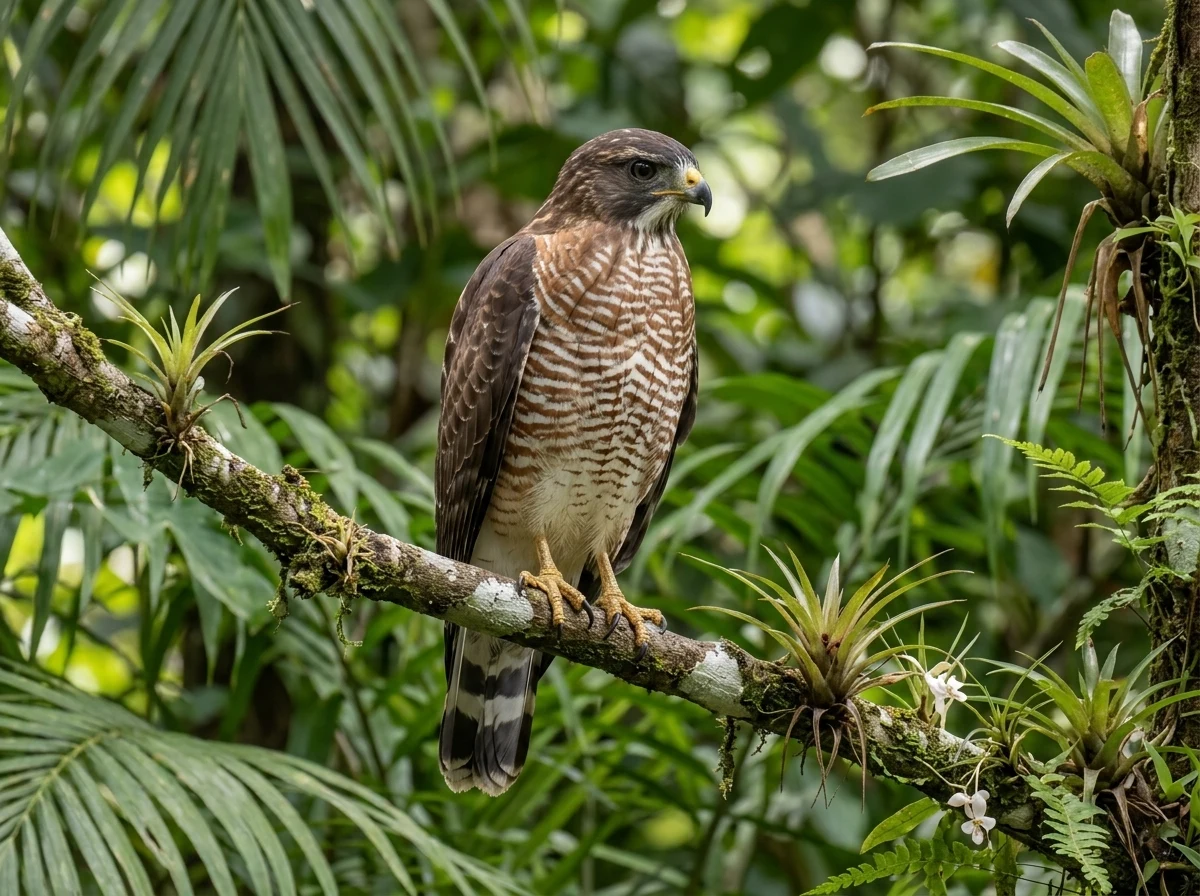
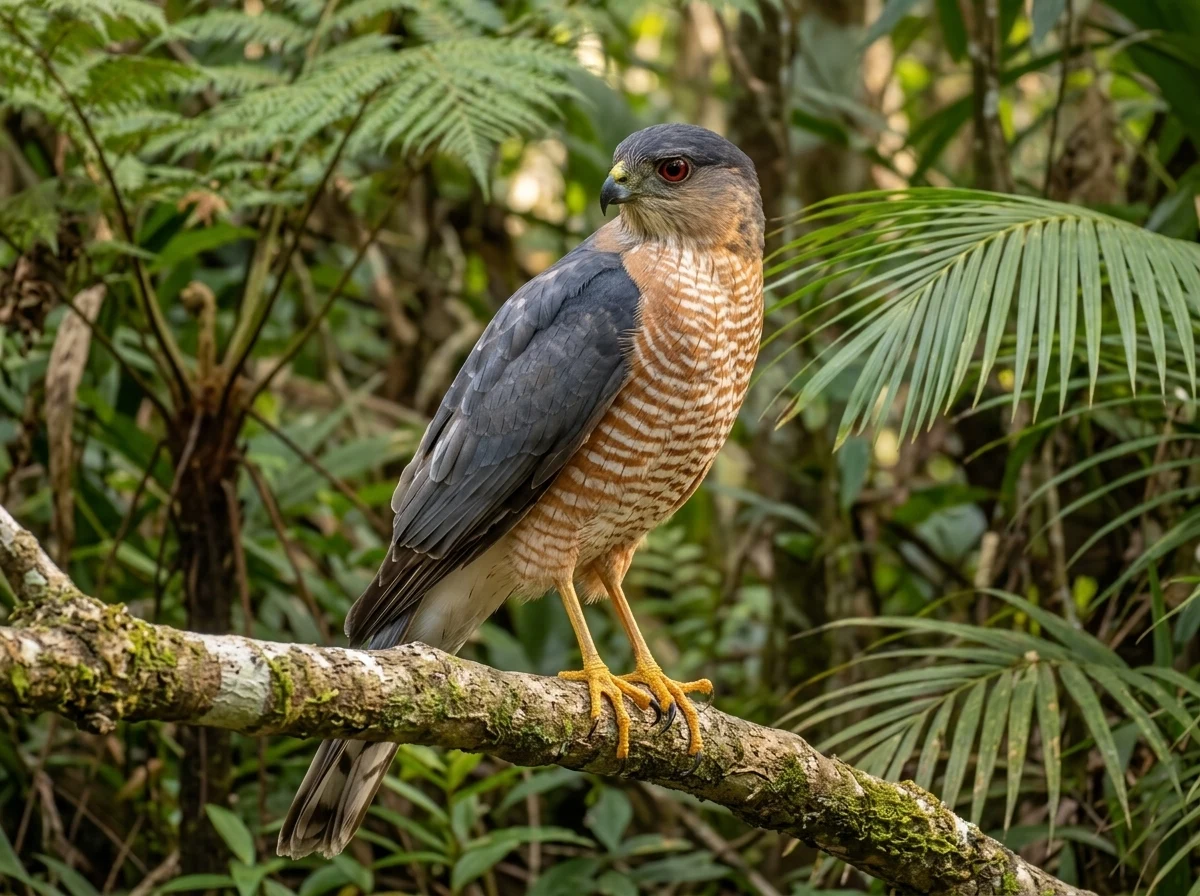
The DNER fact sheet names only two of its 30 species: the Sharp-shinned Hawk (Accipiter striatus) and the Broad-winged Hawk (Buteo platypterus). Both Puerto Rican subspecies are listed as critically endangered by DNER and as endangered under the federal Endangered Species Act. The Broad-winged Hawk is mid-sized, with broad dark and pale tail bands, and soars over the canopy on sunny mornings; the Sharp-shinned Hawk is small, short-winged, and long-tailed, and crosses the forest with quick wingbeats.
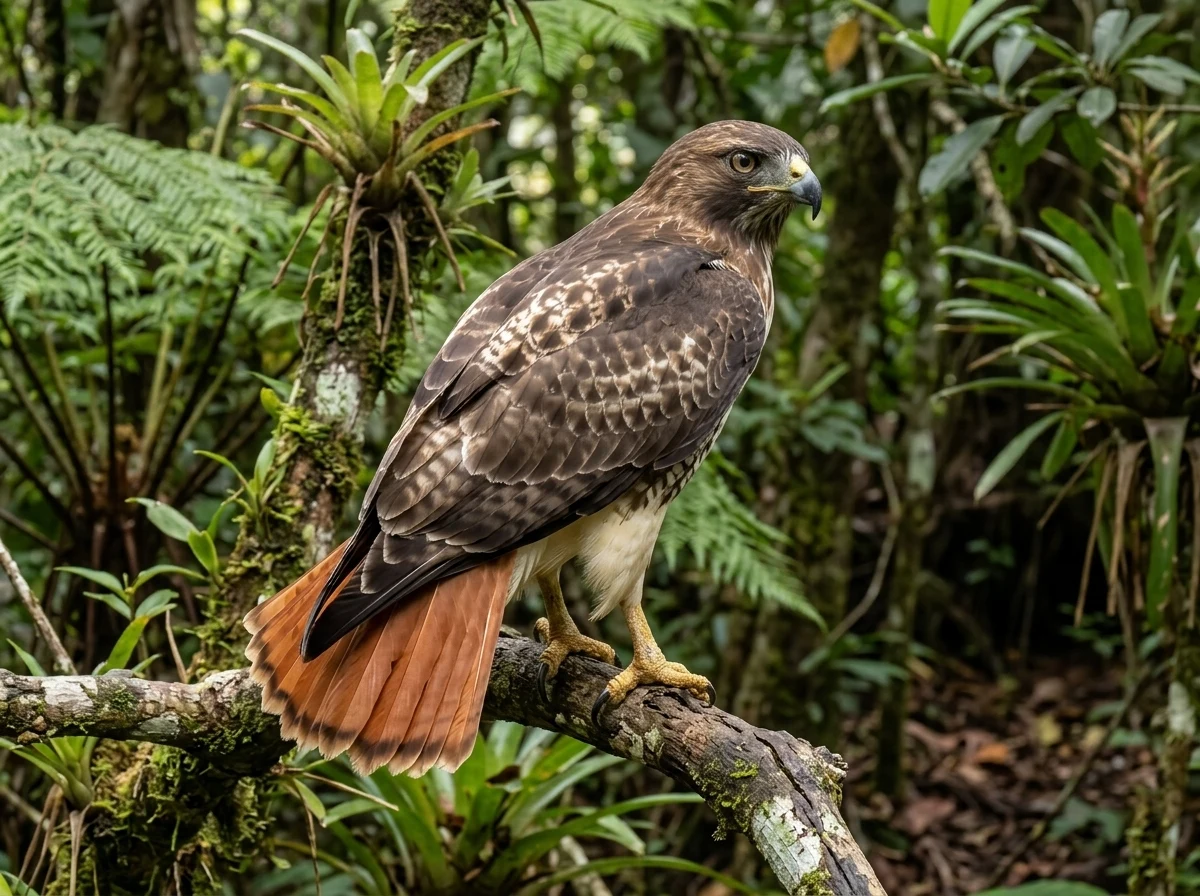
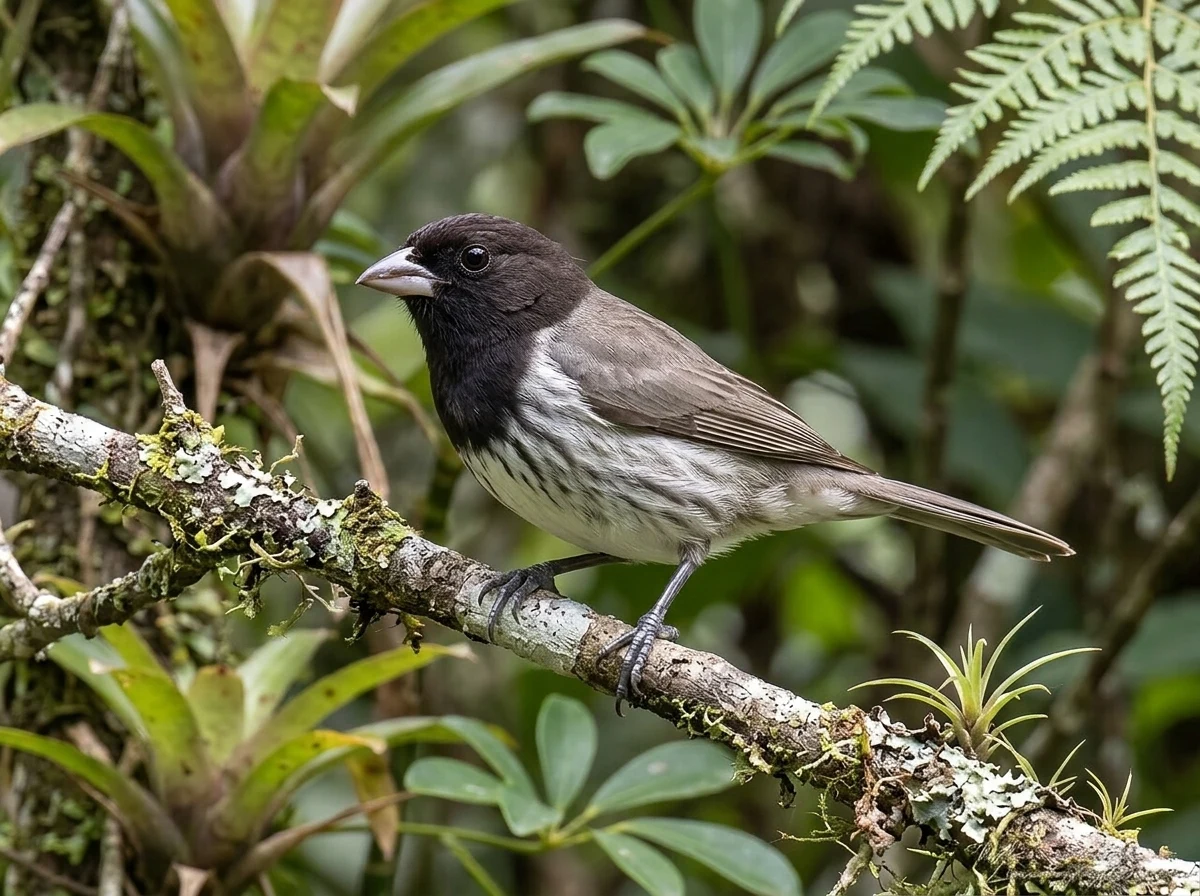
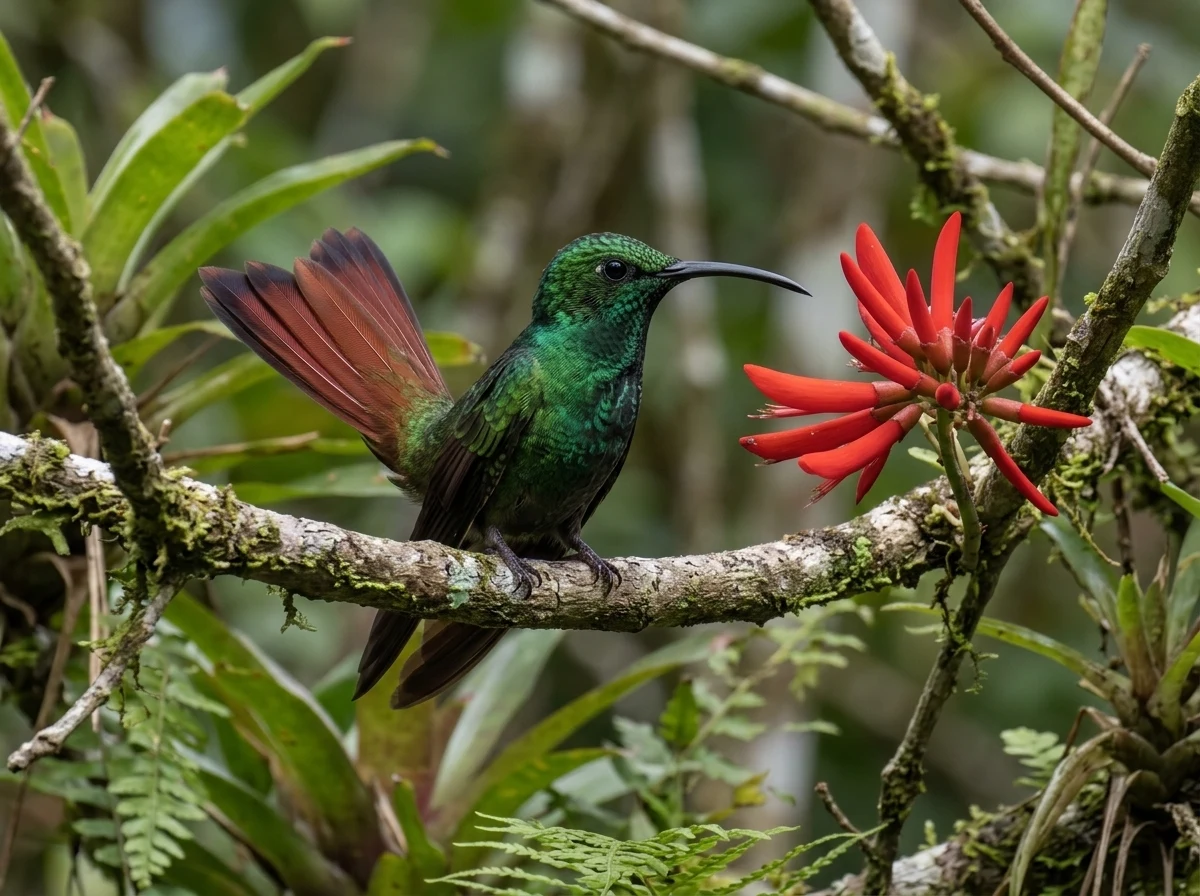
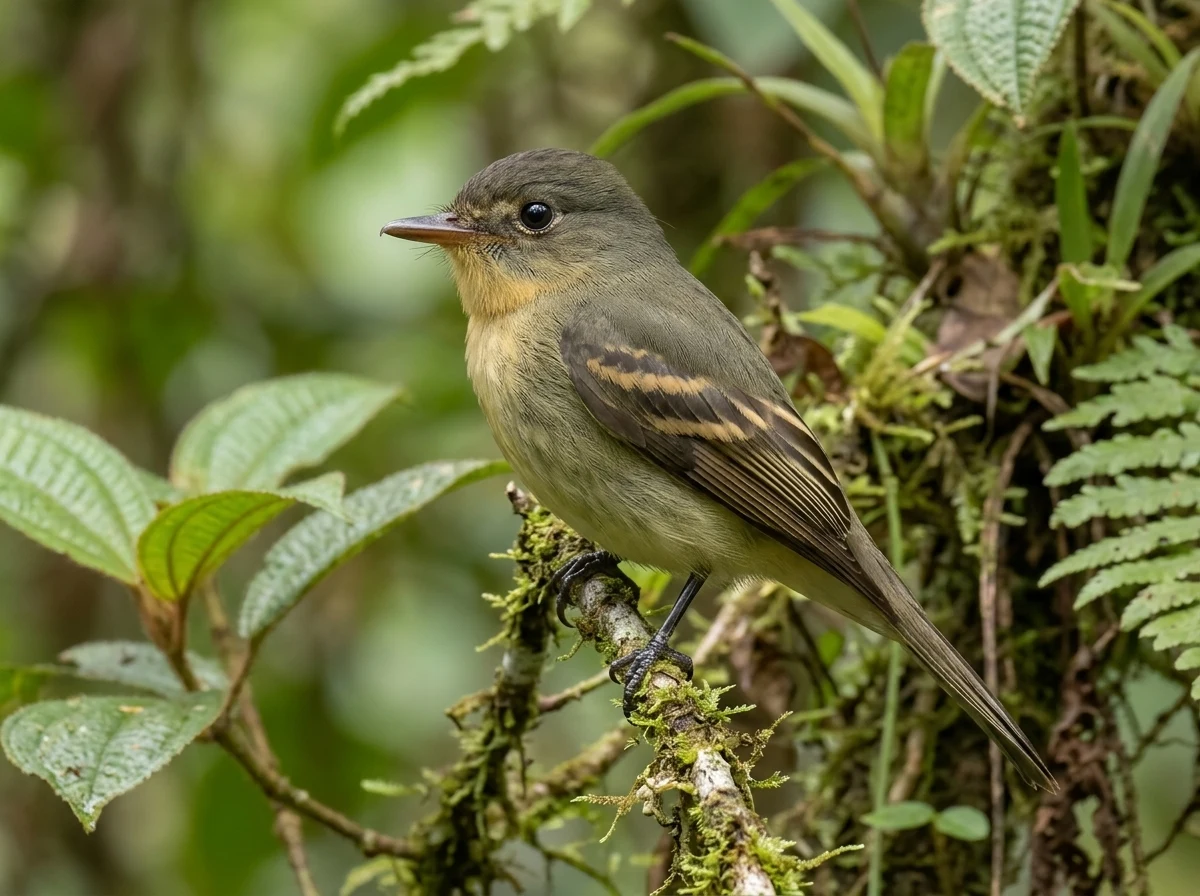
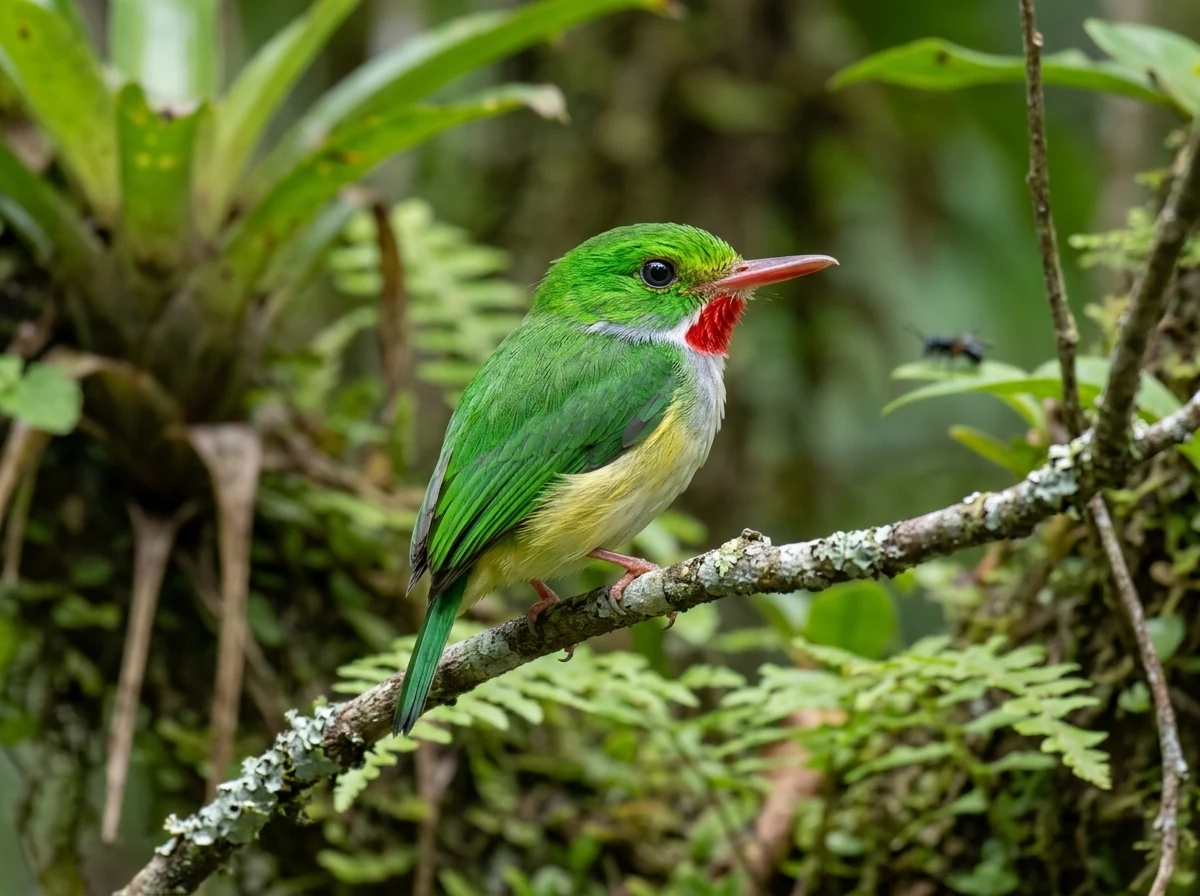
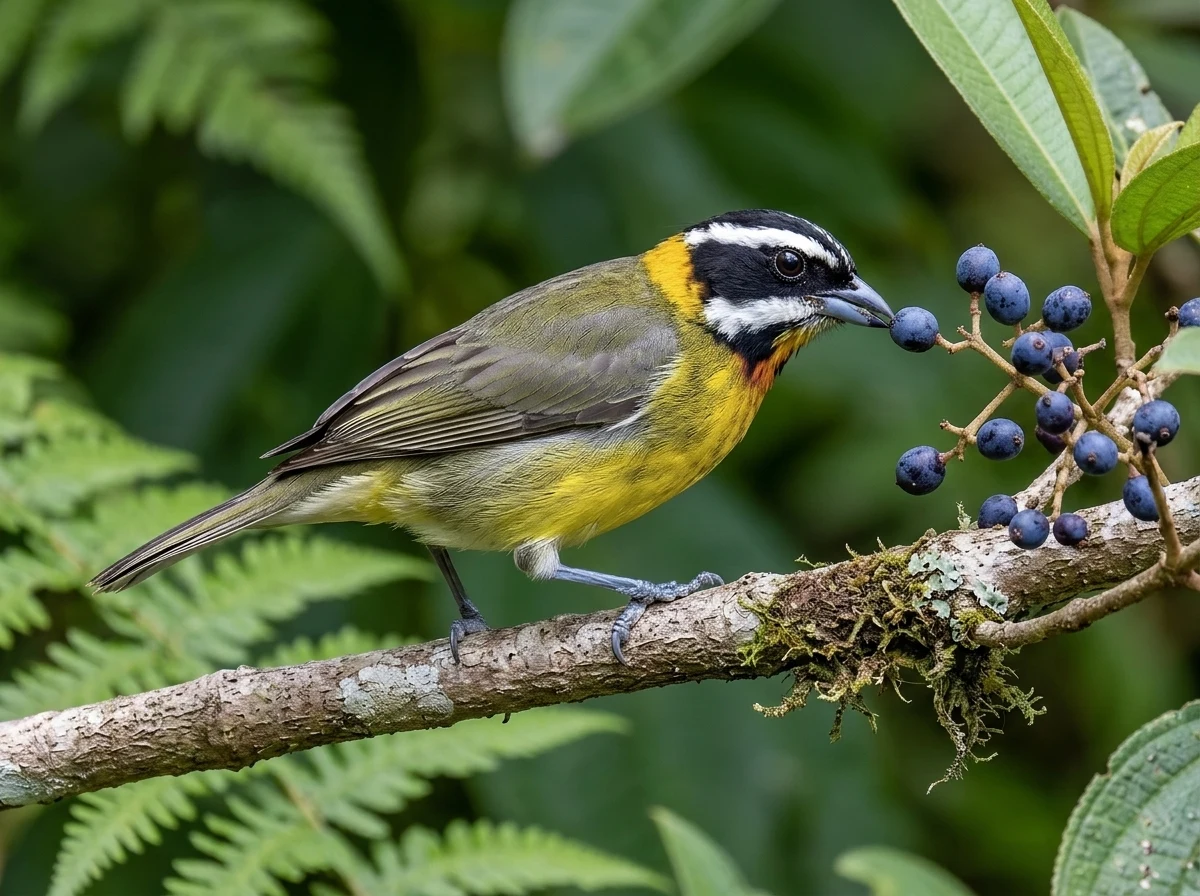
For the rest of the list, our habitat profiles point to wet montane forest species: Puerto Rican Tanager (Llorosa), Green Mango (Zumbador Verde), Lesser Antillean Pewee (Bobito de Puerto Rico), Puerto Rican Tody (San Pedrito), and Puerto Rican Spindalis (Reina Mora). The far commoner Red-tailed Hawk is the large raptor you will see most; comparing it with the Broad-winged Hawk is the most useful identification exercise of the visit. These species are habitat-based expectations, not an official forest list.
04
What about the Elfin-woods Warbler?
Toro Negro has elfin forest, so many visitors ask about the Elfin-woods Warbler. The 2016 federal rule that listed it as threatened explains that the species was reported in Toro Negro State Forest, but that later surveys in Toro Negro and other Cordillera Central forests, including Carite, Tres Picachos, Susúa, and Guilarte, did not detect it.
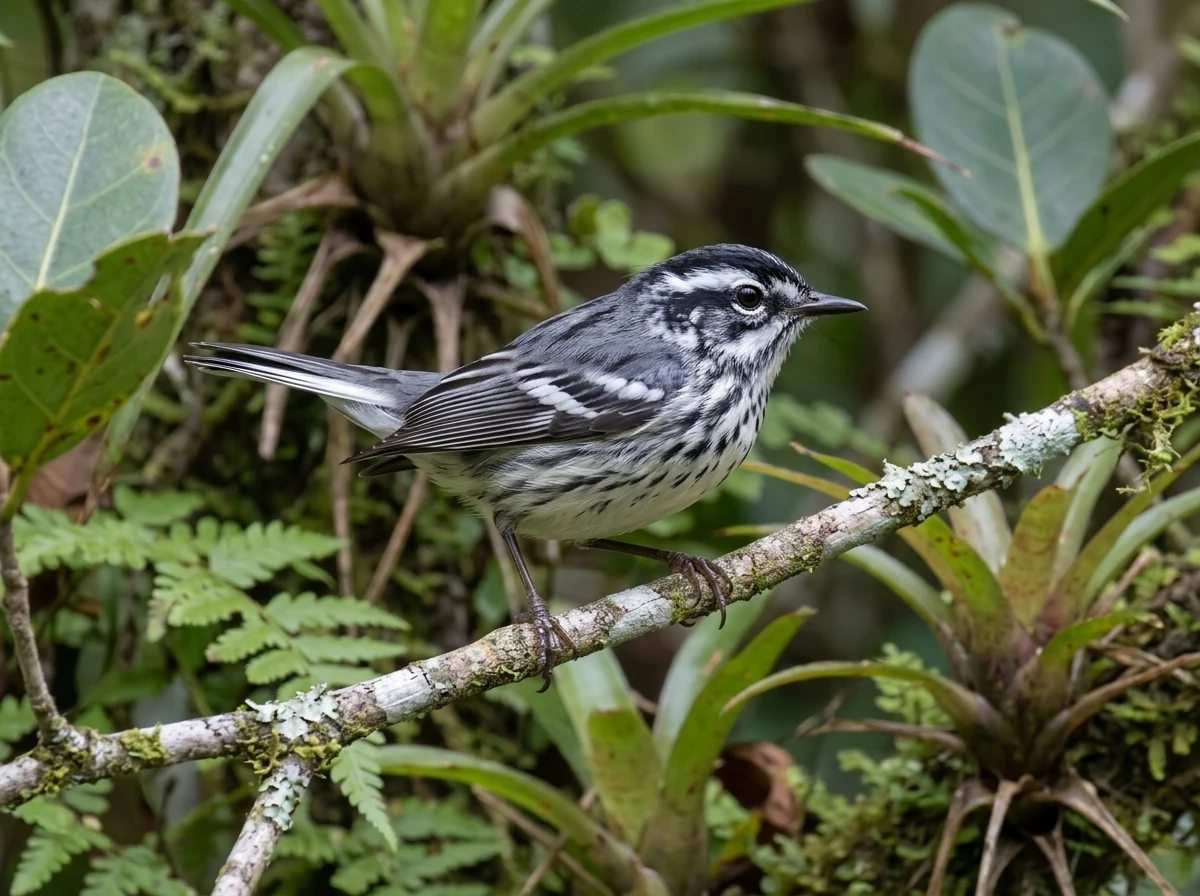
Known populations today are in Maricao and El Yunque. If you think you see a black-and-white warbler at Toro Negro, document it with photos and audio, note time and general location, and compare it with the Black-and-white Warbler, a similar winter migrant. Such a record would matter, but it is also easy to get wrong.
05
Best season and time of day
DNER reports average rainfall of 2,573 mm a year, with the wettest months in September and May and a dry period from December to March; June and July also tend to be dry. Average temperature is 18.4 °C, cool for Puerto Rico. The drier months bring more clear mornings, useful for watching soaring hawks and for less slippery trails.
Arrive early: small birds sing most in the first hours, and fog often rises as the day goes on. Hawks, by contrast, use rising air once the sun warms the slopes, so a mid-morning stop at an open viewpoint such as the tower can pay off more than more walking. Bring a light jacket and rain gear.
06
Respectful birding in a raptor forest
The Sharp-shinned Hawk and Broad-winged Hawk are protected under DNER Regulation No. 6766. Do not use playback to attract them, do not search for nests, and do not publish exact locations of perches or pairs. If a hawk calls insistently or circles close to you, you are probably near its territory: back away.
Stay on trails, do not feed wildlife, and pack out your trash. The forest also protects species such as the Puerto Rican boa and the mountain coquí, named in the same regulation. If you see an injured raptor or illegal activity, contact the DNER Ranger Corps instead of intervening.
Linked profiles
Birds to prepare for a Toro Negro visit
The two hawks named by DNER, typical montane forest species, and the warbler no longer detected there.
Sound archive
Hear its voice
Explore real songs and calls. The spectrogram turns each sound into a visual trace of time and frequency.
XC782169Recording 1 of 3field recording

Play: field recording by ABirder
Choose another recording
Sound recorded by ABirder · XC782169 · CC BY-NC-SA 4.0. Visualization by Stichting Xeno-canto voor Natuurgeluiden.
Every recording retains the creator, catalogue number, and license published by Xeno-canto. Metadata via GBIF ↗
01
What birds live in Toro Negro State Forest?
DNER reports 30 bird species at Toro Negro, including 6 endemics and two endangered hawks: the Sharp-shinned Hawk and the Broad-winged Hawk. Its very wet mountain habitat also suits species such as Puerto Rican Tanager, Green Mango, and Puerto Rican Tody.
02
Where is Toro Negro forest located?
In the Cordillera Central, split into seven segments across Orocovis, Jayuya, Ponce, Juana Díaz, and Ciales. The Doña Juana recreation area in Orocovis, reached on PR-143, is the usual starting point for visitors.
03
Is the Elfin-woods Warbler found at Toro Negro?
It was reported there in the past, but the 2016 federal rule states that later surveys did not detect it at Toro Negro. Known populations are in Maricao and El Yunque, so any Toro Negro record should be documented with photos or audio.
04
When is the best time to bird Toro Negro?
December to March, the driest period according to DNER, brings more clear mornings and less slippery trails. In any month, arrive early for small birds and pause mid-morning at an open viewpoint to watch soaring hawks.
05
How do I tell a Broad-winged Hawk from a Red-tailed Hawk?
The Broad-winged Hawk is smaller and has a tail with broad dark and pale bands, while an adult Red-tailed Hawk is larger and shows a rusty upper tail. Red-tailed Hawks are far commoner island-wide, so confirm the tail banding before recording a Broad-winged Hawk.
06
Do you need a permit to visit Toro Negro?
The DNER fact sheet does not describe a permit for an individual day visit, but educational, ecotourism, and research groups must coordinate with the DNER Uses and Permits Office. Camping also requires coordination; confirm current requirements before you go.
Keep exploring
Connected routes
Sources and review
The evidence is one link away.
These sources support the editorial scope of this guide. Bird profiles also retain their own taxonomy, occurrence, and conservation references.
Reviewed:
01↗02↗03↗
Departamento de Recursos Naturales y Ambientales
Our Environment fact sheet: Toro Negro State Forest (P-030)
Area, municipalities, 440 to 1,338 m elevations, life zones, 18 km of trails, reservoirs, climate, and the total of 30 bird species with 6 endemics.U.S. Fish and Wildlife Service / Federal Register
Final rule: Elfin-woods Warbler listed as threatened (2016)
Historical warbler records at Toro Negro and Guavate-Carite and later surveys that did not detect it.Xeno-canto Foundation / GBIF
Xeno-canto recordings published through GBIF
Metadata, authorship, licenses, and catalogue records for field recordings used by the atlas.The atlas continues