 AI
AIRío Piedras green lung
Birds of the UPR Botanical Garden
289 cuerdas of trees, lakes, and collections inside the metro area. A morning here shows more endemic birds than most city parks.
Reviewed:Yes, you can see endemic birds in San Juan.
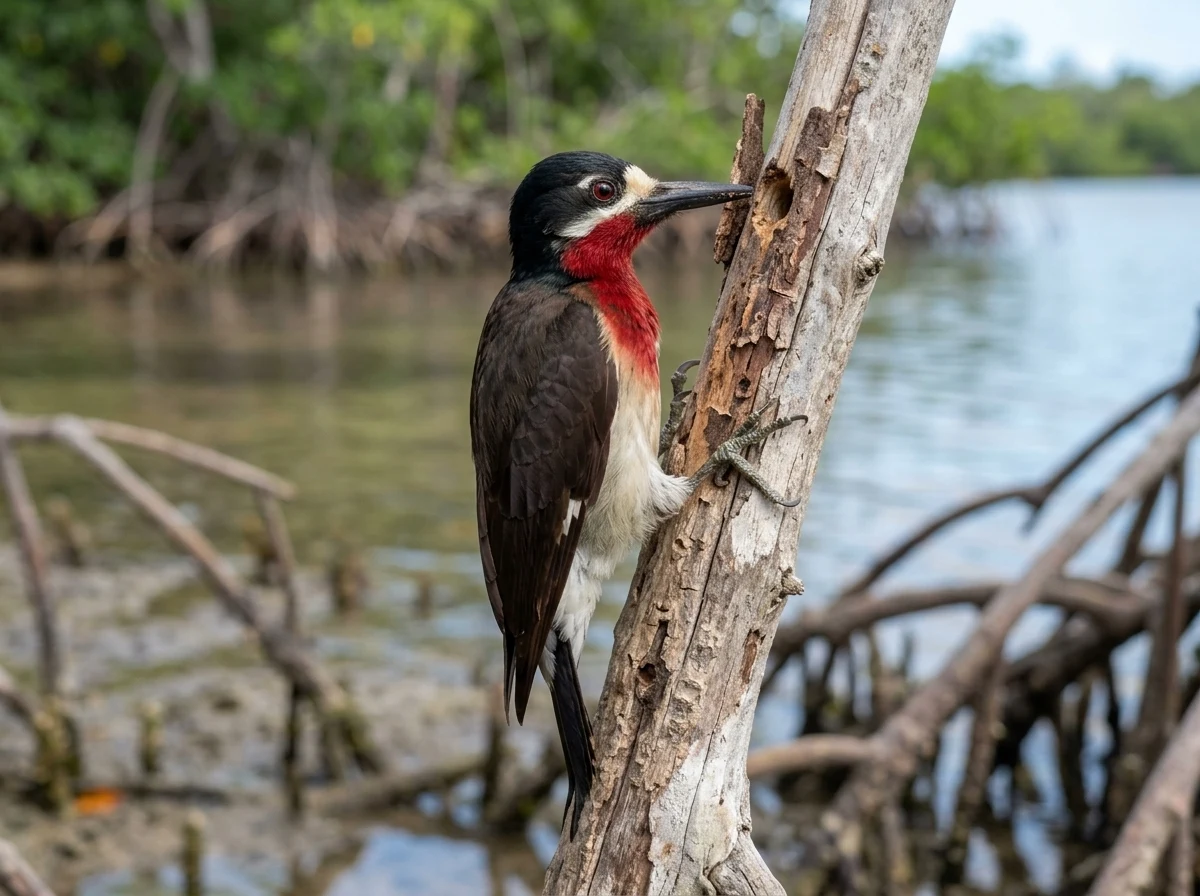
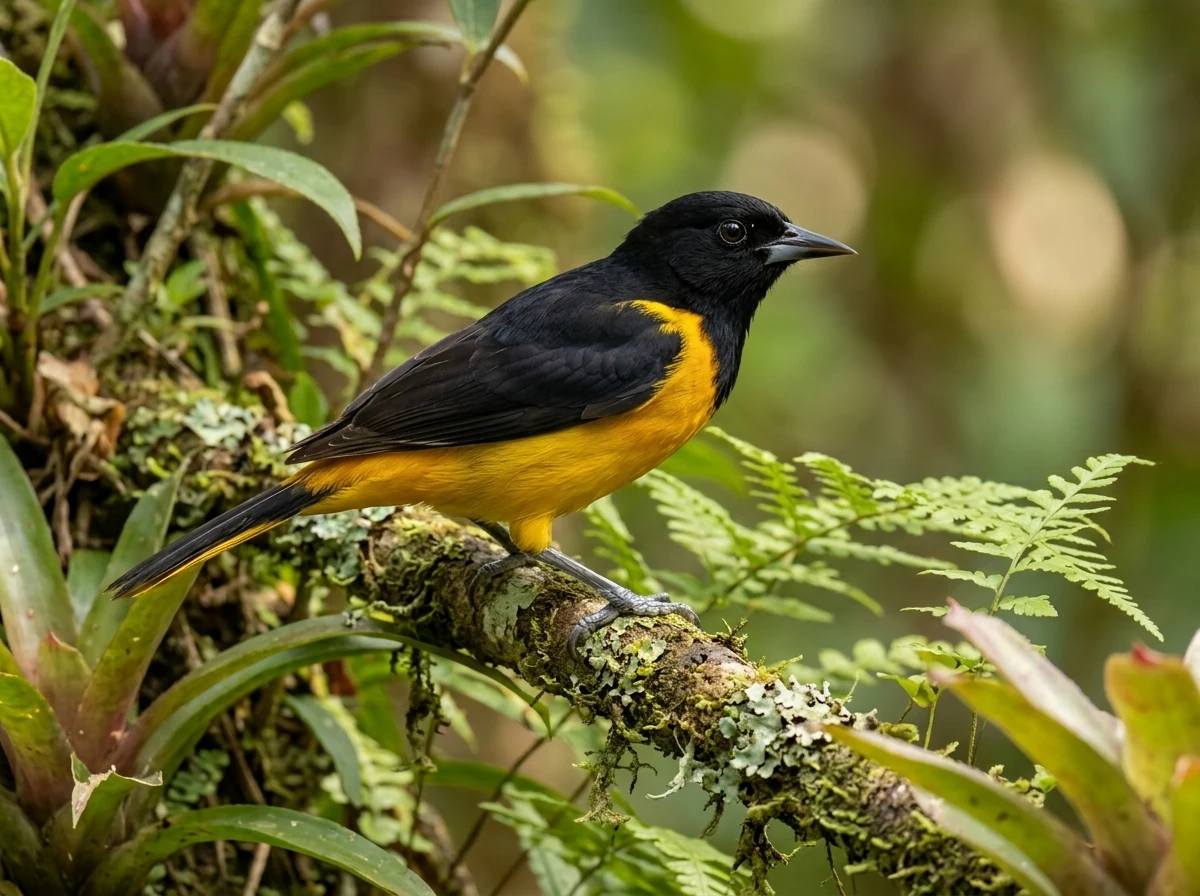
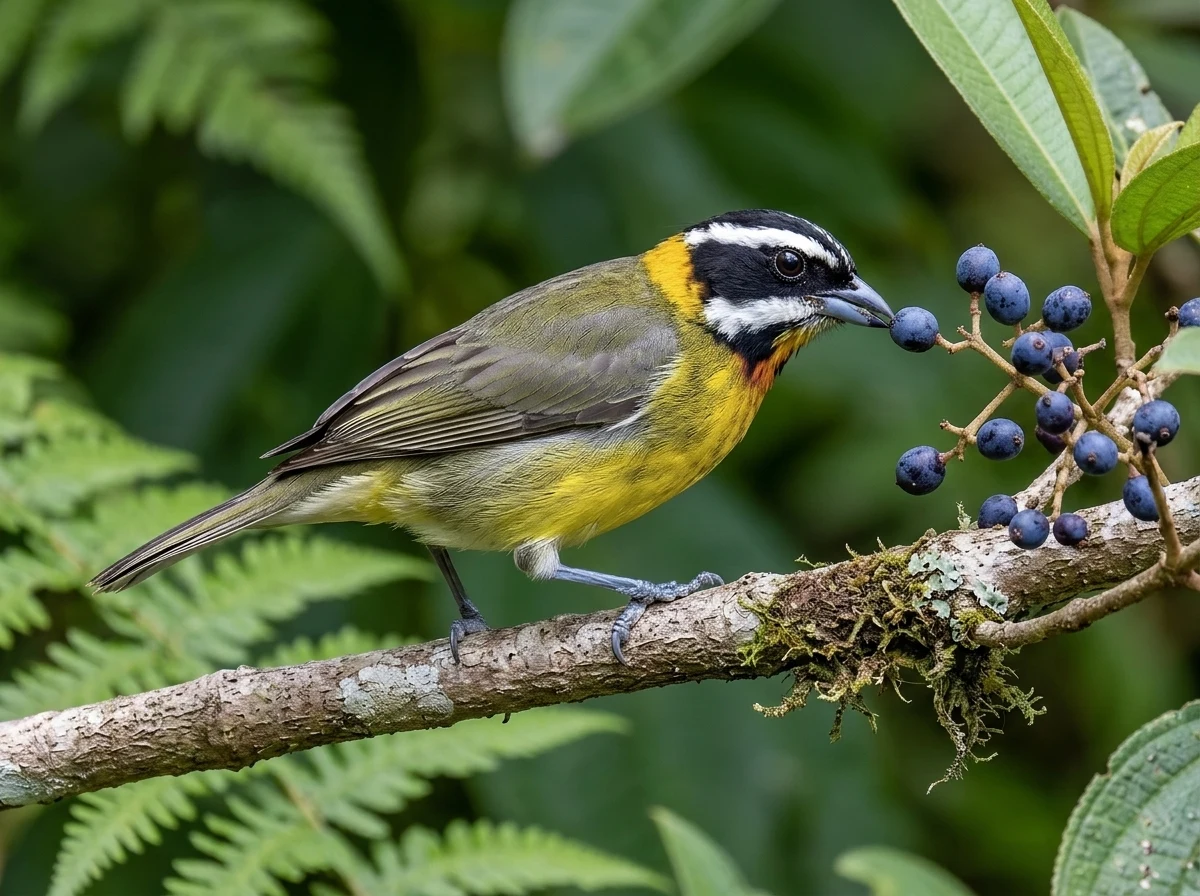
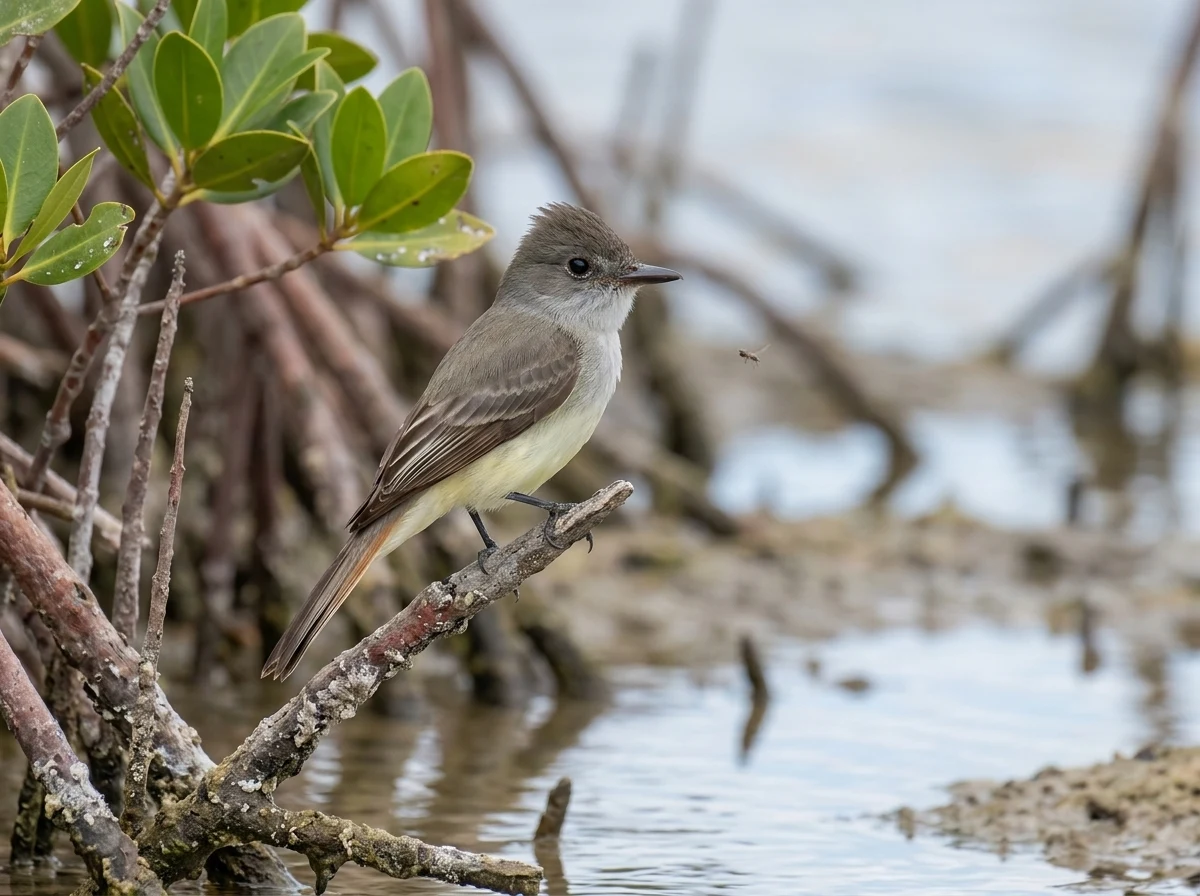
At the University of Puerto Rico Botanical Garden in Río Piedras you can see endemic birds such as Puerto Rican Woodpecker, Puerto Rican Oriole, Puerto Rican Spindalis, and Puerto Rican Flycatcher, plus herons and gallinules on its lakes. Admission is free, and the university lists hours of 6:00 a.m. to 6:00 p.m.
The UPR itself describes the garden as a living laboratory for studying tropical plants and the many bird species that live there. This guide gathers what open bird records for the area show, how to move through the garden, and which access details to confirm before you go.
Río Piedras green lung
The garden by the numbers
289cuerdas of landSplit by PR-1 into a North and a South garden.
30,000+plantsIncluding native and threatened species, per the UPR.
$0general admissionGuided group tours require a reservation.
01
Endemics you can see in one morning
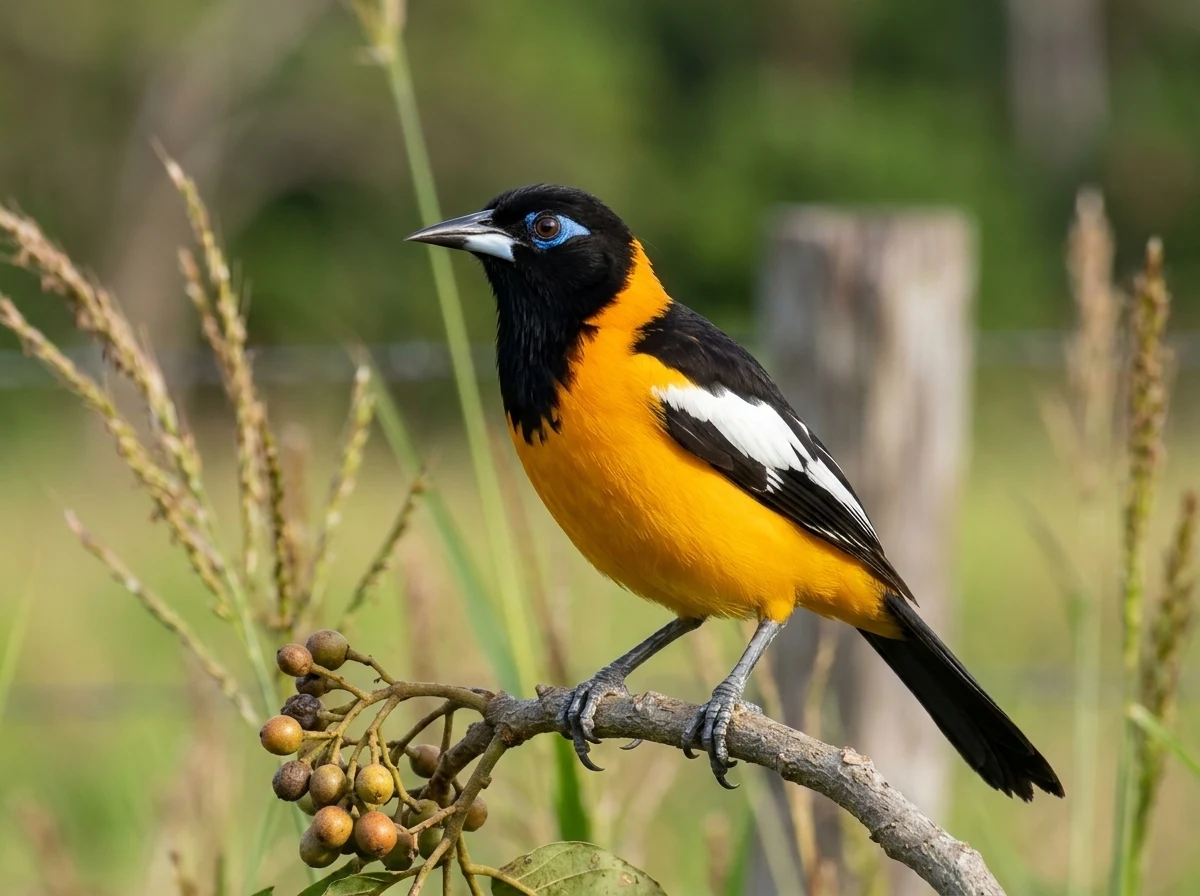
Among the species with the most open records in the garden area, according to GBIF, are Puerto Rican Woodpecker, Puerto Rican Oriole, Puerto Rican Flycatcher, and Puerto Rican Spindalis, all four endemic. The woodpecker gives itself away with a loud call and red breast; the oriole, black and yellow, often works palms and tall trees. The spindalis looks for fruit, and the male is unmistakable with a black-and-white striped head and orange breast.
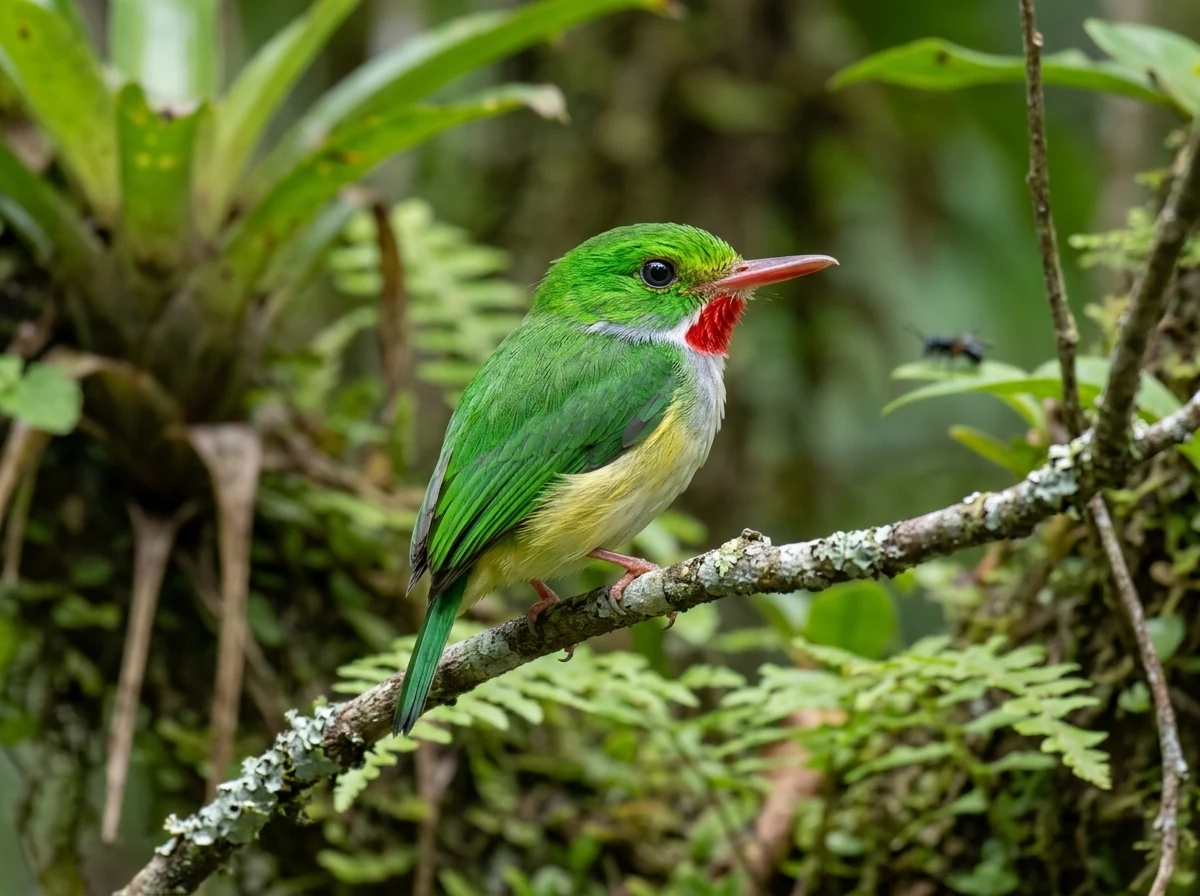
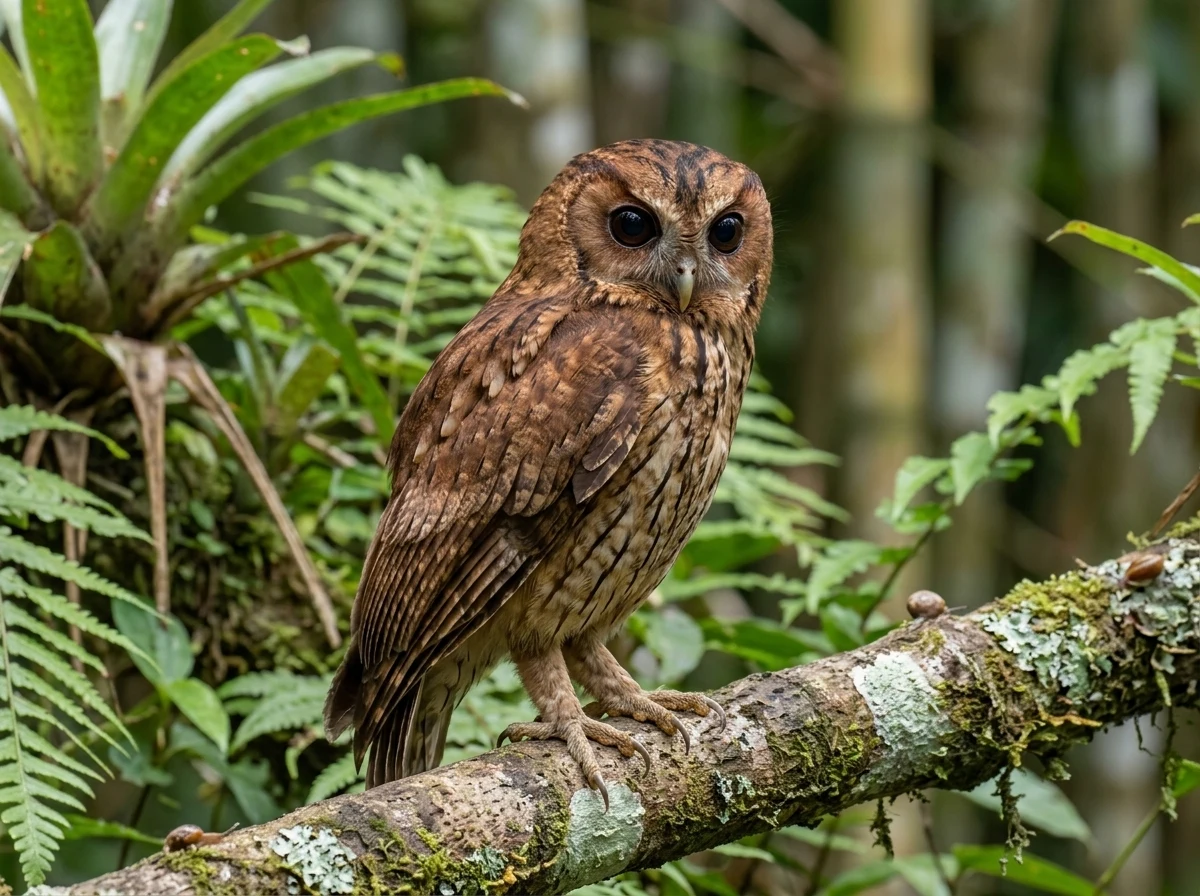
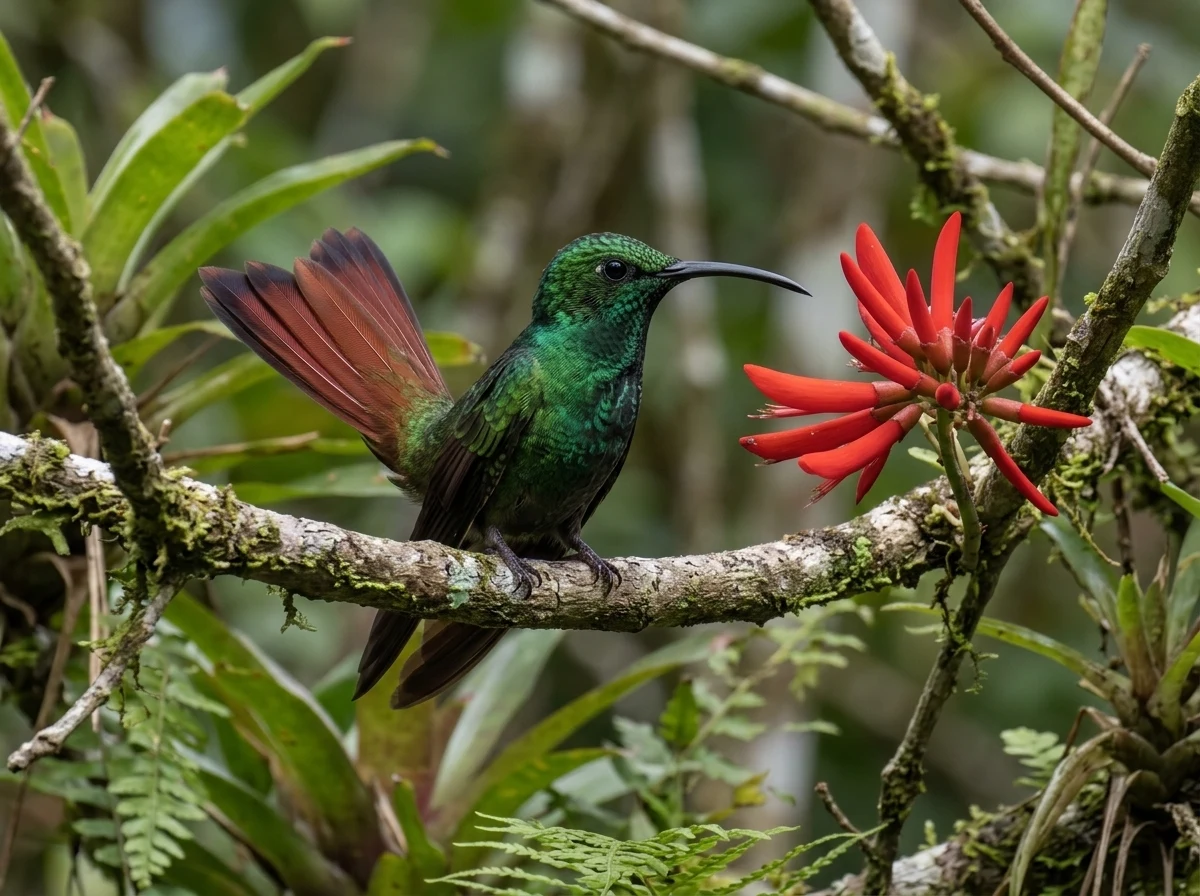
With fewer records come Puerto Rican Tody, Puerto Rican Owl, and Green Mango. Look for the tody in shaded understory; you will usually hear it before you see it. The owl is nocturnal and the garden closes around dusk, so detecting it is uncommon; do not use lights or playback to attract it.
02
Lakes, herons, and waterbirds
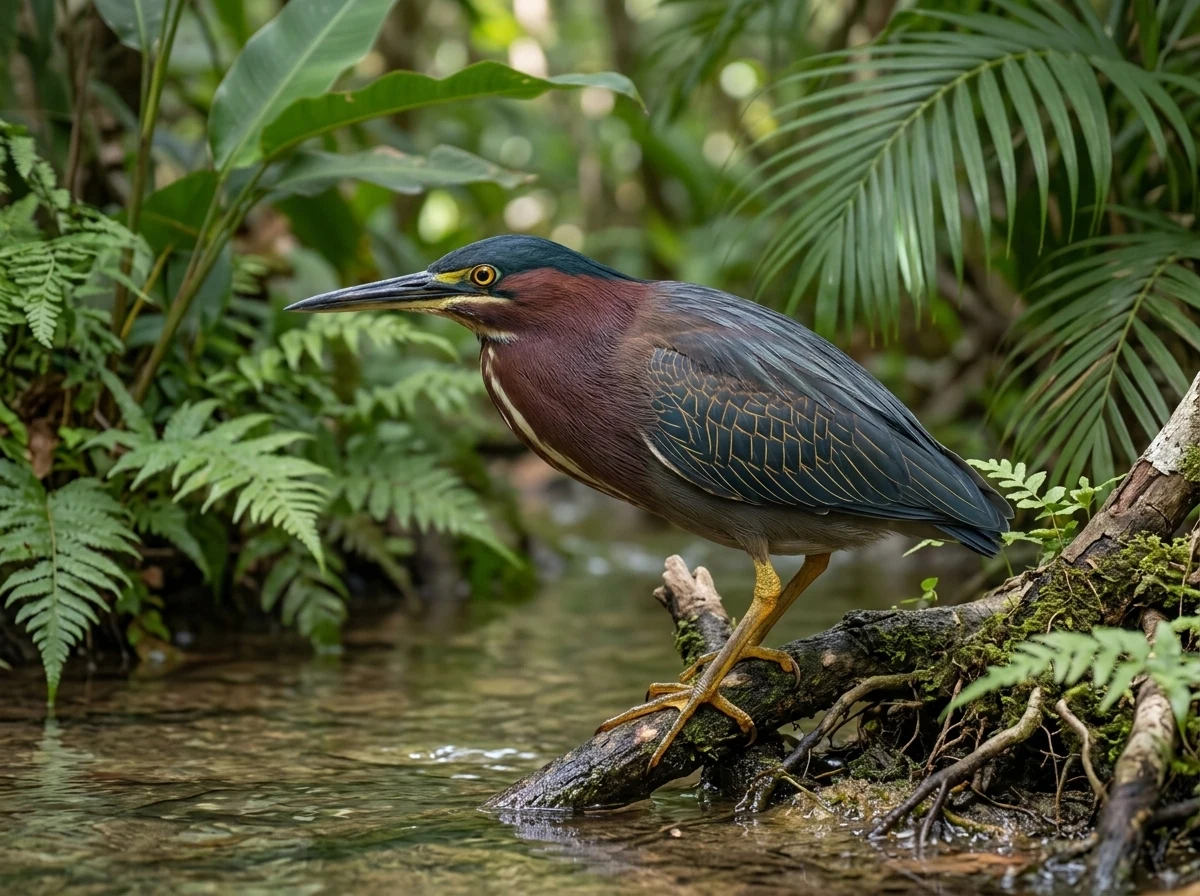
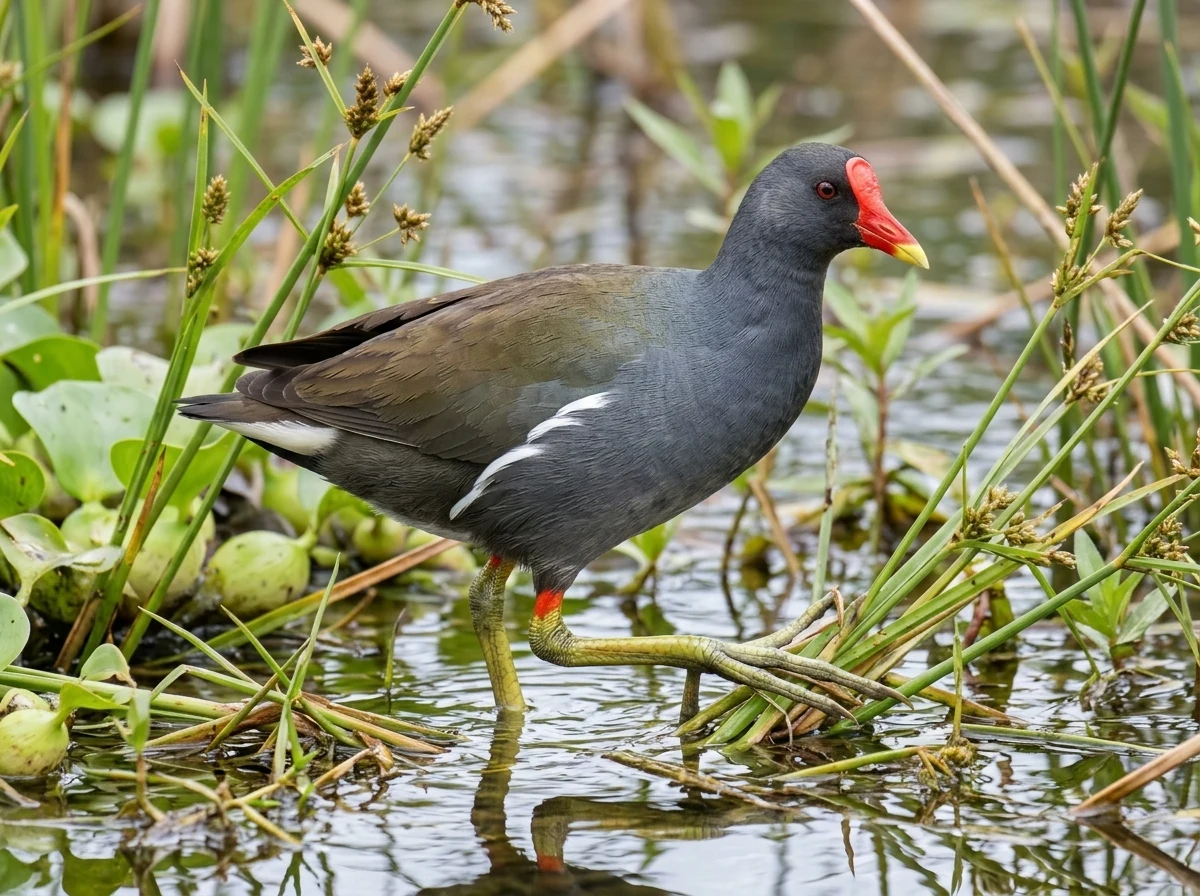
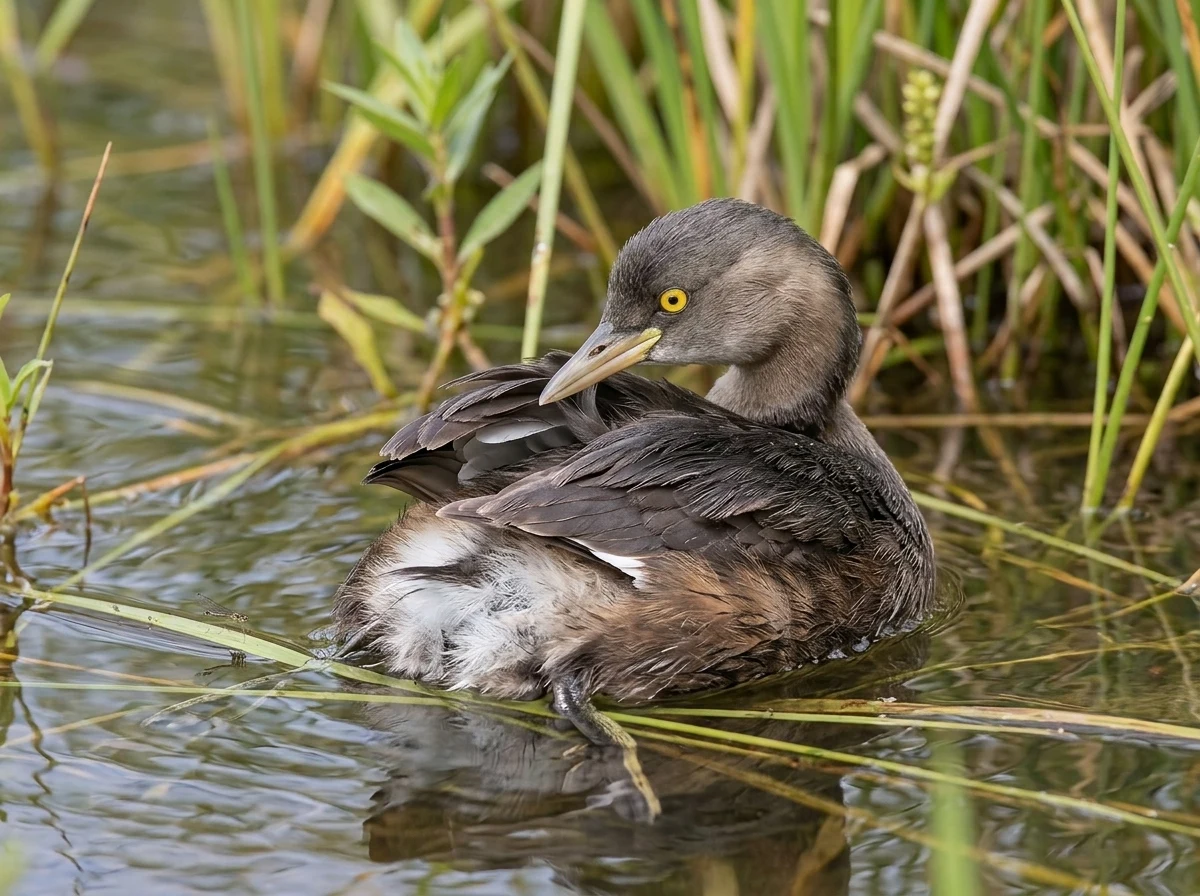
The UPR lists lakes and waterfalls among the garden's features, which explains why records include waterbirds you might not expect in an urban garden. Green Heron, Great Egret, Common Gallinule, and Least Grebe appear in the GBIF list for the area, along with Yellow-crowned Night Heron and, in winter, Belted Kingfisher.
Least Grebe is small, dark, and dives often; the gallinule has a red frontal shield. Walk the shore slowly and pause before bends: many waterbirds hide in edge vegetation and move off if you walk fast.
03
Parakeets and introduced birds: identify them carefully
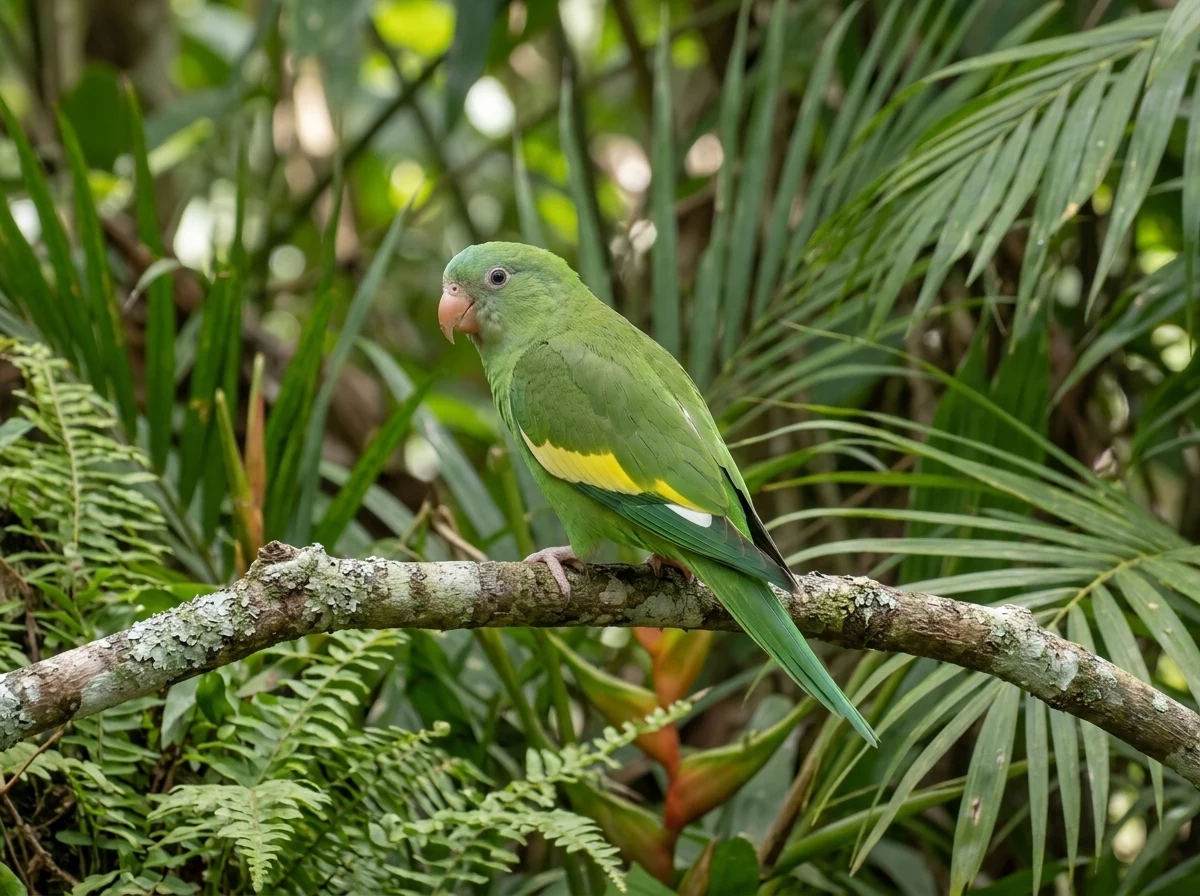
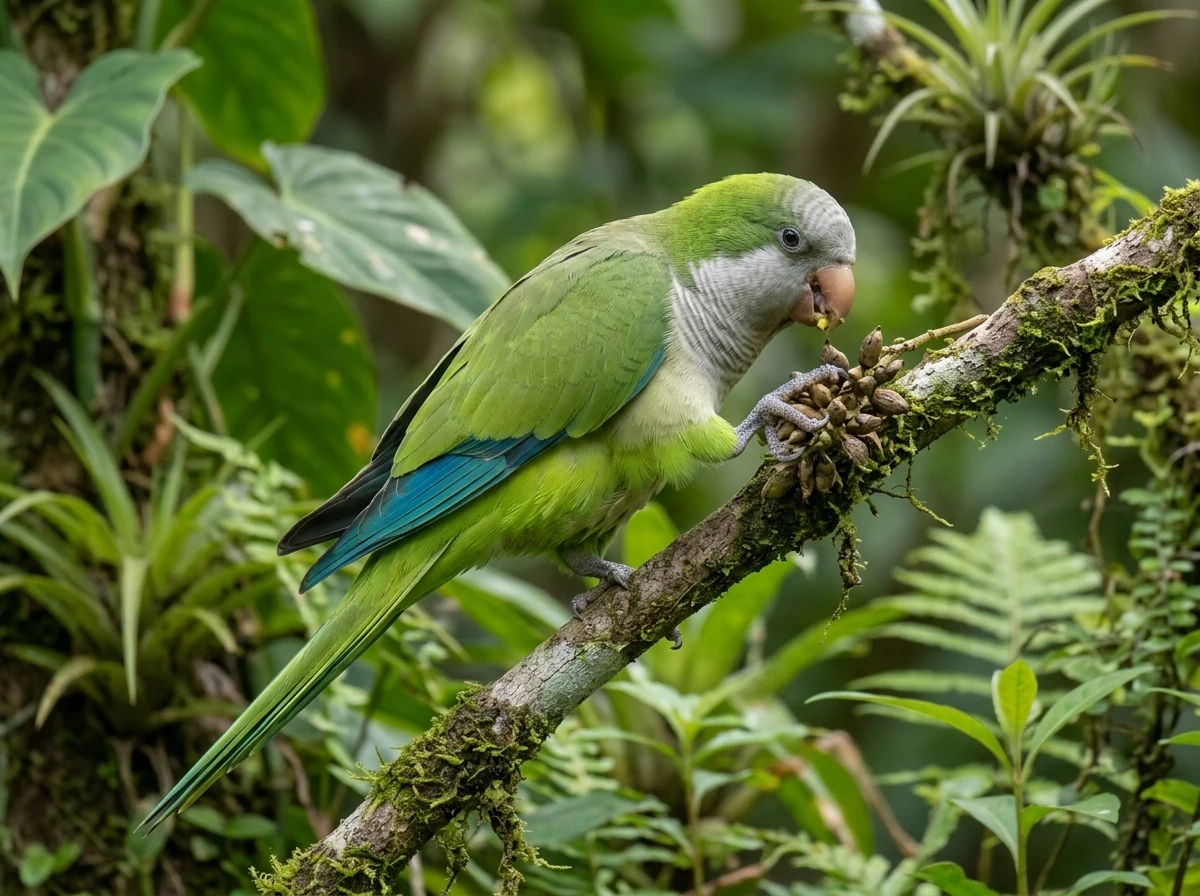
A defining feature of San Juan's birdlife is the number of introduced species. In the garden area, GBIF shows many White-winged Parakeet records, plus Monk Parakeet, Venezuelan Troupial, Orange-cheeked Waxbill, and Bronze Mannikin. There are also records of Blue-and-yellow Macaw, which in Puerto Rico come from escaped or released birds.
Separating native from introduced birds matters for reading what you see. White-winged Parakeet shows a white and yellow wing patch in flight; Monk Parakeet has a gray face and breast. If you see a parakeet you do not recognize, photograph it and note its behavior rather than assuming it is an established species.
04
Winter migrants and raptors
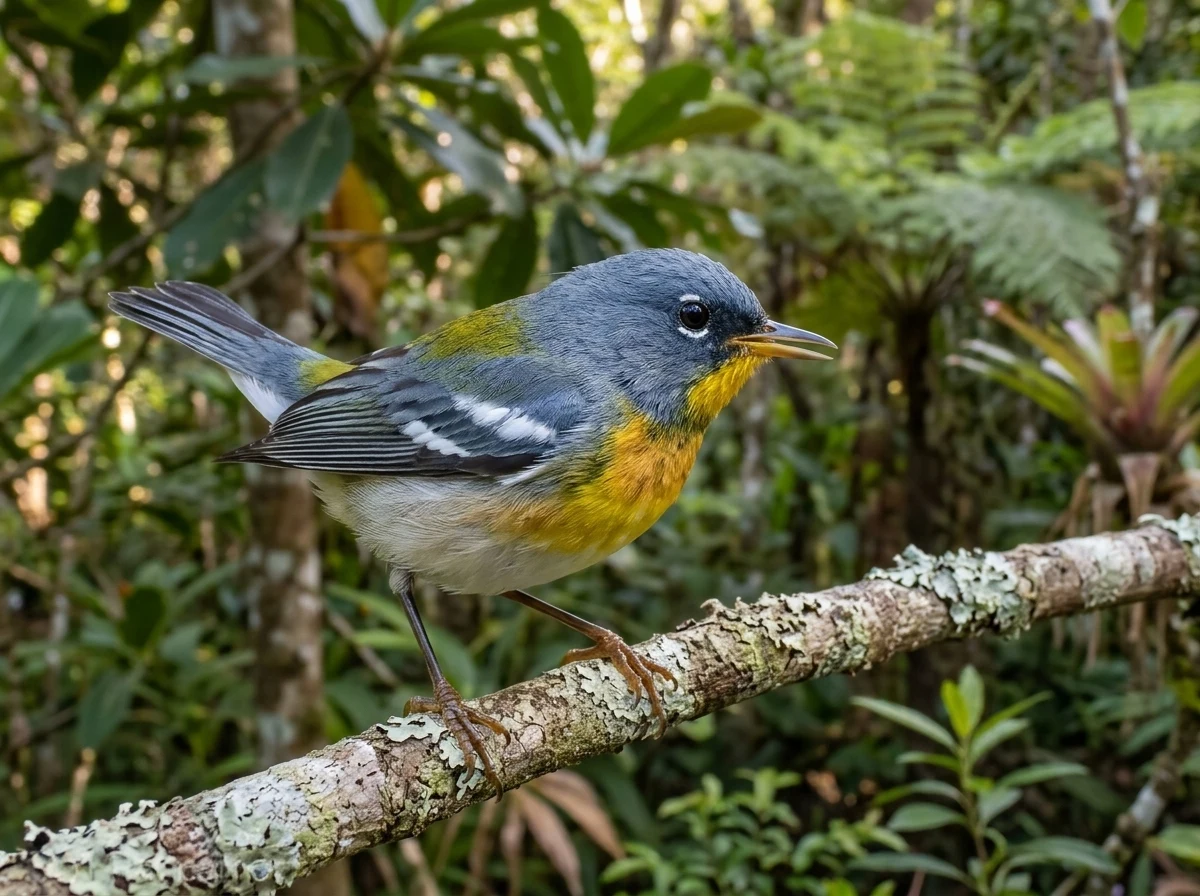
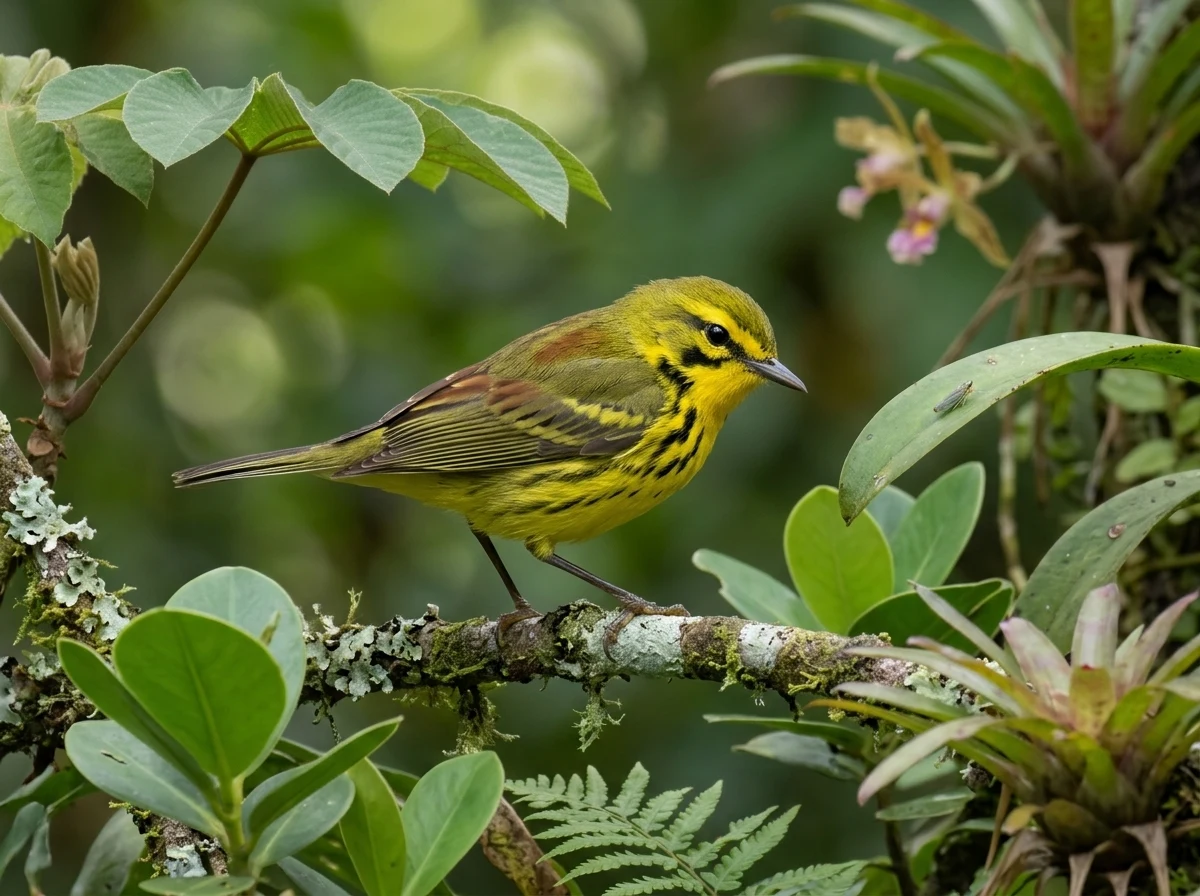
From October to April the garden's trees host migrant warblers. Northern Parula has the most records in the area, followed by Prairie Warbler, Black-and-white Warbler, and Northern Waterthrush. Look for mixed flocks with Bananaquits: migrants often move with residents.
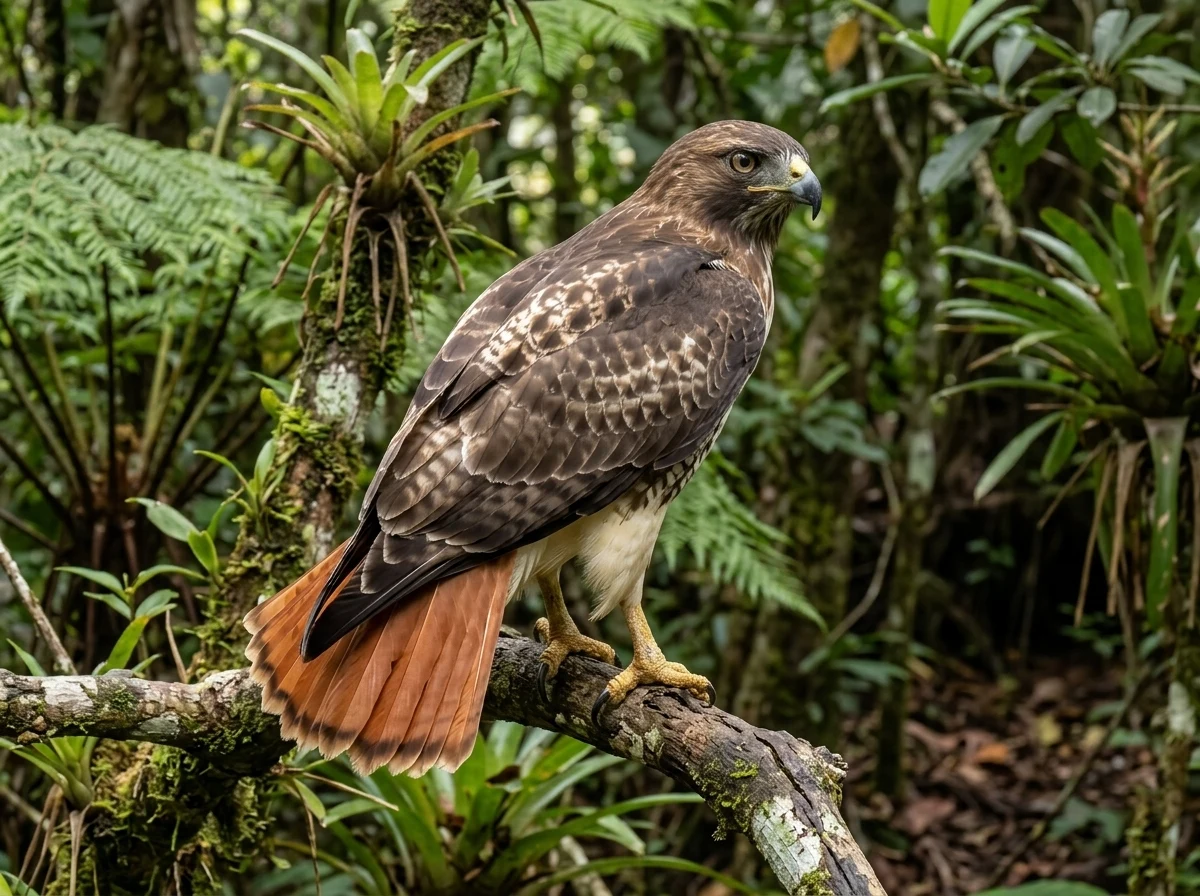
Overhead, Red-tailed Hawk and American Kestrel are the most frequent in the records, and Peregrine Falcon and Osprey also appear. Black-whiskered Vireo, which winters in South America, shows up in spring and summer. These species give you reasons to return in a different season.
05
Getting there, hours, and tours
The official address is 1187 Calle Flamboyán, San Juan, and the entrance is on Calle Guaracanal, reached from PR-1 between Río Piedras and Caguas. The highway splits the garden into North and South, and the UPR says most visitor attractions are in the South garden. The federal Forest Service library, specializing in botany, is also on site.
Admission is free. One UPR page lists hours of Monday to Friday, 6:00 a.m. to 6:00 p.m., and another says every day, so confirm before a weekend visit. It closes on days such as New Year's Day, Good Friday, Thanksgiving, and Christmas. Guided tours run Monday to Friday at 9:30 a.m. and 1:00 p.m., with a 10-person minimum and a reservation; the UPR lists $1 per person for walking tours and $5 for the mini-trolley.
Linked profiles
Birds to look for among trees and lakes
Endemics, waterbirds, introduced species, and migrants with records in the garden area. Open each profile to compare.
Sound archive
Hear its voice
Explore real songs and calls. The spectrogram turns each sound into a visual trace of time and frequency.
XC737109Recording 1 of 3call

Play: call by David Vander Pluym
Choose another recording
Sound recorded by David Vander Pluym · XC737109 · CC BY-NC-SA 4.0. Visualization by Stichting Xeno-canto voor Natuurgeluiden.
Every recording retains the creator, catalogue number, and license published by Xeno-canto. Metadata via GBIF ↗
01
What birds can you see at the Río Piedras Botanical Garden?
Open records for the area include endemics such as Puerto Rican Woodpecker, Puerto Rican Oriole, Puerto Rican Spindalis, Puerto Rican Flycatcher, and Puerto Rican Tody. There are also herons, gallinules, and grebes on the lakes, introduced parakeets, and migrant warblers in winter.
02
What are the UPR Botanical Garden hours?
The UPR lists hours of 6:00 a.m. to 6:00 p.m. One of its pages says Monday to Friday and another says every day, so it is worth calling (787) 758-9957 before a weekend visit.
03
How much does the UPR Botanical Garden cost?
General admission is free. Guided tours for groups of at least 10 people require a reservation, and the UPR lists $1 per person for walking tours and $5 for the mini-trolley.
04
Where is the Botanical Garden entrance?
The entrance is on Calle Guaracanal, reached from PR-1 between Río Piedras and Caguas. Most visitor attractions are in the South garden.
05
When is the best time to bird the Botanical Garden?
The first hours after opening, when there is more song and less heat. From October to April, migrant warblers such as Northern Parula and Prairie Warbler join the residents.
06
Are there endemic birds in San Juan?
Yes. Green spaces such as the UPR Botanical Garden have records of Puerto Rican Woodpecker, Puerto Rican Oriole, Puerto Rican Spindalis, Puerto Rican Flycatcher, Puerto Rican Tody, and Puerto Rican Owl, all endemic to Puerto Rico.
07
Are there lakes at the UPR Botanical Garden?
Yes. The UPR lists lakes and waterfalls among its features, and bird records for the area include Green Heron, Great Egret, Common Gallinule, and Least Grebe. Walk the shore slowly, because many waterbirds hide in the edge vegetation.
08
Which parakeets are seen at the Botanical Garden?
The most recorded in the area is White-winged Parakeet, an introduced species, followed by Monk Parakeet. There are also records of escaped or released macaws. None of these is the Puerto Rican Amazon, which does not live in San Juan.
Keep exploring
Connected routes
Sources and review
The evidence is one link away.
These sources support the editorial scope of this guide. Bird profiles also retain their own taxonomy, occurrence, and conservation references.
Reviewed:
01↗02↗03↗04↗05↗06↗
Universidad de Puerto Rico
University of Puerto Rico Botanical Garden
Address, entrance, north and south sections, tours, and tour fees.Universidad de Puerto Rico
Botanical Garden hours
Hours, closure days, free admission, and tour reservations.Universidad de Puerto Rico
About the UPR Botanical Garden
289 cuerdas, 30,000+ plants, herbarium, lakes, and its role as a living laboratory for birds.Global Biodiversity Information Facility
GBIF bird records: Botanical Garden and surroundings
Species with open records in the garden area, queried in September 2026.Sociedad Ornitológica Puertorriqueña
Official bird list
Local names, occurrence categories, and the public summary of 17 endemics.Departamento de Recursos Naturales y Ambientales
Environmental fact sheet: Bosque del Pueblo
Mining history, 760 cuerdas, elevation, climate, biological corridor, and resident and migrant birds.The atlas continues