 AI
AILearning · Places
Habitat Diorama: Dry Forest vs. Rainforest
A hands-on activity to compare two worlds: the coastal dry forest of the southwest and the montane rainforest of the northeast. With bird lists, plants, climate, and adaptation questions.
Reviewed: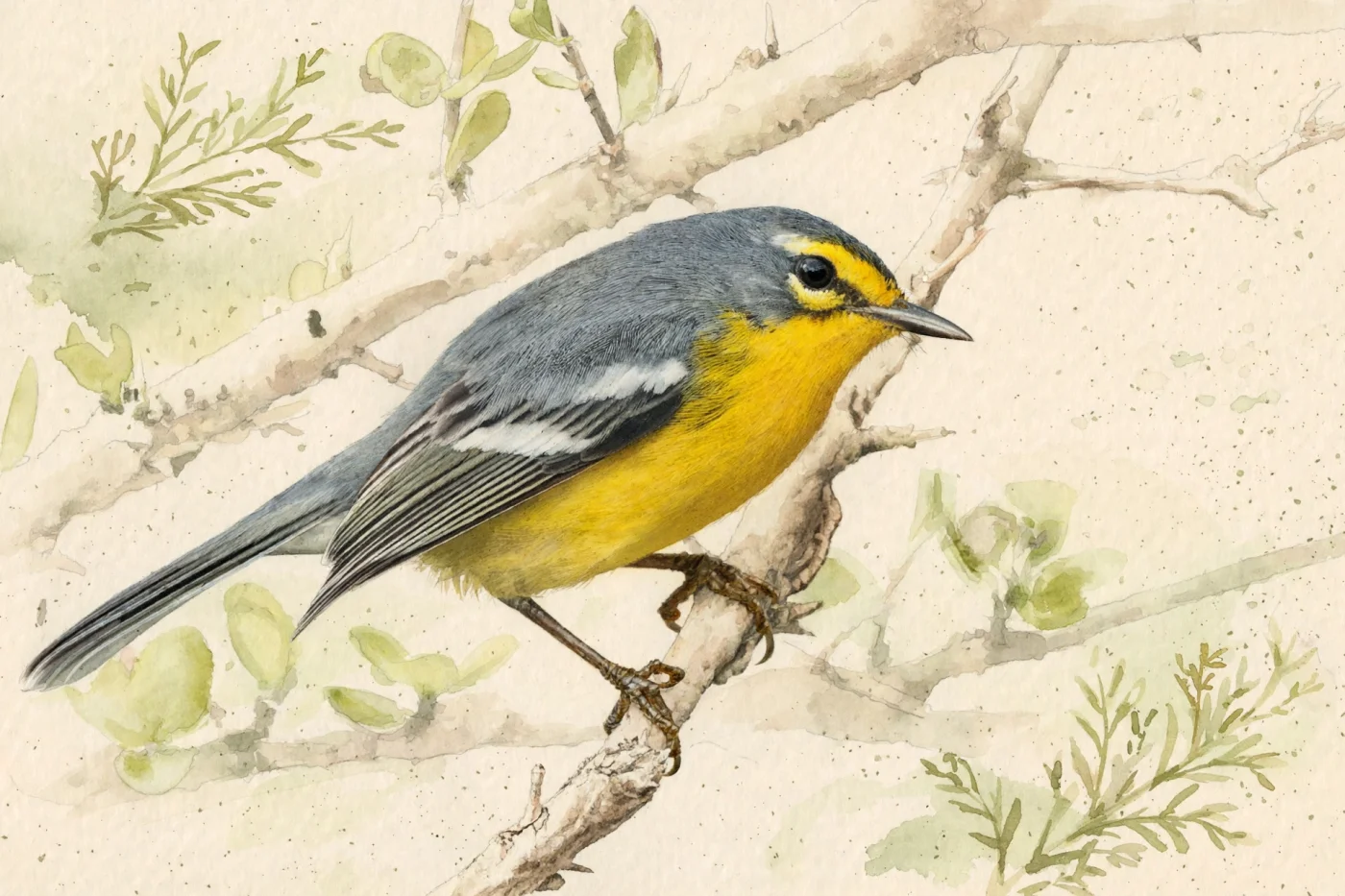
Prepared with AI assistance and linked sources. Illustrations are not field photographs.
Two Forests, Two Worlds
Puerto Rico fits into a day's drive, but its forests do not look alike. In the southwest, Guánica State Forest is a coastal dry forest on limestone, with marked dry seasons and low, thorny vegetation. In the northeast, El Yunque National Forest is a montane rainforest, with frequent rain, ferns, rivers, and dense, evergreen vegetation. This guide proposes building two comparative dioramas so the contrast can be seen, touched, and explained.
The goal is not to memorize names, but to understand why certain birds appear on one side and not the other. Each diorama should include three layers: the ground and plants, the visible climate (sun and dust vs. rain and mist), and the birds. At the end, a set of questions guides the discussion about adaptations: bill, feet, color, hunting habits, and tolerance to drought or humidity.
Learning · Places
Diorama Facts
97bird species in El Yunque45 are migratory, according to the U.S. Forest Service
112species on the eBird list for El Portal de El YunqueCumulative all-years list at that hotspot
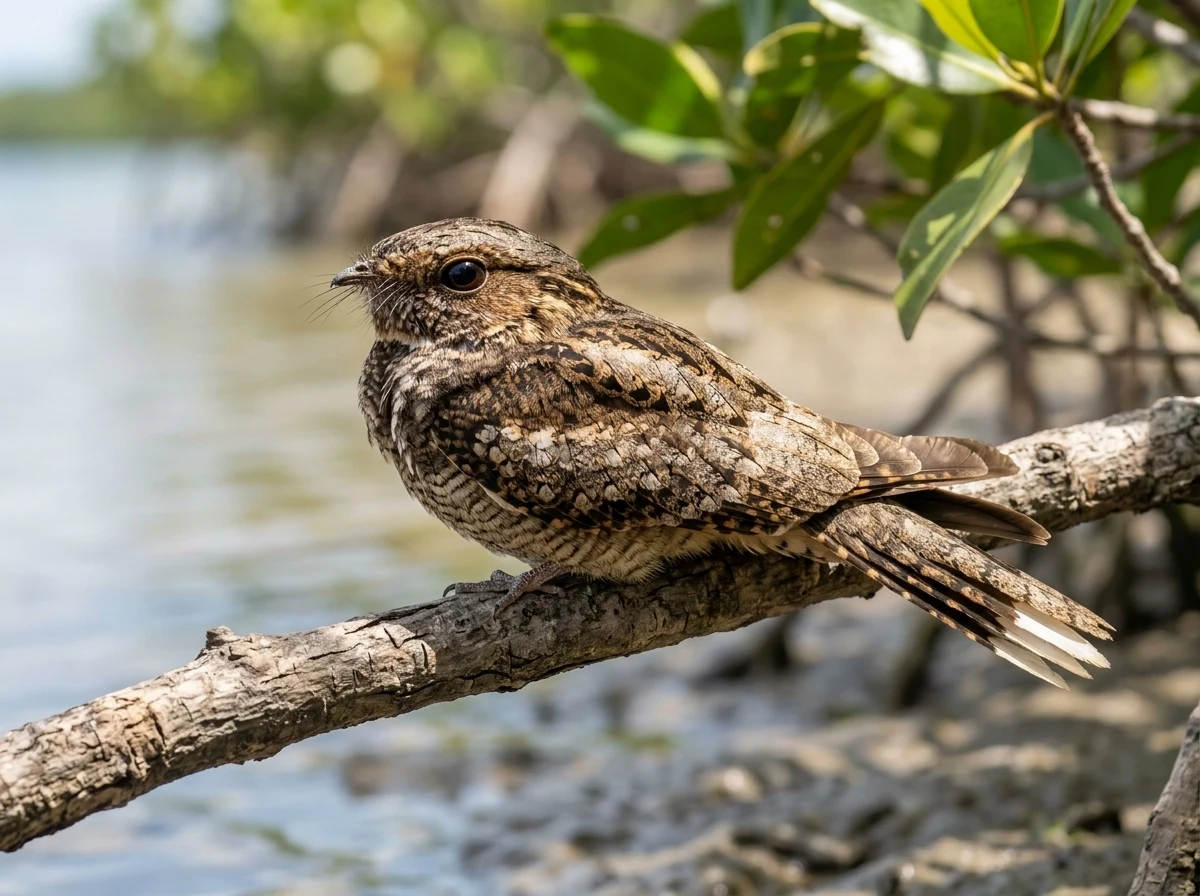
Guabairodry forest birdThe Puerto Rican Nightjar lives in coastal dry forest and scrub; it is endemic and endangered
01
Step 1: Prepare the Base and Climate of Each Forest
Use two shoe boxes or cardboard trays. On the base of the dry forest diorama, place sand or light soil, small stones, and coarse sand to imitate limestone. Add small-leafed plants, cacti, thorny shrubs, and dry grasses. The sky should be deep blue, with sun and few clouds. In the rainforest diorama, use dark soil, moss, ferns, large leaves, and a small container with water to represent a river or waterfall. The sky should be gray or with low clouds and mist.
The climate contrast is key. Guánica dry forest receives less rain and has a marked dry season; El Yunque rainforest receives frequent rain and has high humidity. You can add labels with words like 'drought', 'sun', 'dust' for Guánica and 'rain', 'mist', 'river' for El Yunque. You do not need exact rainfall data for the activity; it is enough to represent the visual difference and explain that water availability changes vegetation and, with it, the birds.
02
Step 2: Place the Birds and Their Adaptations
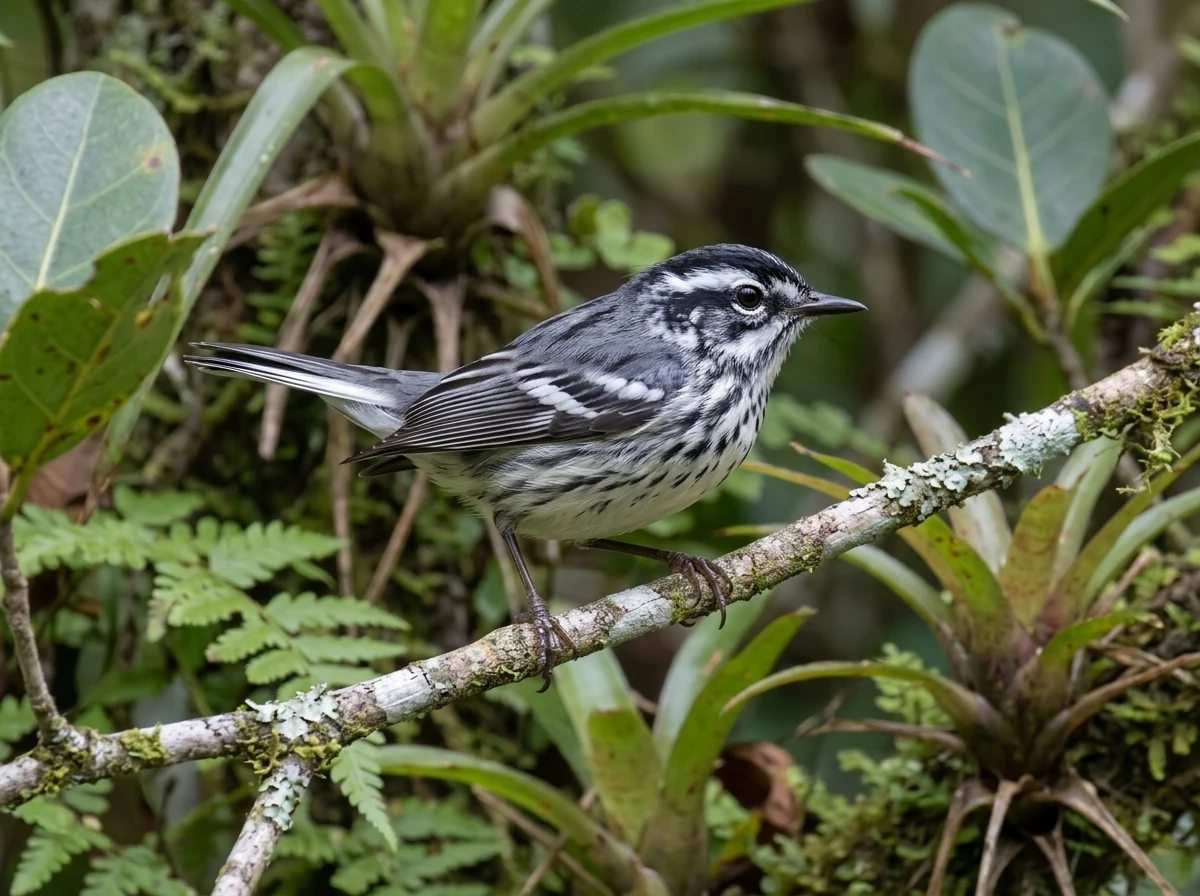
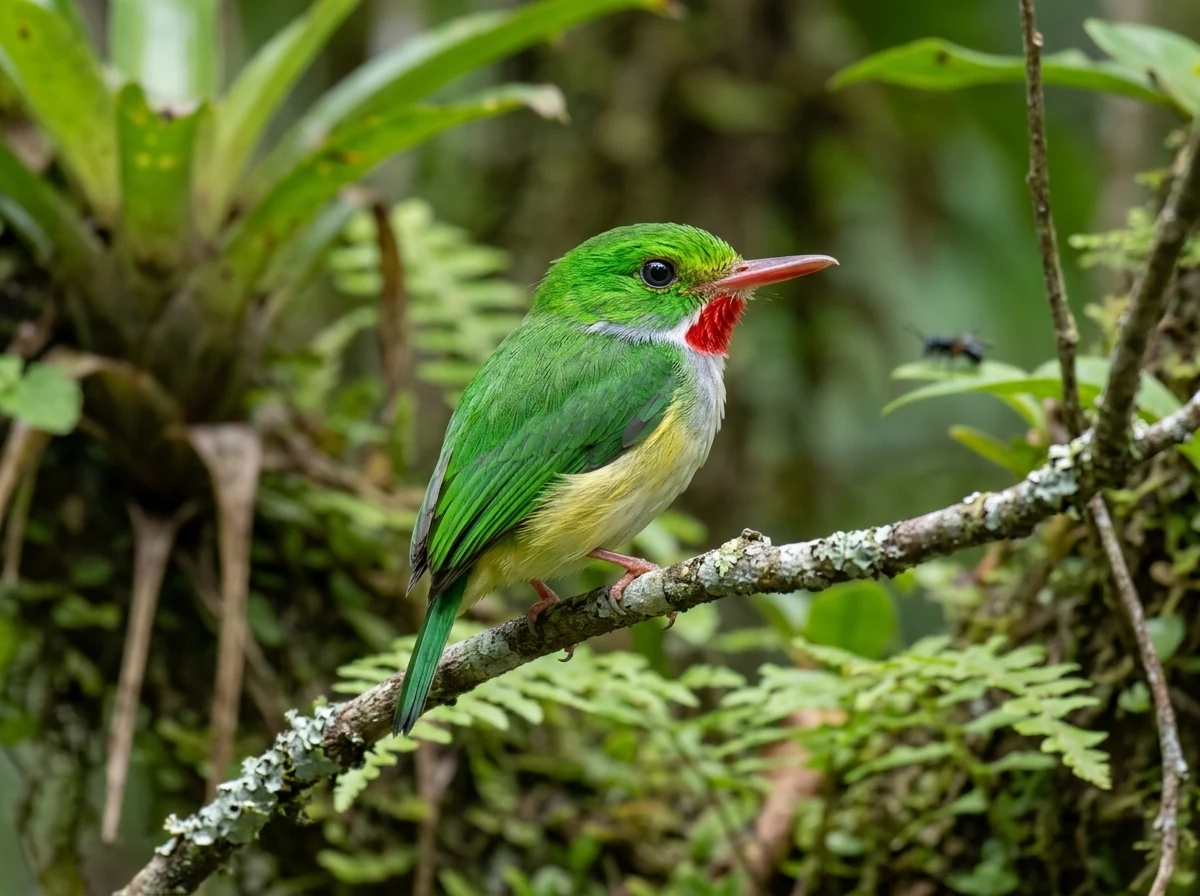
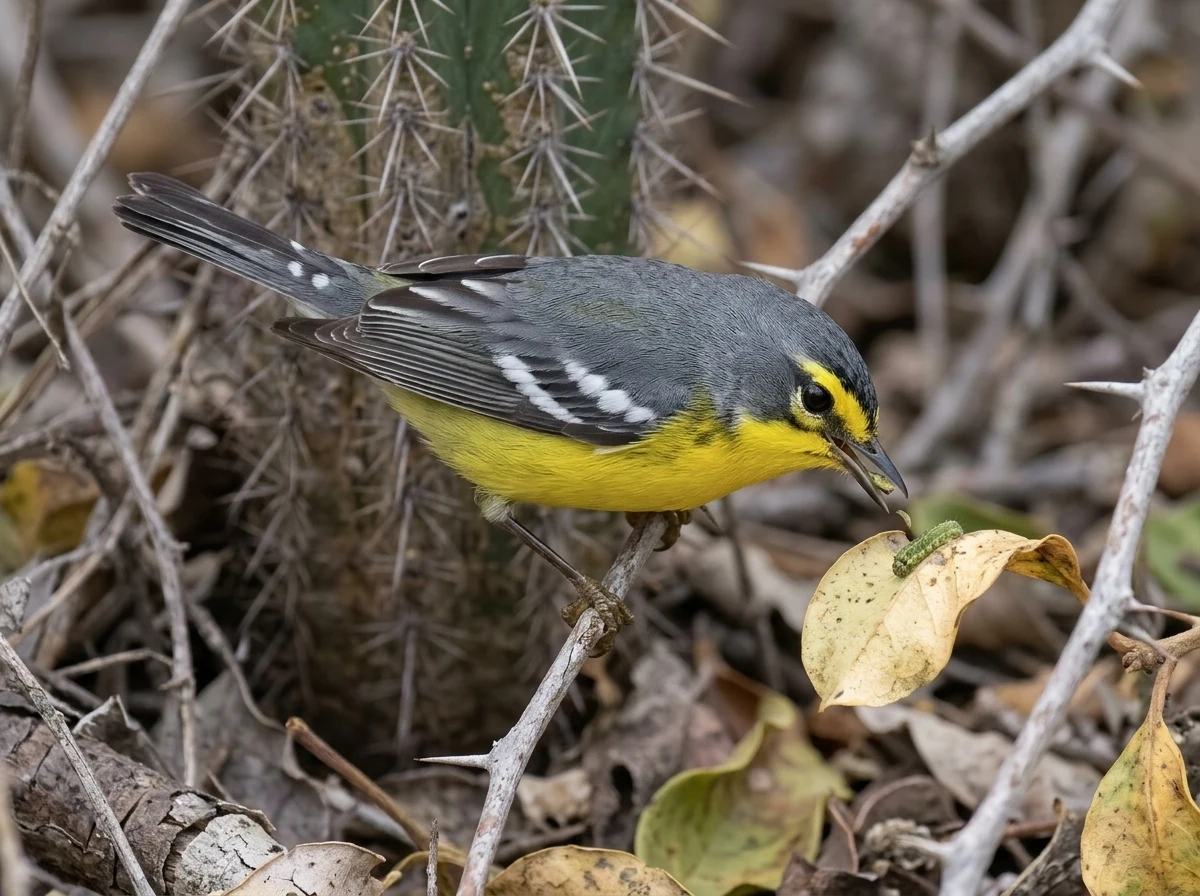
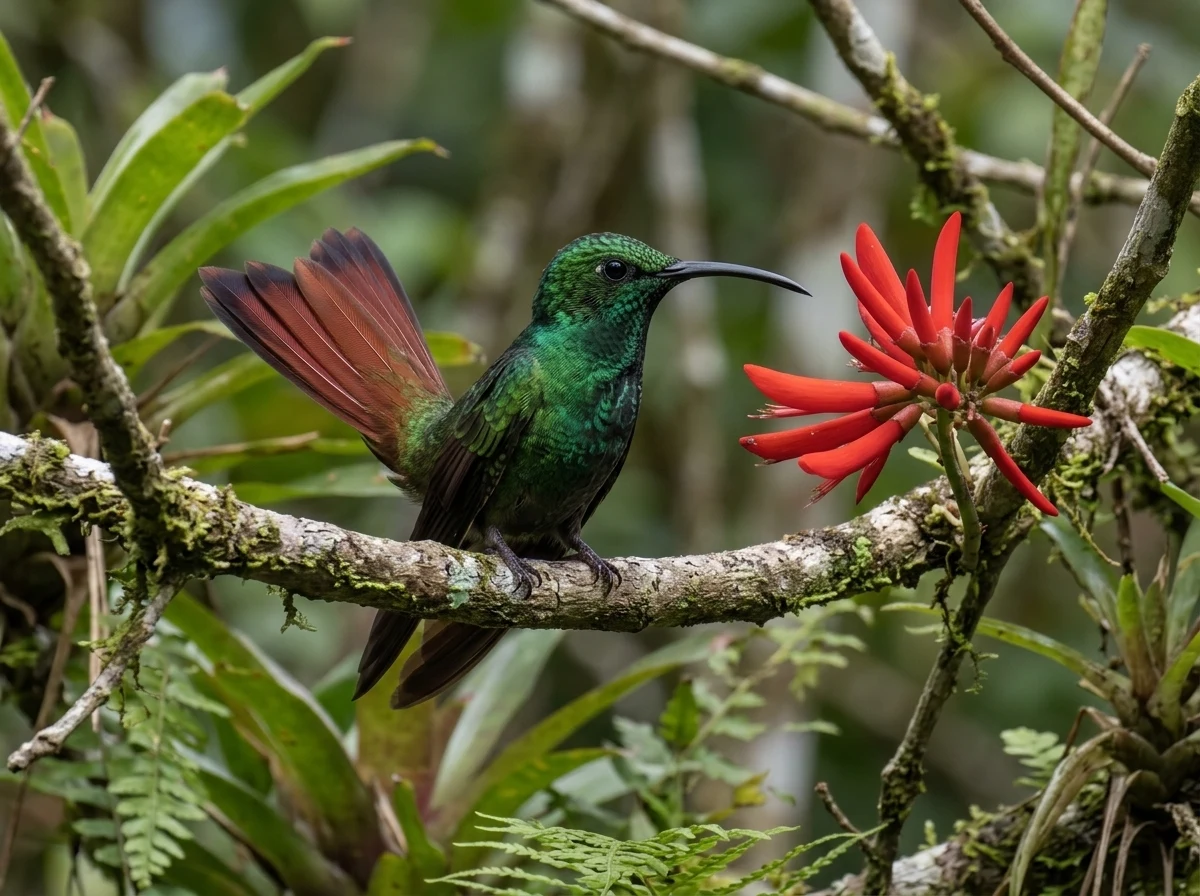
For the dry forest, include the Puerto Rican Nightjar and Adelaide's Warbler. The nightjar is a nocturnal bird that rests on the ground and catches insects in flight; its cryptic coloration camouflages it among dry leaves. Adelaide's Warbler lives in dry forest and scrub. For the rainforest, include the Elfin-woods Warbler and the Green Mango. The Elfin-woods Warbler lives in montane wet and cloud forest, above 600 m; the Green Mango lives in montane and moist forest, between 800 and 1200 m, and is an altitudinal migrant. The Puerto Rican Tody uses forests, woodlands, and karst areas; do not place it as a characteristic bird of either diorama, but as a separate card showing that some birds use forests and woodlands outside these two extremes.
As you place each figure, write a label with an observable adaptation. For example: 'mottled plumage for camouflage' on the nightjar; 'thin bill for insects' on the warblers; 'long bill for nectar' on the hummingbird. You do not need to claim the diorama proves field identification; it is a model for thinking. If you do not have bird figures, use cut-out drawings or cards with the name and a silhouette.
03
Step 3: Checklist and Observation Procedure
Before finishing the diorama, review this concrete checklist: (1) Does each diorama have a base representing the ground? (2) Are there at least three typical plants per diorama? (3) Is the climate represented with color or labels? (4) Are there at least two birds per diorama, with common and scientific names? (5) Does each bird have an adaptation label? (6) Is there a comparison card with two columns: 'dry forest' and 'rainforest'?
To observe birds in the field, use a notebook and record time, place, weather, and behavior. In Guánica, look for birds near the ground and in scrub; in El Yunque, look in the canopy, on trunks, and near streams. Do not share exact locations of sensitive species. If you use eBird, submit a complete list and mark 'X' if you are unsure of the number. Comparing your two lists will show which birds are most typical of each habitat.
04
Adaptation Questions
Use these questions to discuss in front of the dioramas. Why does the nightjar have mottled plumage and nocturnal habits? How does the thin bill of the warblers help them catch insects on leaves? Why does the Green Mango have a long bill and visit flowers? What differences are there between a forest with a marked dry season and one with frequent rain? What would happen to dry forest birds if humidity increased? And to rainforest birds if rainfall decreased?
There is no single correct answer. The goal is for the student to relate the bird's shape to its environment. You can ask them to write one sentence per bird: 'This bird lives here because...'. You can also compare the same group in both dioramas: for example, the Puerto Rican Tody uses forests, woodlands, and karst, showing that some birds are more flexible than others and do not fit only the two extremes.
Linked profiles
Birds for Each Diorama
Five Puerto Rican species, including an altitudinal migrant, that help tell the story of each forest.
01
Which birds are characteristic of Guánica dry forest?
The Puerto Rican Nightjar (Antrostomus noctitherus) lives in coastal dry forest and scrub. Adelaide's Warbler (Setophaga adelaidae) uses dry forest, scrub, and forest edge. These species are documented in the bird catalog and in eBird sources for the region.
02
Which birds are characteristic of El Yunque rainforest?
The Elfin-woods Warbler (Setophaga angelae) lives in montane wet and cloud forest, above 600 m. The Green Mango (Anthracothorax viridis) uses montane and moist forest, between 800 and 1200 m. The U.S. Forest Service states that El Yunque provides habitat for 97 bird species, of which 45 are migratory.
03
What is the main difference between the two habitats?
Guánica dry forest is coastal, with less rain and a marked dry season; its vegetation is low and thorny. El Yunque rainforest is montane, with frequent rain and high humidity; its vegetation is dense and evergreen. That difference in water and elevation explains why many birds do not live in both places.
04
Can I use the diorama to identify birds in the field?
No. The diorama is an educational model to compare habitats and adaptations, not an identification test. To identify birds, use a field guide, observe size, bill shape, color, and behavior, and record what you see. The diorama helps you remember which birds to expect in each forest, but it does not replace direct observation.
05
Which plants should I include in each diorama?
For the dry forest, use cacti, thorny shrubs, dry grasses, and small-leafed plants. For the rainforest, use ferns, moss, large leaves, and shade plants. You do not need exact species; what matters is representing the difference between low, thorny vegetation and dense, humid vegetation.
Keep exploring
Connected routes
Sources and review
The evidence is one link away.
These sources support the editorial scope of this guide. Bird profiles also retain their own taxonomy, occurrence, and conservation references.
Reviewed:
01↗02↗03↗
USDA Forest Service
El Yunque National Forest | Wildlife Species
Evidence for cited sections; consult the original document.eBird (Cornell Lab of Ornithology)
Bosque Estatal de Guánica - Puerto Rico
Evidence for cited sections; consult the original document.eBird (Cornell Lab of Ornithology)
Bird List - Bosque Nacional El Yunque - El Portal de El Yunque
Evidence for cited sections; consult the original document.The atlas continues