 AI
AIFieldcraft guide
How to keep a field notebook for birds in Puerto Rico
A practical template and Puerto Rican examples so your observations serve both personal study and science.
Reviewed: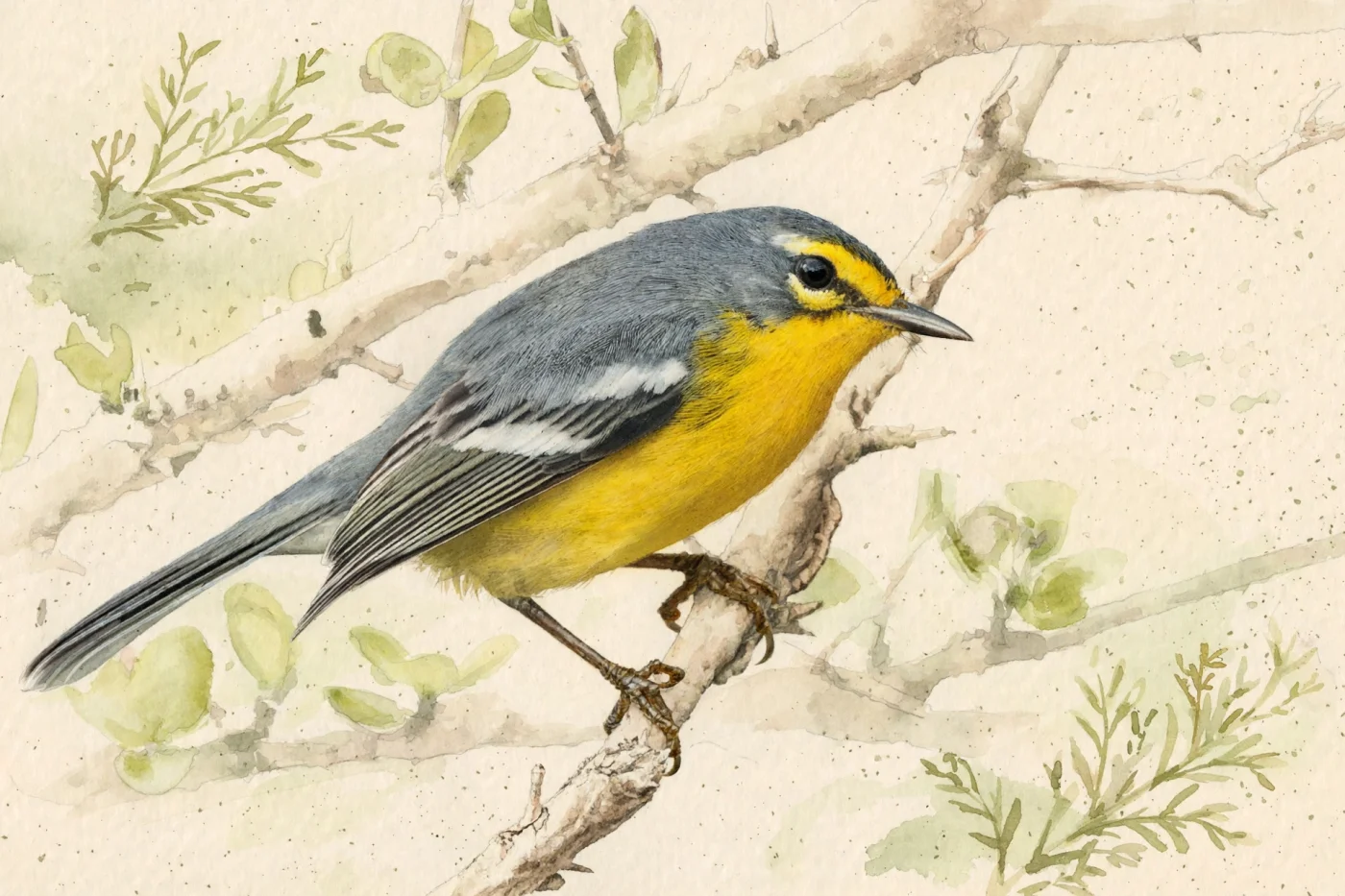
Prepared with AI assistance and linked sources. Illustrations are not field photographs.
Your notebook is the archive of what you saw
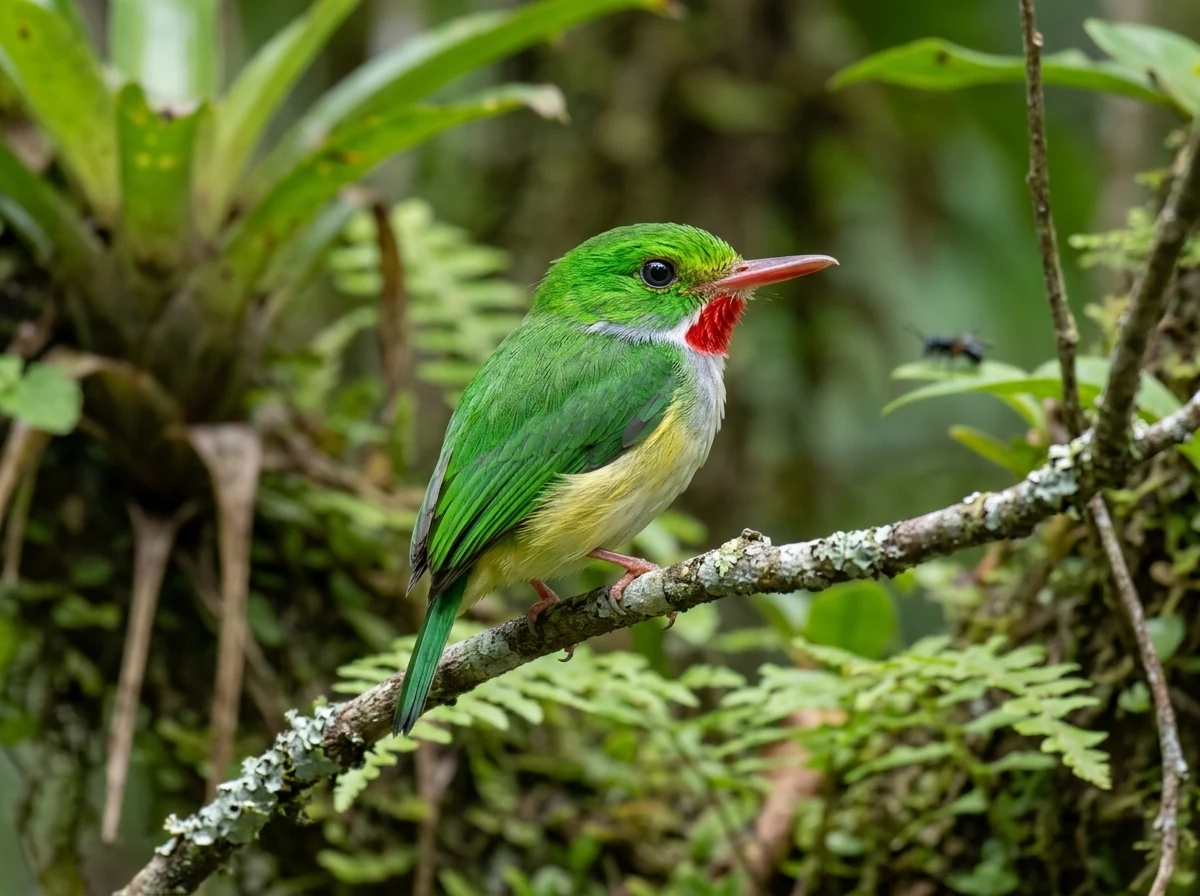
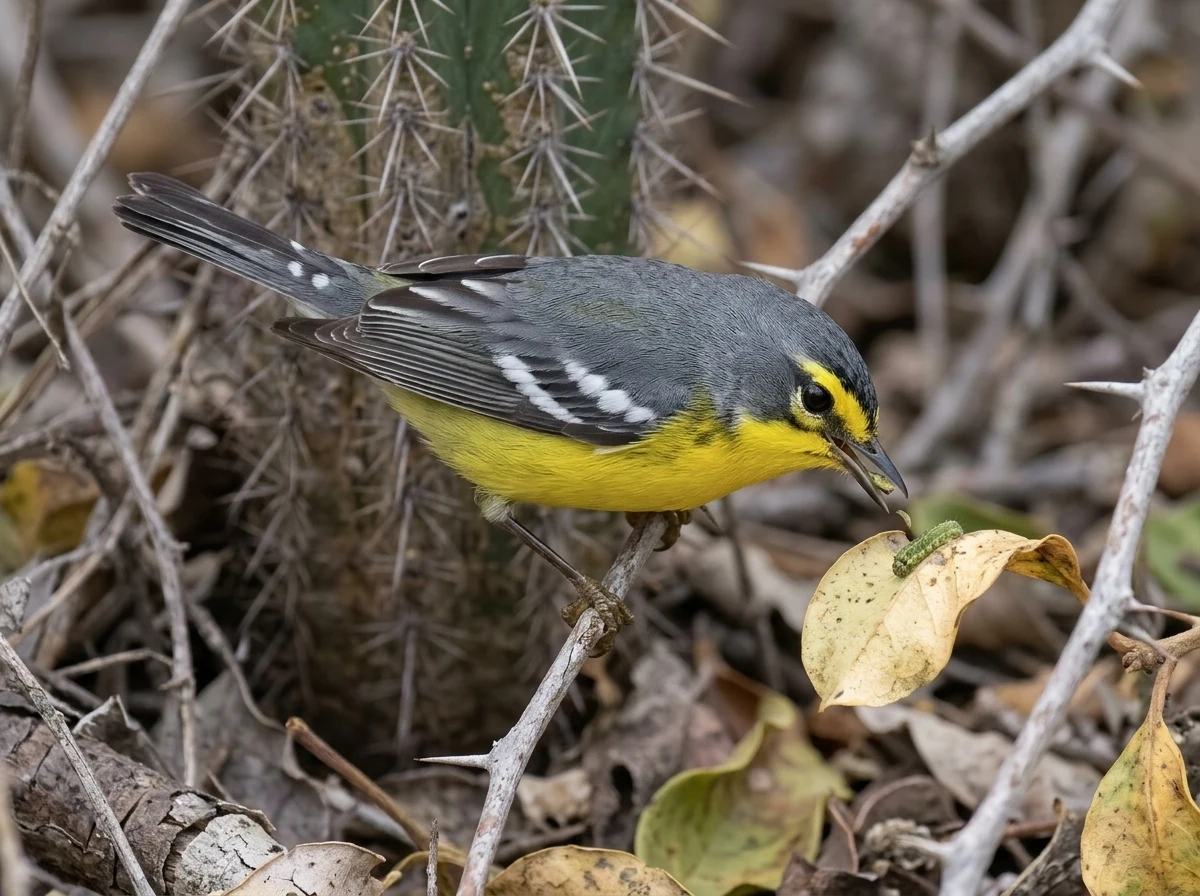
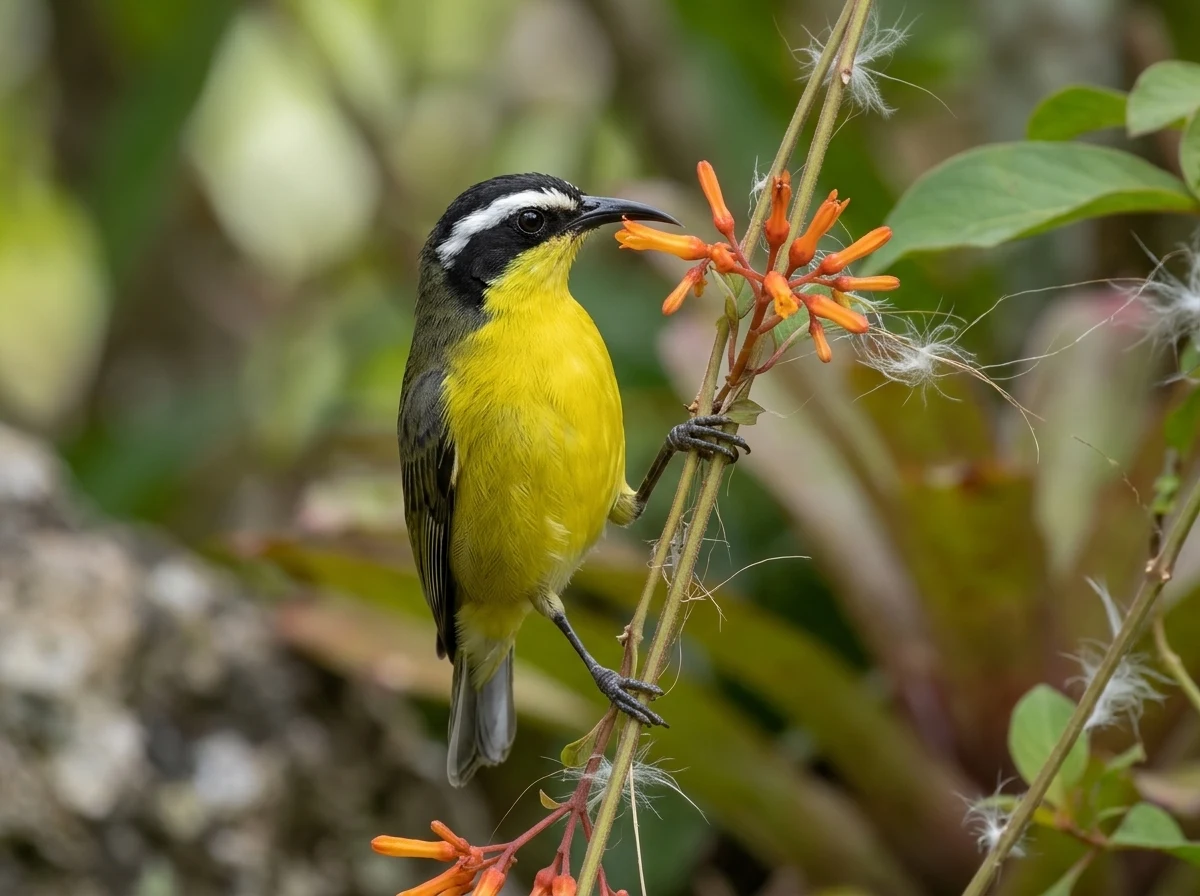
A field notebook is not a private diary or a loose list. It is the ordered record of what you observed, where, and when, so you can return to those data months or years later. In Puerto Rico, where endemic birds such as the Puerto Rican Tody and Adelaide's Warbler overlap with widespread residents such as the Bananaquit, the quality of your notes decides whether an observation remains an anecdote or becomes a useful record.
The good news is that there is no single correct format. An American Birding Association article on field notebooks suggests that, at minimum, you note date, location, start and end time, a weather summary —including wind direction and strength— and perhaps who you were with. From there, you decide how much detail to add. This guide gives you a template, a procedure, and examples using Puerto Rico birds so you can start today.
Fieldcraft guide
The essentials in three ideas
Fecha, hora y lugarThe mandatory minimumWithout these three data points, an observation loses almost all its scientific value.
Tiempo y hábitatThe context that explainsWind, rain, and forest type change what you see and hear.
Conducta y bocetosThe detail that lastsA quick sketch and a behavior note are worth more than a blurry photo.
01
The minimum template: what to always record
Every entry should begin with date, location, start time, and end time. The ABA article also suggests a weather summary including wind direction and strength, and perhaps the people who accompanied you. In Puerto Rico, add the habitat type: palo colorado forest, mangrove, shade coffee plantation, karst, pasture, or urban yard. That label explains why you saw what you saw.
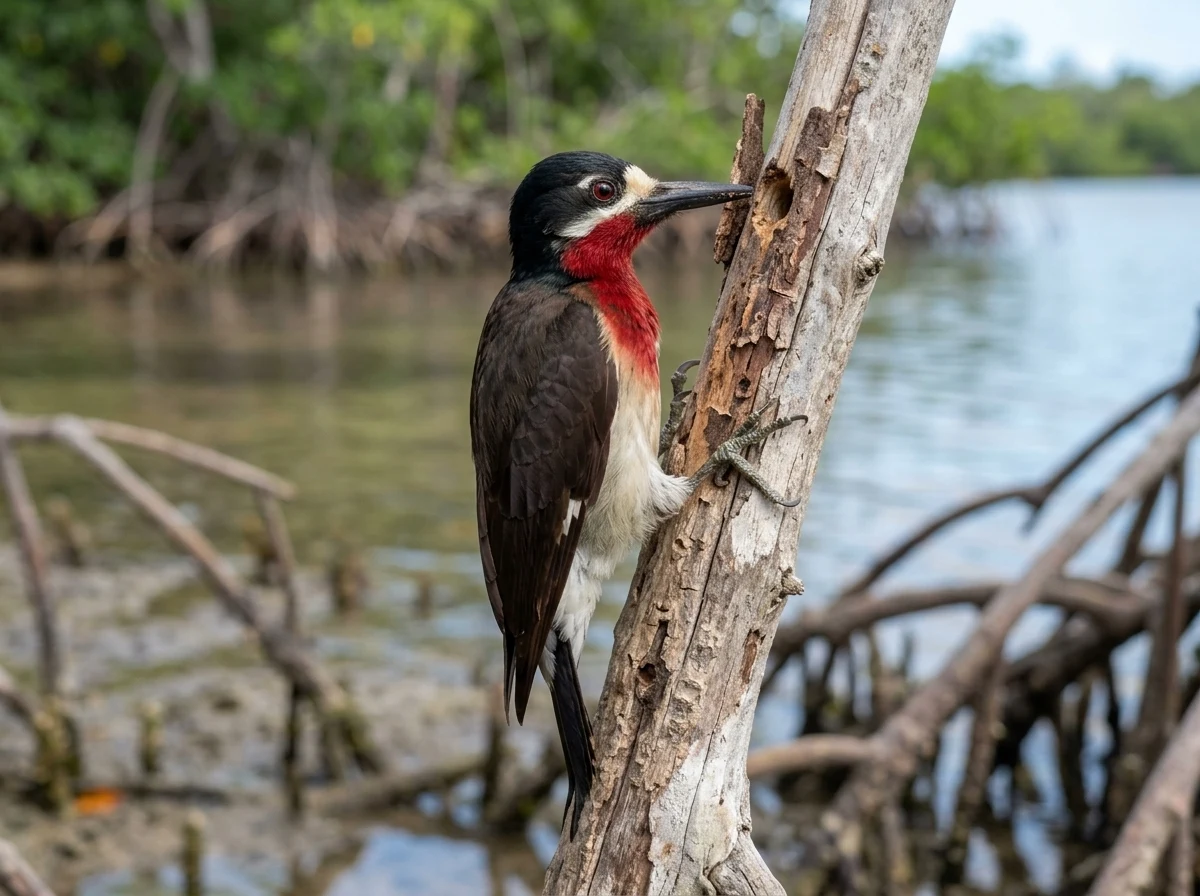
Then comes the bird list. The author of the ABA article describes as his personal approach trying to identify everything he sees and hears, although in practice you may choose to record only species of interest. If you use four- or five-letter codes to save time, define each code the first time you use it in the notebook. A local example: "SAPE" for San Pedrito, "CAPP" for Puerto Rican Woodpecker, "BAN" for Bananaquit. The discipline of writing codes out once prevents confusion years later.
02
Habitat, behavior, and sketches: the added value
Habitat is not decoration. A Puerto Rican Tody in a shade coffee plantation and a Puerto Rican Tody in karst forest are two different data points. The author of the ABA article notes that in new places he records habitat, even if he omits it at local sites out of habit. In Puerto Rico, that omission is costly: the island has clear gradients between dry forest, wet forest, karst, and mangrove, and each supports different communities.
Behavior is the most neglected field and the one most appreciated later. It is not enough to write "saw a Puerto Rican Woodpecker." Note whether it was pecking a trunk, carrying food, defending a territory, or part of a flock. The ABA article warns that in the future you may regret not keeping better notes on the age or sex of some species, or on wind direction. The author, for his part, uses notations such as "1st cycle," "adult," or "juvenile" to record those details. Sketches, even clumsy ones, force you to look at shape, proportion, and posture, and complement the list.
03
Field procedure: step by step
Before heading out, prepare the page: write date, planned location, and departure time. On arrival, note start time, weather (sun, clouds, rain, wind), and habitat. During observation, use abbreviations and do not stop to write long paragraphs; the ABA article notes that writing notes takes time and that time is yours. Record the striking things first: an Adelaide's Warbler foraging in the understory, a Bananaquit visiting flowers, a Puerto Rican Woodpecker drumming.
When finished, write the end time and review the list. If you used codes, verify they are defined. If you saw something you could not identify, describe it: size, color, bill shape, behavior, sound. That description can be the basis for a later identification or a consultation with an expert. The ABA article recommends that if you have time, write everything; if not, choose what matters. What you should not do is leave the page blank for fear of writing it wrong.
04
Examples with Puerto Rico birds
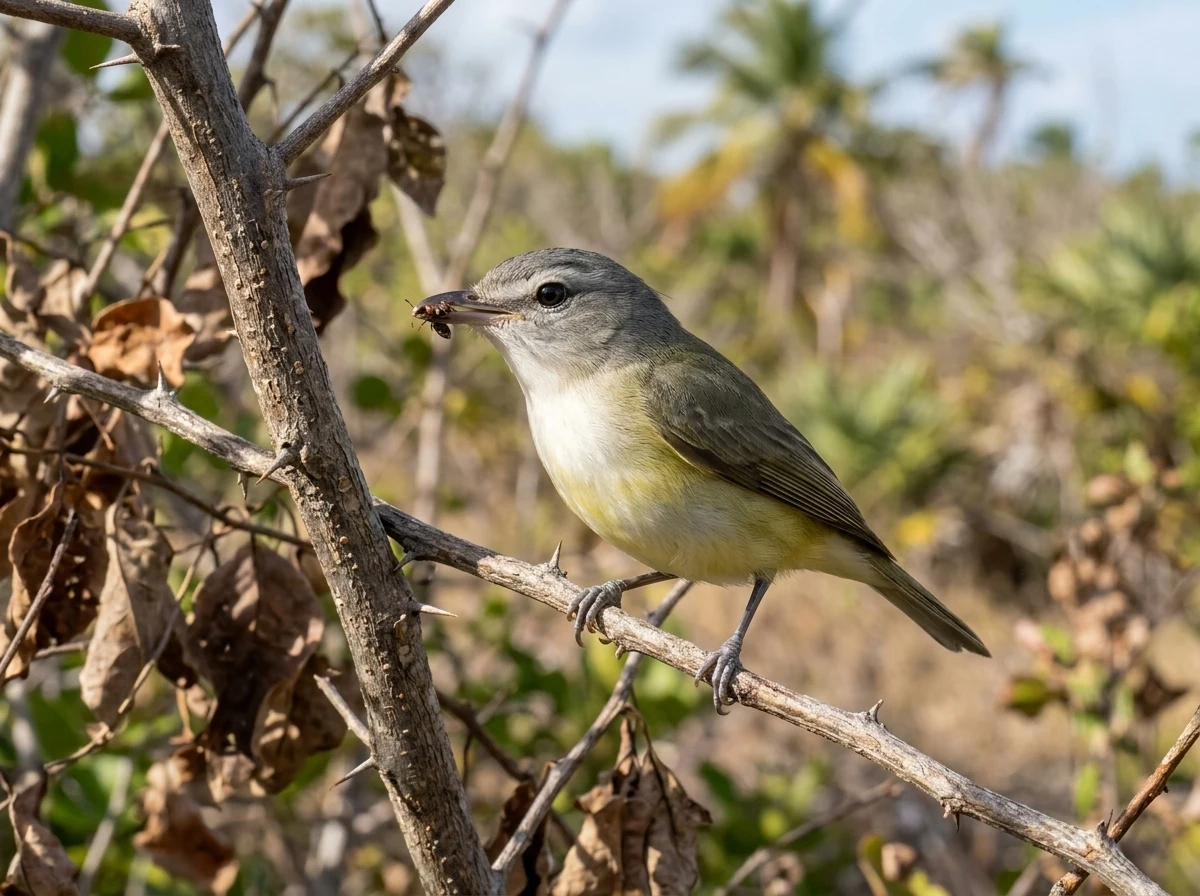
Example 1: "15-03-2026. Guánica Forest, trail near picnic area. 07:10–09:40. Sunny, southeast breeze. With Marta. Habitat: dry forest, rocky soil. Vireo latimeri (Bienteveo; the name bien-te-veo is also applied to the unrelated great kiskadee) 2, foraging in low branches; one singing. Adelaide's Warbler 1, moving in low branches. Bananaquit 4, visiting flowers."
Example 2: "22-06-2026. Karst forest near Vega Baja. 06:30–08:15. Cloudy, humid, no wind. Habitat: karst forest with mogotes. Puerto Rican Tody 1, perched on horizontal branch at 2 m, then flew to lower branch. Puerto Rican Woodpecker 1, pecking dead trunk. Adelaide's Warbler 2, in a flock with other small birds."
These examples show the difference between a list and a record. The first documents habitat, time, and behavior; the second adds microhabitat and association with other species. Neither is perfect, but both are useful. The ABA article insists that your notes are yours and that you can adapt them to your interests, but also warns that in the future you will only have yourself to blame if data you then want are missing.
05
From notebook to citizen science
A well-kept notebook is the raw material for citizen science platforms such as eBird Caribbean, which BirdsCaribbean promotes as a resource for the region. The Journal of Caribbean Ornithology publishes novel observations and natural history studies, and takes pride in helping and offering developmental resources to young, first-time, or underserved authors. Your notes do not have to be perfect to be valuable: a clear description of a behavior, a precise date, or a well-identified habitat can be the starting point for a scientific note.
BirdsCaribbean also offers educational materials such as BirdSleuth Caribbean, an inquiry-based curriculum adapted for the Caribbean, and ebooks on waterbirds and native plants. These resources reinforce the idea that observing with method is not a solitary pastime: it is a contribution to a collective archive about Caribbean birds. Your notebook, however modest, is part of that tradition.
Linked profiles
Birds mentioned in the examples
Four Puerto Rico endemic birds and one widespread non-endemic resident, useful for practicing habitat, behavior, and sketch recording.
01
What should I record at minimum on every outing?
Date, location, start and end time, weather summary with wind direction and strength, and perhaps who you were with. An ABA article on field notebooks considers these the suggested minimum. Add habitat and the bird list with estimated numbers.
02
Do I have to record every bird I see?
It is not mandatory. The author of the ABA article describes as his personal approach trying to identify everything he sees and hears, but acknowledges that you may record only species of interest. If you want complete data for citizen science, a full list is better; if not, choose what matters to you.
03
What are sketches for if I have photos?
Sketches force you to observe shape, proportion, and posture, and capture details a blurry photo does not show. A quick drawing of a Puerto Rican Tody can remind you of its flattened bill and short tail. They complement the list, not replace it.
04
How do I use letter codes without getting confused?
Define each code the first time you use it in the notebook. For example, write "SAPE = San Pedrito" before using it. The ABA article uses four- or five-letter codes and warns that years later you may forget what they meant. The discipline of defining them once prevents that problem.
05
Can I share my notes with scientists?
Yes. Platforms such as eBird Caribbean, promoted by BirdsCaribbean, receive citizen science observations. The Journal of Caribbean Ornithology publishes novel observations and natural history studies, and takes pride in helping young, first-time, or underserved authors. Your notes can be the starting point.
Keep exploring
Connected routes
Sources and review
The evidence is one link away.
These sources support the editorial scope of this guide. Bird profiles also retain their own taxonomy, occurrence, and conservation references.
Reviewed:
The atlas continues