 AI
AILearning Guides
Birding Etiquette and Ethics: Role Play
Learn to watch birds without disturbing them and while respecting others through practical scenarios and a discussion guide.
Reviewed: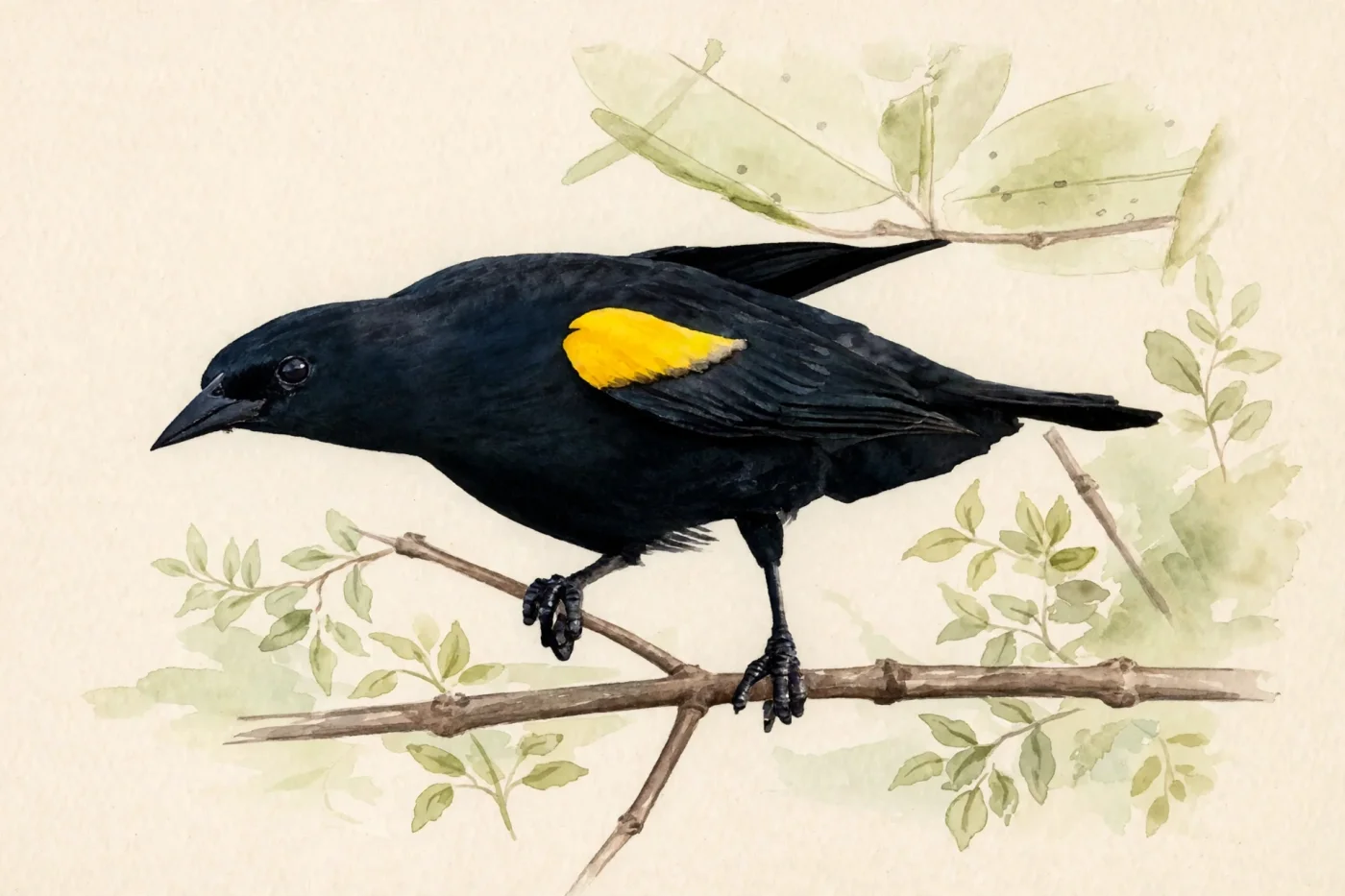
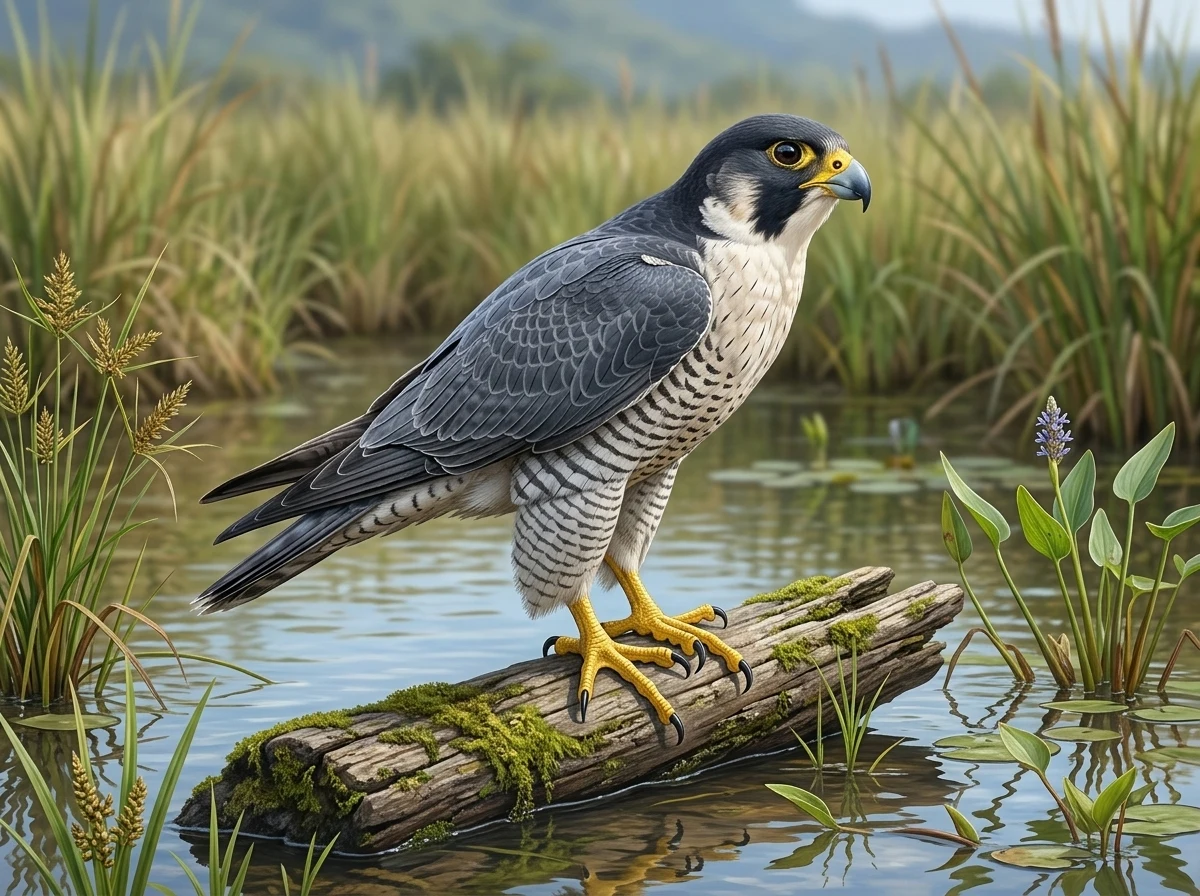
Prepared with AI assistance and linked sources. Illustrations are not field photographs.
Introduction
Birdwatching is an exciting activity, but it also carries responsibilities. The central question of this guide is: how can we observe birds without disturbing them and while respecting others? The answer is based on widely accepted ethical principles, such as those in the American Birding Association (ABA) Code of Birding Ethics, which encourage us to practice and promote respectful, enjoyable, and thoughtful birding. This code reminds us to respect and promote birds and their environment, avoid stressing or exposing them to danger, and minimize habitat disturbance.
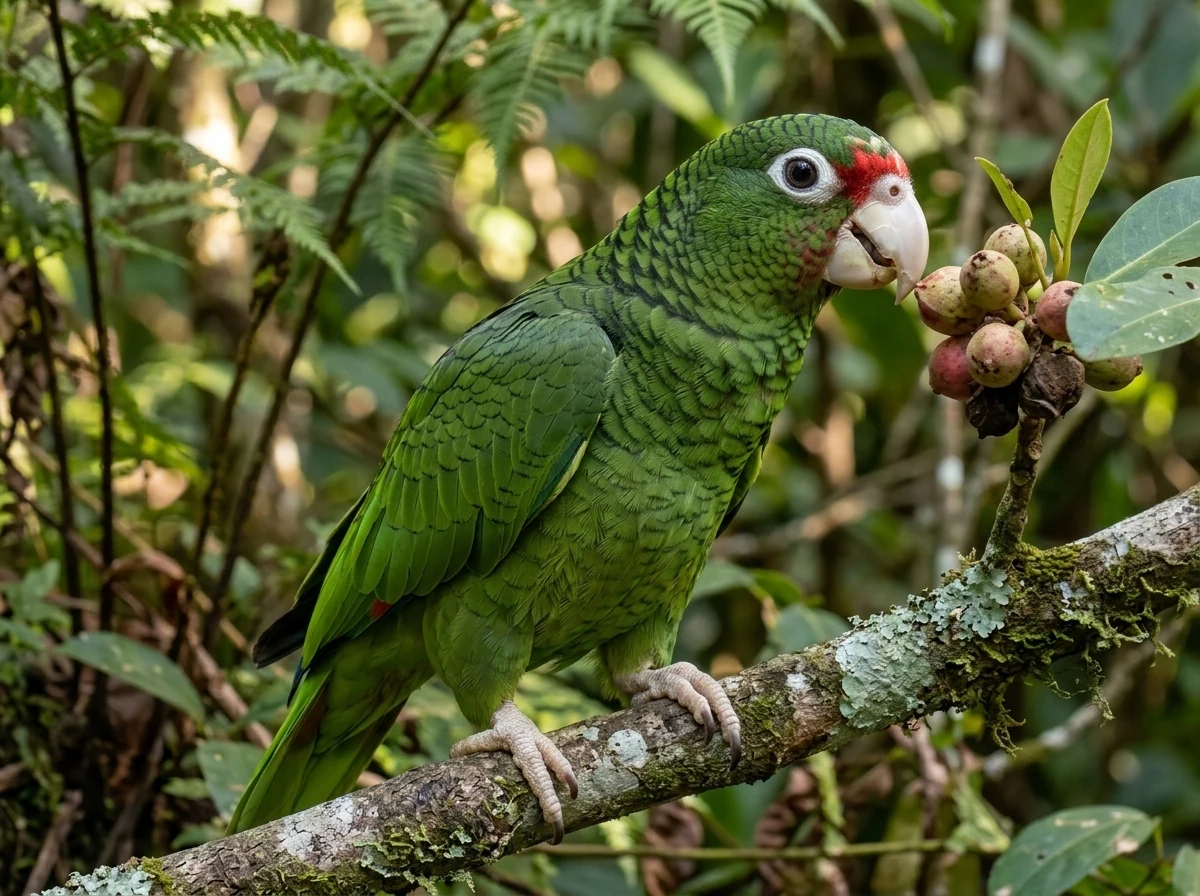
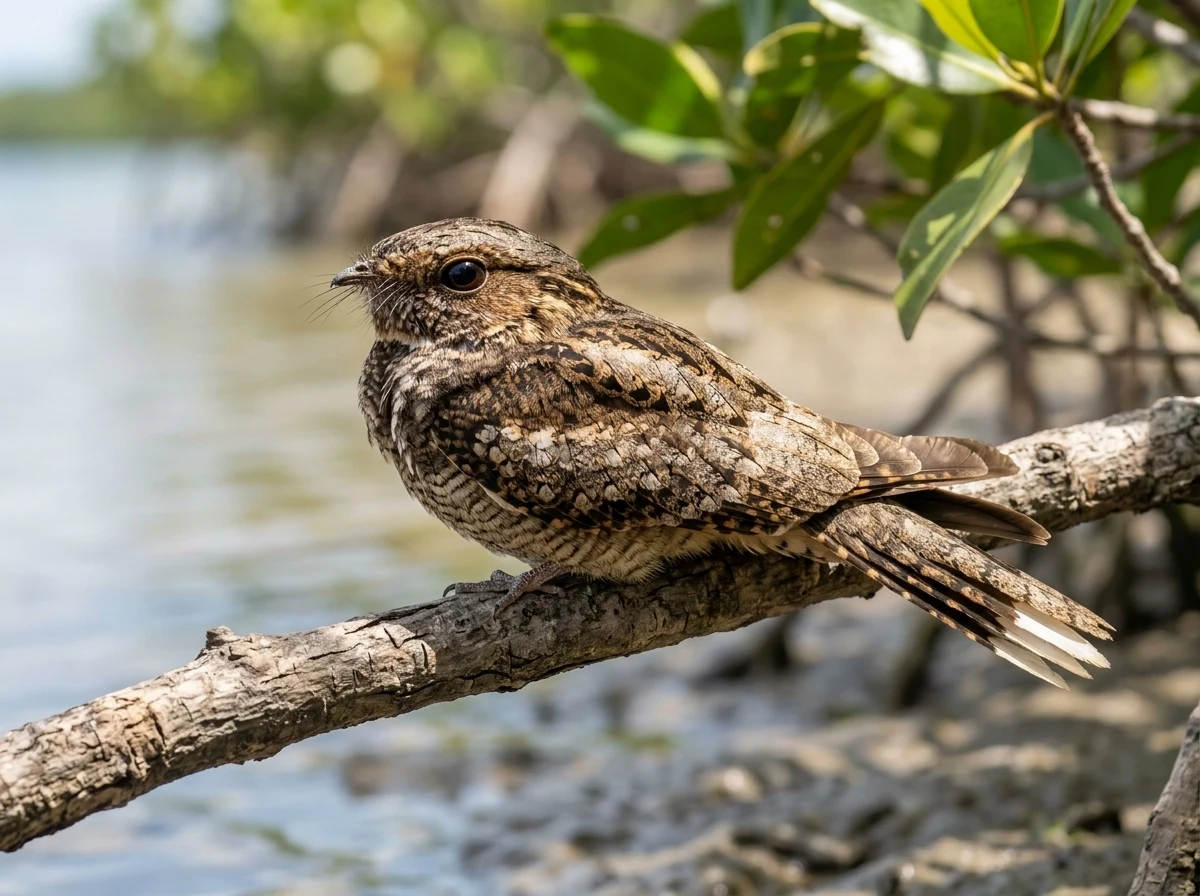
We must also respect the birding community and other people. This includes being an ethical role model, sharing observations responsibly, and never entering private property without permission. In Puerto Rico, where many species are endemic and some are endangered, such as the Puerto Rican Amazon (Amazona vittata) and the Puerto Rican Nightjar (Antrostomus noctitherus), following these guidelines is especially important. This article presents role-play scenarios to practice these decisions in a group, with a discussion guide to reflect on best practices.
Learning Guides
Key Takeaways
RespetoBirds firstThe ABA Code of Ethics puts bird welfare first.
DistanciaKeep distanceIf the bird moves away or gives alarm calls, you are too close.
PlaybackLimit playbackAvoid using it in heavily birded areas, with rare or endangered species.
01
Scenario 1: Distance and Stress Signals
Imagine you are in a forest and see an active nest. What do you do? The ethical answer is to keep a considerable distance and not approach. The ABA code tells us to avoid stressing birds and to be particularly cautious around active nests, nesting colonies, roosts, and feeding sites. If the bird moves away, gives alarm calls, or changes its behavior, it is a sign you are too close. In the role-play, one person can act as the observer and another as the bird; the observer should practice backing away slowly and using binoculars instead of approaching.
To practice, divide the group into pairs. One person walks toward an object representing a nest; the other must indicate when to stop using an agreed signal. Then discuss: how did you know it was too close? What bird signals did you notice? Remember that the ABA code also recommends considering the benefits of staying on trails, to minimize habitat disturbance.
02
Scenario 2: Use of Playback
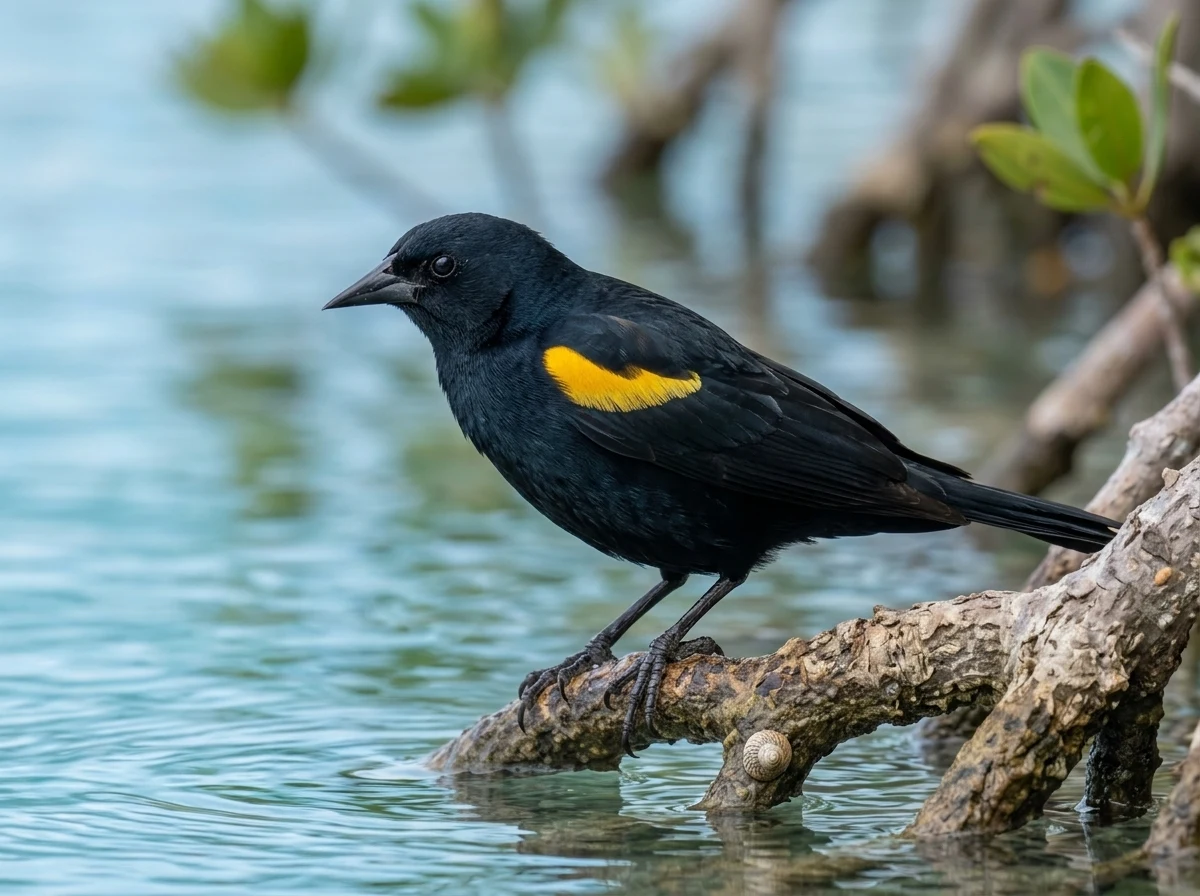
Playback is the reproduction of recordings of songs or calls to attract birds. Although it can be useful for detecting species, excessive use can cause stress. The ABA code recommends limiting the use of recordings and other methods of attracting birds, particularly in heavily birded areas, for species that are rare in the area, and for species that are threatened or endangered. In Puerto Rico, this is relevant for species such as the Elfin-woods Warbler (Setophaga angelae) or the Yellow-shouldered Blackbird (Agelaius xanthomus), which already face conservation pressures.
In a role-play, simulate a situation where someone wants to use playback to see a rare species. The group should discuss alternatives: waiting in silence, using playback only if legal and ethical, or simply enjoying other birds. The ABA code recommends limiting playback, especially in heavily birded areas and for rare, threatened, or endangered species. Practice saying 'no' respectfully and explaining why.
03
Scenario 3: Private Property and Permissions
Imagine you see a rare bird on private land. Can you enter? The ethical and legal answer is no, never enter private property without the owner's explicit permission. The ABA code is clear: never enter private property without the landowner's permission. We must also respect the interests of people living in the area and interact positively with them. In the role-play, one person can act as the landowner and another as the observer. The observer must ask for permission respectfully and accept a 'no' without insisting.
Discuss as a group: how does the landowner feel? What alternatives are there? You can observe from a public road if it is safe and does not invade privacy. Remember that the ABA code also asks us to familiarize ourselves with and follow all local laws and regulations.
04
Scenario 4: Sharing Rare Bird Locations
When you find a rare bird, should you share the exact location? The answer depends on the risk to the bird. The ABA code tells us that before advertising the presence of a rare bird, we should evaluate the potential for disturbance to the bird, its surroundings, and other people, and proceed only if access can be controlled, disturbance minimized, and permission has been obtained from the landowner. For sensitive species, such as owls, eBird recommends waiting until the season is over and the bird has left before reporting it, not providing exact coordinates, and delaying the report so it does not appear in the eBird Notable Birds feed.
In a role-play, simulate finding a rare bird. One person wants to post it on social media immediately; others should discuss the risks. Practice how to share responsibly: use general locations, wait, or share only with trusted people. Remember that the ABA code also asks us to share observations freely, provided it does not violate other sections of the code.
05
Discussion Guide and Checklist
After each scenario, use these questions to guide the discussion: What would you do in this situation? How would you feel if you were the bird or the landowner? What does the code of ethics say? Is there a local law that applies? How can we teach others by example? The ABA code encourages us to be ethical role models and to resolve situations positively, keeping in mind that perspectives vary.
Checklist for an ethical outing: 1) Keep distance and use binoculars. 2) Stay on trails. 3) Limit playback in heavily birded areas and for rare, threatened, or endangered species. 4) Do not enter private property without permission. 5) Share rare bird locations carefully, using general locations. 6) Respect other birders and local people. 7) Follow all laws and regulations. 8) Be an ethical role model. Practice this list as a group before going into the field.
Linked profiles
Birds Mentioned in the Scenarios
These endemic or migratory Puerto Rican species illustrate why ethics is crucial for their conservation.

01
What is a safe distance for birdwatching?
There is no fixed distance, but if the bird moves away, gives alarm calls, or changes its behavior, you are too close. The ABA code recommends keeping distance and using binoculars.
02
Can I use playback to attract birds?
The ABA code recommends limiting its use, especially in heavily birded areas, for rare species, and for threatened or endangered species.
03
Should I share the location of a rare bird?
Evaluate the risk of disturbance. For sensitive species, use general locations, delay the report, or wait until the bird has left. The ABA code asks you to evaluate before advertising.
04
What should I do if I see someone acting unethically?
The ABA code suggests approaching with sensitivity and respect, trying to resolve the matter positively, and using the situation as an opportunity to teach by example.
05
Can I enter private property to watch birds?
Never enter private property without the owner's explicit permission. The ABA code is clear on this point and also asks you to respect the interests of local people.
Keep exploring
Connected routes
Sources and review
The evidence is one link away.
These sources support the editorial scope of this guide. Bird profiles also retain their own taxonomy, occurrence, and conservation references.
Reviewed:
01↗02↗03↗04↗
American Birding Association
ABA Code of Birding Ethics
Evidence for cited sections; consult the original document.eBird (Cornell Lab of Ornithology)
Guidelines for Reporting Sensitive Species
Evidence for cited sections; consult the original document.Audubon
Rare-Bird Sightings: Share or Shut Up?
Evidence for cited sections; consult the original document.British Trust for Ornithology (BTO) et al.
The Birdwatchers' Code
Evidence for cited sections; consult the original document.The atlas continues