 AI
AIResponsible rescue
Found an injured owl or bird in Puerto Rico? What to do
An owl on the ground, a hawk that can't fly, or a chick out of the nest: the right help is quick, simple, and goes through the DRNA. Here are the steps and the verified contacts.
Reviewed:What to do first if you find an injured bird
If you find an injured Puerto Rican Owl or other wild bird in Puerto Rico, call the Ranger Corps (Cuerpo de Vigilantes) of the Department of Natural and Environmental Resources (DRNA) at 787-724-5700, the number the DRNA publishes for reporting wildlife in danger, or the DRNA's main line, 787-999-2200. While you wait for instructions, if the bird is still and it is safe to do so, put it in a small ventilated box in a dark, quiet place, and give it no food or water.
The DRNA takes in injured wildlife, rehabilitates it at its center in Cambalache Forest in Arecibo, and releases it when it is ready. This guide explains how to tell whether the bird really needs help, how to contain it without hurting it or yourself, what not to do, and why the law does not let you keep it, even to care for it.
Responsible rescue
Key contacts and facts
787-724-5700Ranger CorpsNumber the DRNA publishes for reporting wildlife in danger.
787-999-2200DRNA main lineOffice hours Monday–Friday, 8:00 a.m. to 4:00 p.m.
Cambalacherehabilitation centerThe DRNA's native-species rehabilitation center in Arecibo.
0food or waterDo not feed or force water on an injured bird.
01
Step 1: confirm the bird needs help
Not every bird on the ground is injured. According to the U.S. Fish and Wildlife Service (USFWS), a chick that is featherless or has its eyes closed is a nestling that still needs the nest; if you can find and reach the nest, simply put it back: your scent will not make the parents reject it. A fledgling has more developed feathers and can hop and flutter on its own; often its parents are still nearby feeding it.
Mass Audubon suggests watching a young bird for a couple of hours: if it can walk, hop, and flap, or if adults are nearby, leave it alone. A bird that hit a window may recover on its own if you protect it from predators in a closed box. Get help right away if you see blood, a drooping wing, a leg at a bad angle, a bird caught by a cat, or a bird that cannot stand.
02
Step 2: call the DRNA
In Puerto Rico the agency that handles injured wildlife is the DRNA, through its Ranger Corps. In its releases, the DRNA asks that if you see an owl or other species in danger you call the Ranger Corps at 787-724-5700 or bring the animal to any of its regional stations. The DRNA's main line is 787-999-2200, with office hours Monday to Friday, 8:00 a.m. to 4:00 p.m.; a 2025 Ciencia Puerto Rico article gives extension 2911 for the Ranger Corps.
Call before moving the bird a long distance. The USFWS advises always coordinating with professionals before transporting an animal, because every case is different and you may be asked to take it to a specific place. Have the exact location, time, species if you know it, and a photo ready: that information helps the rangers decide how to respond.
03
Step 3: contain the bird without stressing it
Injured birds go into shock easily, so the goal is to reduce stress. Mass Audubon recommends placing the bird in a small box ventilated at the top and putting it in a dark, quiet place away from drafts, noise, children, and pets. Handle it as little as possible and do not keep opening the box to check on it.
With owls and hawks, protect your hands: the Puerto Rican Owl has sharp claws and a pointed bill that it uses as precise tools. The USFWS warns against trying to trap an injured bird before consulting a professional, so call first. If you are asked to contain it, use thick gloves or a towel to lift it gently; if the bird runs off or is large, do not chase it and wait for the rangers.
04
What not to do
Do not give it food, milk, bread, or water. Mass Audubon advises against force-feeding and says to remove water before transport, and the USFWS warns that improper food is especially dangerous for young animals. Besides, the Puerto Rican Owl's diet is entirely animal, large insects and small vertebrates, so household food is no use to it.
Do not take the bird home to nurse it, and do not release it somewhere else on your own. The USFWS notes that it is illegal to take a wild animal home to care for it or keep it as a pet. In Puerto Rico, rescued owls are also released near where they were found to keep the population cohesive, something only the DRNA can coordinate.
05
Why the law does not let you keep it
Puerto Rico's Wildlife Act (Law 241-1999) declares wildlife the property of Puerto Rico. Its Article 6 makes it illegal to possess or keep in captivity any wild animal species, native or migratory, except for scientific, educational, or recovery purposes with written authorization from the DRNA Secretary. It also prohibits possessing, transporting, taking, or destroying individuals, nests, eggs, or young without prior authorization.
At the federal level, the Puerto Rican Owl, Short-eared Owl, Barn Owl, and many other native birds are on the Migratory Bird Treaty Act list, which applies in Puerto Rico. The USFWS explains that rehabilitating most birds requires federal permits, along with training and approved facilities. That is why legal, effective help always ends with the DRNA.
06
What happens next: the Cambalache center
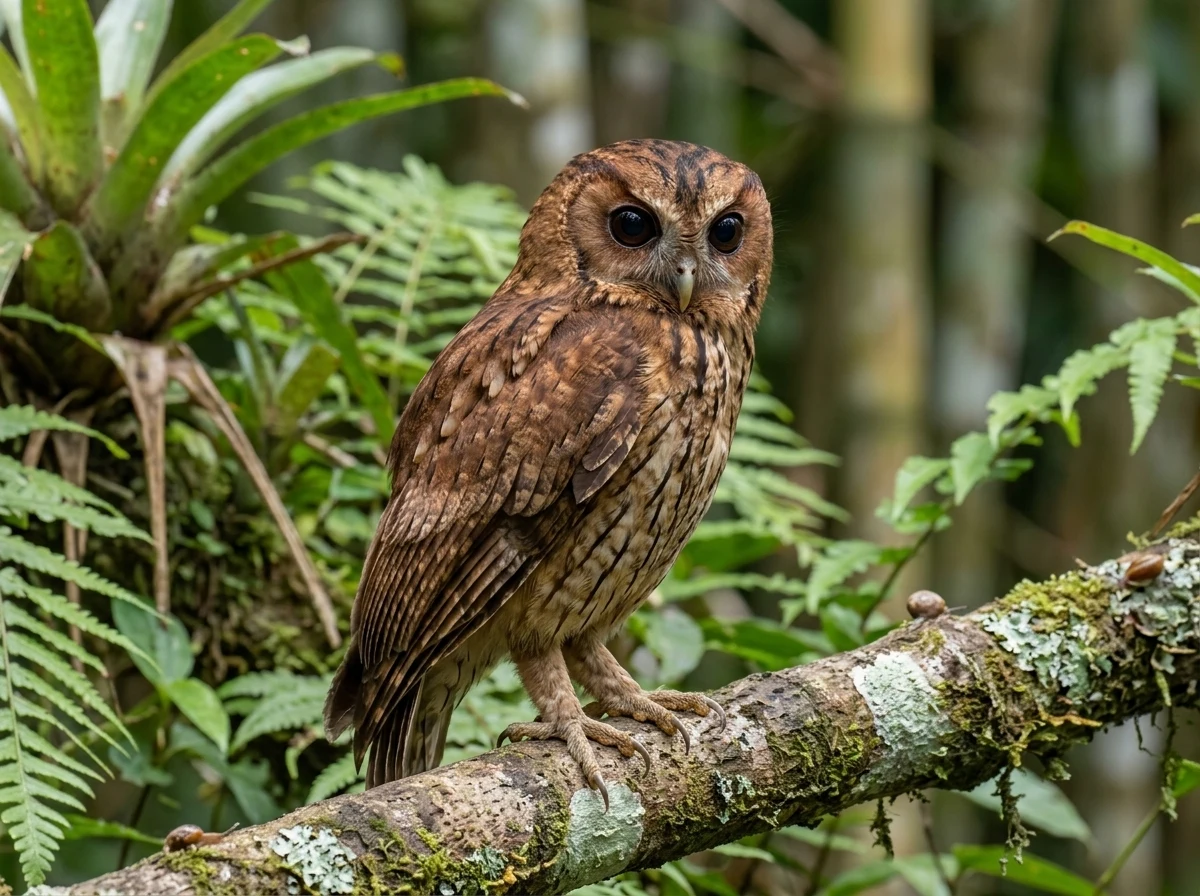
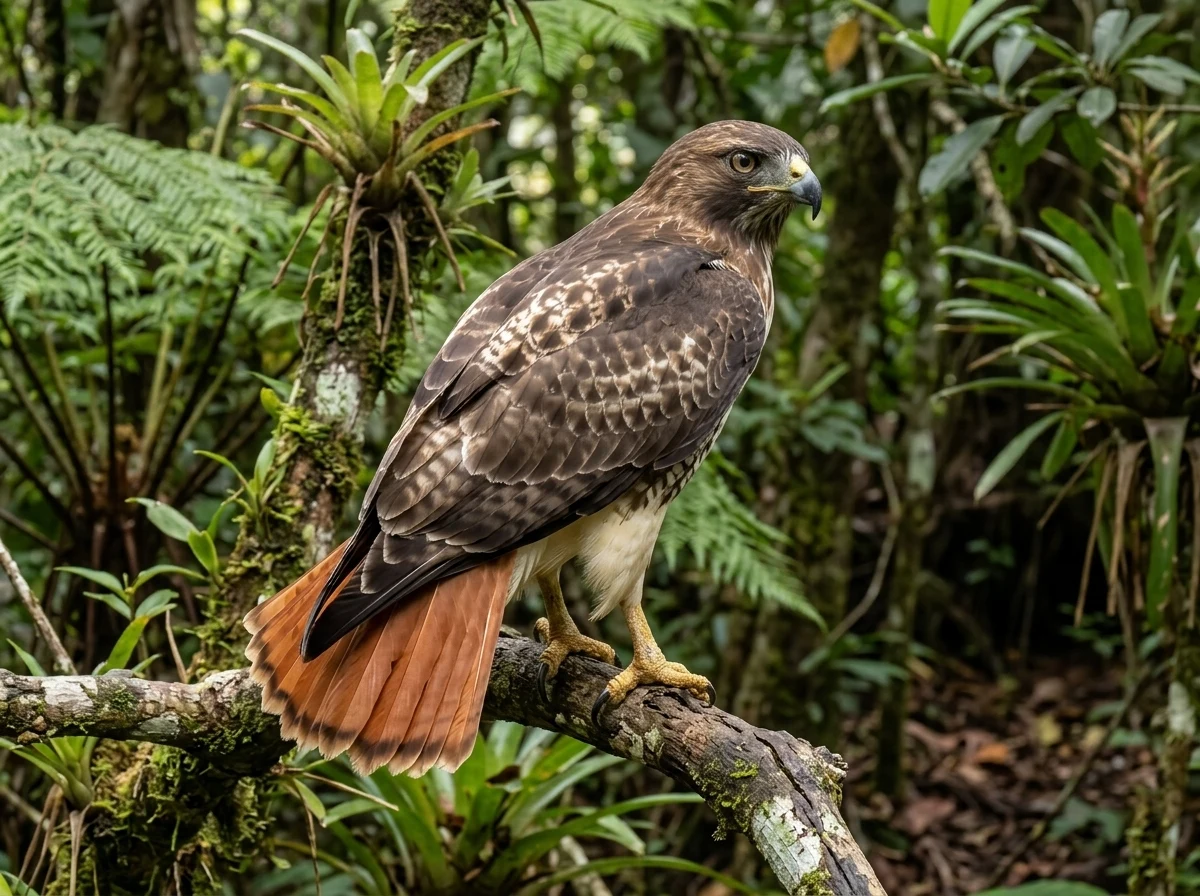
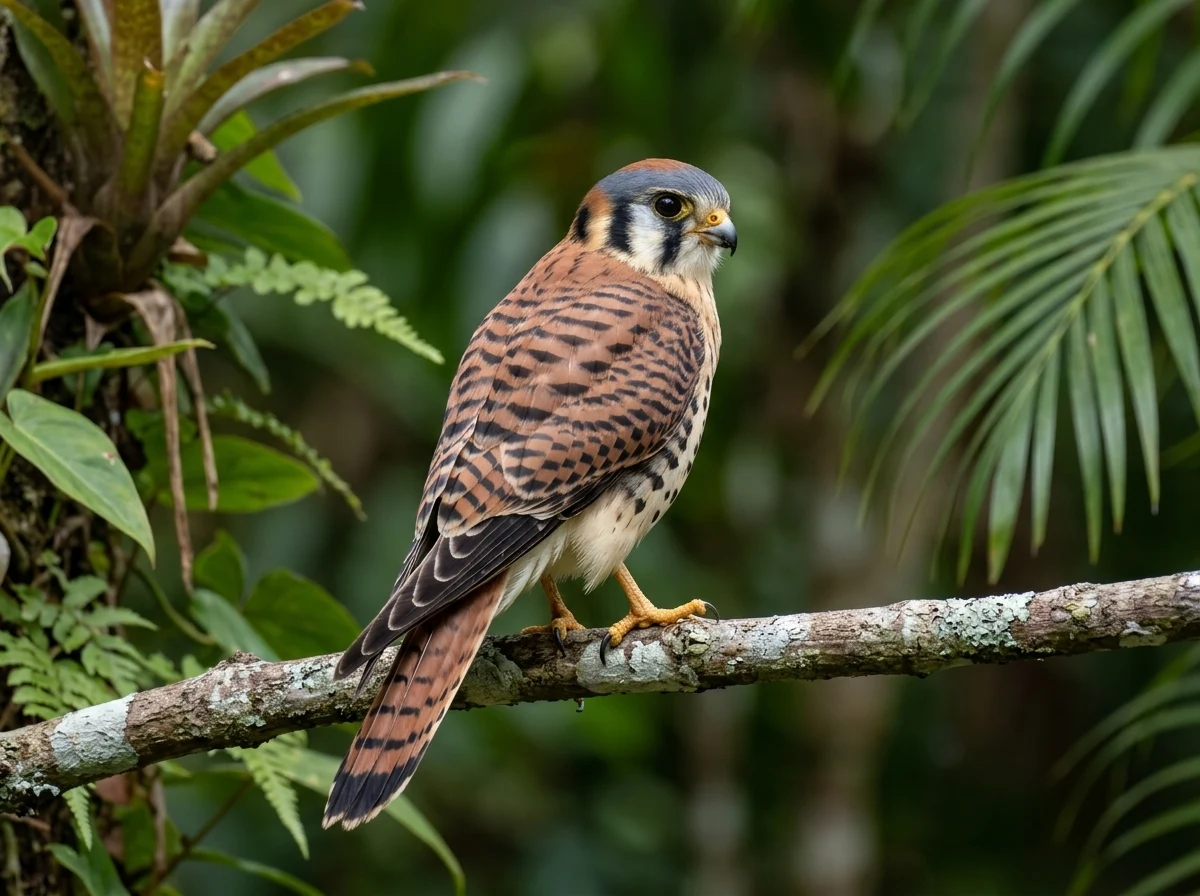
The DRNA rehabilitates native wildlife at its Native Species Rehabilitation and Exotic Species Management Center in Cambalache Forest, Arecibo. In February 2026 it was caring for seven native birds, including a Peregrine Falcon, a Red-tailed Hawk, and three woodpeckers. In 2019 the DRNA released a rehabilitated Puerto Rican Owl there, along with Puerto Rican Woodpeckers, a Red-tailed Hawk, and American Kestrels.
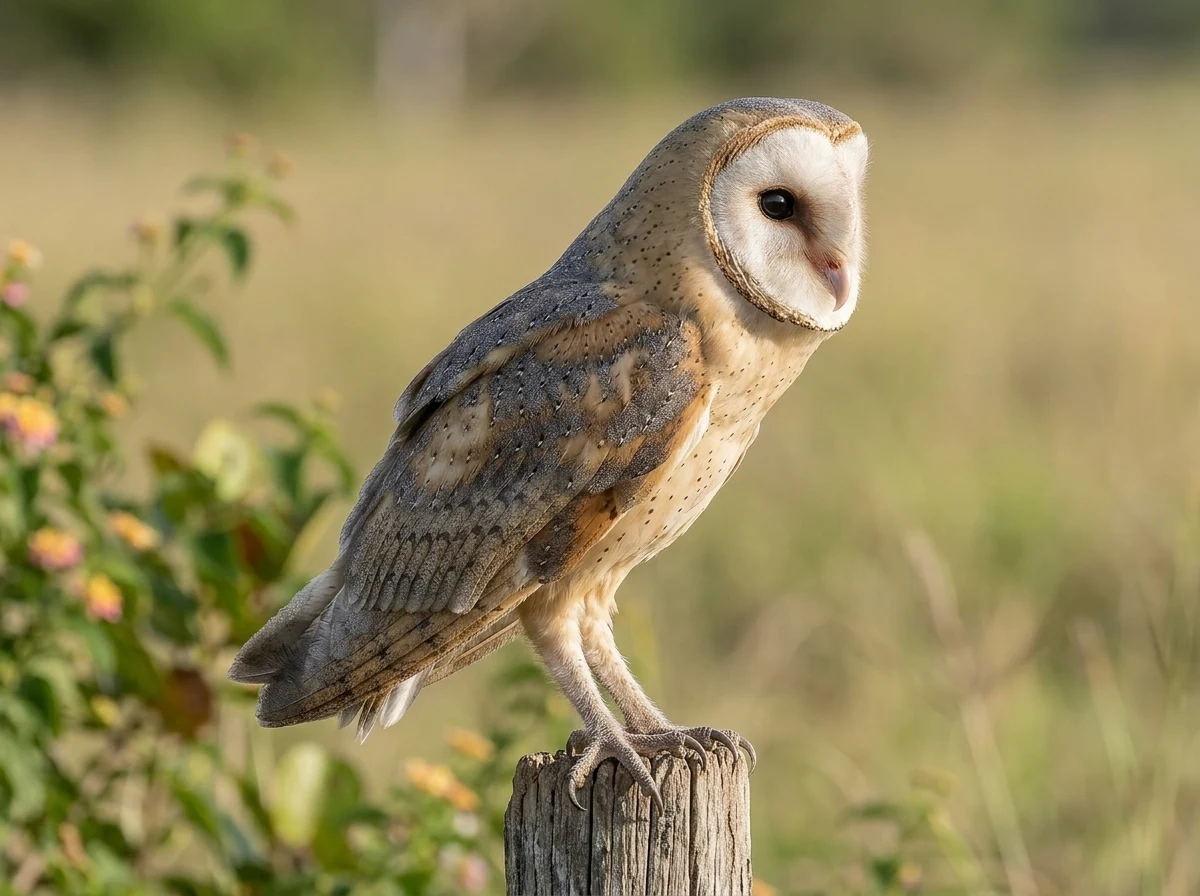
Owl cases show why reporting matters. In 2015 a citizen brought the rangers a Barn Owl chick with a broken leg; checking the site, they found a nest with more chicks and adults, the first documented for the species in Puerto Rico. Vehicle strikes and cat attacks are among the Puerto Rican Owl's threats, so keeping cats indoors and driving slowly at night near wooded areas are also ways to help.
Linked profiles
Birds the DRNA has rehabilitated
These species appear in rescues and releases documented by the DRNA. Open each profile to recognize them and check their protection status.
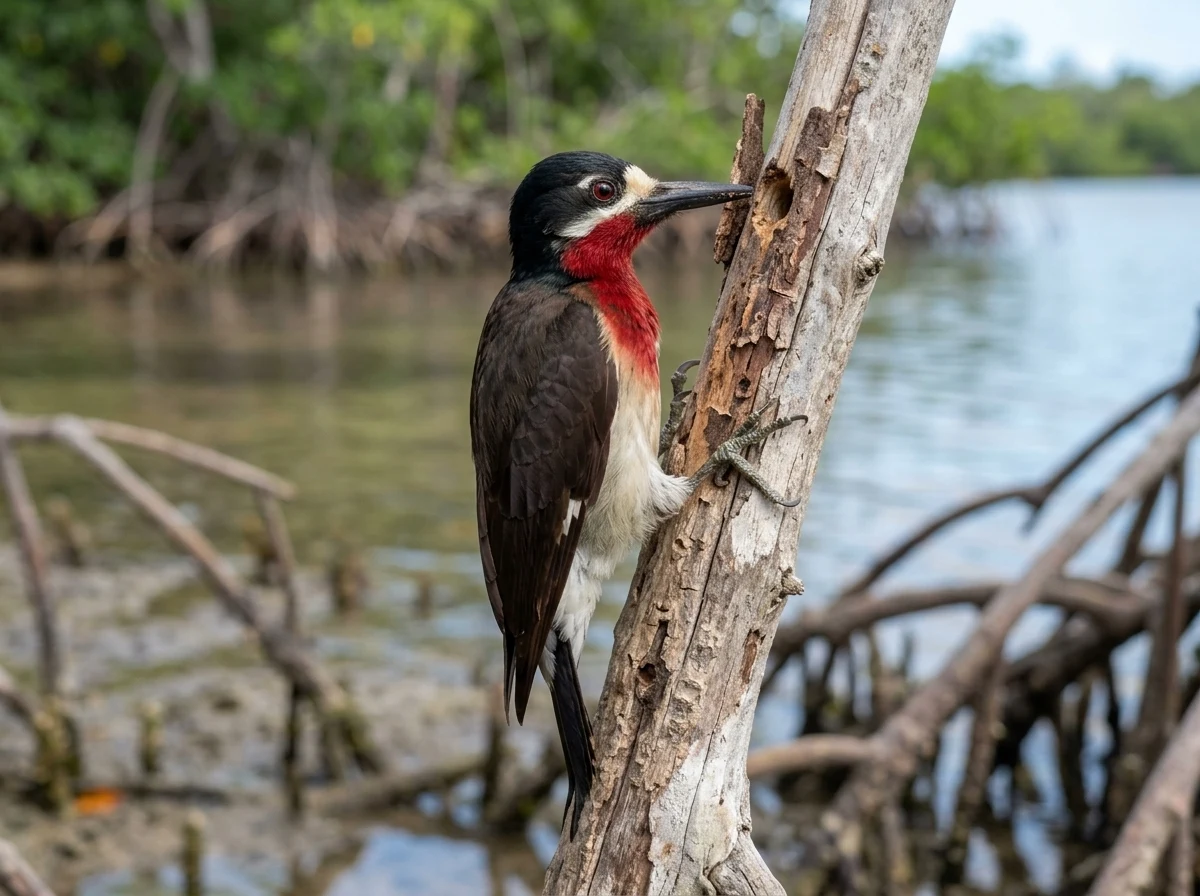
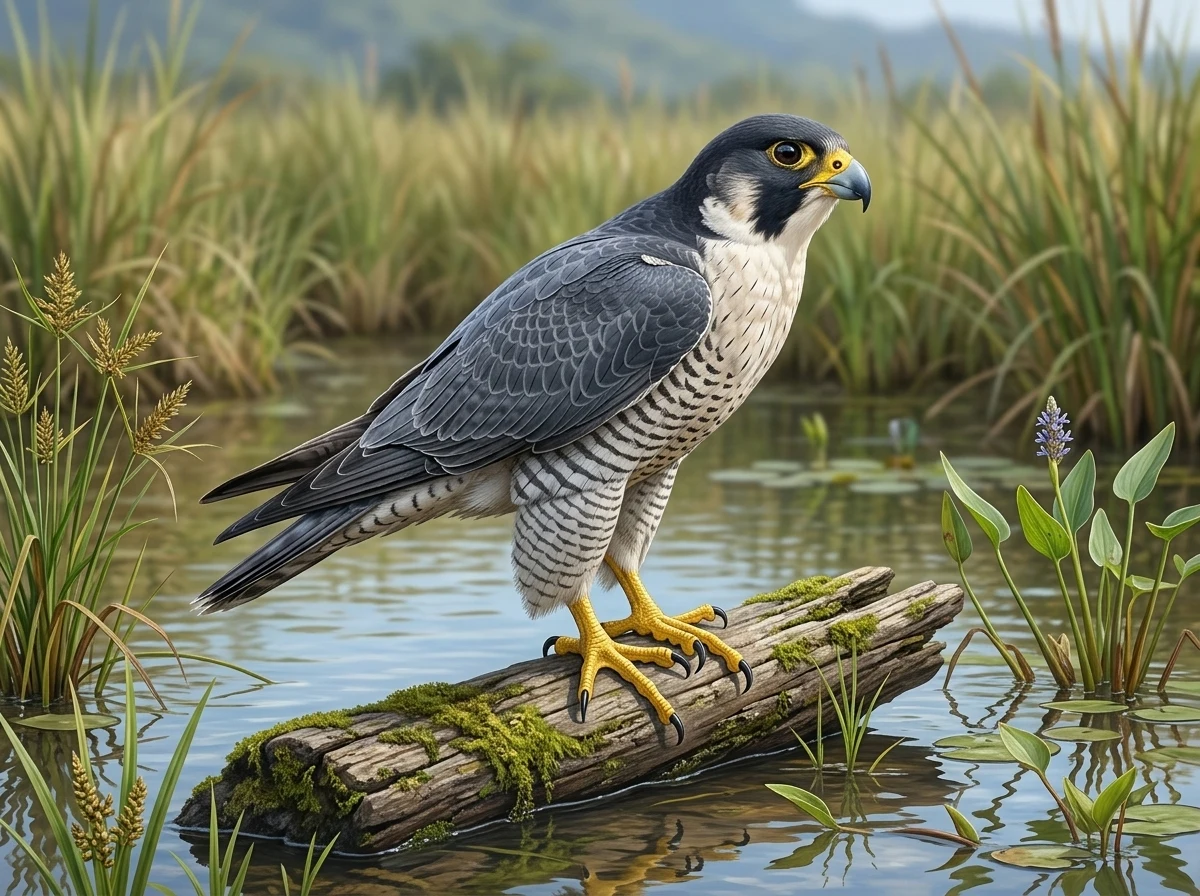
Sound archive
Hear its voice
Explore real songs and calls. The spectrogram turns each sound into a visual trace of time and frequency.
XC793992Recording 1 of 3call

Play: call by Barry Edmonston
Choose another recording
Sound recorded by Barry Edmonston · XC793992 · CC BY-NC-SA 4.0. Visualization by Stichting Xeno-canto voor Natuurgeluiden.
Every recording retains the creator, catalogue number, and license published by Xeno-canto. Metadata via GBIF ↗
01
Who do I call about an injured bird in Puerto Rico?
The DRNA Ranger Corps at 787-724-5700, the number the DRNA publishes for reporting wildlife in danger, or the DRNA at 787-999-2200. You can also bring the bird to a regional Ranger Corps station. Call before transporting it.
02
What do I do if I find a baby owl on the ground?
If it is featherless or its eyes are closed and you can see the nest, put it back: your scent will not make the parents reject it. If it is feathered and hopping, watch from a distance for a couple of hours, because the parents are often nearby. If it is injured or in danger, call the DRNA.
03
What should I feed an injured owl?
Nothing. Do not give food or water: it can make things worse. Put it in a ventilated box in a dark, quiet place and call the DRNA, which handles feeding and rehabilitation.
04
Is it legal to keep a Puerto Rican Owl at home?
No. Law 241-1999 prohibits keeping native or migratory wildlife in captivity without written DRNA authorization, and the Puerto Rican Owl is also protected by the Migratory Bird Treaty Act. Even if you mean to care for it, hand it over to the DRNA.
05
Where does the DRNA rehabilitate injured birds?
At its Native Species Rehabilitation and Exotic Species Management Center in Cambalache Forest, Arecibo. It has cared for Puerto Rican Owls, Red-tailed Hawks, falcons, and woodpeckers, which are released once they are ready.
06
What do I do if a bird hit my window?
Place it in a closed, ventilated box in a quiet spot safe from cats, and watch it. Many stunned birds recover on their own; if it does not recover or is bleeding, call the DRNA.
Keep exploring
Connected routes
Sources and review
The evidence is one link away.
These sources support the editorial scope of this guide. Bird profiles also retain their own taxonomy, occurrence, and conservation references.
Reviewed:
01↗02↗03↗04↗05↗06↗07↗08↗09↗10↗11↗
Departamento de Recursos Naturales y Ambientales
DRNA releases endemic and resident birds in Cambalache Forest
2019 release that included a rehabilitated Puerto Rican Owl and the instruction to call the Ranger Corps at 787-724-5700.Departamento de Recursos Naturales y Ambientales
Natural Resources Ranger Corps
Official Ranger Corps page with DRNA's main phone number (787-999-2200) and office hours.Ciencia Puerto Rico (publicado originalmente en El Nuevo Día)
Meet the Puerto Rican owl
Current threats (deforestation, vehicle strikes, cats), transfer of rescued juveniles to Cambalache, and DRNA extension 2911.Metro Puerto Rico
DRNA announces rehabilitation of seven native birds
Name of the Native Species Rehabilitation and Exotic Species Management Center in Cambalache Forest and the birds in care in February 2026.Mass Audubon
Helping injured birds
Small ventilated box in a dark, quiet place, minimal handling, no force-feeding, and removing water before transport.U.S. Fish and Wildlife Service
What to do if you find a baby bird, injured or orphaned wildlife
Nestling versus fledgling, returning a nestling to the nest, and the permits required to rehabilitate birds.U.S. Fish and Wildlife Service (Parker River NWR)
Sick or injured wildlife
Injured birds go into shock easily; they should not be taken home or trapped before consulting a rehabilitator.Oficina de Gerencia y Presupuesto de Puerto Rico
Puerto Rico Wildlife Act (Law 241-1999, as amended)
Article 6: prohibits keeping wildlife in captivity and taking nests, eggs, or young without authorization from the DRNA Secretary.Electronic Code of Federal Regulations / U.S. Fish and Wildlife Service
List of protected migratory birds (50 CFR 10.13)
Lists Puerto Rican Owl (Gymnasio nudipes), Short-eared, Burrowing, and Barn Owls under the Migratory Bird Treaty Act, which applies in Puerto Rico.Alexander Wetmore / U.S. Department of Agriculture (Internet Archive)
Birds of Porto Rico (USDA Bulletin 326, 1916)
Historical description of the Puerto Rican Owl's call, diet, and habits, and local names for the Short-eared Owl in 1911–1912.Departamento de Recursos Naturales y Ambientales
DRNA documents a third owl species in Puerto Rico
August 20, 2015 release on the Barn Owl (Tyto alba) nest found after an injured chick was rescued; names the Puerto Rican Owl and Short-eared Owl.The atlas continues