 AI
AIFieldcraft guide
Birdsong Playback When to Avoid It and Why
Playback is a powerful and controversial tool. This guide explains when it is acceptable, when it is not, and how to act responsibly in Puerto Rico's field conditions.
Reviewed: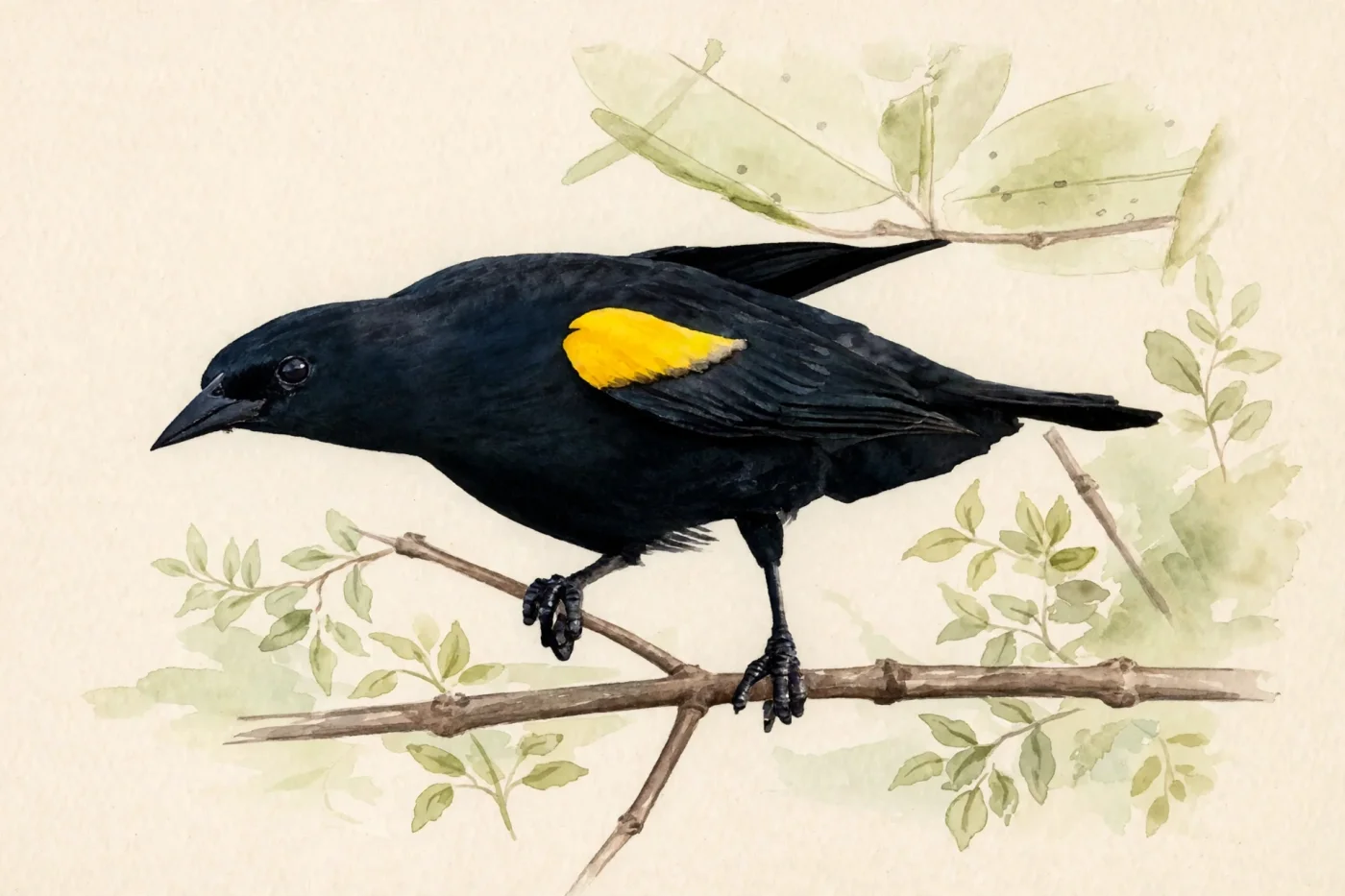
Prepared with AI assistance and linked sources. Illustrations are not field photographs.
A powerful tool that demands responsibility
Playback —playing recordings of songs or calls to attract birds— is one of the most effective techniques for seeing elusive species. It is also one of the most debated. The American Birding Association (ABA) Code of Birding Ethics calls for limiting the use of recordings and other audio methods of attracting birds, particularly in heavily birded areas, for species that are rare in the area, and for species that are threatened or endangered (s1).
In Puerto Rico, where several endemic birds face conservation pressures, the question is not only "does it work?" but "at what cost?" This guide summarizes what available sources say about playback effects, recommendations from ornithological societies, and legal considerations, and offers a concrete procedure for those who decide to use it responsibly.
Fieldcraft guide
Three key takeaways
EvítaloThreatened or endangered speciesThe ABA code of ethics calls for limiting playback for threatened or endangered species (s1).
5 minutosPractical limit per attemptDavid Sibley recommends not continuing playback longer than about five minutes and resisting the urge to finish with a prolonged, loud barrage (s2).
Evidencia limitadaEffects are incompletely knownSibley's Audubon article notes that researchers generally agree the effects of playback are poorly known (s2); a study on tropical birds documented changes in vocalization and habituation with repeated use (s4).
01
What ornithological societies recommend
The widely cited ABA Code of Birding Ethics states that birders should avoid stressing birds or exposing them to danger, and be particularly cautious around active nests, nesting colonies, roosts, display sites, and feeding sites. In that context, it calls for limiting the use of recordings and other audio methods of attracting birds, particularly in heavily birded areas, for species that are rare in the area, and for species that are threatened or endangered (s1).
The ABA also notes that birders should familiarize themselves with and follow all laws, rules, and regulations governing activities at their birding location, in particular regulations related to disturbance of protected nesting areas or sensitive habitats, and the use of audio or food lures (s1). This makes checking local rules a mandatory step before considering any playback.
02
How playback affects behavior and breeding
A peer-reviewed study on tropical birds in Ecuador —the first to examine playback impacts in a recreational birdwatching context— found that birds responded vocally after a single five-minute playback session. Rufous Antpittas produced more short songs, long songs, and total vocalizations; Plain-tailed Wrens produced more duets and total vocalizations (s4). The authors note that increased vocalizations after playback could be interpreted as a negative effect if birds expend energy, become stressed, or divert time from other activities (s4).
The same study documented habituation: in repeated experiments over 20 days, wren responses declined over time, and after approximately day 12 they showed little or no response (s4). This suggests that frequent, regular playback may have minor effects on the behavior of the wrens studied, but also that birds stop responding, which reduces playback's usefulness and can affect research that depends on it. Audubon notes that playback use by birders in research areas can make scientists' jobs more difficult when they capture birds for banding or retrieve geolocators (s3).
03
When to avoid playback: nesting season and at-risk species
Audubon states that refraining from using playback during nesting season is imperative. There is mounting research that using calls of predators or competitors during breeding season is harmful: birds may be drawn away from their nests to confront the predator or perceived challenger, which can distract them from parental duties, cause them to burn vital energy reserves, and leave eggs or chicks vulnerable to nearby predators (s3). One recent study cited by Audubon found that repeated playback resulted in House Wren chicks weighing significantly less due to playback-induced fear (s3).
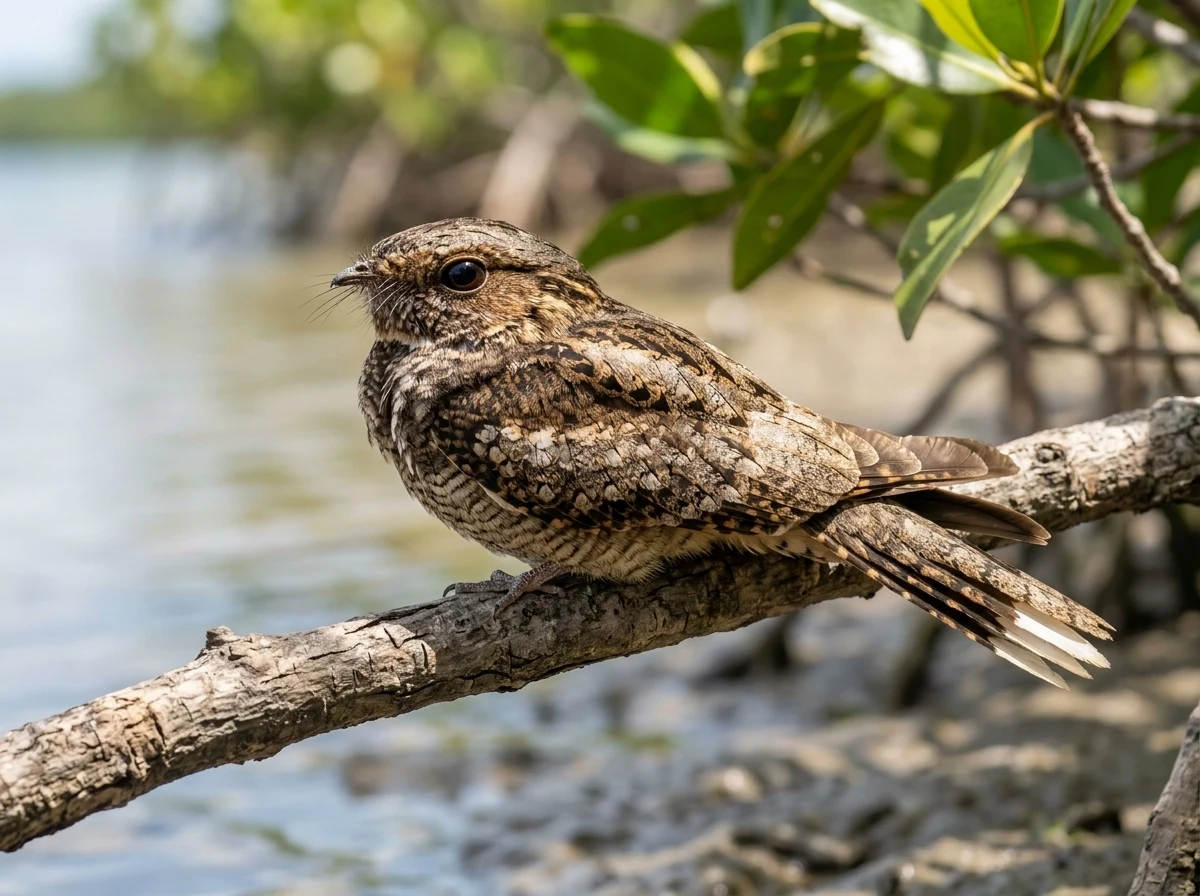
Audubon states that using predator or competitor playback in the presence of threatened or endangered species should never be done (s3). In Puerto Rico, several endemic species are listed or of conservation concern, including the Puerto Rican Nightjar (Antrostomus noctitherus), Yellow-shouldered Blackbird (Agelaius xanthomus), and Puerto Rican Amazon (Amazona vittata). The ABA code of ethics calls for limiting playback for rare or threatened species (s1). Playback also should not be used to call in rare vagrants that might be in the area, since flushing these already stressed birds makes them more vulnerable and interrupts their rest or foraging (s3).
04
Legal considerations in Puerto Rico and the United States
Audubon notes that playback is prohibited in many parks and refuges, and that it is illegal to disturb endangered or threatened species (s3). The Puerto Rican Parrot is an endangered species whose recovery program is administered by the U.S. Fish and Wildlife Service (FWS), with wild populations in El Yunque National Forest, Río Abajo State Forest, and a third population introduced into Maricao Commonwealth Forest (s5).
The same source indicates that the recovery program seeks to conserve, protect, and manage wild and captive parrots in order to downlist the species from endangered to threatened (s5). Although the FWS document does not detail specific playback regulations, the general prohibition on disturbing listed species is a relevant legal framework. Audubon recommends confirming whether playback is permitted in managed areas, often by asking at the front office or park staff (s3).
05
Responsible procedure if you decide to use playback
David Sibley, in Audubon, offers a practical guide for responsible use. First, plan carefully and understand your quarry: if you have already heard or seen the bird, consider those locations when deciding where to play audio; you must be in or very near the bird's territory to get a useful response. Choose a spot that offers the bird a comfortable approach through its preferred habitat and also has openings, edges, or prominent perches where it will come into view (s2).
Before starting, ask your fellow birders if anyone objects to using playback. If not, announce to the group that you are about to start (quietly saying "playback" will do) and hold the device up above your head so others can see the source of the sound. Begin by playing the recording quietly for just a few seconds —for example, just two or three songs— with a starting volume lower than the sound you imagine the bird would produce. Then stop, watch, and listen. If there is any response, try very short snippets of song, even stopping the recording after half of a normal song. If there is no obvious response after 30 to 60 seconds, play another 15 to 30 seconds. Remember that the bird may respond by approaching silently, so watch the vegetation carefully on all sides, and also watch and listen for a response from neighboring males. Do not keep this up longer than about five minutes, and resist the urge to finish with a prolonged, loud barrage. Wait around, or circle back after 10 to 30 minutes, since many birds will remain silent in the immediate aftermath of playback and then begin singing vigorously (s2).
Linked profiles
Relevant Puerto Rican species
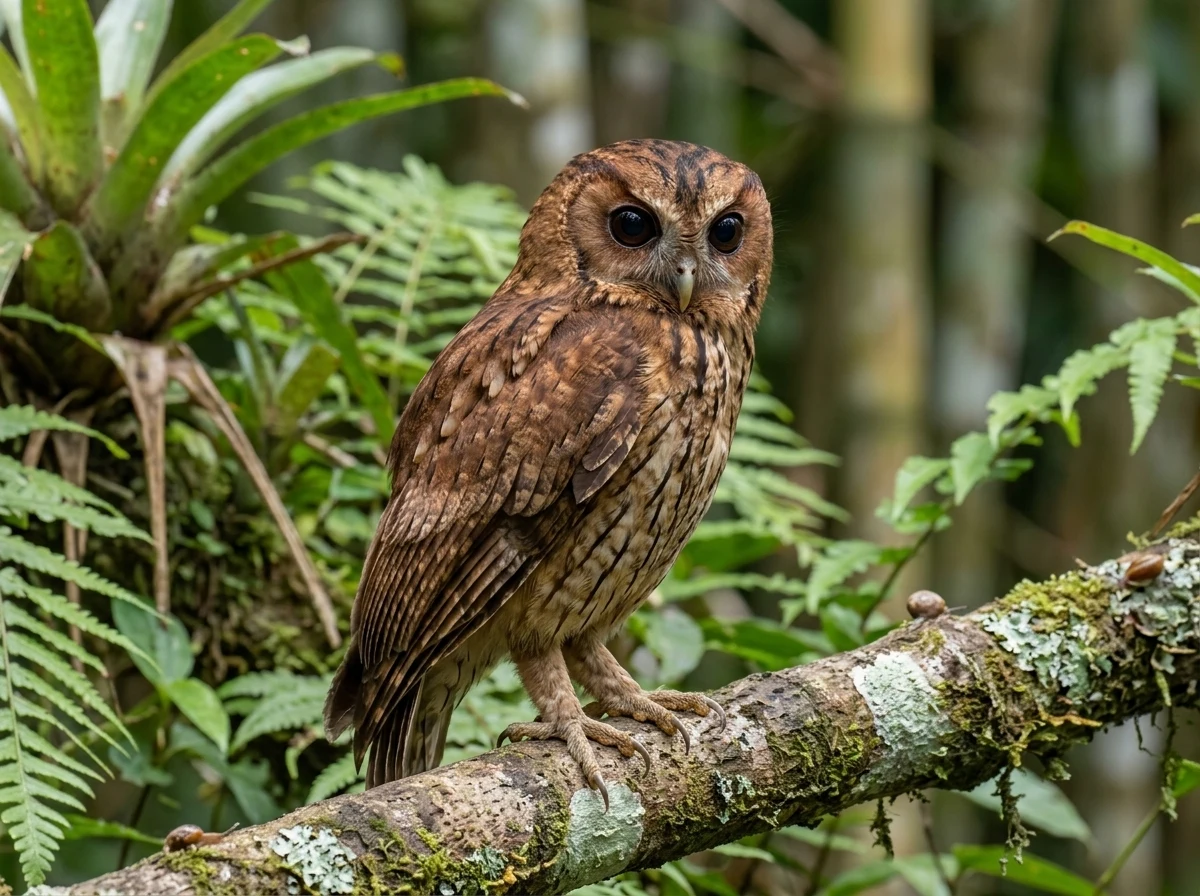
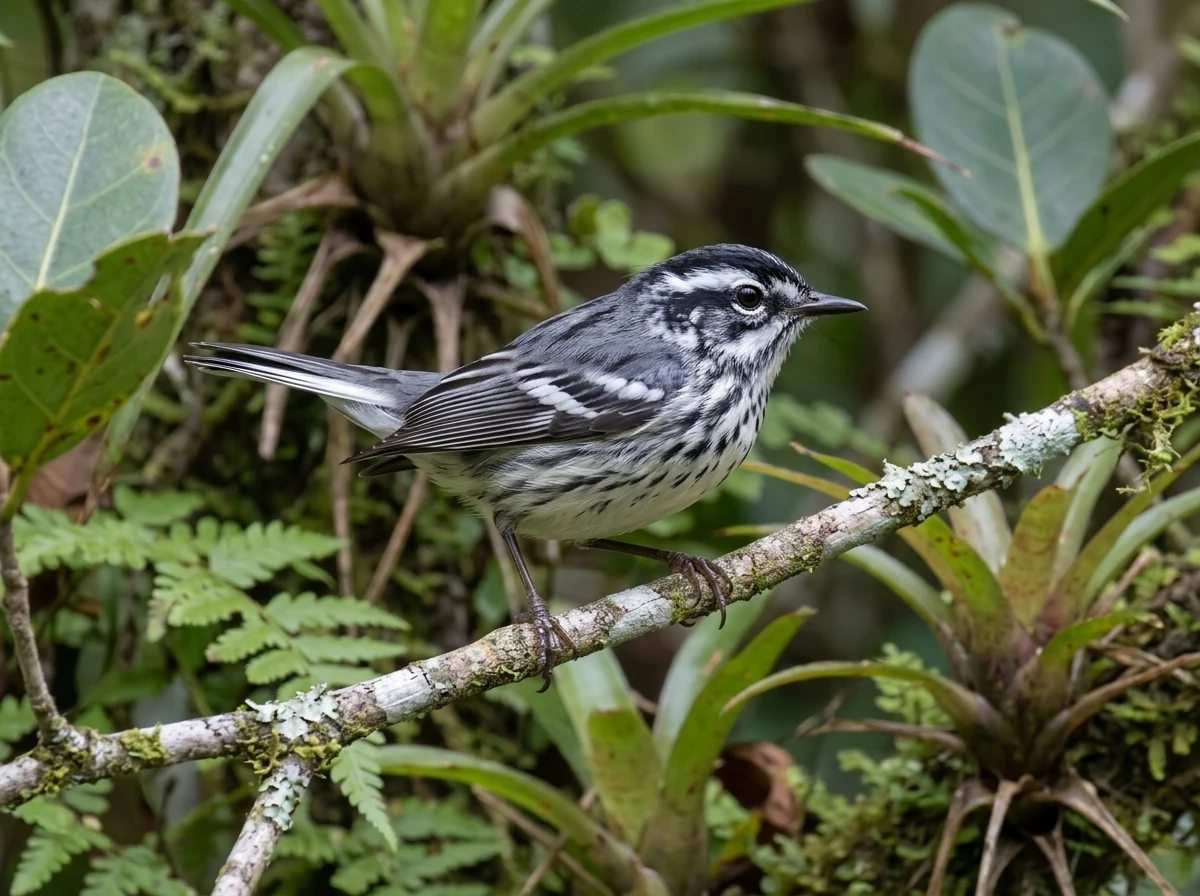
These endemic birds illustrate why caution with playback is especially important in Puerto Rico.
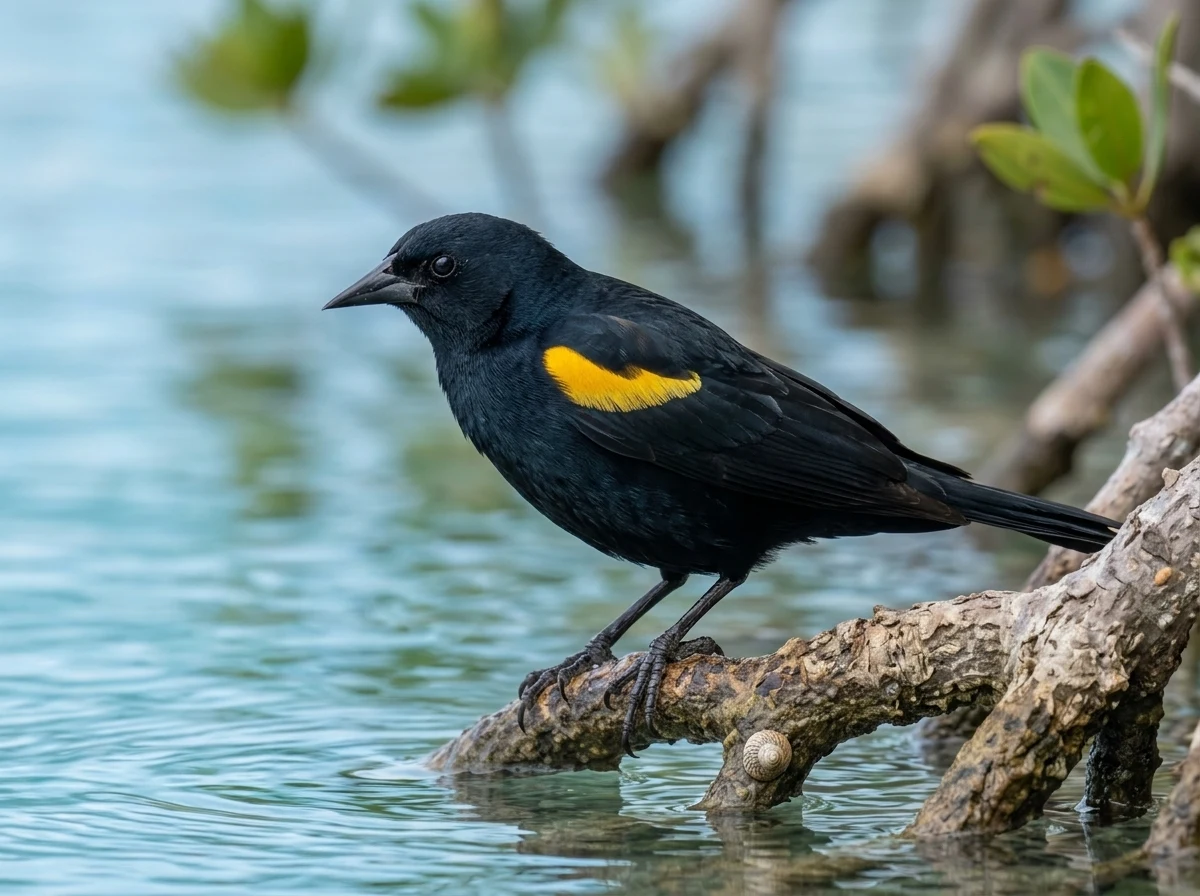
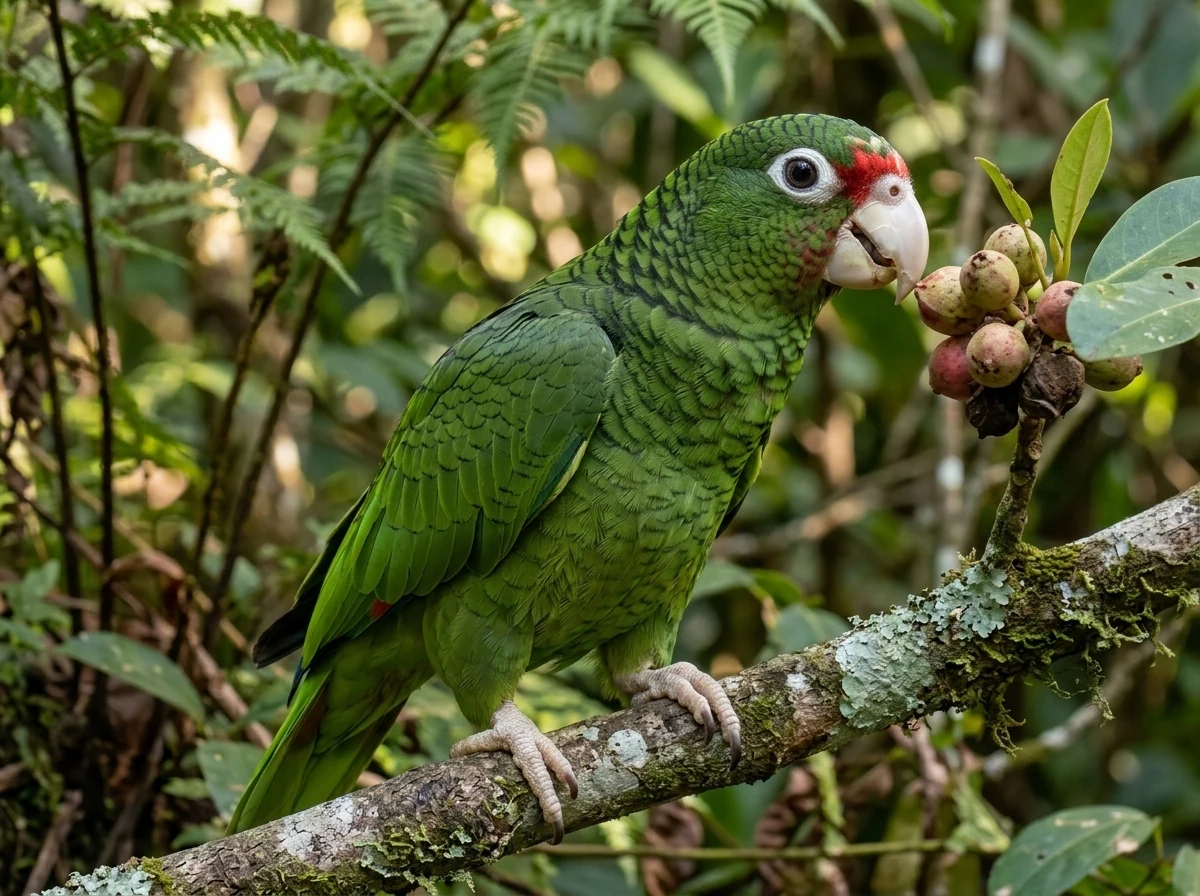
01
Is playback legal in Puerto Rico?
It depends on the location and species. Audubon notes that playback is prohibited in many parks and refuges, and that it is illegal to disturb endangered or threatened species (s3). The Puerto Rican Parrot is an endangered species whose recovery program is administered by the FWS (s5). Confirm local rules before using playback.
02
Can I use playback to see the Puerto Rican Nightjar or Yellow-shouldered Blackbird?
Caution is warranted. Both are endemic species with limited populations and conservation pressures. Audubon states that predator or competitor playback should never be used in the presence of threatened or endangered species, while the ABA code calls for limiting (not banning) playback for rare or threatened species (s3, s1).
03
Does playback harm birds?
Research is limited and effects are poorly known. A study on tropical birds found that playback increased vocalizations and that responses declined with repeated use (habituation) (s4). Audubon notes that playback during nesting can distract birds from their nests and expose eggs or chicks to predators (s3). The ABA code of ethics calls for avoiding stressing birds (s1).
04
How long is it acceptable to use playback?
David Sibley recommends not continuing playback longer than about five minutes per attempt, starting with low volume and short snippets, and resisting the urge to finish with a prolonged, loud barrage (s2). If there is no response, it is better to wait or circle back after 10 to 30 minutes.
05
What alternatives exist to playback?
Learning species' songs and calls helps you locate birds without playing audio. Audubon suggests that recordings can be used to learn vocalizations and improve patience in the field, rather than to attract birds (s3). You can also use pishing, which requires no device, although it also disturbs birds.
Keep exploring
Connected routes
Sources and review
The evidence is one link away.
These sources support the editorial scope of this guide. Bird profiles also retain their own taxonomy, occurrence, and conservation references.
Reviewed:
01↗02↗03↗04↗05↗
www.aba.org
aba code of birding ethics
Evidence for cited sections; consult the original document.www.audubon.org
how use birdcall apps
Evidence for cited sections; consult the original document.www.audubon.org
why photographers should reconsider using playback field
Evidence for cited sections; consult the original document.journals.plos.org
article
Evidence for cited sections; consult the original document.www.fws.gov
recovery puerto rican parrot
Evidence for cited sections; consult the original document.The atlas continues