 AI
AIConservation in action
Puerto Rican Plain Pigeon: Status and Recovery
A pigeon that had already recovered once, fell again after Maria, and now nests among roads and backyards in east-central Puerto Rico.
Reviewed:How is the Plain Pigeon doing today?
The Puerto Rican Plain Pigeon (Patagioenas inornata wetmorei) is endangered: the U.S. Fish and Wildlife Service estimated 407 birds in its east-central core range in 2024, far below the thousands present before Hurricane Maria. In August 2025, the federal five-year review concluded it still meets the definition of an endangered species.
It is a story of recovery and relapse. The population was documented at about 52 birds in Cidra in 1963, rebounded to tens of thousands by the late 1990s, and collapsed again with the 2017 hurricanes. Today it nests mostly on private land in Cidra, Cayey, Caguas, Comerío, Aguas Buenas, and neighboring towns, often in plain view of people.
Conservation in action
The Plain Pigeon by the numbers
407birds in the core range (2024)April-June 2024 estimate (±125).
31,289population peak (1998)Highest estimate since monitoring began in 1986 (±9,816).
1egg per clutchIts low reproductive rate slows recovery after each hurricane.
1970year federally listedListed as endangered on October 13, 1970.
01
How to recognize a Plain Pigeon
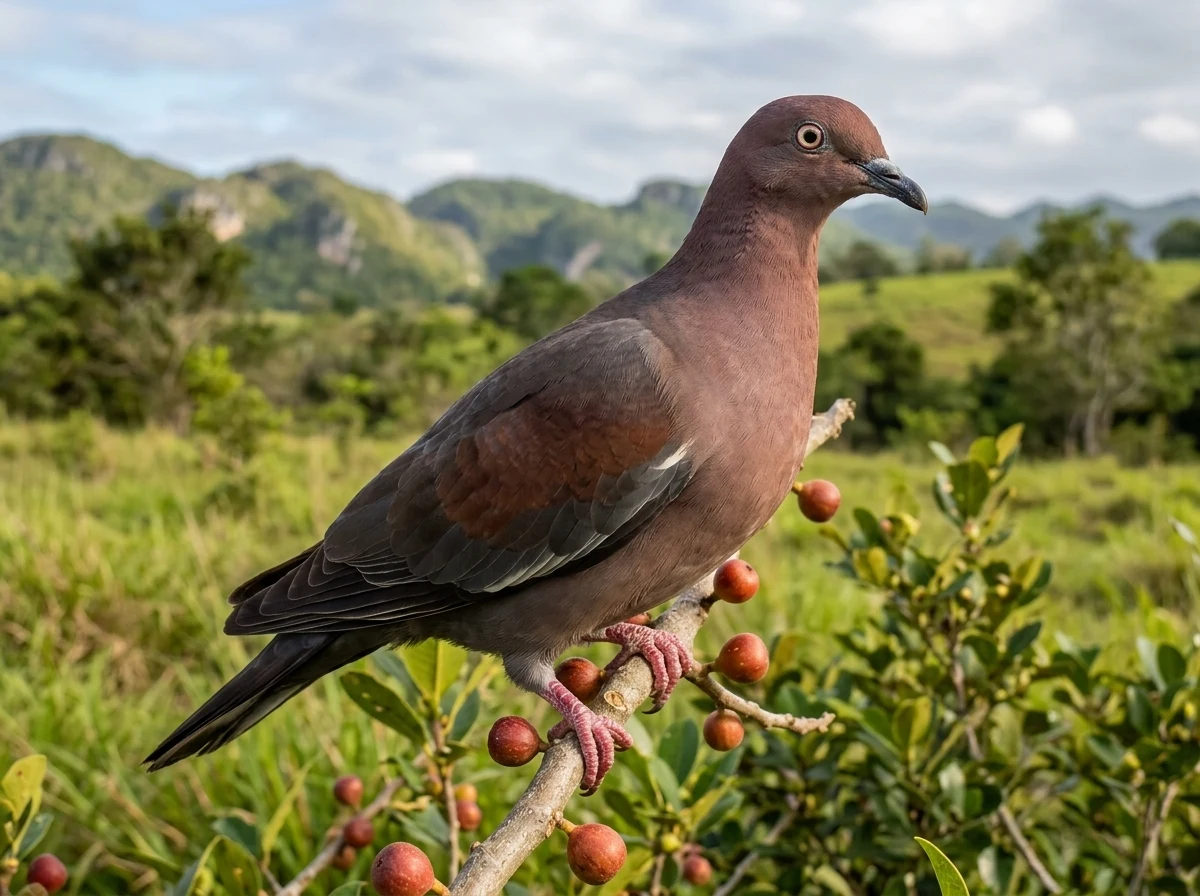
It is a large pigeon, about the size and shape of a domestic pigeon. From a distance it looks pale blue-gray; up close it shows a wine-colored head, hindneck, breast, and wing patch, white margins on the wing coverts, and dark red legs. That white edge on the folded wing is one of the best field marks.
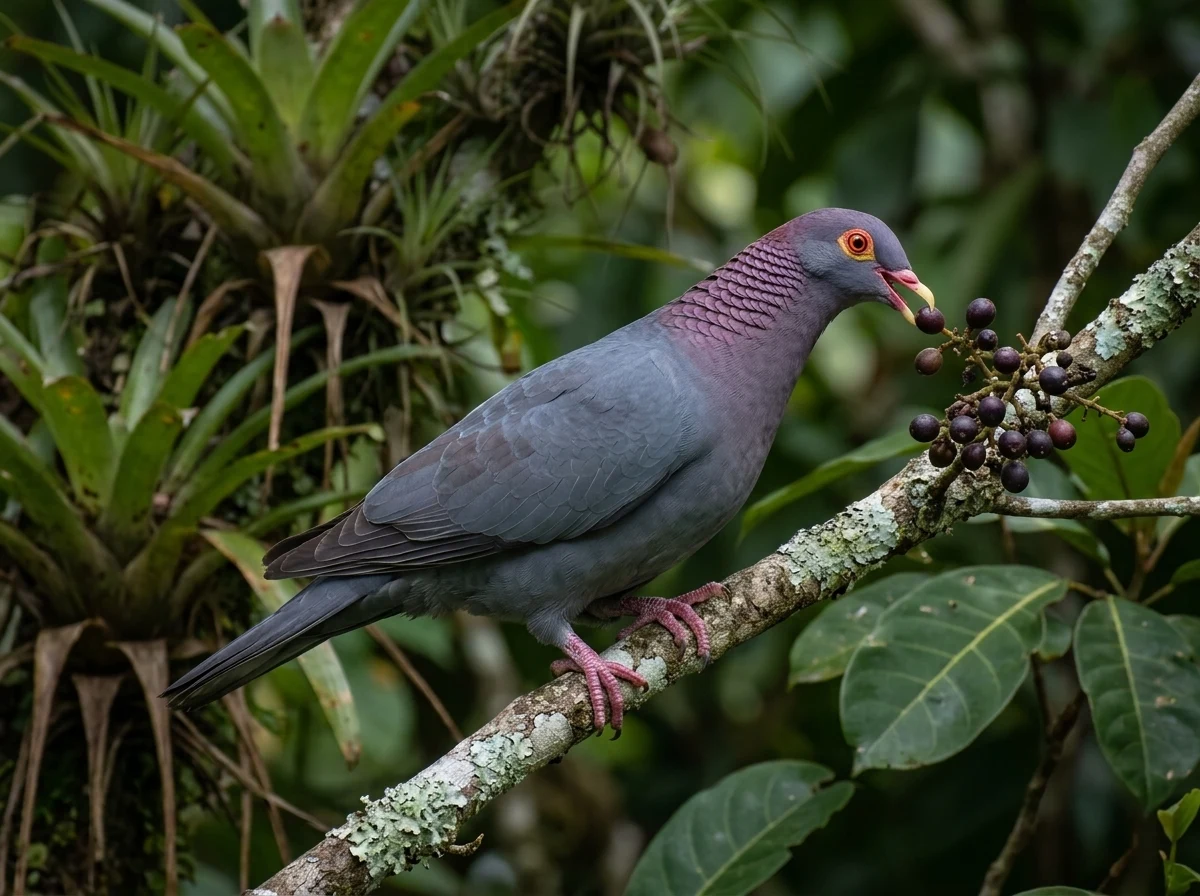
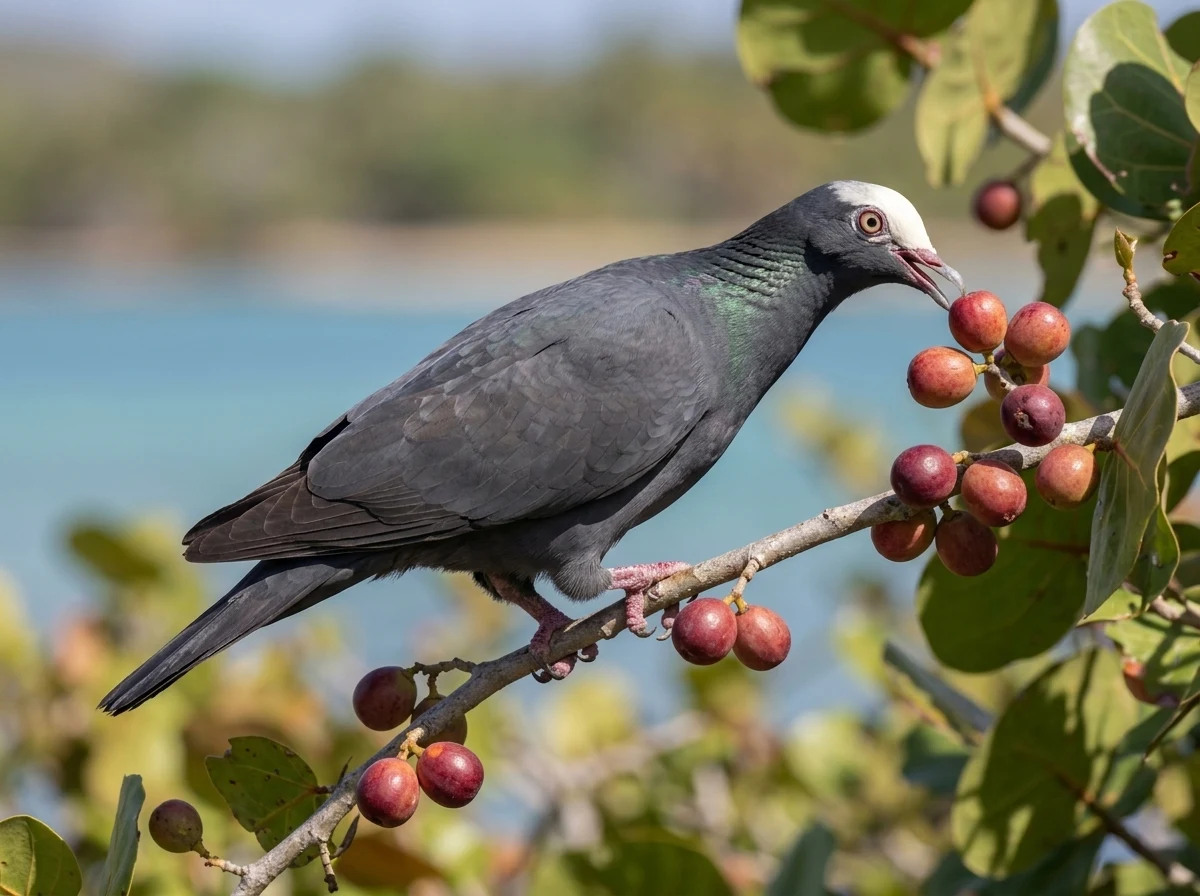
It is most often confused with the Scaly-naped Pigeon, which is darker, has a scaly nape, and lacks the white wing edge. The mix-up has consequences: the Scaly-naped is a legal game bird and the Plain Pigeon is not. If you see a pigeon with a white-edged wing in east-central Puerto Rico, it is worth photographing and reporting to eBird.
02
Where it lives and what it eats
The core range is east-central Puerto Rico: Aguas Buenas, Aibonito, Barranquitas, Bayamón, Caguas, Cayey, Cidra, Comerío, Guayama, Gurabo, Juncos, Naranjito, and San Lorenzo. It behaves as a forest-edge species: it nests, feeds, and roosts in trees near roads, crosses farmland and towns, and visits dairy farms and croplands. It prefers mature secondary forest near rivers and streams and has not been found nesting outside this region.
It eats fruits and seeds; about 70% of its food comes from branches and 30% from the ground, including grass seeds and grain residues. At Cidra its principal foods include royal palm (Roystonea borinquena), mountain immortelle (Erythrina poeppigiana), West Indies trema (Trema lamarckiana), and white prickle (Zanthoxylum martinicense). It drinks water held in bromeliads and in African tulip-tree blossoms.
03
From 52 birds to 31,000 and back to hundreds
Deforestation for agriculture from the 19th century, unregulated hunting, and nest predation shrank the species by the early 20th century. In 1963 about 52 birds were documented in Cidra. As farms and pastures were abandoned and secondary forest returned, the population grew: 1,534 birds in 1990 after Hurricane Hugo, a peak of 31,289 in 1998, and 11,350 in 1999 after Hurricane Georges.
From 2002 to 2017 it fluctuated between 12,100 and 4,257 birds. After Irma and Maria in September 2017, about 550 were estimated, the steepest drop since monitoring began in 1986. Surveys from 2018 to 2021 showed continued decline, and in 2024 the core-range estimate was 407 birds. The Fish and Wildlife Service describes a 'prolonged bottleneck.'
04
Nesting: one egg and many risks
The Plain Pigeon lays a single egg per clutch and builds its nest on bamboo branches, vines, or trees such as mango. Between 1986 and 1999, 377 nests were monitored, averaging 0.5 fledglings per nest. Since 2020, the Fish and Wildlife Service and the group Effective Environmental Restoration have resumed nest searches: in 2023 they documented 42 birds and 10 nests, 6 of which fledged a chick.
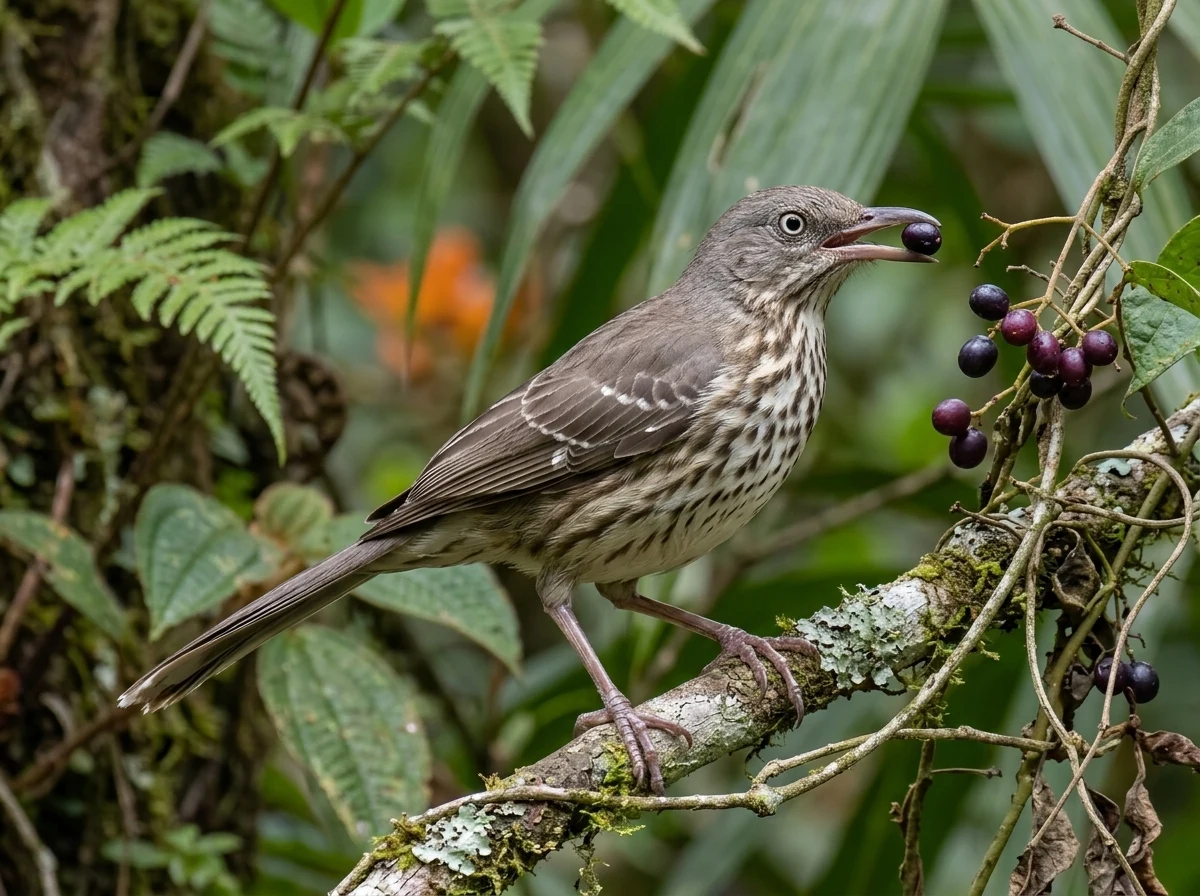
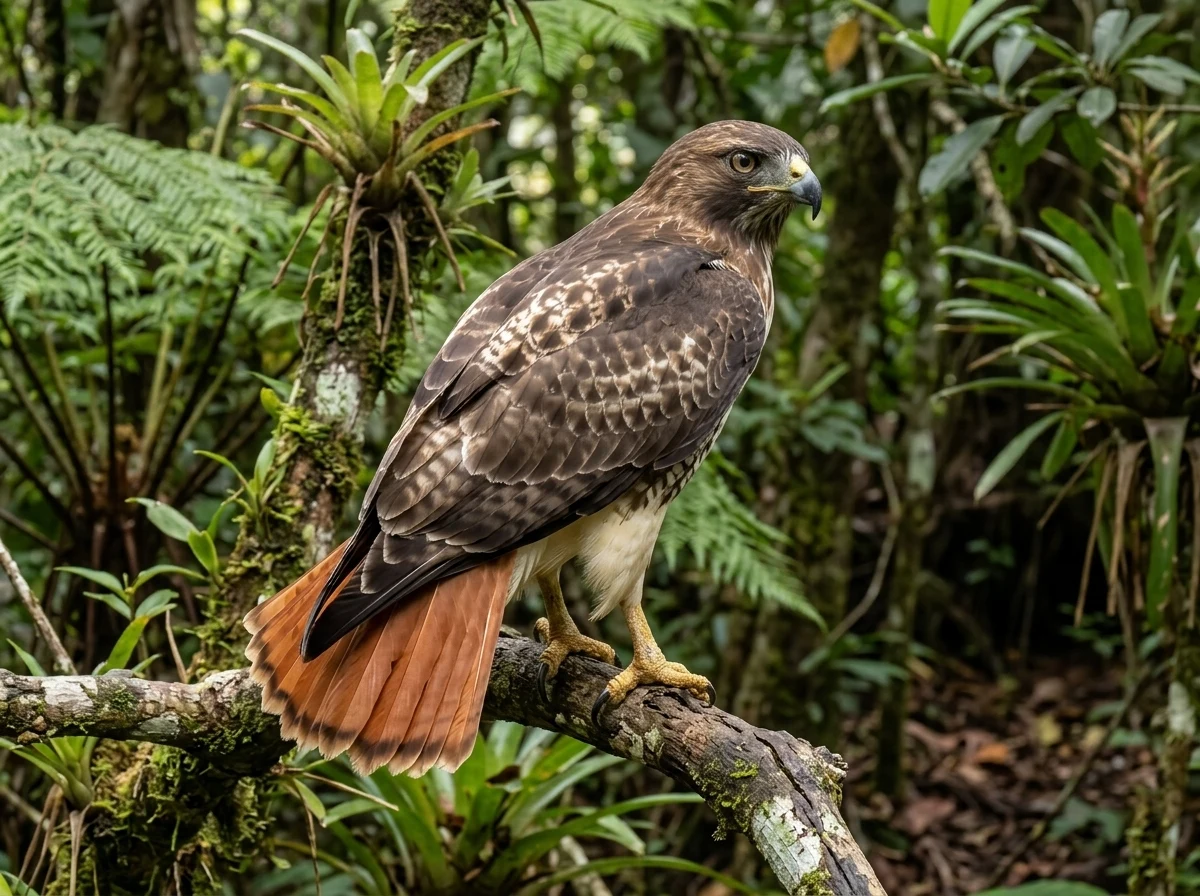
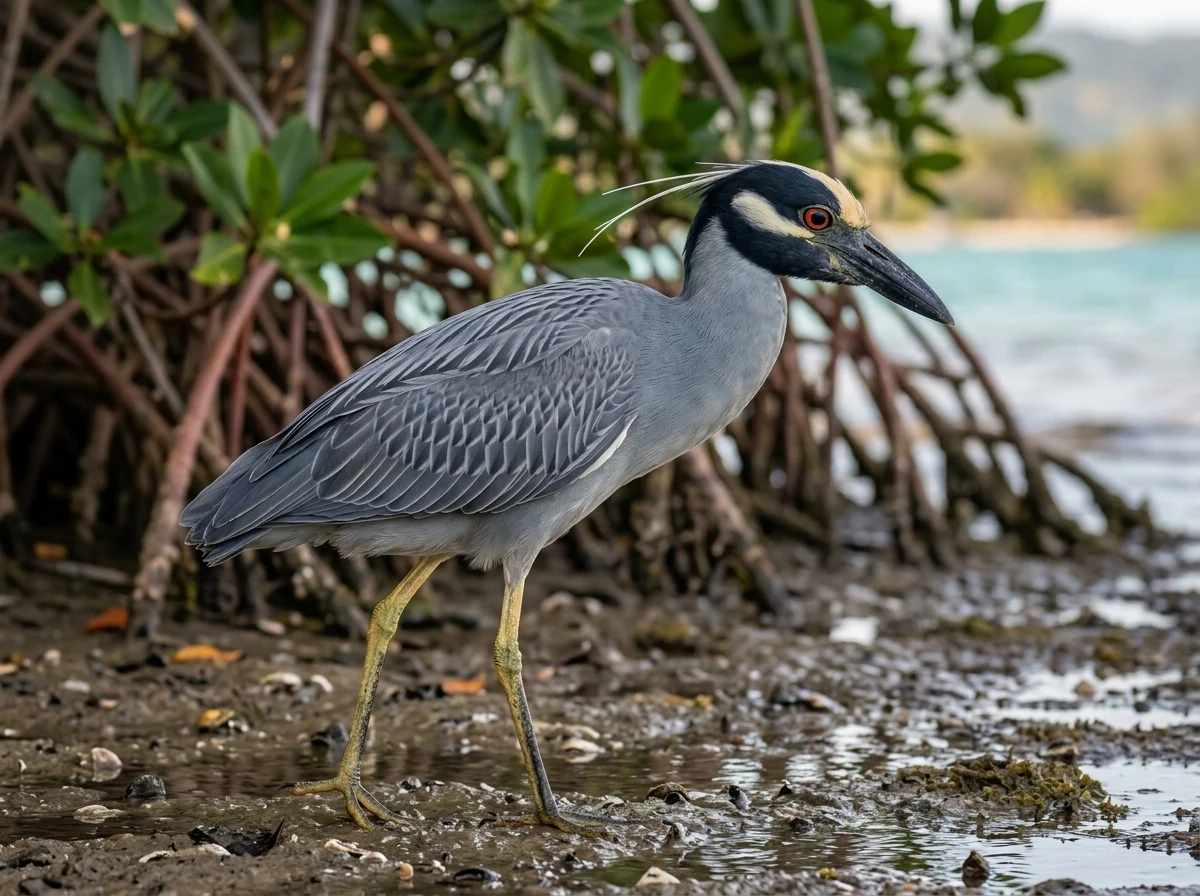
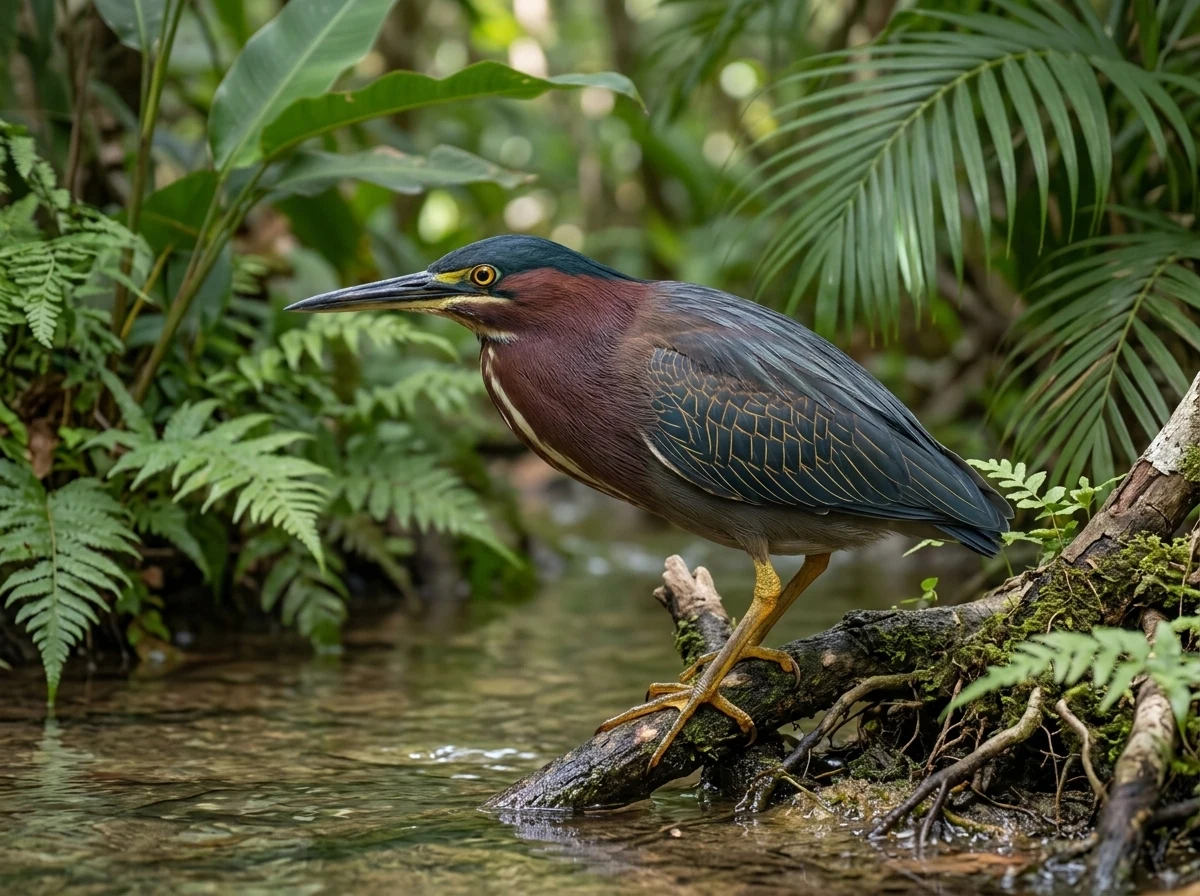
Nests face the Pearly-eyed Thrasher, considered the most important nest predator, plus rats, cats, dogs, and green iguanas, which have been seen about four feet from active nests. Red-tailed Hawks attack adult pigeons and were one of the main reasons releases of captive-bred pigeons failed in the mid-1990s. Night-herons and Green Herons have also been documented eating eggs or young.
05
Threats: private habitat, hurricanes, and hunting
Most of the breeding population lives on private land exposed to development. The species shows site fidelity: in Comerío, the 2023 cutting of a black olive tree (Terminalia buceras) used for nesting in 2022 coincided with less nesting activity. Cutting branches that support nests is one of the most common human disturbances.
Maria stripped more than 90% of vegetation in several municipalities and left pigeons without fruit. Illegal hunting and shots fired in confusion with the Scaly-naped Pigeon also play a role, though records are few. Interviews with residents revealed that many did not know the pigeon nested in their neighborhood, which raises the risk of unintentional disturbance.
06
The recovery plan and what you can do
The 1982 recovery plan calls for two distinct wild populations of at least 250 nesting pairs each, securing most of the Cidra-Cayey habitat, and establishing a second population in Río Abajo State Forest or an equivalent site. None of the three criteria has been met, and the Fish and Wildlife Service considers the plan essentially obsolete.
The 2025 review recommends predator control at nesting sites, community outreach that includes hunters, restoration on private land, rapid-response teams after disasters, and evaluating a restart of captive breeding. If you live in east-central Puerto Rico: do not trim trees with active nests, keep cats indoors, report sightings to eBird, and report hunting to the DNER.
Linked profiles
The Plain Pigeon and the birds in its story
The Plain Pigeon, the pigeons it is confused with, and documented predators of its nests and adults.
Sound archive
Hear its voice
Explore real songs and calls. The spectrogram turns each sound into a visual trace of time and frequency.
XC173690Recording 1 of 3song

Play: song by Eric DeFonso
Choose another recording
Sound recorded by Eric DeFonso · XC173690 · CC BY-NC-SA 4.0. Visualization by Stichting Xeno-canto voor Natuurgeluiden.
Every recording retains the creator, catalogue number, and license published by Xeno-canto. Metadata via GBIF ↗
01
How many Plain Pigeons are left in Puerto Rico?
The Fish and Wildlife Service estimated 407 birds (±125) in the east-central core range in April-June 2024. An analysis of 2018-2024 data estimated about 1,097 birds (±455) island-wide. Before Hurricane Maria in 2017 there were about 4,257.
02
Where can you see the Plain Pigeon?
In east-central Puerto Rico, especially Cidra, Cayey, Caguas, Comerío, Aguas Buenas, Aibonito, and San Lorenzo. It often perches in roadside trees and near streams. Watch from a distance and stay away from nests.
03
What is the difference between the Plain Pigeon and the Scaly-naped Pigeon?
The Plain Pigeon looks pale blue-gray with wine tones and a white edge on the folded wing. The Scaly-naped is darker, with a scaly nape and no white edge. The Scaly-naped is a game species; the Plain Pigeon is endangered and hunting it is illegal.
04
Why is the Plain Pigeon endangered?
Because of habitat loss on private land, hurricanes, nest predation by thrashers, rats, cats, and iguanas, and illegal hunting. It also lays a single egg per clutch, so it recovers slowly after each blow.
05
Is the Plain Pigeon endemic to Puerto Rico?
The species is not endemic: it also lives in Cuba, Hispaniola, and Jamaica. But the subspecies wetmorei is found only in Puerto Rico, and that subspecies is the one listed as endangered by the DNER and the federal government.
06
How can I help the Plain Pigeon?
Do not trim trees or bamboo with active nests, keep cats indoors, plant native fruiting trees, report sightings to eBird, and report illegal hunting to the DNER Ranger Corps. If you own land in east-central Puerto Rico, keeping secondary forest along streams is especially valuable.
Keep exploring
Connected routes
Sources and review
The evidence is one link away.
These sources support the editorial scope of this guide. Bird profiles also retain their own taxonomy, occurrence, and conservation references.
Reviewed:
01↗02↗03↗04↗05↗
U.S. Fish and Wildlife Service, Caribbean Ecological Services Field Office
Puerto Rican Plain Pigeon: 5-year status review (August 2025)
Population history, 2024 estimate, nesting, threats, 1982 recovery-plan criteria, and recommended actions.U.S. Fish and Wildlife Service
Puerto Rican Plain Pigeon species profile
Field description, principal foods at Cidra, and water sources.U.S. Fish and Wildlife Service
Federally listed species with range in Puerto Rico (ECOS)
Federal status (endangered or threatened) and listing date for the 10 Endangered Species Act birds with range in Puerto Rico.U.S. Forest Service Research and Development
Effects of Irma and Maria on birds
Counts before and after the hurricanes in the northeast.Cornell Lab of Ornithology
About eBird
Project scale, regional expert data review, and free data access.The atlas continues