 AI
AIThe everyday raptor
Red-tailed Hawk in Puerto Rico
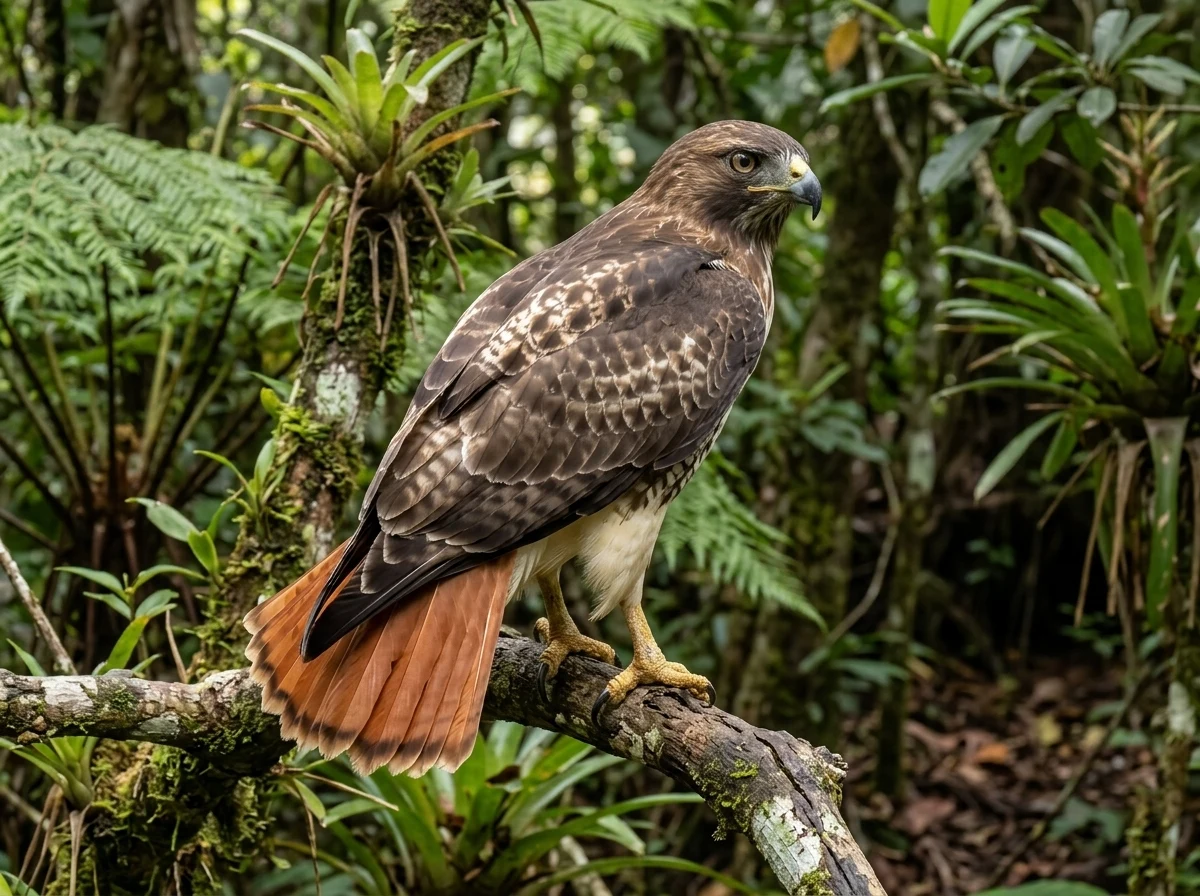
The hawk circling over the highway is almost always the Red-tailed Hawk: resident, common in the mountains, and at one of the highest densities known for the species.
Reviewed:What the hawk you see in Puerto Rico is.
Puerto Rico's most common hawk is the Red-tailed Hawk (Buteo jamaicensis), known locally as guaraguao or Guaraguao Colirrojo: a broad-winged resident raptor seen across the island, from the lowlands to the mountains and even in towns. In everyday speech “guaraguao” can mean almost any large raptor, but when you see one circling over a highway or a forested hill, it is almost always this species.
The island population belongs to the Caribbean subspecies B. j. jamaicensis. In the Puerto Rico Breeding Bird Atlas it was found in 355 of 479 hexagons, 74% of the surveyed area, with 646 records. Local studies describe classic island traits: heavily overlapping territories and a higher density than mainland populations.
The everyday raptor
The Red-tailed Hawk in numbers
74 %of atlas hexagonsPresent in 355 of 479 hexagons, with confirmed breeding in 102.
5,023 haaverage home range21 radio-tagged hawks in the Luquillo Mountains, 2000–2002.
2.3eggs per clutchPuerto Rico average used in the 2019 population model.
Junionesting peakMost activity from March to June, per the atlas.
01
Where the Red-tailed Hawk lives
The atlas describes it as widespread and fairly abundant across the main island, most numerous in the mountains, and present in all habitats and elevations, including towns and urban areas. It is also known from satellite islands such as Desecheo, Culebra, and Vieques, where it is a fairly common resident.
Mona has records too: a flight call recorded on the island in May 2025 is in this site's sound archive. That breadth has a practical meaning: a Red-tailed Hawk over the expressway, a coffee farm, or El Yunque is not a rare record but the expected pattern.
02
How to identify it
It is a large, bulky raptor: females are 48 to 66 centimeters long with a wingspan of 114 to 132 centimeters, and males are somewhat smaller. It has broad wings and a short, wide tail, and adults show the rufous tail that gives the bird its name. Many adults have a pale chest and a band of dark streaks across the belly, though plumage varies considerably.
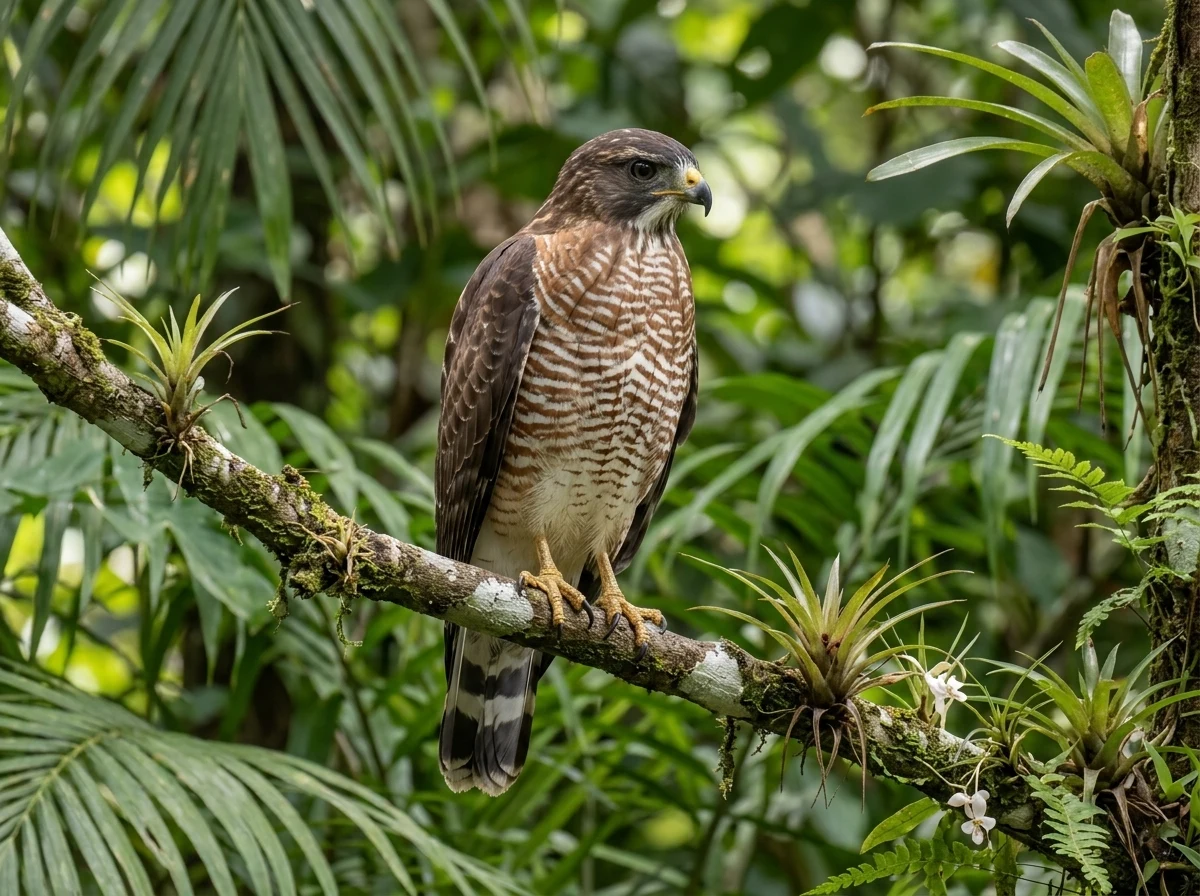
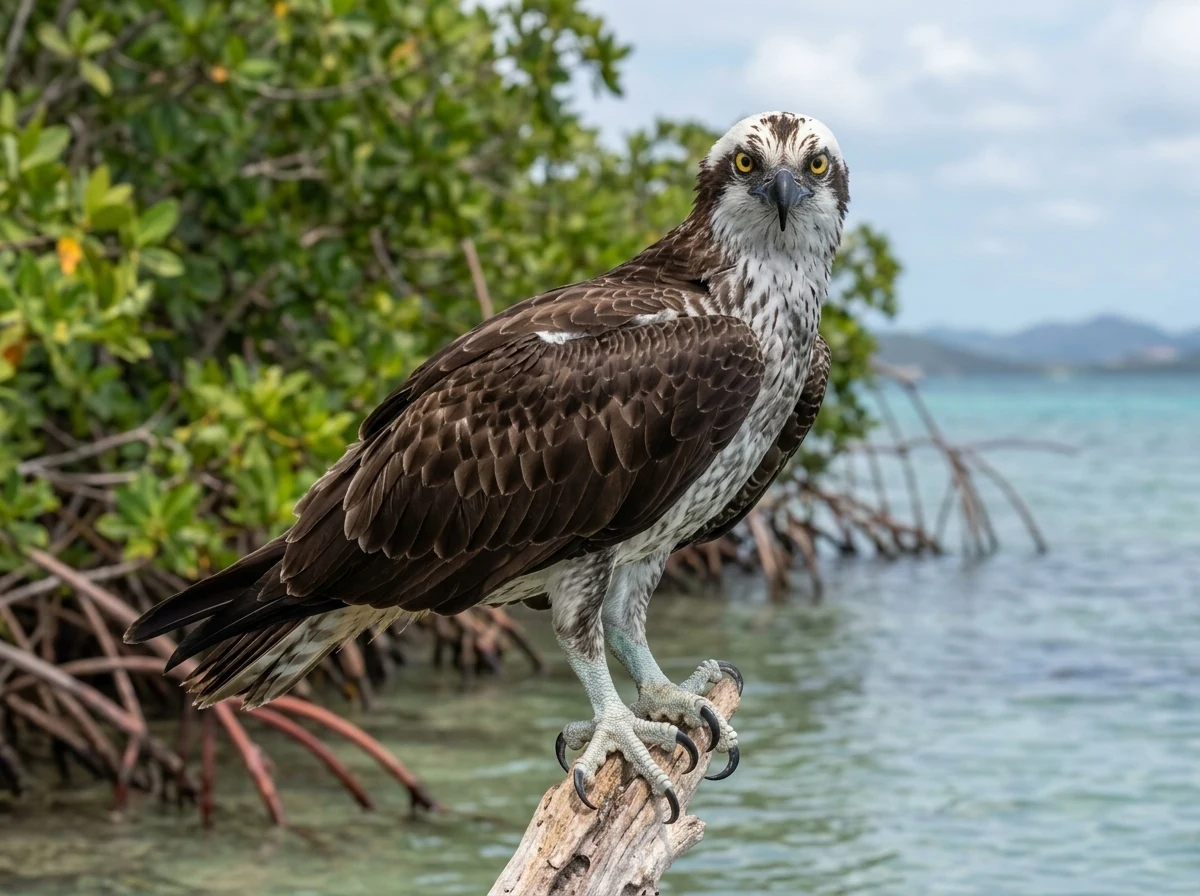
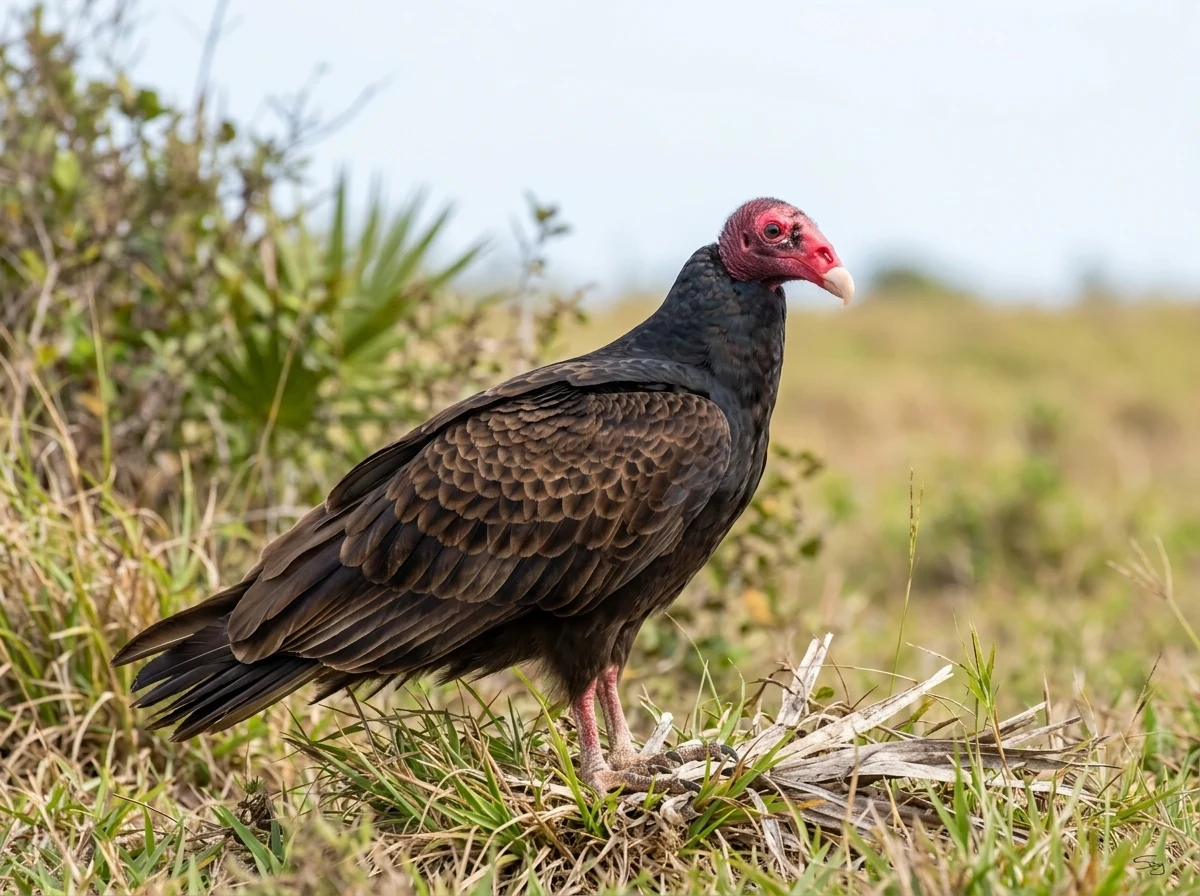
The red tail is an adult mark: a juvenile's tail is brown above with dark bars. To avoid confusion, compare size and habitat: the Broad-winged Hawk is about crow-sized, with broad tail bands, and tied to mature forest; the Osprey is white below with black wrist patches and stays near water. If you are torn between Turkey Vulture and hawk, check our raptors guide before reporting.
03
Territory and movements
From 2000 to 2002, researchers radio-tracked 21 Red-tailed Hawks in the Luquillo Mountains. Home ranges averaged 5,022.6 hectares (305 to 11,288) and core areas 564.8 hectares, with weekly movements of about 3,286 meters. The birds overlapped extensively rather than defending exclusive territories.
The same study found a preference for roadside habitat and a habit of perching near the tops of emergent trees. The authors suggest that forest fragmentation outside protected areas may benefit the Red-tailed Hawk, an advantage that, as you will see below, comes at a cost to other raptors.
04
What the Red-tailed Hawk eats
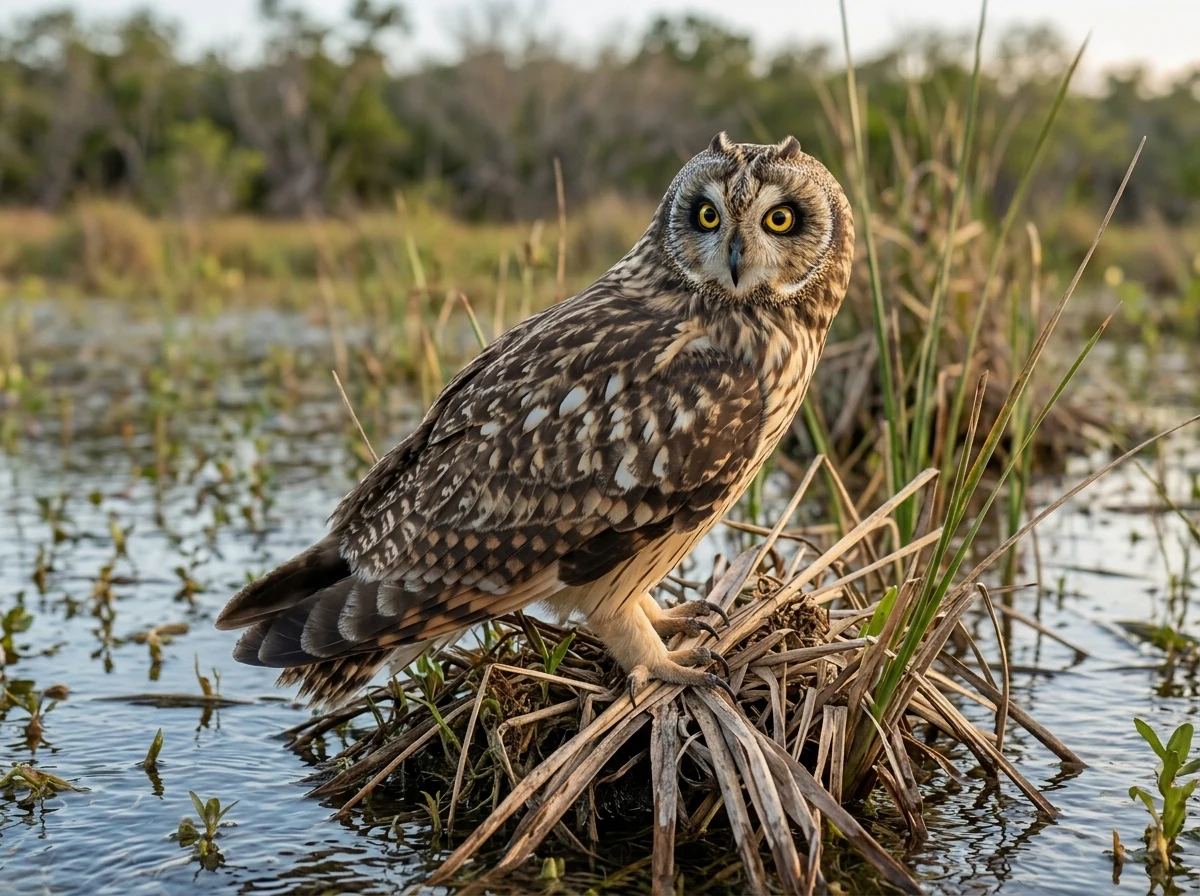
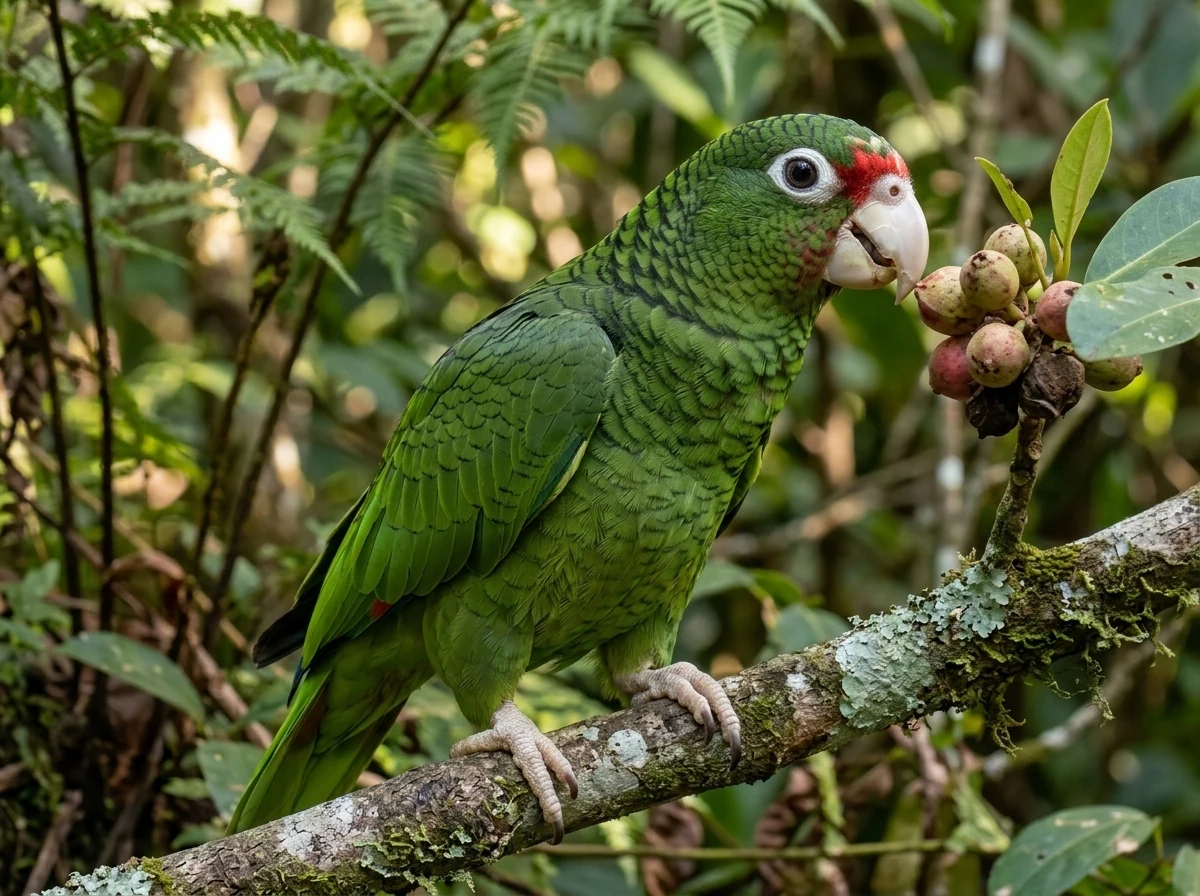
In Puerto Rico the Red-tailed Hawk has a very broad diet: birds and even other raptors, such as the Short-eared Owl and the Puerto Rican Parrot; reptiles such as the Puerto Rican Boa; land crabs (Cardisoma guanhumi); and introduced mammals such as rats and mongooses. On islands without native mammalian ground predators, raptors play a central ecological role.
Its typical technique is to hunt from a high perch and swoop onto prey, though it also patrols in flight. That breadth has consequences: the 2023 federal review documents Red-tailed Hawk predation on fledglings and nesting females of the Sharp-shinned Hawk, an endangered subspecies.
05
Nesting and population
It builds a large, bulky stick nest, usually high in a tree or on a cliff face. The literature reports nesting from January to July, and one local study extends it from November to August; the atlas found activity year-round, most from March to June, peaking in June. Of hexagons with breeding evidence, 58% were in subtropical moist forest.
The 2019 population model for Luquillo used a 2.3-egg average clutch and estimated growing populations both above 400 meters (λ = 1.05) and below (λ = 1.27). It is not in any threat category of DRNA or the U.S. Fish and Wildlife Service, and the IUCN lists it as Least Concern.
06
The hawk's call and the kingbird saying
Anyone searching for the Red-tailed Hawk's sound can hear a flight call recorded on Mona Island on its profile, plus recordings from the United States for comparison. Audubon describes the voice as a high-pitched, hoarse, descending scream, “keeeeer”; paired with a broad-winged silhouette, it is a good cue to look up.
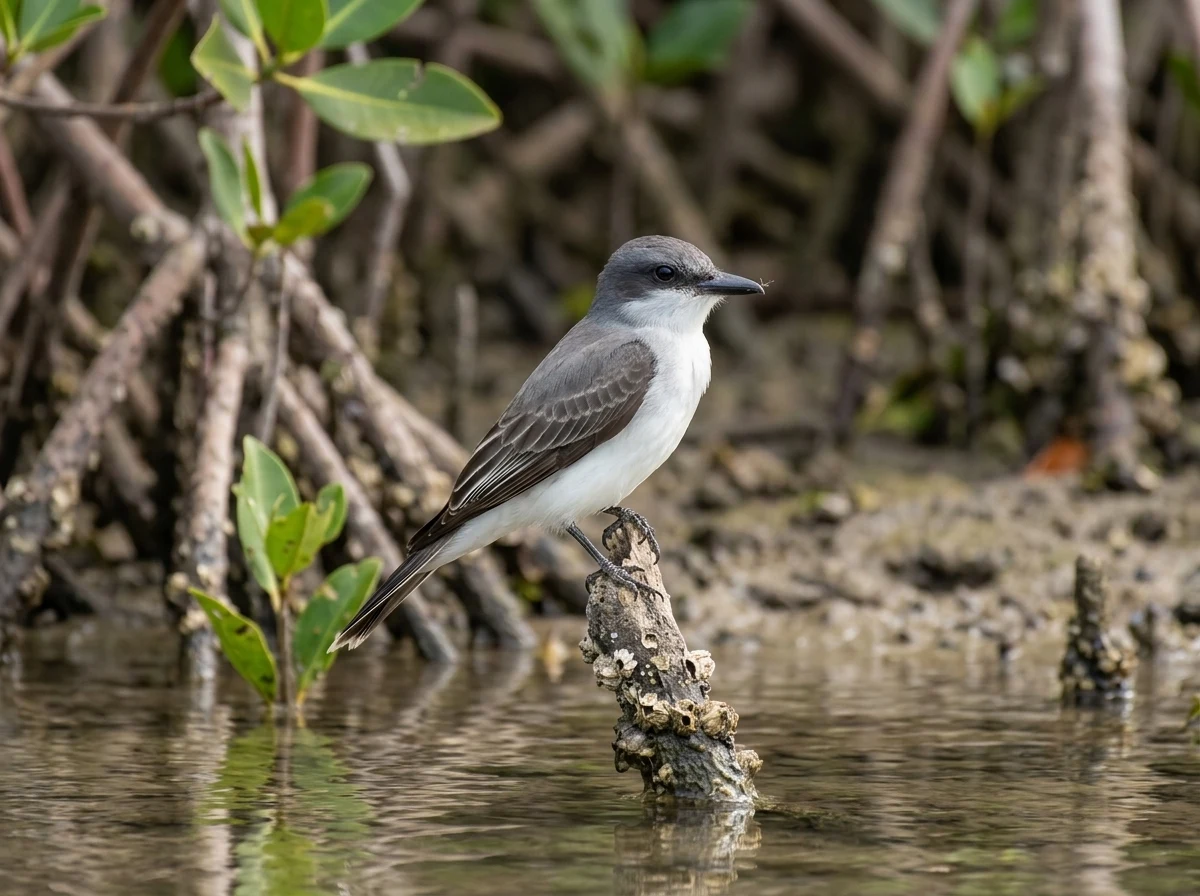
The Puerto Rican saying “a cada guaraguao le llega su pitirre” (every hawk meets its kingbird) comes from a familiar countryside scene: the much smaller Gray Kingbird chasing a hawk in midair. Audubon describes Gray Kingbirds as very active and bold in nest defense, even attacking people who come too close. If you see a hawk pursued by a noisy gray bird, you are watching the saying in action.
Linked profiles
The Red-tailed Hawk and its neighbors
Raptors it gets confused with, the kingbird that chases it, and some of the birds in its diet.
Sound archive
Hear its voice
Explore real songs and calls. The spectrogram turns each sound into a visual trace of time and frequency.
XC998695Recording 1 of 3flight call

Play: flight call by GABRIEL LEITE
Choose another recording
Sound recorded by GABRIEL LEITE · XC998695 · CC BY-NC-SA 4.0. Visualization by Stichting Xeno-canto voor Natuurgeluiden.
Every recording retains the creator, catalogue number, and license published by Xeno-canto. Metadata via GBIF ↗
01
What is a guaraguao?
Guaraguao is the Puerto Rican name for broad-winged Buteo hawks, above all the Red-tailed Hawk (Buteo jamaicensis), the island's most widespread resident raptor. The much rarer, endangered Broad-winged Hawk (Guaraguao de Bosque) also lives on the island.
02
What does a Red-tailed Hawk sound like?
Its call is a hoarse, descending scream often heard while it circles. The Red-tailed Hawk profile on this site includes a flight call recorded on Mona Island in 2025.
03
What does “a cada guaraguao le llega su pitirre” mean?
It is a Puerto Rican saying meaning that even the biggest or most powerful will meet someone who stands up to them. It comes from the Gray Kingbird, a small bird that chases and attacks hawks in midair when they approach its territory.
04
What does the Red-tailed Hawk eat in Puerto Rico?
Its diet is very broad: birds and other raptors, reptiles such as the Puerto Rican Boa, land crabs, and introduced mammals such as rats and mongooses. It hunts mostly from high perches, swooping onto prey.
05
Is there a Common Black Hawk in Puerto Rico?
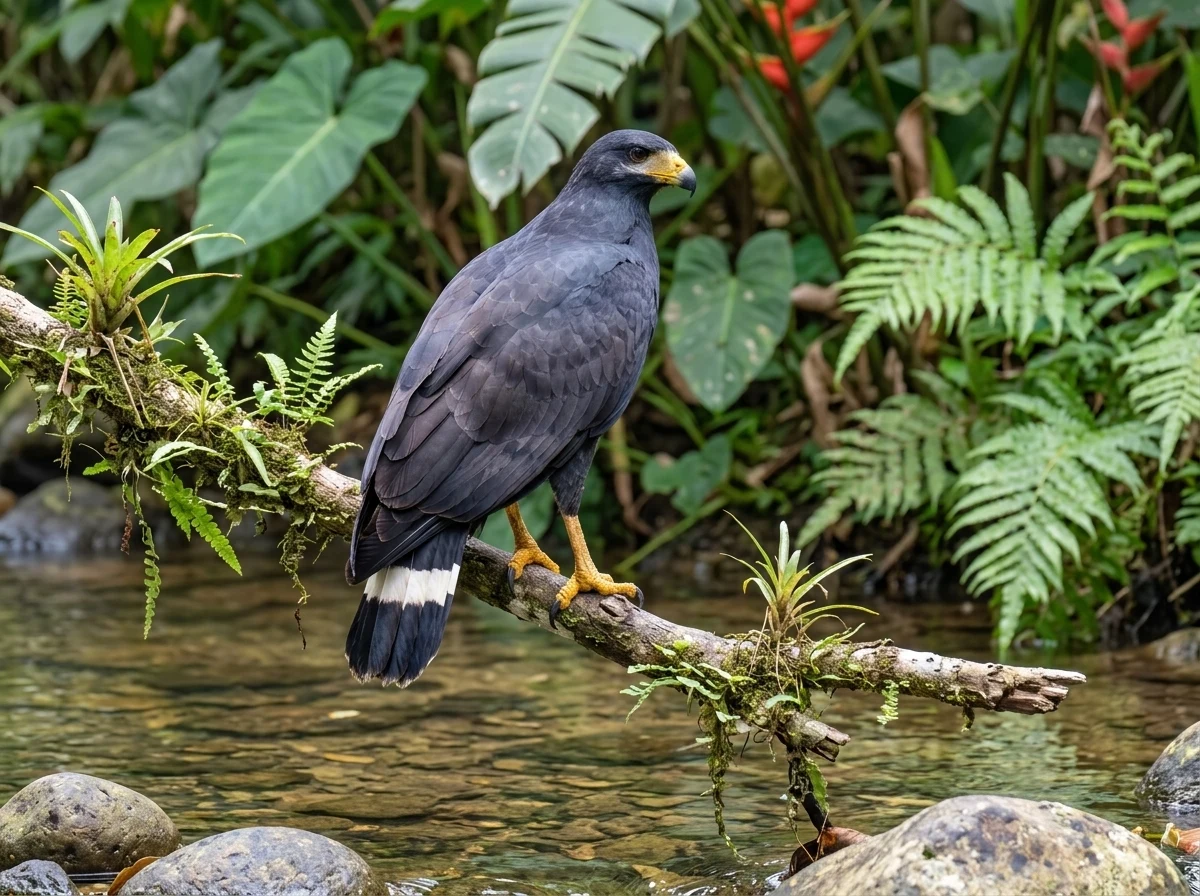
The Common Black Hawk (Buteogallus anthracinus) appears in the Puerto Rican Ornithological Society catalog coded “Accidental?”, an exceptional and uncertain record. A dark hawk in Puerto Rico should first be compared with variable Red-tailed Hawk plumages.
06
Is the Red-tailed Hawk endangered in Puerto Rico?
The Red-tailed Hawk is not: it is in no local or federal threat category, and the IUCN lists it as Least Concern. The one that is endangered is the Broad-winged Hawk, a subspecies restricted to mature forest.
Keep exploring
Connected routes
Sources and review
The evidence is one link away.
These sources support the editorial scope of this guide. Bird profiles also retain their own taxonomy, occurrence, and conservation references.
Reviewed:
01↗02↗03↗04↗05↗06↗07↗08↗09↗10↗
U.S. Forest Service Research and Development
Puerto Rico Breeding Bird Atlas
Distribution and breeding timing for 130 species breeding in Puerto Rico and its satellite islands.Ibis (Gallardo, Vilella & Colvin, 2019)
Seasonal population matrix model of the Caribbean Red-tailed Hawk in eastern Puerto Rico
Subspecies B. j. jamaicensis, high density, varied Puerto Rico diet, 2.3-egg average clutch, and modeled growth rates.U.S. Geological Survey / Wilson Journal of Ornithology 124(4)
Red-tailed Hawk movements and use of habitat in the Luquillo Mountains
Radio-tracking of 21 hawks (2000–2002): home ranges, core areas, movements, and preference for roadside habitat.National Audubon Society
Red-tailed Hawk field guide
Female and male measurements, adult rufous tail, belly band, hunting technique, nest, and incubation.Sociedad Ornitológica Puertorriqueña
Catalog of the Birds of Puerto Rico
Official Spanish names (Halcón Peregrino, Falcón Común, Falcón Migratorio, Águila Pescadora, Gavilán de Sierra, Guaraguao de Bosque, Guaraguao Colirrojo) and occurrence codes such as “Accidental.”Xeno-canto Foundation / GBIF
Xeno-canto recordings published through GBIF
Metadata, authorship, licenses, and catalogue records for field recordings used by the atlas.National Audubon Society
Broad-winged Hawk field guide
Crow size, reddish chest, broad tail bands, pale underwing with dark tips, and a thin whistle.National Audubon Society
Osprey field guide
Size, white pattern with black wrist patches, feet-first fishing, prey size, nest, and recovery after DDT.U.S. Fish and Wildlife Service
Puerto Rican Sharp-shinned Hawk 5-year status review (2023)
Counts from 1992 to 2023, occupied forests, Hurricane María effects, Philornis flies, predators, and nest management.National Audubon Society
Gray Kingbird field guide
Describes the Gray Kingbird as very active and bold in nest defense, even attacking people.The atlas continues