 AI
AICommunity forest in the mountains
Birds of Bosque del Pueblo, Adjuntas
760 cuerdas of moist forest in Adjuntas, rescued from mining by a community and managed with DRNA.
Reviewed:A forest that exists because a community defended it.
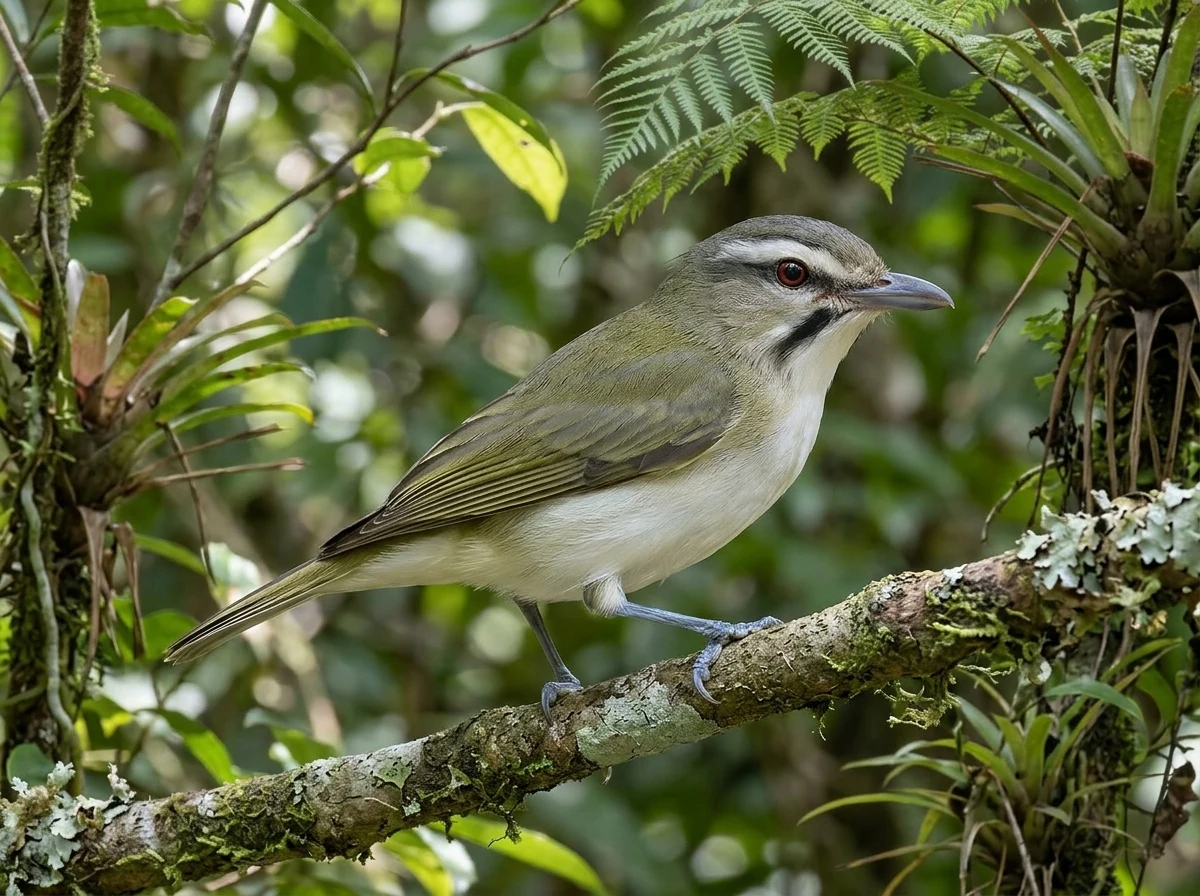
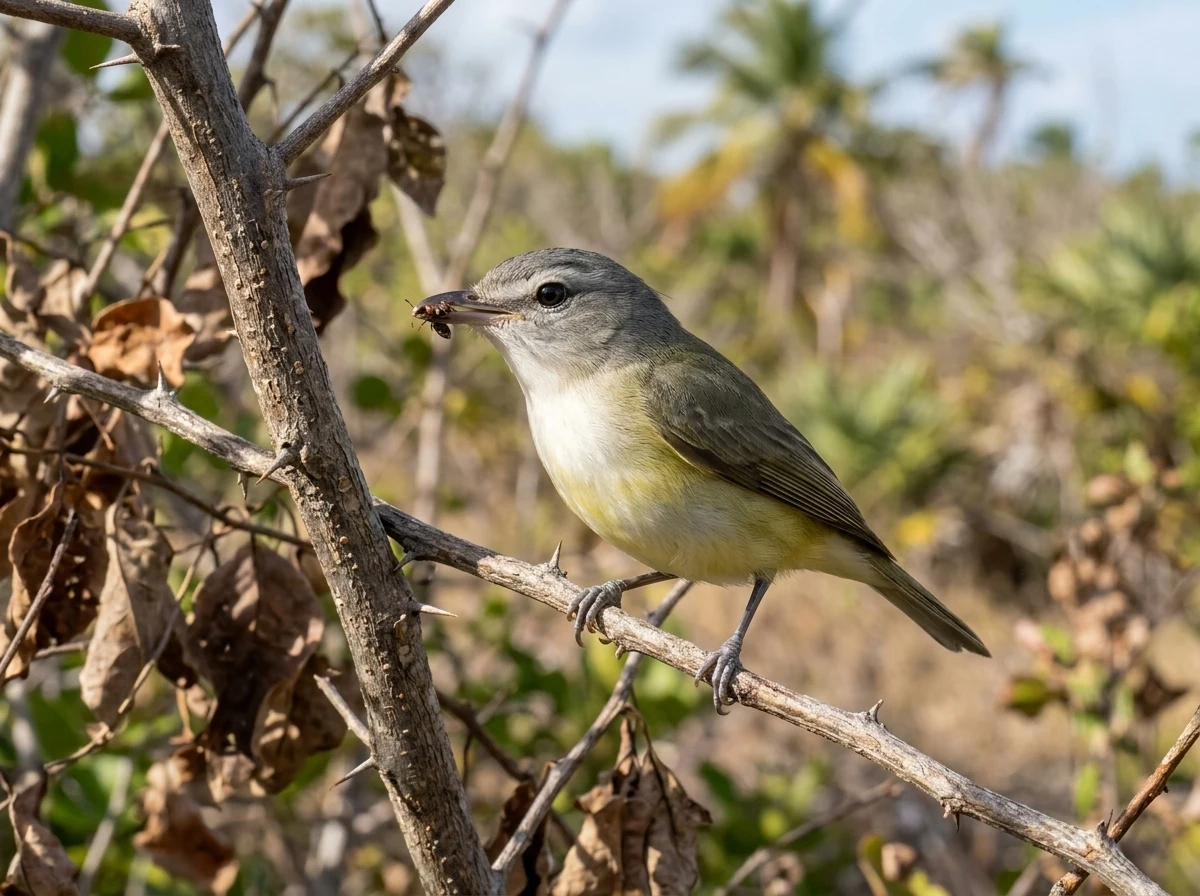
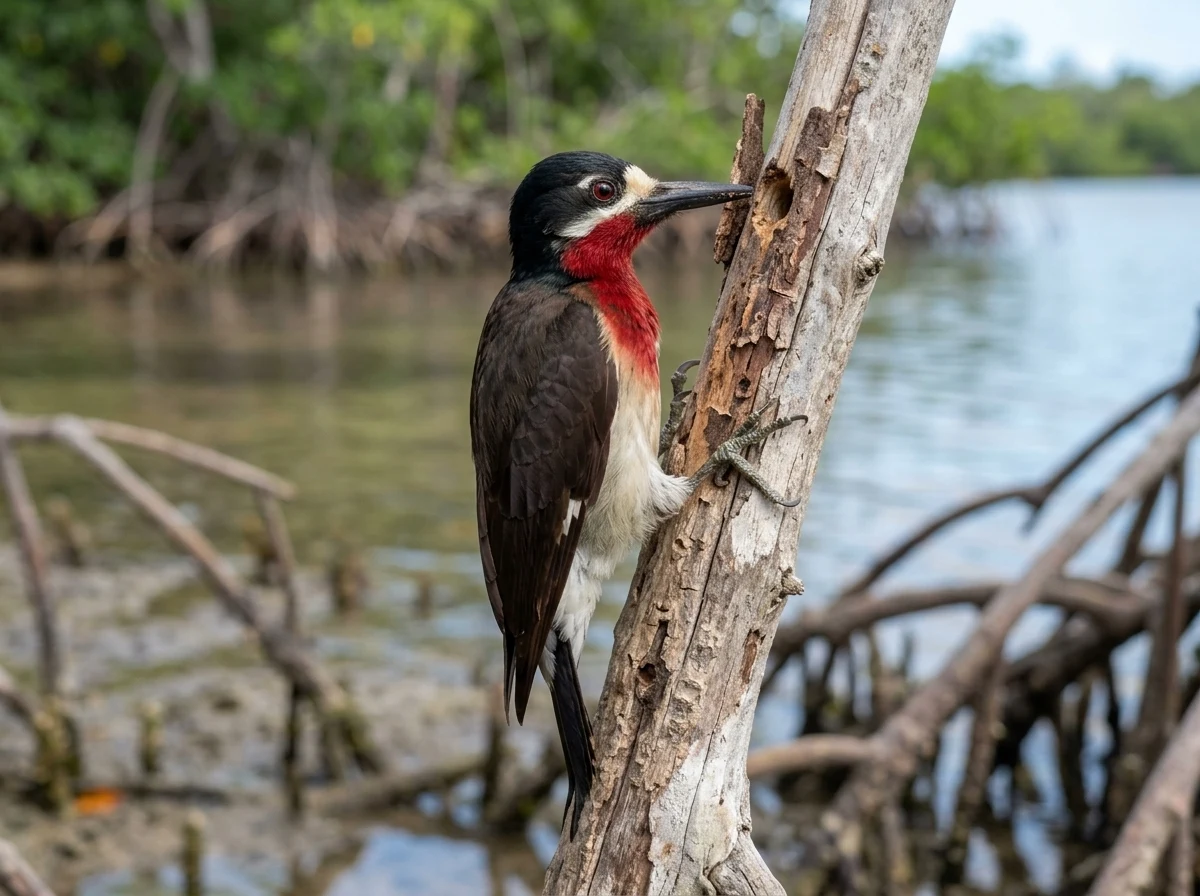
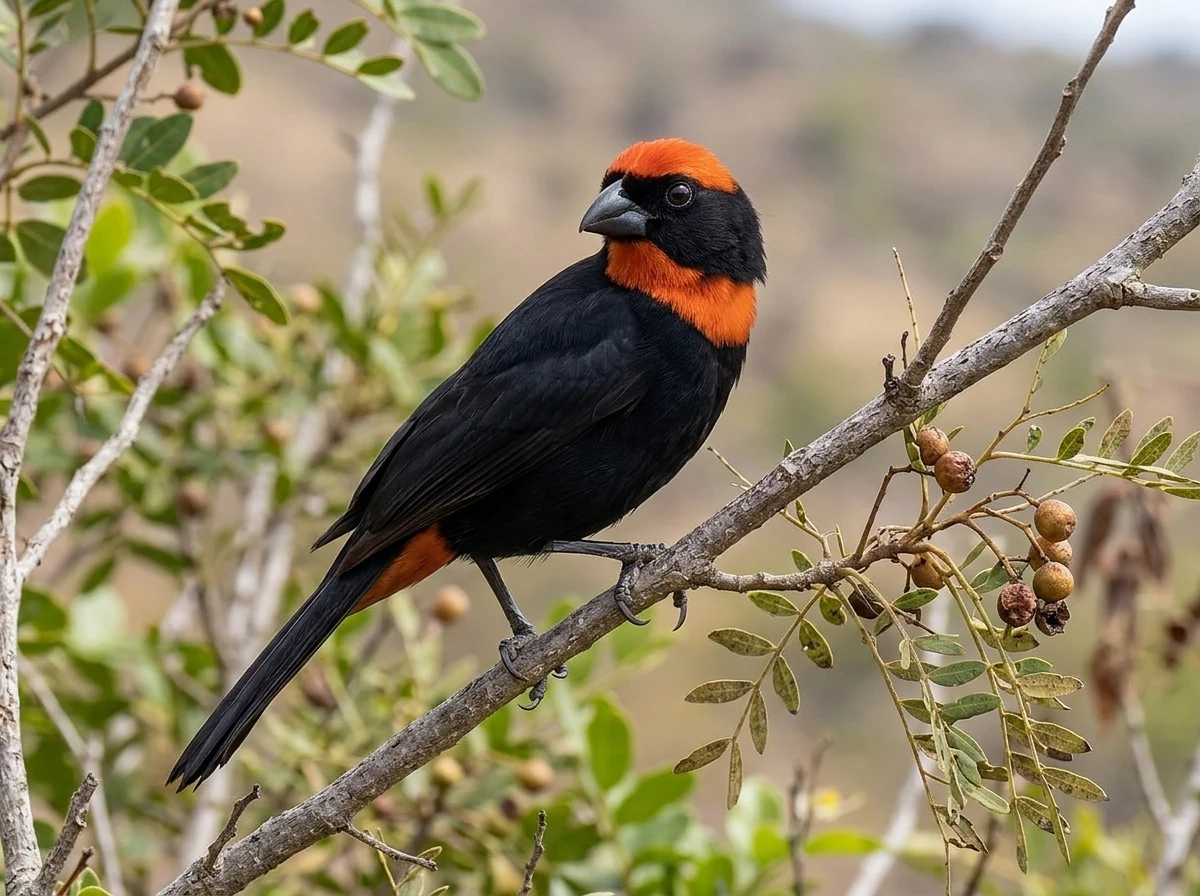
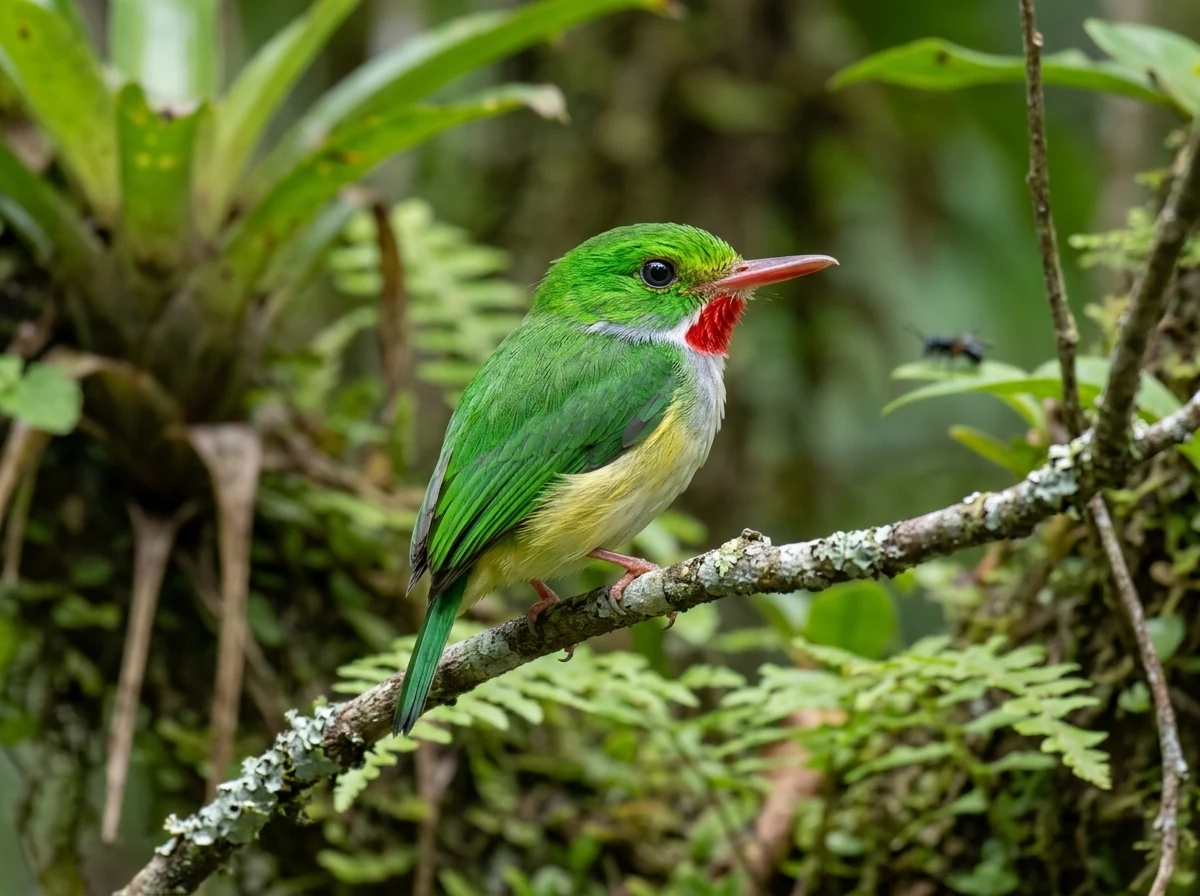
At Bosque del Pueblo in Adjuntas you can see mountain endemics such as Puerto Rican Woodpecker, Puerto Rican Bullfinch, Puerto Rican Vireo, and Puerto Rican Tody, and its emblem bird is the Black-whiskered Vireo (Julián Chiví), which arrives in spring to breed. Visits must be arranged in advance with Casa Pueblo at (787) 829-4842.
DRNA describes it as the first and only forest in Puerto Rico managed under a community management agreement. This guide covers which birds DRNA and open records list for the area, why the forest matters as a corridor between state forests, and how to plan a guided visit.
Community forest in the mountains
The forest in DRNA figures
760cuerdasSecondary subtropical moist forest in Adjuntas and Utuado.
500-600 mat its highest peaksMountain elevation in the Cordillera Central.
1.2 Mpeople receive its waterTributaries of the Río Grande de Arecibo rise in the forest.
15 añosyears of community campaigningAgainst open-pit mining, from 1980 to 1995.
01
Black-whiskered Vireo: the emblem bird that migrates
DRNA highlights the Black-whiskered Vireo (Vireo altiloquus), locally Julián Chiví, as Bosque del Pueblo's emblem bird. According to its fact sheet, it leaves for South America in September and returns in February and March each year to breed in Puerto Rico. So spring and summer are the months to hear it, with a repetitive song of short phrases from the canopy.
It resembles Puerto Rican Vireo, an endemic that is resident all year. The Black-whiskered Vireo is larger, has a reddish eye, and shows a dark line on the cheek, the whisker that gives it its English name. If you see one in December, question the identification and photograph the bird, since it is normally in South America at that time.
02
Mountain endemics listed by DRNA
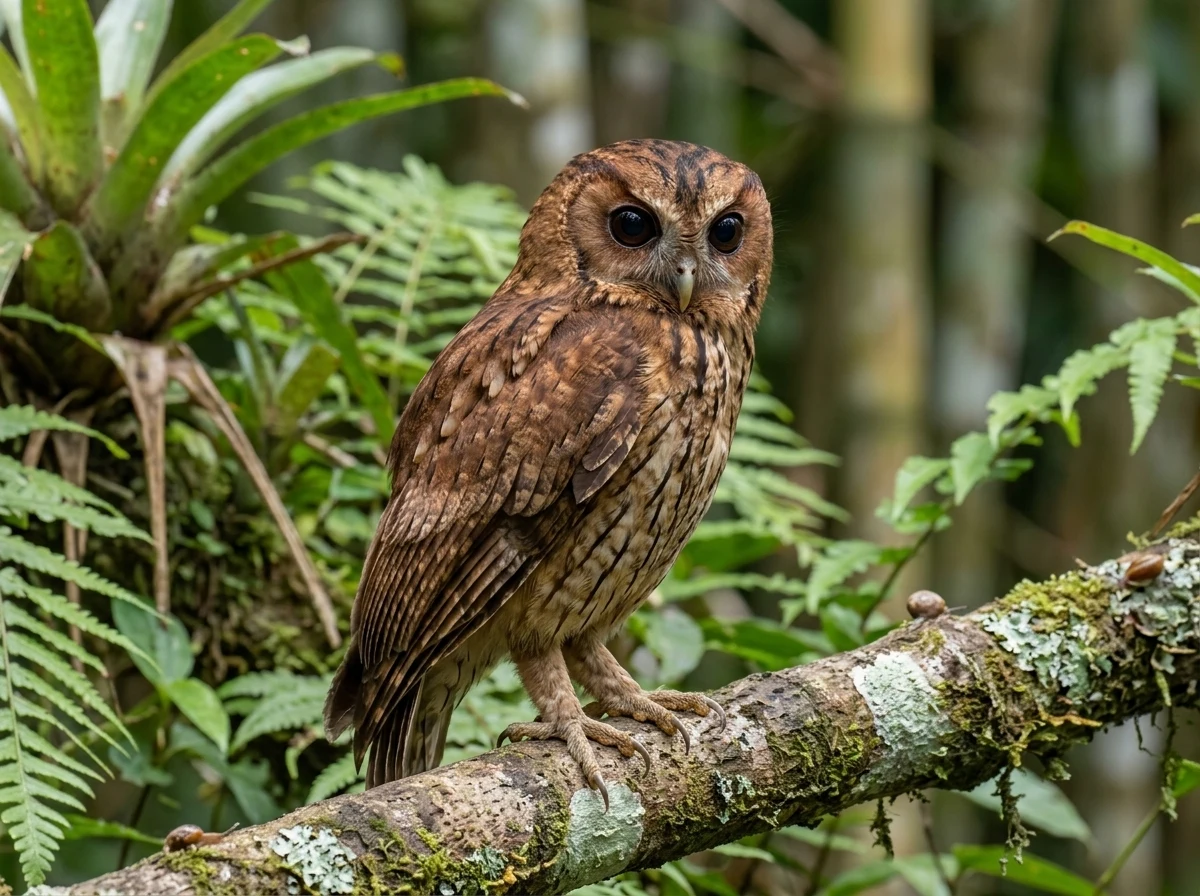
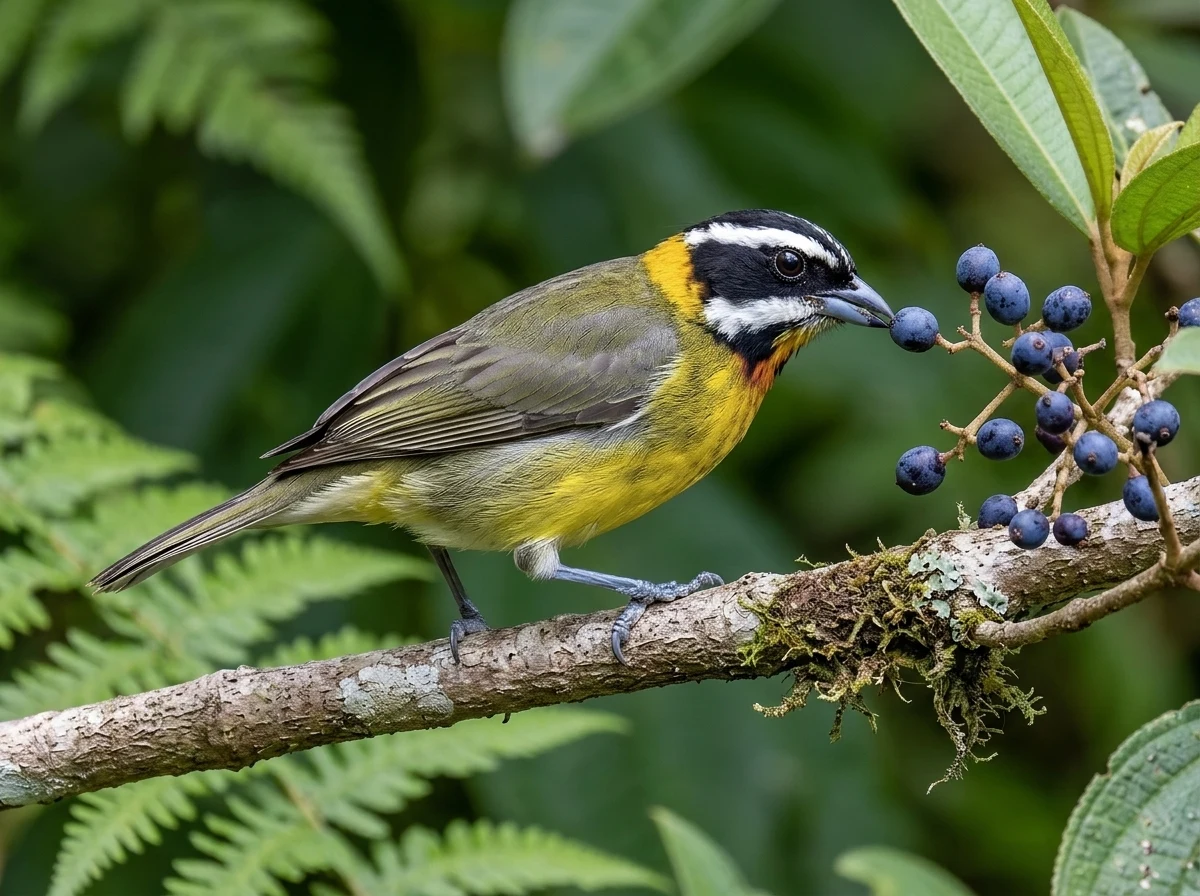
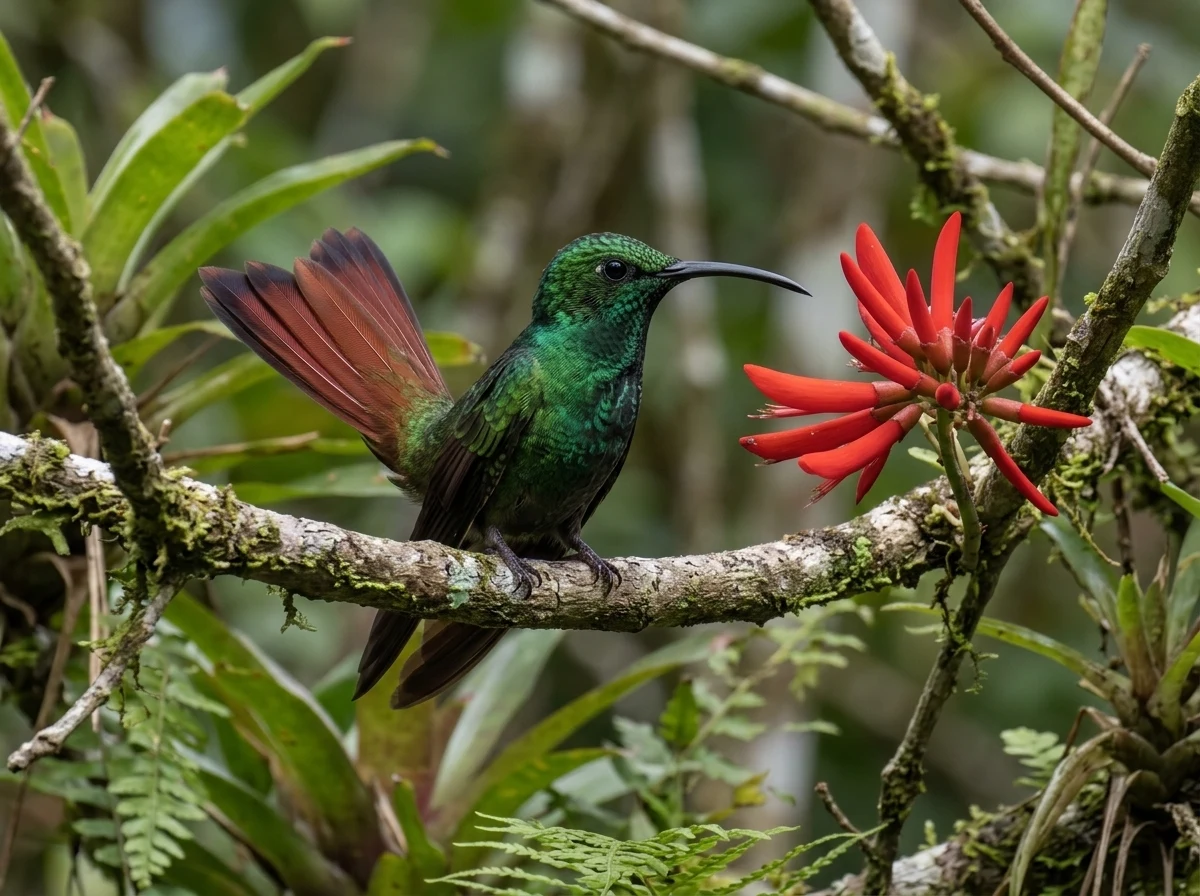
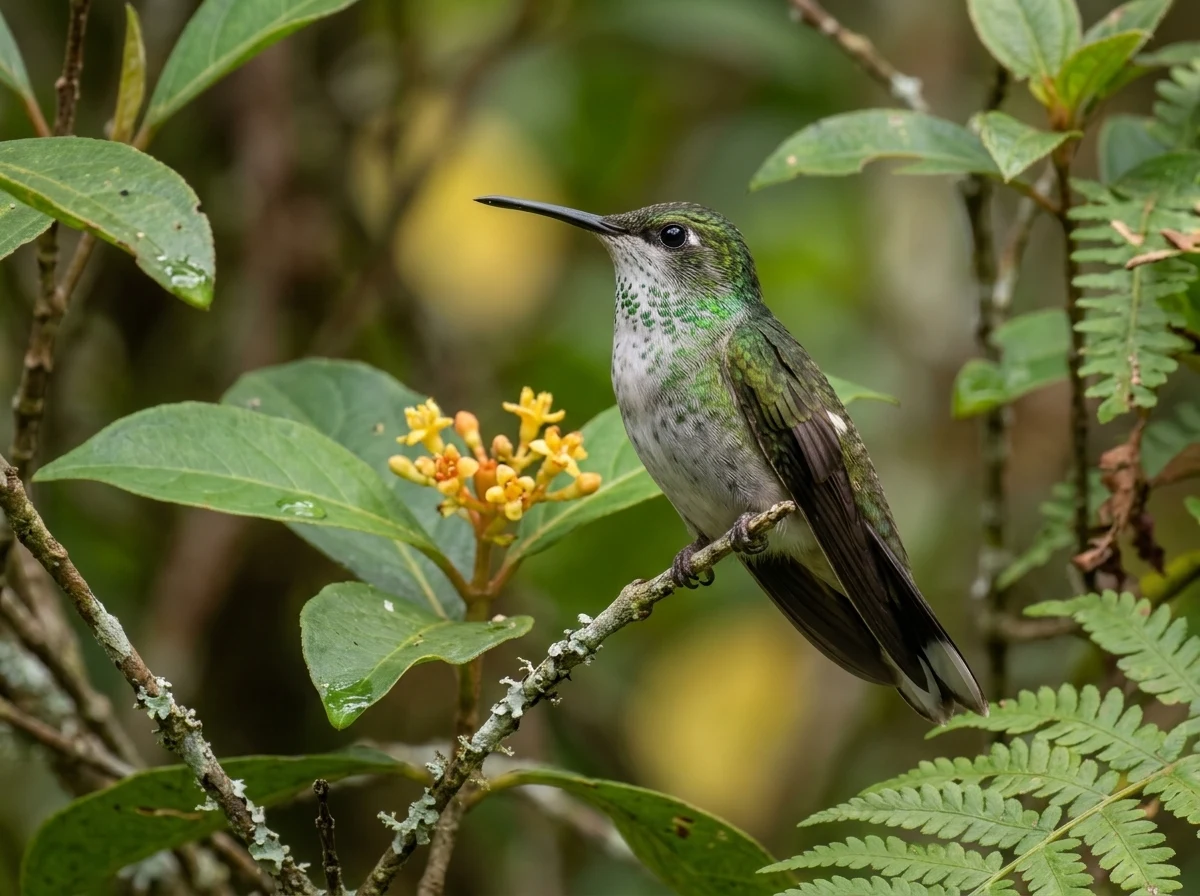
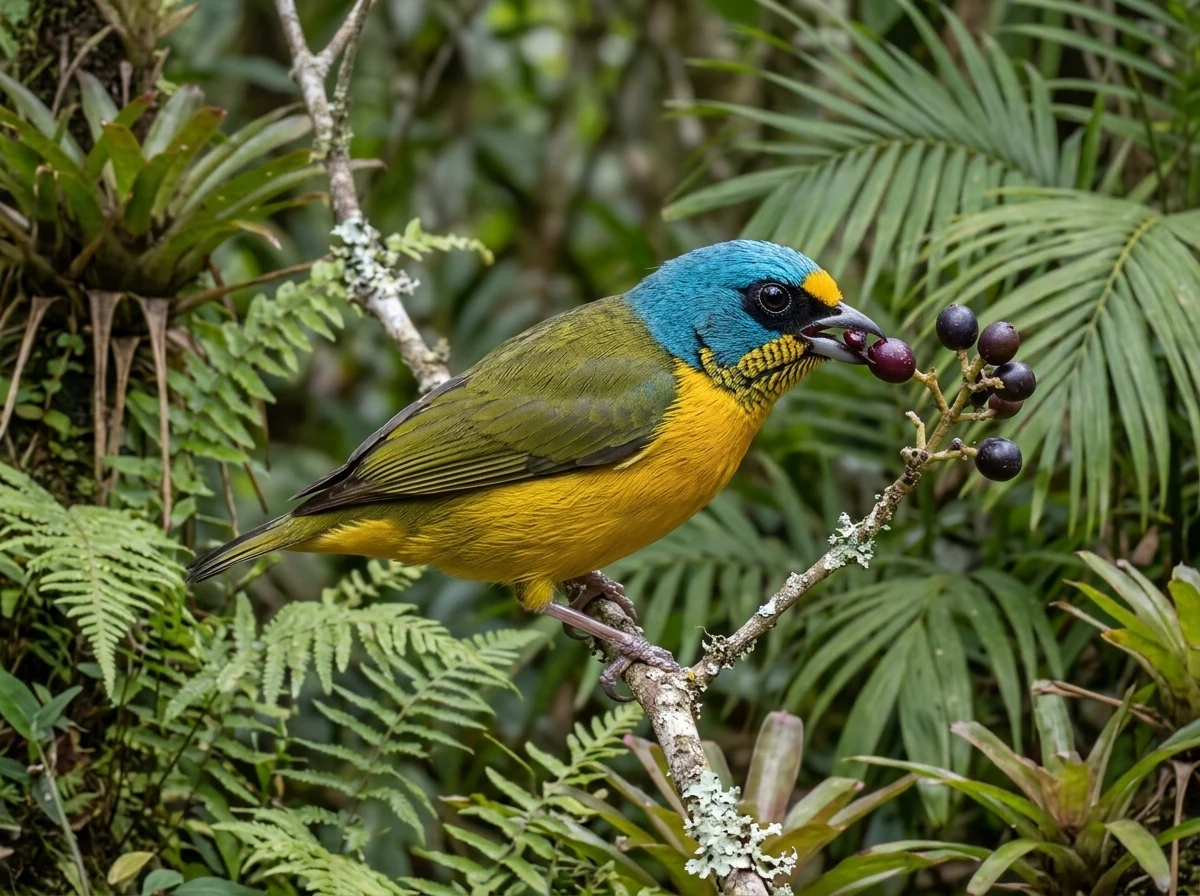
The DRNA sheet lists among the forest's endemic birds Puerto Rican Woodpecker, Puerto Rican Bullfinch, Puerto Rican Vireo, Puerto Rican Tody, and Puerto Rican Owl. Open records for the area aggregated by GBIF add Puerto Rican Spindalis, Green Mango, Puerto Rican Emerald, Puerto Rican Oriole, Puerto Rican Lizard-Cuckoo, and Puerto Rican Euphonia.
Puerto Rican Bullfinch is a sturdy black bird with rufous throat and undertail, common in moist understory. The euphonia is small and follows mistletoe fruit. In a secondary forest like this one, trail edges and fruiting trees are usually the best places to wait.
03
A corridor for the Broad-winged and Sharp-shinned Hawks
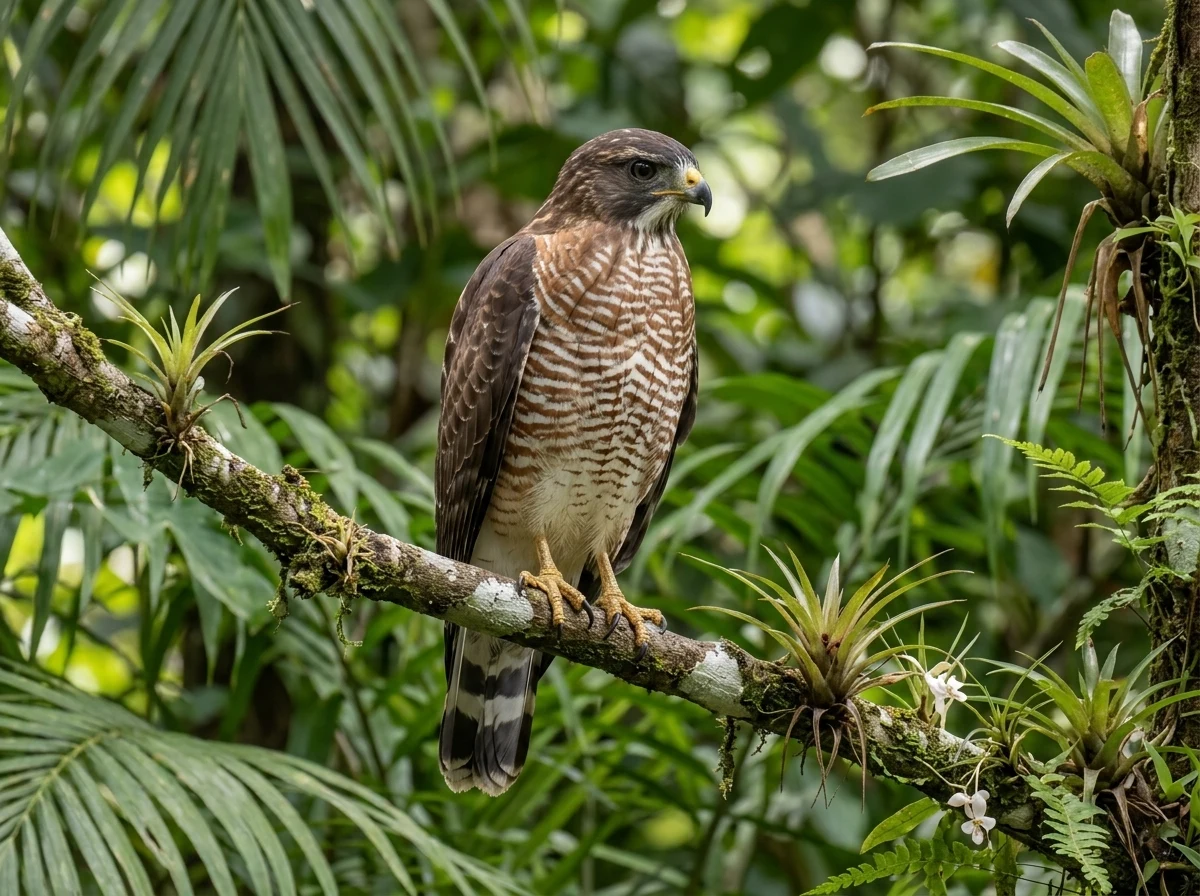
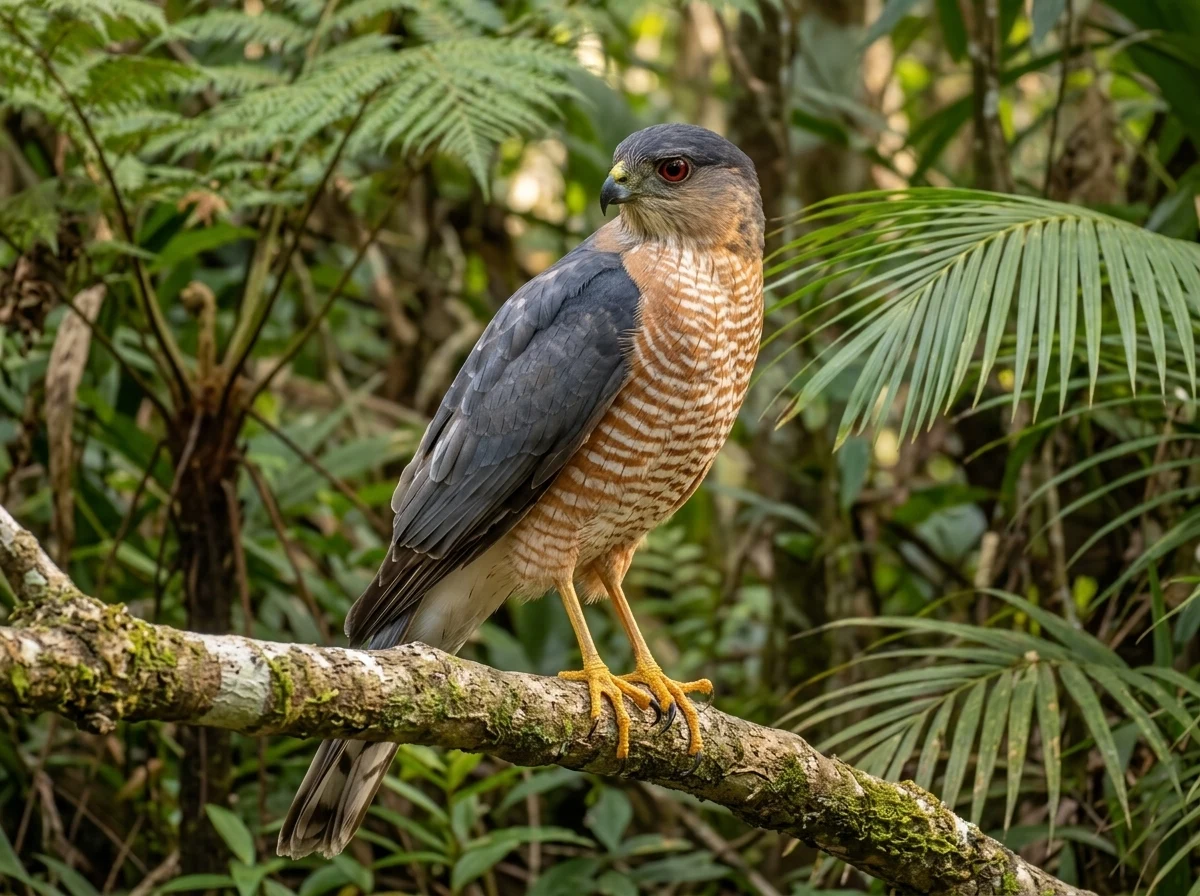
The forest lies between three state forests: Guilarte, Río Abajo, and Toro Negro. DRNA explains that it is part of a network of protected lands meant to maintain biodiversity connectivity, using the Broad-winged Hawk and Sharp-shinned Hawk as reference species for designing forests that allow them to move.
Both raptors are protected under Regulation 6766, and DRNA classifies them as critically endangered. Broad-winged Hawk is smaller and more compact than Red-tailed Hawk, which is the most common raptor in the area's records. If you think you see one of these rare raptors, note the time and flight direction and take photos; do not search for nests.
04
Winter migrants in the moist forest
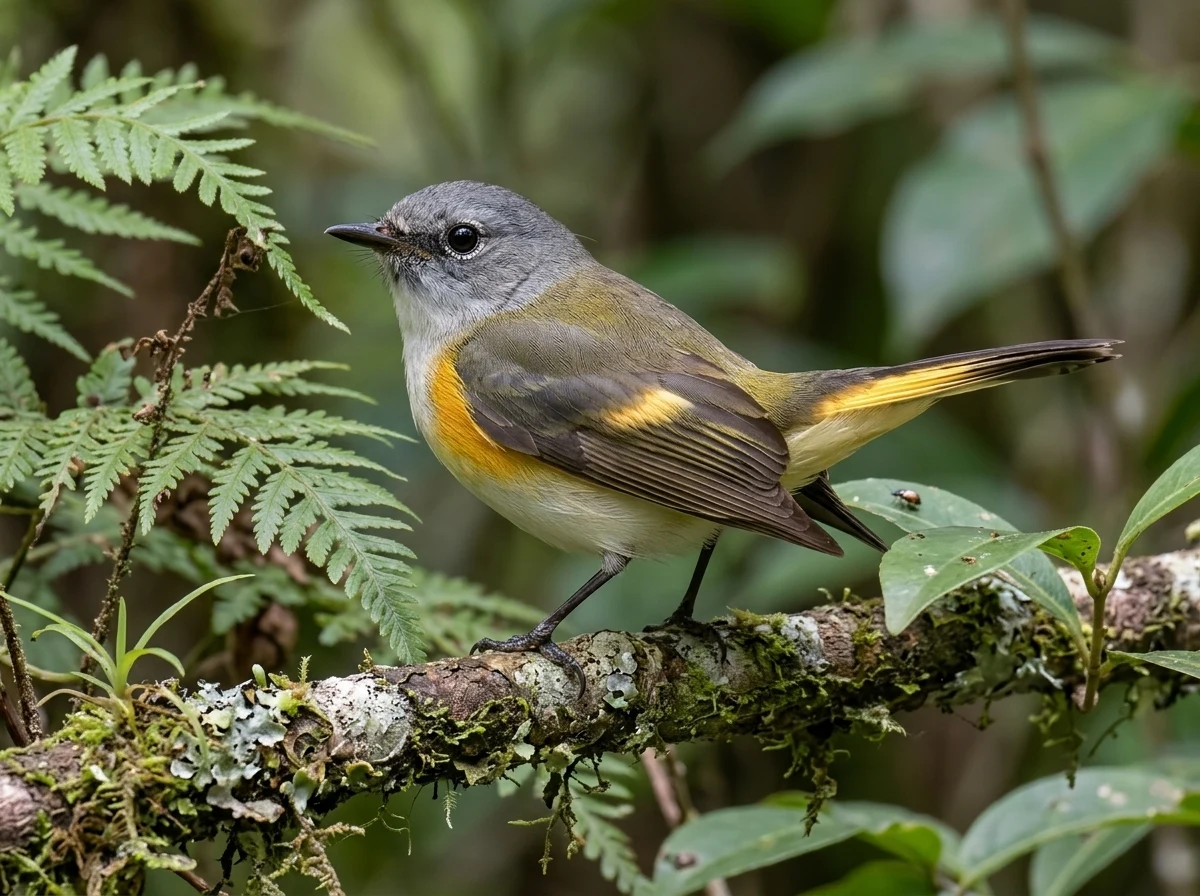
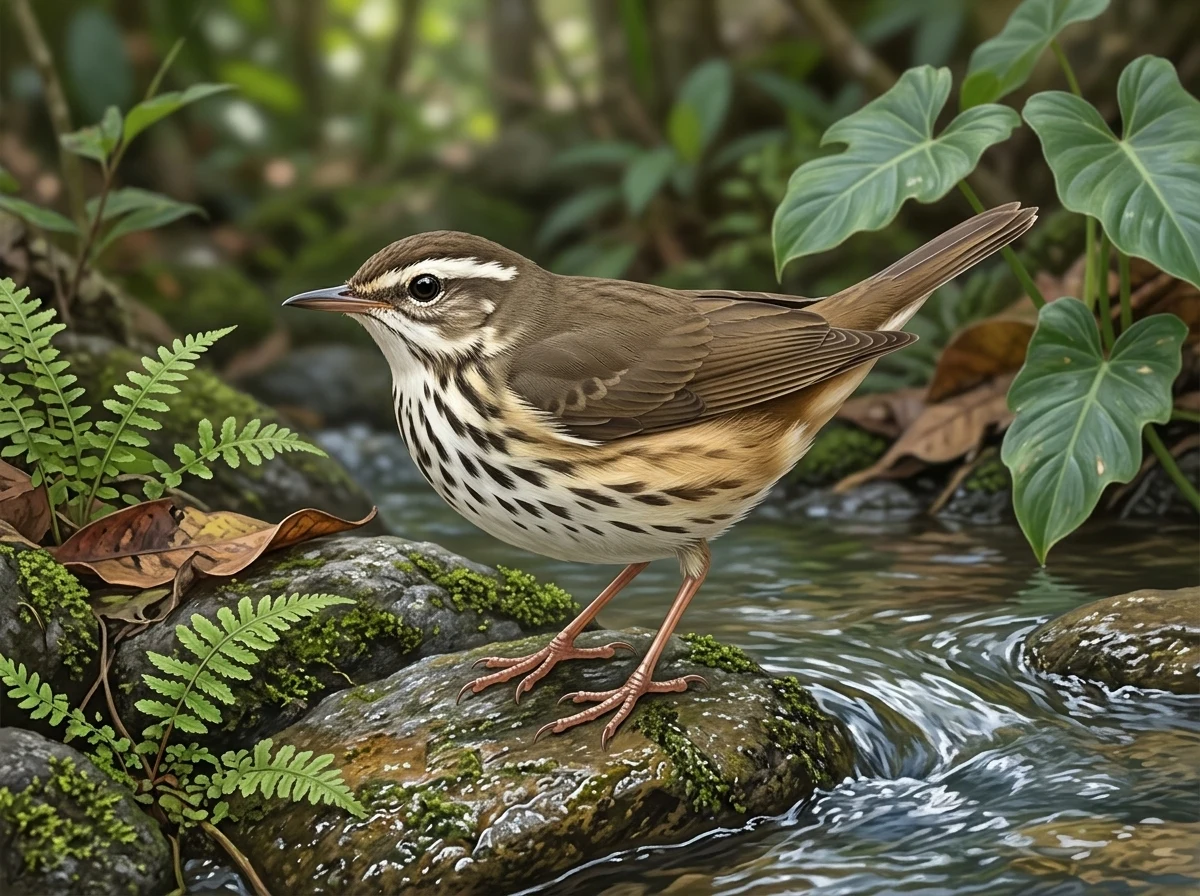
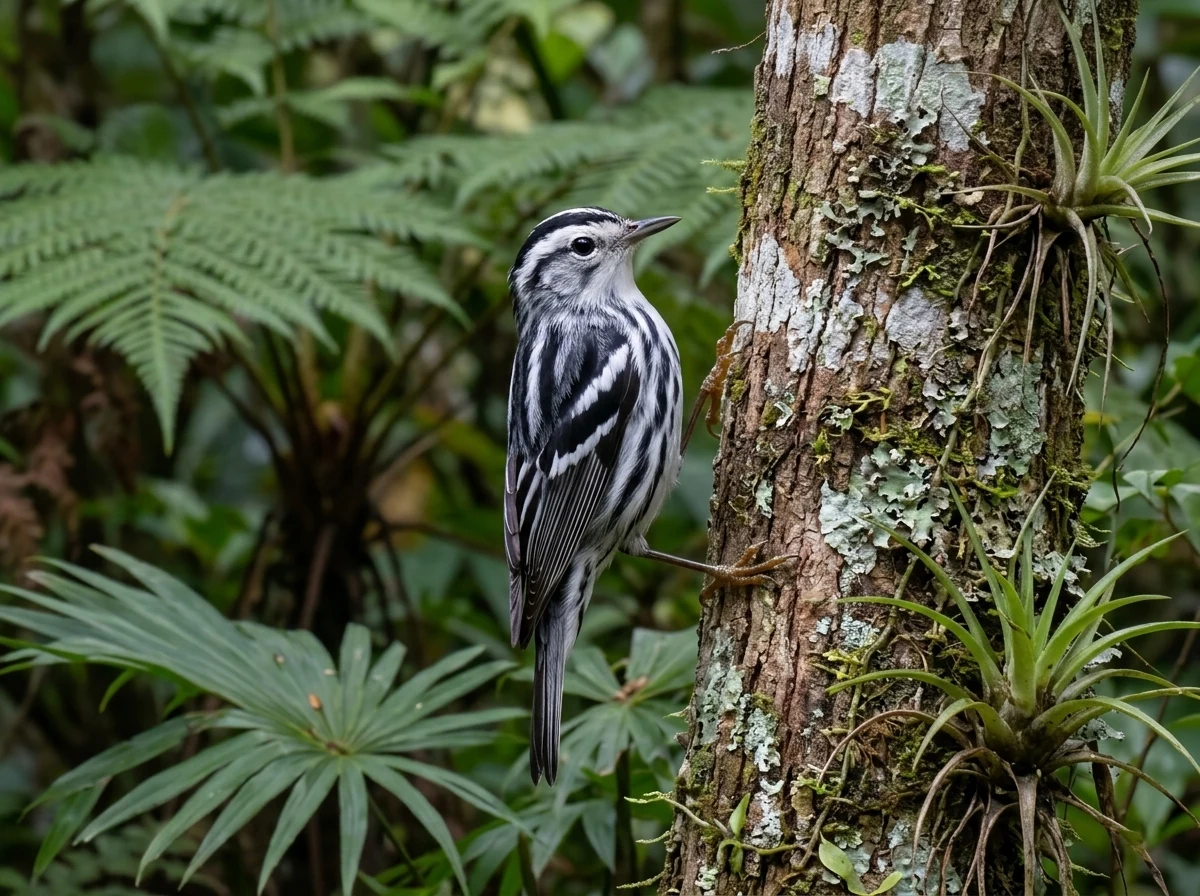
DRNA notes that the forest provides habitat for many migrant species in winter, naming American Redstart, Louisiana Waterthrush, and Black-and-white Warbler. GBIF records for the area also show Northern Parula and Black-throated Blue Warbler frequently.
Louisiana Waterthrush forages along streams and bobs its tail constantly; the forest protects tributaries of the Pellejas and Viví rivers. American Redstart fans a tail with orange or yellow patches to flush insects. Between October and March a mixed flock can bring several of these warblers together with residents such as Bananaquit.
05
From mine to forest: history and how to visit
According to DRNA, the area holds 2 of the 17 gold, silver, and copper deposits found in the island's interior. The group Taller de Arte y Cultura Casa Pueblo campaigned for 15 years against open-pit mining until the government dropped the project, then pushed to turn the area into a forest protected under Puerto Rico's Forest Law. The forest is also part of the Tierras Adjuntas Biosphere Reserve.
Casa Pueblo says visits must be arranged in advance at (787) 829-4842 and lists hours of Monday to Sunday, 8:00 a.m. to 3:00 p.m. The visit includes an interpretive guide and a talk on community self-management. There are interpretive trails, an indigenous ceremonial park, an amphitheater, and a recreation area. The climate is cool: DRNA reports a mean annual temperature of 70.8 °F and 73.67 inches of rain.
Linked profiles
Birds of Bosque del Pueblo
The emblem bird, mountain endemics, two critically endangered raptors, and winter warblers. Open each profile to listen and compare.
Sound archive
Hear its voice
Explore real songs and calls. The spectrogram turns each sound into a visual trace of time and frequency.
XC996307Recording 1 of 3song

Play: song by GABRIEL LEITE
Choose another recording
Sound recorded by GABRIEL LEITE · XC996307 · CC BY-NC-SA 4.0. Visualization by Stichting Xeno-canto voor Natuurgeluiden.
Every recording retains the creator, catalogue number, and license published by Xeno-canto. Metadata via GBIF ↗
01
What birds live in Bosque del Pueblo, Adjuntas?
DRNA lists endemics such as Puerto Rican Woodpecker, Puerto Rican Bullfinch, Puerto Rican Vireo, Puerto Rican Tody, and Puerto Rican Owl, plus winter migrants. Its emblem bird is the Black-whiskered Vireo, which breeds there in spring and summer.
02
How do you visit Bosque del Pueblo?
Visits must be arranged in advance by calling Casa Pueblo at (787) 829-4842. Casa Pueblo lists hours of Monday to Sunday, 8:00 a.m. to 3:00 p.m., and the visit includes an interpretive guide.
03
When does the Black-whiskered Vireo arrive in Puerto Rico?
According to DRNA, the Black-whiskered Vireo returns in February and March to breed and leaves for South America in September. That is why it is heard mainly from spring through late summer.
04
Why is it called Bosque del Pueblo (People's Forest)?
Because the community organized as Casa Pueblo rescued it from open-pit mining after a 15-year campaign between 1980 and 1995. Today it is the first forest in Puerto Rico managed under a community agreement with DRNA.
05
Are there Broad-winged Hawks in Adjuntas?
DRNA uses Broad-winged Hawk and Sharp-shinned Hawk as reference species for the biological corridor linking Guilarte, Bosque del Pueblo, and Toro Negro. Both are critically endangered and hard to see; Red-tailed Hawk is far more common.
06
Where is Bosque del Pueblo?
According to DRNA, its lands lie between the barrios of Vegas Arriba, Vegas Abajo, and Pellejas in Adjuntas and Consejo in Utuado, between the Pellejas and Viví rivers, tributaries of the Dos Bocas reservoir. It sits between the Guilarte, Río Abajo, and Toro Negro state forests.
Keep exploring
Connected routes
Sources and review
The evidence is one link away.
These sources support the editorial scope of this guide. Bird profiles also retain their own taxonomy, occurrence, and conservation references.
Reviewed:
01↗02↗03↗
Departamento de Recursos Naturales y Ambientales
Environmental fact sheet: Bosque del Pueblo
Mining history, 760 cuerdas, elevation, climate, biological corridor, and resident and migrant birds.Casa Pueblo
Bosque del Pueblo (People's Forest)
Visit coordination, hours, facilities, and the Black-whiskered Vireo as emblem bird.Global Biodiversity Information Facility
GBIF bird records: Bosque del Pueblo and surroundings
Species with open records in the Adjuntas area, queried in September 2026.The atlas continues