 AI
AIOne day in port
Birding San Juan in One Day from a Cruise Ship
No rental car and no missed ship: a walking route plus two short taxi options.
Reviewed:The pier is already in the right place.
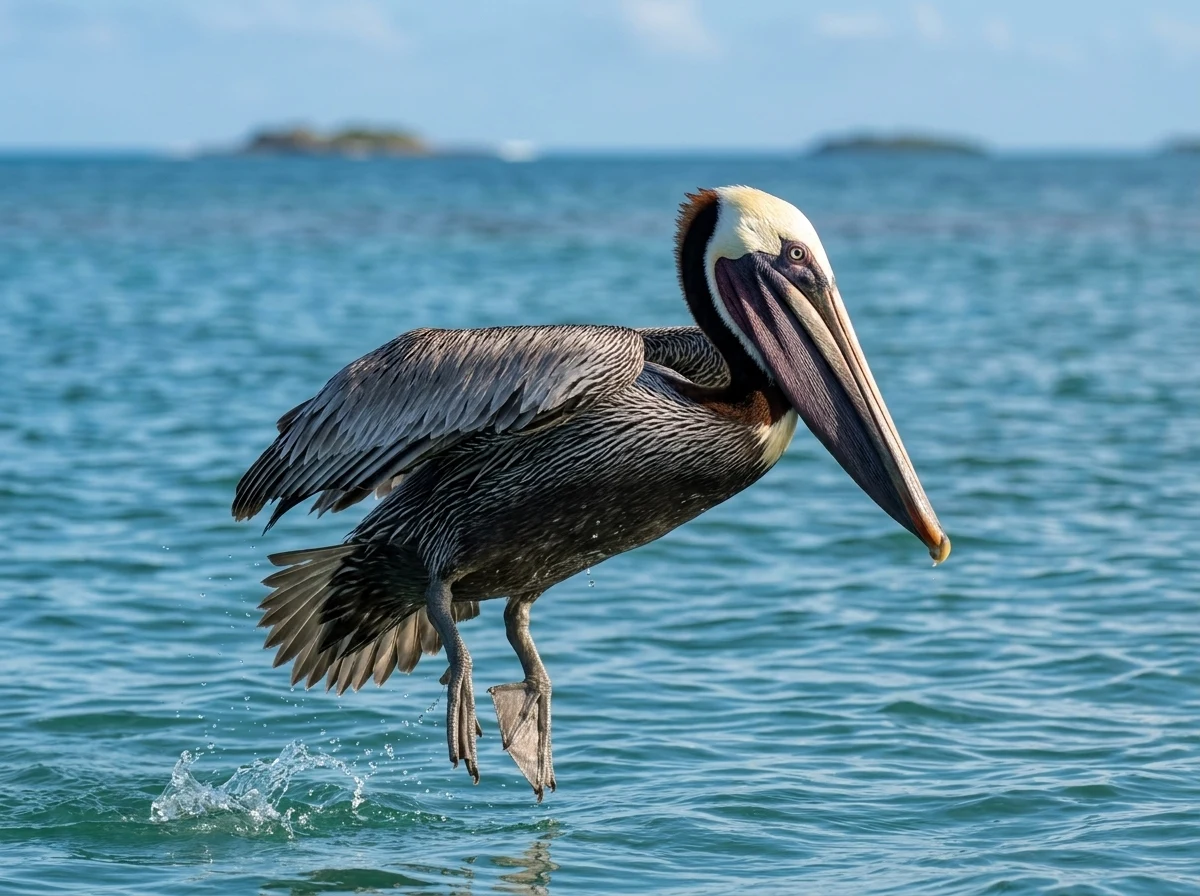
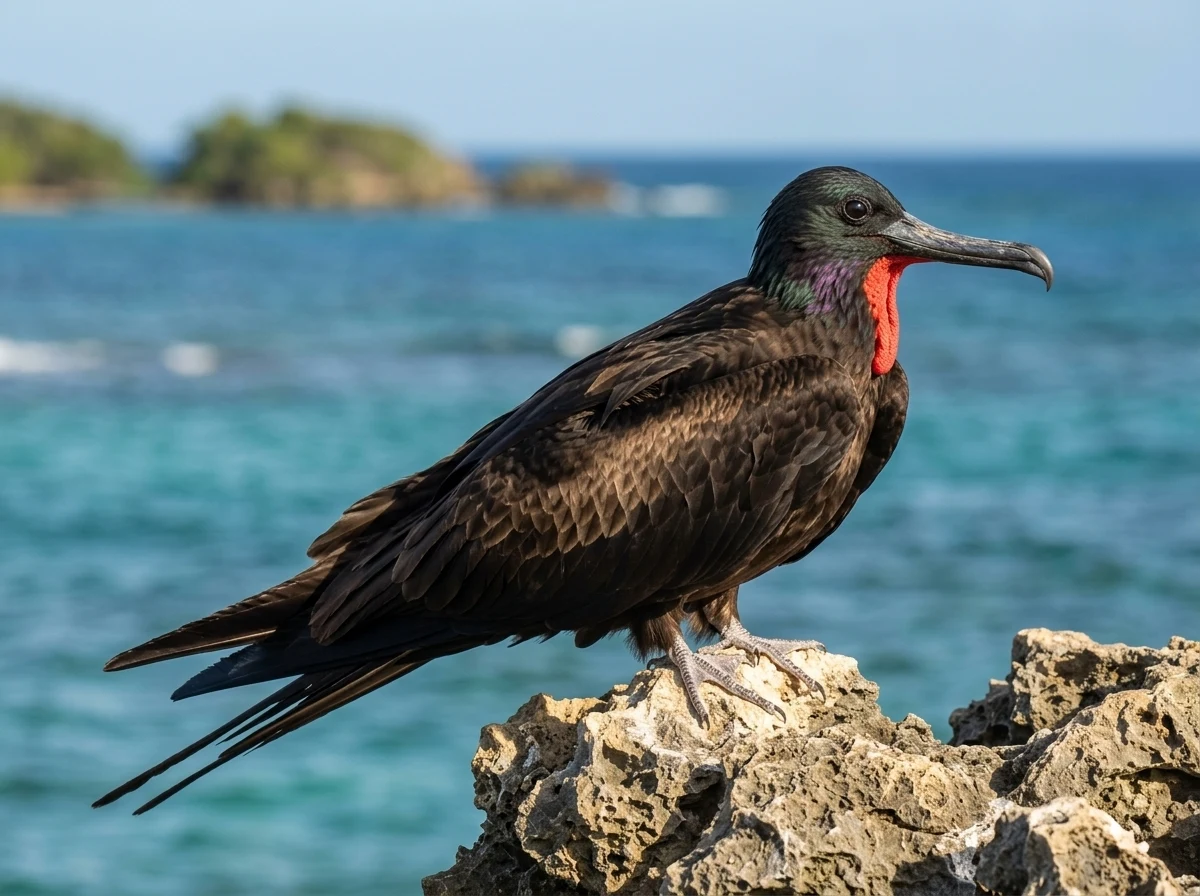
Yes, you can go birding in San Juan on a cruise stop without leaving the city: the piers sit beside Old San Juan, and on foot you reach the bay, the walls, and El Morro, where you can see pelicans, frigatebirds, terns, Gray Kingbirds, grackles, and Bananaquits. With four or five free hours, a loop walk covers both the bay side and the Atlantic side.
This guide does not replace the three-day itinerary or the trip planner: it is for someone with a single day, light gear, and an all-aboard time that is not negotiable. It lays out the route, what to expect by month, a taxi alternative, and how to log what you see.
One day in port
The port stop in three facts
~0.8 kmPaseo de la PrincesaBayside promenade ending at the San Juan Gate.
5–7 mipier to airportIsla Verde and Hato Rey are that far; Old San Juan is next door.
~200species recorded on the isletPer GBIF; a typical day yields a fraction of that list.
01
Where your ship docks and where to start
The Port of San Juan's cruise area lies on the San Antonio Canal, between the Old San Juan islet and Isla Grande, and includes piers 1, 3, 4, 11 through 14, and Pan American Piers I and II. The old city docks let you walk to the historic district's attractions, but check which pier your ship uses: some sit farther from the old city than others.
From the piers on the Old San Juan side, start along the bay toward Paseo de la Princesa. Before you leave, use ship or port Wi-Fi to download the eBird regional pack for offline use and a Merlin pack that covers Puerto Rico, so you don't rely on cellular data to identify what you see.
02
The walking loop: bay, San Juan Gate, and El Morro
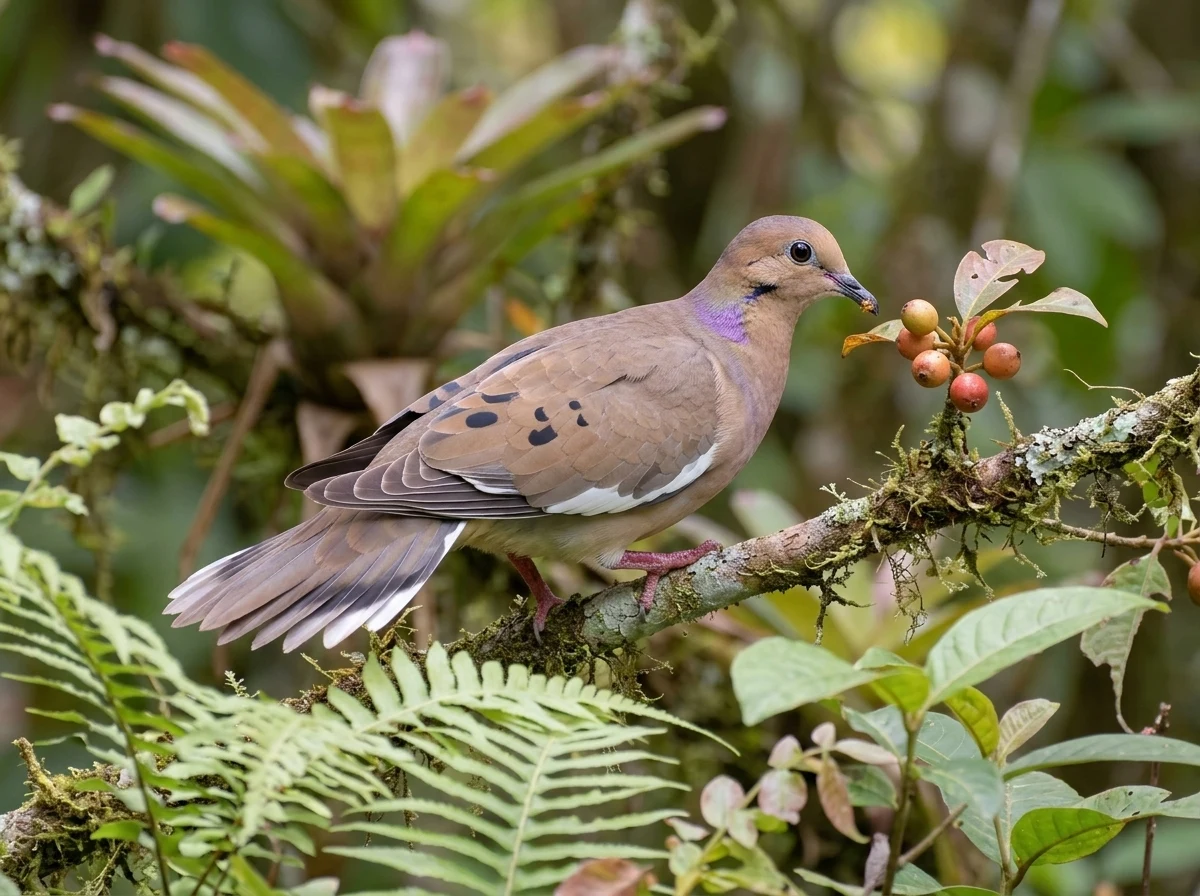
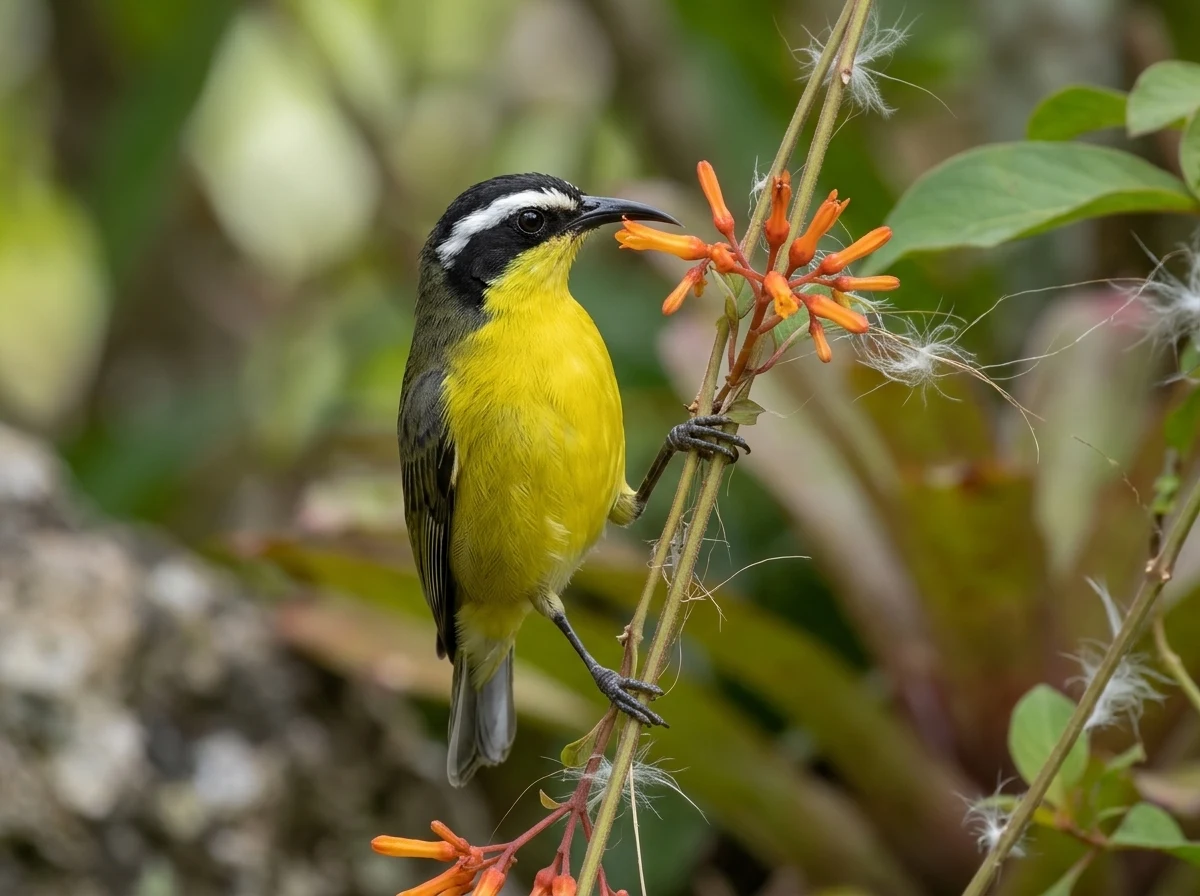
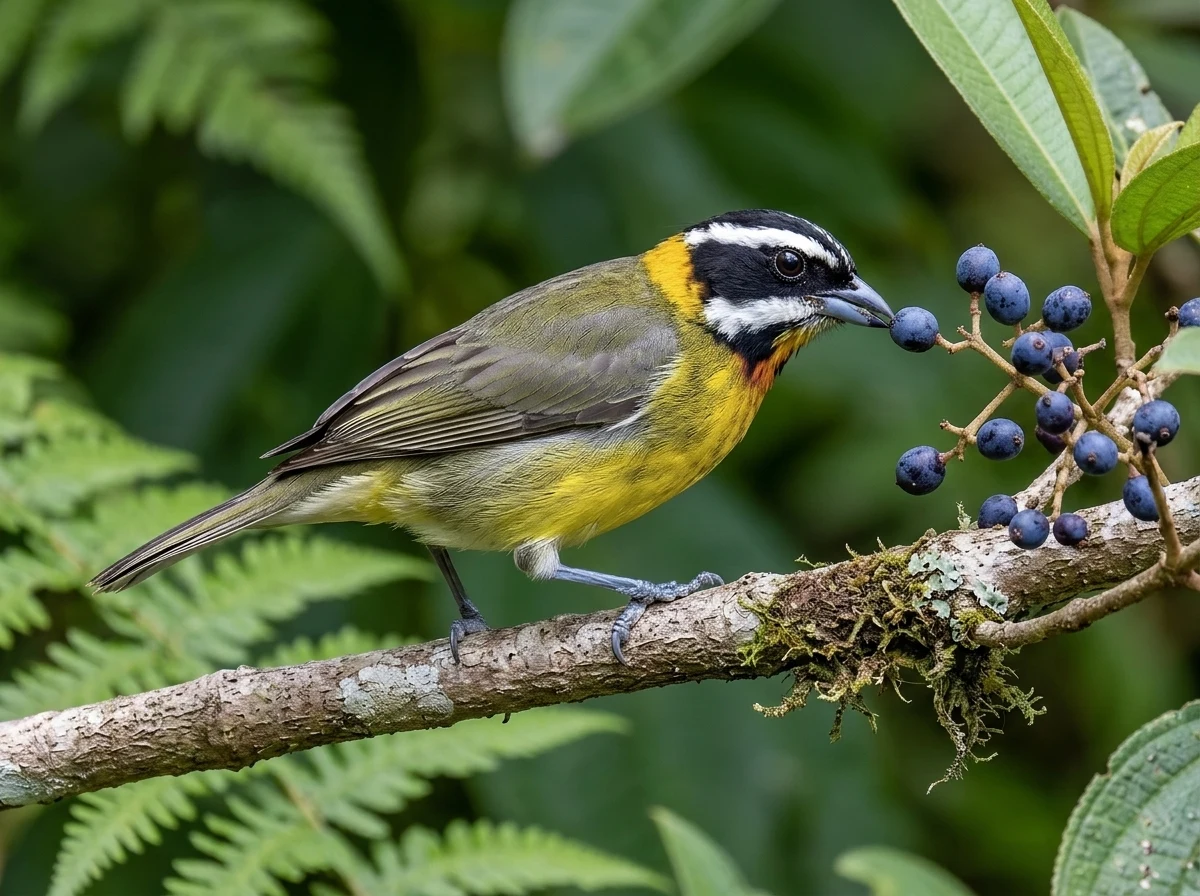
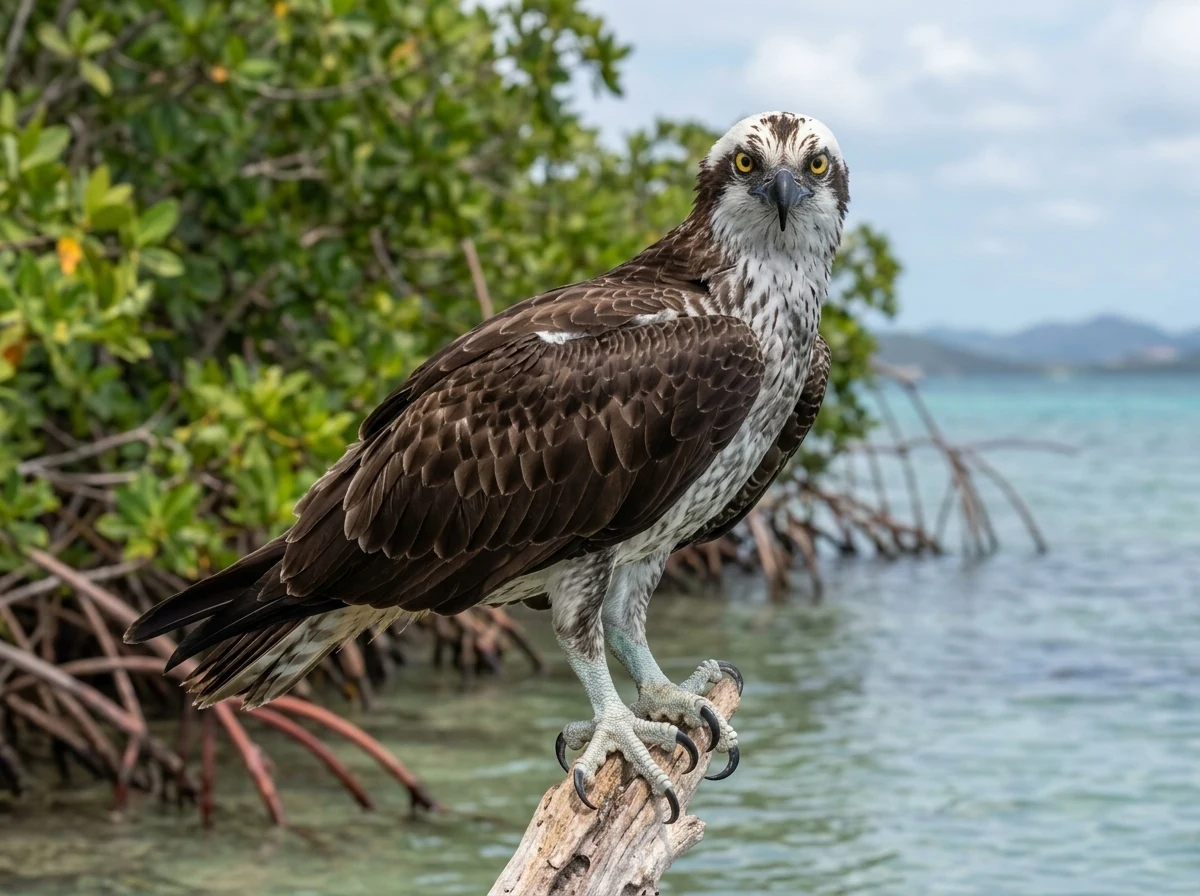
Leg 1, the bay: Paseo de la Princesa runs about 0.8 kilometers along the wall to the San Juan Gate. Watch the water for pelicans, terns, and herons, and the posts for Osprey in winter. Leg 2, the climb: once through the gate, tree-lined streets and plazas hold doves, Bananaquits, grackles, and Puerto Rican Spindalis.
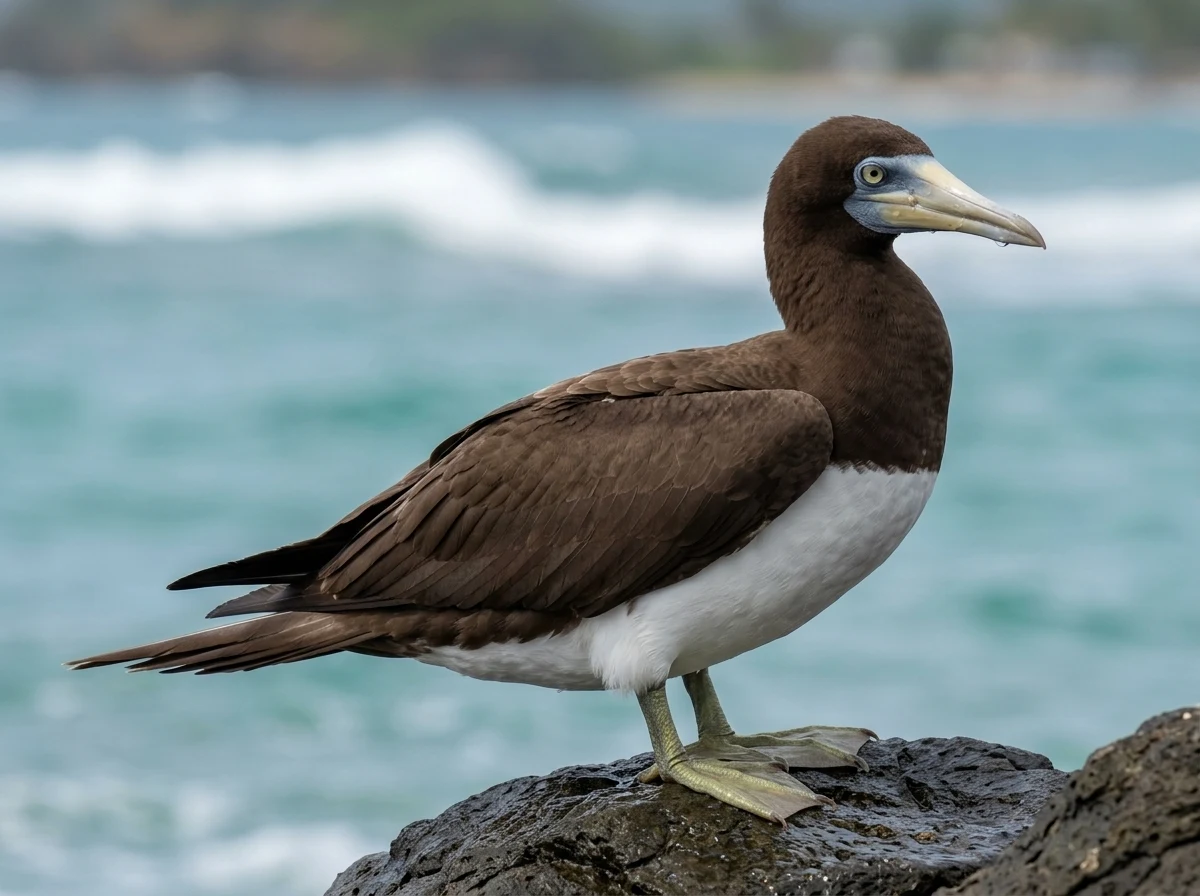
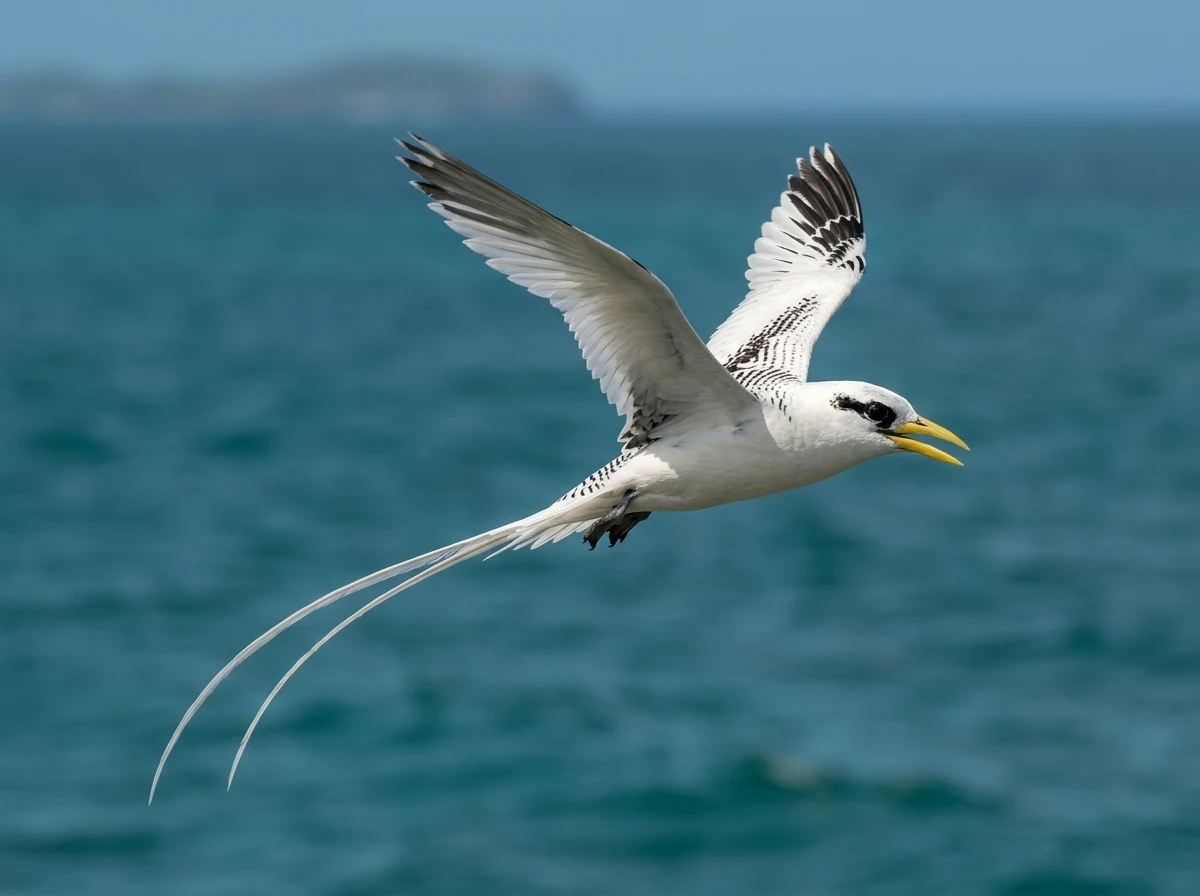
Leg 3, the Atlantic: the El Morro esplanade, part of San Juan National Historic Site, gives an open sea view. Look for frigatebirds soaring, Brown Boobies flying low, and, from January through July, White-tailed Tropicbirds. Return along the north wall toward San Cristóbal or through the center, depending on your time; leave at least an hour of buffer to get back to the ship.
03
What to expect by cruise month
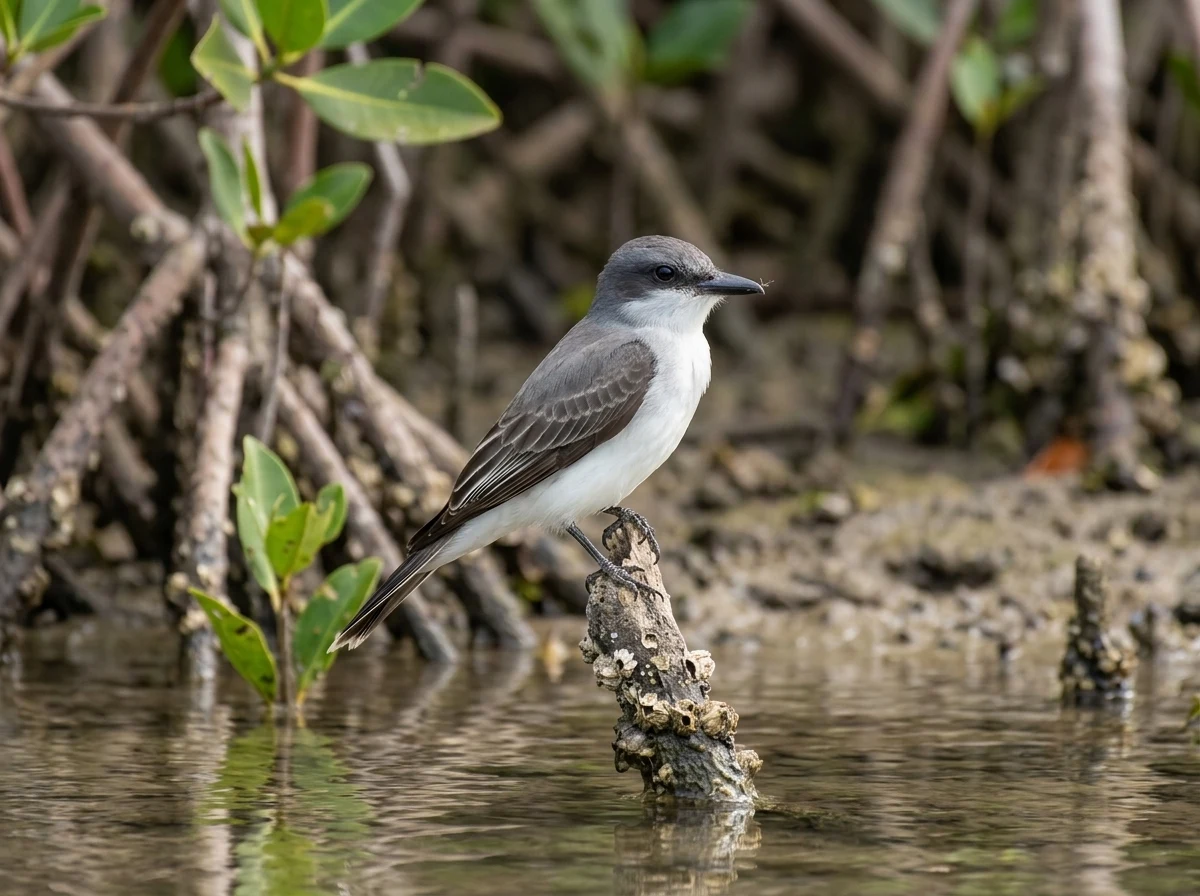
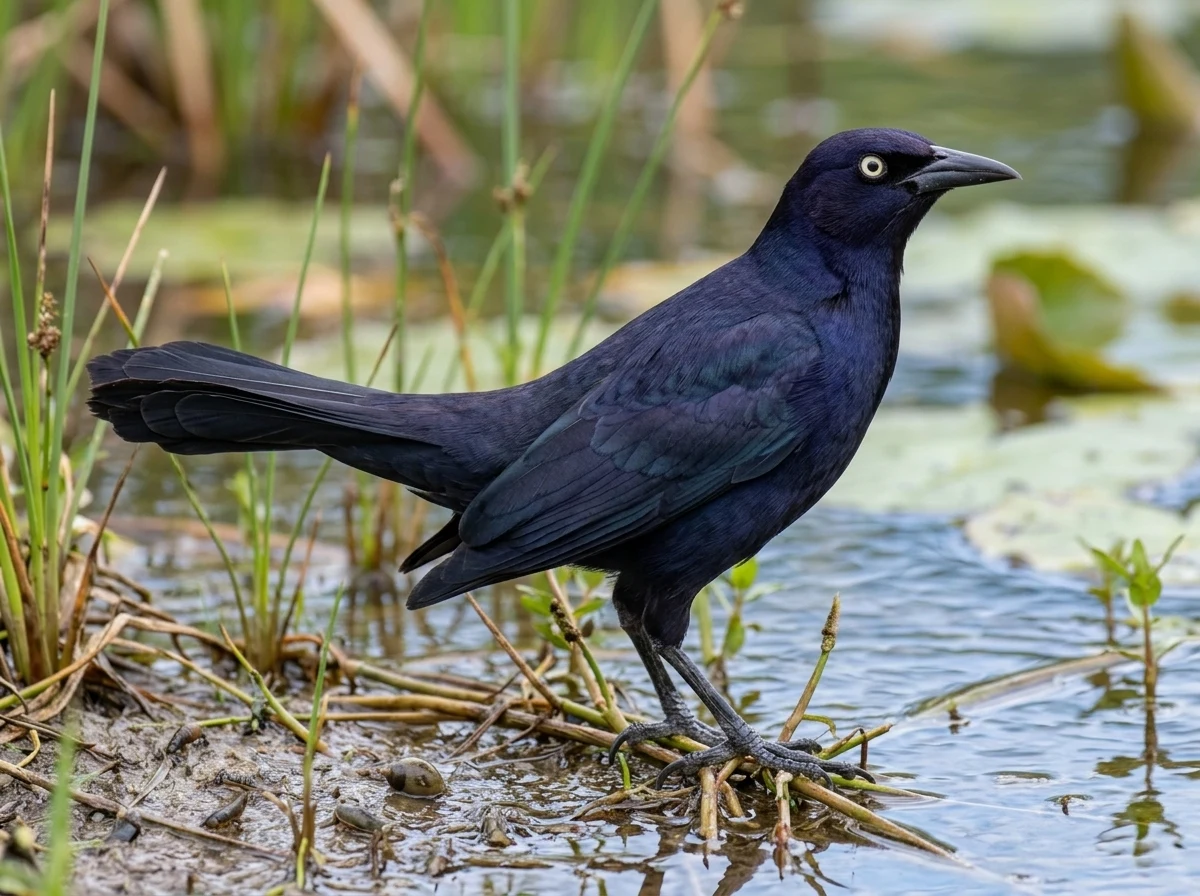
Residents are there all year: Greater Antillean Grackle, Rock Pigeon, Zenaida Dove, Bananaquit, Gray Kingbird, Brown Pelican, and Magnificent Frigatebird top the islet's records in every month. From October through March, migrants join them: Osprey, Peregrine Falcon, Merlin, and warblers such as Northern Parula and Cape May; Blackpoll Warbler appears only in October and November.
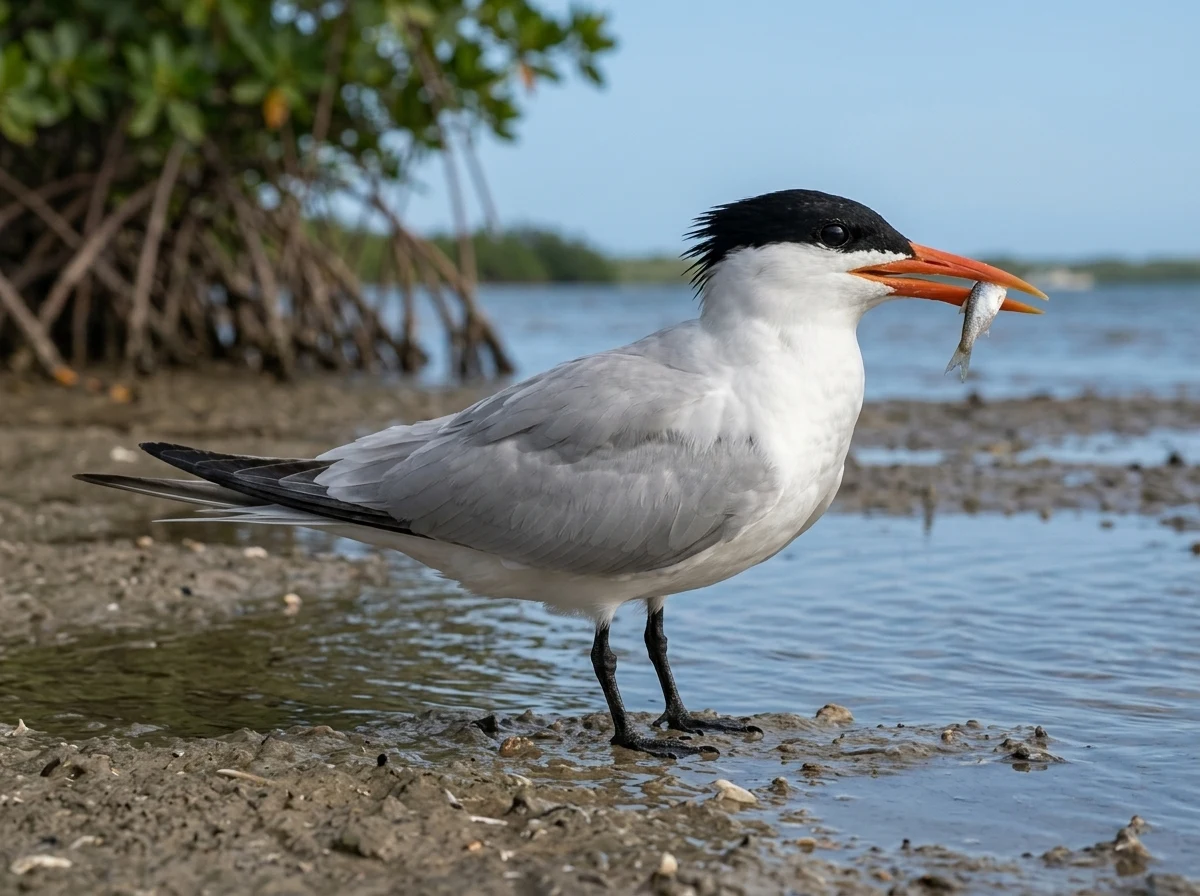
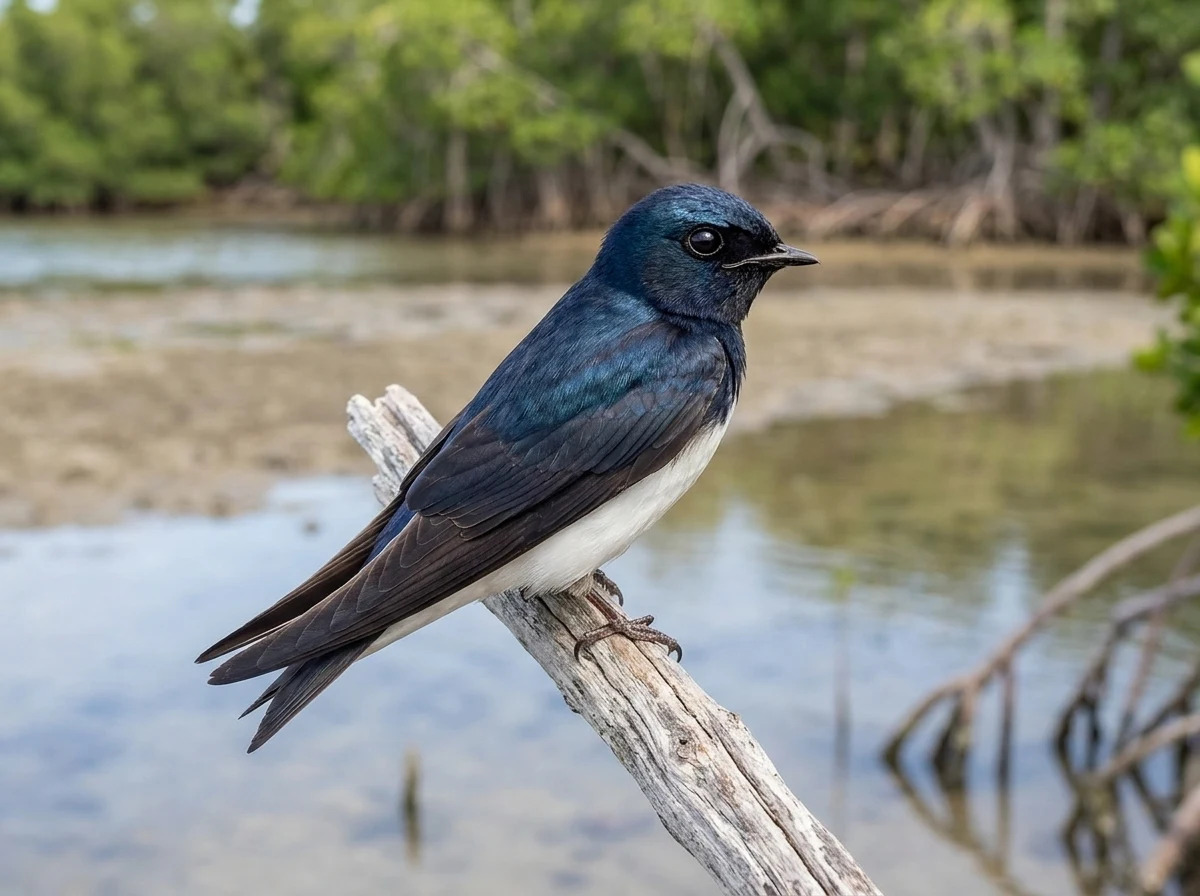
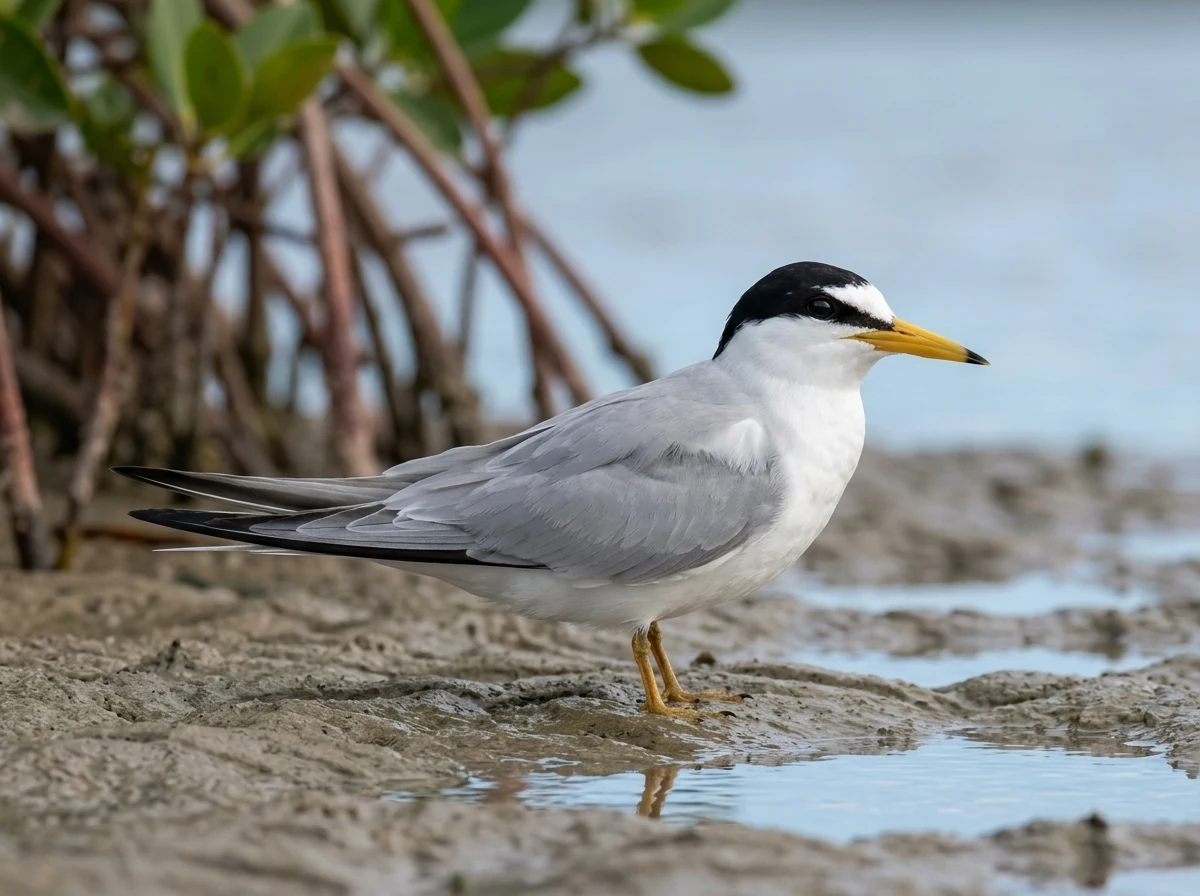
January through July is the White-tailed Tropicbird window, and Caribbean Martins fly from January through August. In summer, Least Tern and Laughing Gull are more frequent along the coast. October has the most records on the islet, partly because of migration and partly because more birders are out.
04
Plan B by taxi: Condado Lagoon
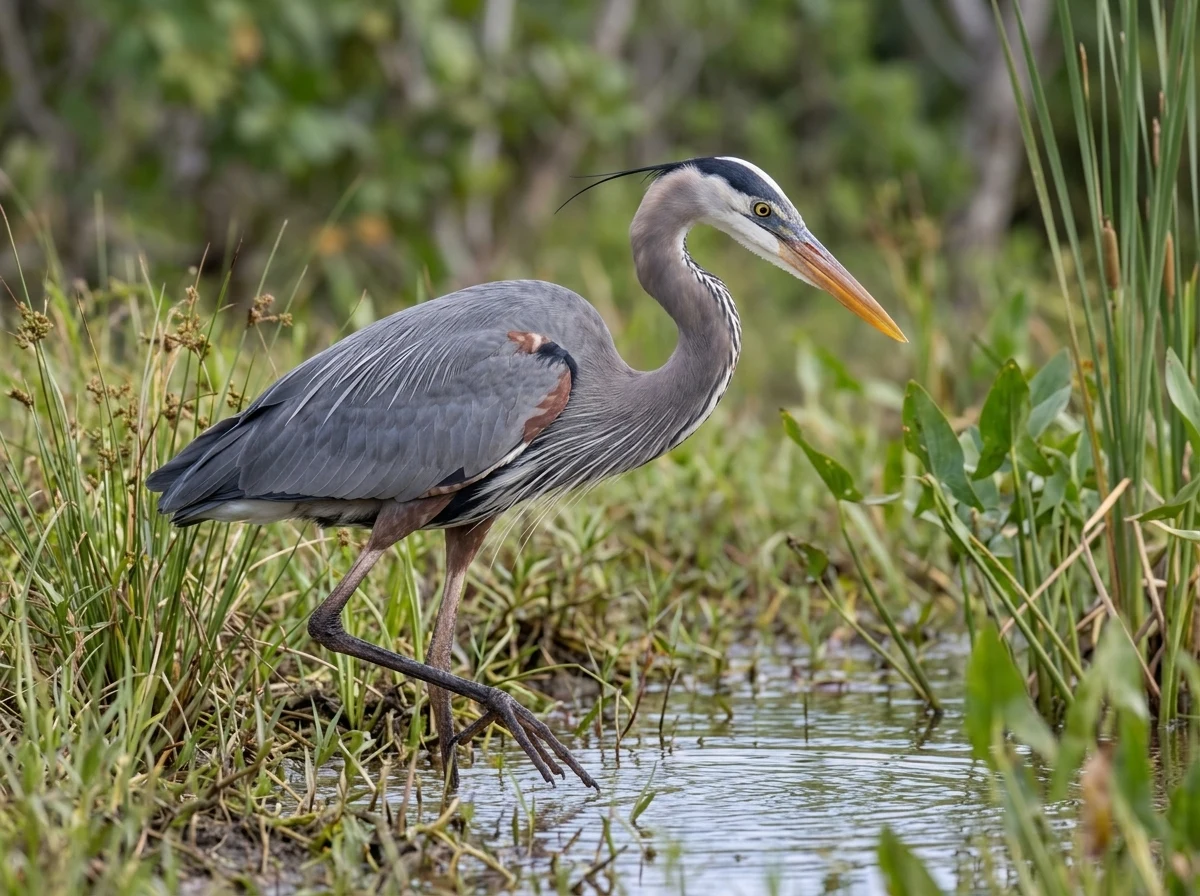
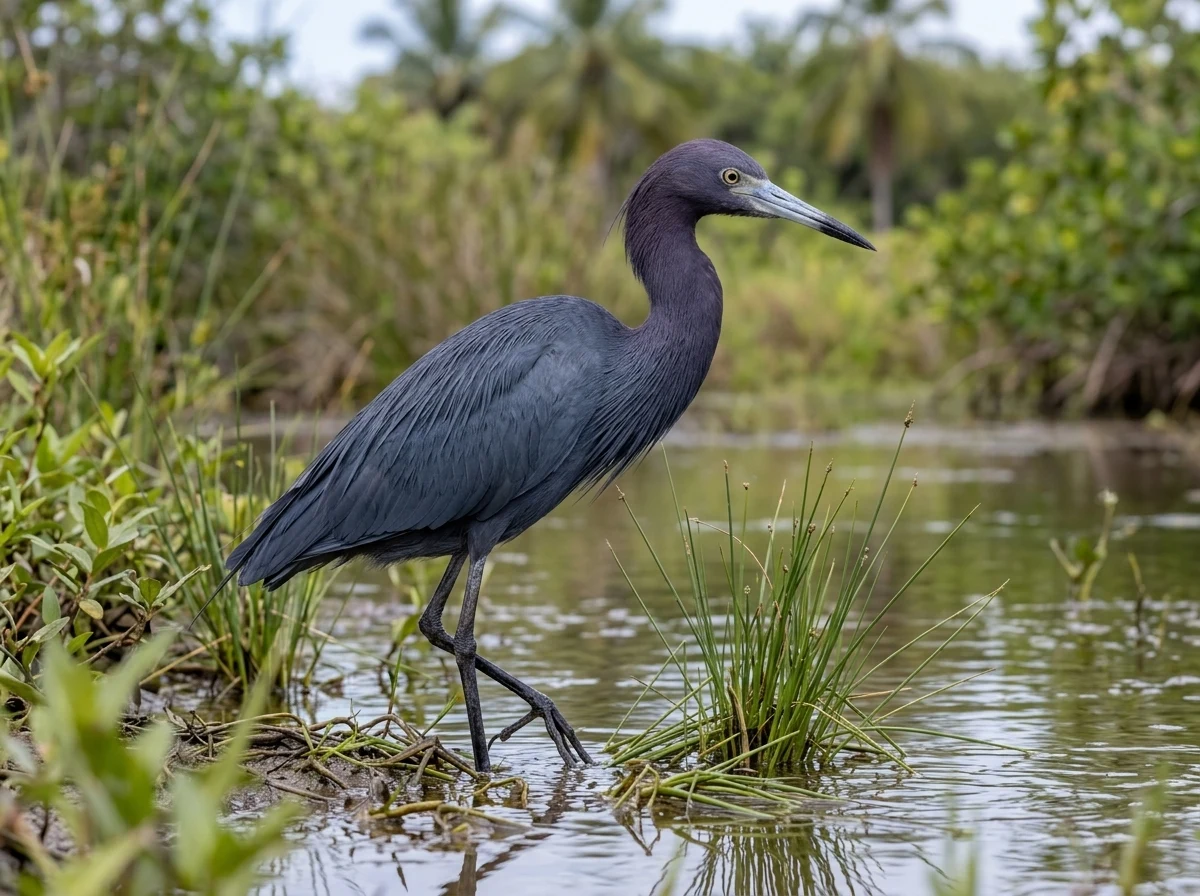
Condado Lagoon, designated an estuarine nature reserve under Law 112-2013, sits close to the piers and adds calm water. Its records include Brown Pelican, Royal Tern, Least Tern, Great Blue Heron, Little Blue Heron, Green Heron, and Spotted Sandpiper alongside the city birds. It is a good choice if you want more waterbirds without straying far from the port.
Piñones, with its mangrove forest and lagoons, and the interior forests offer more species but take more road time and depend on traffic. On a cruise day the rule is simple: choose places where a delay won't risk your return to the ship, and save the forest endemics for an organized excursion or another trip.
05
Heat, gear, and logging your list
The walls and the El Morro esplanade have little shade, and midday is hot most of the year. Bring water, a hat, and sunscreen, and carry light binoculars; an 8x42 or similar is enough for nearby seabirds. The first hours after you disembark tend to be the most active, so start looking from the pier.
Logging your day does more than jog your memory: eBird Mobile lets you build checklists offline, flags species that are rare for the area, and keeps life lists by region. If you take photos, add them to the checklist; if you can't identify a bird, iNaturalist or Merlin will offer suggestions worth confirming against field marks.
Linked profiles
Fifteen likely birds on a San Juan port day
Review these profiles before you disembark: photos, names, and seasons for quick identification.
Sound archive
Hear its voice
Explore real songs and calls. The spectrogram turns each sound into a visual trace of time and frequency.
XC998936Recording 1 of 3song

Play: song by GABRIEL LEITE
Choose another recording
Sound recorded by GABRIEL LEITE · XC998936 · CC BY-NC-SA 4.0. Visualization by Stichting Xeno-canto voor Natuurgeluiden.
Every recording retains the creator, catalogue number, and license published by Xeno-canto. Metadata via GBIF ↗
01
Can you go birding in San Juan on a cruise stop?
Yes. The cruise piers sit beside Old San Juan, and on foot you reach Paseo de la Princesa and El Morro, where pelicans, frigatebirds, terns, and city birds are easy to see. You don't need a car or a tour.
02
Can I see endemic birds in one day in San Juan?
A few. Puerto Rican Spindalis is recorded often in Old San Juan, and Puerto Rican Woodpecker shows up now and then. For Puerto Rican Tody and other forest endemics you must leave the city, which on a cruise day is best done with an organized excursion.
03
How long does the walking route take?
With four or five free hours you can cover the bay, the center, and El Morro at an easy pace. Always leave at least an hour of buffer before all-aboard time.
04
What app should I use to identify birds in Puerto Rico?
Merlin Bird ID, free from the Cornell Lab of Ornithology, identifies by photo, sound, or questions, and eBird Mobile logs your list offline. Download the packs before you disembark.
05
What is the best cruise month for birding in San Juan?
From October through March you add migrants such as warblers, Osprey, and falcons to the residents. January through July gives the best chance of White-tailed Tropicbird off El Morro.
Keep exploring
Connected routes
Sources and review
The evidence is one link away.
These sources support the editorial scope of this guide. Bird profiles also retain their own taxonomy, occurrence, and conservation references.
Reviewed:
01↗02↗03↗04↗05↗06↗07↗08↗09↗10↗11↗
Wikipedia
Port of San Juan and cruise piers
Location of the cruise piers on the San Antonio Canal between Old San Juan and Isla Grande, and distance to the airport.Wikipedia
Paseo de la Princesa
Length (about 0.8 km), history, and route of the promenade along the wall and bay to the San Juan Gate.U.S. National Park Service
San Juan National Historic Site: basic information
Confirms the site includes El Morro, San Cristóbal, most of the city walls, the San Juan Gate, and Fort San Juan de la Cruz.Global Biodiversity Information Facility (GBIF)
GBIF bird records for Old San Juan
Record counts by species and month for a box covering the Old San Juan islet; 96% of the records come from eBird (queried September 24, 2026).Estuario de la Bahía de San Juan
Condado Lagoon Estuarine Nature Reserve
Designation of the lagoon as an estuarine nature reserve under Law 112-2013 and its co-management.Cornell Lab of Ornithology
eBird Mobile
Features of the free app: checklists by place and date, rarity feedback, offline regional packs, and more than 20 languages.Cornell University
Merlin Bird ID on the App Store
Confirms Merlin is free and offers Sound ID, Photo ID, guided questions, and downloadable packs for offline use.Global Biodiversity Information Facility (GBIF)
Monthly Least Tern records in Puerto Rico
Monthly distribution of more than 6,000 records; nearly all fall between April and September.Global Biodiversity Information Facility (GBIF)
GBIF bird records for Condado Lagoon
Most-recorded species around Condado Lagoon, used to describe what to expect near the cruise piers.Departamento de Recursos Naturales y Ambientales
Piñones State Forest
Official context for Puerto Rico's largest mangrove forest.iNaturalist
iNaturalist on the App Store
Free app from a nonprofit that suggests species from photos and supports community identification.The atlas continues