 AI
AIHistoric islet
Birds of Old San Juan
Walls, plazas, and open sea within a kilometer: a reading based on tens of thousands of real sighting records.
Reviewed:The walled city is also a good place to watch birds.
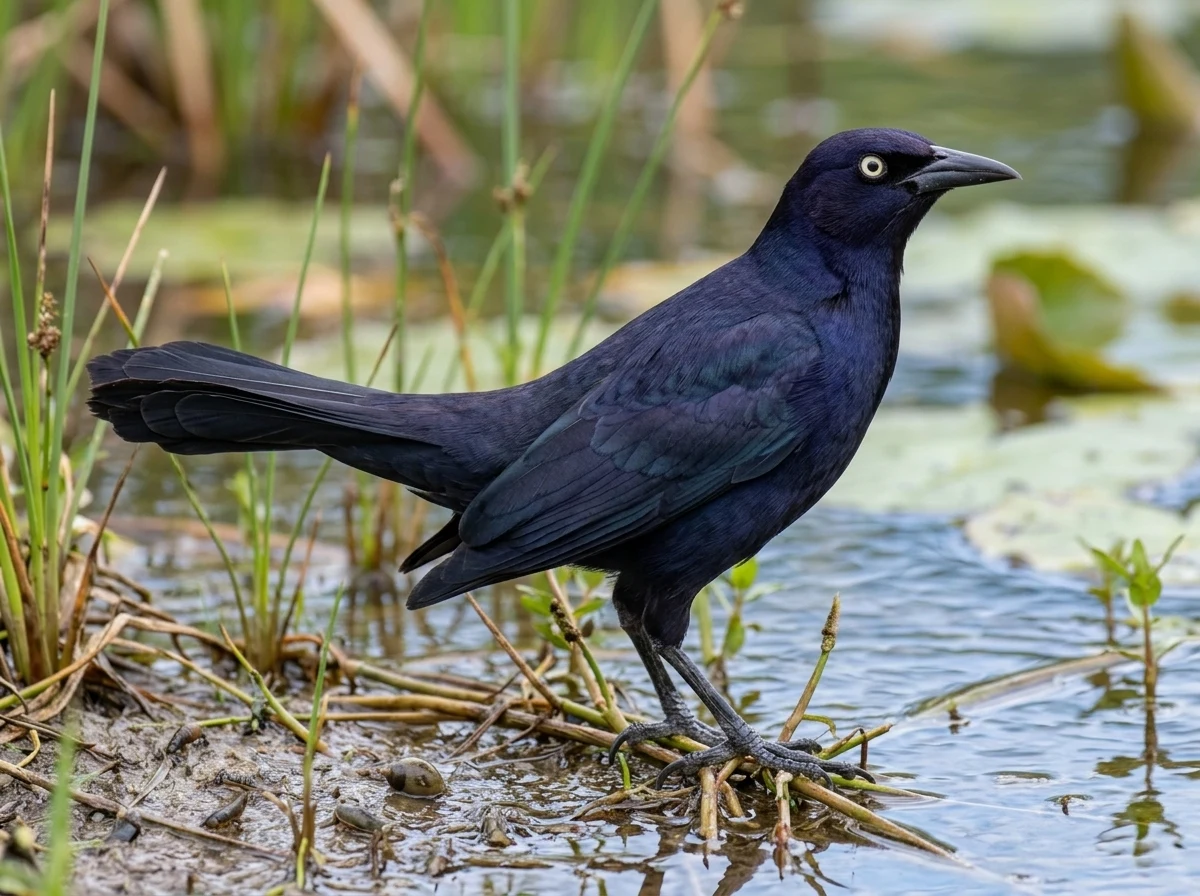
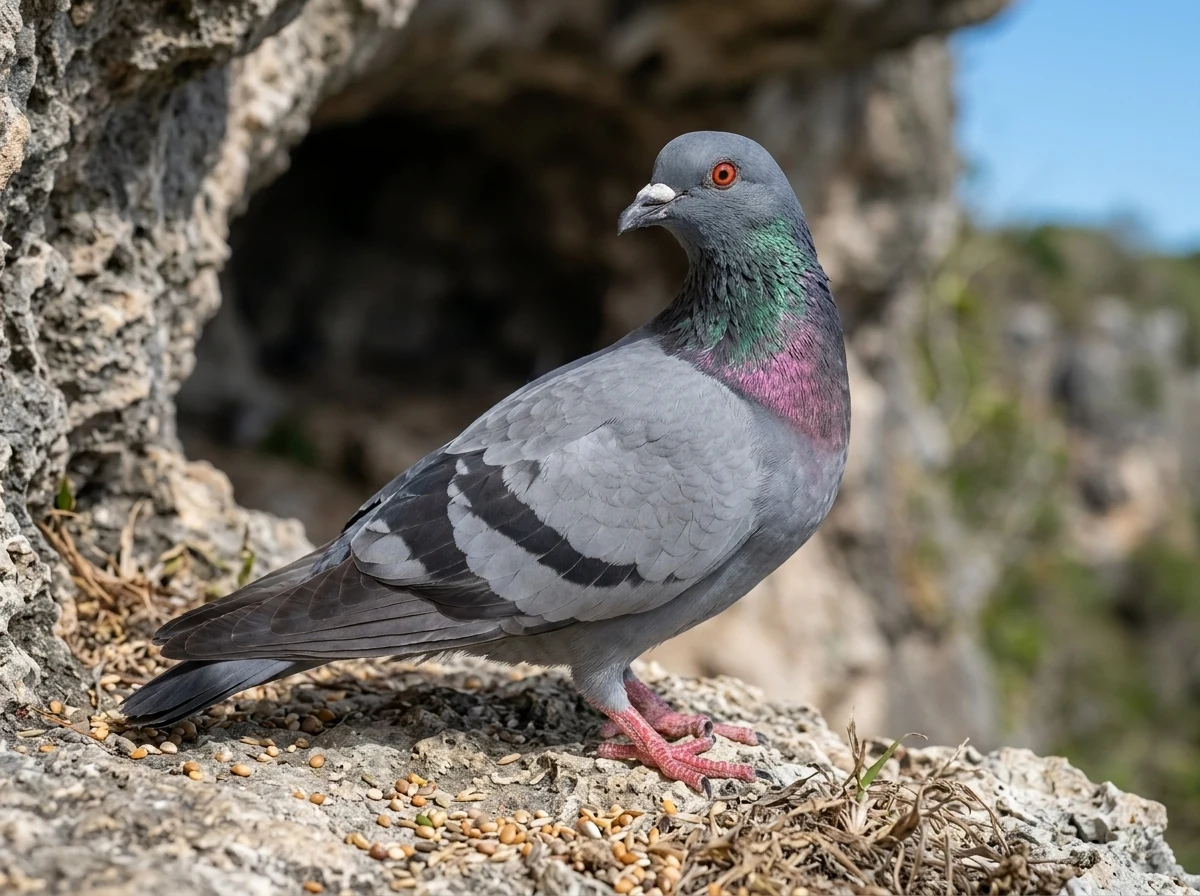
In Old San Juan the easiest birds to see are Greater Antillean Grackle, Rock Pigeon, Zenaida Dove, Bananaquit, and Gray Kingbird in the streets and plazas, plus Brown Pelican and Magnificent Frigatebird over the sea. They are the most-recorded species on the islet, and many show up on a short walk between the walls, plazas, and shoreline.
GBIF, the network that aggregates biodiversity data, holds more than 45,900 bird records for a box covering the islet; 96% come from eBird checklists. Close to 200 species appear in total, but many are one-off records of migrants or escaped cage birds. This guide separates the daily core, the seabirds, the seasonal visitors, and the introduced parakeets so you know what to realistically expect.
Historic islet
Old San Juan by the numbers
45,900+bird recordsIn GBIF for the islet; 96% come from eBird.
~200species recordedIncludes rare migrants and escapees; the daily core is much smaller.
Oct–novBlackpoll Warbler windowAll of its records on the islet fall in those two months.
2regularly recorded endemicsPuerto Rican Spindalis and Puerto Rican Woodpecker appear in the urban records.
01
The street and plaza core
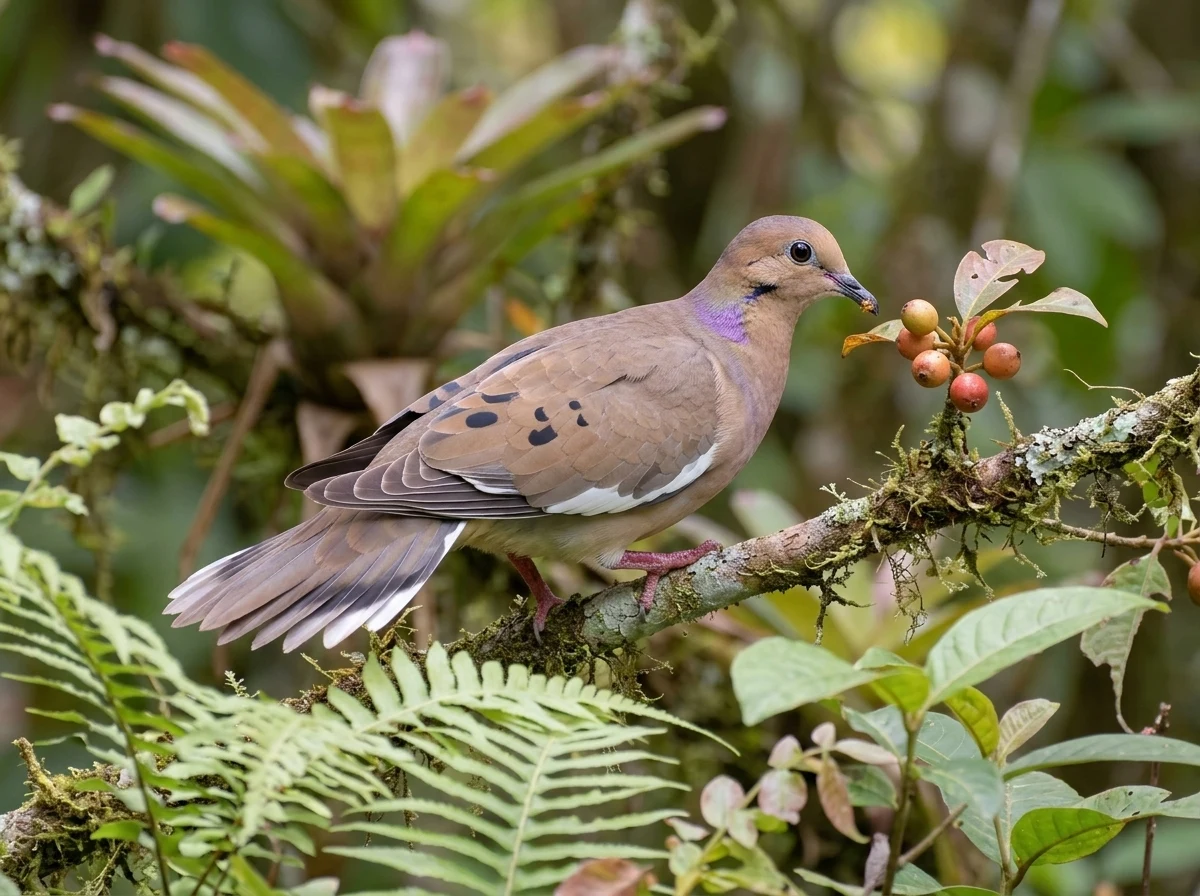
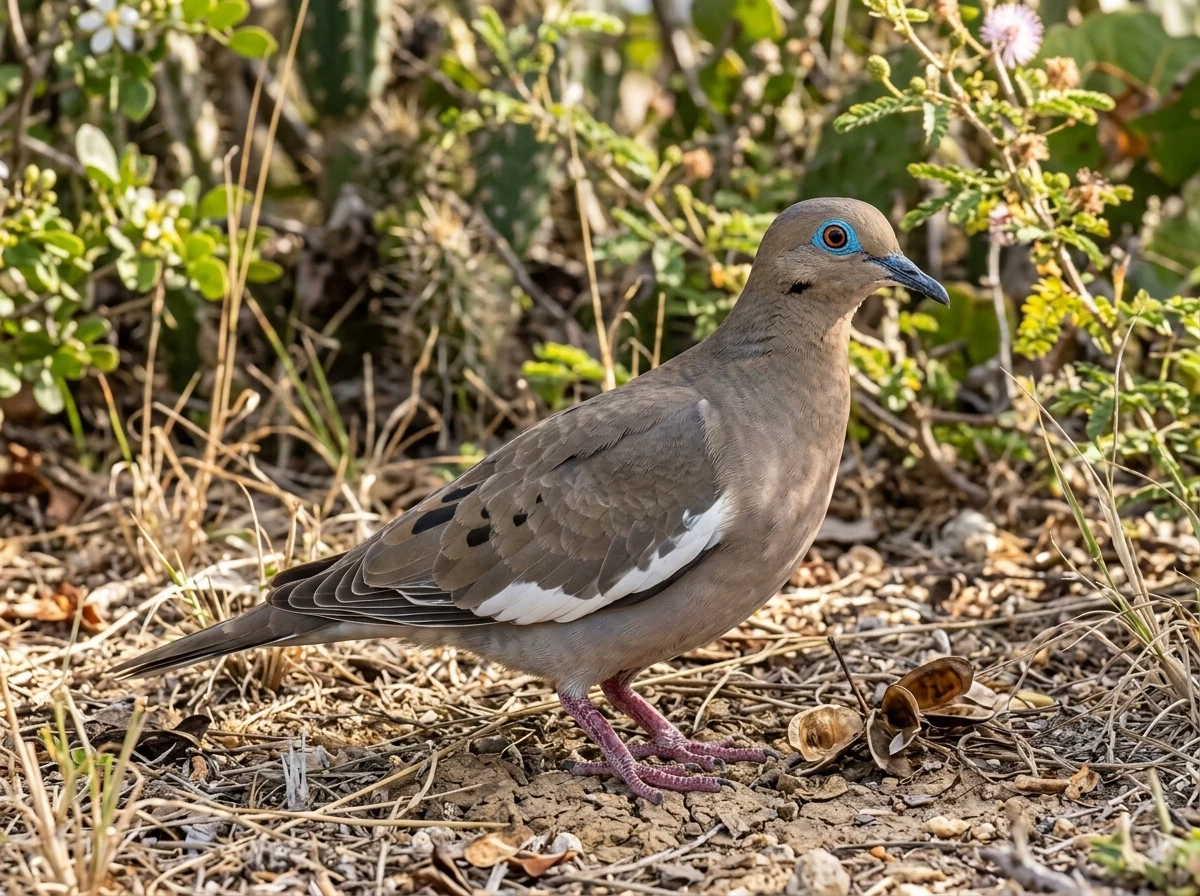
Greater Antillean Grackle leads the list: males are glossy black with a pale eye and a long keel-shaped tail, and their chatter carries through plazas and trees from early morning. Next come Rock Pigeon, which is introduced, and two native doves: Zenaida Dove, with a white trailing edge on the wing, and White-winged Dove, with a white stripe visible on the folded wing. House Sparrow, also introduced, works sidewalks and cafés.
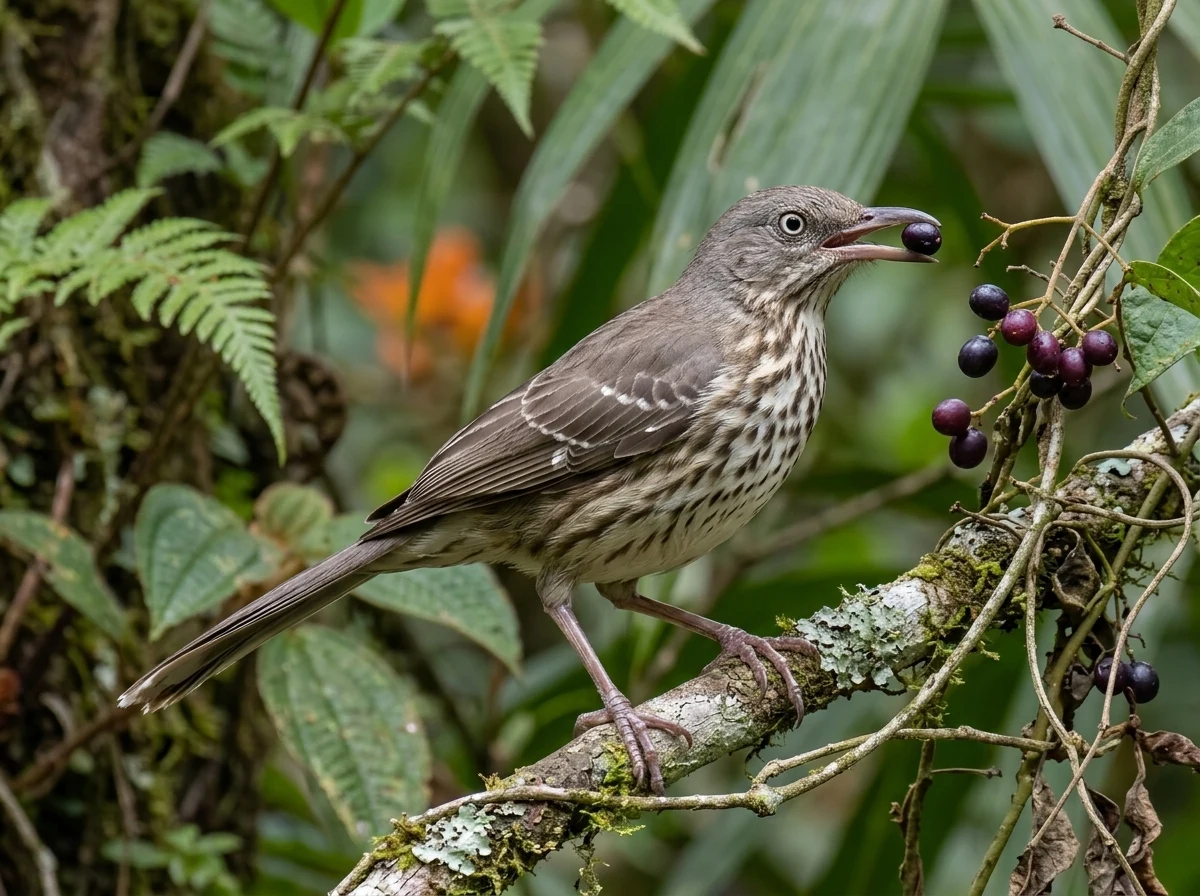
In the foliage you will find the Bananaquit, small, with a yellow breast, white eyebrow, and a curved bill for nectar. Gray Kingbird perches on wires and antennas and sallies out for flying insects; Northern Mockingbird sings from rooftops, and the pale-eyed Pearly-eyed Thrasher looks for fruit and scraps. With those eight species you can name most of what you will see on an afternoon stroll.
02
El Morro and the north shore: the sea as habitat
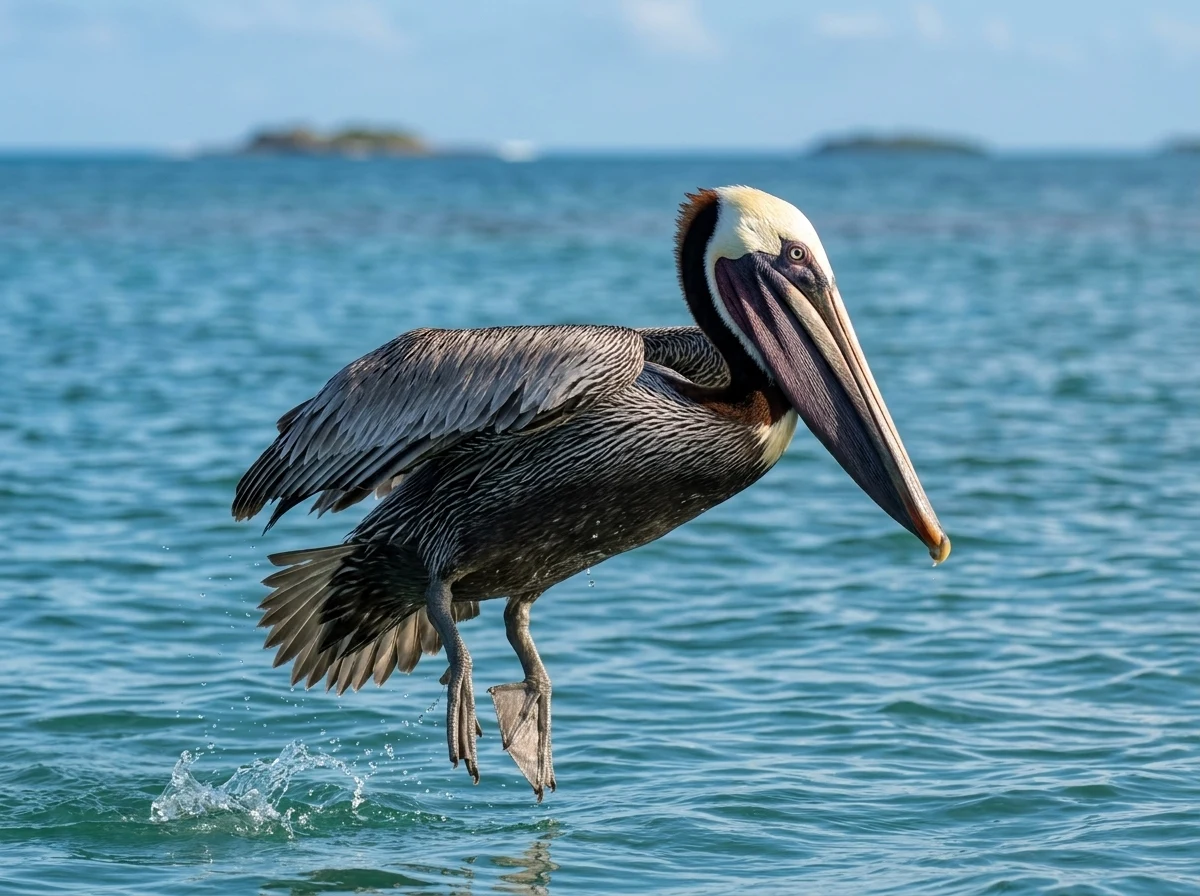
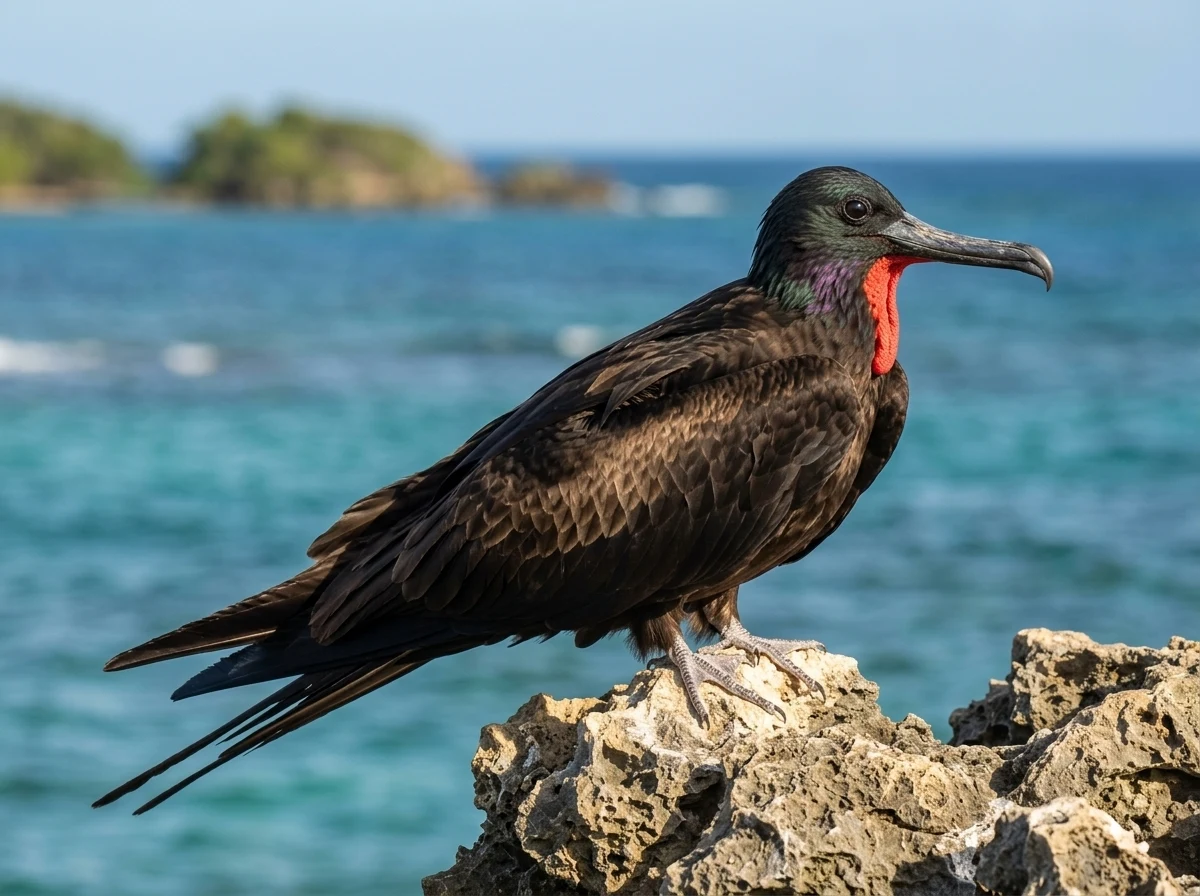
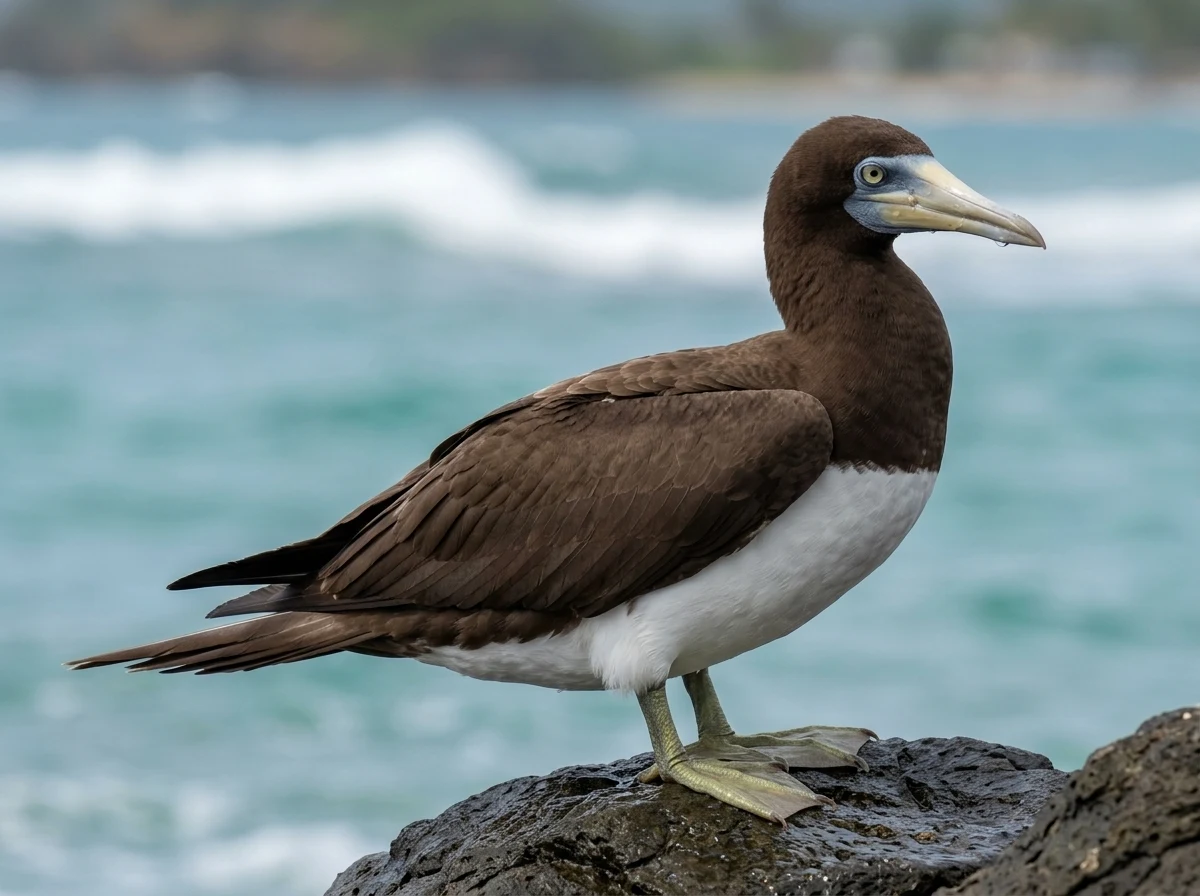
The El Morro esplanade and the walls of San Juan National Historic Site give an open horizon over the Atlantic and the mouth of the bay. From there you can watch Brown Pelicans plunge-diving headfirst, Magnificent Frigatebirds soaring high on forked tails, and Brown Boobies, which are recorded in every month of the year. Brown Pelican is listed as endangered by Puerto Rico's natural resources department (DNER), so watch it without approaching its perches.
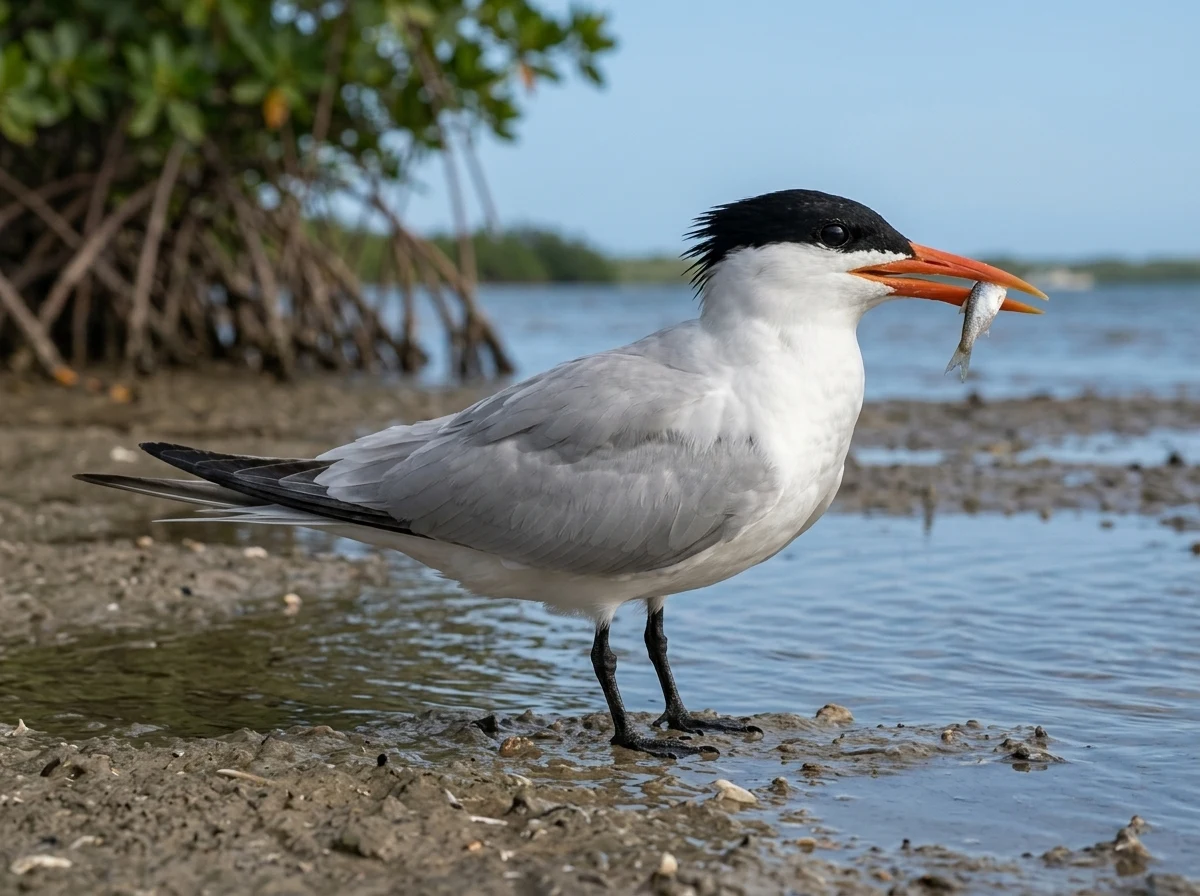
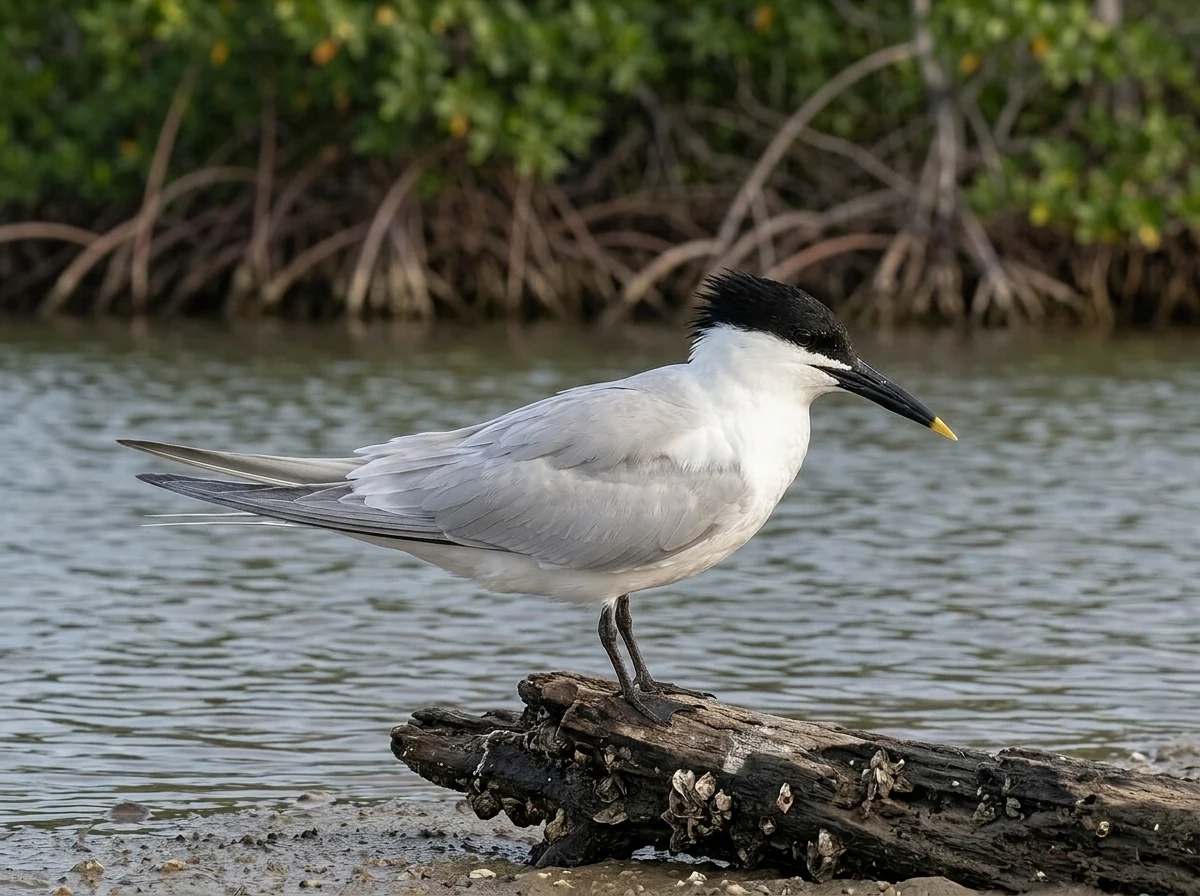
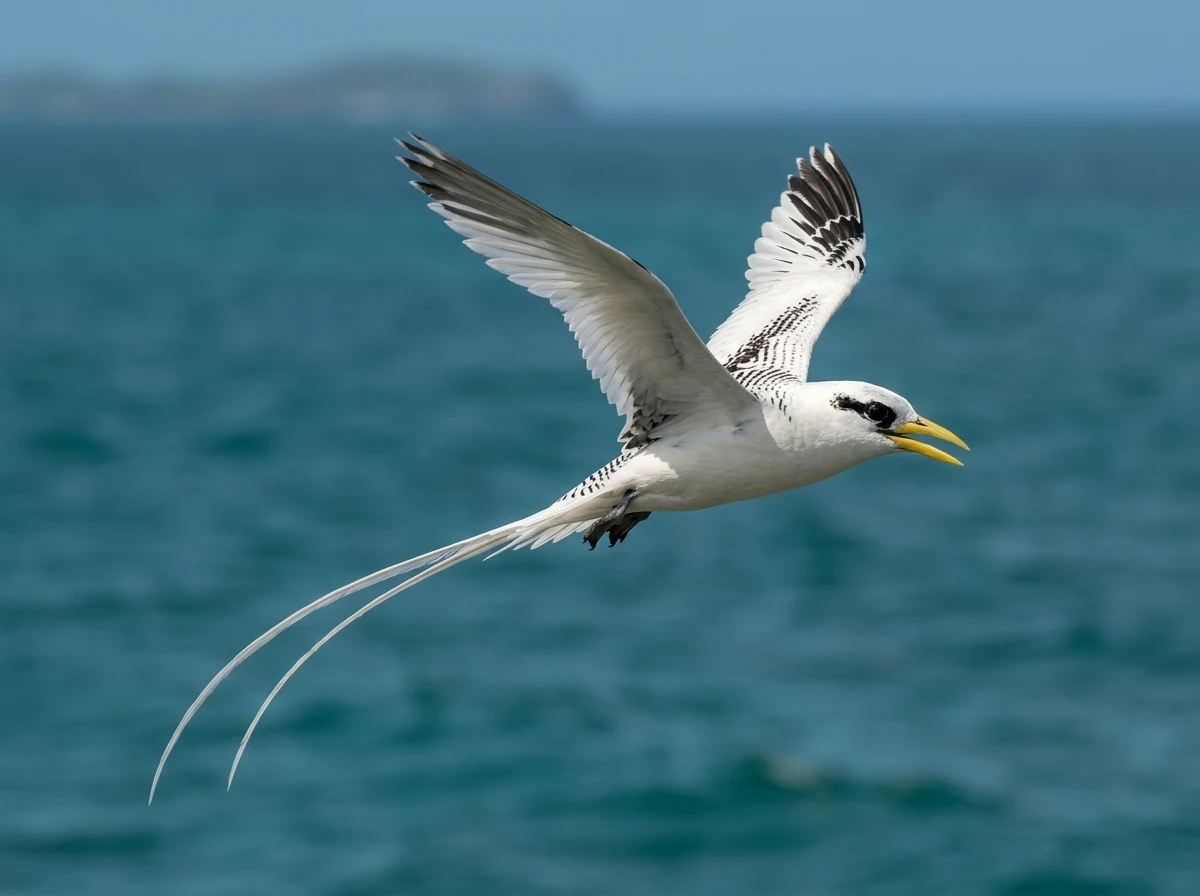
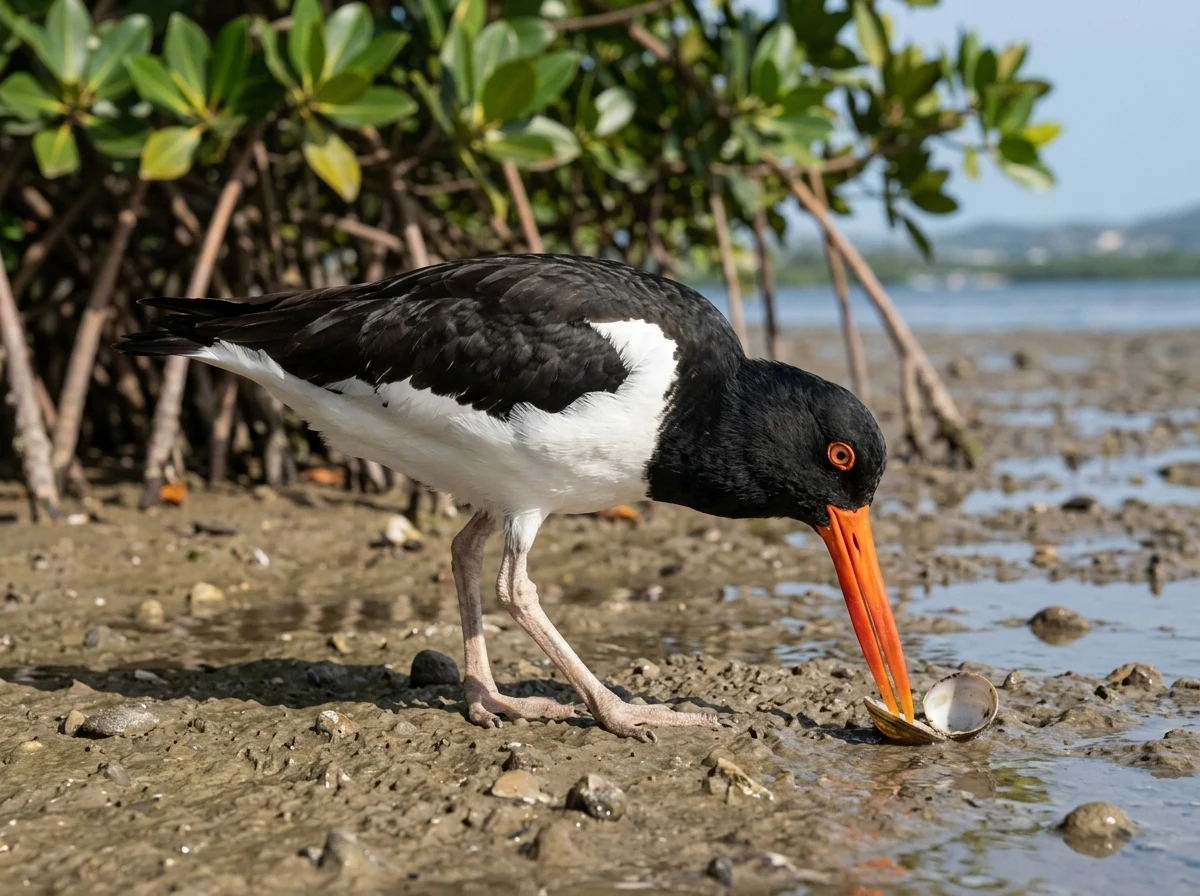
The most common terns are Royal Tern, with a thick orange bill, and Sandwich Tern, with a black bill tipped yellow. From January through July you can also find White-tailed Tropicbird, a white seabird with very long central tail feathers; its records on the islet peak in February and March and nearly vanish from August through November. American Oystercatcher, with its red bill, is also recorded along the rocky shore.
03
Paseo de la Princesa and the bay side
Paseo de la Princesa runs about 0.8 kilometers beside the southwestern wall, partly along San Juan Bay, and ends at the San Juan Gate. It is the side with calmer water: besides pelicans and terns, the islet records include Great Egret, Little Blue Heron, and Yellow-crowned Night Heron, though in far smaller numbers than the city birds.
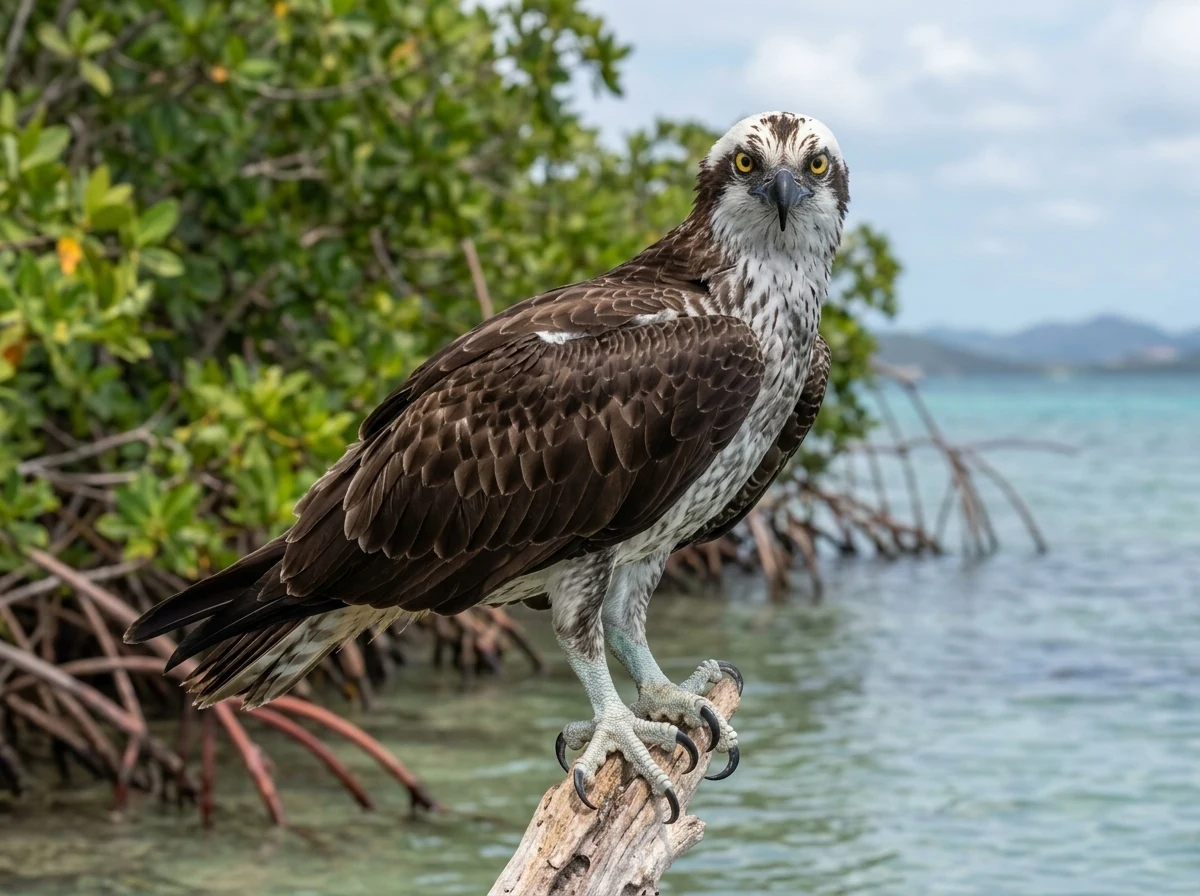
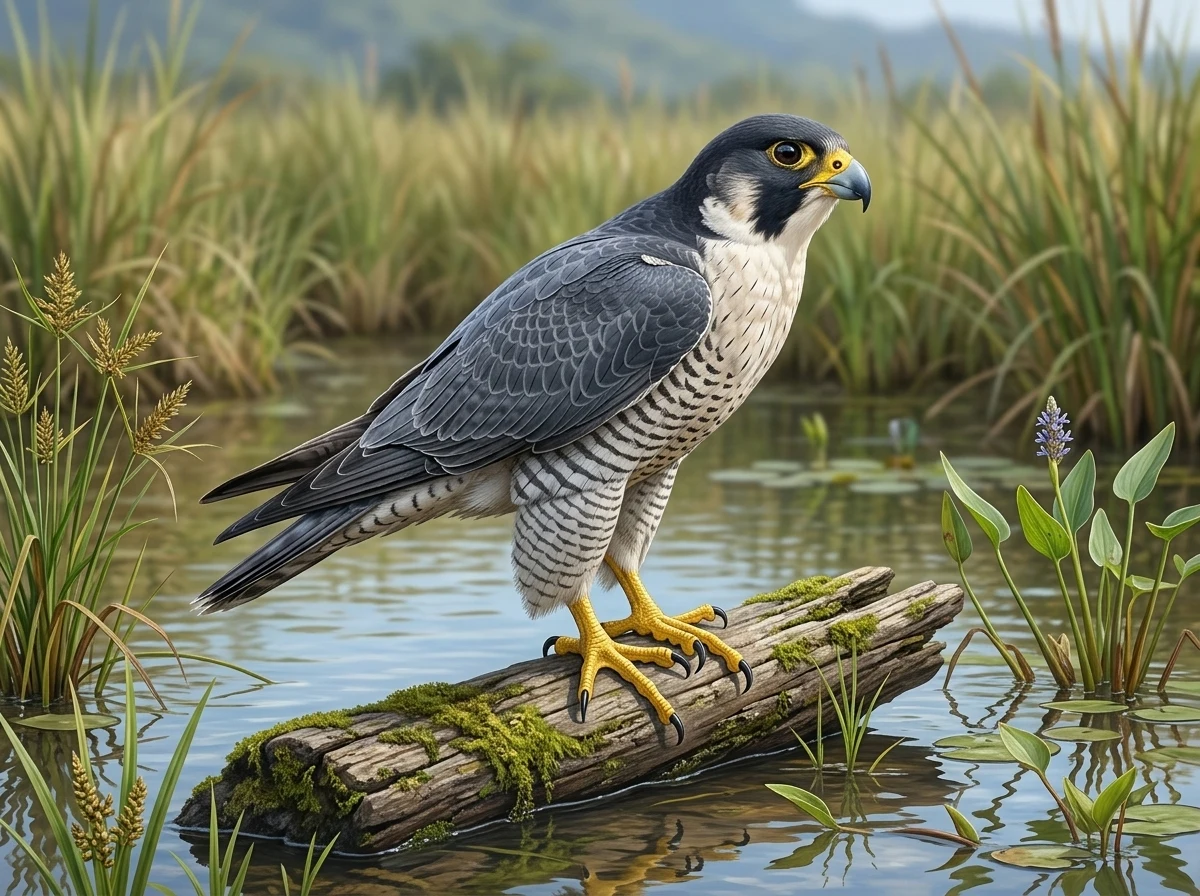
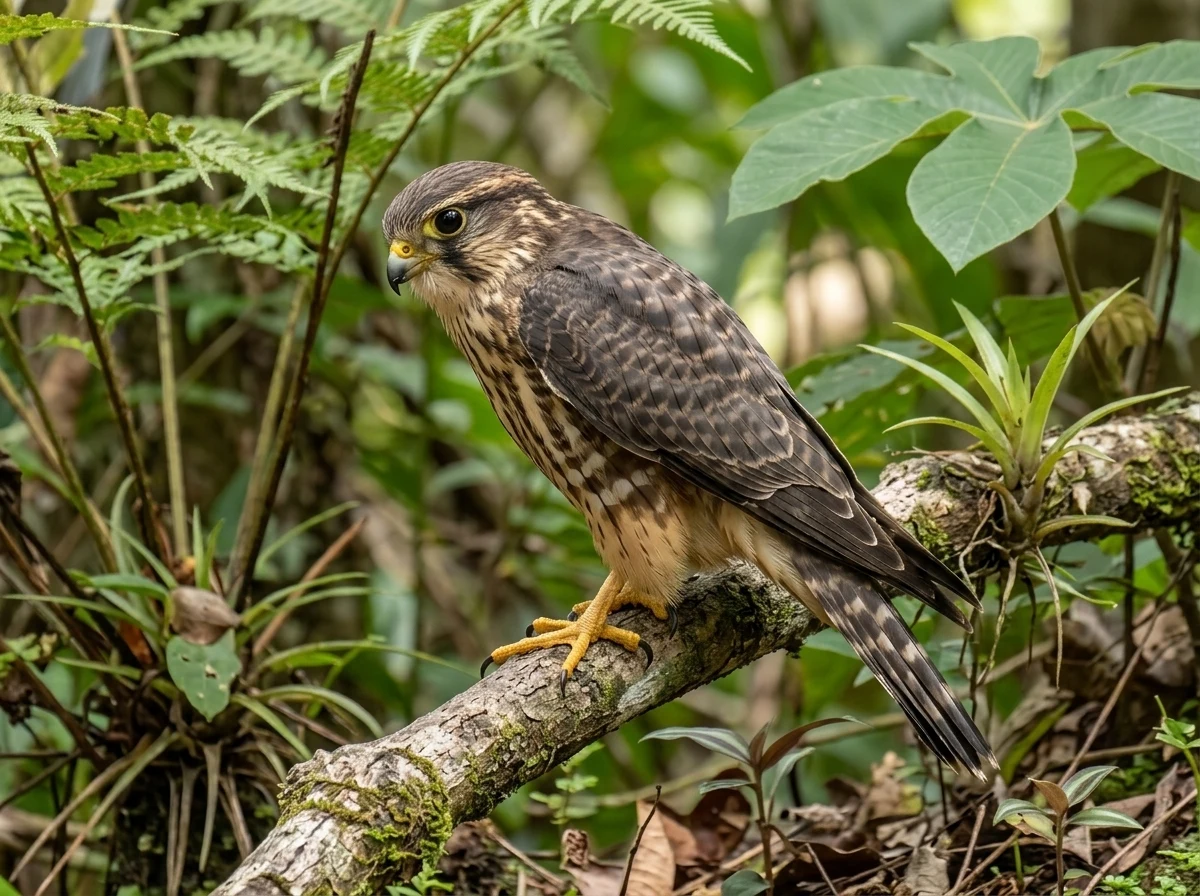
From October through March, scan poles and masts: Osprey concentrates its records in those months and barely appears from April through September. Peregrine Falcon and Merlin are recorded in the same season and sometimes chase pigeons over the walls. None is guaranteed, but a ten-minute pause watching the sky changes the day's list a lot.
04
Seasons: martins in summer, warblers in fall
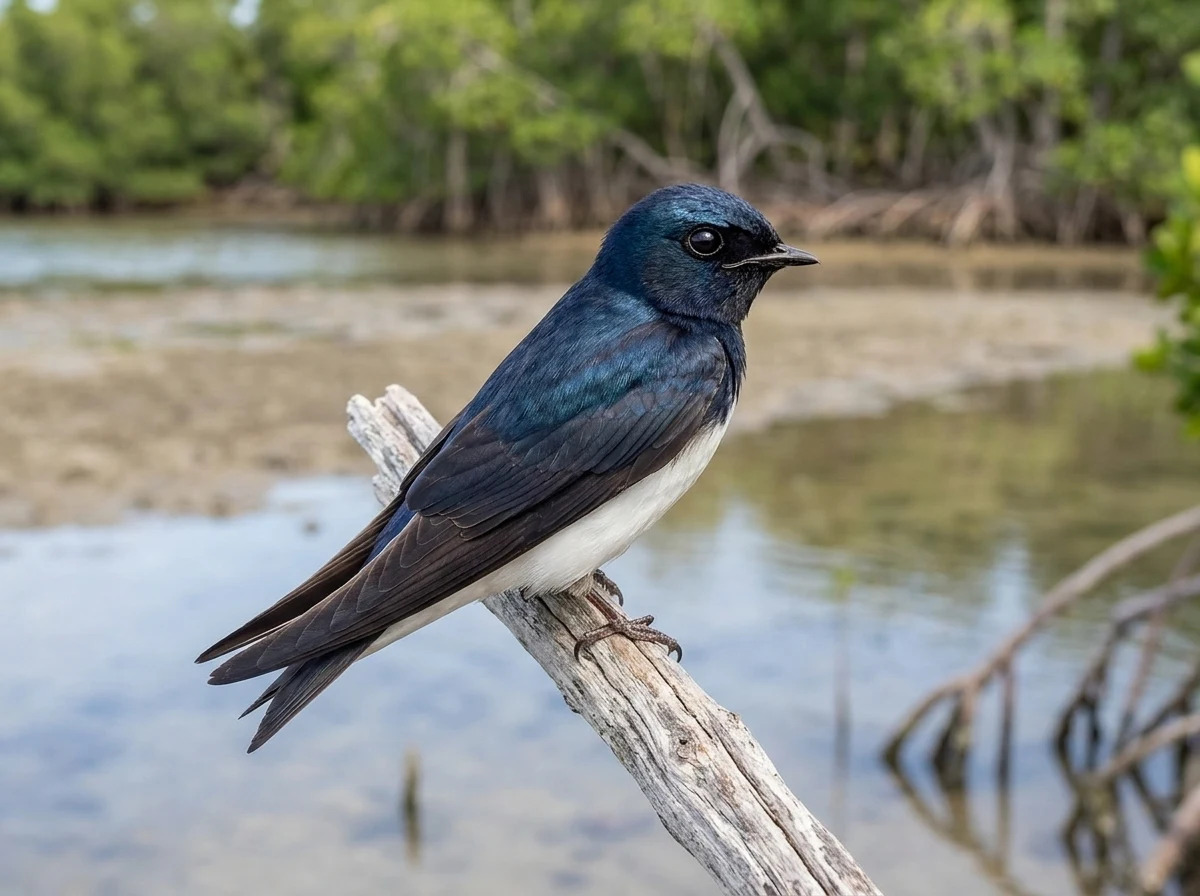
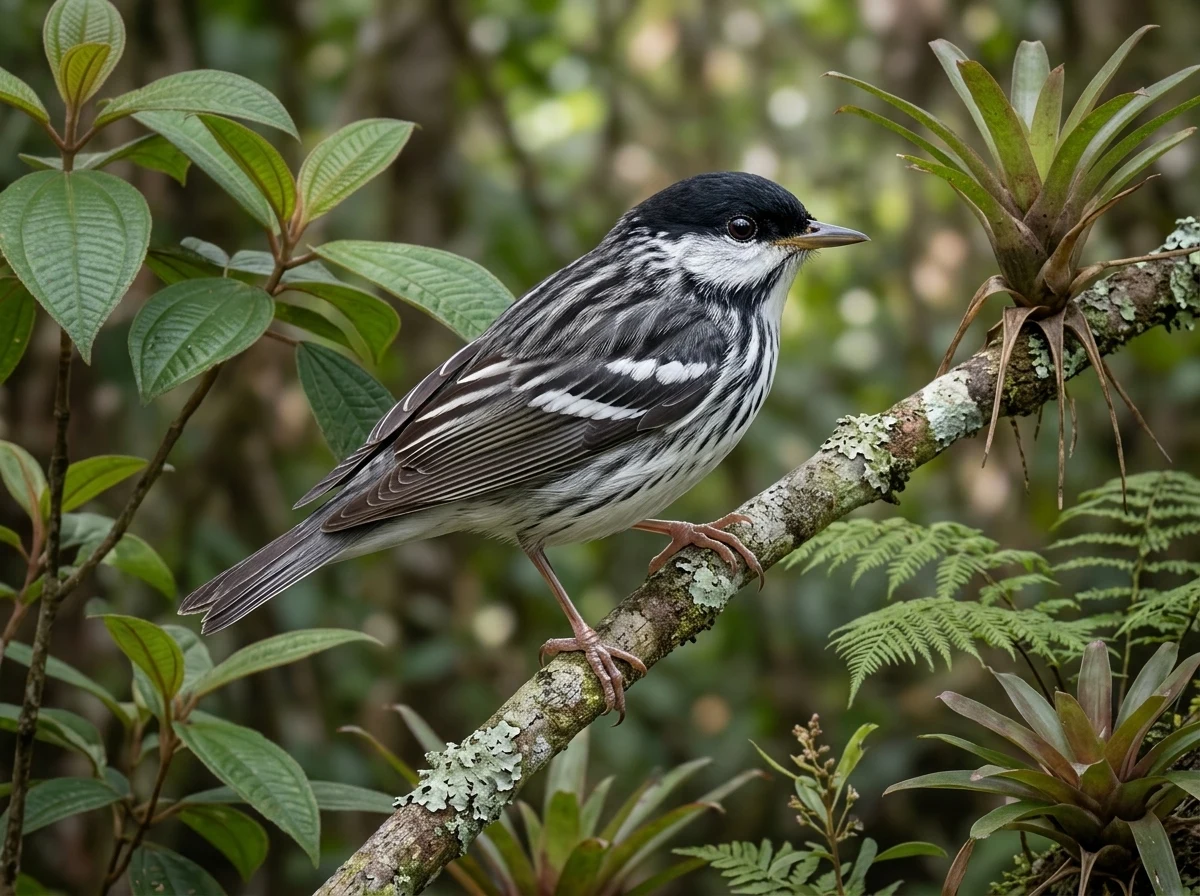
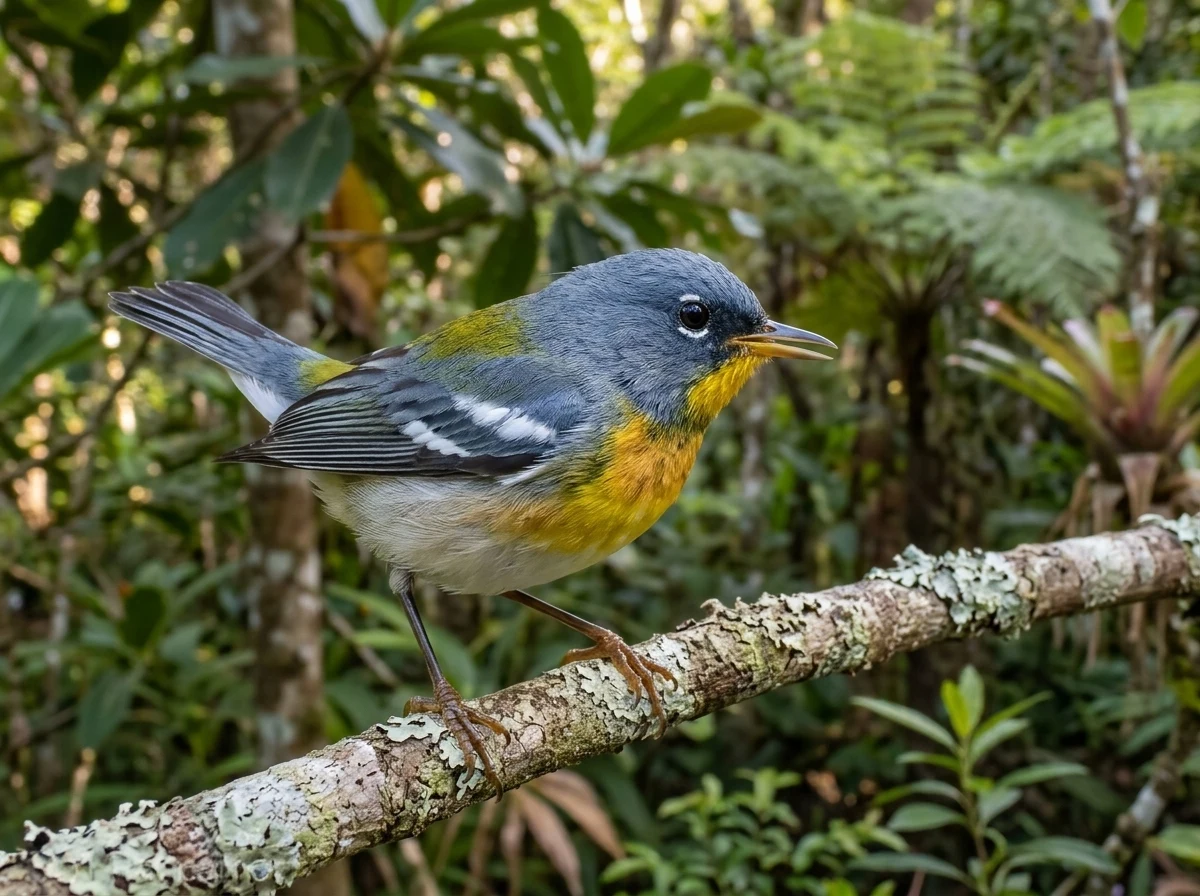
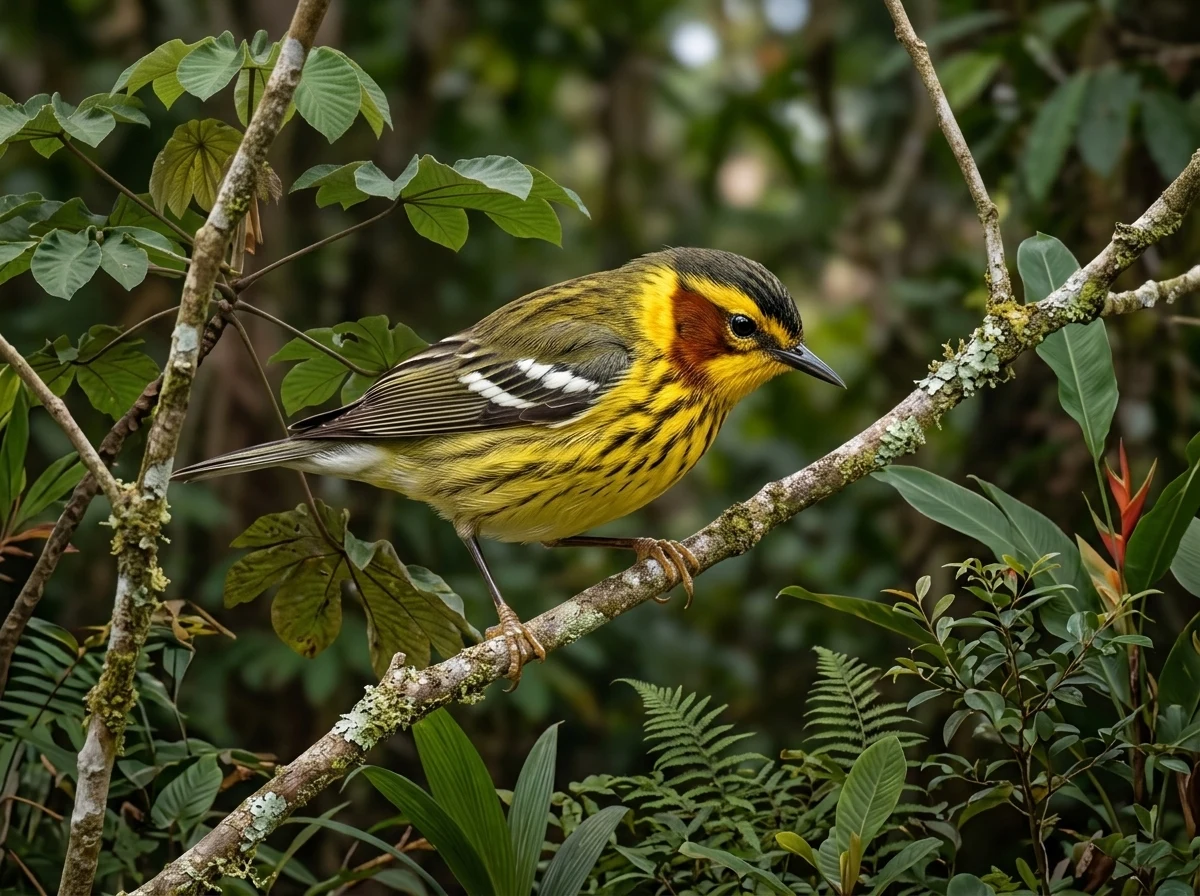
Caribbean Martin, a large white-bellied swallow, has records from January through August, peaking in June and July, and nearly disappears from October through December. Migrant warblers work the other way and arrive in fall: Blackpoll Warbler appears only in October and November, passing through toward South America, while Northern Parula and Cape May Warbler are recorded from October through April.
October is the month with the most records on the islet, which reflects both migration and birder effort. To find migrants, check the shade trees in plazas and courtyards early in the day, when birds feed actively. If you visit in summer, make up for it at the sea: frigatebirds and pelicans are present all year.
05
Introduced parakeets and city endemics
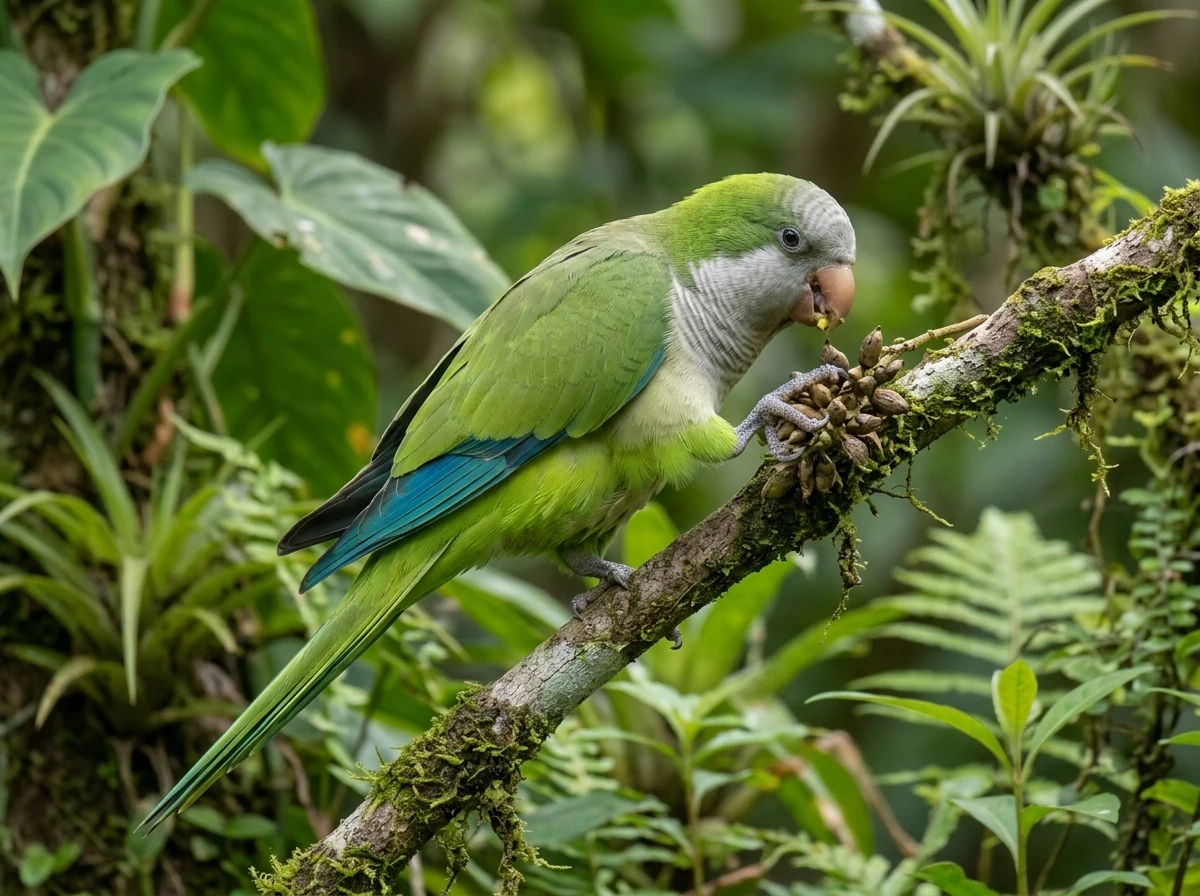
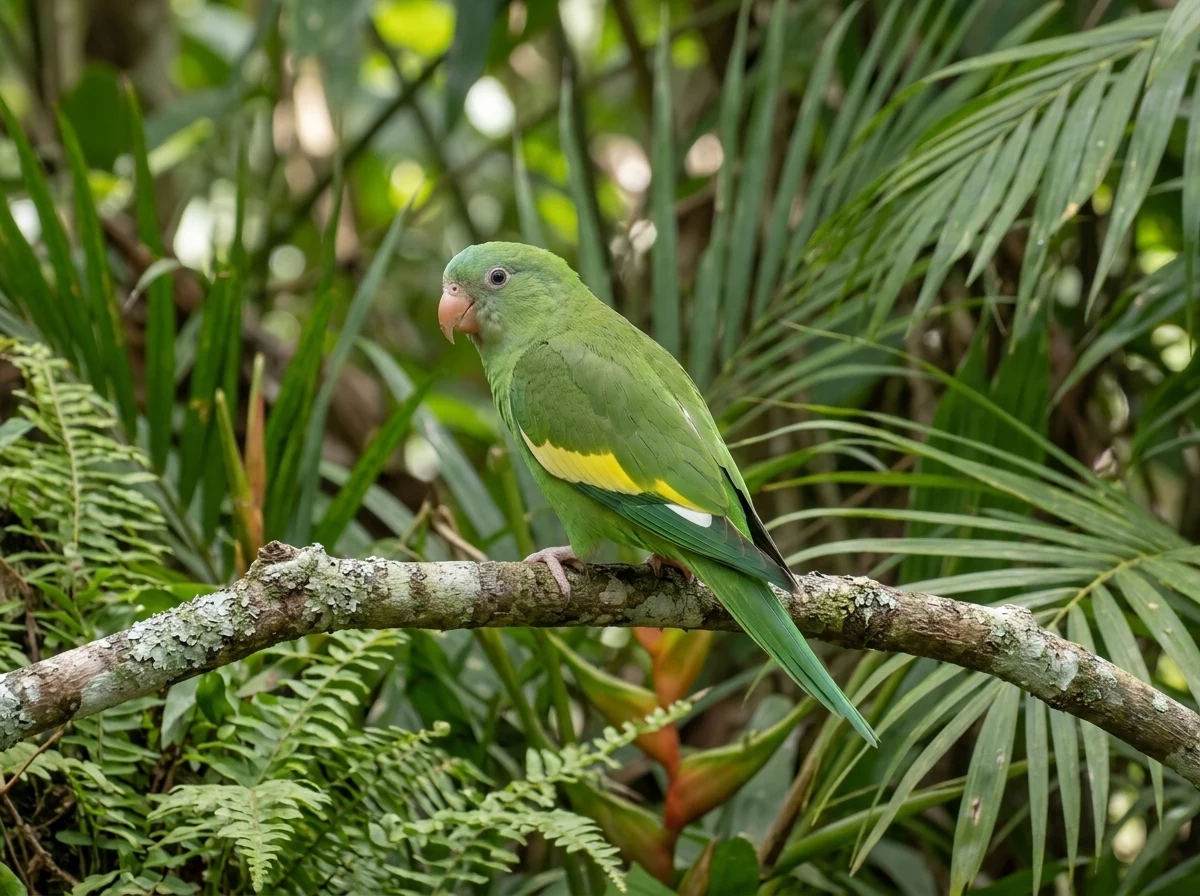
Monk Parakeet, green with a gray breast, is the fifth most-recorded species on the islet and is introduced from South America. White-winged Parakeet and escaped or established Amazon parrots are recorded too. None of them is the Puerto Rican Parrot, an endangered endemic that is not part of the city's birdlife; if you see a green parakeet in San Juan, compare it with the introduced species first.
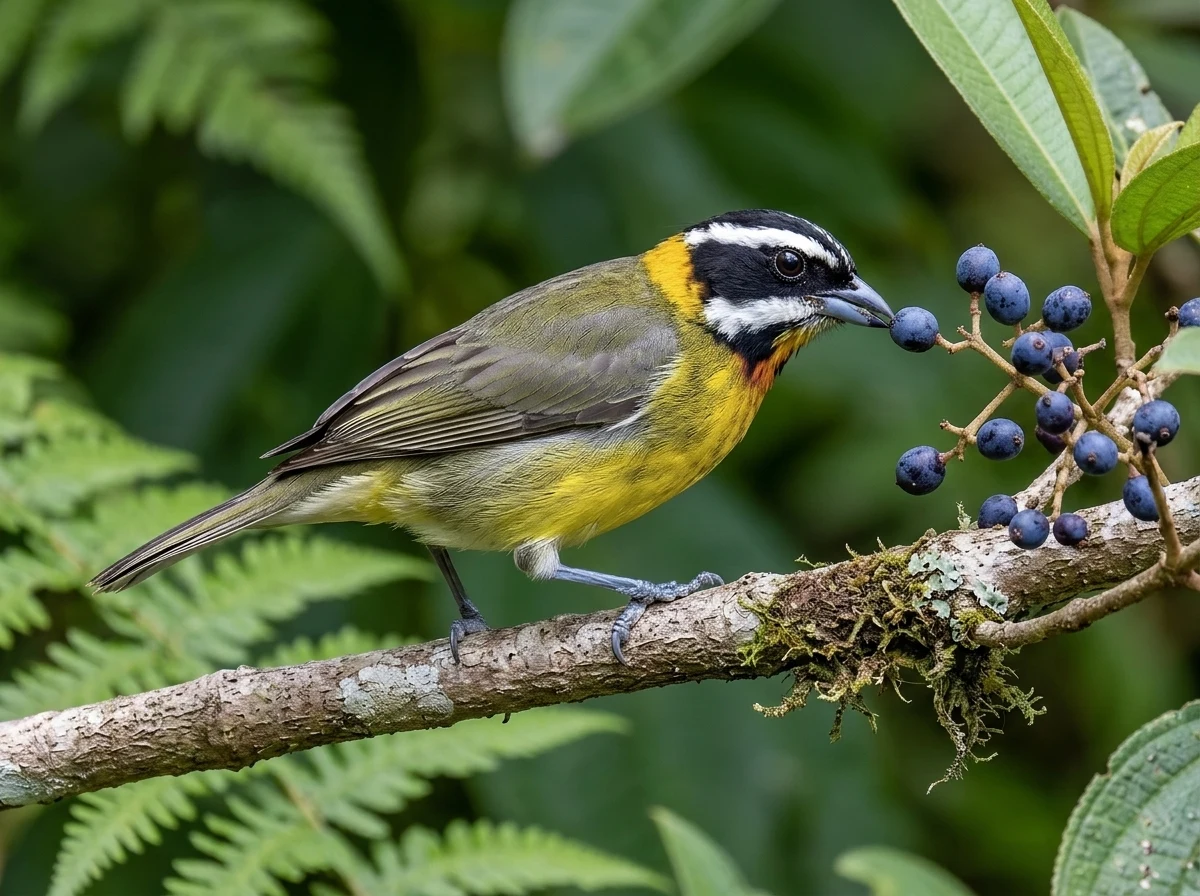
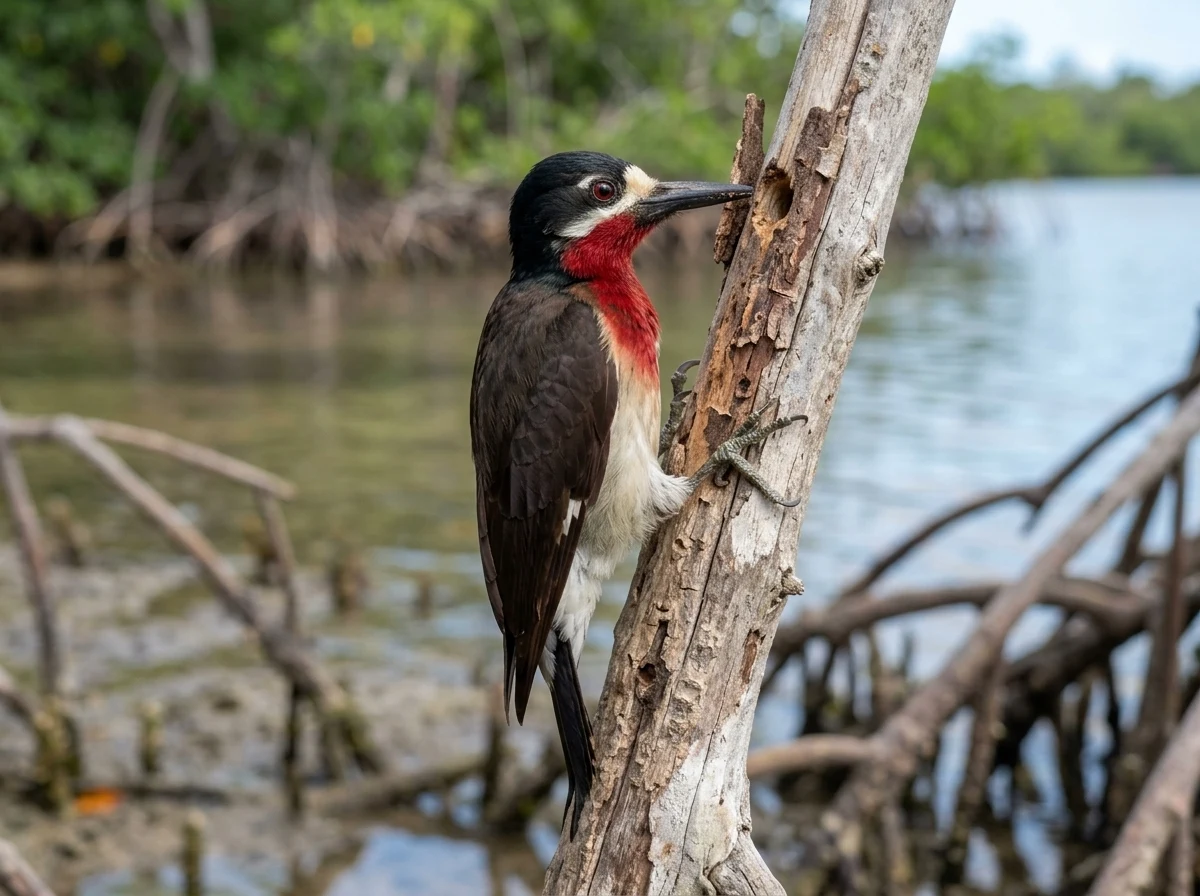
There are endemics in the historic district. Puerto Rican Spindalis, whose male pairs a black-and-white striped head with an orange breast, has nearly 600 records, mostly in fruiting trees. Puerto Rican Woodpecker appears less often in large trees. For Puerto Rican Tody and other forest endemics you will need to leave the metro area.
Linked profiles
Old San Juan birds, from plaza to horizon
Start with the city species, then open the seabirds and seasonal visitors; each profile has photos, names, and status.
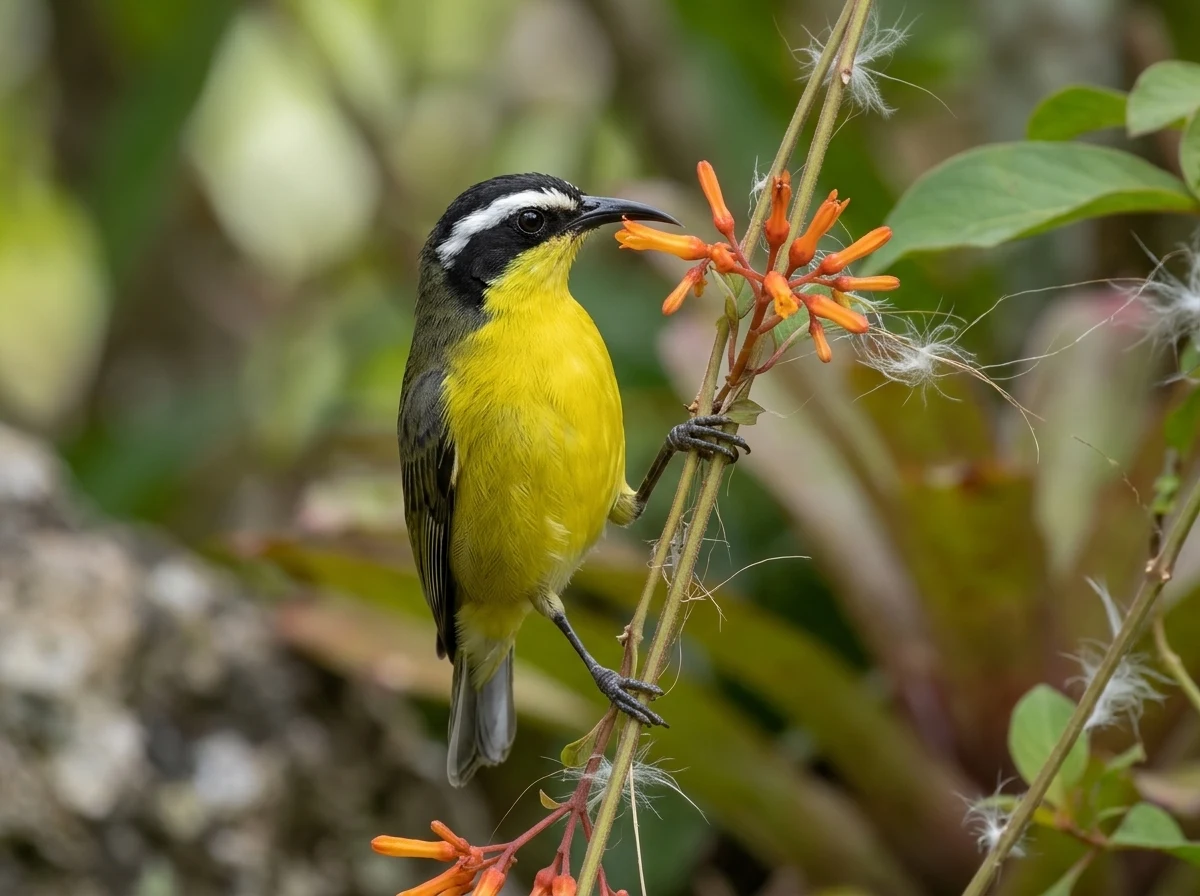
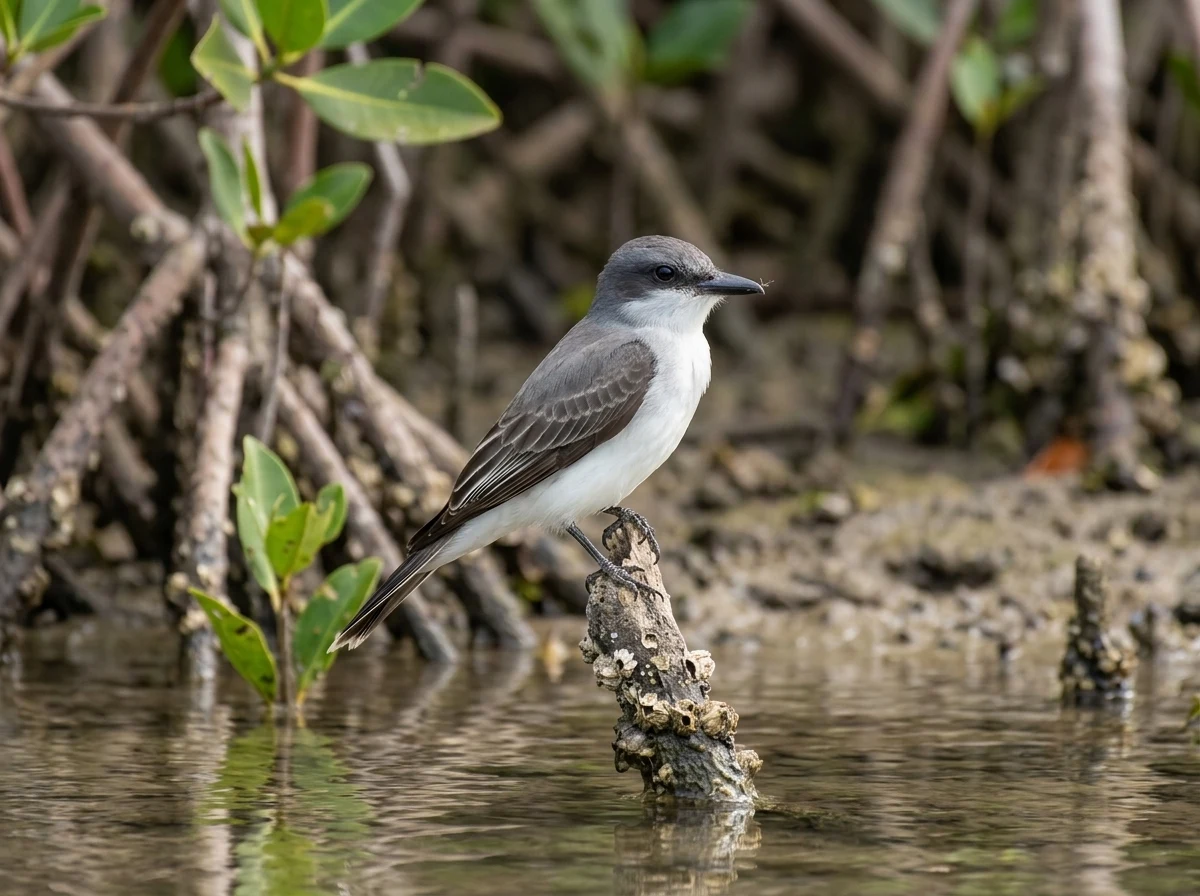
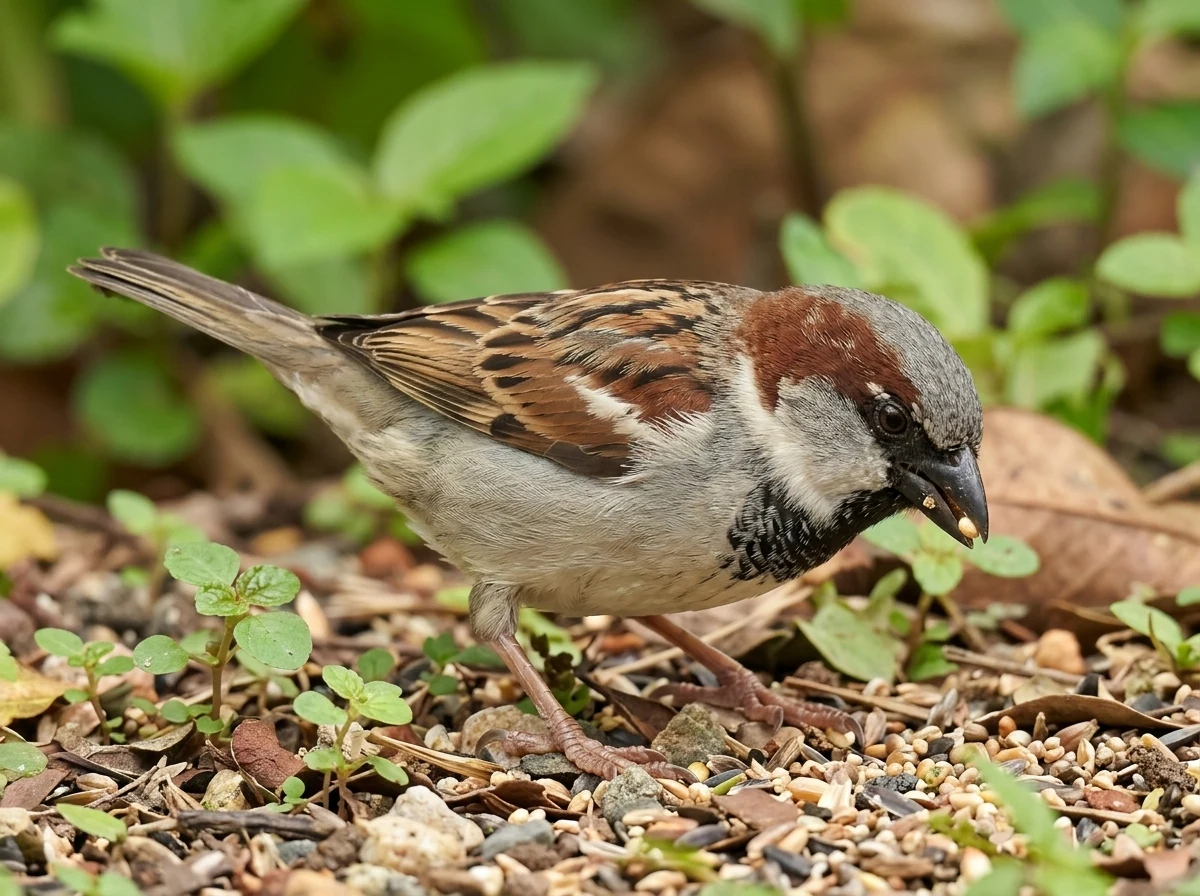
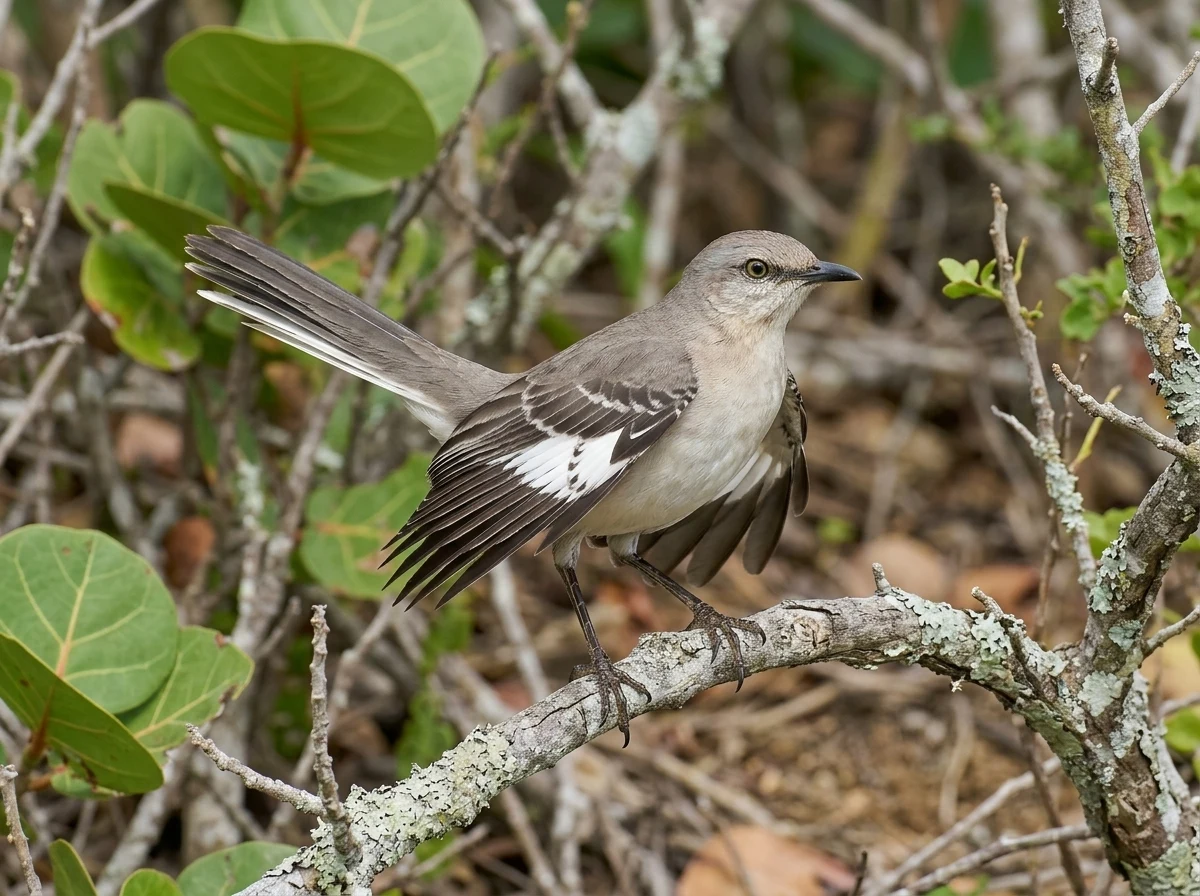
Sound archive
Hear its voice
Explore real songs and calls. The spectrogram turns each sound into a visual trace of time and frequency.
XC998936Recording 1 of 3song

Play: song by GABRIEL LEITE
Choose another recording
Sound recorded by GABRIEL LEITE · XC998936 · CC BY-NC-SA 4.0. Visualization by Stichting Xeno-canto voor Natuurgeluiden.
Every recording retains the creator, catalogue number, and license published by Xeno-canto. Metadata via GBIF ↗
01
What birds can you see in Old San Juan?
The most common are Greater Antillean Grackle, Rock Pigeon, Zenaida Dove, Bananaquit, Monk Parakeet, White-winged Dove, and Gray Kingbird. Over the sea, Brown Pelican, Magnificent Frigatebird, Brown Booby, and Royal Tern dominate.
02
Where is the best place in Old San Juan to see birds?
Combine two spots: the El Morro esplanade for seabirds over the Atlantic and Paseo de la Princesa for the calmer bay side. In between, plazas with shade trees hold Bananaquits, doves, and Puerto Rican Spindalis.
03
Are there endemic birds in Old San Juan?
Yes, a few. Puerto Rican Spindalis is the most-recorded endemic on the islet, and Puerto Rican Woodpecker shows up occasionally. Most of the 19 endemics require forests outside San Juan.
04
Are the green parakeets in San Juan Puerto Rican Parrots?
No. The city's green parakeets are introduced species, mainly Monk Parakeet and White-winged Parakeet. The Puerto Rican Parrot is an endangered endemic that lives in forests under recovery programs, not in the city.
05
What is the white bird with a long tail flying off El Morro?
It is almost certainly White-tailed Tropicbird, a seabird with very long central tail feathers. In Old San Juan it is recorded from January through July, with the most sightings in February and March.
06
When is the best time to see birds in Old San Juan?
From October through March you add migrants such as warblers, Osprey, and falcons to the residents. Spring and summer bring Caribbean Martin and White-tailed Tropicbird. Whatever the month, early morning has more activity and less heat.
Keep exploring
Connected routes
Sources and review
The evidence is one link away.
These sources support the editorial scope of this guide. Bird profiles also retain their own taxonomy, occurrence, and conservation references.
Reviewed:
01↗02↗03↗04↗05↗06↗
Global Biodiversity Information Facility (GBIF)
GBIF bird records for Old San Juan
Record counts by species and month for a box covering the Old San Juan islet; 96% of the records come from eBird (queried September 24, 2026).U.S. National Park Service
San Juan National Historic Site: basic information
Confirms the site includes El Morro, San Cristóbal, most of the city walls, the San Juan Gate, and Fort San Juan de la Cruz.Wikipedia
Paseo de la Princesa
Length (about 0.8 km), history, and route of the promenade along the wall and bay to the San Juan Gate.Cornell Lab of Ornithology
Puerto Rico urban birds guide
Local names, behavior, and actions for living with urban birds.Sociedad Ornitológica Puertorriqueña
Official bird list
Local names, occurrence categories, and the public summary of 17 endemics.National Audubon Society
Brown Pelican
Plunge-dives from up to about 60 feet and plumage by age and season.The atlas continues