 AI
AIBaby birds in the yard
Found a Baby Bird in Puerto Rico? What to Do
Most baby birds people "rescue" were never abandoned. Two minutes of observation decide whether you help or separate it from its parents.
Reviewed:First, look at the feathers.
If you find a baby bird on the ground and it is feathered, hopping, and fluttering, it is a fledgling: it left the nest on purpose and its parents are still feeding it nearby, so the right move is to leave it alone and keep cats and dogs away. If it is bare or its eyes are closed, it is a nestling: put it back in the nest if you can find it. Call DRNA (Ranger Corps, 787-724-5700) only if it is injured, bleeding, shivering, or a dead parent is nearby.
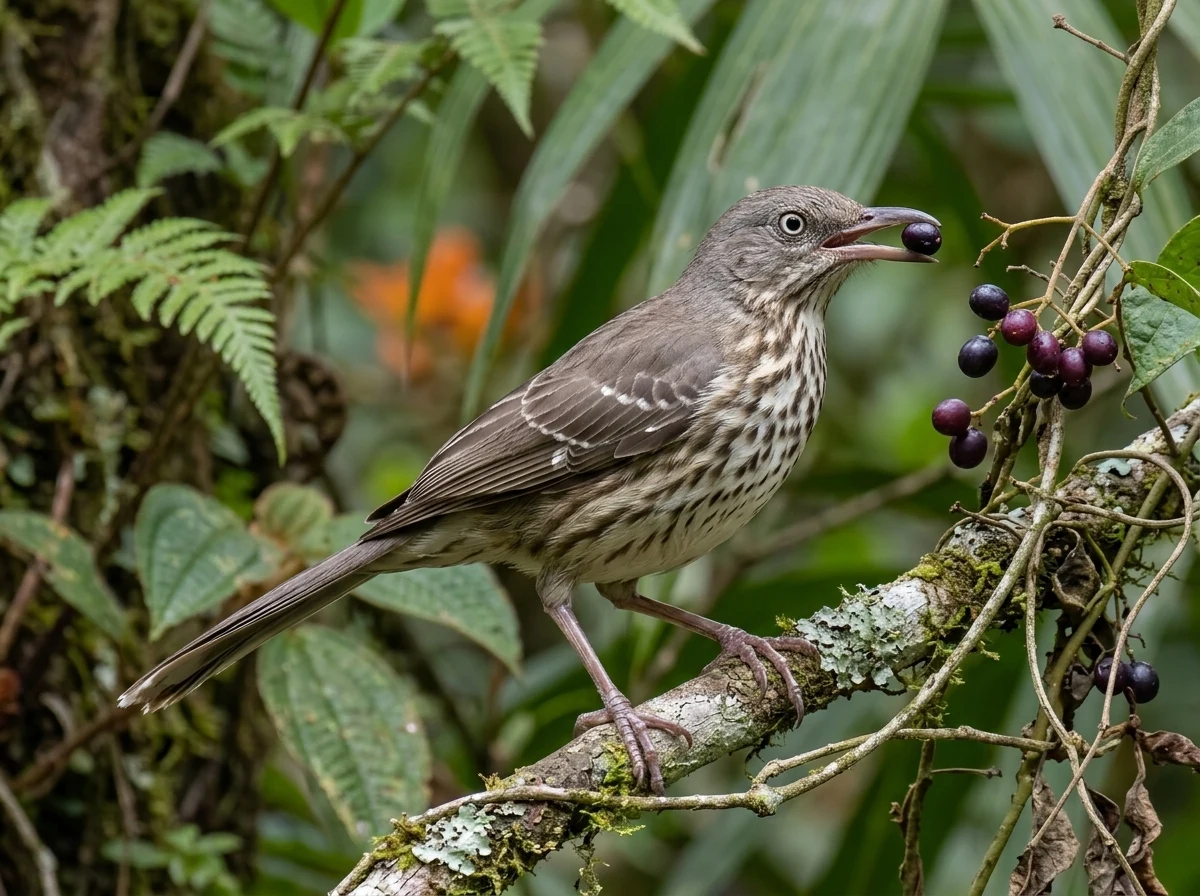
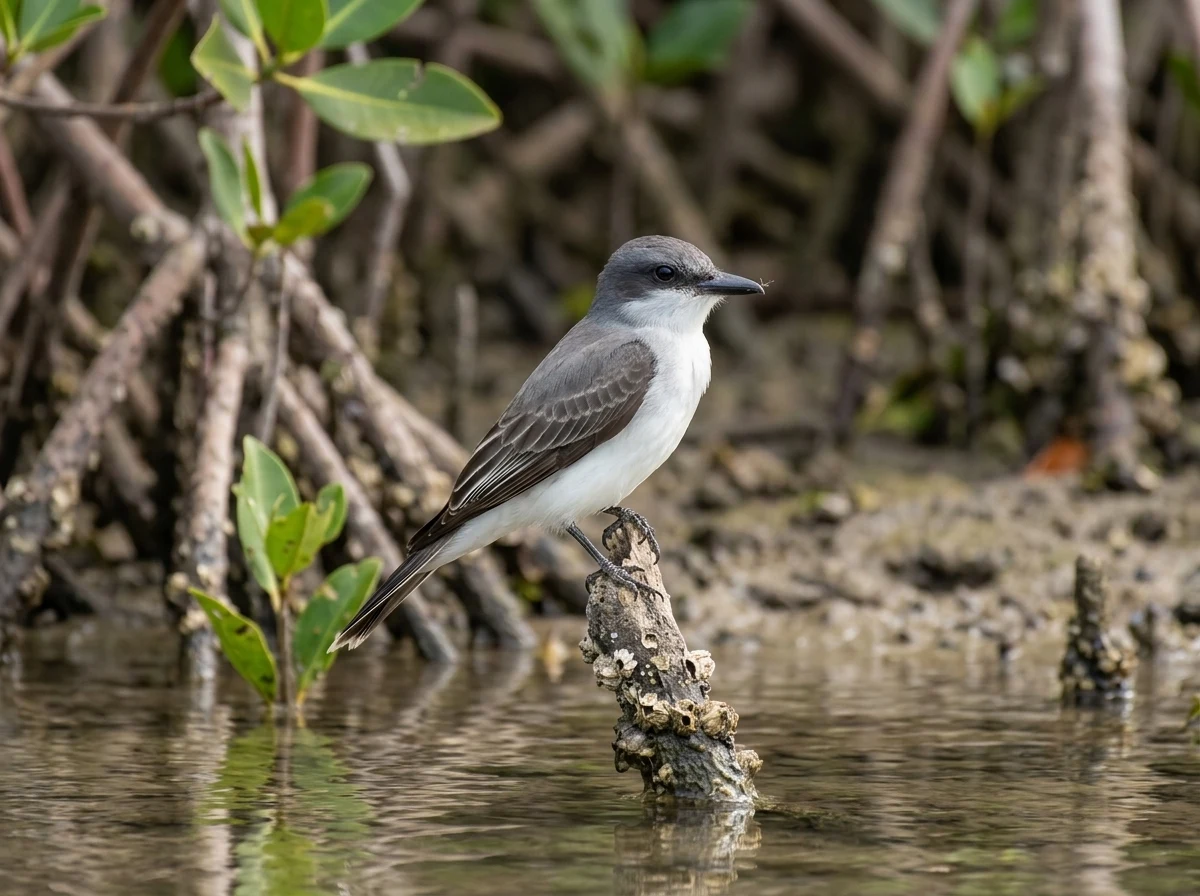
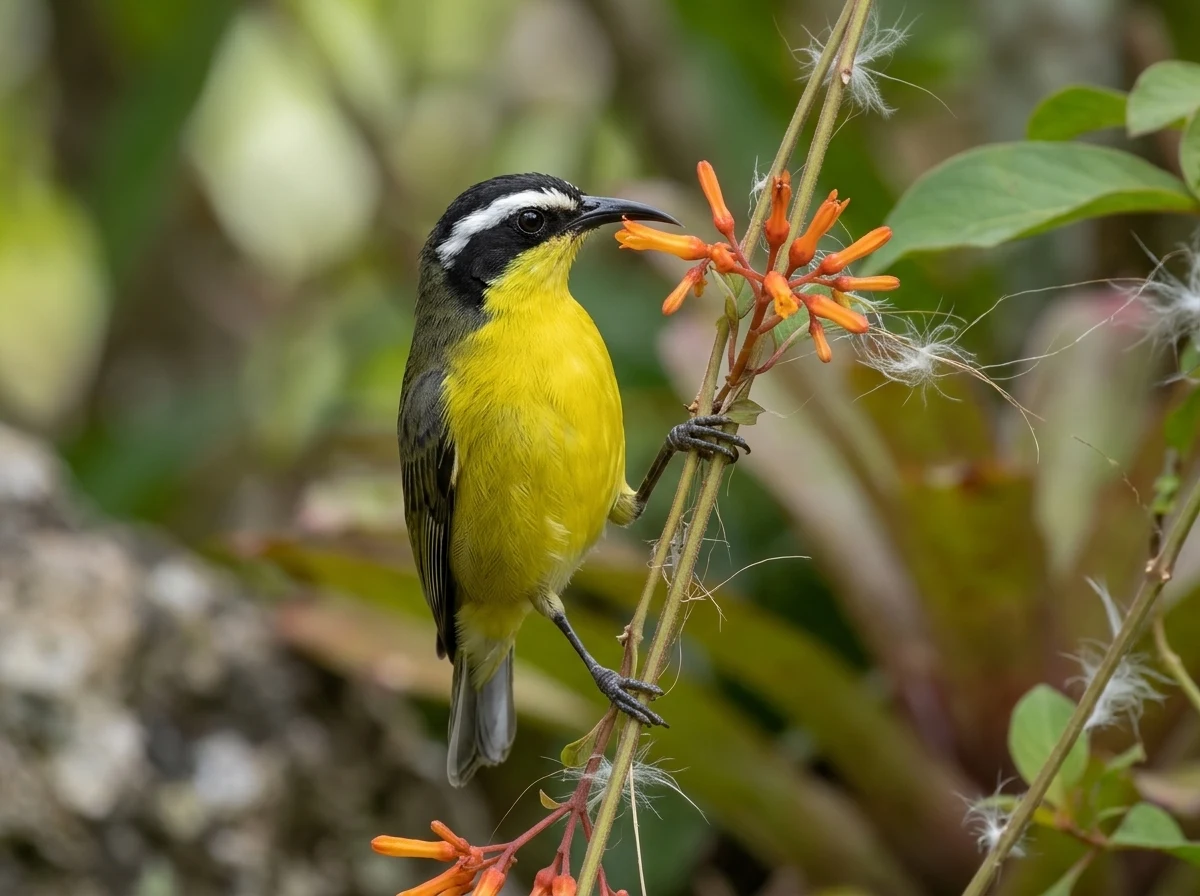
This guide focuses on the young of small birds that turn up in Puerto Rico yards, carports, and sidewalks: Pearly-eyed Thrasher, Gray Kingbird, Bananaquit, Greater Antillean Grackle, doves, and hummingbirds. If you found an owl, a hawk, or an adult bird that cannot fly, follow our guide to injured birds instead. Here you will learn to tell the two stages apart, how long to watch, when to step in, and why you should not feed it or raise it at home.
Baby birds in the yard
The decision in four facts
2stages: nestling and fledglingOnly a nestling needs to go back to the nest; a fledgling stays put.
2 horasof watching from a distanceMass Audubon recommends watching for a couple of hours before intervening.
0food or water from youMass Audubon says not to attempt to give food or water.
787-724-5700DRNA Ranger CorpsAlso DRNA: 787-999-2200, extensions 2910 and 2911.
01
Nestling or fledgling? How to tell
The U.S. Fish and Wildlife Service (USFWS) describes a nestling as a featherless bird, or one with its eyes closed, that is not ready to leave the nest. A fledgling is more developed: it has visible feathers and hops and flutters on its own, even if it cannot fly well yet, and its parents are still caring for it nearby.
In practice, a fledgling looks like a miniature adult with a stubby tail and a little down showing, and it grips your finger or a twig firmly. A nestling has pink or grayish skin, pin feathers or none, and cannot perch. That difference decides the rest of the steps in this guide.
02
If it is a nestling: put it back
Look for the nest in the nearest shrub, tree, eave, or carport. USFWS says the best thing to do is simply place the nestling back in the nest. If you cannot find or reach it, leave the bird where you found it or move it into nearby shade, and parental care will resume. Do not take it to another yard or street; the parents only look for it in their own territory.
Human scent is not a problem. USFWS is direct about it: your scent will not deter the parents. Wash your hands before and after, handle it as little as possible, and step away right away so the adults dare to return. If you hover over the nest, the parents will wait, and that delay does cost the chick warmth and food.
03
If it is a fledgling: leave it and watch from afar
A fledgling on the ground is normal. It may spend some time hopping through grass and shrubs while it learns to fly, and its parents feed it even if you do not see them. Mass Audubon recommends watching for a couple of hours before assuming a rescue is needed: if it walks, hops, and flaps, or adults are nearby, leave it alone.
Your job is to reduce hazards. Bring cats and dogs inside, ask children not to chase it, and if it is in the middle of a street or sidewalk, you can move it a few steps to the nearest shrub. Watch from a window or several meters away: a parent arriving with insects or fruit in its bill confirms that things are fine.
04
When it does need help and whom to call
USFWS recommends calling a professional wildlife rehabilitator if the bird has a visibly broken limb, is bleeding, is shivering, or has a dead parent nearby. The same applies if the observation hours pass and no adult returns to a nestling. In Puerto Rico, the route is DRNA: Ranger Corps, 787-724-5700, or the main line, 787-999-2200 (extensions 2910 and 2911).
While you wait for instructions, place it in a small box ventilated at the top, in a quiet spot, as Mass Audubon advises. Do not give it food or water. USFWS notes that rehabilitating wildlife requires permits, training, and approved facilities, which is why a wild chick is not raised at home, however good the intention. For owls, raptors, or injured adult birds, see our dedicated guide.
05
The most common baby birds in Puerto Rico yards
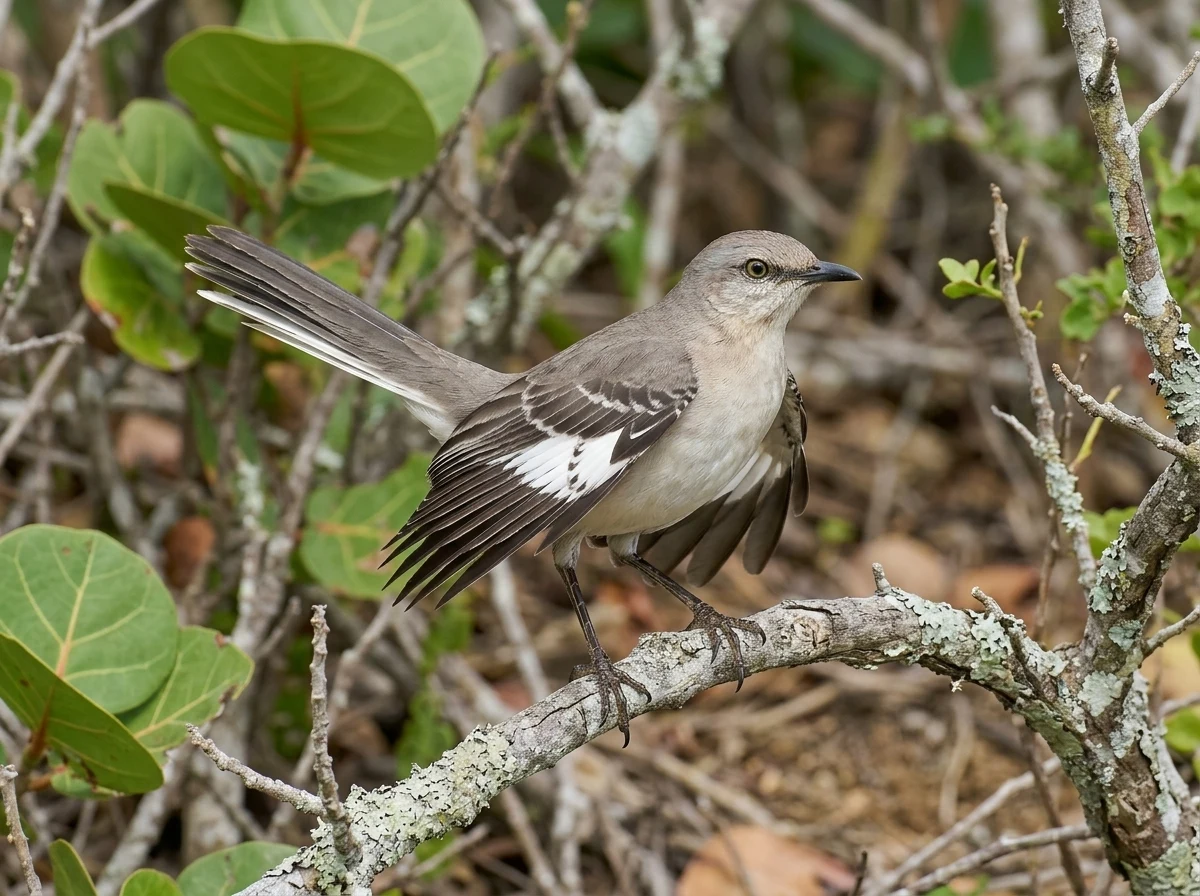
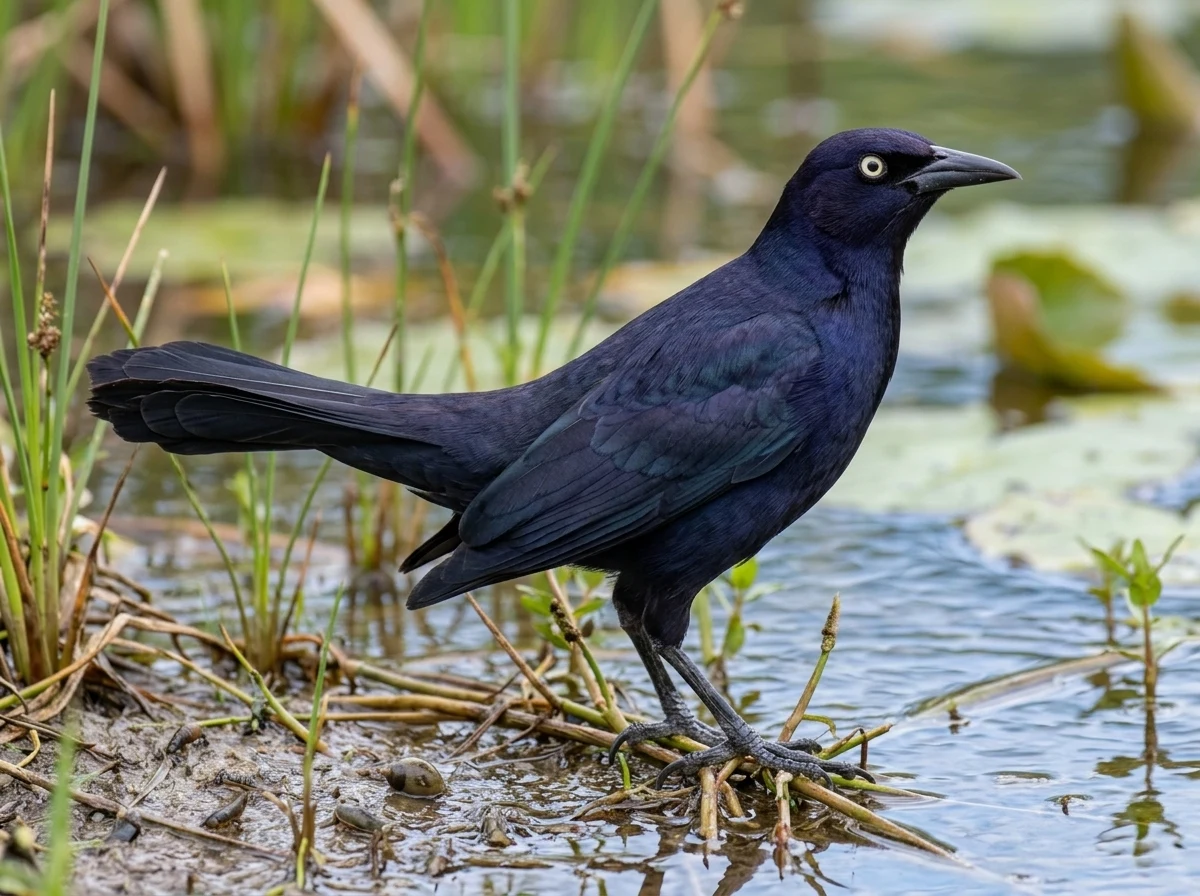
According to the nest data in our profiles, Pearly-eyed Thrasher builds a cup nest and may use buildings, rocks, shrubs, or trees, with 2 to 4 eggs and about 14 to 15 days of incubation; that is why it may nest right beside houses. Gray Kingbird lays 2 to 5 eggs in a cup nest in trees, and Northern Mockingbird 2 to 6 in shrubs. Bananaquit builds a spherical nest with a side entrance and incubates for 12 to 13 days.
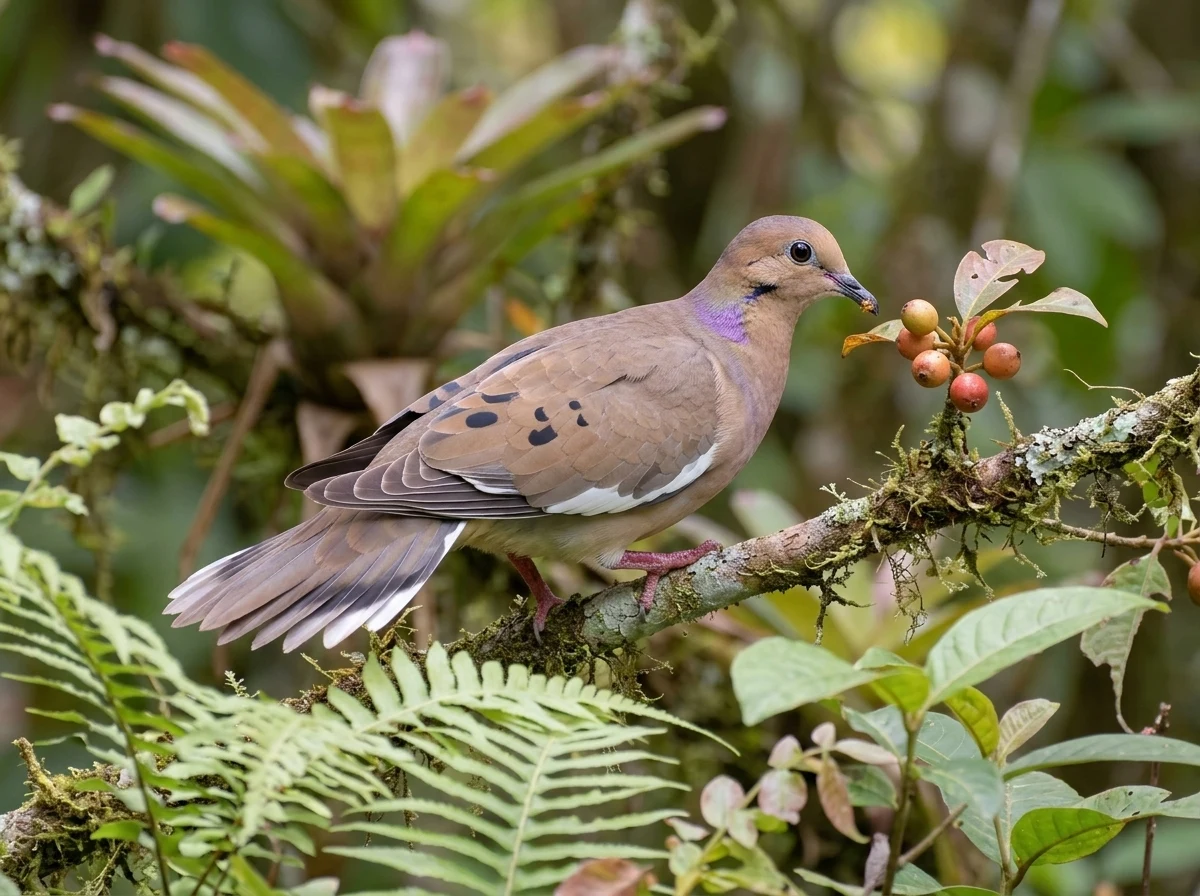
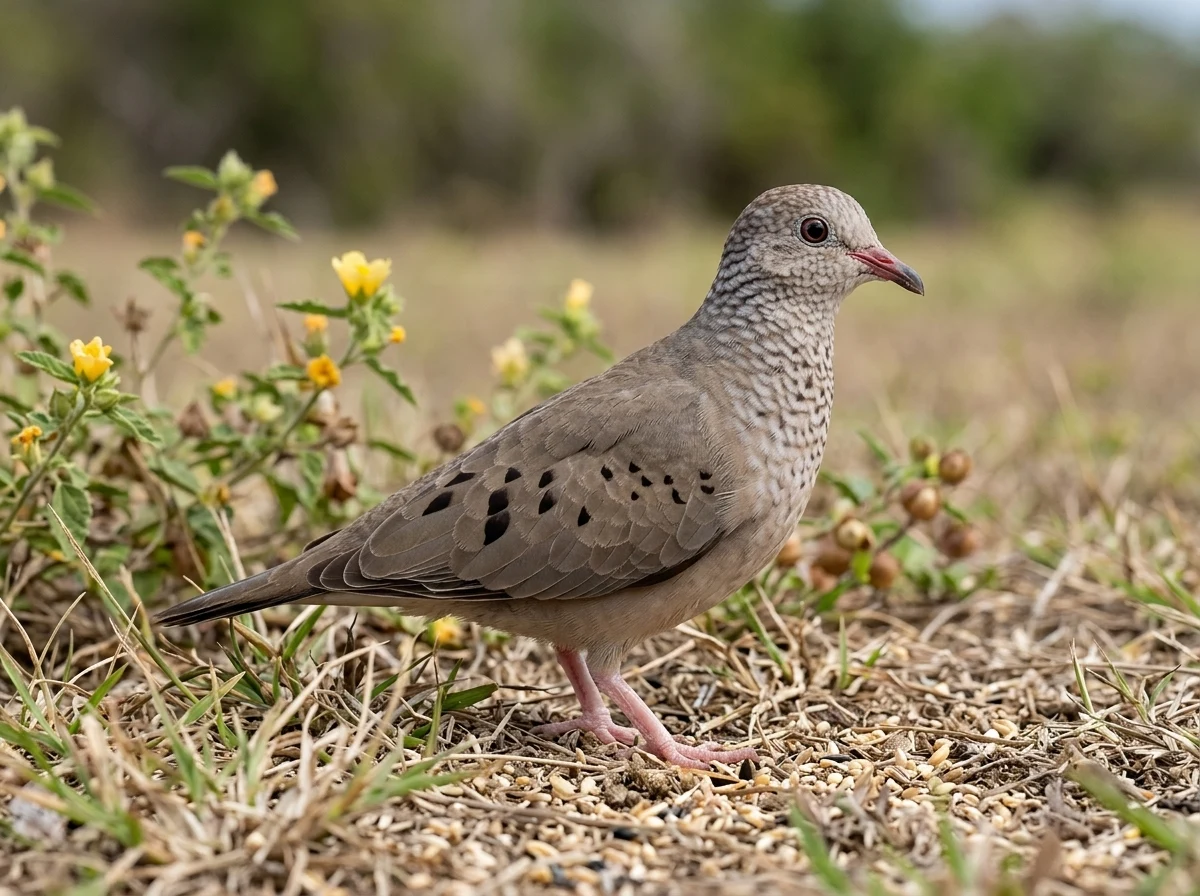
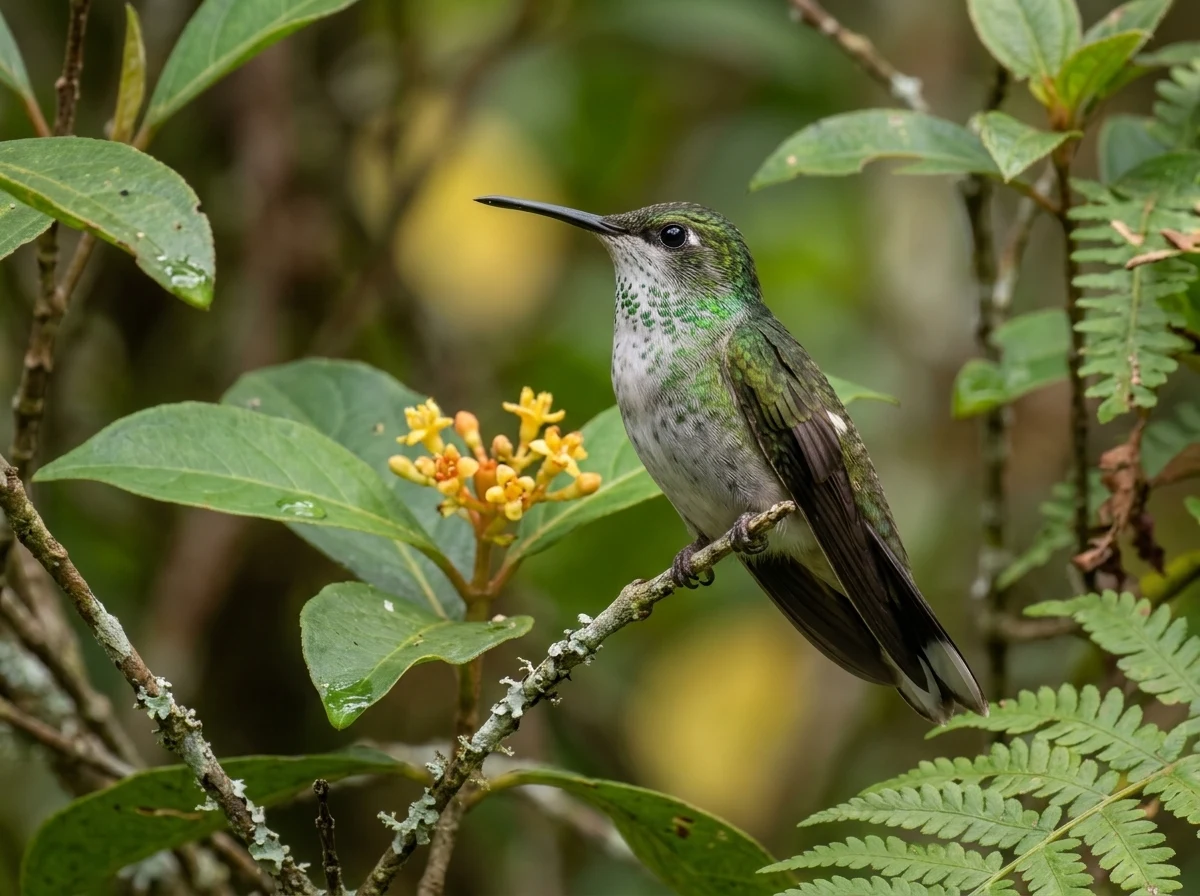
Zenaida Dove lays 1 to 3 eggs and may nest anywhere from the ground to trees; Common Ground Dove lays 2. Hummingbirds such as Puerto Rican Emerald lay 2 eggs in a tiny cup nest, and Greater Antillean Grackle nests in trees, sometimes in colonies. If a hummingbird nest falls with chicks in it, do not try to feed them sugar water: call DRNA.
06
A chick too big for its parents: the Shiny Cowbird
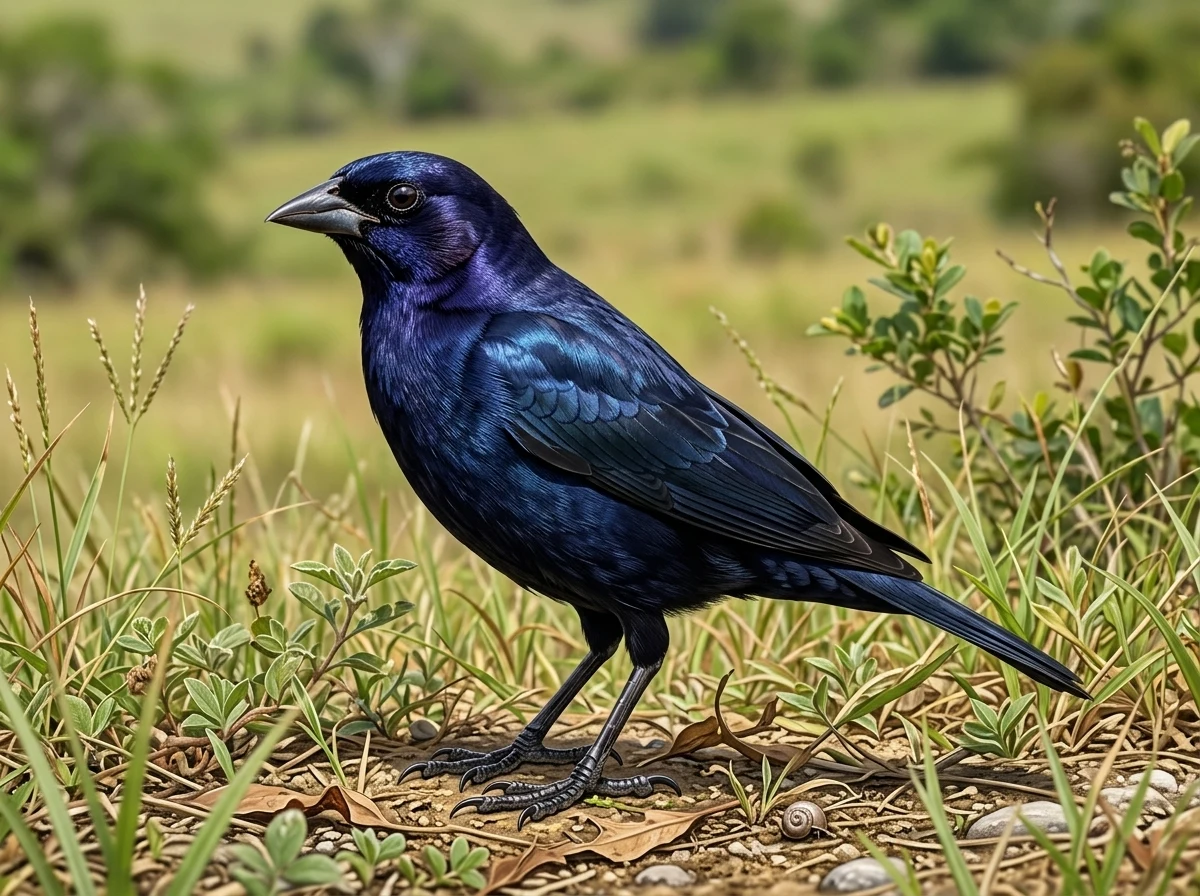
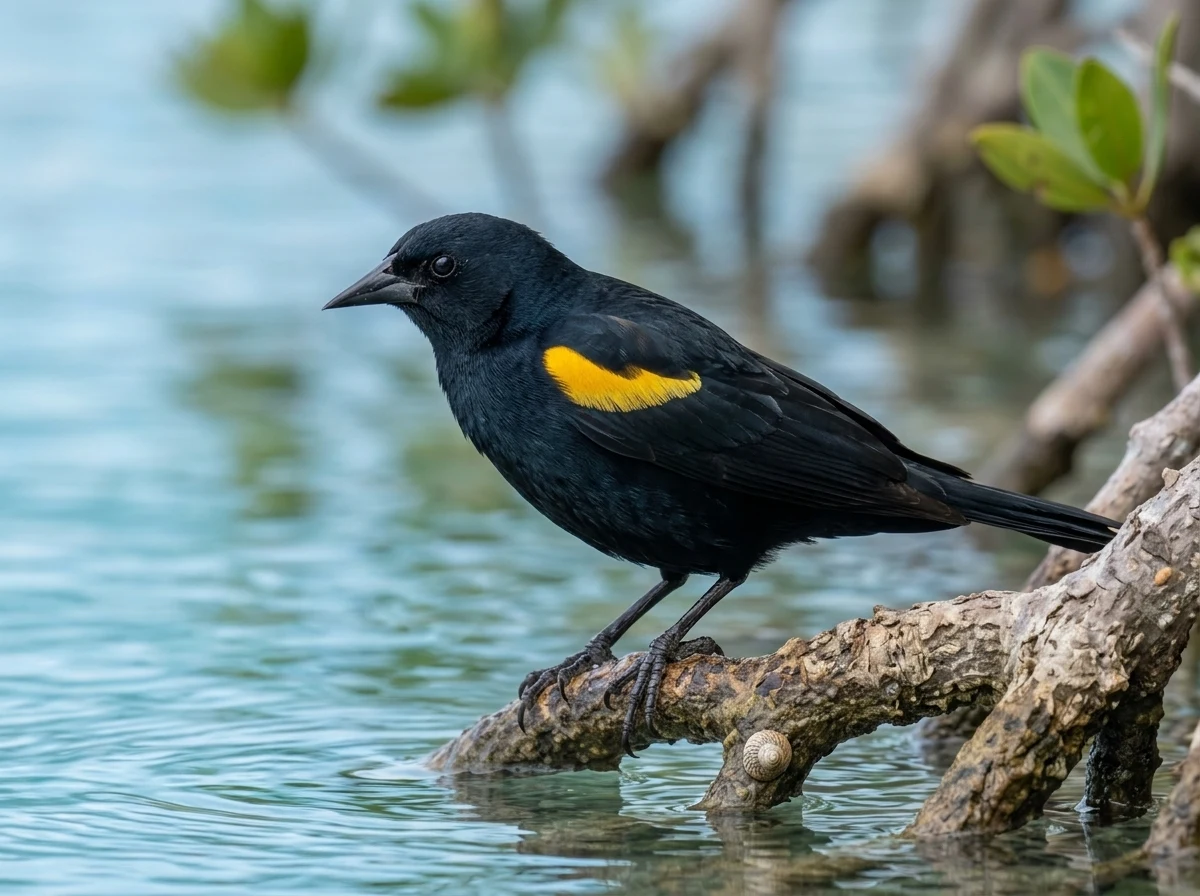
Sometimes you see a warbler or another small bird feeding a fledgling much larger than itself. It may be a Shiny Cowbird. USFWS explains that cowbirds are obligate brood parasites: they lay their eggs in other birds' nests and provide no parental care. The species reached Puerto Rico in 1955 and has severely affected the Yellow-shouldered Blackbird, an endangered endemic.
In a yard this is not a rescue situation. Cowbird control at nests of threatened species is done by permitted biologists, who monitor nest structures and remove parasitic eggs. If you see a Yellow-shouldered Blackbird, with its yellow shoulder patch, nesting or feeding young, report it to DRNA; our guide to the species' conservation explains why every nest counts.
Linked profiles
Birds whose young turn up in yards
Identifying the adult nearby tells you whose chick it is and what it eats; open each profile for nest details and sounds.
Sound archive
Hear its voice
Explore real songs and calls. The spectrogram turns each sound into a visual trace of time and frequency.
XC877751Recording 1 of 3song

Play: song by Bobby Wilcox
Choose another recording
Sound recorded by Bobby Wilcox · XC877751 · CC BY-NC-SA 4.0. Visualization by Stichting Xeno-canto voor Natuurgeluiden.
Every recording retains the creator, catalogue number, and license published by Xeno-canto. Metadata via GBIF ↗
01
What should I do if I find a baby bird on the ground?
Check for feathers. If it is feathered and hopping, it is a fledgling: leave it where it is, keep cats and dogs away, and watch from a distance, because its parents are feeding it. If it is bare or its eyes are closed, return it to the nest; if you cannot find the nest, leave it in shade near where it was.
02
If I touch a baby bird, will the mother reject it?
No. The U.S. Fish and Wildlife Service says human scent will not cause the parents to reject the chick. Handle it as little as possible, wash your hands, and move away quickly so the adults return.
03
What do I feed a baby bird?
Nothing. Mass Audubon is clear: do not try to give it food or water, because you can harm it, and its parents feed it better than any person can. If it is truly orphaned or injured, call DRNA at 787-724-5700 for instructions.
04
Whom do I call about an injured baby bird in Puerto Rico?
Call the DRNA Ranger Corps at 787-724-5700 or DRNA at 787-999-2200, extensions 2910 and 2911. Call if the bird is bleeding, has a broken wing or leg, is shivering, or a dead parent is nearby.
05
Can I raise a baby bird at home?
It is not advisable. USFWS explains that wildlife rehabilitation requires permits, training, and approved facilities. A chick's best chance is with its parents or, if injured, with a rehabilitator coordinated through DRNA.
06
How do I know if a baby bird is abandoned?
Watch it from a distance for a couple of hours, as Mass Audubon recommends. Parents come and go quickly and are easy to miss. If no adult approaches a featherless chick in that time, or if it is injured, then call DRNA.
Keep exploring
Connected routes
Sources and review
The evidence is one link away.
These sources support the editorial scope of this guide. Bird profiles also retain their own taxonomy, occurrence, and conservation references.
Reviewed:
01↗02↗03↗04↗05↗06↗
U.S. Fish and Wildlife Service
What to do if you find a baby bird or injured wildlife
Nestling versus fledgling, returning a chick to the nest, the human-scent myth, and signs that call for a rehabilitator.Mass Audubon
Helping injured birds
Watch for a couple of hours before intervening, give no food or water, and use a ventilated box for stunned birds.Departamento de Recursos Naturales y Ambientales
DRNA and Ranger Corps contacts
Published numbers: Ranger Corps 787-724-5700 and DRNA 787-999-2200 (ext. 2910 and 2911).U.S. Fish and Wildlife Service
Yellow-shouldered Blackbird: bird of the month
Visual comparison, current distribution, and threats affecting the endemic Yellow-shouldered Blackbird.American Bird Conservancy
Keep cats indoors
Estimate of 2.4 billion birds killed by cats each year in the U.S., and alternatives such as catios.Sociedad Ornitológica Puertorriqueña
Official bird list
Local names, occurrence categories, and the public summary of 17 endemics.The atlas continues