 AI
AIBrood parasitism
Shiny Cowbird in Puerto Rico
A glossy black bird that never builds a nest: Shiny Cowbird leaves parenting to others, and in Puerto Rico it found hosts with no defenses.
Reviewed:A brood parasite that arrived on its own.
Shiny Cowbird (Molothrus bonariensis) is a South American icterid that reached Puerto Rico on its own by island hopping and was first recorded in 1955. It is an obligate brood parasite: the female lays her eggs in other species' nests and does not raise her young, and that strategy pushed the Yellow-shouldered Blackbird to the brink.
Today it is common in open fields, cattle pastures, and gardens across most of the island: the Breeding Bird Atlas found it in 66% of hexagons. This guide explains how to recognize male and female, how parasitism works, which species suffer most, and what biologists do to protect the Yellow-shouldered Blackbird.
Brood parasitism
The cowbird in figures
1955first record in Puerto RicoIt came from South America through the Antilles without human help.
95 %Yellow-shouldered Blackbird nests parasitizedIn Wiley's (1985) study of two Puerto Rico bird communities.
27host species on the islandNumber of species parasitized in Puerto Rico according to Wiley (1985).
66 %of the island with cowbirds317 of 479 Breeding Bird Atlas hexagons.
01
How to identify the Shiny Cowbird
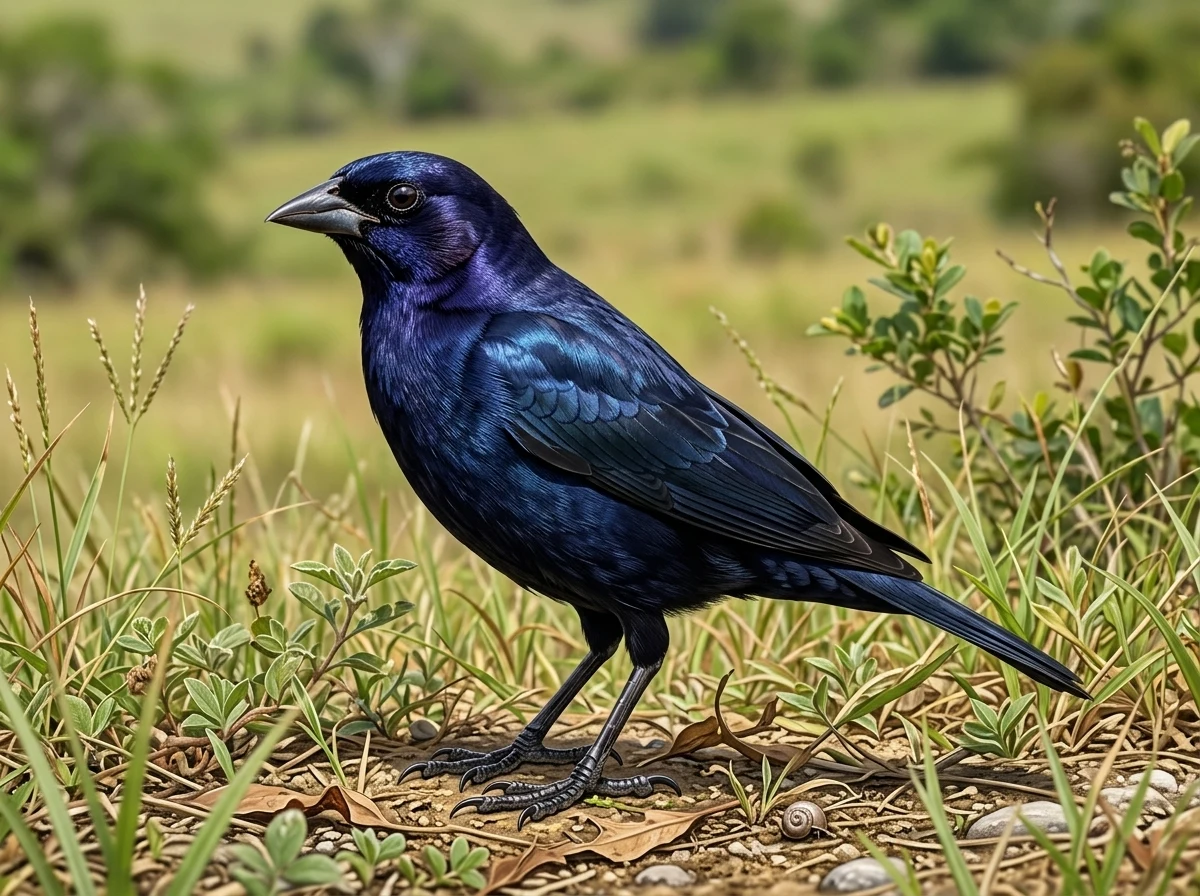
The male is entirely black with a purple-blue gloss that lights up in the sun; it measures 18 to 20 centimeters and weighs about 43 grams. The female is smaller, dull brown, sometimes paler below, with no striking marks. They walk on the ground, often in small groups and near livestock.
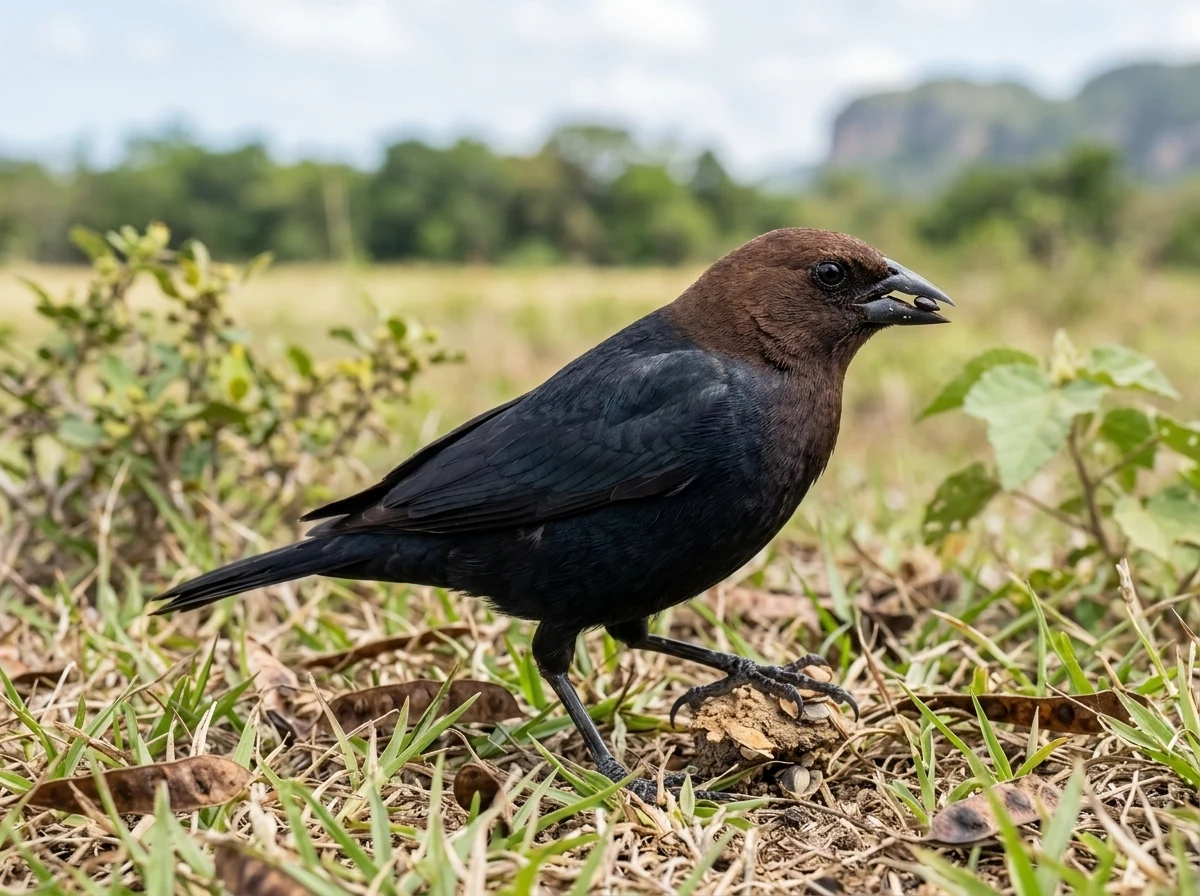
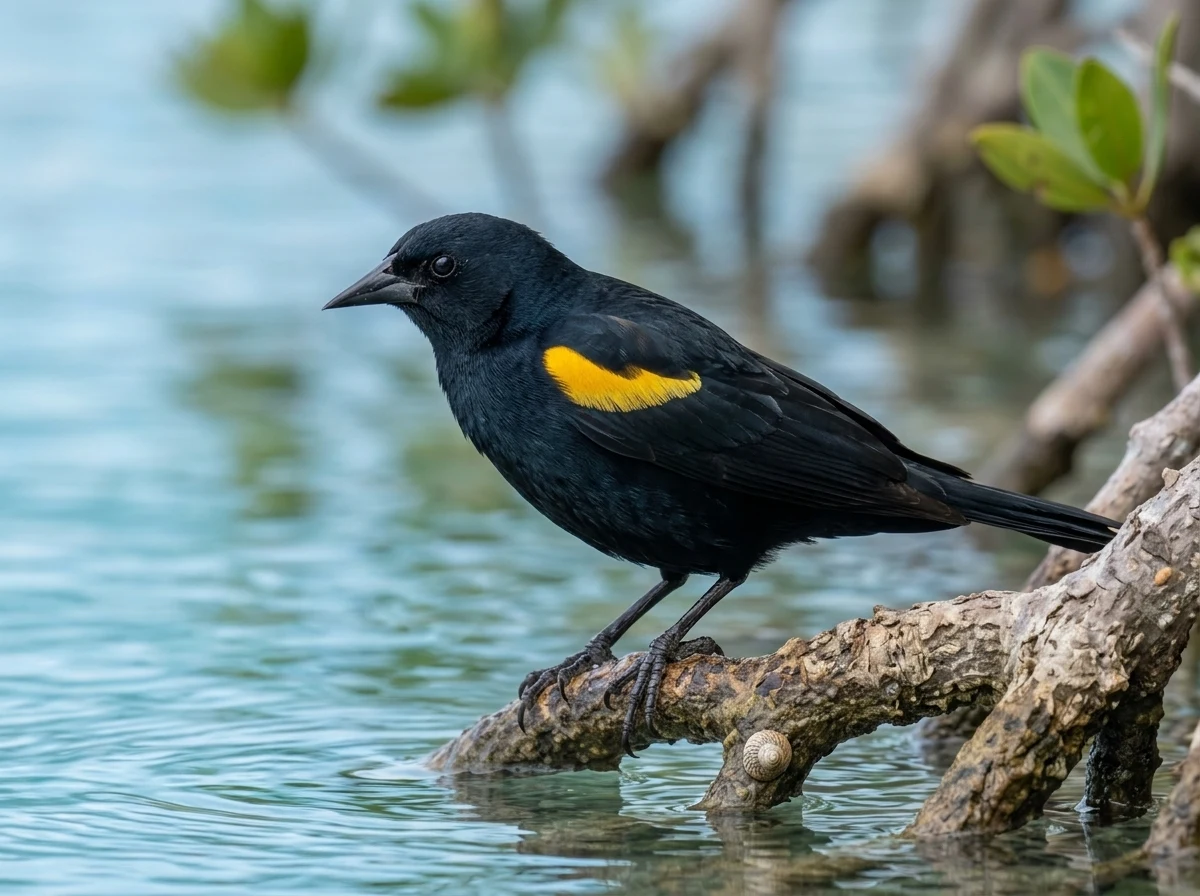
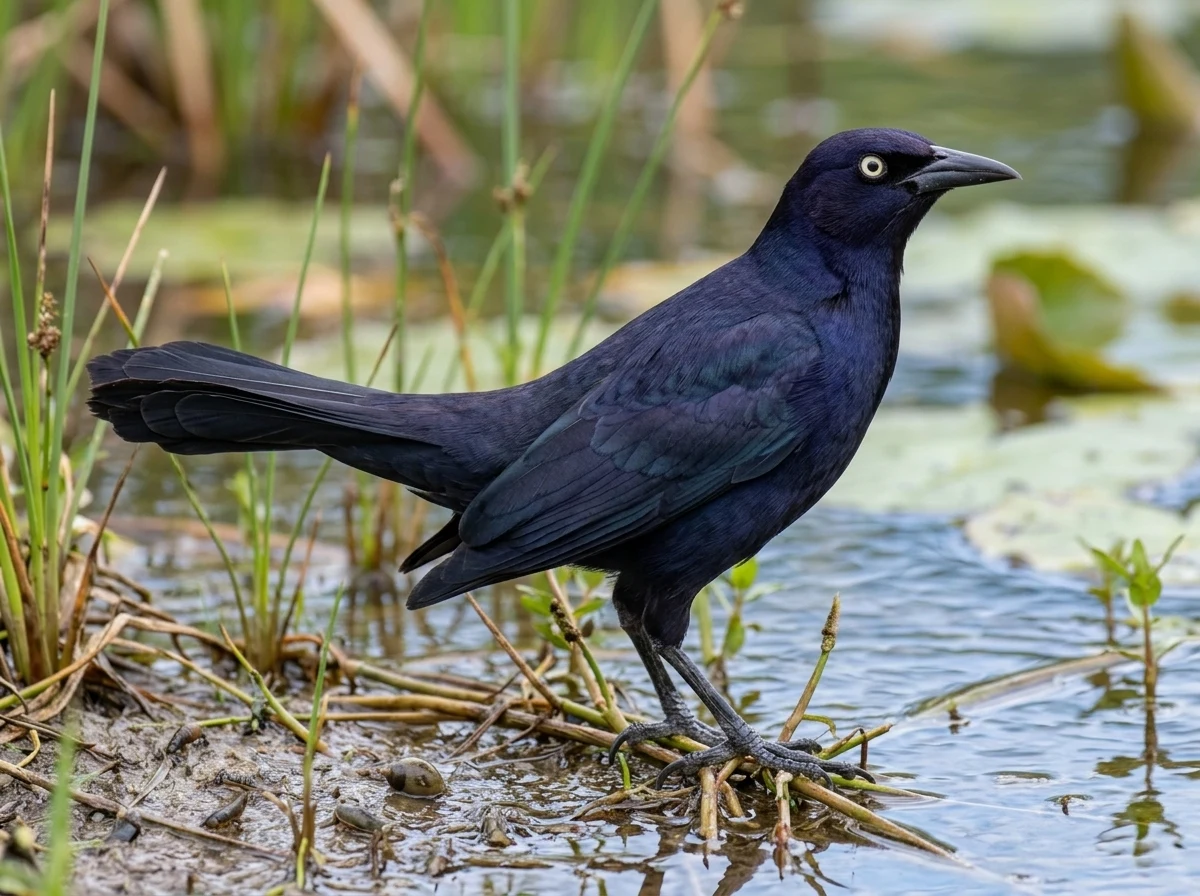
Compared with Greater Antillean Grackle, the cowbird is much smaller — about 43 grams versus 80 — and lacks the yellow eyes and V-shaped tail. Compared with Yellow-shouldered Blackbird, it lacks the yellow shoulder patch. Brown-headed Cowbird, a vagrant on the island, has a brown-headed male; its female is very similar to the female Shiny Cowbird, which differs by its longer, finer bill and flatter head.
02
How it arrived: a natural colonization, not an introduction
Since 1900, Shiny Cowbird's range has shifted north through the Lesser and Greater Antilles. The U.S. Fish and Wildlife Service places the first Puerto Rico record in 1955, and the atlas notes it is believed to have arrived before that year. It then colonized Culebra, and on Vieques it is an uncommon resident in spring, summer, and fall and rare in winter.
The expansion continued to Florida: one male in June 1985, three in 1986, a pair in the Everglades in 1987, and permanent residence in southern Florida by 1991. Because it arrived without human help, the catalog classifies it as native, although agencies call it invasive for its effect on species with no defenses.
03
What brood parasitism is
An obligate brood parasite never builds a nest or raises its young. The female cowbird lays eggs in other species' nests, which incubate them and feed the intruding chick, often at the cost of their own eggs and young. Audubon notes the female sometimes punctures eggs already in the nest; the chick leaves the nest after 10 to 12 days.
Shiny Cowbird is a generalist: known hosts grew from 14 in 1929 to 74 hosts, among 232 recorded victim species. In Puerto Rico it parasitized 27 species, and Wiley found that the cowbird breeds in the same months as its highest-quality hosts, those that fledge more than 55% of the cowbird chicks that hatch.
04
The victims: from Yellow-shouldered Blackbird to Puerto Rican Oriole
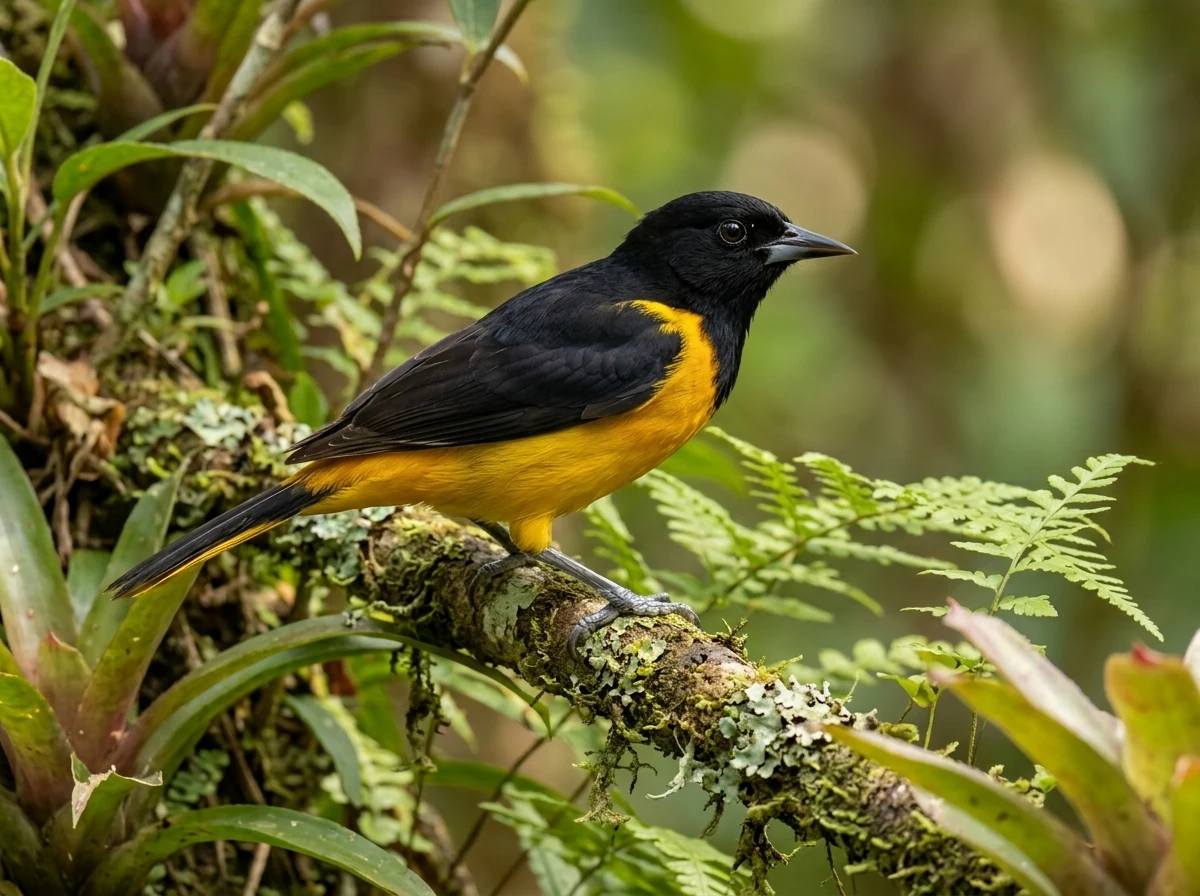
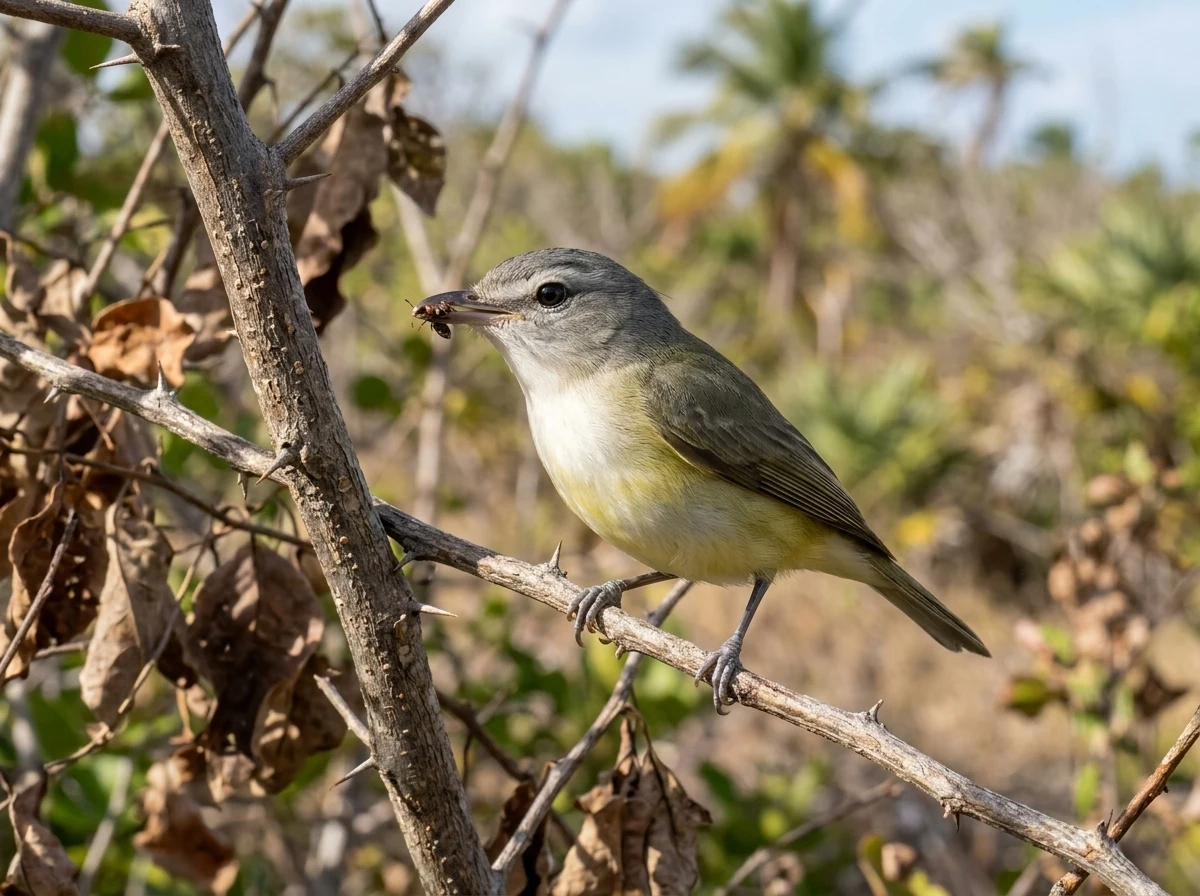
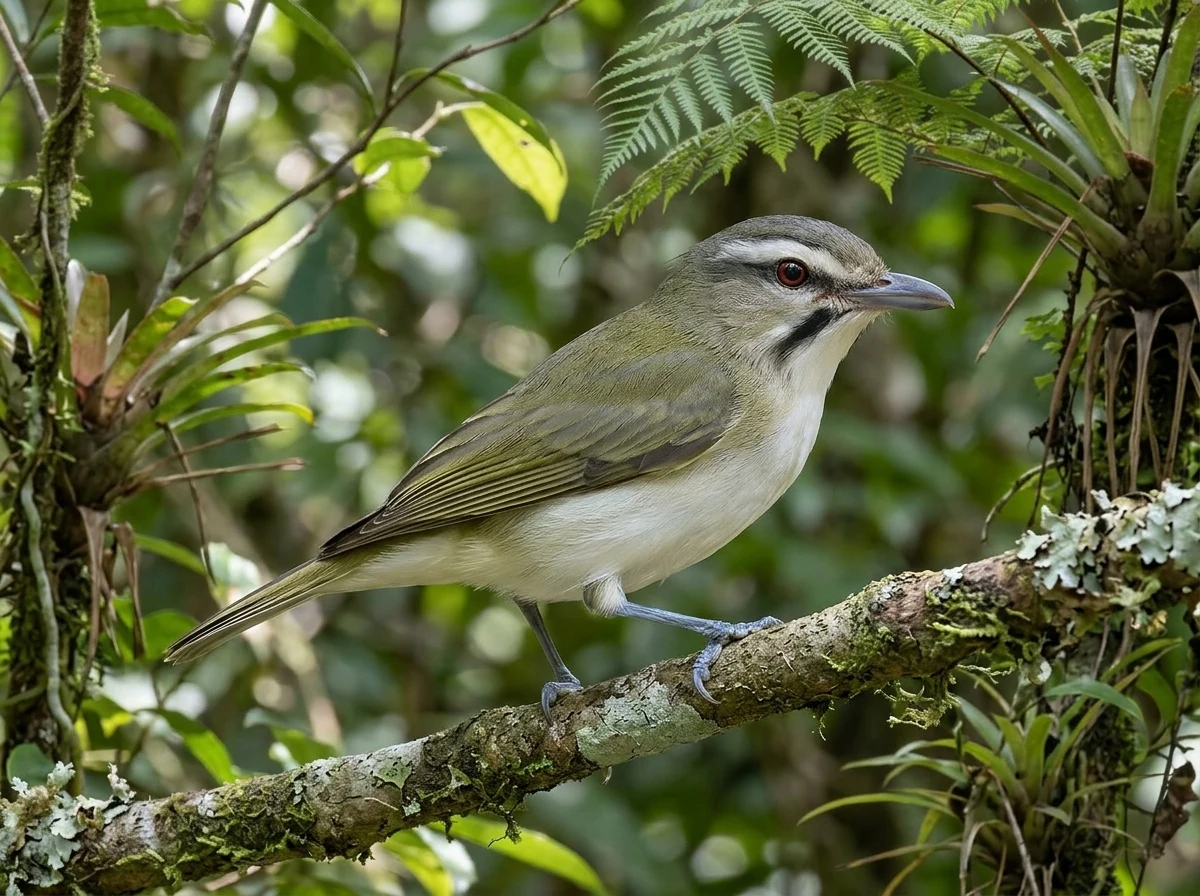
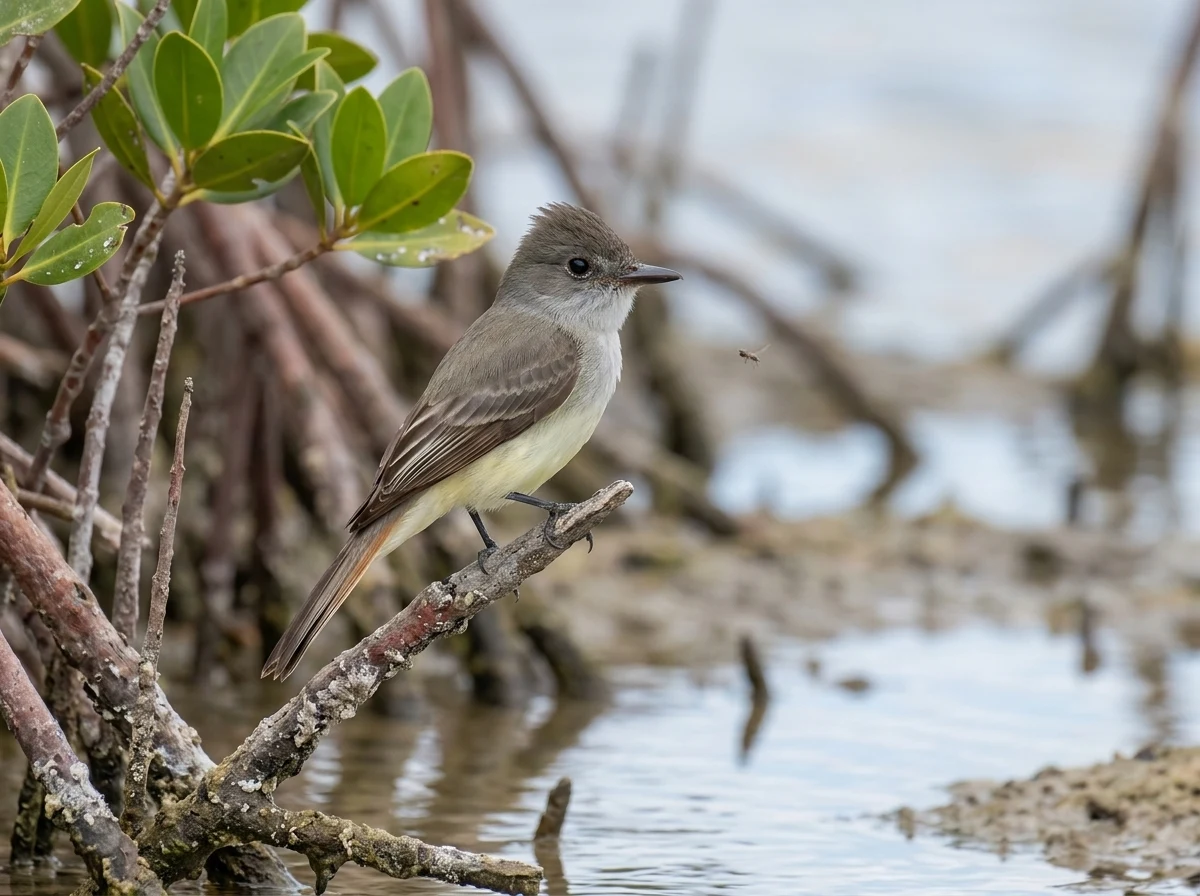
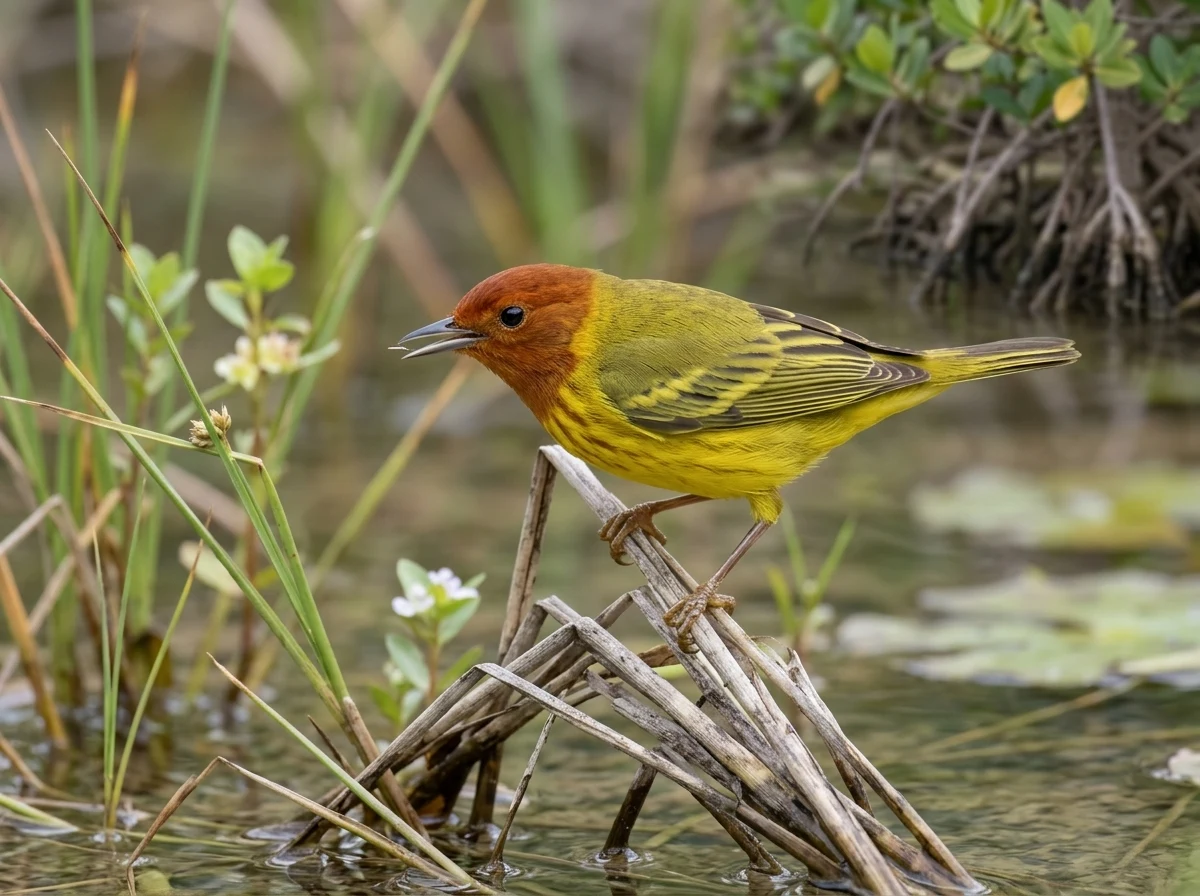
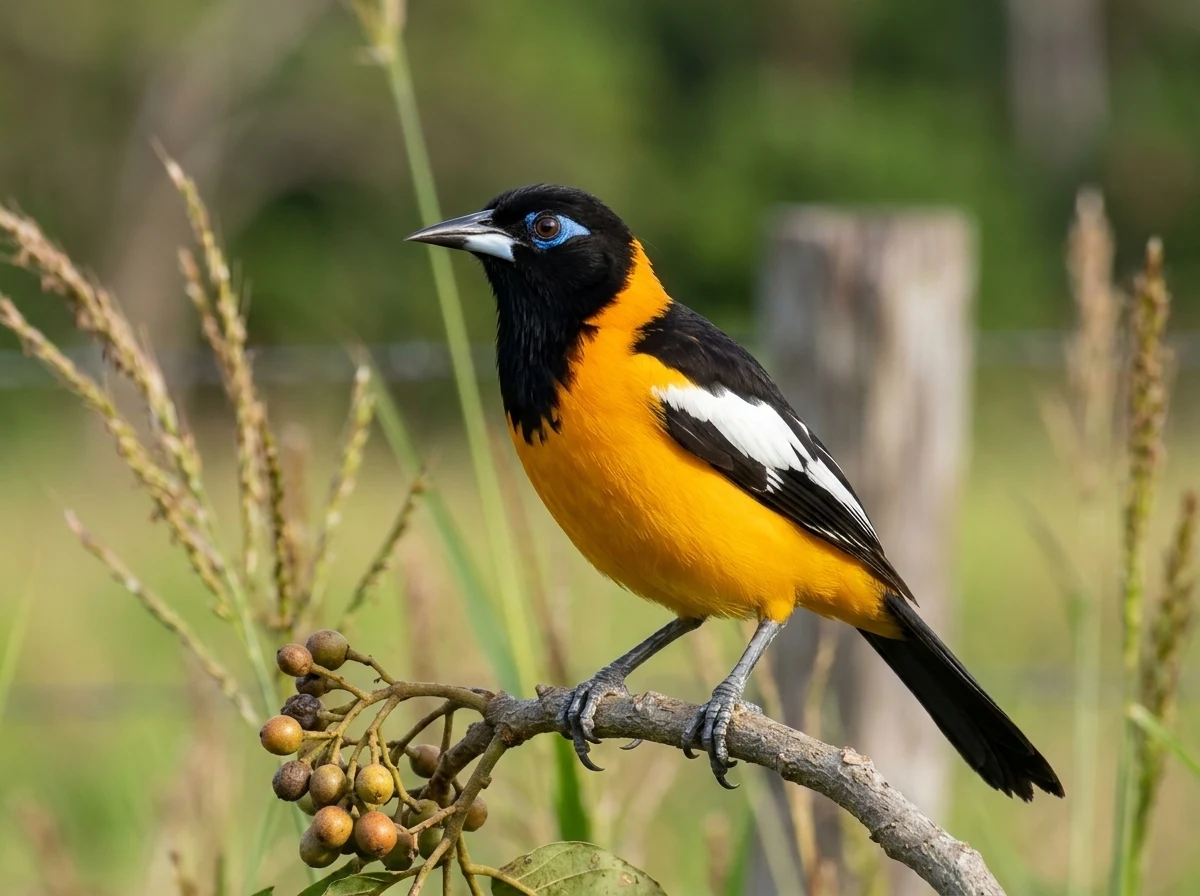
In his study of two bird communities, Wiley (1985) found that in mangroves 42% of resident non-raptorial land bird species suffered parasitism. Parasitized-nest rates were extremely high: 76% for Yellow Warbler, 82% for Black-whiskered Vireo, 85% for Puerto Rican Flycatcher, 95% for Yellow-shouldered Blackbird, and 100% for Venezuelan Troupial and for the oriole then treated as part of Black-cowled Oriole. Other species, such as Gray Kingbird, Red-legged Thrush, and Bronze Mannikin, were parasitized at 2 to 17%.
The harm is measurable: parasitism lowered nest success by an average of 41%, and parasitized pairs fledged 67% fewer of their own young. The atlas adds that parasitism also affects the endemic Puerto Rican Vireo, and the Puerto Rican Oriole, now its own endemic species, is considered threatened by cowbirds and is listed by the DNER as Data Deficient.
05
Yellow-shouldered Blackbird: collapse and management
The endemic, endangered Yellow-shouldered Blackbird fell from about 2,400 birds in 1975 to 770–1,200 in 1982–1986, with 470–900 of them on Mona. Wiley, Post, and Cruz (1991) documented that nearly all nests in most of its habitats were parasitized, because the species had no evolved defenses against the cowbird.
The fixes worked: cowbird removal improved breeding, and the blackbird accepted nest boxes, where it fledged more young than in open nests. Today the Service installs PVC nest structures, checks nests weekly to remove cowbird eggs, and traps cowbirds during the nesting season. In 2011–2016 the southwestern population ranged from about 400 to 1,000 birds, Mona held about 150, the south 20 to 80, and at least 8 to 10 were counted in the east in 2018.
06
Song, season, and how to help
The male sings a melodious warble, and both sexes give harsh metallic call notes. In Puerto Rico, the atlas found breeding year-round with most activity from March to June and a peak in May, at the onset of the rains; it breeds mostly in moist lowlands but also in the mountains and dry plains. Hearing that warble in a cattle pasture is the best clue.
Don't touch or remove eggs from wild nests: Yellow-shouldered Blackbird nest management is done by permitted biologists. What helps is reporting cowbirds and blackbirds on eBird, avoiding exposed dog or livestock feed in coastal areas, and supporting protection of the mangroves and palms where the blackbird nests.
Linked profiles
The cowbird, its look-alikes, and its hosts
Compare the cowbird with other black birds and open the profiles of the species whose nests it parasitizes in Puerto Rico.
Sound archive
Hear its voice
Explore real songs and calls. The spectrogram turns each sound into a visual trace of time and frequency.
XC972903Recording 1 of 3song

Play: song by Étienne Leroy
Choose another recording
Sound recorded by Étienne Leroy · XC972903 · CC BY-NC-SA 4.0. Visualization by Stichting Xeno-canto voor Natuurgeluiden.
Every recording retains the creator, catalogue number, and license published by Xeno-canto. Metadata via GBIF ↗
01
What is the Shiny Cowbird?
It is a South American icterid (Molothrus bonariensis) that reached Puerto Rico on its own and was first recorded in 1955. The male is black with purple-blue gloss and the female brown; it is a brood parasite that lays its eggs in other birds' nests.
02
Why is the Shiny Cowbird a problem for the Yellow-shouldered Blackbird?
Because the blackbird has no defenses against parasitism: Wiley (1985) found cowbird eggs in 95% of its nests. The population fell from about 2,400 birds in 1975 to 770–1,200 in the 1980s, and it is now protected with nest boxes, egg removal, and cowbird trapping.
03
Does the Shiny Cowbird build a nest?
No. It is an obligate brood parasite: the female lays her eggs in other species' nests, and those foster parents incubate and feed the chick. Twenty-seven host species have been documented in Puerto Rico.
04
What is the difference between Shiny Cowbird and Brown-headed Cowbird?
The male Shiny Cowbird is all glossy black; the male Brown-headed Cowbird has a brown head. Brown-headed is North American and a vagrant in Puerto Rico, while Shiny is common. Females are very similar, though the Shiny female has a finer bill and flatter head.
05
Is the Shiny Cowbird native or introduced in Puerto Rico?
It arrived naturally, spreading island by island from South America, so the catalog classifies it as native. Agencies describe it as invasive because of the harm its parasitism does to endemic species.
06
Where can I see the Shiny Cowbird?
In open fields and cattle pastures, gardens, open woodland, and farmland with grain, and also in the mountains where open habitat exists. The atlas found it in 66% of the island's hexagons.
Keep exploring
Connected routes
Sources and review
The evidence is one link away.
These sources support the editorial scope of this guide. Bird profiles also retain their own taxonomy, occurrence, and conservation references.
Reviewed:
01↗02↗03↗04↗05↗06↗07↗08↗
U.S. Geological Survey Publications Warehouse / The Condor
Shiny cowbird parasitism in two avian communities in Puerto Rico (Wiley 1985)
Share of nests parasitized per host species and the effect of parasitism on nesting success.U.S. Geological Survey Publications Warehouse / Biological Conservation
Conservation of the yellow-shouldered blackbird, an endangered West Indian species (Wiley, Post, and Cruz 1991)
Yellow-shouldered Blackbird decline from about 2,400 birds in 1975 to 770–1,200 in 1982–1986, and response to nest boxes and cowbird removal.U.S. Fish and Wildlife Service
Yellow-shouldered Blackbird: bird of the month
Visual comparison, current distribution, and threats affecting the endemic Yellow-shouldered Blackbird.U.S. Fish and Wildlife Service
Yellow-shouldered Blackbird recovery plan
Range, nesting, threats, and recovery.U.S. Forest Service Research and Development
Puerto Rico Breeding Bird Atlas
Distribution and breeding timing for 130 species breeding in Puerto Rico and its satellite islands.Birds of the World / Cornell Lab of Ornithology
Shiny Cowbird species introduction
Caribbean expansion to Florida (1985–1991) and the growth in the number of known host species.National Audubon Society
Field guide: Shiny Cowbird
Male and female field marks, size, voice, and parasitic behavior.Sociedad Ornitológica Puertorriqueña
Official bird list
Local names, occurrence categories, and the public summary of 17 endemics.The atlas continues