 AI
AINorthern limestone forest guide
Birds of Cambalache State Forest
A small, accessible northern karst forest with trails for walking and biking, twelve endemics named by DNER, and a wildlife rehabilitation center.
Reviewed:Twelve endemics just off the expressway.
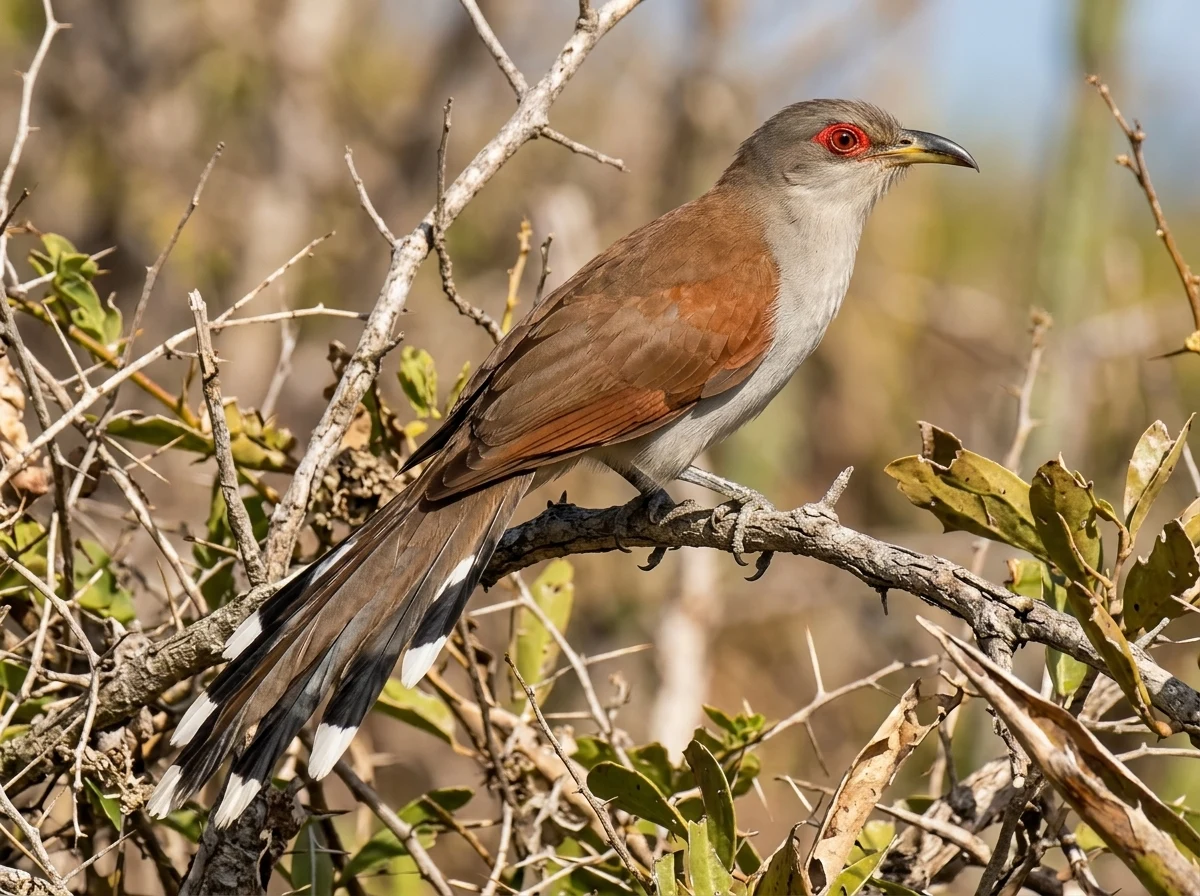
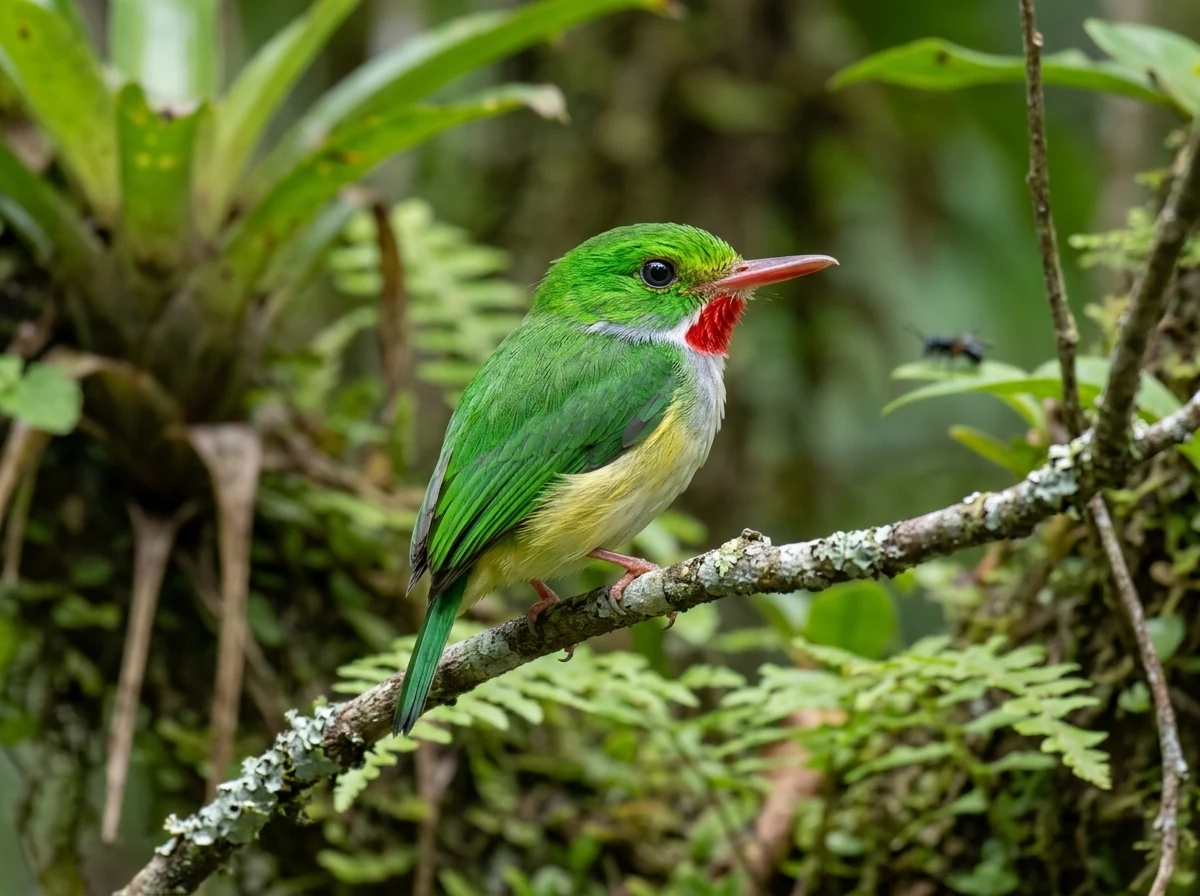
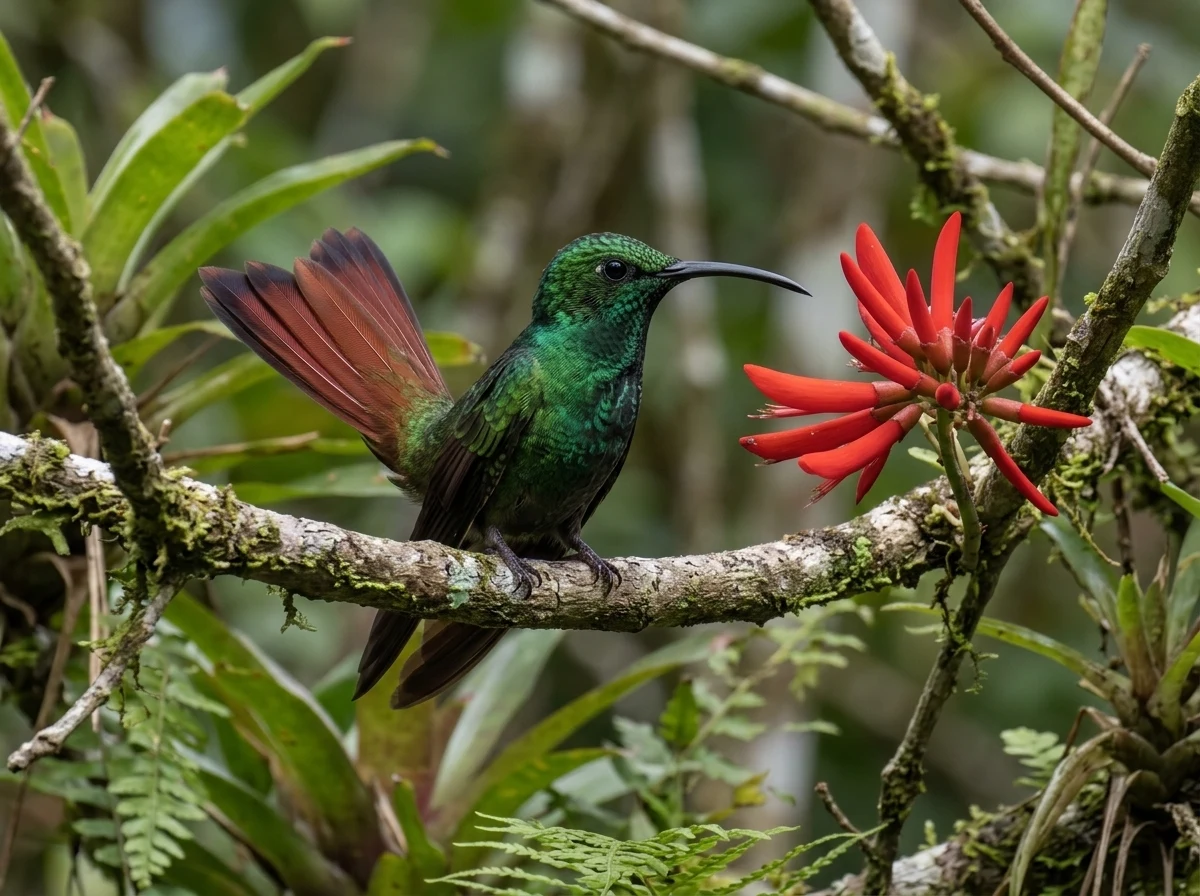
At Cambalache State Forest, between Arecibo and Barceloneta, DNER reports 45 bird species, 34 resident and 11 migratory, and names 12 endemics, including the Puerto Rican Lizard-Cuckoo (Pájaro Bobo Mayor), Puerto Rican Tody, Green Mango, and Puerto Rican Oriole. It is one of the easiest forests to visit for karst endemics in a few hours.
Cambalache covers about 1,600 cuerdas in seven areas: five in Arecibo barrios and two in Barceloneta. It began in 1943 as the Cambalache Experimental Forest, a project of the U.S. Forest Service and the Puerto Rico Land Authority to study forestry on limestone terrain. Today its main role is conserving the karst and offering passive recreation, and this guide shows how to use it for birding.
Northern limestone forest guide
Cambalache according to DNER
45bird species34 resident and 11 migratory.
12named endemicsDNER lists them by name in its fact sheet.
7 kmof trailsFor hiking and mountain biking, plus an accessible trail.
1943foundedAs the Cambalache Experimental Forest.
01
Access and facilities
The visitor area is on PR-682 near the PR-22 expressway, which makes Cambalache a practical stop on a north-coast trip. DNER lists a camping area, gazebos, grills, a trail for people with disabilities, seven kilometers of trails for hiking and mountain biking, restrooms, the Cambalache Forest Nursery, and the forest manager's office.
Opening hours published by different sources do not agree, so confirm with DNER before going, especially if you plan to arrive at dawn. For camping, group hikes, or educational visits, DNER asks visitors to coordinate with its Land Use and Forest Permits Division.
02
A forest that protects water
DNER highlights that Cambalache protects the karst ecosystem, with its caves, sinkholes, and steep limestone hills, and also one of the country's largest groundwater supplies. According to the fact sheet, practically every coastal municipality from Dorado to Hatillo draws on those aquifers.
Its life zone is subtropical moist forest, with average rainfall of 60 inches and a temperature of 78 °F. More than 150 trees and large shrubs in 44 families have been identified, at least 15 endemic, including the palma de lluvia and maga. For birds, the mosaic of hills, valleys, and trail edges creates many spots where fruit and insects concentrate.
03
Cambalache's 12 endemics
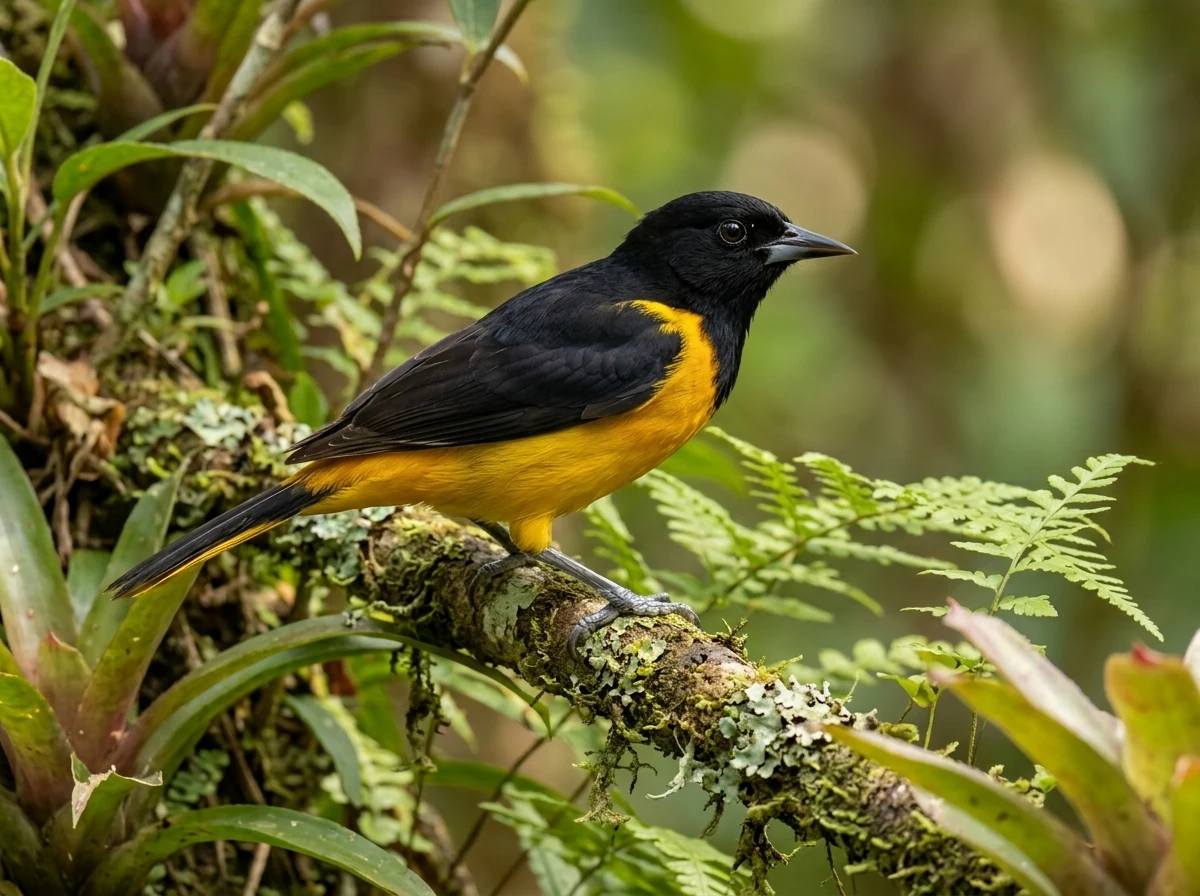
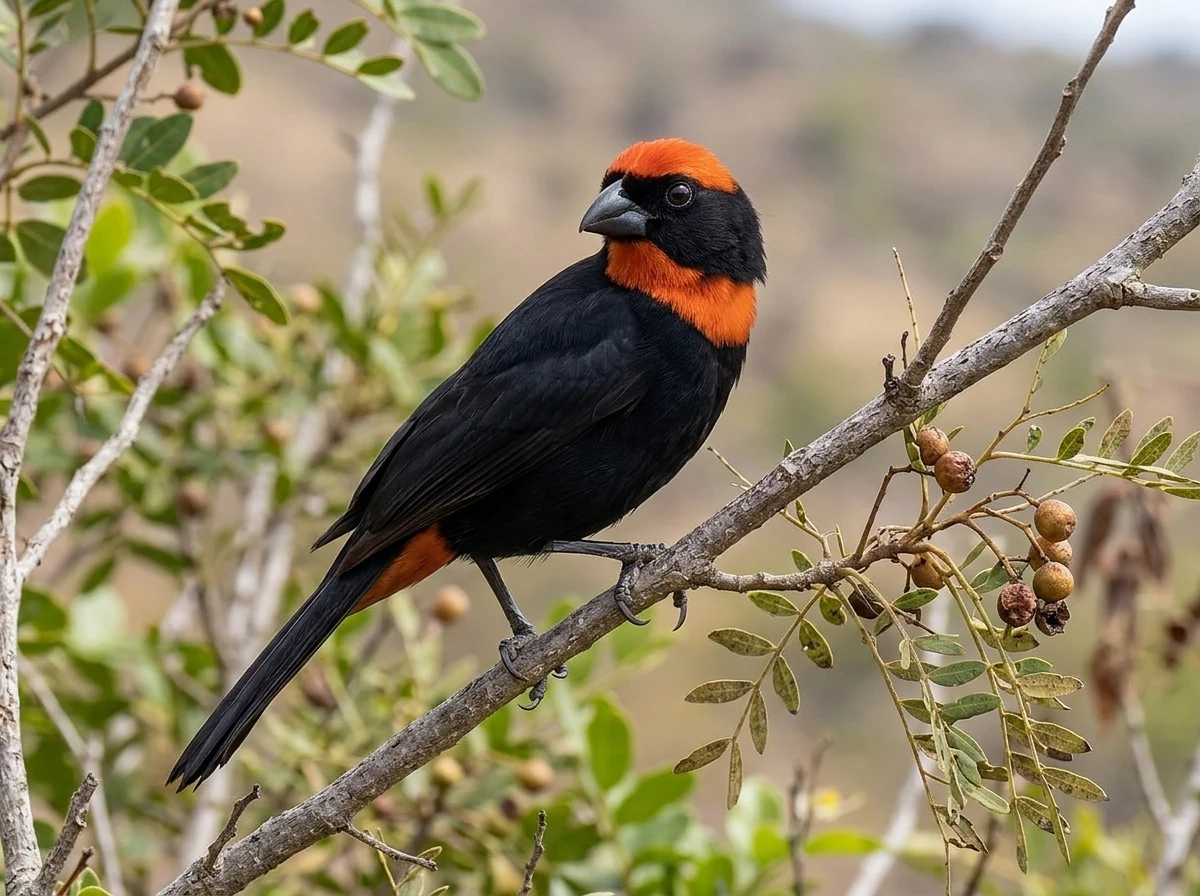
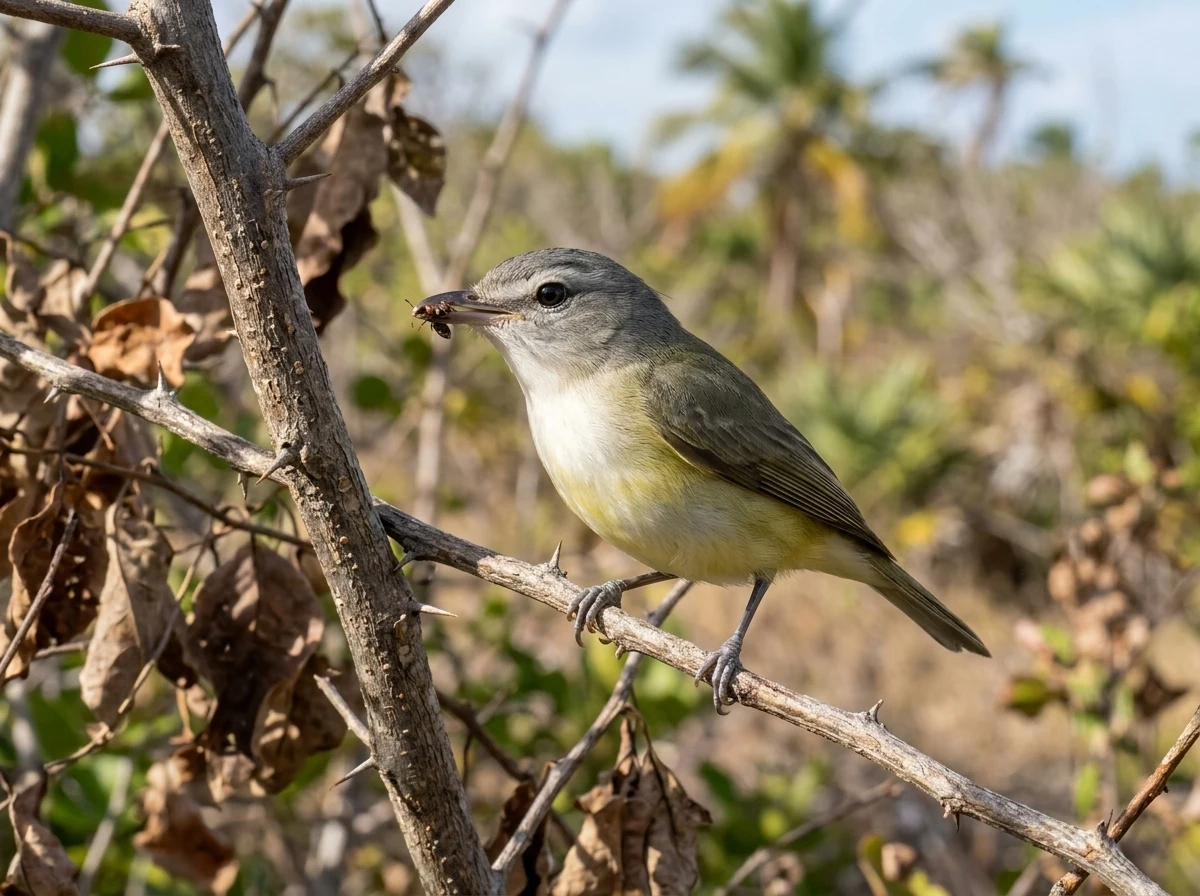
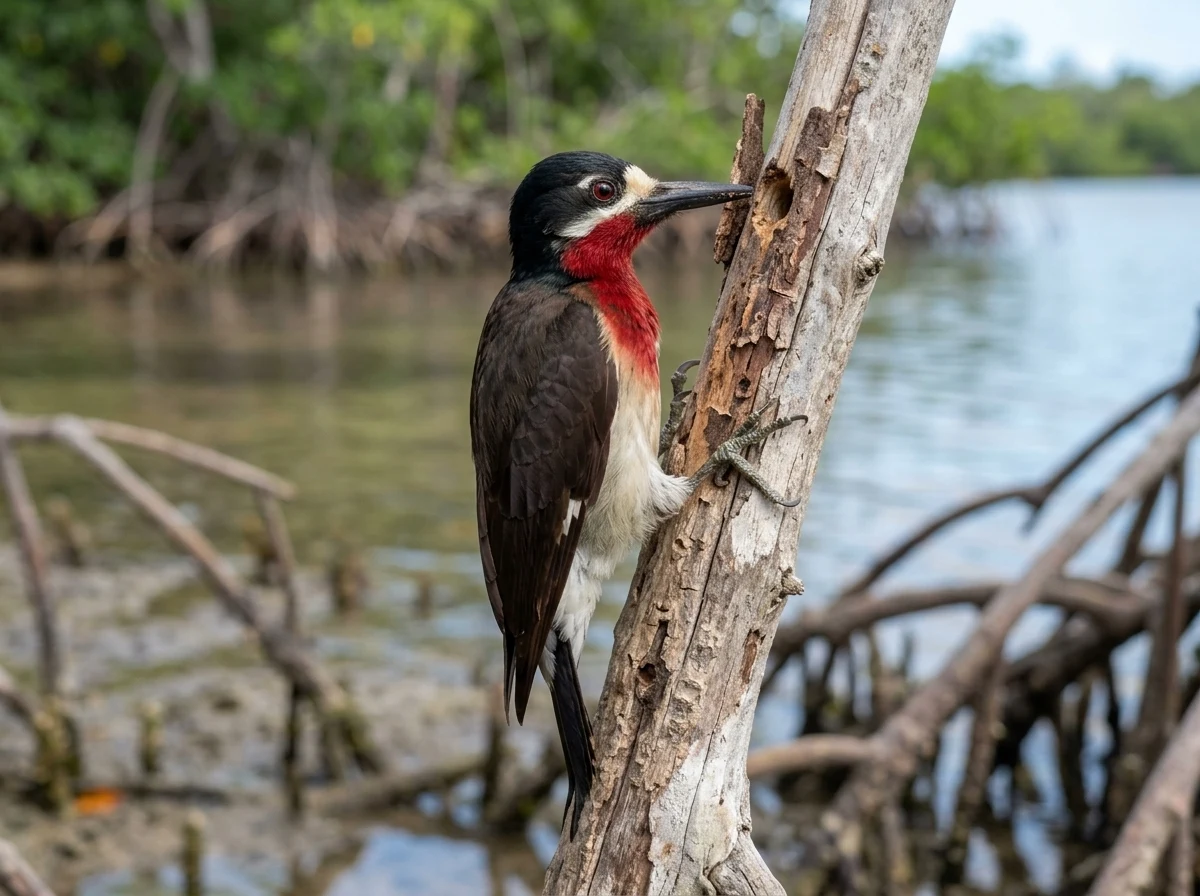
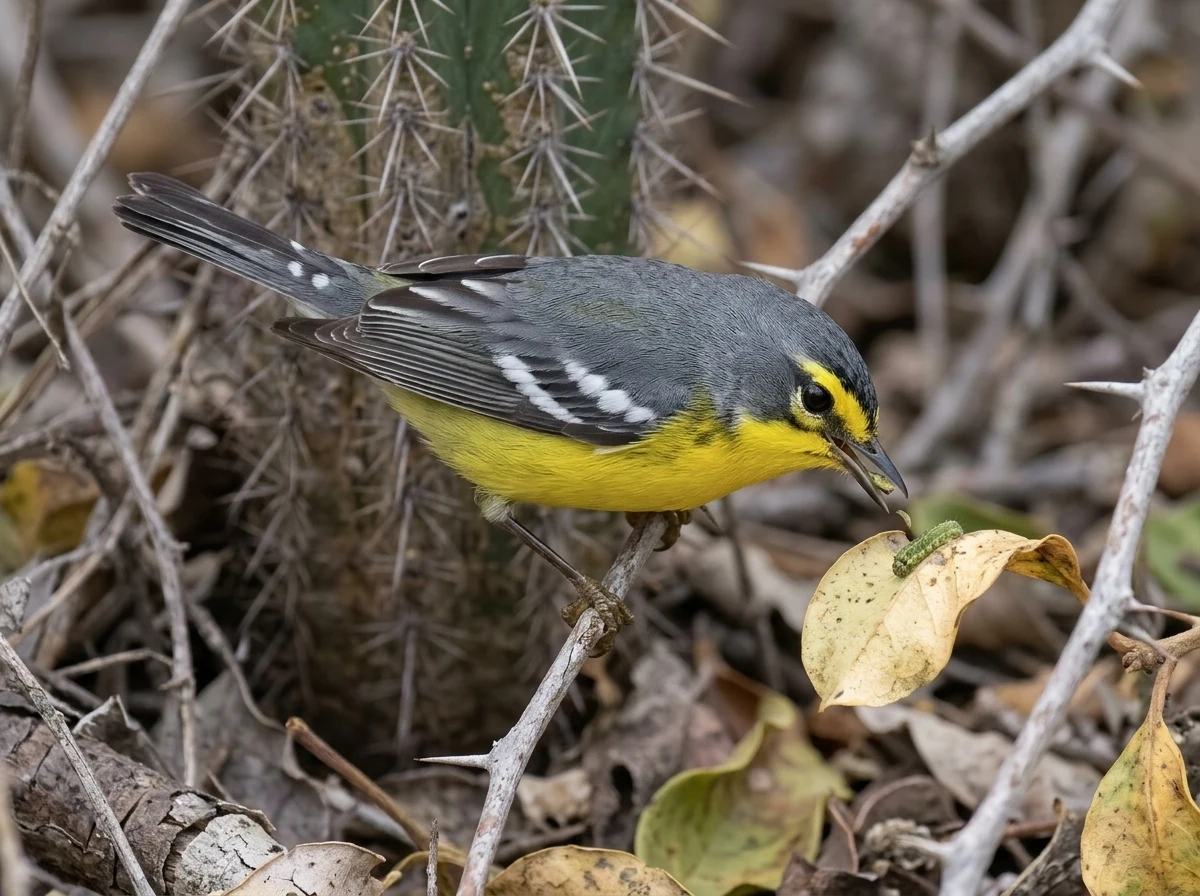
DNER names these twelve: Puerto Rican Lizard-Cuckoo, Puerto Rican Tody, Green Mango, Puerto Rican Bullfinch, Puerto Rican Vireo, Puerto Rican Woodpecker, Adelaide's Warbler, Puerto Rican Spindalis, Puerto Rican Owl, Puerto Rican Emerald, Puerto Rican Flycatcher, and Puerto Rican Oriole. The sheet calls them 'twelve of the 17 endemic birds'; Puerto Rico now recognizes 19 endemics after recent taxonomic changes.
The Puerto Rican Oriole (Calandria) is black with yellow shoulders, rump, and belly, and often moves near palms. The Green Mango is large and glittering green and more typical of the mountains, so its presence in a low northern forest deserves a good look. Puerto Rican Bullfinch, Puerto Rican Vireo, and Adelaide's Warbler are best detected by voice.
04
The Puerto Rican Lizard-Cuckoo: the star species
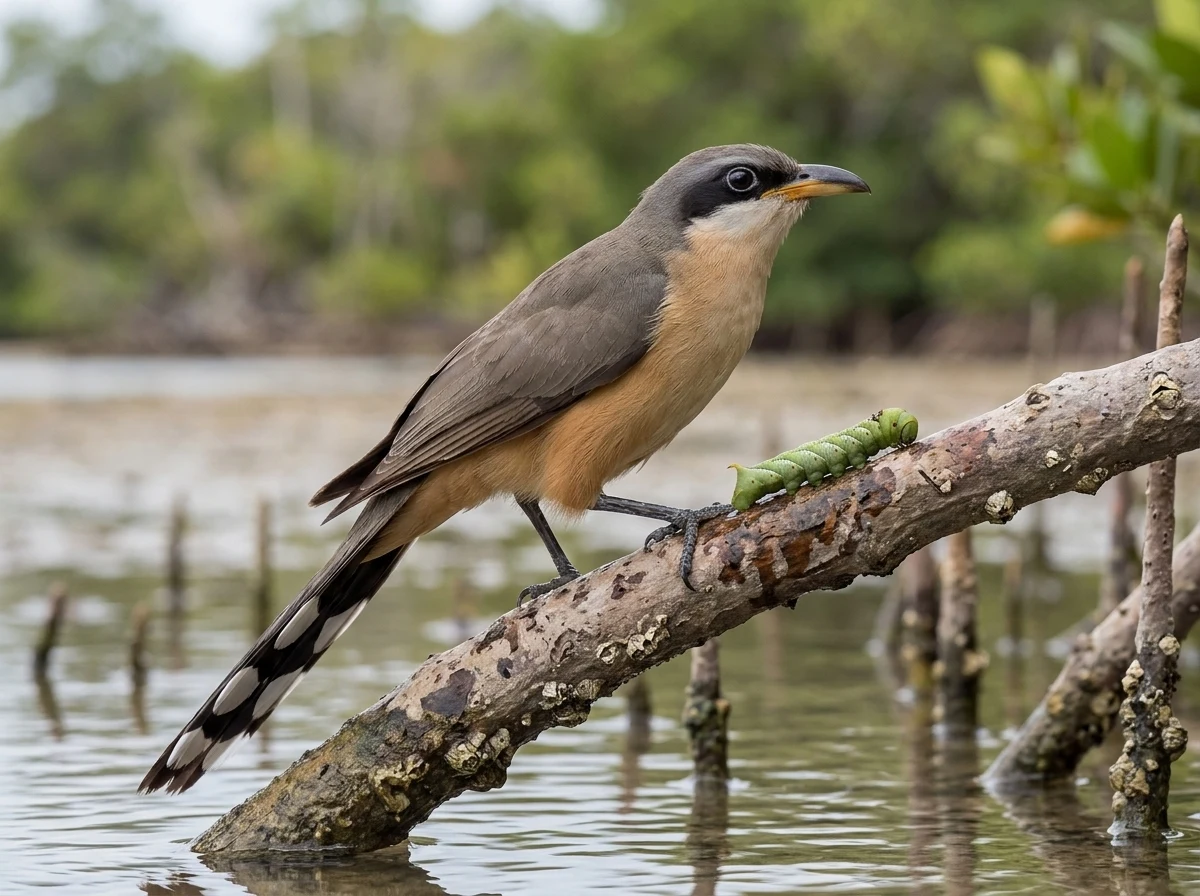
The Puerto Rican Lizard-Cuckoo is common on the island but hard to see: it moves slowly inside the foliage and sits still for long stretches. A Cambalache birding guide notes it is often found near the picnic pavilions and recreation zone. It is large, with a very long white-tipped tail, cinnamon belly, and pale throat.
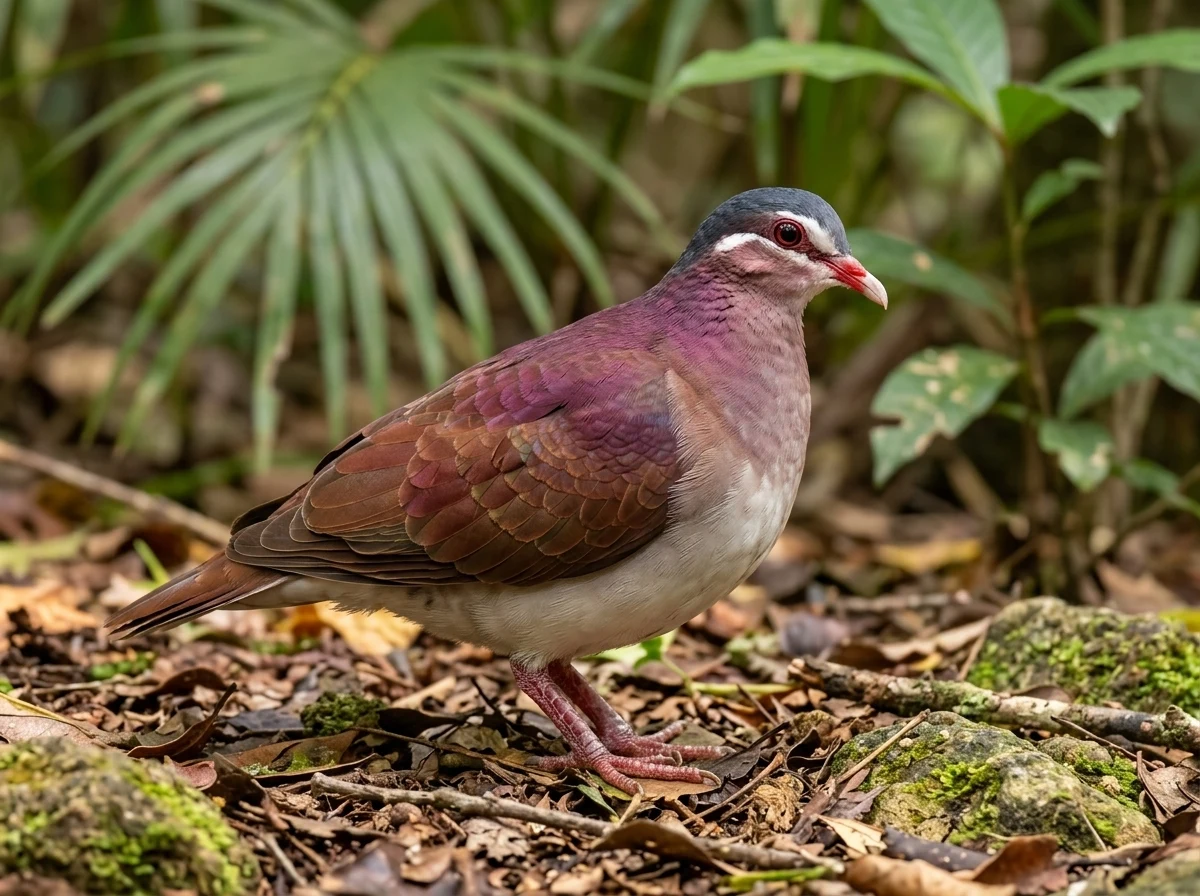
Watch for slow movement on mid-level branches and listen for its call, a series of guttural notes that speeds up. Other species the same guide mentions for the forest include Scaly-naped Pigeon, Key West Quail-Dove, Mangrove Cuckoo, and Black-whiskered Vireo. The quail-dove walks the forest floor, so walk slowly and quietly to avoid flushing it.
05
Best season and how to walk it
The 11 migrants DNER reports arrive mostly in fall and winter, so from October to March the list grows with northern warblers. Endemics are resident and can be seen year-round; their song is often more intense in spring. In any month, early morning is best, and midday heat cuts activity.
The birding guide describes a perimeter loop of about 3.5 km and several trails crossing the interior. Because trails are also used for mountain biking, stay alert and yield. A two- to three-hour visit covers the recreation area, part of the loop, and a couple of shaded sinkholes.
06
Protected wildlife and rehabilitation
DNER identifies the Puerto Rican boa and the native red fruit bat (Stenoderma rufum) at Cambalache, both protected under Regulation No. 6766, along with endangered plants such as matabuey and cobana negra. Watch without touching, stay on trails, and do not collect plants.
The forest is also tied to wildlife rehabilitation: in July 2019 DNER released rehabilitated birds there, including a Puerto Rican Owl, three Puerto Rican Woodpeckers, a Red-tailed Hawk, and four American Kestrels. If you find an injured bird, do not take it to the forest yourself; contact the Ranger Corps Wildlife Division at 787-724-5700.
Linked profiles
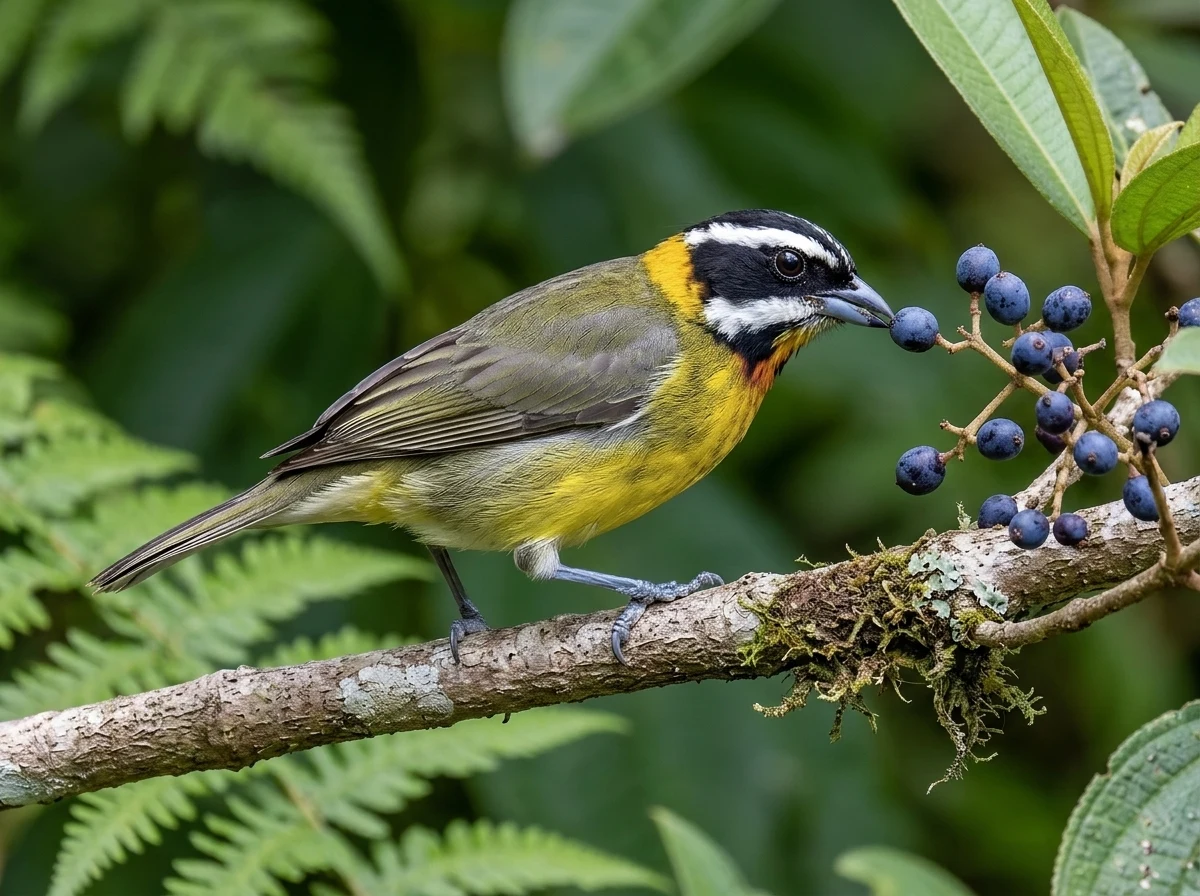
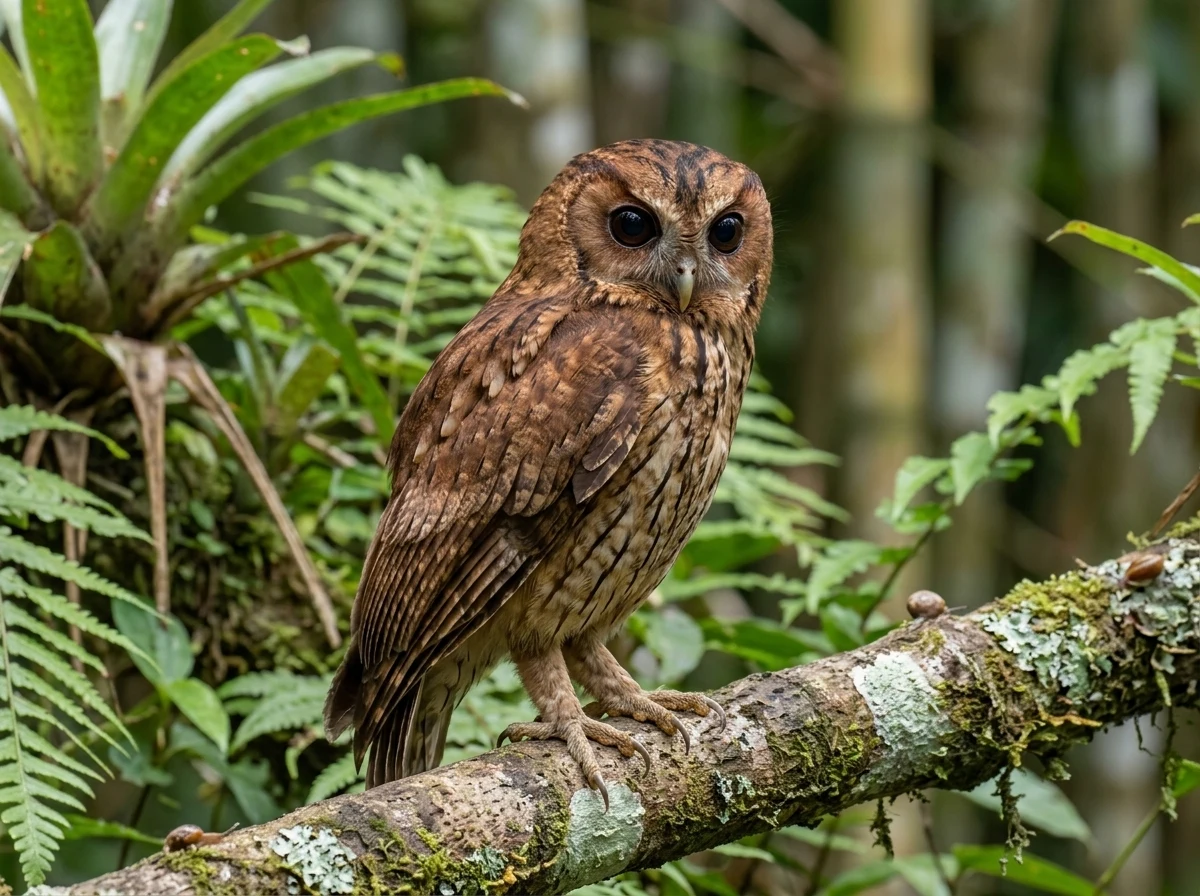
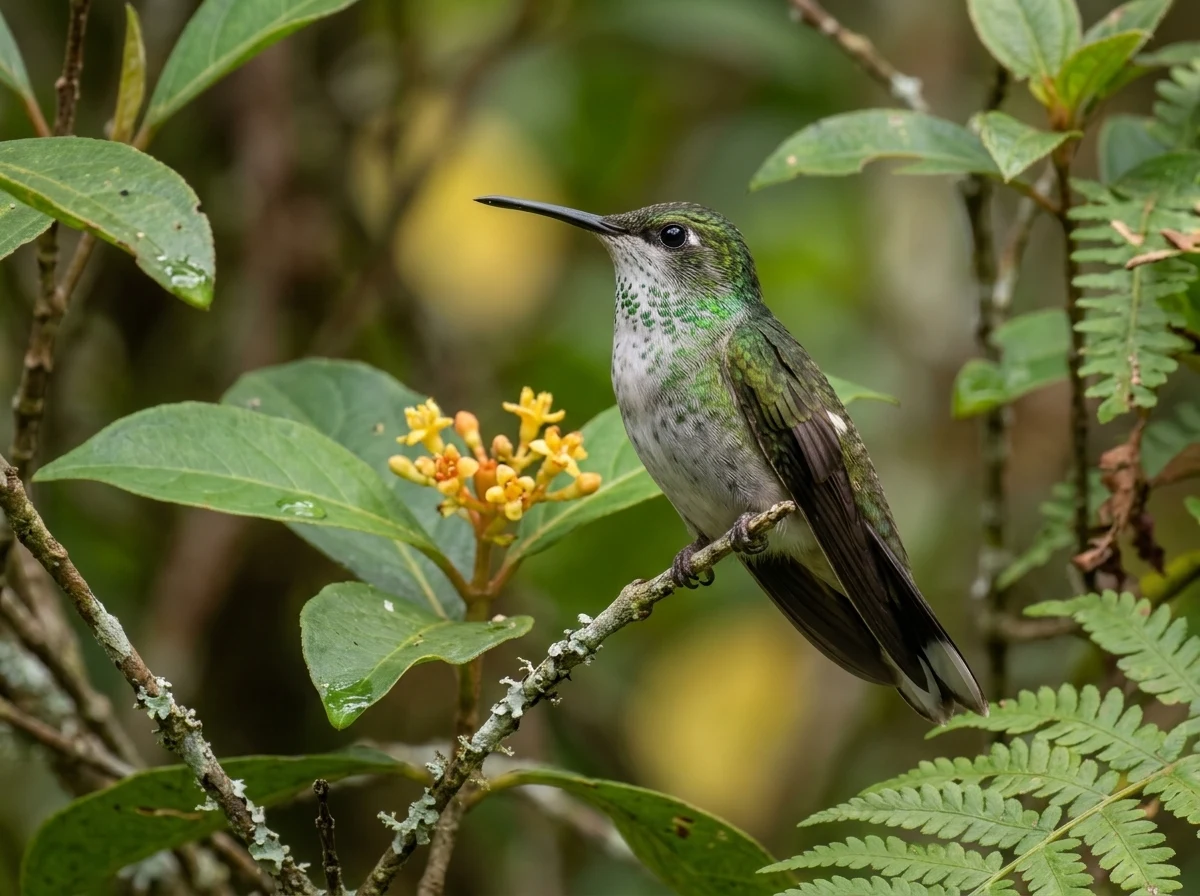
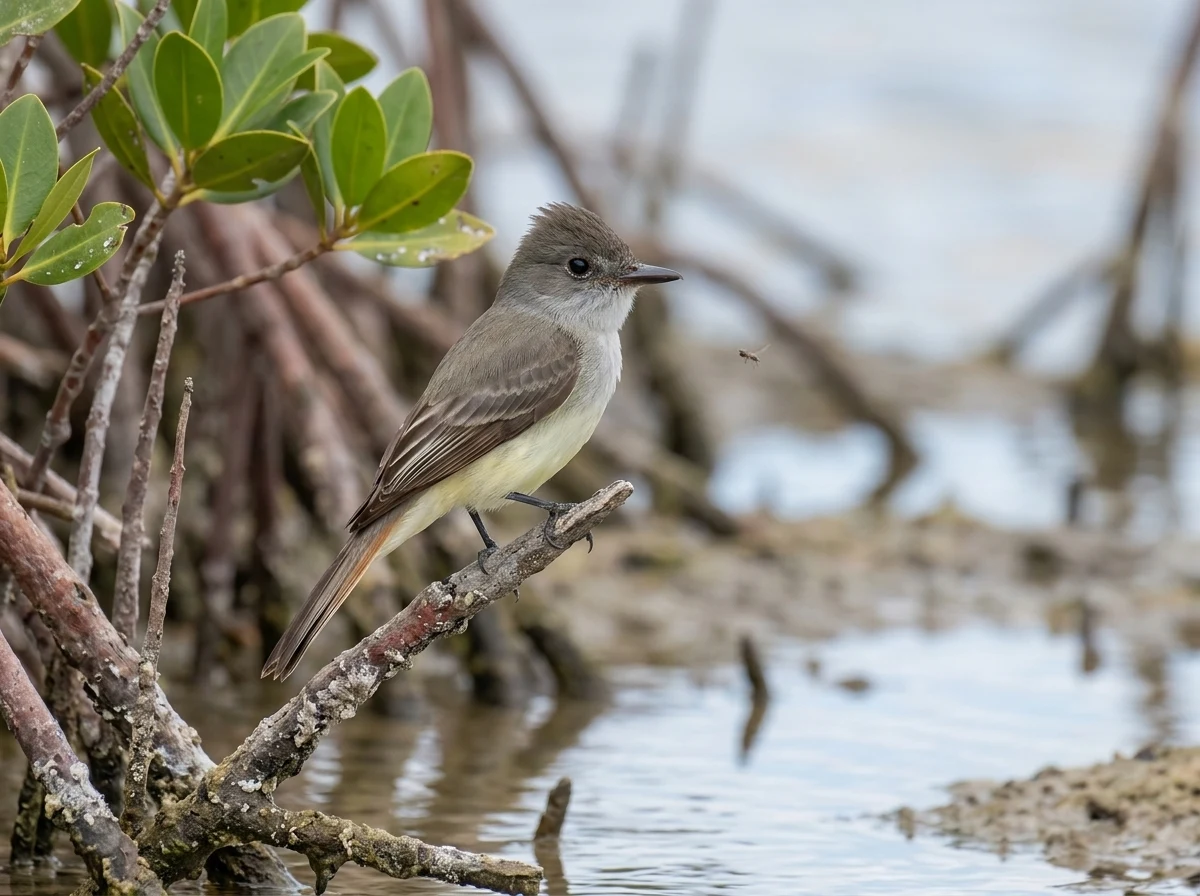
DNER's 12 endemics and two more species to look for
The twelve endemics DNER names, plus the quail-dove and Mangrove Cuckoo mentioned by a local birding guide.
Sound archive
Hear its voice
Explore real songs and calls. The spectrogram turns each sound into a visual trace of time and frequency.
XC173290Recording 1 of 3call

Play: call by Eric DeFonso
Choose another recording
Sound recorded by Eric DeFonso · XC173290 · CC BY-NC-SA 4.0. Visualization by Stichting Xeno-canto voor Natuurgeluiden.
Every recording retains the creator, catalogue number, and license published by Xeno-canto. Metadata via GBIF ↗
01
What birds are in Cambalache forest?
DNER reports 45 bird species at Cambalache, 34 resident and 11 migratory. It names 12 endemics: Puerto Rican Lizard-Cuckoo, Tody, Green Mango, Bullfinch, Vireo, Woodpecker, Adelaide's Warbler, Spindalis, Owl, Emerald, Flycatcher, and Oriole.
02
Where is Cambalache State Forest?
On the north coast between Arecibo and Barceloneta, divided into seven areas. The visitor area is on PR-682, near the PR-22 expressway.
03
Where can I see the Puerto Rican Lizard-Cuckoo?
It is a common but secretive endemic in forests and thickets island-wide. At Cambalache, a birding guide says it is often found near the picnic pavilions and recreation zone; watch for slow movement on mid-level branches and listen for its guttural call.
04
Can you mountain bike at Cambalache?
Yes. DNER lists seven kilometers of trails for hiking and mountain biking, plus a trail for people with disabilities. If you are birding, watch for cyclists and yield on curves.
05
What should I do if I find an injured bird near Cambalache?
Do not take it to the forest yourself. Contact the DNER Ranger Corps Wildlife Division at 787-724-5700; DNER has released rehabilitated birds at Cambalache, such as an owl and woodpeckers in 2019.
06
When is the best time to bird Cambalache?
Early morning, any month. From October to March, migrant warblers join the 34 resident species DNER reports; confirm opening hours before going because published sources disagree.
Keep exploring
Connected routes
Sources and review
The evidence is one link away.
These sources support the editorial scope of this guide. Bird profiles also retain their own taxonomy, occurrence, and conservation references.
Reviewed:
01↗02↗03↗04↗05↗
Departamento de Recursos Naturales y Ambientales
Our Environment fact sheet: Cambalache State Forest (P-027)
History since 1943, 1,600 cuerdas in seven areas, 7 km of trails, karst aquifers, and 45 bird species with 12 named endemics.birdfinding.info
Cambalache State Forest, Puerto Rico
Birding guide: Puerto Rican Lizard-Cuckoo near the picnic pavilions, 3.5 km perimeter loop, and limestone-forest target species.Departamento de Recursos Naturales y Ambientales
DRNA releases endemic and resident birds in Cambalache Forest
July 2019 release of a rehabilitated owl, woodpeckers, a hawk, kestrels, and troupials, plus the Ranger Corps wildlife phone number.Xeno-canto Foundation / GBIF
Xeno-canto recordings published through GBIF
Metadata, authorship, licenses, and catalogue records for field recordings used by the atlas.American Ornithological Society
64th supplement to the AOS Check-list
Explains the 2023 Caribbean splits, including Puerto Rican Euphonia.The atlas continues