 AI
AIKarst forest guide
Birds of Guajataca State Forest
Limestone hills, sinkholes, and the largest trail network in the state forest system: Guajataca is where the northwestern karst opens up to walkers.
Reviewed:More than 70 species among limestone hills.
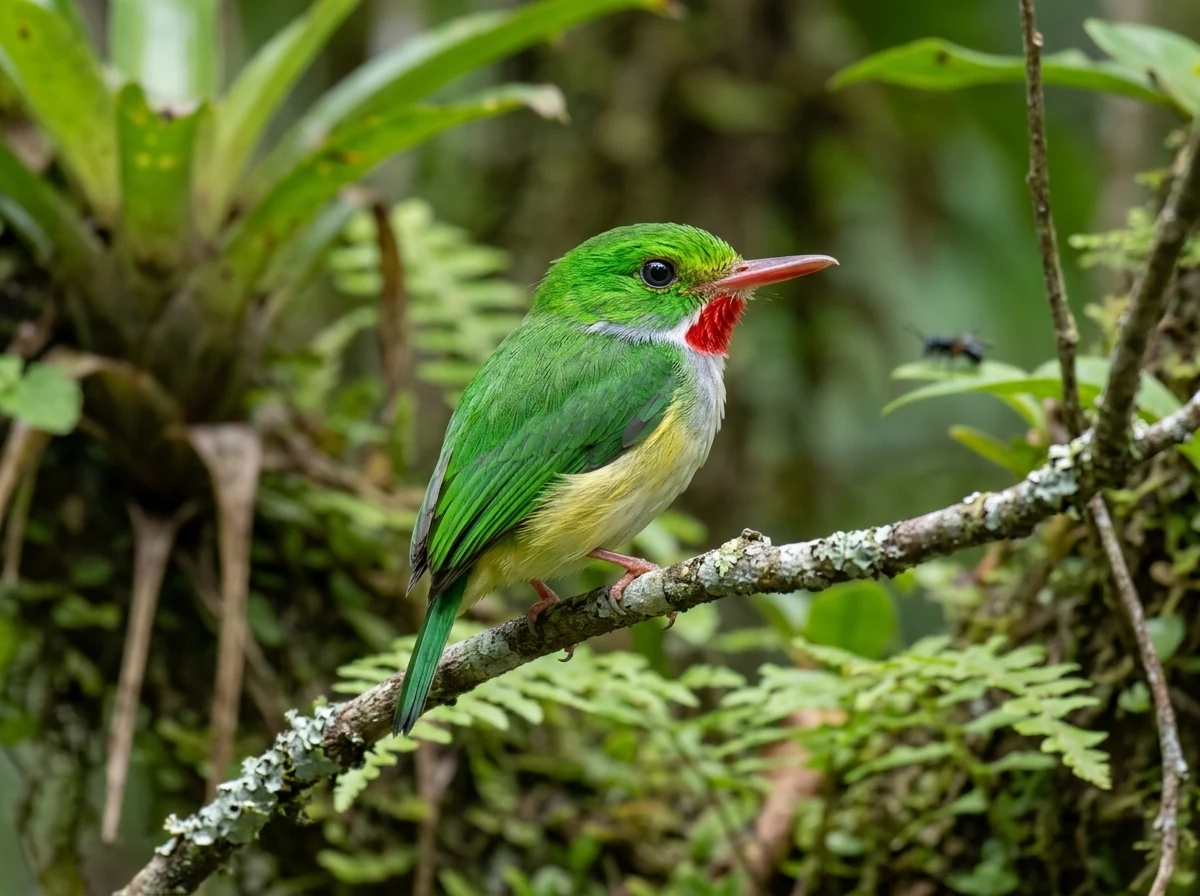
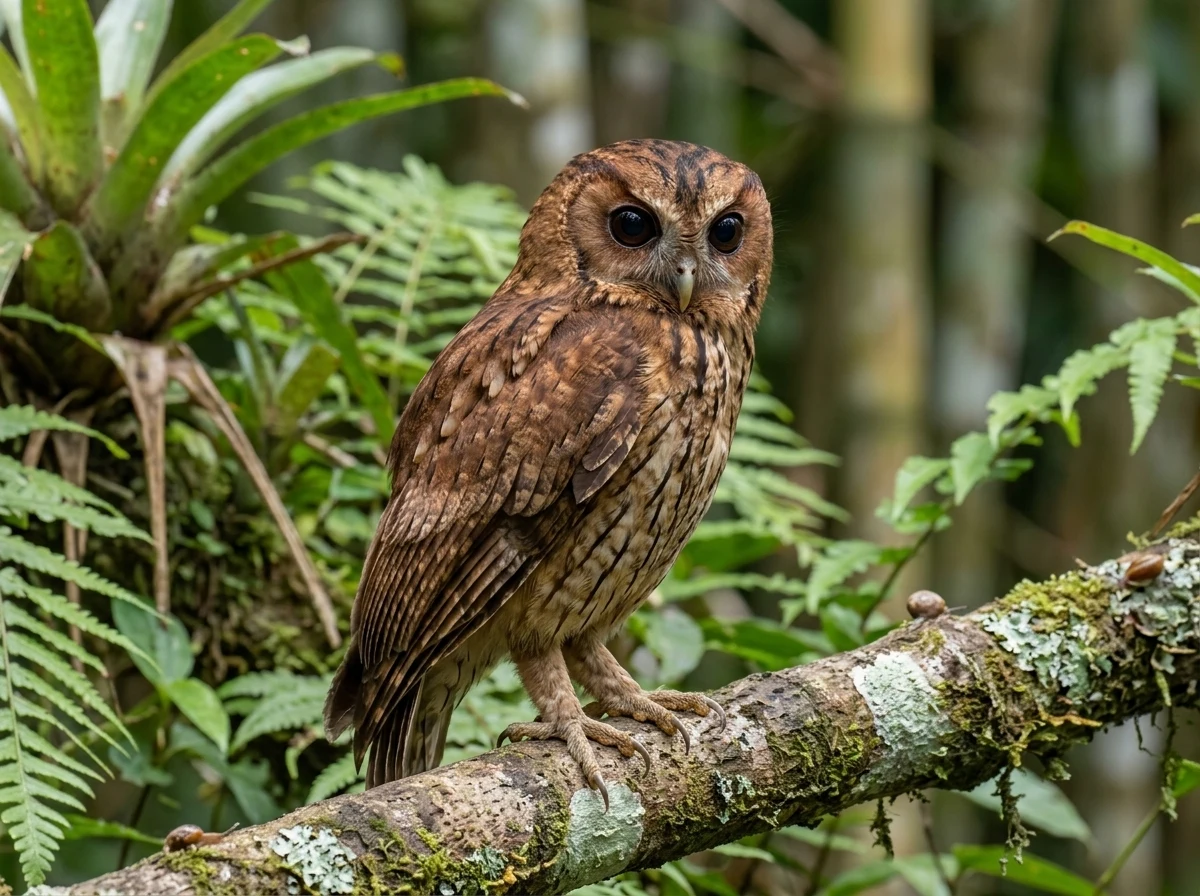
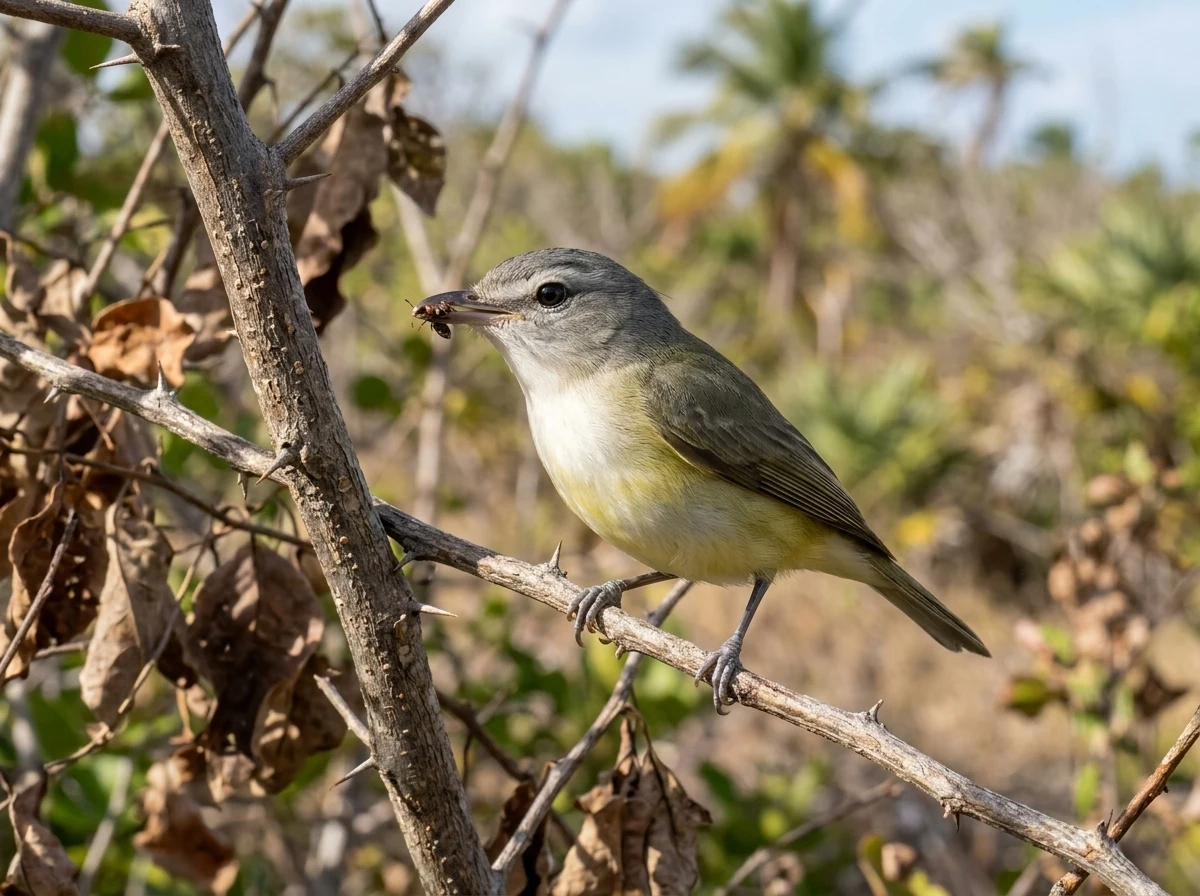
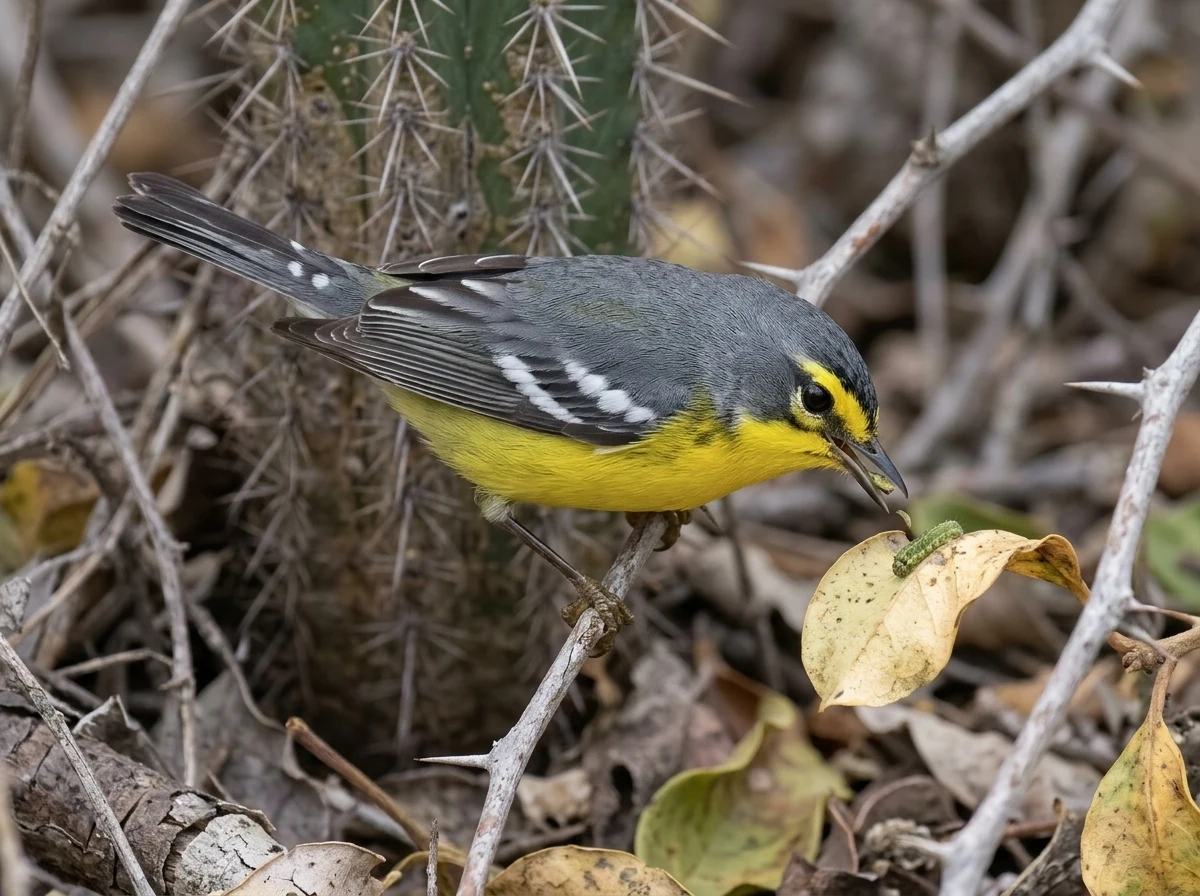
Guajataca State Forest in Isabela has more than 70 bird species according to DNER, including 12 Puerto Rican endemics and 26 migrants. It is one of the best places in the northwest to see karst endemics such as Puerto Rican Tody (San Pedrito), Puerto Rican Owl (Múcaro Común), Puerto Rican Vireo (Bien-te-veo), and Adelaide's Warbler (Reinita Mariposera).
The forest covers about 2,357 cuerdas between 500 and 1,100 feet of elevation, classified as subtropical moist forest, and DNER says it has the best trail system of any state forest, with 44 km. Cueva del Viento, the observation tower, and the information center round out a visit that can be as short or as long as you like. This guide gathers what is verified and turns it into a birding plan.
Karst forest guide
Guajataca by the numbers
70+bird speciesWith 12 endemics and 26 migrants, per DNER.
44 kmof trailsThe best trail system among state forests, per DNER.
2,357cuerdasBetween 500 and 1,100 feet of elevation in Isabela.
01
Access and facilities
Guajataca lies in northwestern Puerto Rico, in the municipality of Isabela, and is reached on PR-446. The land was transferred to the people of Puerto Rico in 1943 by the Puerto Rico Reconstruction Administration, and today DNER's Forest Service Bureau manages it under the 1975 Forest Law.
DNER lists recreation areas, a camping area, 44 km of trails, Cueva del Viento, gazebos, an observation tower, an information center, the forest manager's office, restrooms, and parking. Ask for the trail map when you arrive and confirm the status of each route; in karst country, a closed trail usually has a reason, such as collapses or fallen trees.
02
Habitats: dry slopes and moist sinkholes
DNER identifies two vegetation associations. The first, on limestone hill slopes, covers 76% of the forest: porous calcareous soils that drain quickly and create a xerophytic environment. The second, the remaining 24%, lies in the valleys and sinkholes between hills, with more moisture and shade.
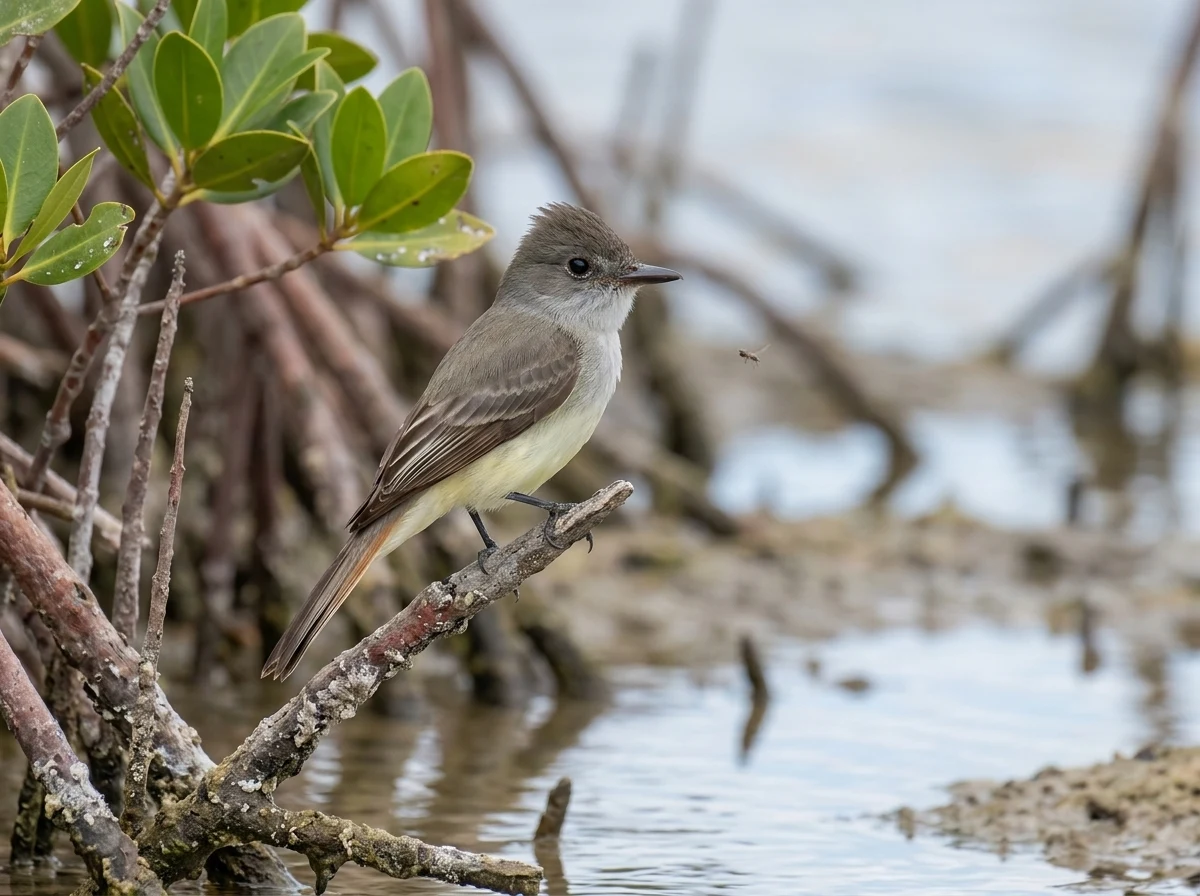
That difference is the key to finding birds. On the more open, drier slopes, Adelaide's Warbler and Puerto Rican Flycatcher are easier to find; shaded sinkholes concentrate Puerto Rican Tody, Puerto Rican Bullfinch, and Puerto Rican Vireo. More than 186 tree species have been reported, including úcar, María, capá prieto, and tintillo, plus plantations of mahogany, teak, and other species.
03
The endemics DNER names
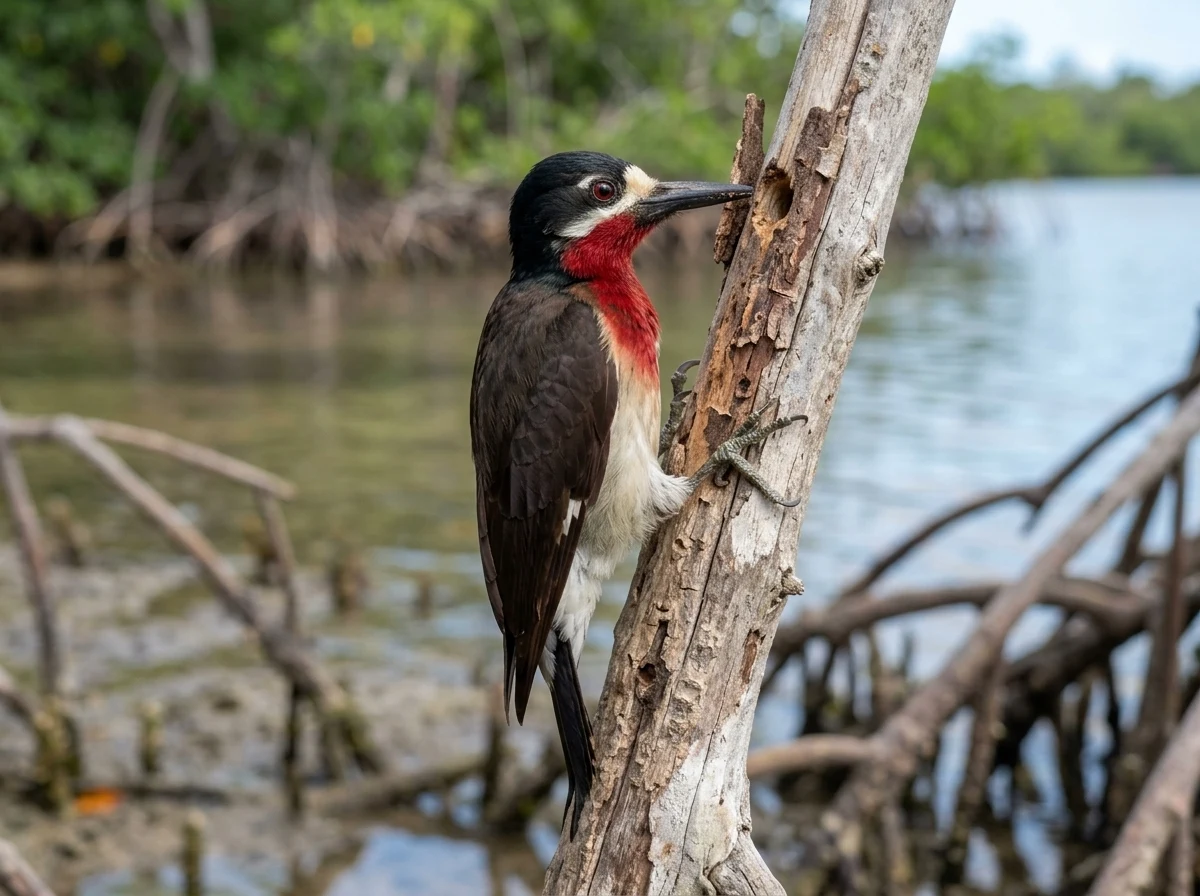
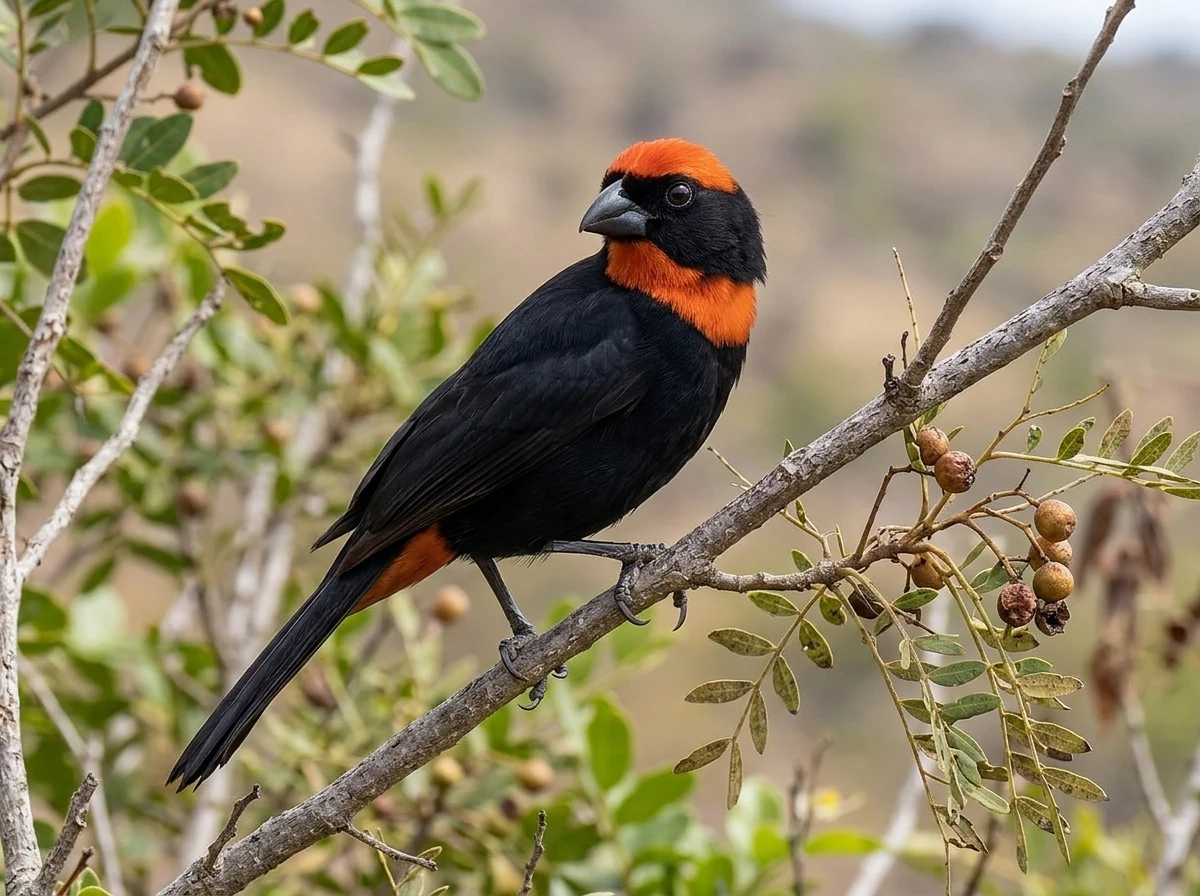
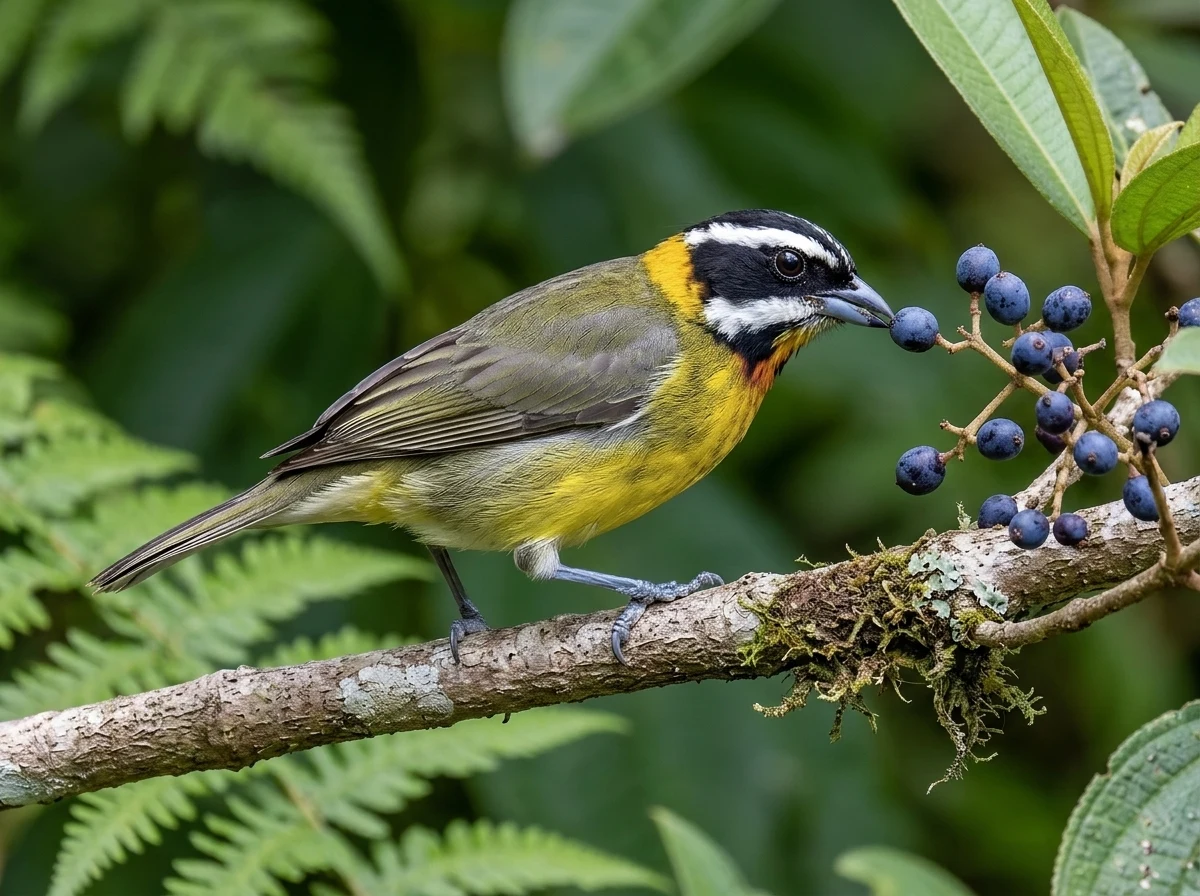
The DNER fact sheet gives the Puerto Rican Woodpecker, Puerto Rican Tody, Puerto Rican Owl, Puerto Rican Vireo, Puerto Rican Flycatcher, Adelaide's Warbler, Puerto Rican Bullfinch, and Puerto Rican Spindalis as examples of its endemics. A patient visitor can find these eight in a morning, especially after learning their voices.
The Puerto Rican Vireo (Bien-te-veo) is the easiest to miss: it sings short repeated phrases from the foliage and is listed as vulnerable by DNER. The Puerto Rican Bullfinch (Comeñame), with a rufous throat and brow in the male, is listed as vulnerable by the IUCN. The Puerto Rican Spindalis (Reina Mora), olive in the female and very colorful in the male, moves among fruiting trees.
04
The Puerto Rican Owl and night birds
The Puerto Rican Owl (Múcaro Común) appears on DNER's endemic list for Guajataca. It is a small owl detected almost always by voice, a tremulous trill heard at dusk and before dawn. By day it roosts in dense foliage or cavities, and it should not be searched for with flashlights or playback.
If you camp with DNER permits, listen from the campsite rather than walking trails at night: karst ground has sinkholes and uneven rock. Note the time and direction of the call; that information is worth more than a forced photo. Cueva del Viento has cave-dwelling wildlife and no lighting, so enter with a strong flashlight and without disturbing bats.
05
Best season: migrants and dry months
DNER reports average rainfall of 75 inches a year, peaking in May, with a dry period in the first three months of the year. The hottest temperatures come in July and August, with an annual average of 76.5 °F. January to March combines less rain with the 26 migrant species DNER reports for the forest.
In those months, migrant warblers mix with endemics in small flocks; stopping where you hear movement in the foliage pays off more than walking fast. In summer, start as early as possible: July and August heat cuts activity by mid-morning, and mosquitoes are most active in moist sinkholes.
06
Responsible birding in karst country
The forest protects the Puerto Rican boa, an endangered species covered by Regulation No. 6766, and the Jamaican fruit bat is its most common mammal. If you meet a boa on the trail, watch from a distance and let it pass. Do not remove plants, rocks, or cave formations.
Use recordings only to study before you go, not to attract birds in the forest. Stay on marked trails, carry enough water, and tell someone your route: with 44 km of trails among similar-looking hills, getting turned around is easy. Log your sightings on a platform such as eBird so the Guajataca list keeps improving.
Linked profiles
The eight endemics DNER names for Guajataca
Learn their voices before you go: in karst forest you hear them long before you see them.
Sound archive
Hear its voice
Explore real songs and calls. The spectrogram turns each sound into a visual trace of time and frequency.
XC793992Recording 1 of 3call

Play: call by Barry Edmonston
Choose another recording
Sound recorded by Barry Edmonston · XC793992 · CC BY-NC-SA 4.0. Visualization by Stichting Xeno-canto voor Natuurgeluiden.
Every recording retains the creator, catalogue number, and license published by Xeno-canto. Metadata via GBIF ↗
01
What birds are in Guajataca forest?
DNER reports more than 70 bird species at Guajataca, including 12 endemics and 26 migrants. The endemics it names include the Puerto Rican Woodpecker, Puerto Rican Tody, Puerto Rican Owl, Puerto Rican Vireo, Puerto Rican Flycatcher, Adelaide's Warbler, Puerto Rican Bullfinch, and Puerto Rican Spindalis.
02
Where is Guajataca State Forest?
In the municipality of Isabela, in the karst of northwestern Puerto Rico. It is reached on PR-446, where the information center, parking, and the most-used trailheads are located.
03
How many miles of trails does Guajataca have?
DNER says it has 44 km (about 27 miles) of trails, the best trail system of any state forest. Most visitors use the routes to Cueva del Viento and the observation tower.
04
Can you hear the Puerto Rican Owl at Guajataca?
Yes, the Puerto Rican Owl is among the endemics DNER names for Guajataca. It is detected mainly by its tremulous trill at dusk and before dawn; listen from the authorized campsite and do not search for it with flashlights or playback.
05
When is the best time to bird Guajataca?
January to March, which DNER describes as the dry period, combines less rain with migrant birds. May is the wettest month and July and August the hottest, so summer visits should start at dawn.
06
How is Guajataca different from Río Abajo or Cambalache?
All three are northern karst forests, but Guajataca has the largest trail network and Cueva del Viento, Río Abajo is a core area for the Puerto Rican Parrot program, and Cambalache is smaller, lower, and close to PR-22. Guajataca is the best choice for a long hike.
Keep exploring
Connected routes
Sources and review
The evidence is one link away.
These sources support the editorial scope of this guide. Bird profiles also retain their own taxonomy, occurrence, and conservation references.
Reviewed:
01↗02↗03↗
Departamento de Recursos Naturales y Ambientales
Our Environment fact sheet: Guajataca State Forest (P-028)
2,357 cuerdas in Isabela, 44 km of trails, Cueva del Viento, tower, karst vegetation associations, and more than 70 bird species.Xeno-canto Foundation / GBIF
Xeno-canto recordings published through GBIF
Metadata, authorship, licenses, and catalogue records for field recordings used by the atlas.Departamento de Recursos Naturales y Ambientales
Río Abajo State Forest management plan
Official basis for the limestone forest, its resources, management zones, and conservation.The atlas continues