 AI
AISan Juan Bay Estuary
Birds of San Juan's Lagoons: San José, Torrecilla, Condado, Martín Peña
One lagoon per chapter: size, habitat, most-reported birds, and the story of the lost mudflats and the Martín Peña dredging.
Reviewed:An estuary inside the city
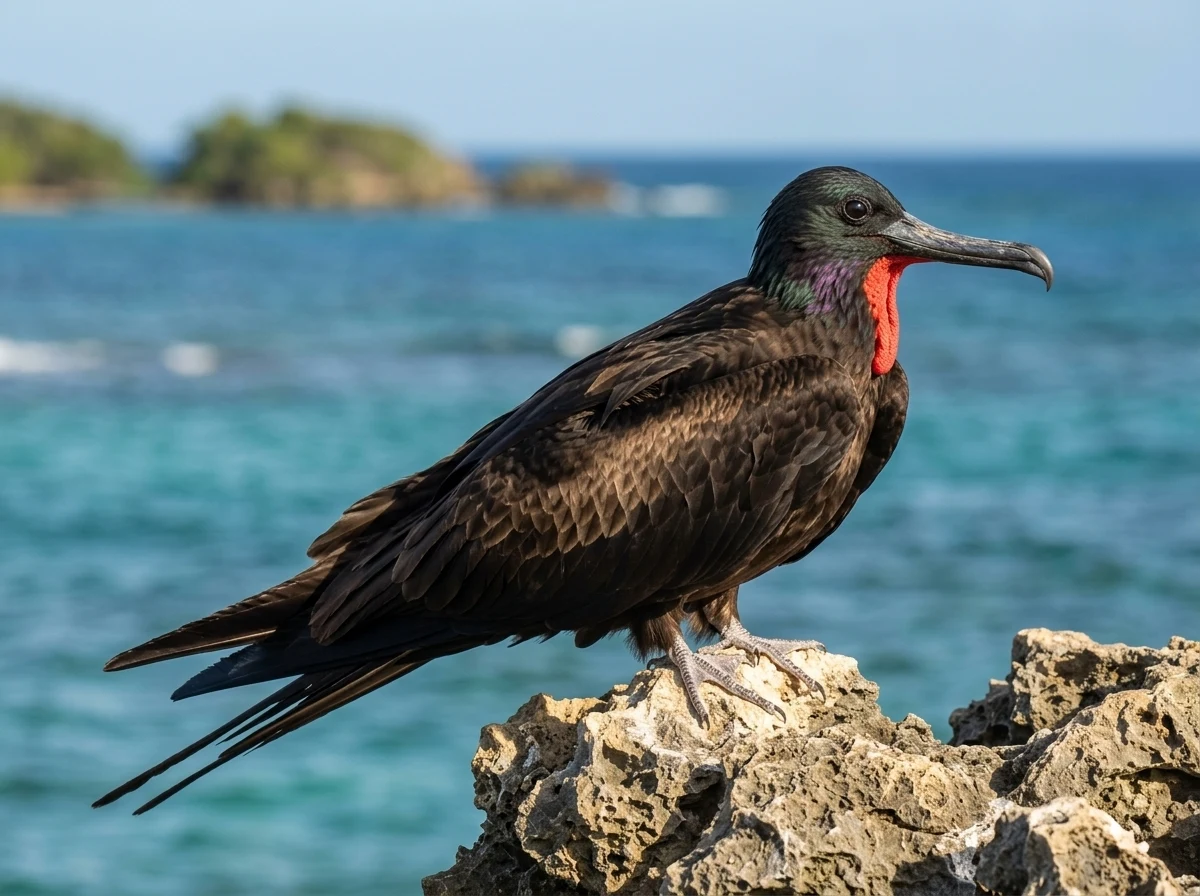
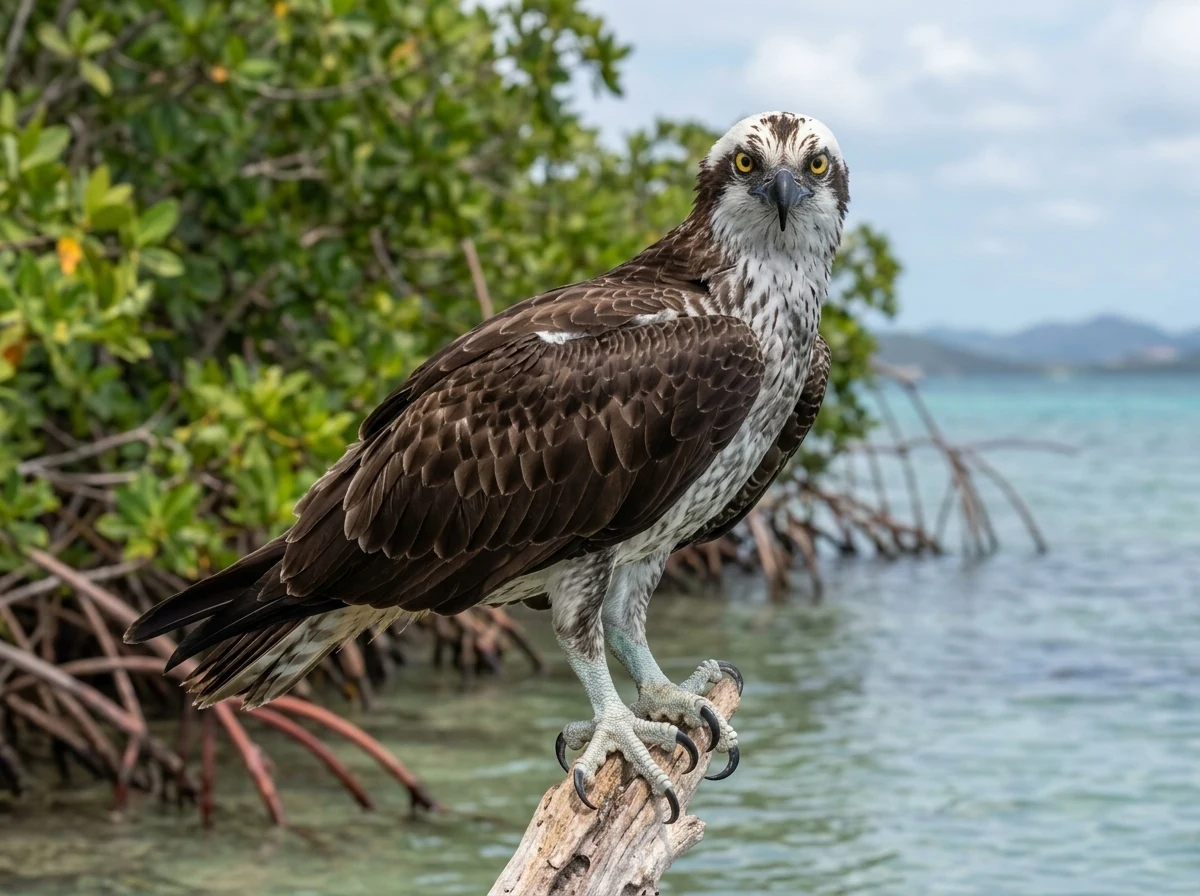
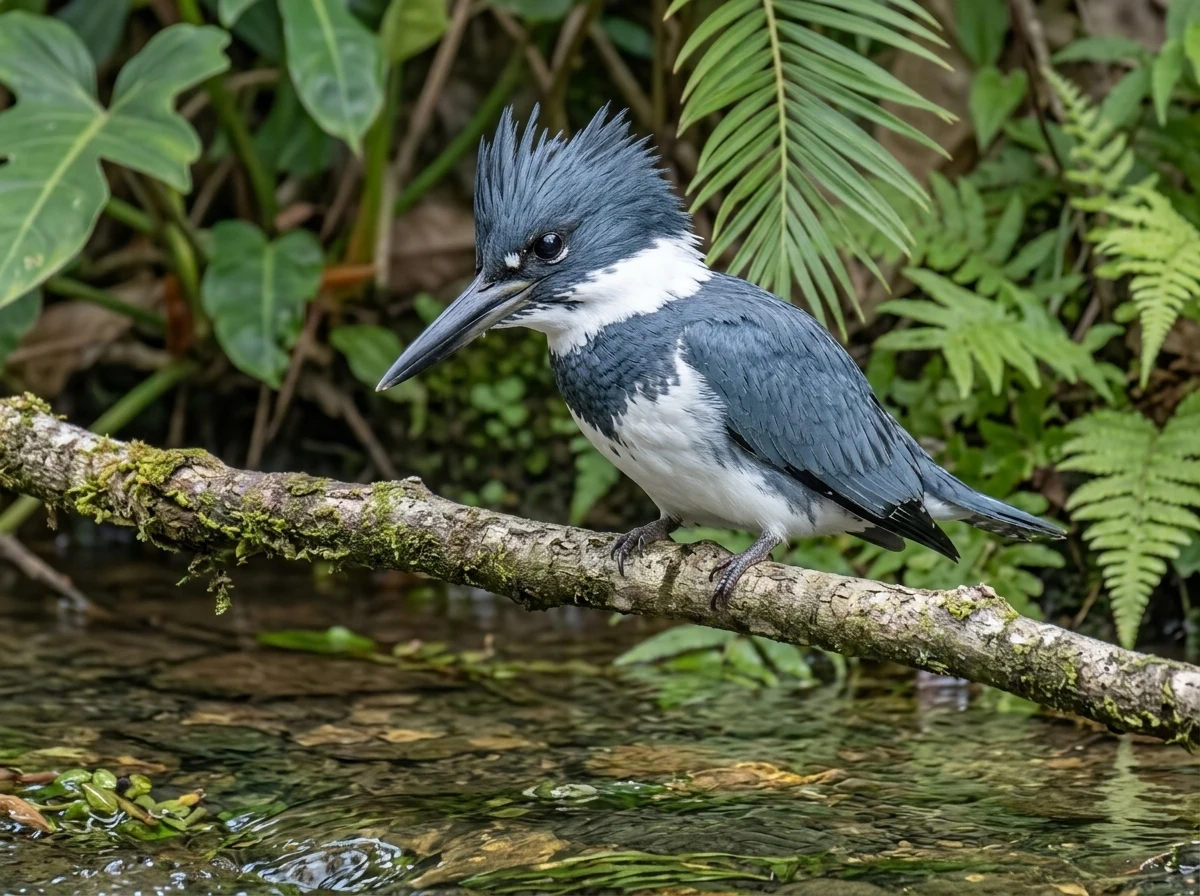
San Juan's lagoons make up the San Juan Bay Estuary: the bay, Condado Lagoon, the San José and Los Corozos lagoons, La Torrecilla Lagoon, and Piñones Lagoon, joined by the Martín Peña Channel, San Antonio Channel, and Suárez Canal. More than 160 bird species have been reported in this system, with herons, Brown Pelicans, Magnificent Frigatebirds, Ospreys, and kingfishers among the most visible.
The estuary spans eight municipalities from Toa Baja to Loíza and holds 33% of Puerto Rico's mangroves. In 1992 it was designated an estuary of national importance under the EPA's National Estuary Program, the only one of the program's 28 estuaries in a tropical zone outside the continental United States.
This guide complements the Piñones and San Juan guide: the focus here is the inner lagoons and their channels, which birds are reported at each, and what changes are coming for their habitat.
San Juan Bay Estuary
The estuary by the numbers
160+Bird speciesReported within the estuary system.
1,129 acresSan José and Los CorozosThe lagoons least influenced by the tide.
608 acresLa Torrecilla LagoonMostly ringed by mangroves.
33 %Puerto Rico's mangrovesInside the estuary.
01
San José and Los Corozos lagoons
At the center of the estuary, between San Juan and Carolina, lie Los Corozos Lagoon to the northwest and San José Lagoon to the southeast, with about 1,129 acres of water. They have no direct outlet to the sea, which makes them the least tidal. Most of their shoreline is fringed with mangroves, although the western and southwestern banks were filled for housing.
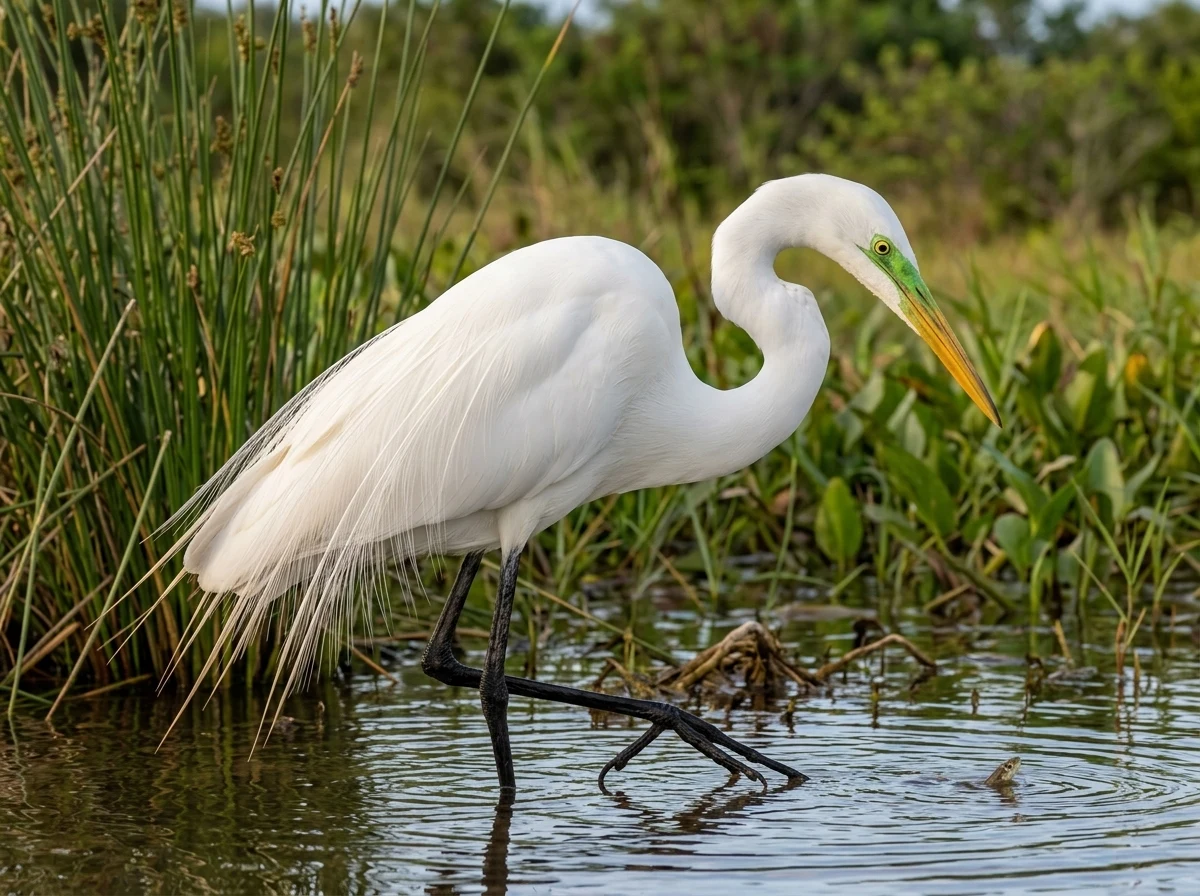
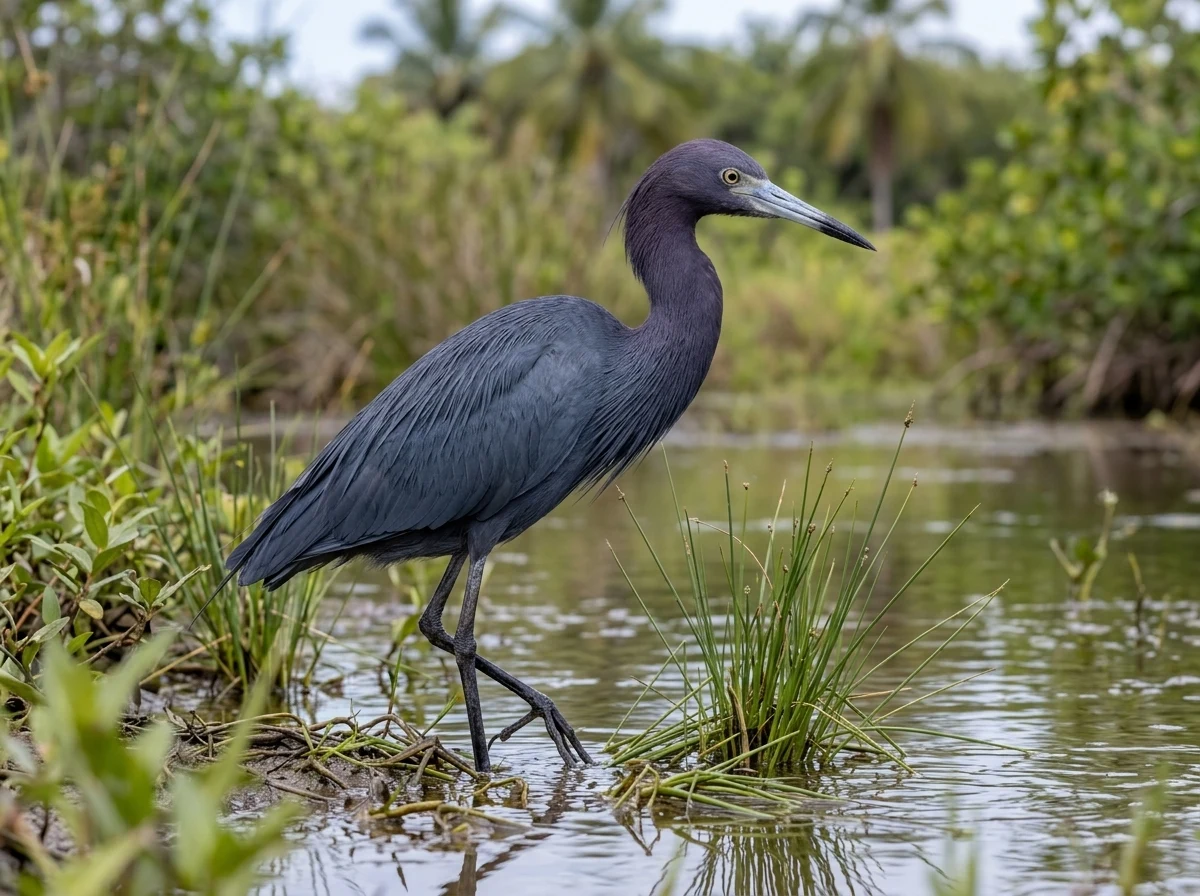
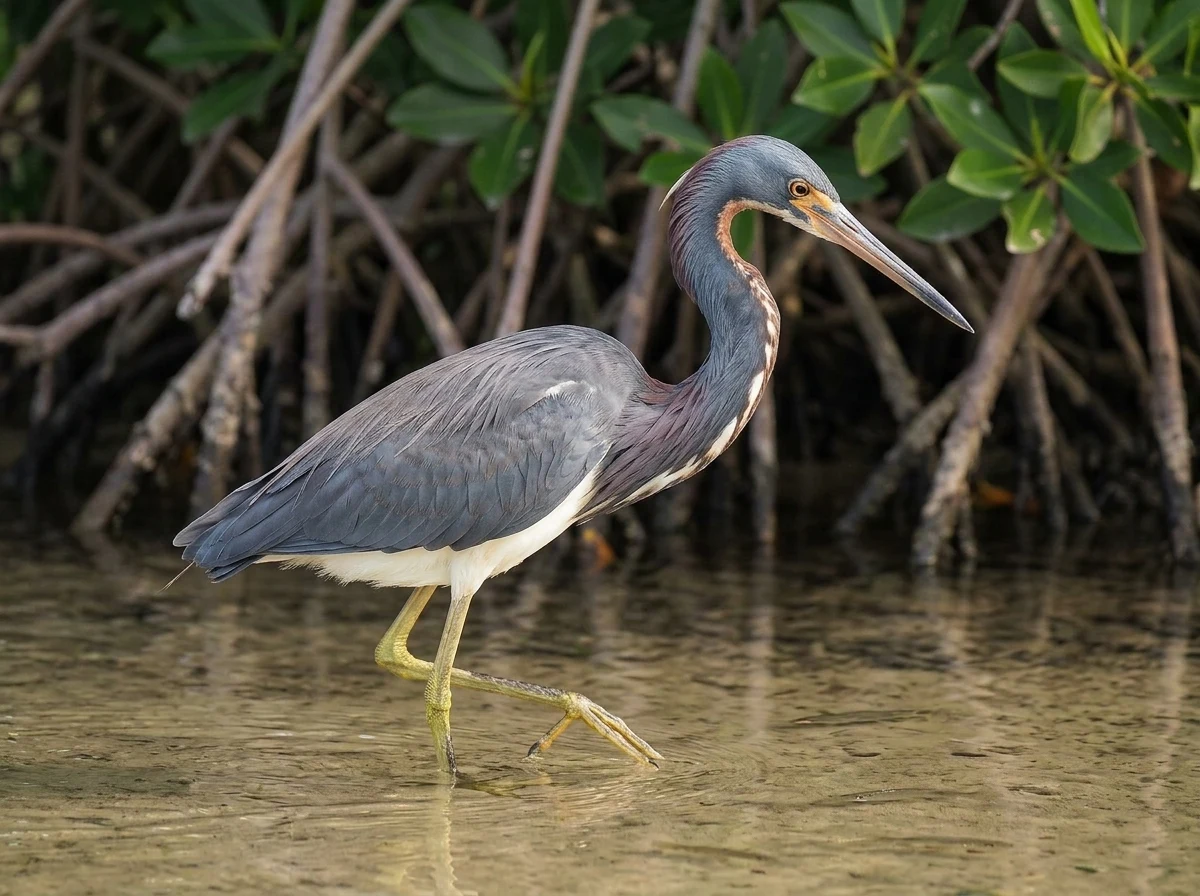
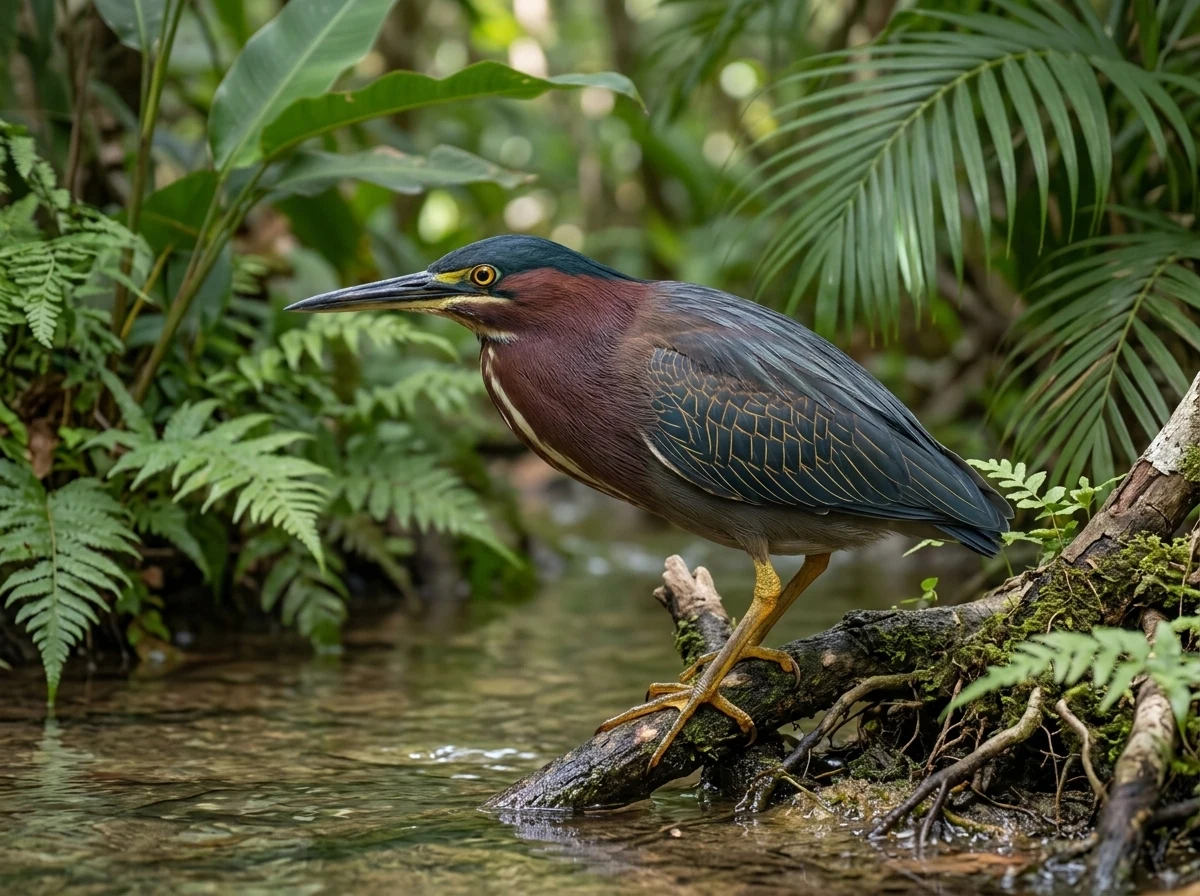
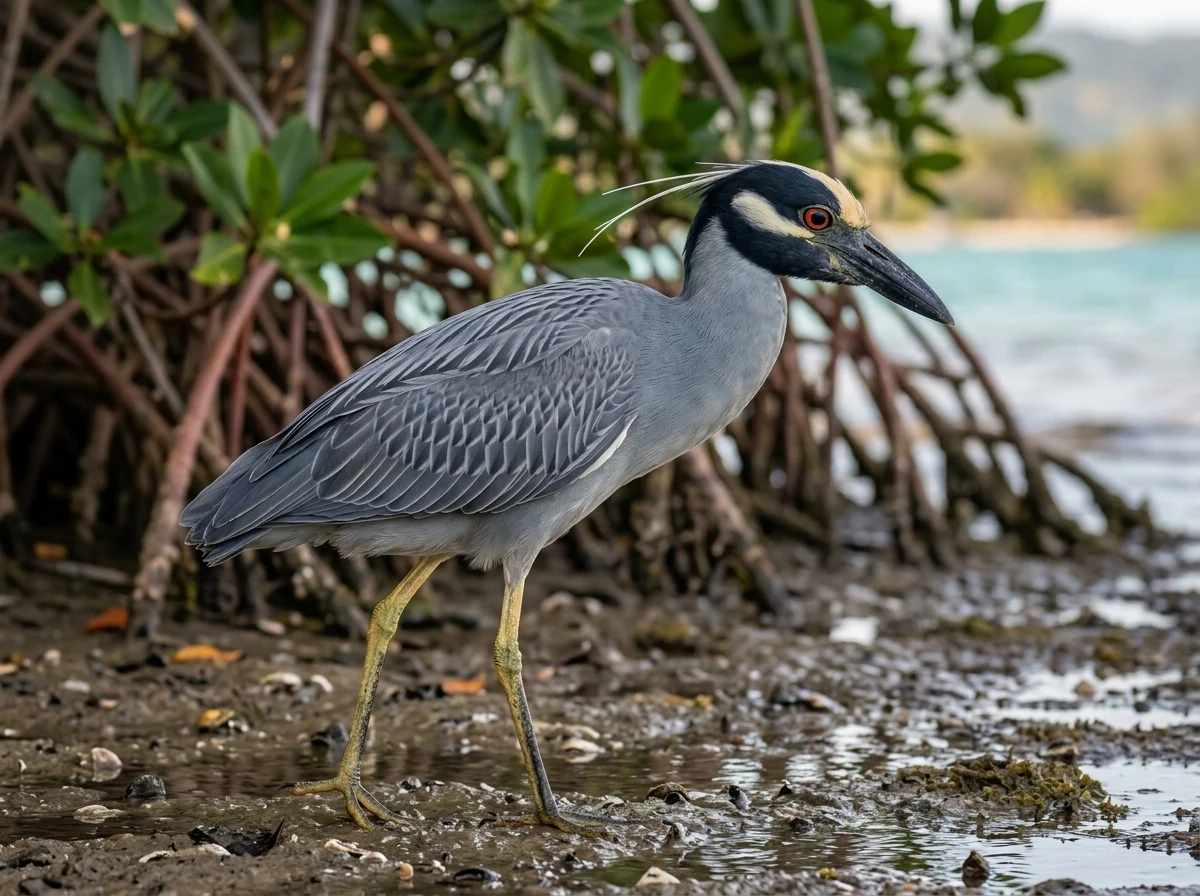
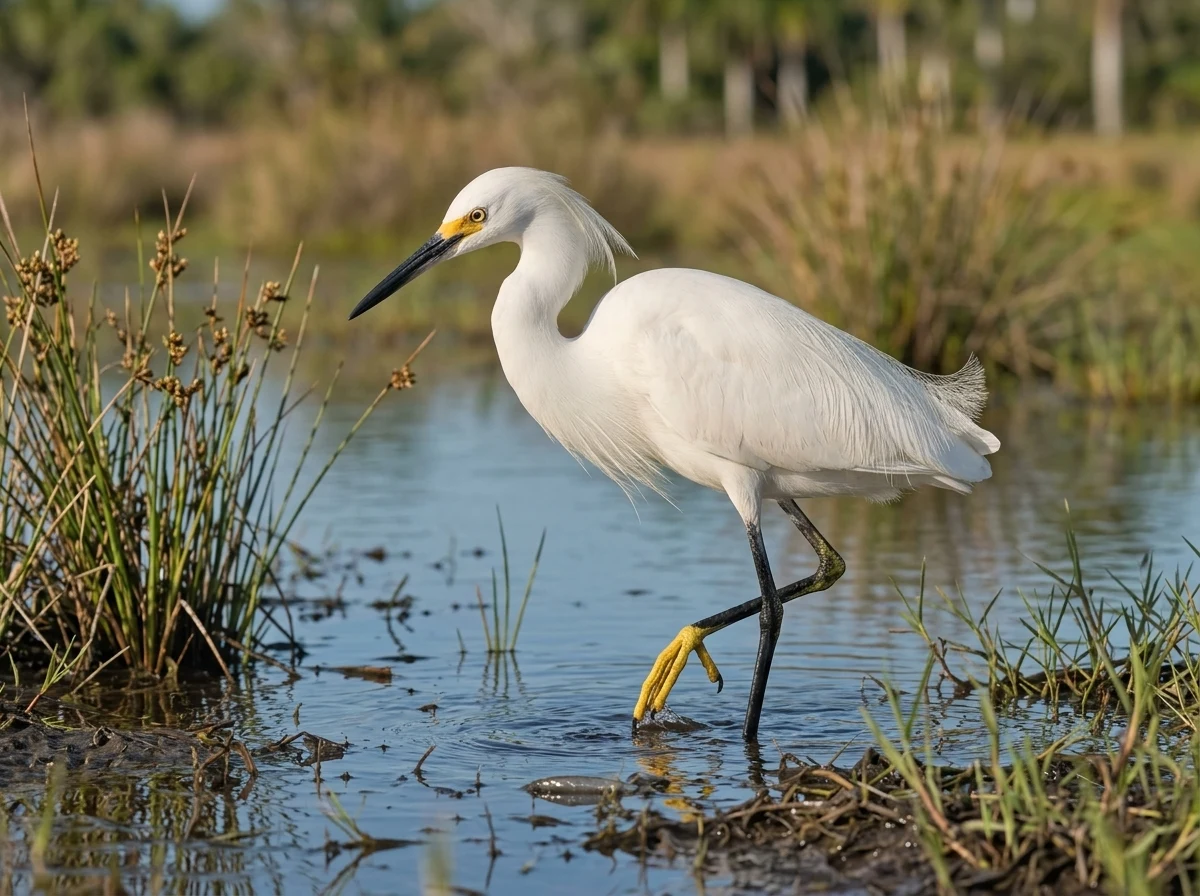
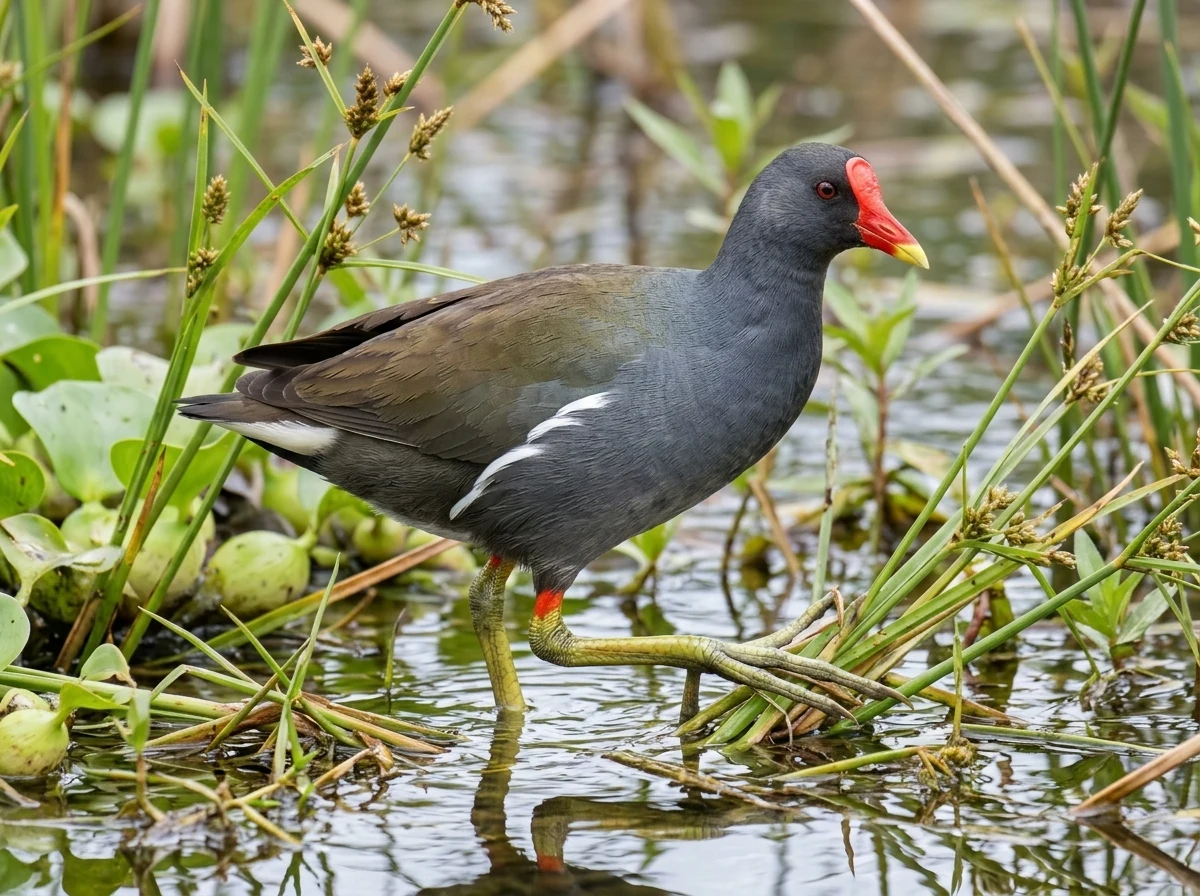
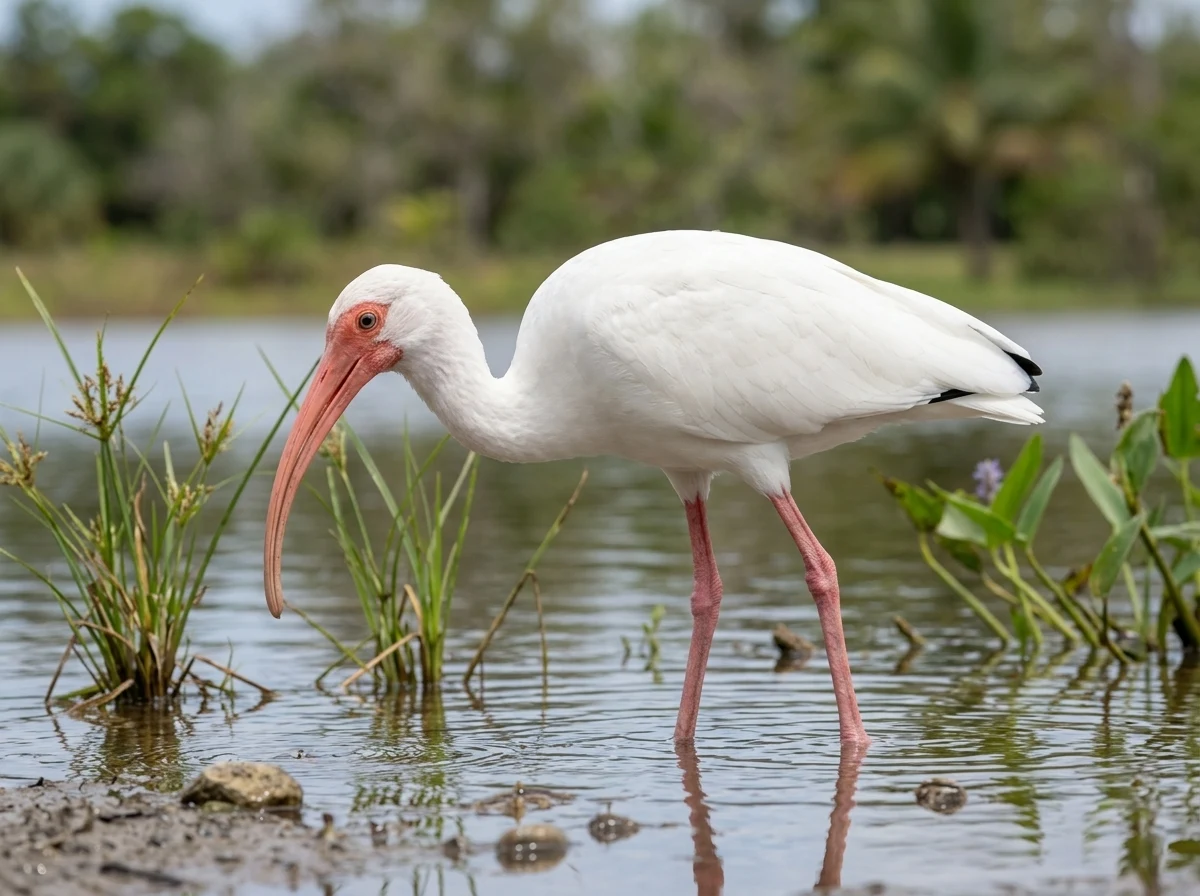
In the eBird and iNaturalist data aggregated by GBIF, Great Egret is the most-reported heron around San José, followed by Cattle Egret, Green Heron, Snowy Egret, Little Blue Heron, Yellow-crowned Night Heron, and Tricolored Heron. Over the water, Brown Pelican and Magnificent Frigatebird are frequent, and Common Gallinule works the vegetated edges. White and Glossy Ibis turn up occasionally.
02
Martín Peña Channel: the channel reopening
The Martín Peña Channel runs about 6 km and links San Juan Bay with San José Lagoon. Its average depth was only about 1.2 m, and for decades fill, debris, and sediment limited water exchange. Its western half, dredged and lined with mangroves, has a boardwalk: the Parque Central boardwalk, where Little Blue Heron is seen regularly.
In May 2026 dredging and channelization of the channel began, a project scheduled through 2029 that aims to reconnect San José Lagoon with the bay and reduce flooding in neighboring communities. For birds, more water circulation can mean changes in fish, mudflats, and shorelines. If you visit, respect the work zones and the communities that pushed for the restoration.
03
La Torrecilla Lagoon and Suárez Canal
Suárez Canal, about 3.9 km long and lined with forest, joins San José Lagoon with La Torrecilla. This lagoon covers about 608 acres, is mostly ringed by mangroves, and opens to the Atlantic through the narrow Boca de Cangrejos. Together with Piñones and the Vacía Talega and Torrecilla Alta area, it holds about 5,493 acres of mangroves and 5,079 acres of herbaceous wetlands.
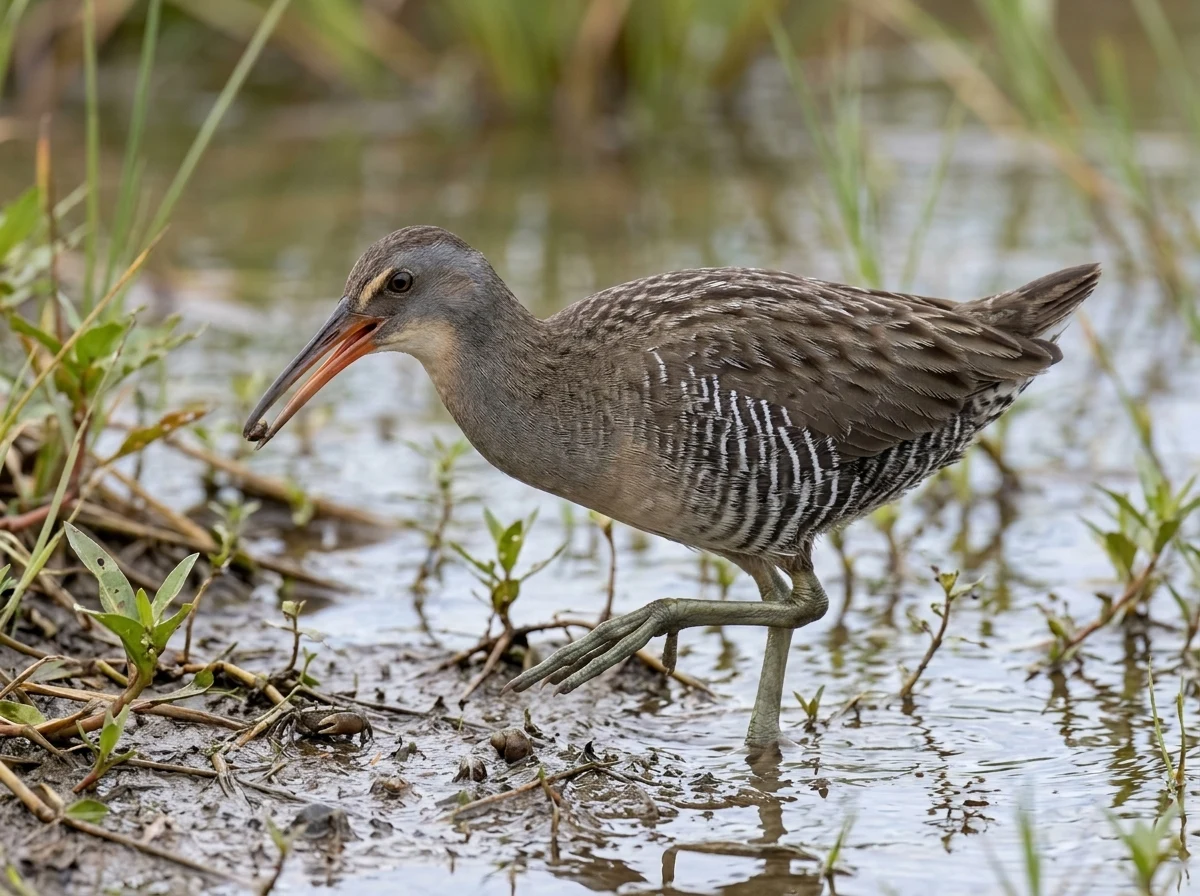
Because it connects to the sea, Torrecilla is the sector with the most seabird and fish-eating bird records in GBIF: Brown Pelican, Magnificent Frigatebird, and Osprey are reported there very often, along with Belted Kingfisher. Among herons, Great Egret leads, followed by Green Heron, Little Blue Heron, and Snowy Egret, and Clapper Rail sometimes shows in the mangroves.
04
Condado Lagoon: a reserve among hotels
Condado Lagoon covers about 102 acres, with an ocean outlet at El Boquerón and a small beach heavily used by swimmers and paddlers. The estuary plan describes it as one of the most diverse areas of the system for marine flora and fauna. Law 112 of 2013 designated it an Estuarine Nature Reserve, co-managed by the DNER, the San Juan Bay Estuary, and the Municipality of San Juan.
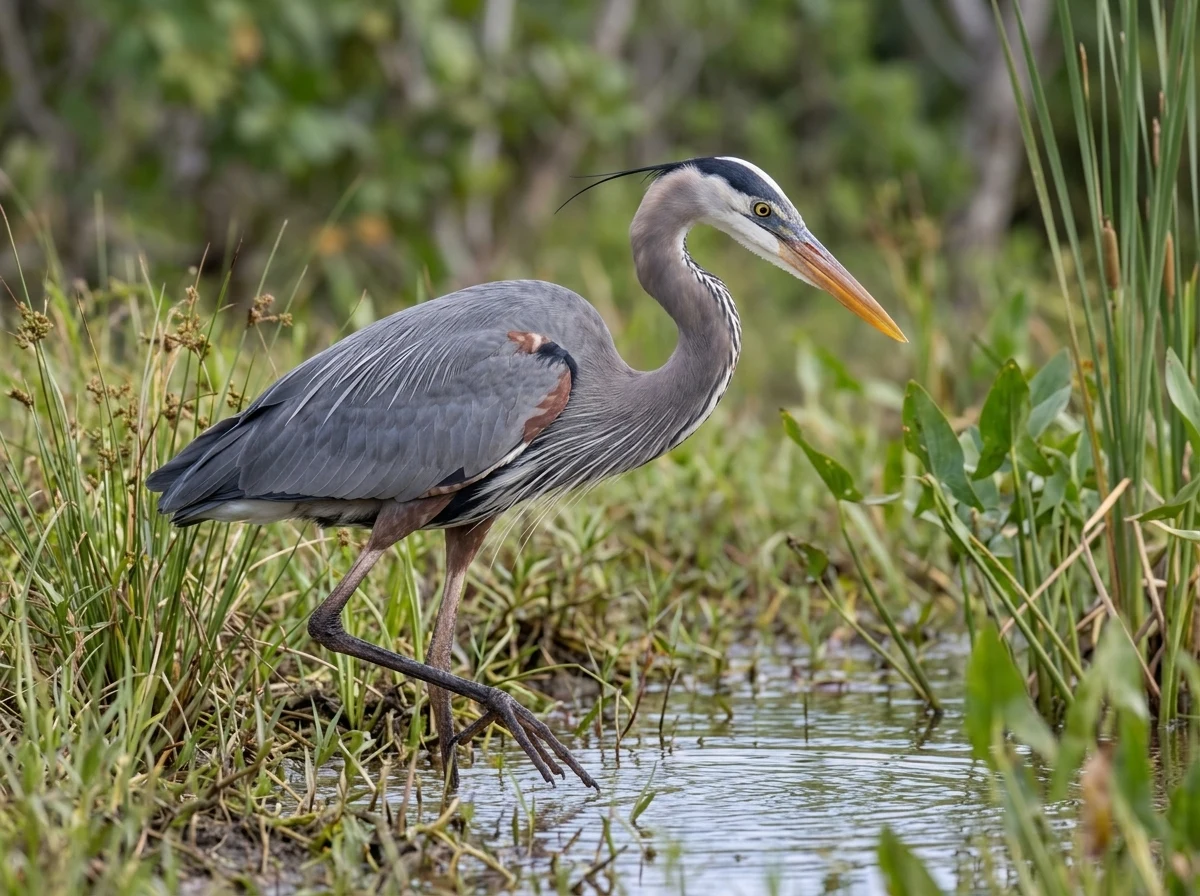
For birders, Condado offers big birds at close range. In GBIF, Great Blue Heron is the most-reported heron on the lagoon, mostly in winter months, followed by Green Heron, Little Blue Heron, and Great Egret. Brown Pelican and Magnificent Frigatebird are frequent. Because it is a busy urban lagoon, arrive early, before the kayak and boat traffic.
05
Birds of concern and lost mudflats
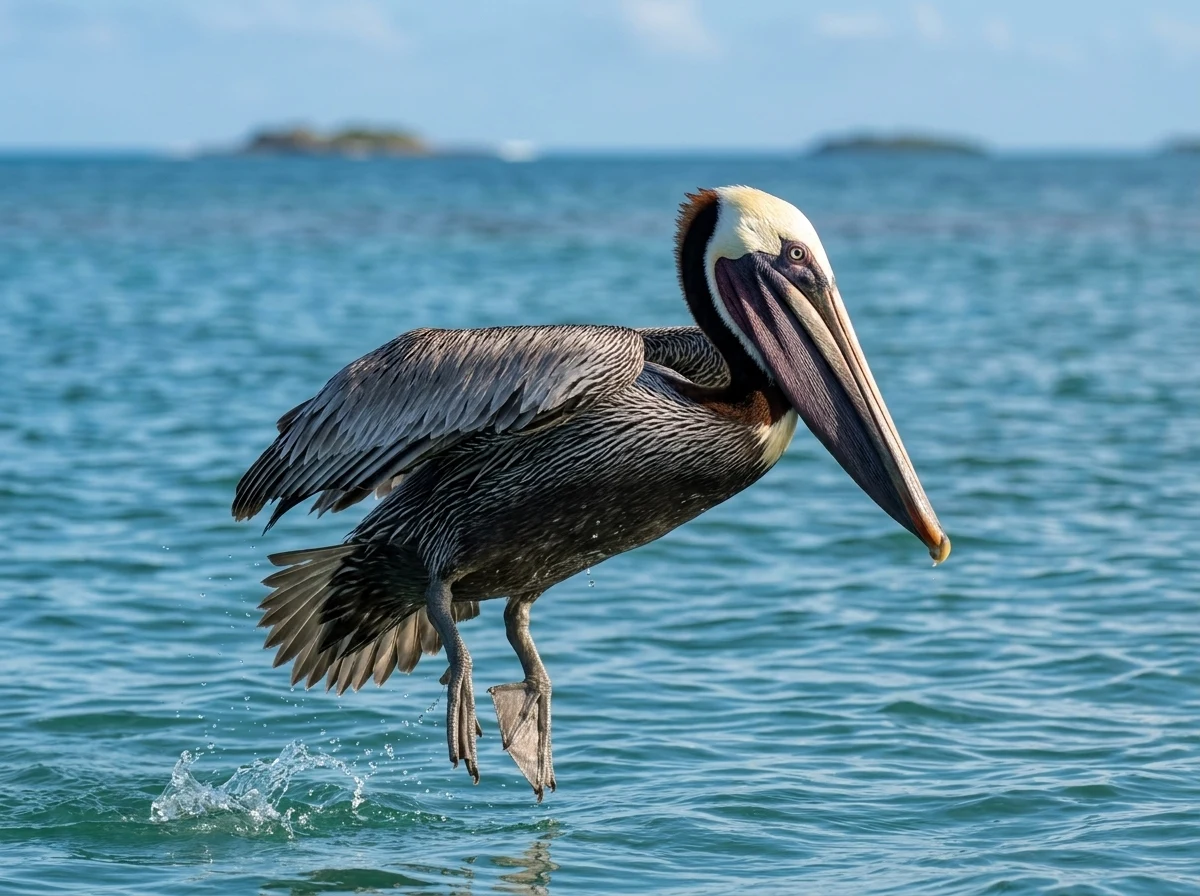
The estuary plan lists Brown Pelican, Magnificent Frigatebird, Reddish Egret, West Indian Whistling-Duck, Caribbean Coot, White-crowned Pigeon, and Yellow-shouldered Blackbird among its critical elements, along with other birds. Today the DNER lists Brown Pelican as endangered and Magnificent Frigatebird as vulnerable. Watching pelicans plunge-dive at Torrecilla or Condado is part of the experience, and also a reminder of their status.
The estuary has lost valuable habitat. Until the late 1980s, the Constitution Bridge mudflats at the mouth of the Martín Peña Channel were considered to hold the most diverse and abundant bird population in Puerto Rico relative to their size. They were destroyed by dredging for the Aqua-Expreso ferry, and the mitigation mudflats created nearby were gone by 1996 because of the Río Puerto Nuevo flood-control project. Isolated mudflats remain in the channel and along the edges of Torrecilla and Piñones.
06
How to bird the lagoons
The best hours are the first of the morning, with less heat, less traffic, and more activity. Bring binoculars and, if you can, a spotting scope to scan distant shores. Count herons by species and note the tide at Torrecilla and Condado, where seawater flows in and out; at San José the tide has little effect, so water level depends more on rain.
Use public access points and busy areas, leave nothing visible in your vehicle, and do not enter mangrove roots or private property. If you kayak, keep your distance from roosts and nests and never chase birds. Your eBird checklists, with counts and times, help measure how the estuary's birds change, especially now that the Martín Peña dredging will transform water circulation.
Linked profiles
Frequent birds of San Juan's lagoons
The herons, fish-eaters, and shoreline birds most reported at San José, Torrecilla, Condado, and Martín Peña Channel.
Sound archive
Hear its voice
Explore real songs and calls. The spectrogram turns each sound into a visual trace of time and frequency.
XC745248Recording 1 of 3flight call

Play: flight call by Ricardo José Mitidieri
Choose another recording
Sound recorded by Ricardo José Mitidieri · XC745248 · CC BY-NC-SA 4.0. Visualization by Stichting Xeno-canto voor Natuurgeluiden.
Every recording retains the creator, catalogue number, and license published by Xeno-canto. Metadata via GBIF ↗
01
What birds live at San José Lagoon?
Mainly herons: Great Egret is the most reported, along with Cattle Egret, Green Heron, Snowy Egret, Little Blue Heron, Yellow-crowned Night Heron, and Tricolored Heron. Brown Pelican, Magnificent Frigatebird, and Common Gallinule are also frequent.
02
How many bird species are in the San Juan Bay Estuary?
The San Juan Bay Estuary plan reports more than 160 bird species within the system. Counting the San Juan area from Caimito to Ocean Park and Old San Juan, eBird totals 221 species, according to the Estuary program.
03
Which lagoons make up the San Juan Bay Estuary?
Condado Lagoon, the San José and Los Corozos lagoons, La Torrecilla Lagoon, and Piñones Lagoon, plus the bay itself. They are joined by the Martín Peña Channel, San Antonio Channel, and Suárez Canal.
04
Are there pelicans at Condado Lagoon?
Yes. Brown Pelican is frequent at Condado and Torrecilla, along with Magnificent Frigatebird. The DNER lists Brown Pelican as endangered, so watch it without approaching its perches.
05
How will the Martín Peña dredging affect birds?
Dredging began in May 2026 and is scheduled through 2029; it aims to reconnect San José Lagoon with the bay. More water circulation may change fish, mudflats, and shorelines, so bird counts before, during, and after the project will be valuable.
06
Where can I see herons in San Juan?
The Parque Central boardwalk on Martín Peña Channel is regular for Little Blue Heron; the San José and Torrecilla shorelines have the widest variety; and Condado is good for Great Blue Heron in winter.
Keep exploring
Connected routes
Sources and review
The evidence is one link away.
These sources support the editorial scope of this guide. Bird profiles also retain their own taxonomy, occurrence, and conservation references.
Reviewed:
01↗02↗03↗04↗05↗06↗07↗08↗
Programa del Estuario de la Bahía de San Juan (julio de 2000)
Comprehensive Conservation and Management Plan, chapter 2: state of the estuary
Lagoon areas (Condado 102 acres, San José and Los Corozos 1,129 acres, Torrecilla 608 acres), Martín Peña Channel, more than 160 bird species, and the loss of the Constitution Bridge mudflats.Estuario de la Bahía de San Juan
What is an estuary?
Eight municipalities, the system's lagoons and channels, 33% of Puerto Rico's mangroves, 221 bird species reported in San Juan, and the 1992 designation.Estuario de la Bahía de San Juan
Co-management of the Condado Lagoon Estuarine Nature Reserve
Law 112-2013, co-management by DRNA, the Estuary, and the Municipality of San Juan, and citizen-science programs.NotiCel (15 de mayo de 2026)
Dredging and channelization of Caño Martín Peña begins
Dredging start in May 2026, projection to 2029, and reconnection of San José Lagoon with San Juan Bay.Departamento de Recursos Naturales y Ambientales
Piñones State Forest
Official context for Puerto Rico's largest mangrove forest.Birds of Puerto Rico (resumen del Atlas de Aves Reproductoras)
Little Blue Heron in Puerto Rico
Common resident, regularly seen from the Parque Central boardwalk along Caño Martín Peña, and atlas results.Global Biodiversity Information Facility (GBIF), datos de eBird e iNaturalist
Great Blue Heron records in Puerto Rico
Monthly distribution of records: peaks from December to February and lows from May to September.Sociedad Ornitológica Puertorriqueña
Official bird list
Local names, occurrence categories, and the public summary of 17 endemics.The atlas continues