 AI
AITransition from dry to moist
Birds of Susúa State Forest
An ecotone between Guánica and Maricao, on serpentine soils, where the forest regrew on its own after decades of farming and grazing.
Reviewed:Susúa links dry forest with moist forest.
At Susúa State Forest, between Sabana Grande and Yauco, DRNA reports 44 bird species, among them the endangered Puerto Rican Nightjar, Puerto Rican Tody, Puerto Rican Woodpecker, Puerto Rican Lizard-Cuckoo, and two quail-doves. For hikes or group visits, DRNA asks visitors to coordinate with its Land Use and Forest Permits Division.
Susúa covers 3,341 cuerdas in the foothills of the Cordillera Central and, according to DRNA, is an ecotone between Guánica's dry forest and Maricao's moist forest. This guide explains which birds DRNA lists, what open records for the area add, and how to plan a visit to a little-studied forest.
Transition from dry to moist
Susúa according to DRNA
44bird speciesBirdlife reported in DRNA's fact sheet.
3,341cuerdasAbout 3,240 acres between Yauco and Sabana Grande.
80-473 melevationFive rivers or tributaries rise inside the forest.
157tree species18 are rare or endangered.
01
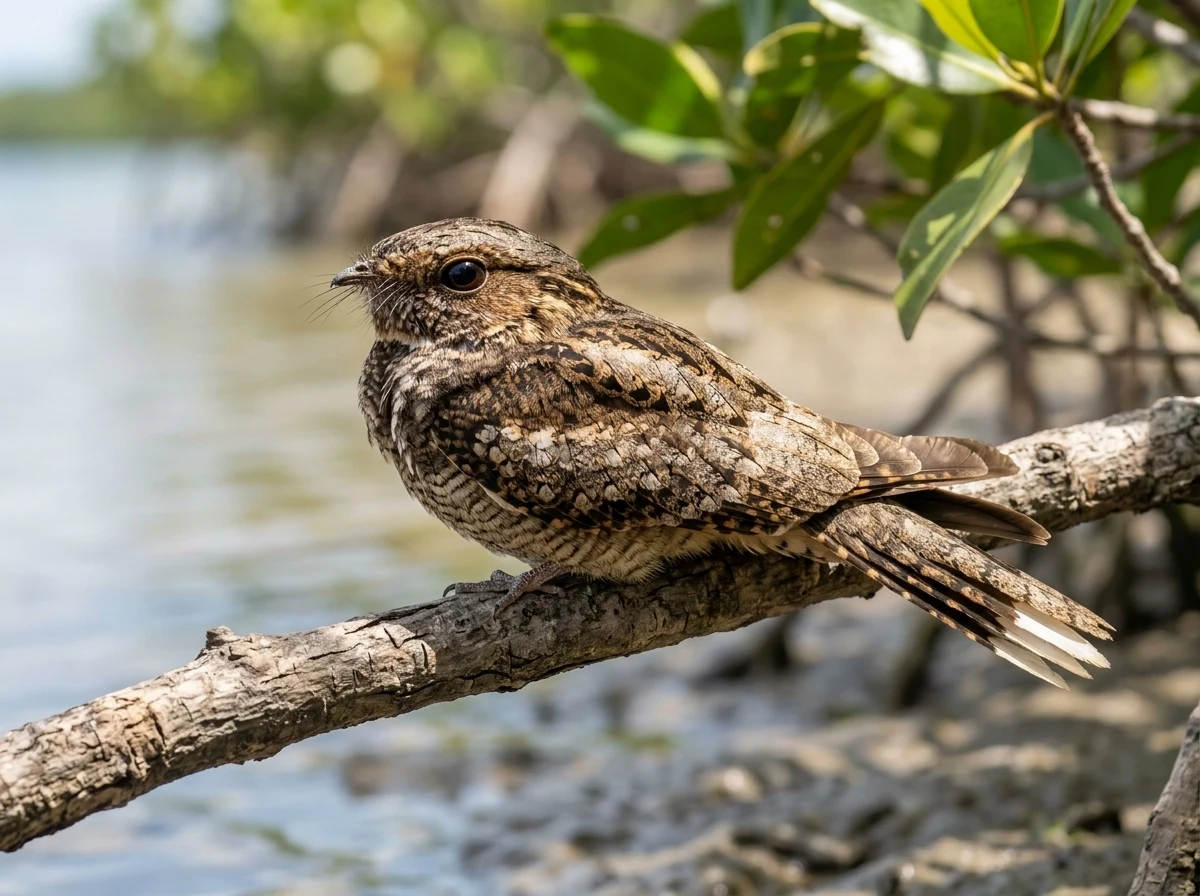
Puerto Rican Nightjar: Susúa's key species
Puerto Rican Nightjar is endemic, nocturnal, and protected as endangered under Regulation 6766, according to the DRNA sheet. DRNA explains that, as the forest recovered, the nightjar's habitat expanded and its population grew in the southwestern part of Susúa. Open GBIF records also show dozens of observations in the area.
You find the nightjar by its song at dusk and before dawn, not by sight. Because its activity falls outside regular hours, any night visit should be coordinated with DRNA. Do not use playback to attract it or shine lights directly on birds: it is an endangered species, and repeated disturbance affects it.
02
Quail-doves and understory birds
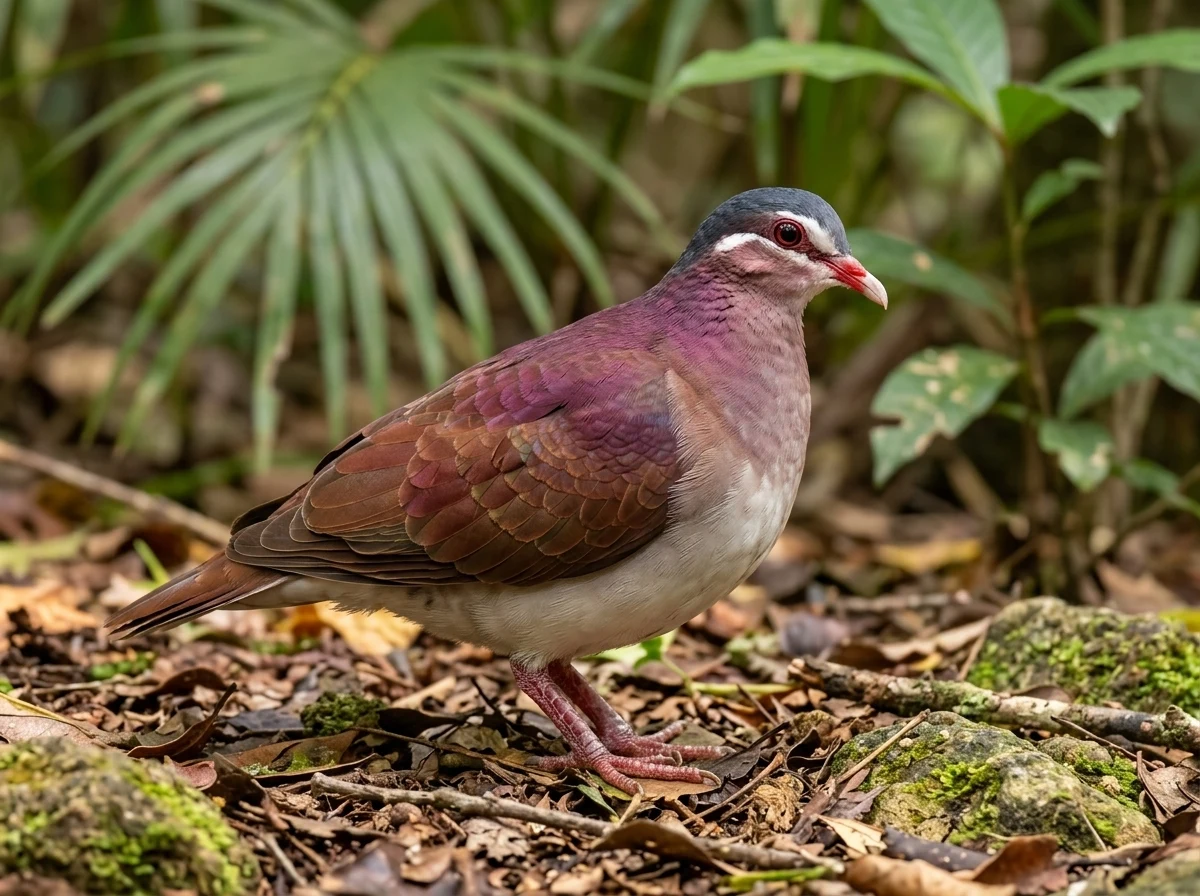
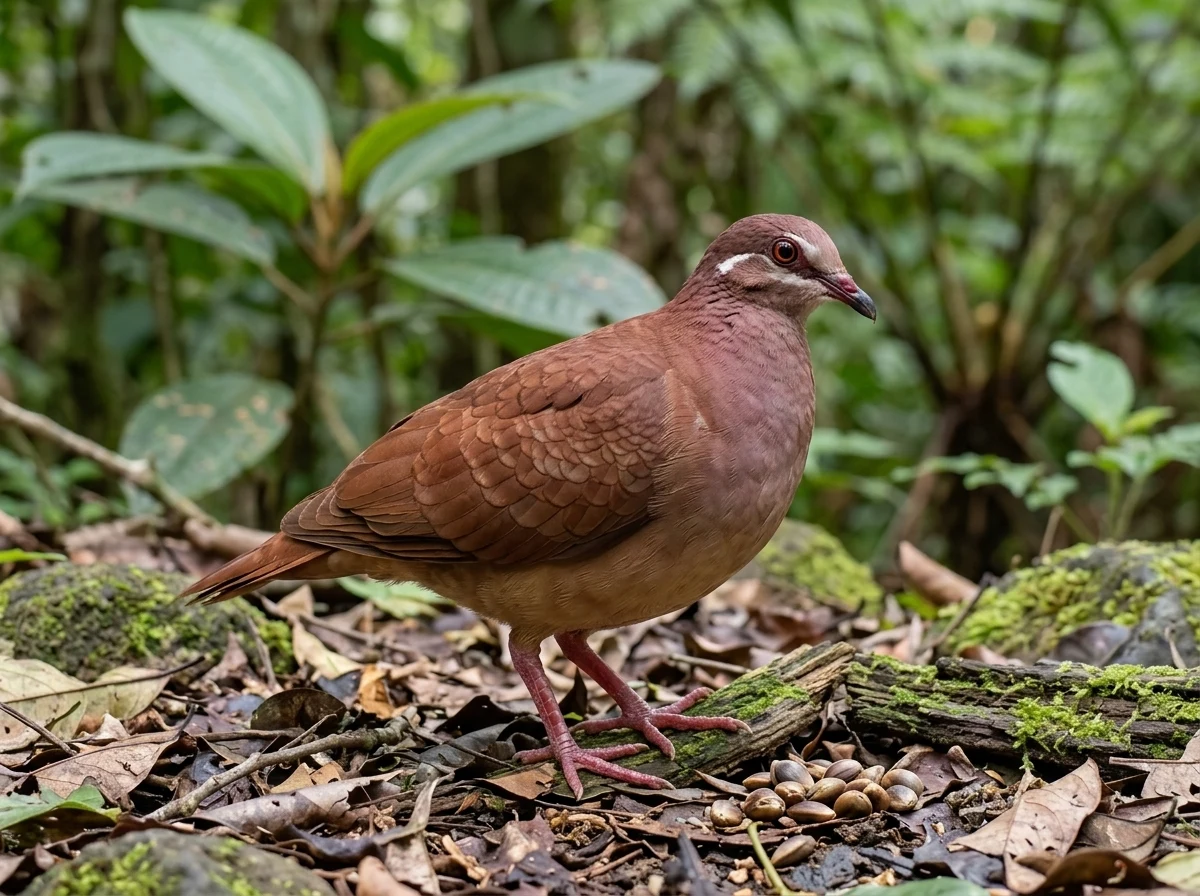
DRNA singles out Key West Quail-Dove and Ruddy Quail-Dove as major attractions, two doves that walk the forest floor. In GBIF records for the area, Key West Quail-Dove has more than one hundred observations, more than Ruddy.
Both are shy and best seen by walking quietly along shaded trails early in the morning. Key West shows a white stripe below the eye and metallic sheen; Ruddy is more uniformly chestnut. The low call of each is often the first clue, and it is worth recording it to confirm later.
03
Dry and moist forest endemics in one place
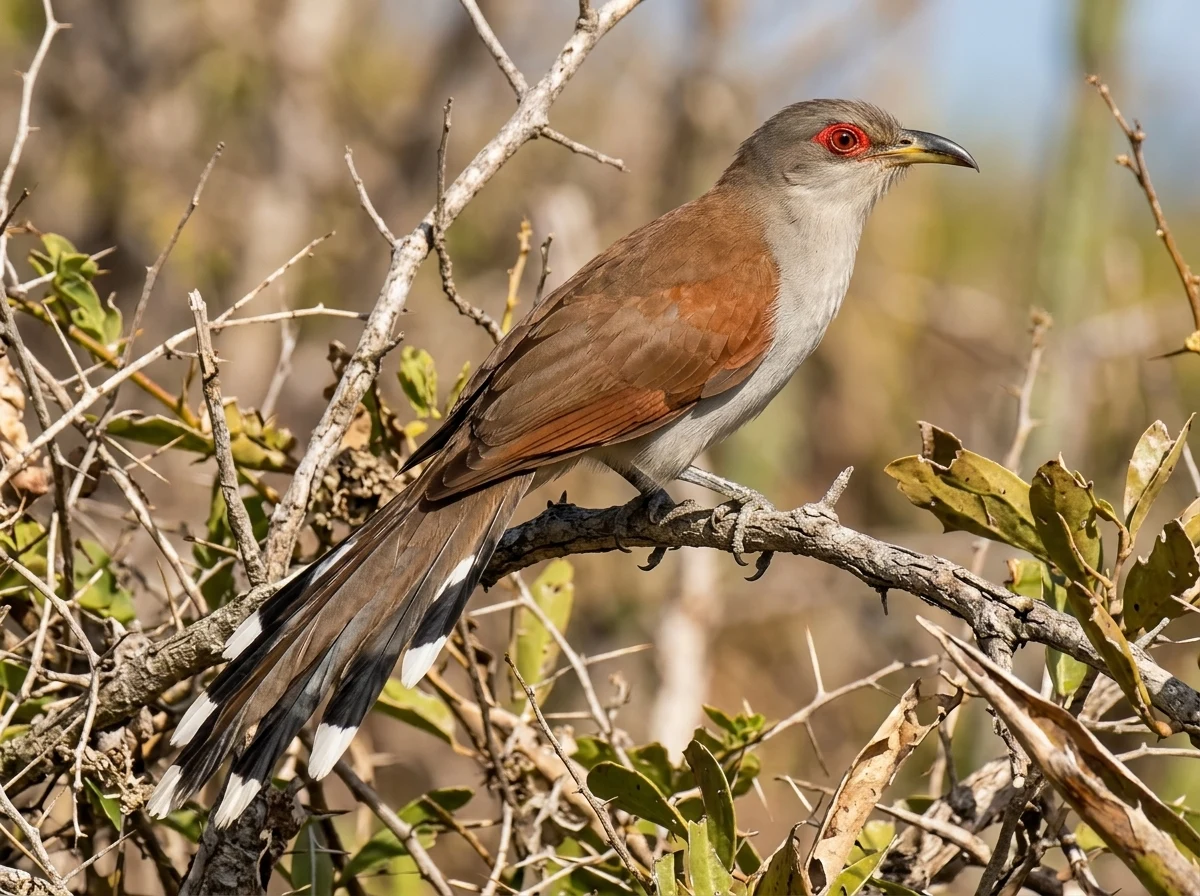
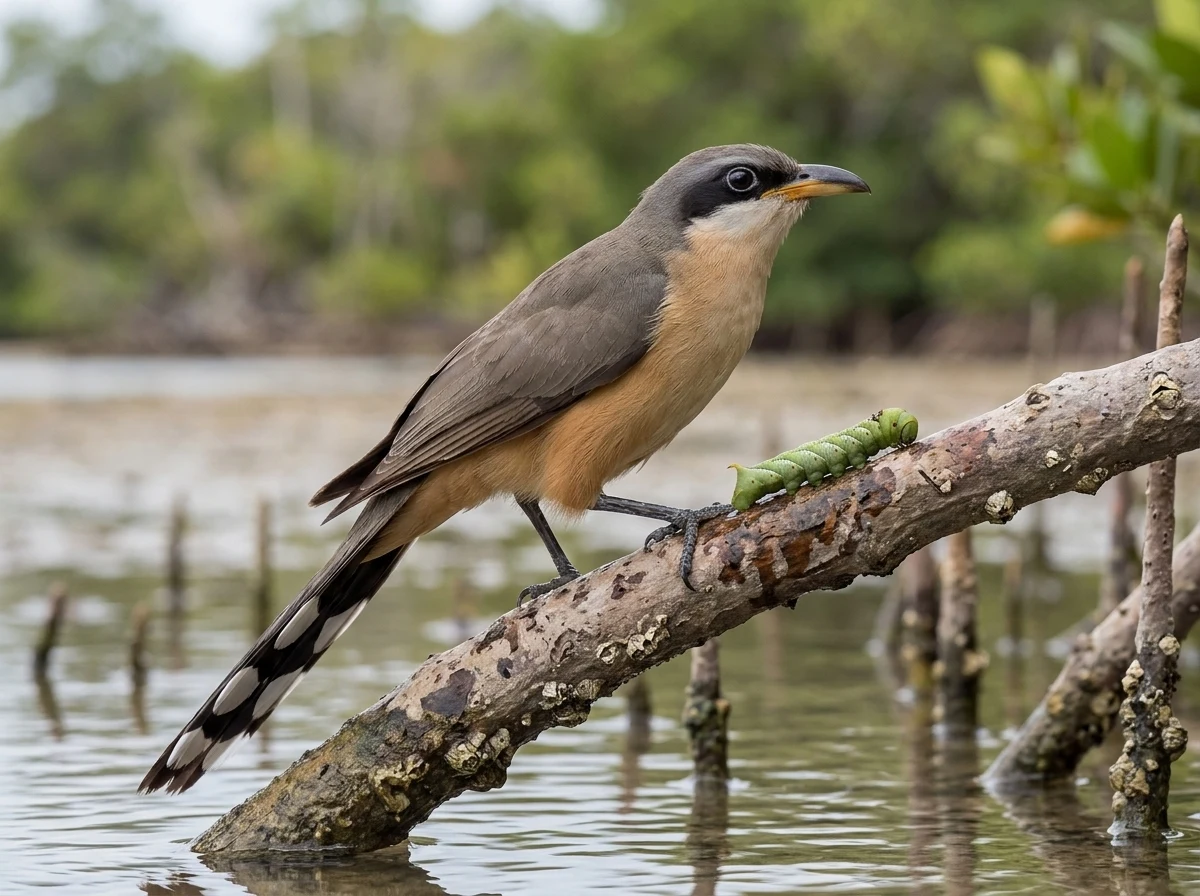
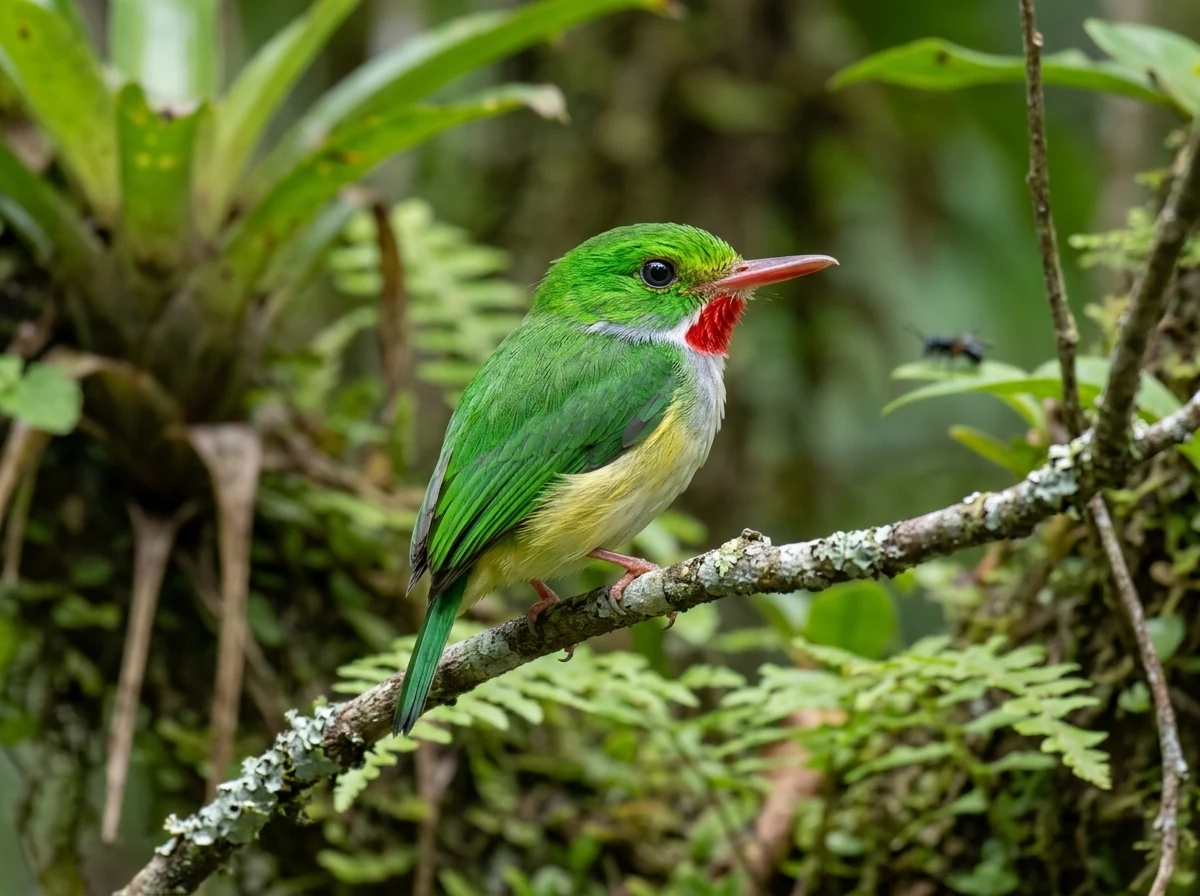
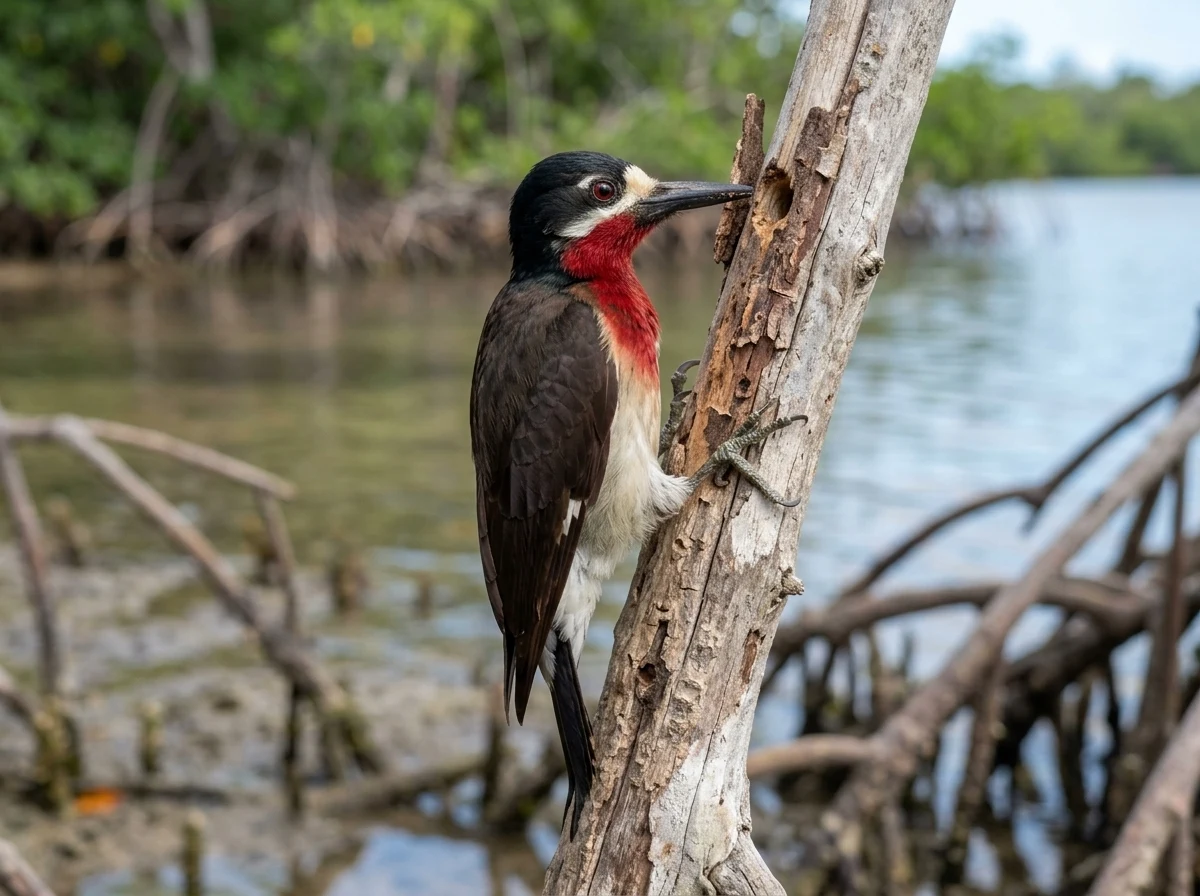
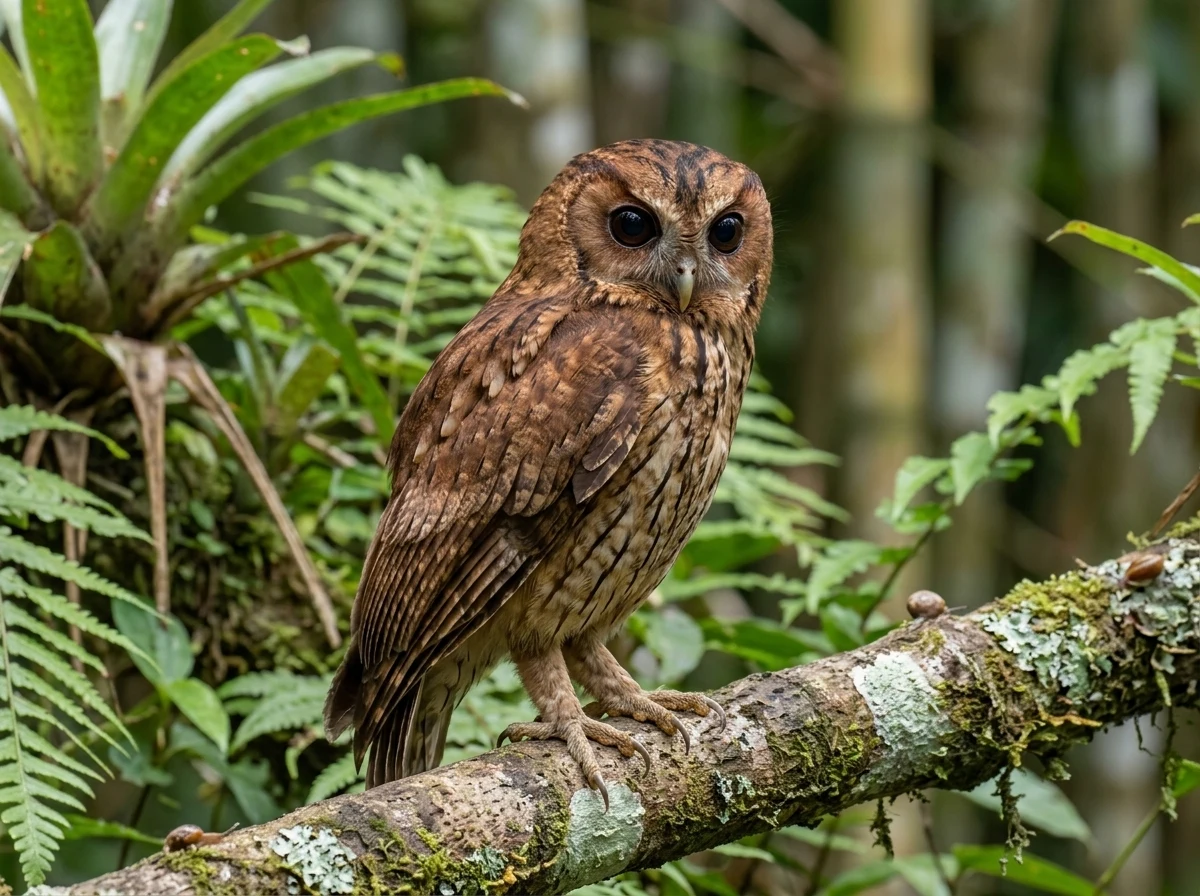
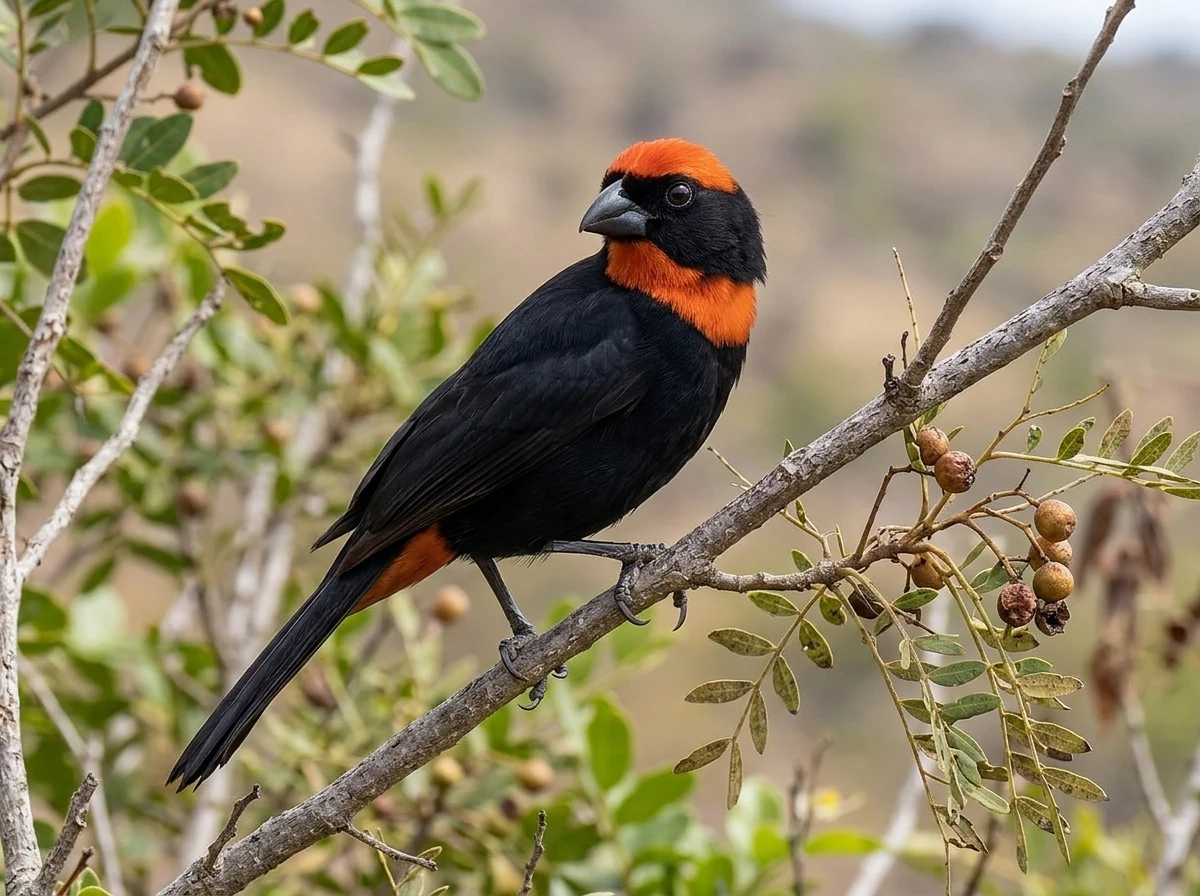
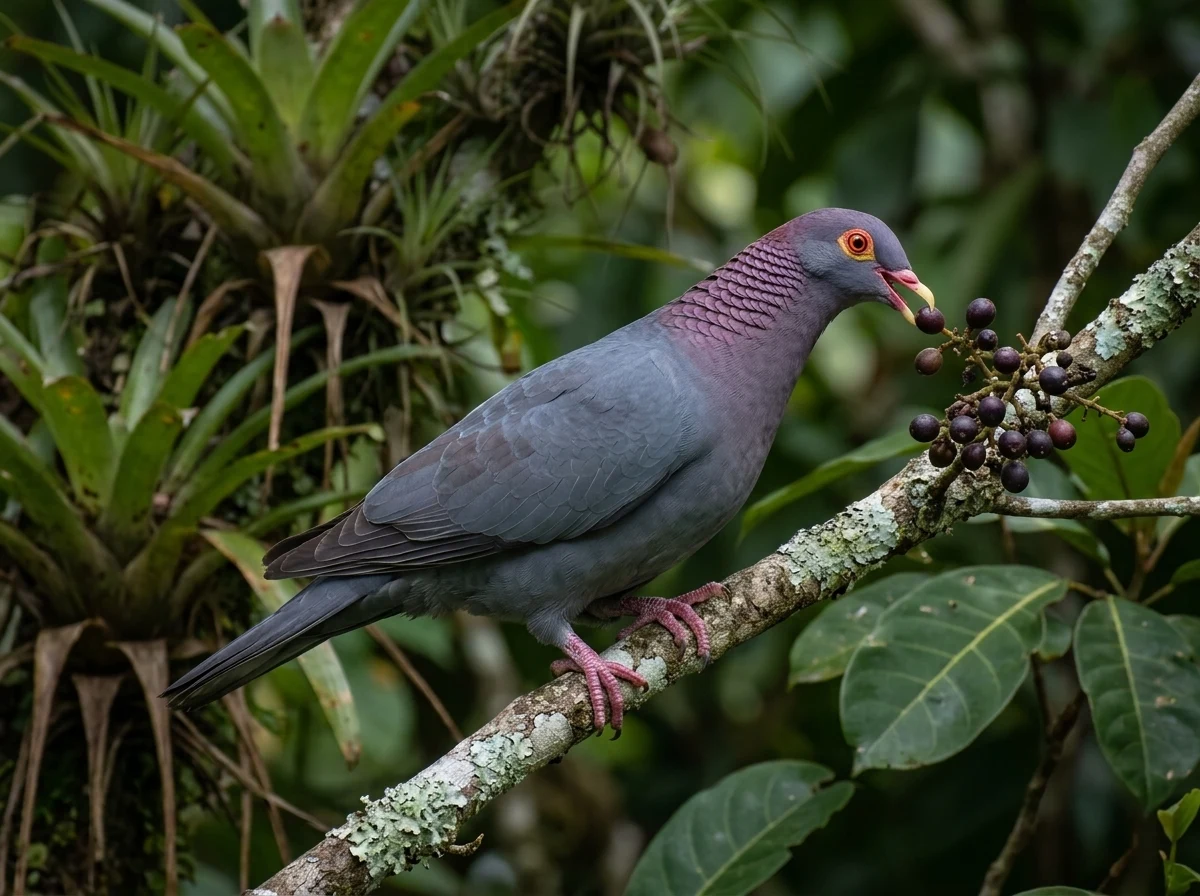
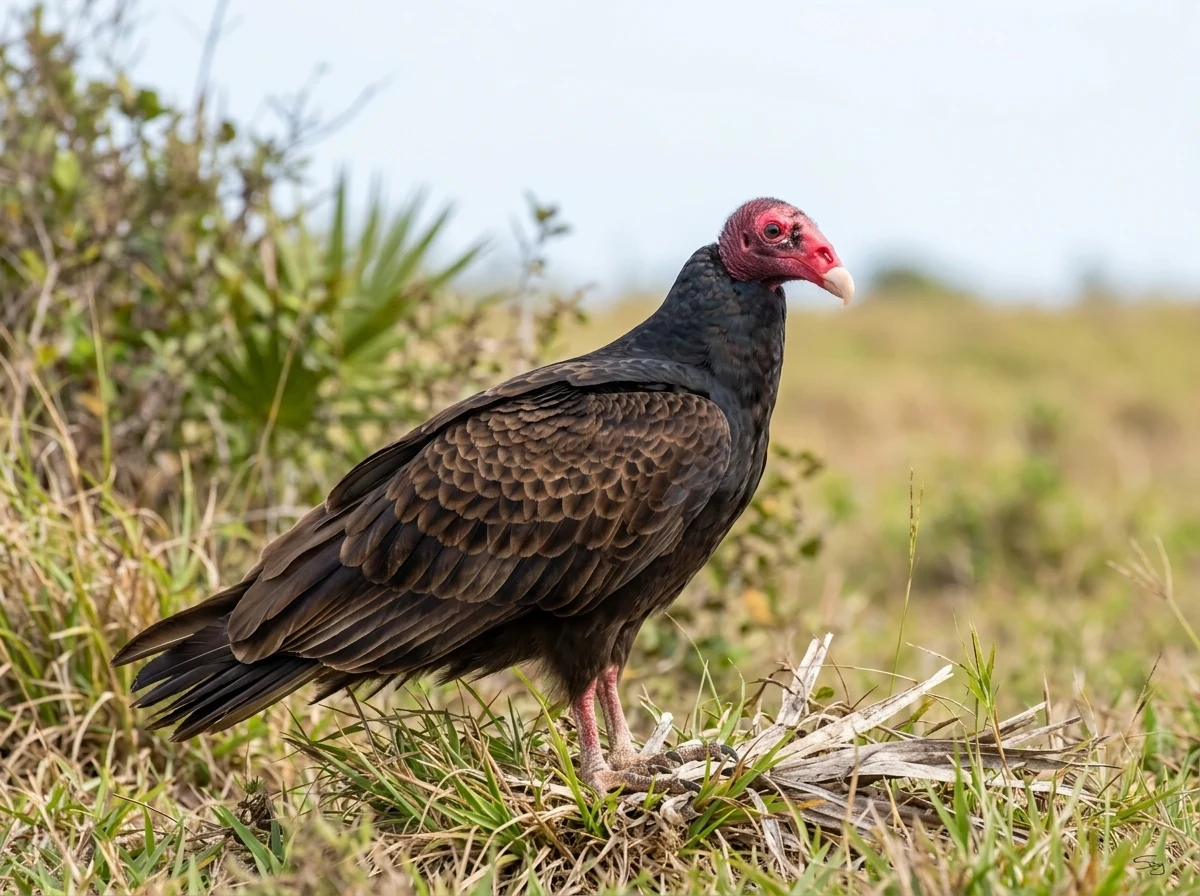
DRNA lists Puerto Rican Lizard-Cuckoo, Mangrove Cuckoo, Puerto Rican Tody, Puerto Rican Woodpecker, Puerto Rican Owl, Turkey Vulture, and Scaly-naped Pigeon. In GBIF records, the most frequent species are Bananaquit, Puerto Rican Tody, Adelaide's Warbler, Turkey Vulture, Pearly-eyed Thrasher, Puerto Rican Woodpecker, and Puerto Rican Bullfinch.
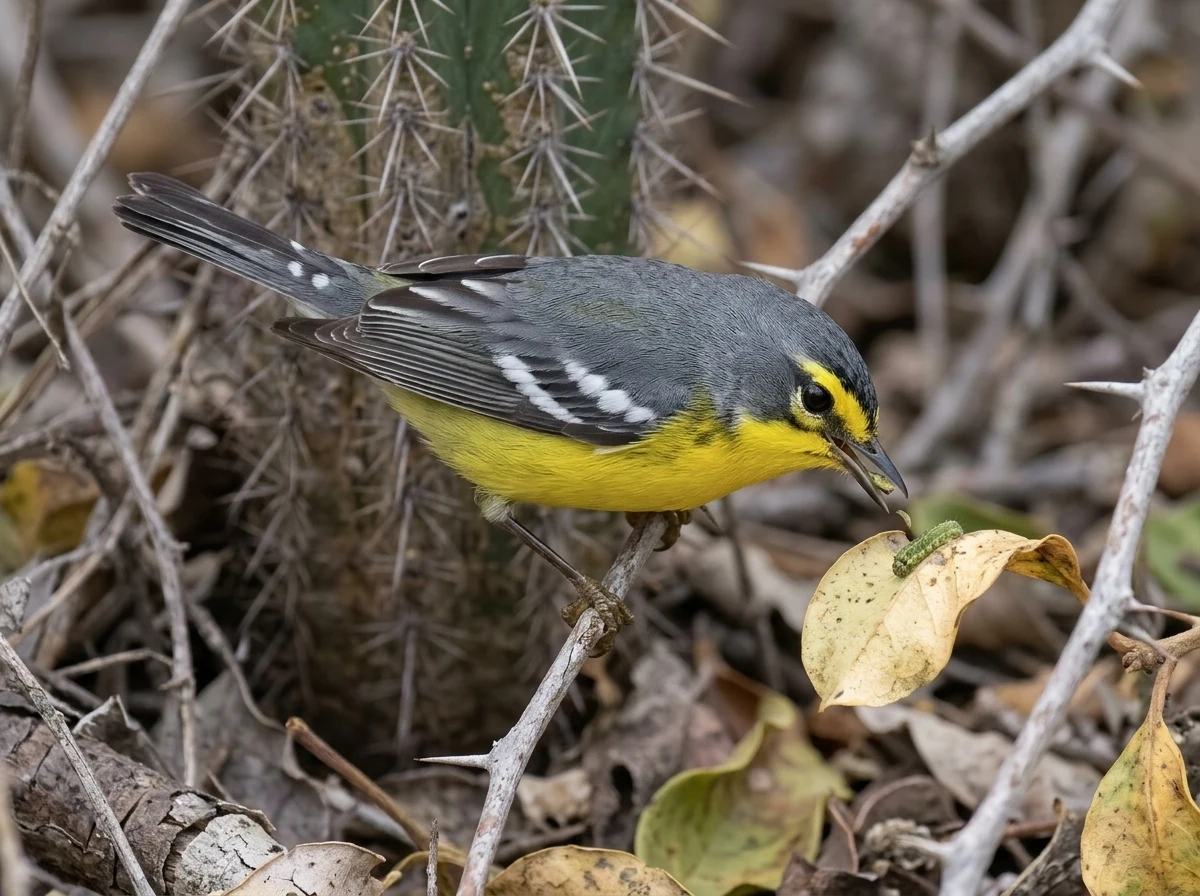
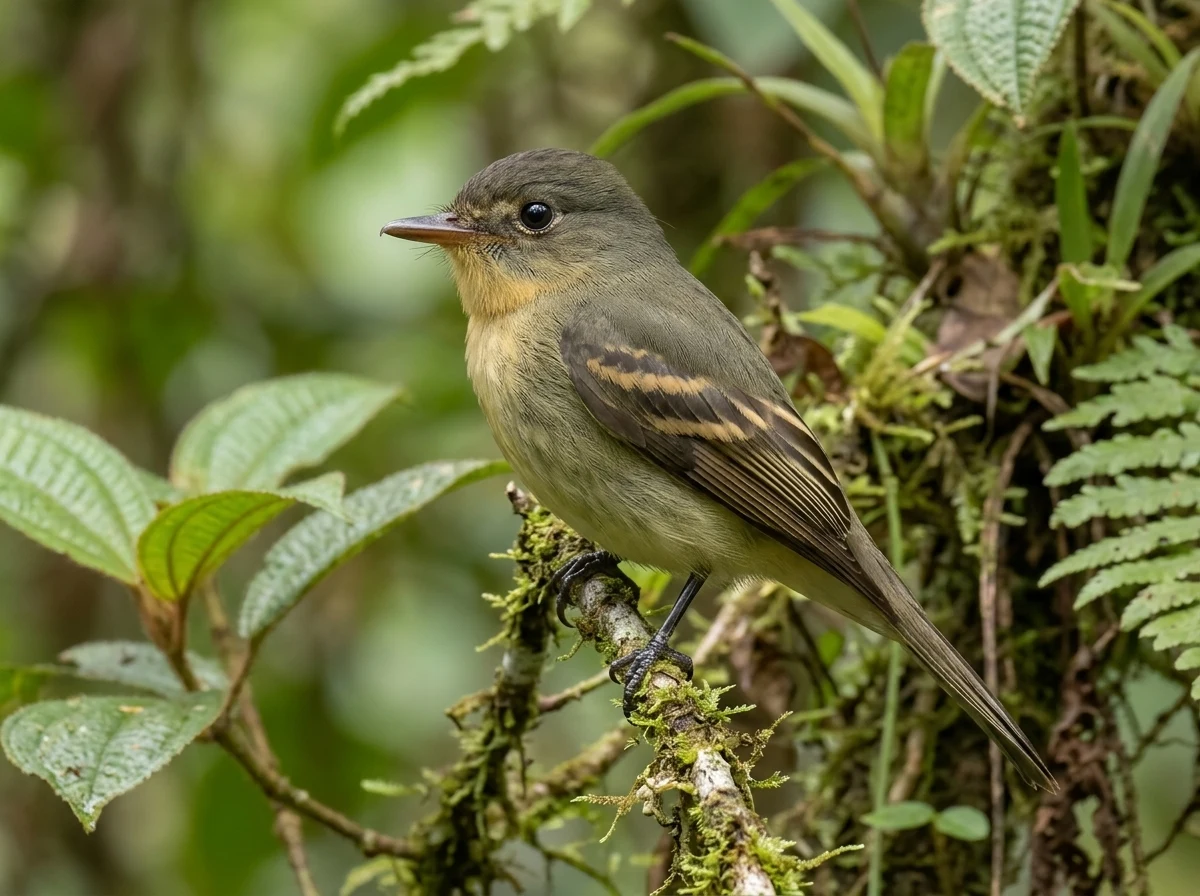
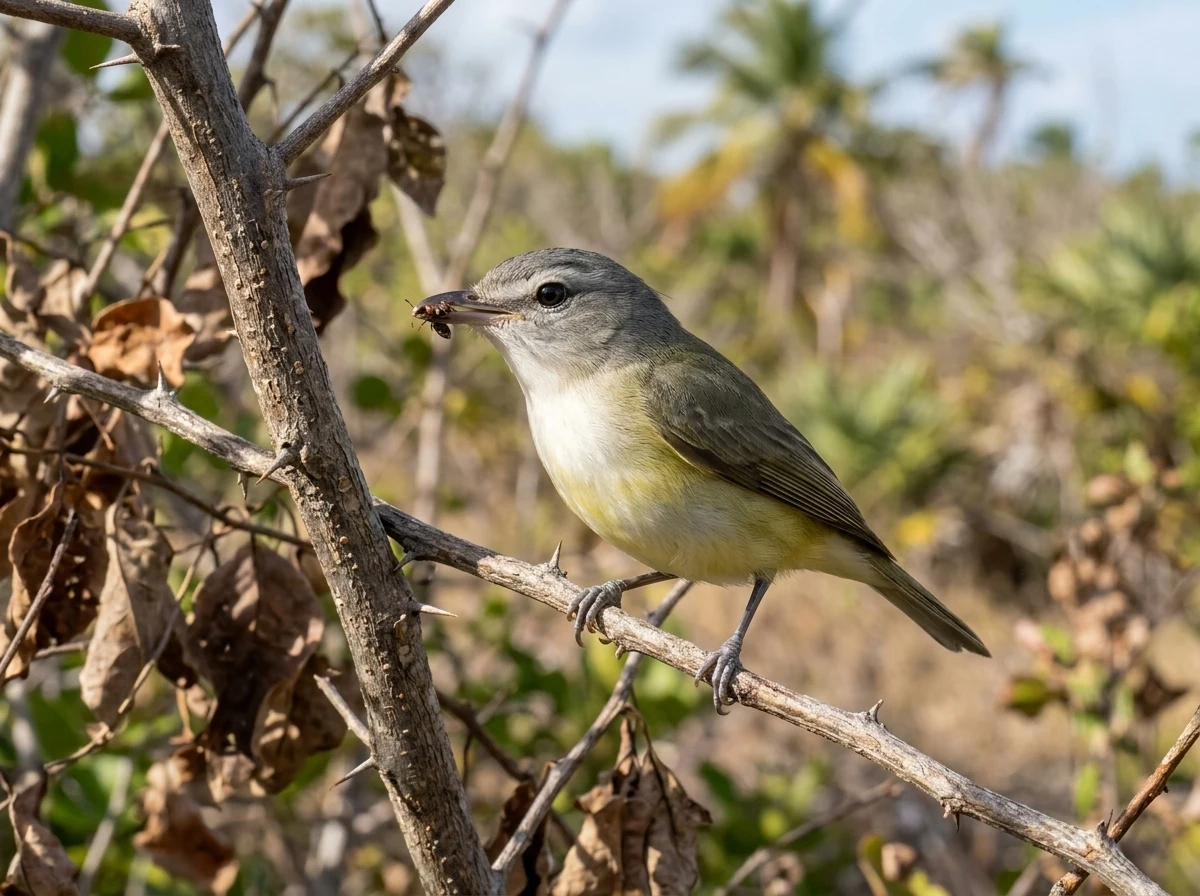
The mix is what makes Susúa special: Adelaide's Warbler is typical of dry forest and Lesser Antillean Pewee leans toward moist forest, and both occur here. Records also include Puerto Rican Vireo, Puerto Rican Flycatcher, Puerto Rican Spindalis, Puerto Rican Oriole, and Puerto Rican Emerald.
04
Serpentine: why this forest is different
Susúa's lands were acquired in 1935 by the Puerto Rico Reconstruction Administration (PRRA). DRNA explains that the original vegetation was almost entirely cut for farming, grazing, timber, and fuel before designation, and that the forest recovered on its own through successive stages.
The forest combines volcanic and serpentine soils, which are nutrient-poor, and still has high plant endemism. DRNA notes that the shrub Calliandra locoensis is known only from this forest, and that the petate palm is abundant. Trees protected under Regulation 6766 include palo de rosa and higuero de sierra, both critically endangered, and cobana negra, listed as vulnerable. That distinctive vegetation supports insects and fruit that birds such as Adelaide's Warbler and Puerto Rican Bullfinch rely on.
05
Facilities and how to arrange a visit
DRNA describes a Visitor Center, an overnight recreation area with five shelters, grills, and restrooms, and some facilities accessible to people with disabilities. It also mentions a poisonous-plants trail that it considers ideal for birding. The forest receives about 1,413 mm (55.6 inches) of rain a year, and the mean temperature is 75 °F. Five rivers or tributaries rise within its boundaries, including the Río Loco and the Quebrada Peces, which marks the line between the two municipalities.
For hikes or educational, ecotourism, or research group visits, the DRNA sheet says to coordinate with the Land Use and Forest Permits Division, Monday to Friday from 7:30 a.m. to 4:00 p.m., at (787) 999-2200. That sheet dates from 2007, so confirm hours, trail conditions, and facilities before going, especially for dawn or dusk outings.
Linked profiles
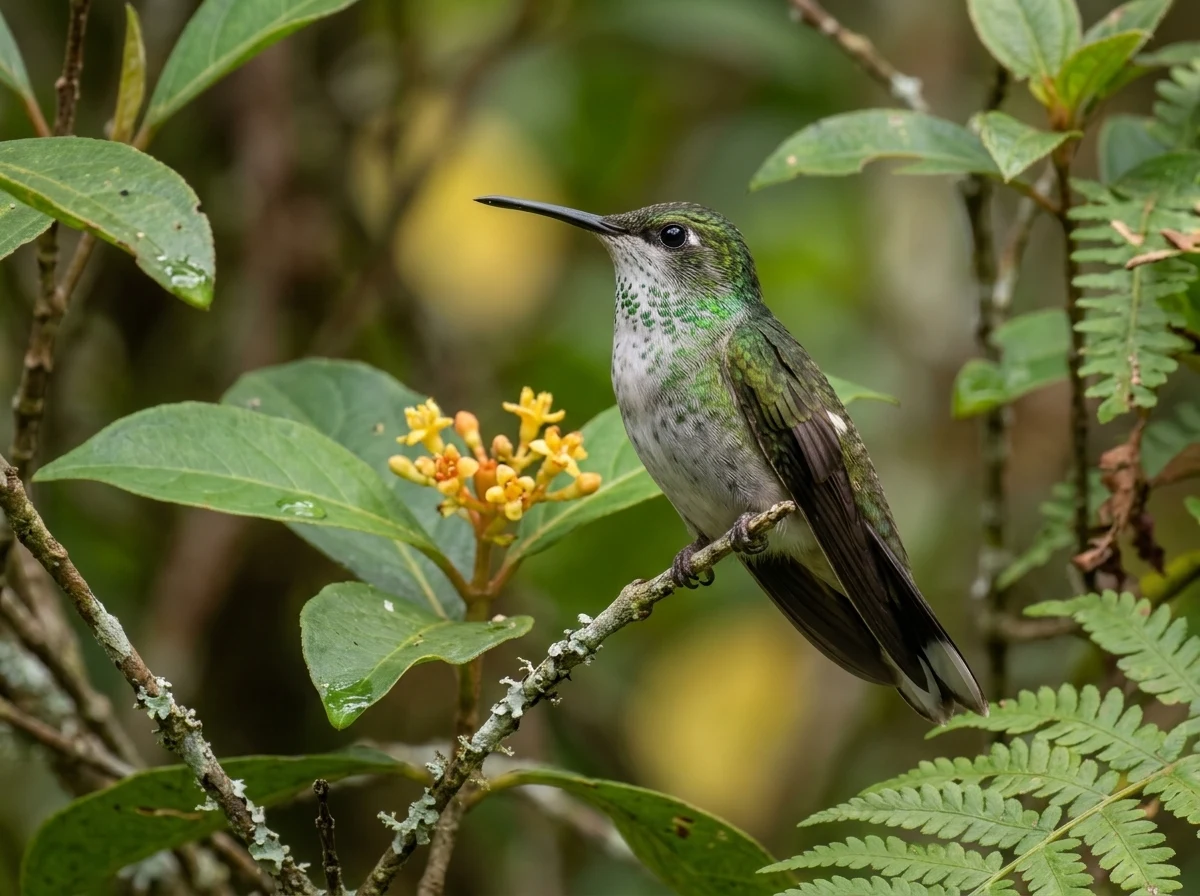
Birds recorded at Susúa
The nightjar, quail-doves, and dry- and moist-forest endemics. Open each profile to hear songs and check status.
Sound archive
Hear its voice
Explore real songs and calls. The spectrogram turns each sound into a visual trace of time and frequency.
XC308516Recording 1 of 3song

Play: song by Ross Gallardy
Choose another recording
Sound recorded by Ross Gallardy · XC308516 · CC BY-NC-SA 4.0. Visualization by Stichting Xeno-canto voor Natuurgeluiden.
Every recording retains the creator, catalogue number, and license published by Xeno-canto. Metadata via GBIF ↗
01
Where is Susúa State Forest?
It lies between the municipalities of Yauco and Sabana Grande, in the foothills of the Cordillera Central in southwestern Puerto Rico. It covers 3,341 cuerdas and is managed by DRNA.
02
What birds are found in Susúa State Forest?
DRNA reports 44 species, including Puerto Rican Nightjar, Puerto Rican Tody, Puerto Rican Woodpecker, Puerto Rican Lizard-Cuckoo, Puerto Rican Owl, and Key West and Ruddy Quail-Doves. Open records add Adelaide's Warbler and Puerto Rican Bullfinch.
03
Can you find the Puerto Rican Nightjar at Susúa?
Yes, it is one of the forest's key species, and DRNA says its population grew in the southwestern part of the forest. It is detected by song at dusk or before dawn, so a night visit should be coordinated with DRNA.
04
Can you camp in Susúa State Forest?
The DRNA sheet describes an overnight recreation area with five shelters, grills, and restrooms. Because that information dates from 2007, confirm availability and permits with the Land Use and Forest Permits Division.
05
How is Susúa different from Guánica and Maricao?
Susúa is an ecotone: it combines a moist-to-dry climate transition with volcanic and serpentine soils. That is why it mixes dry-forest birds such as Adelaide's Warbler with moist-forest birds such as Lesser Antillean Pewee.
06
What is the best time to bird Susúa?
Early morning, when quail-doves walk the trails and Puerto Rican Tody, Puerto Rican Woodpecker, and Adelaide's Warbler are most active. The nightjar, by contrast, is heard at dusk and before dawn, so those outings should be coordinated with DRNA.
07
How do you tell Key West Quail-Dove from Ruddy Quail-Dove?
Key West Quail-Dove shows a white stripe below the eye and metallic sheen on the head and neck, while Ruddy Quail-Dove is a more uniform chestnut. Both walk the forest floor and are usually detected first by their low call.
Keep exploring
Connected routes
Sources and review
The evidence is one link away.
These sources support the editorial scope of this guide. Bird profiles also retain their own taxonomy, occurrence, and conservation references.
Reviewed:
01↗02↗03↗
Departamento de Recursos Naturales y Ambientales
Environmental fact sheet: Susúa State Forest
History, 3,341 cuerdas, serpentine soils, 44 bird species, nightjar, facilities, and visit coordination.Global Biodiversity Information Facility
GBIF bird records: Susúa and surroundings
Species with open records in the Susúa area, queried in September 2026.U.S. Fish and Wildlife Service
Puerto Rican Nightjar
Federal identity and status reference for the endemic nightjar.The atlas continues