 AI
AIRemote reserve in the Mona Passage
Birds of Mona Island
A limestone island 45.7 miles off the west coast, with no permanent residents and strict rules. Birding here means permits, patience, and distance.
Reviewed:Mona is the island of boobies and the Mona blackbird.
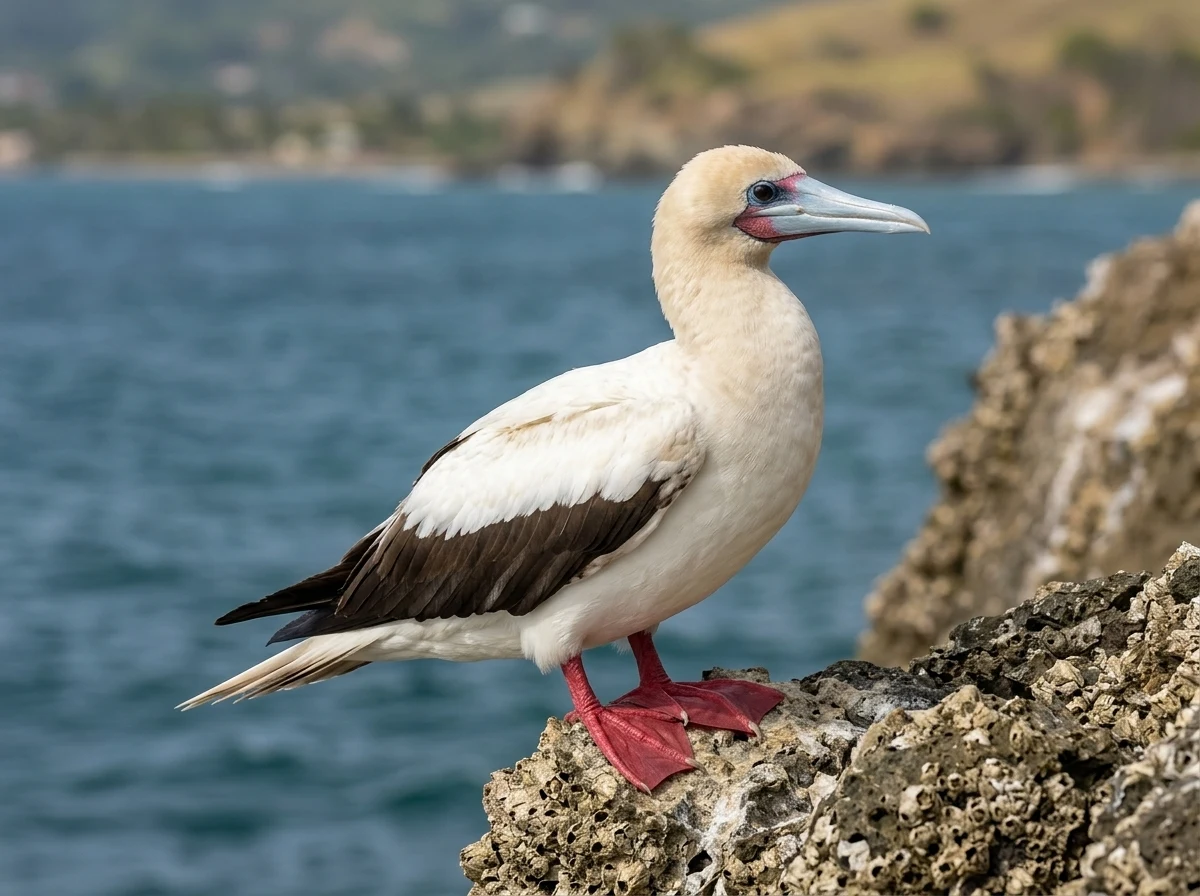
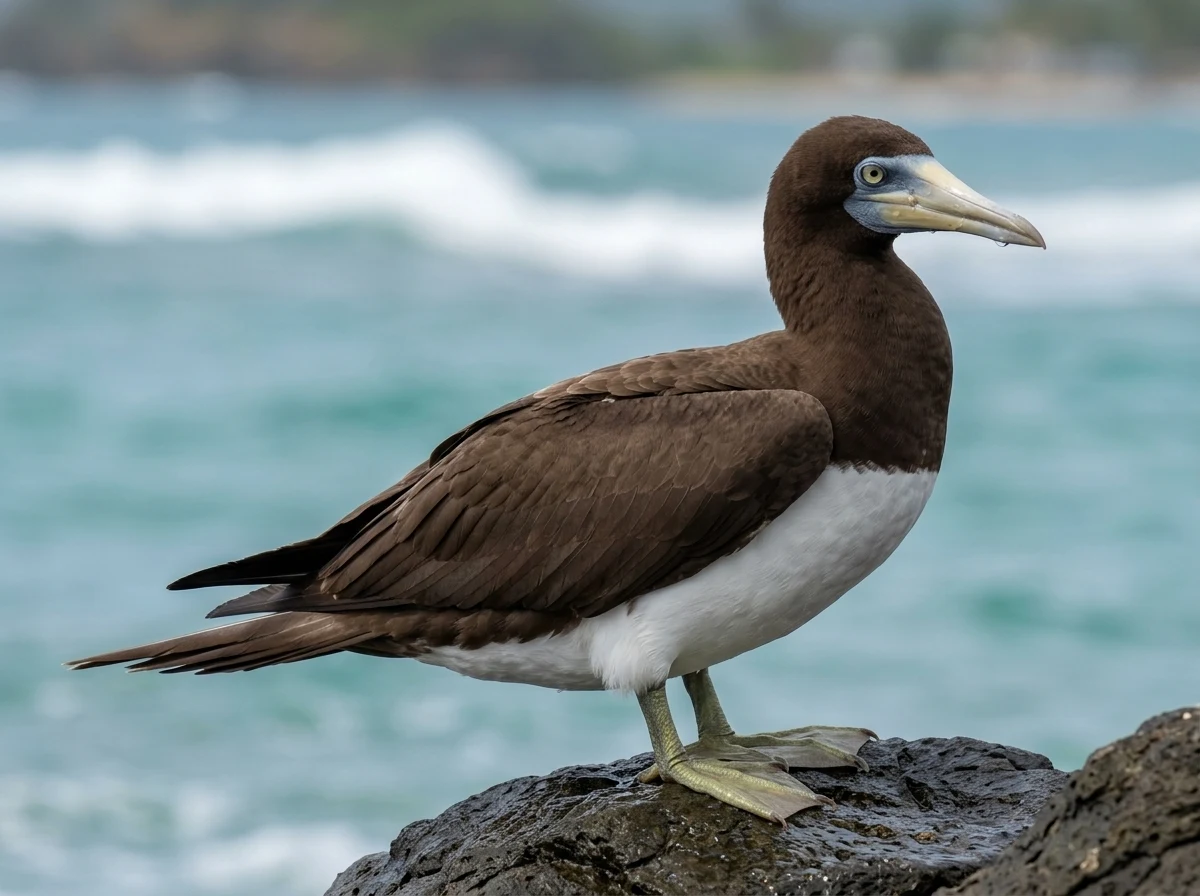
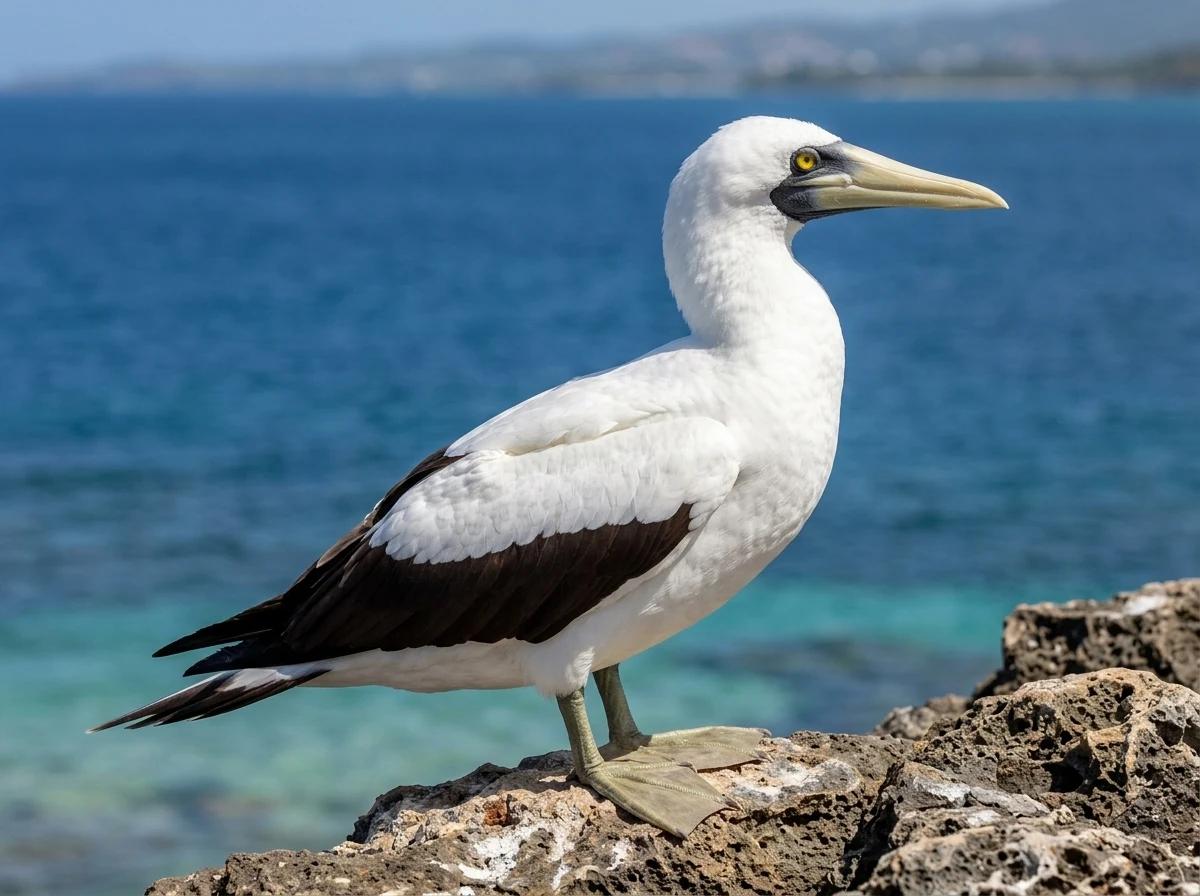
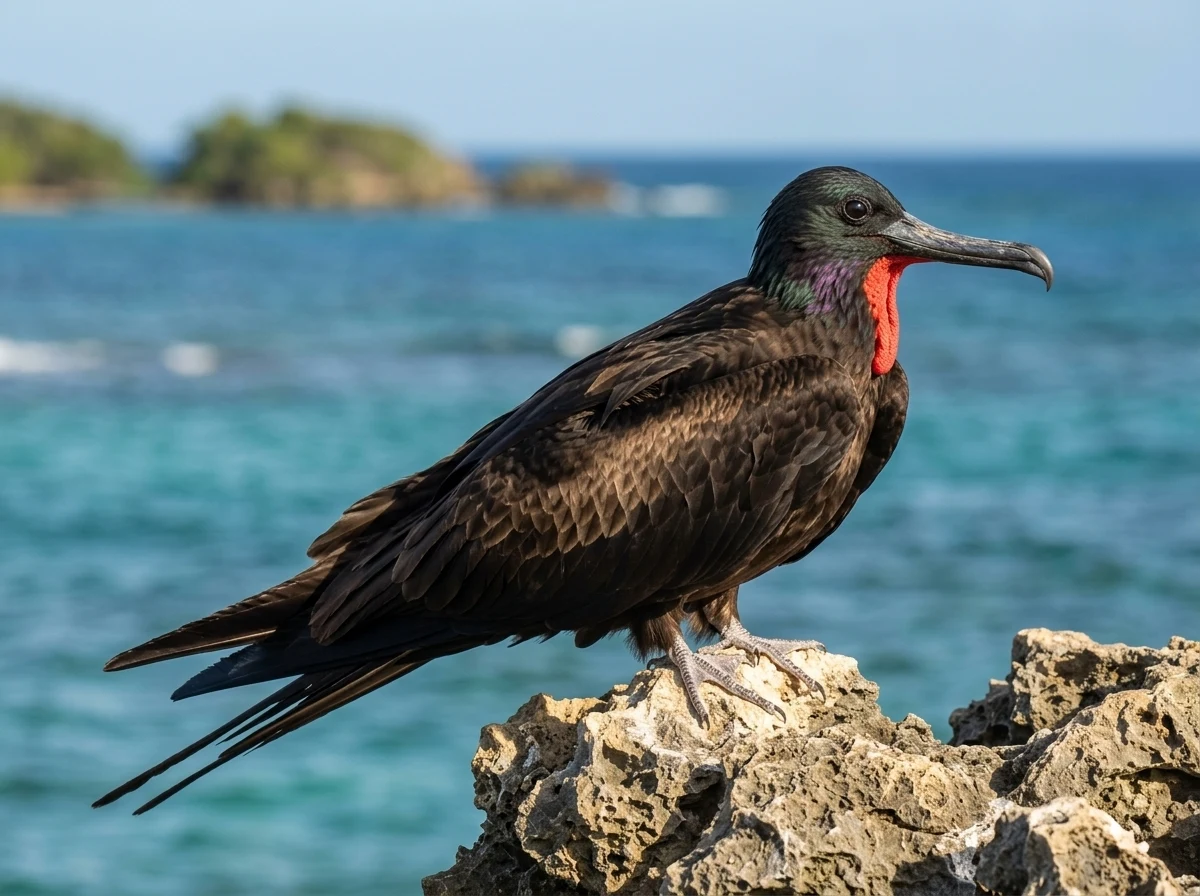
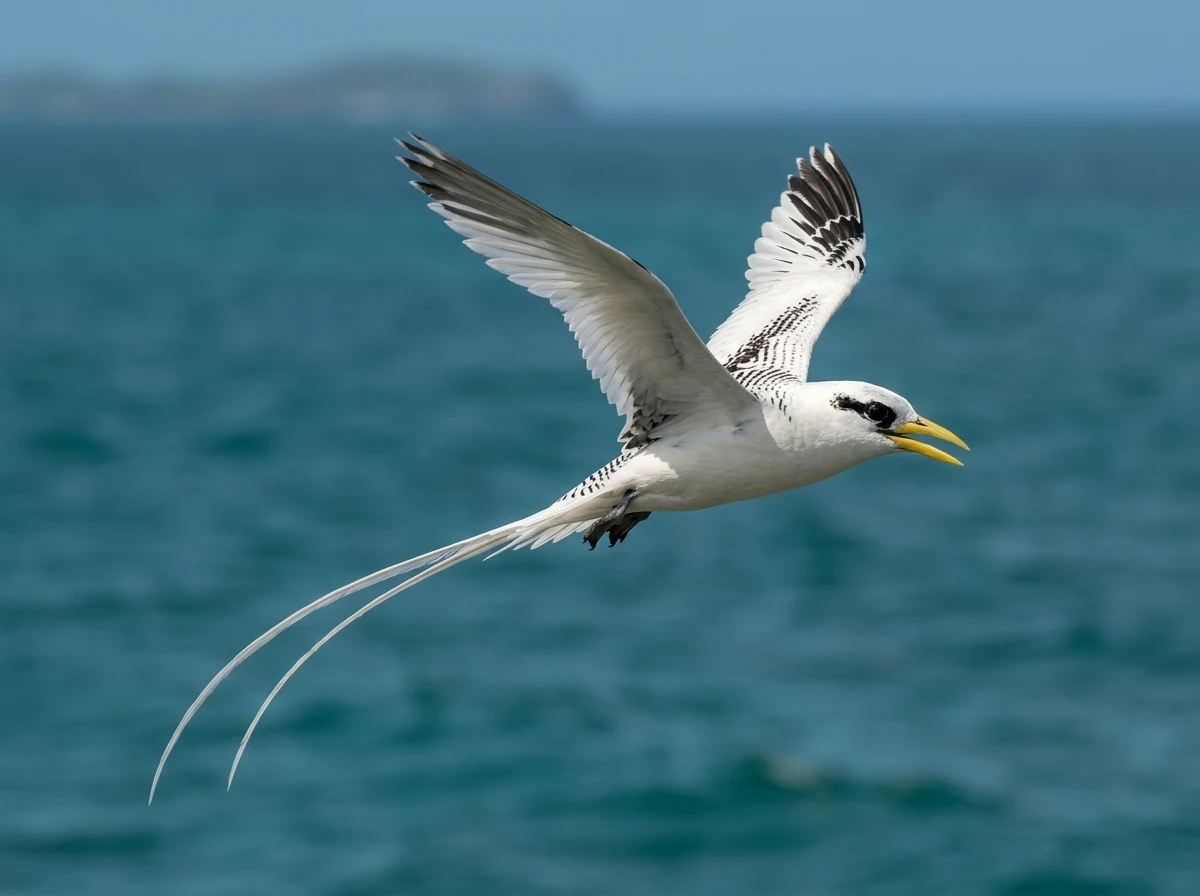
Mona Island is mainly a place for seabirds, including Red-footed Booby, Brown Booby, Magnificent Frigatebird, and White-tailed Tropicbird, plus the Mona Yellow-shouldered Blackbird, a subspecies found only on Mona and Monito. You need a prior permit from Puerto Rico's Department of Natural and Environmental Resources (DRNA) to set foot on the island.
The reserve covers 13,449 cuerdas on Mona and 34 on Monito, 45.7 miles off Puerto Rico's west coast. Island Conservation summarizes that the island provides habitat for 117 bird species, including 2 endemic subspecies. This guide sets out what to look for, where published studies place the colonies, and which DRNA rules matter to anyone arriving with binoculars.
Remote reserve in the Mona Passage
Mona in verified numbers
45.7 mifrom the west coastDRNA's official distance; the island measures 7 by 4.2 miles.
6,130Red-footed Boobies estimated2019 counts published in 2023; more than double earlier estimates.
~150Mona blackbirdsU.S. Fish and Wildlife Service estimate for the Mona population.
117bird speciesHabitat reported by Island Conservation, with 2 endemic subspecies.
01
The Red-footed Booby colony at Cabo Norte
Red-footed Booby nests in trees rather than on the ground, and Mona's main colony lies in the Cabo Norte area. A georeferenced survey published in Caribbean Naturalist counted 1,351 perched birds and 652 nests on 364 trees spread over 19.6 hectares. More than 90% of nests were in two tree species, Guapira discolor and Ficus citrifolia, which shows how closely the colony depends on a particular forest.
A later study in Wildlife Society Bulletin used point counts in 2019 and estimated about 6,130 birds in the colony, more than double earlier estimates. The authors found that night counts yield higher densities because many boobies are fishing at sea during the day. For a birder the lesson is simple: an empty tree at midday does not mean the colony is gone.
02
Mona Yellow-shouldered Blackbird: the island subspecies
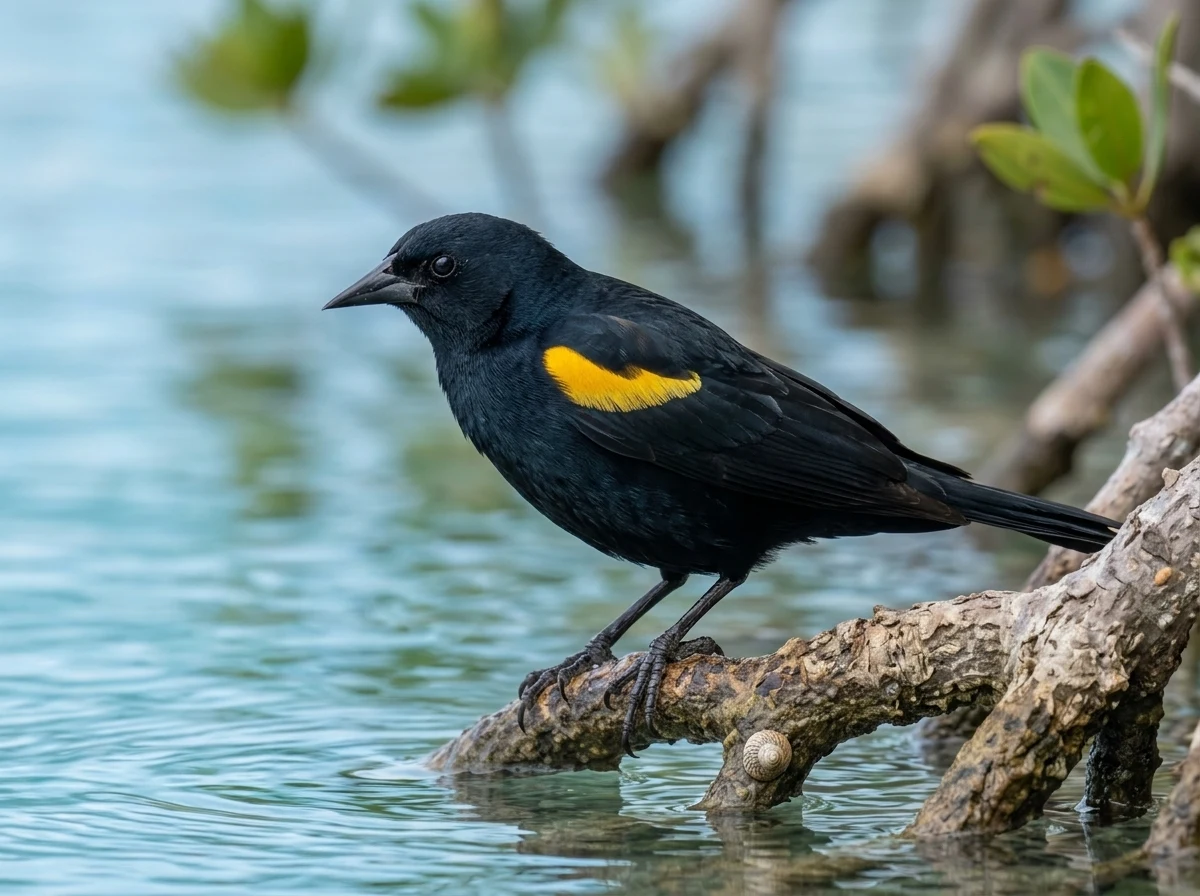
Yellow-shouldered Blackbird (Agelaius xanthomus) is endemic to Puerto Rico and listed as endangered by both the federal government and DRNA. The U.S. Fish and Wildlife Service (FWS) describes four areas where the species survives; one is Mona and Monito, where the subspecies A. x. monensis developed. That population is roughly 150 birds, the second largest after southwestern Puerto Rico.
Island Conservation explains that nest predation by rats restricts the Mona blackbird to nesting on inaccessible cliffs. That is why the FWS recovery plan requires the Mona population to show a stable or increasing trend before the species can be delisted. If you see one, it is a black bird with a yellow shoulder patch; watch it without approaching the cliff edge.
03
Caves, shearwaters, and terns: what almost no one sees
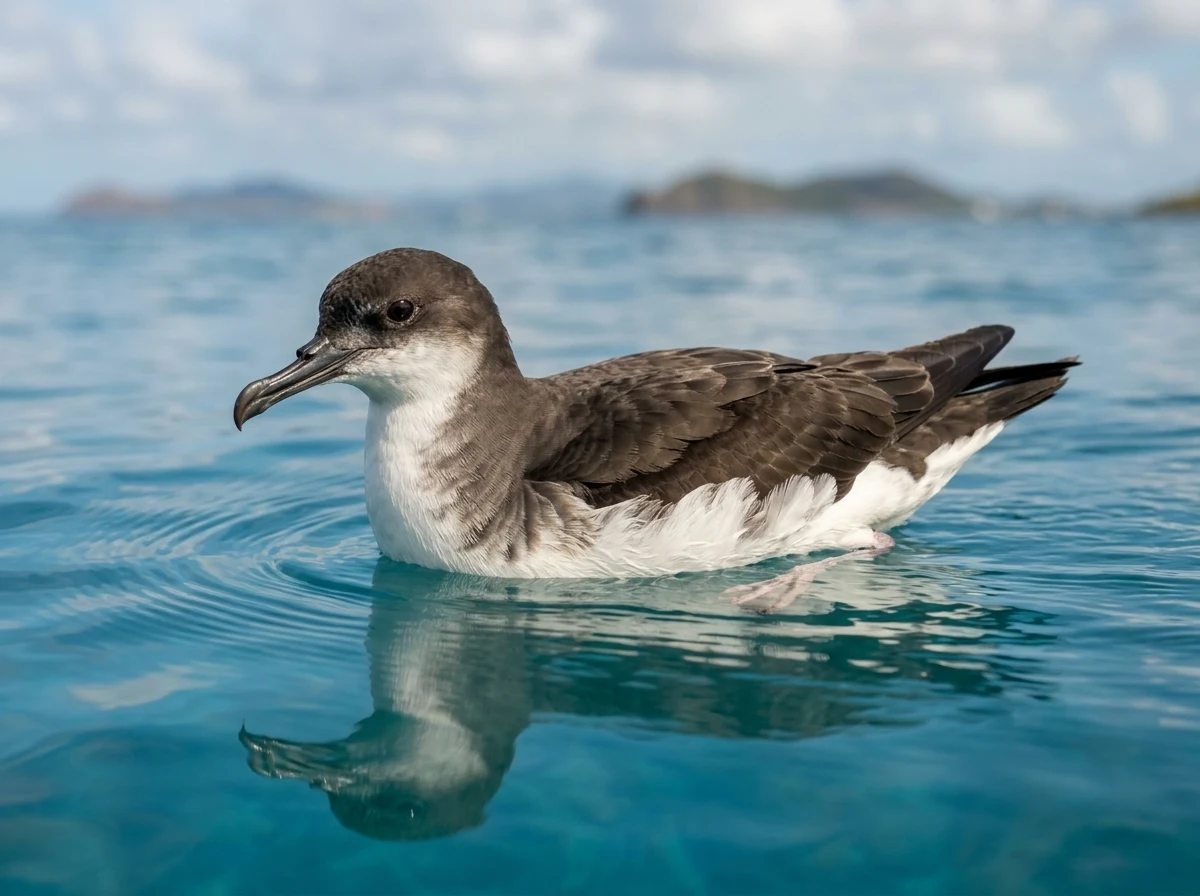
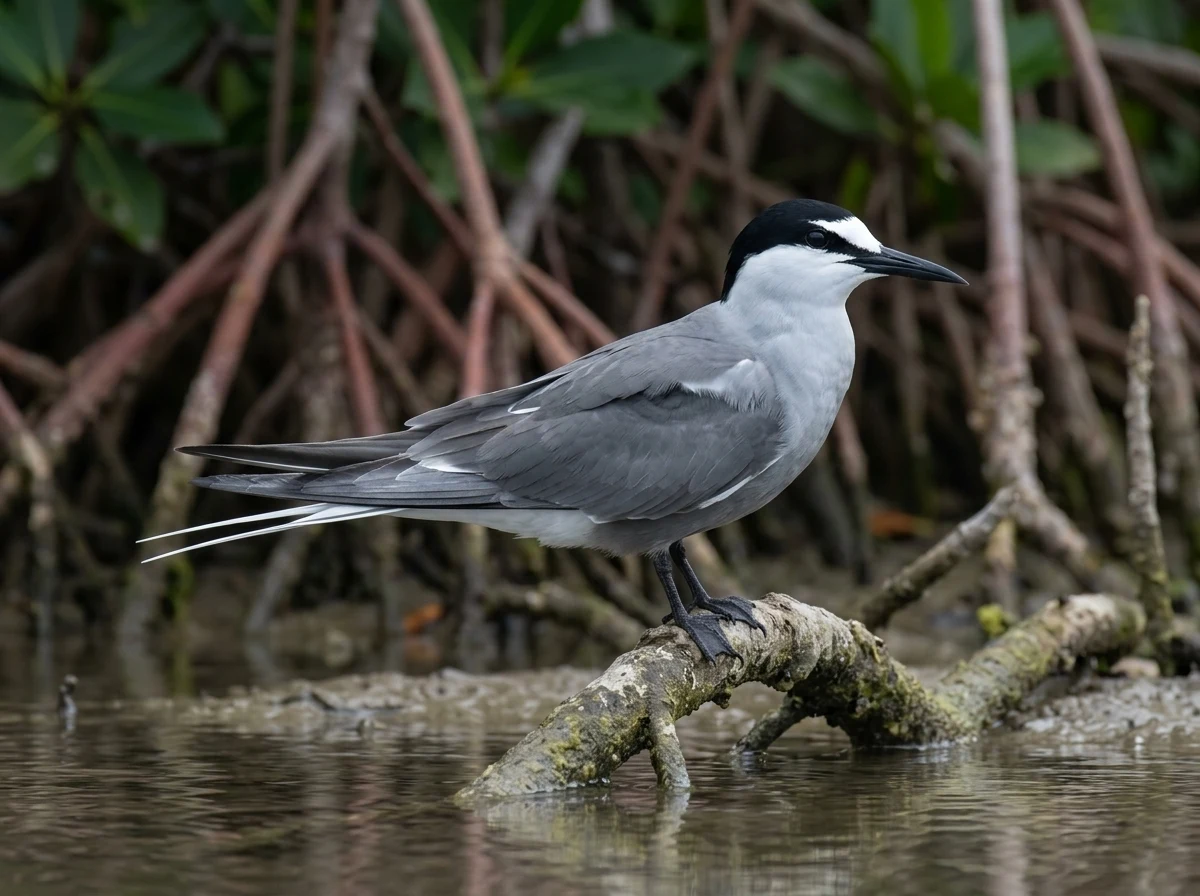
A Journal of Caribbean Ornithology paper documented that Sargasso Shearwater (formerly treated as Audubon's Shearwater) and Bridled Tern still breed in caves on northern Mona, more than 80 years after their last recorded observation. The authors argue that these remnant populations could be key to seabird recovery on the island once invasive mammals are removed.
That does not make the caves a destination. DRNA prohibits camping in or making expeditions into caves and bans rappelling and climbing anywhere in the reserve. Sargasso Shearwater is mostly pelagic and is best detected from the sea; Bridled Tern may be seen flying near the coast. Both can be appreciated without entering their refuges.
04
Land birds and migrants in the dry scrub
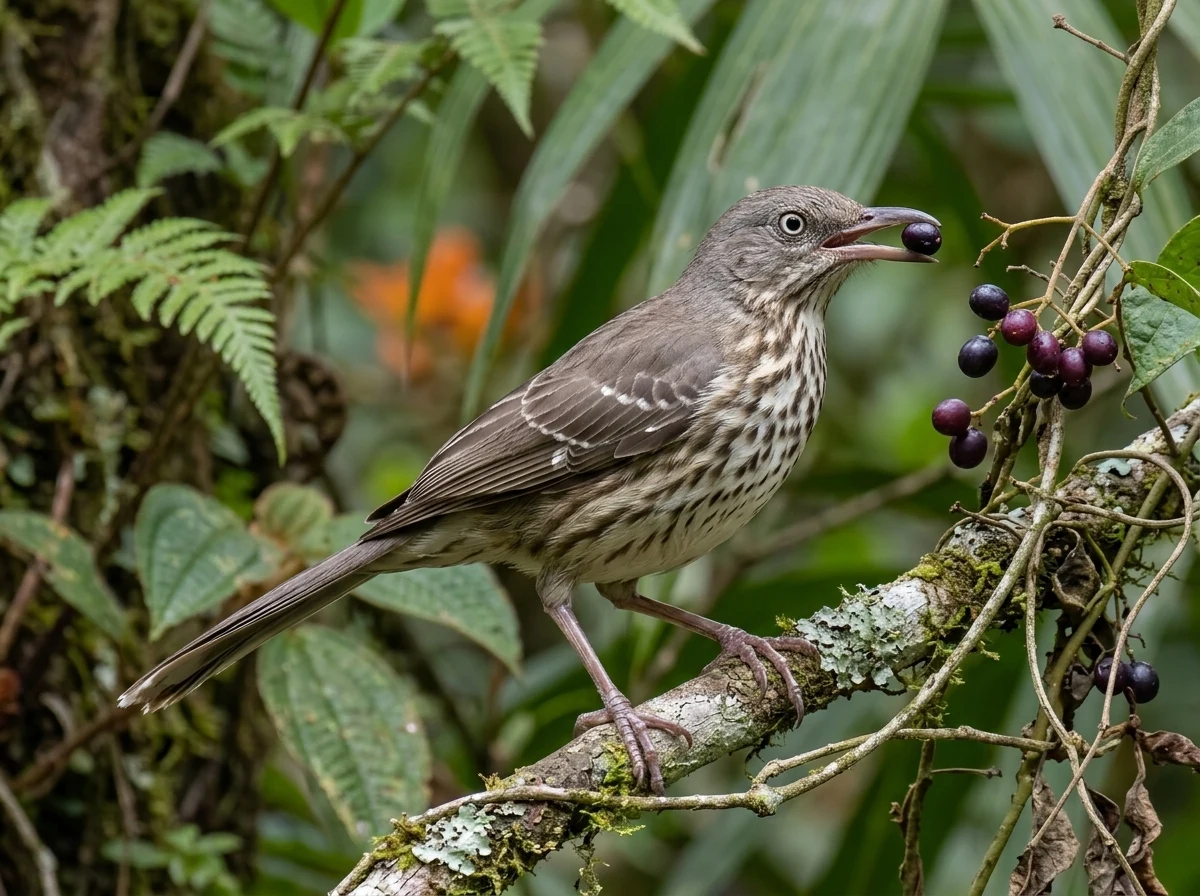
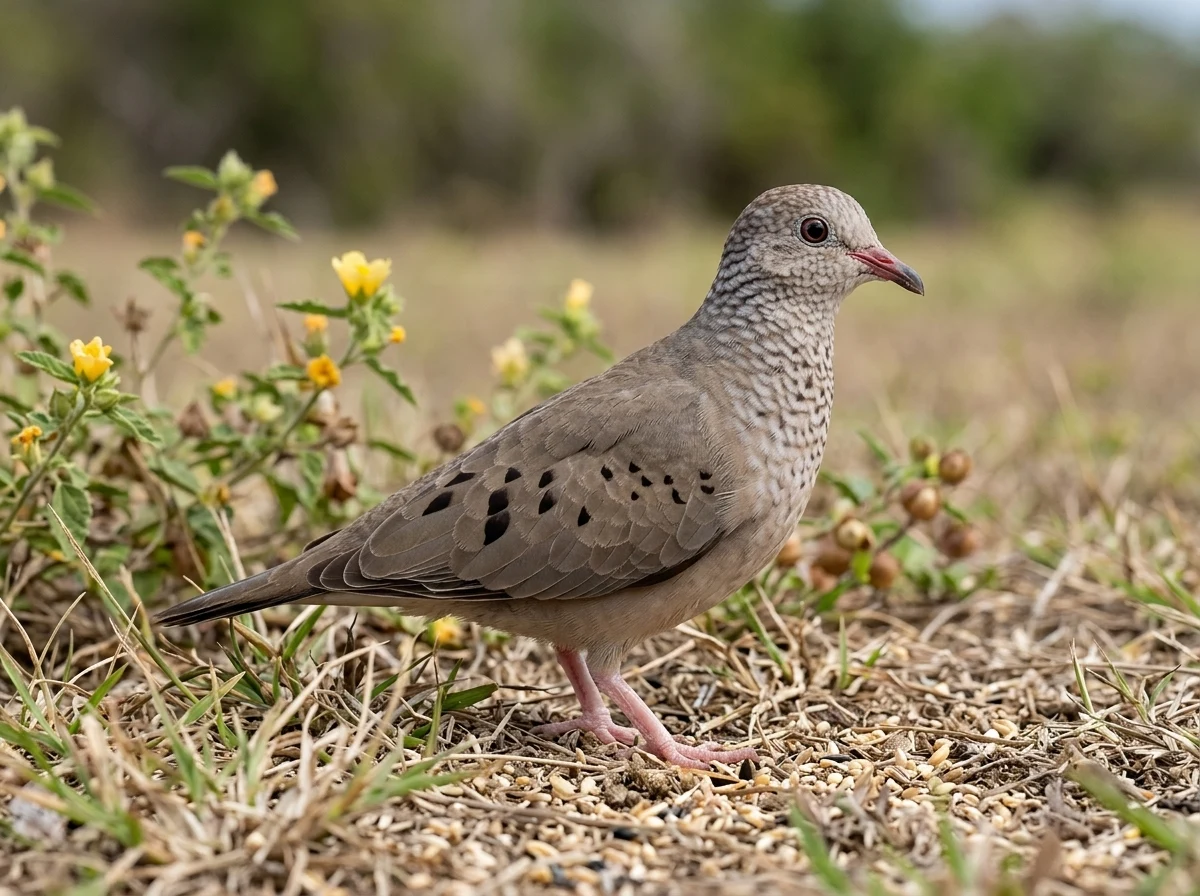
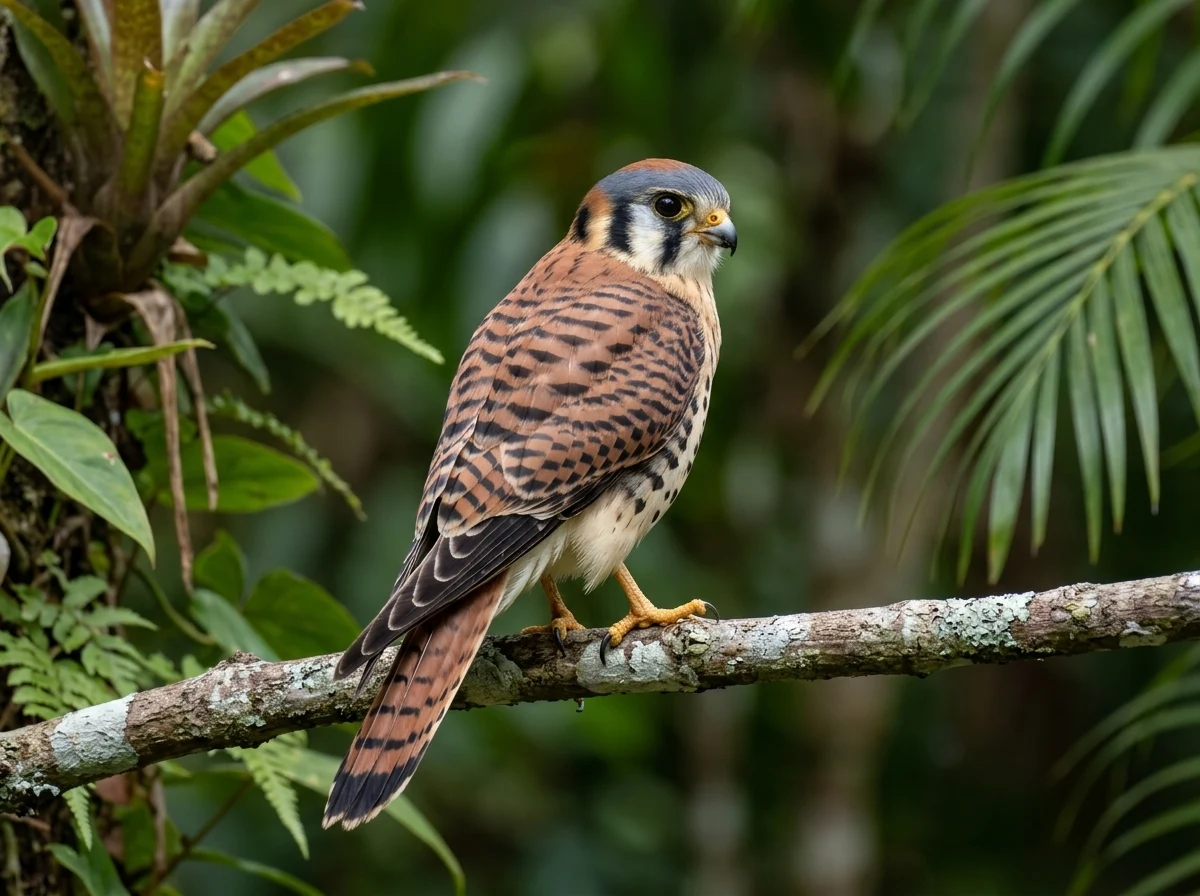
Open records aggregated by GBIF for Mona are led by Pearly-eyed Thrasher, Brown Booby, Common Ground Dove, American Kestrel, Magnificent Frigatebird, Zenaida Dove, and Gray Kingbird. Mangrove Cuckoo, White-crowned Pigeon, and White-tailed Tropicbird, which uses the cliffs, also appear.
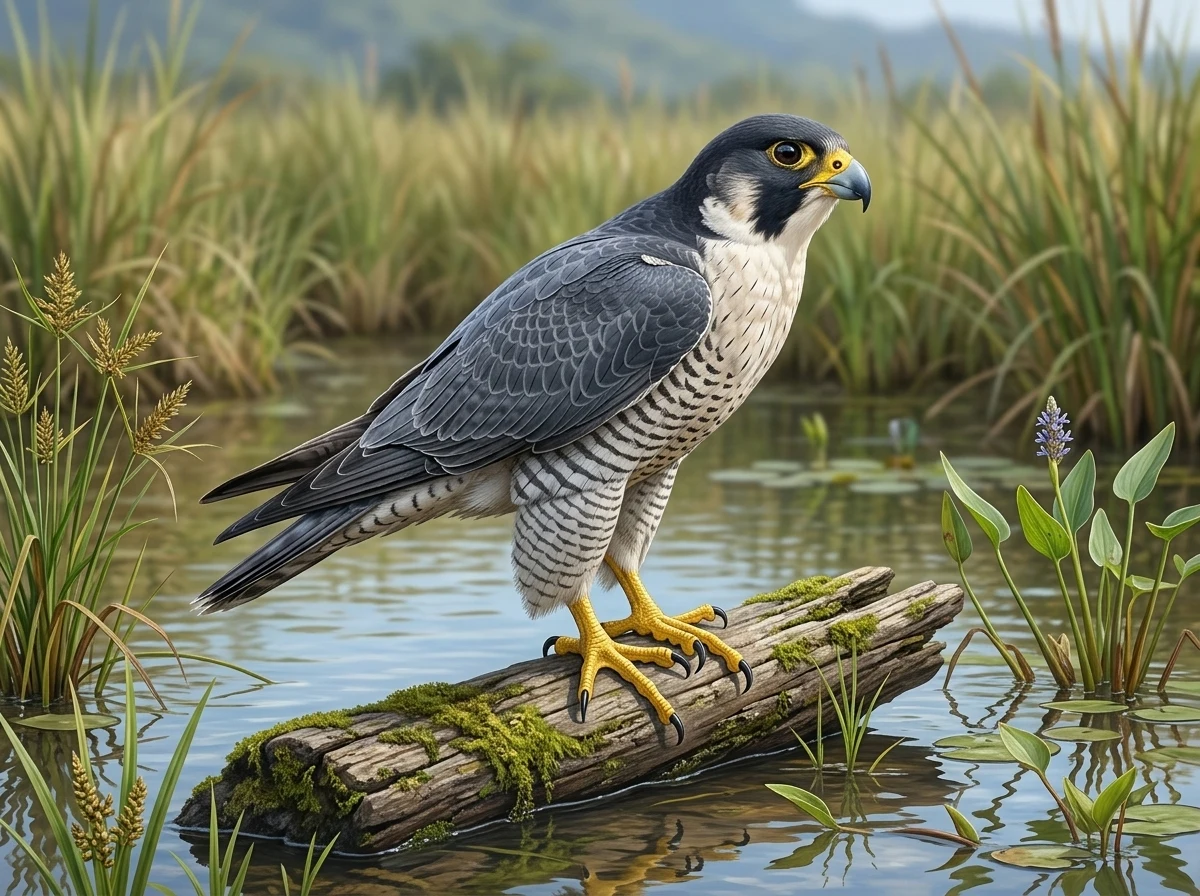
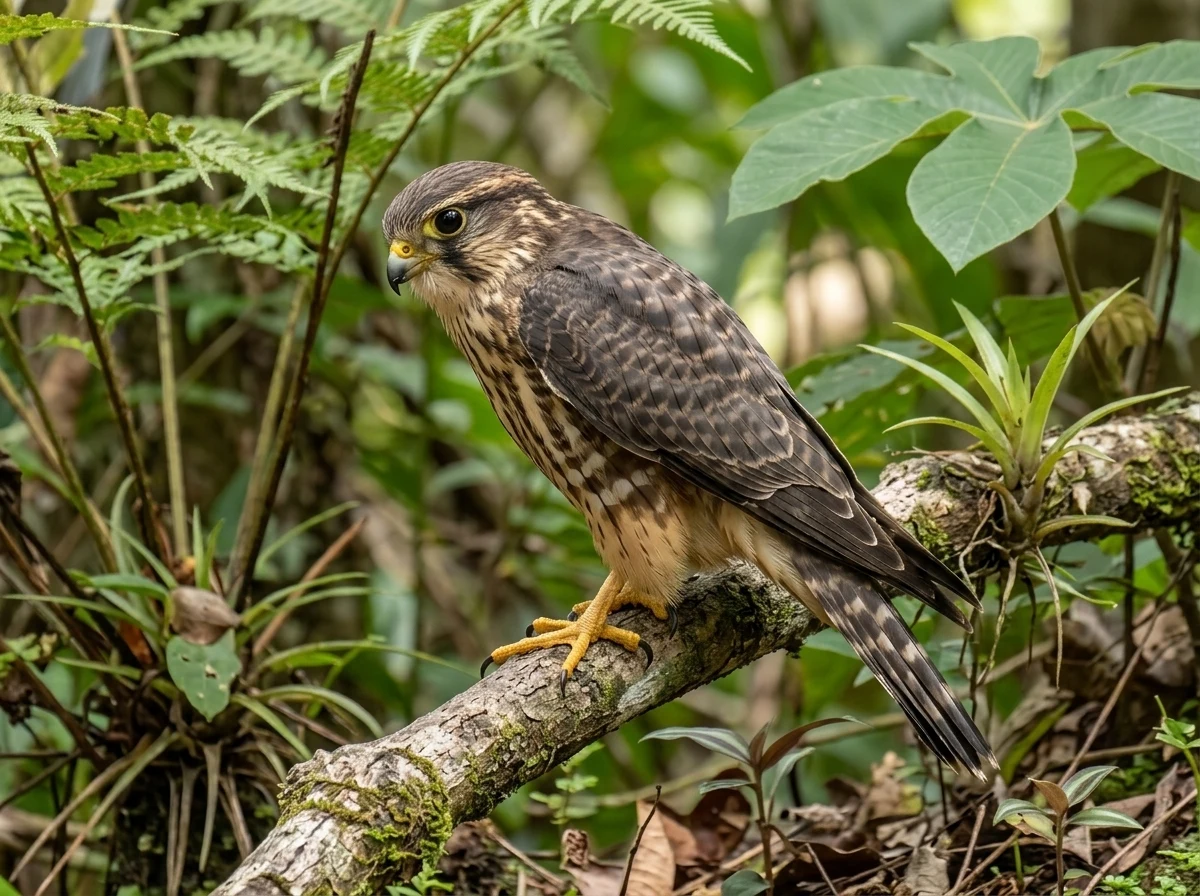
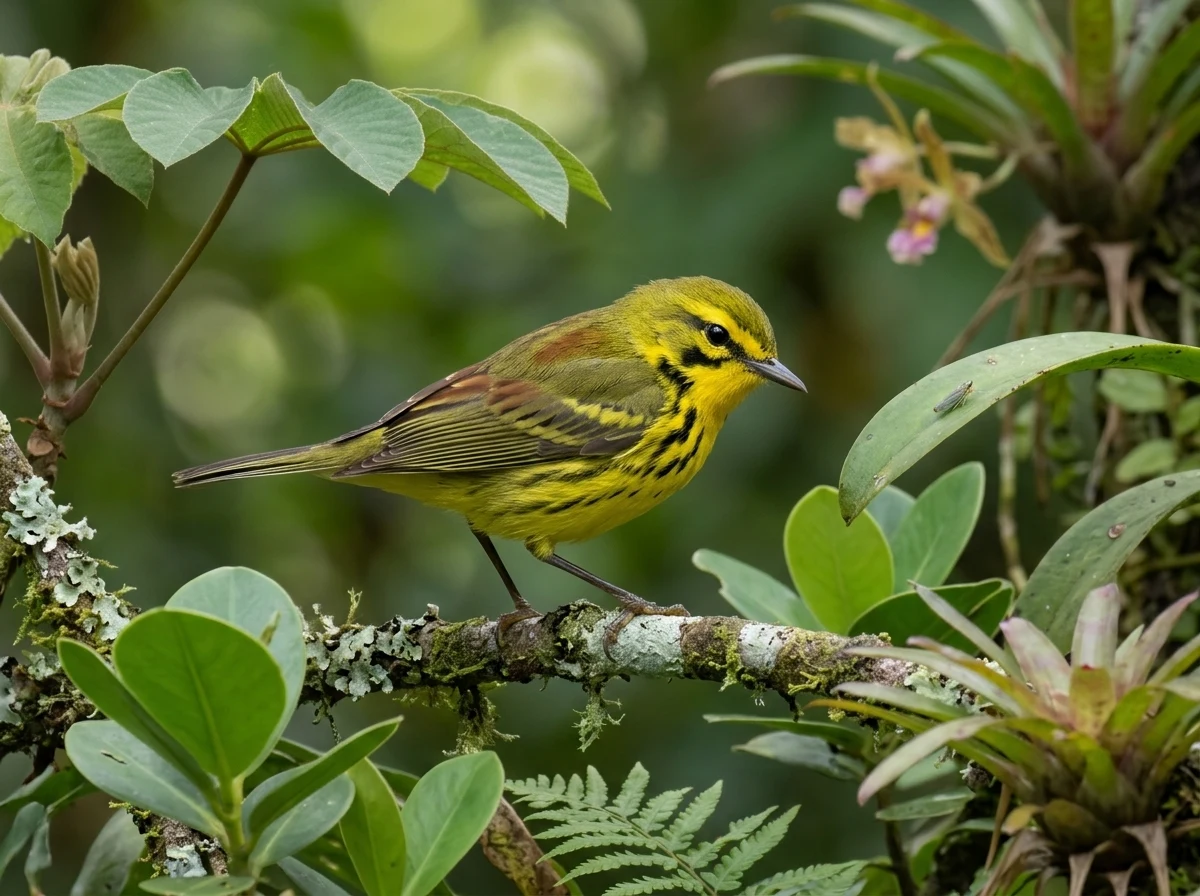
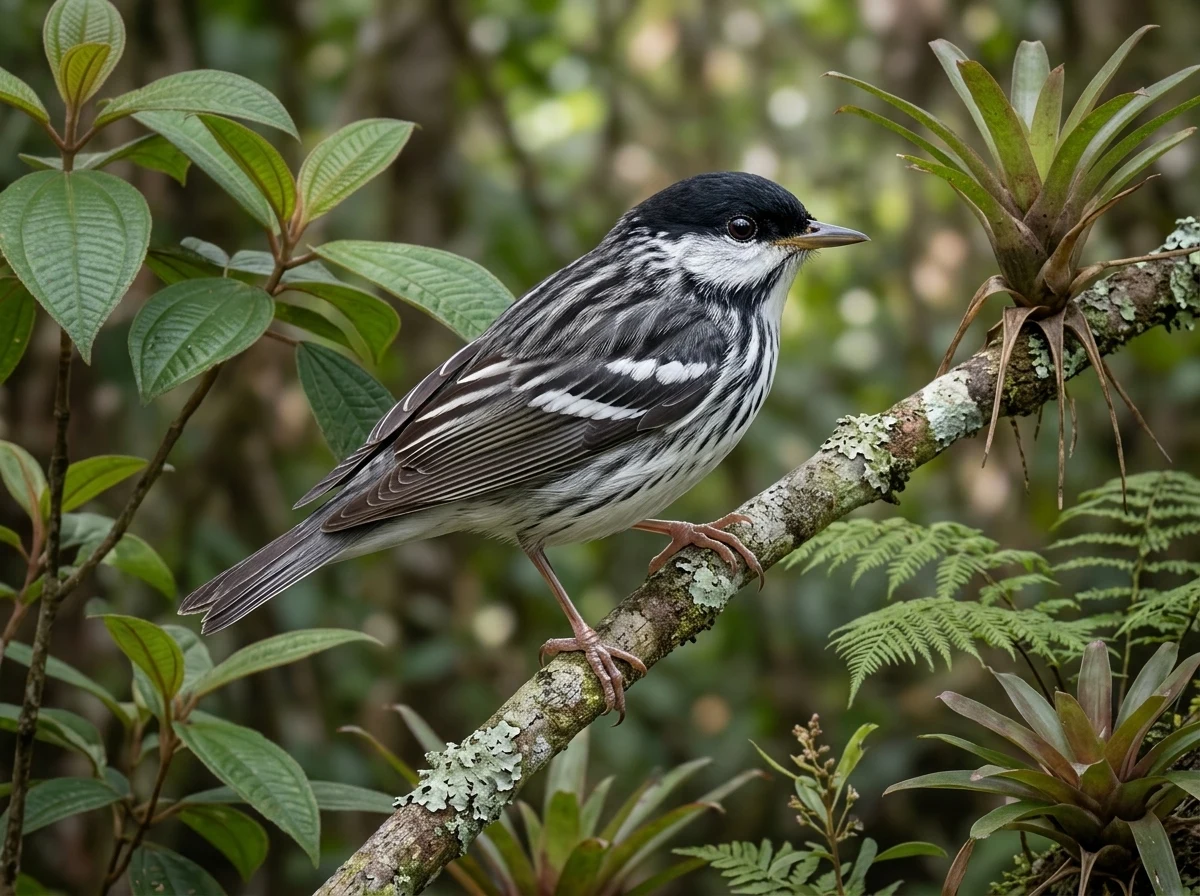
During migration the island works as a stopover in the Mona Passage. Records include warblers such as Prairie Warbler, Northern Waterthrush, and Blackpoll Warbler, plus raptors such as Peregrine Falcon and Merlin. A rare migrant on Mona deserves documentation with photos, date, and exact location, because observer coverage is very low.
05
DRNA permits and rules for visiting Mona
DRNA requires the permit to be processed at least five working days in advance through its Land Use and Forest Permits Section. You check space, make a reservation valid for 24 hours, and then submit the application, payment, and documents at a DRNA office. Camping costs $10 per person per night and is allowed only at Playa Pájaros (capacity 50) and Playa Sardinera (capacity 60).
Visiting Monito islet, lighting fires, bringing pets, feeding or disturbing wildlife, and cutting vegetation are all prohibited, and all trash must be carried back to Puerto Rico. The permit page does not arrange transport: crossing the Mona Passage is arranged separately. DRNA also opens goat and pig hunting seasons (in 2024-2025, December through April, Monday to Thursday), so check the current calendar before planning.
Linked profiles
Birds that define a Mona visit
Seabird colonies, the island's blackbird, and passing migrants. Open each profile for names, conservation status, and habitat.
Sound archive
Hear its voice
Explore real songs and calls. The spectrogram turns each sound into a visual trace of time and frequency.
XC793991Recording 1 of 3call

Play: call by Barry Edmonston
Choose another recording
Sound recorded by Barry Edmonston · XC793991 · CC BY-NC-SA 4.0. Visualization by Stichting Xeno-canto voor Natuurgeluiden.
Every recording retains the creator, catalogue number, and license published by Xeno-canto. Metadata via GBIF ↗
01
What birds live on Mona Island?
Mona is known for its Red-footed Booby colony at Cabo Norte, Brown Booby, Magnificent Frigatebird, White-tailed Tropicbird, and the Mona Yellow-shouldered Blackbird, a subspecies unique to Mona and Monito. Island Conservation reports habitat for 117 bird species, many of them passing migrants.
02
Do you need a permit to visit Mona Island?
Yes. DRNA requires a prior permit, processed at least five working days in advance through its Land Use and Forest Permits Section. Camping costs $10 per person per night and is allowed only at Playa Pájaros and Playa Sardinera.
03
Can you visit Monito Island?
No. DRNA's rules for the reserve prohibit visits to Monito islet. Its birds, including the Mona blackbird, are protected by keeping people off it.
04
How many boobies are on Mona Island?
A study based on 2019 counts, published in 2023, estimated about 6,130 birds in the Red-footed Booby colony, more than double earlier estimates. An earlier survey counted 652 nests on 364 trees at Cabo Norte.
05
What is the Mona Yellow-shouldered Blackbird?
It is the subspecies Agelaius xanthomus monensis of the Yellow-shouldered Blackbird, endemic to Mona and Monito. FWS estimates about 150 birds in that population, and because of rat predation it nests mostly on inaccessible cliffs.
06
Can you enter the caves on Mona?
DRNA camping rules prohibit camping in or making expeditions into caves, as well as rappelling and climbing. Some northern caves are breeding refuges for Sargasso Shearwater and Bridled Tern.
Keep exploring
Connected routes
Sources and review
The evidence is one link away.
These sources support the editorial scope of this guide. Bird profiles also retain their own taxonomy, occurrence, and conservation references.
Reviewed:
01↗02↗03↗04↗05↗06↗07↗08↗09↗
Departamento de Recursos Naturales y Ambientales
Mona and Monito Island Natural Reserve
Area, distance from Puerto Rico, and protective designations with their years.Departamento de Recursos Naturales y Ambientales
Camping on Mona Island
Permits, lead time, fees, camping areas, and prohibited activities in the reserve.Caribbean Naturalist (Eagle Hill Institute)
Survey of the Red-footed Booby colony on Mona
Perched birds, nests, trees, and area of the Cabo Norte colony.Wildlife Society Bulletin
Red-footed Booby population estimate with distance sampling and drones
2019 estimate of 6,130 birds and the advantage of night counts.U.S. Fish and Wildlife Service
Yellow-shouldered Blackbird recovery plan
Range, nesting, threats, and recovery.Journal of Caribbean Ornithology
Breeding seabirds in Mona cave refugia
Documents breeding persistence of Sargasso Shearwater and Bridled Tern on Mona.Island Conservation
Mona restoration project fact sheet
117 bird species, endemic subspecies, invasive species, and Mona blackbird cliff nesting.Global Biodiversity Information Facility
GBIF bird records: Mona Island
Species with open records on Mona, queried in September 2026.Departamento de Recursos Naturales y Ambientales
Mona goat and pig hunting season notice
Dates and weekdays of the 2024-2025 hunting season that overlap with birding visits.The atlas continues