 AI
AIEndemics and habitats route
Puerto Rico in seven days
A week lets you change forest and coast without turning every endemic into a chase.
Reviewed:The route follows habitats, not a rigid list.
The itinerary crosses eastern wet forest, northern karst, western mountains, dry forest, and southwestern wetlands, with two main bases and one central transfer.
No week guarantees all 19. Weather, access, management, and chance change encounters; confirm each site near the date and use a guide for sensitive targets.
Endemics and habitats route
The guide at a glance
10linked profilesA focused selection connects the guide with verifiable species.
3reading lensesContext, identification, and practical decisions organized by topic.
7primary sourcesAgencies, research, and ornithological organizations support the content.
01
Days 1–3: east and karst
Day 1 Piñones or San Juan; day 2 El Yunque; day 3 transfer toward Río Abajo with time for limestone forest. Do not follow parrots or enter management areas.
Learn common voices first: Gray Kingbird, Tody, Woodpecker, Vireo, Flycatcher, and Bullfinch anchor later comparisons.
02
Days 4–7: mountains, dry forest, and wetland
Day 4 Maricao; day 5 early Guánica and authorized evening listening; day 6 Cabo Rojo and Laguna Cartagena; day 7 repeat a missed habitat or visit Jobos while returning.
Avoid tired driving after night work, preserve alternate mornings, and check closures 24–48 hours before and the same day. Tide and water level determine wetland order.
Linked profiles
Birds to compare
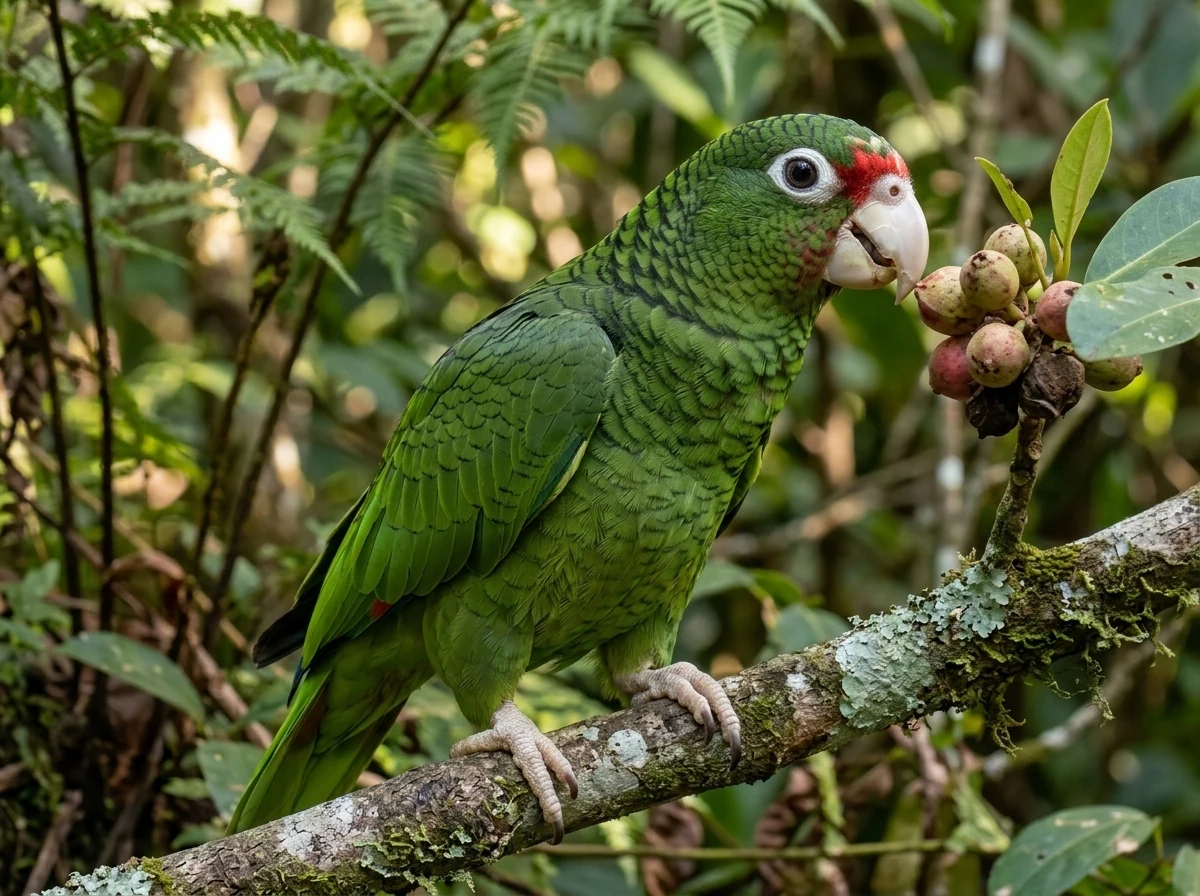
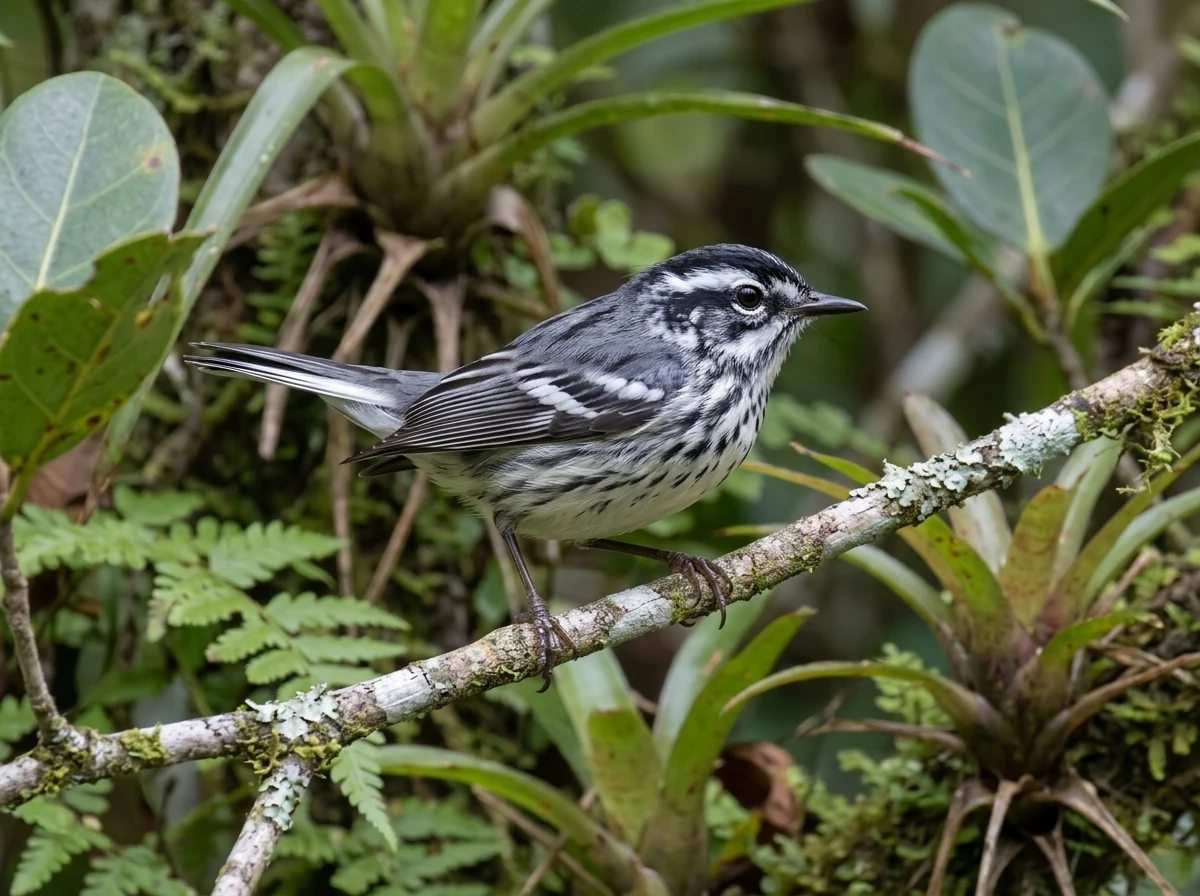
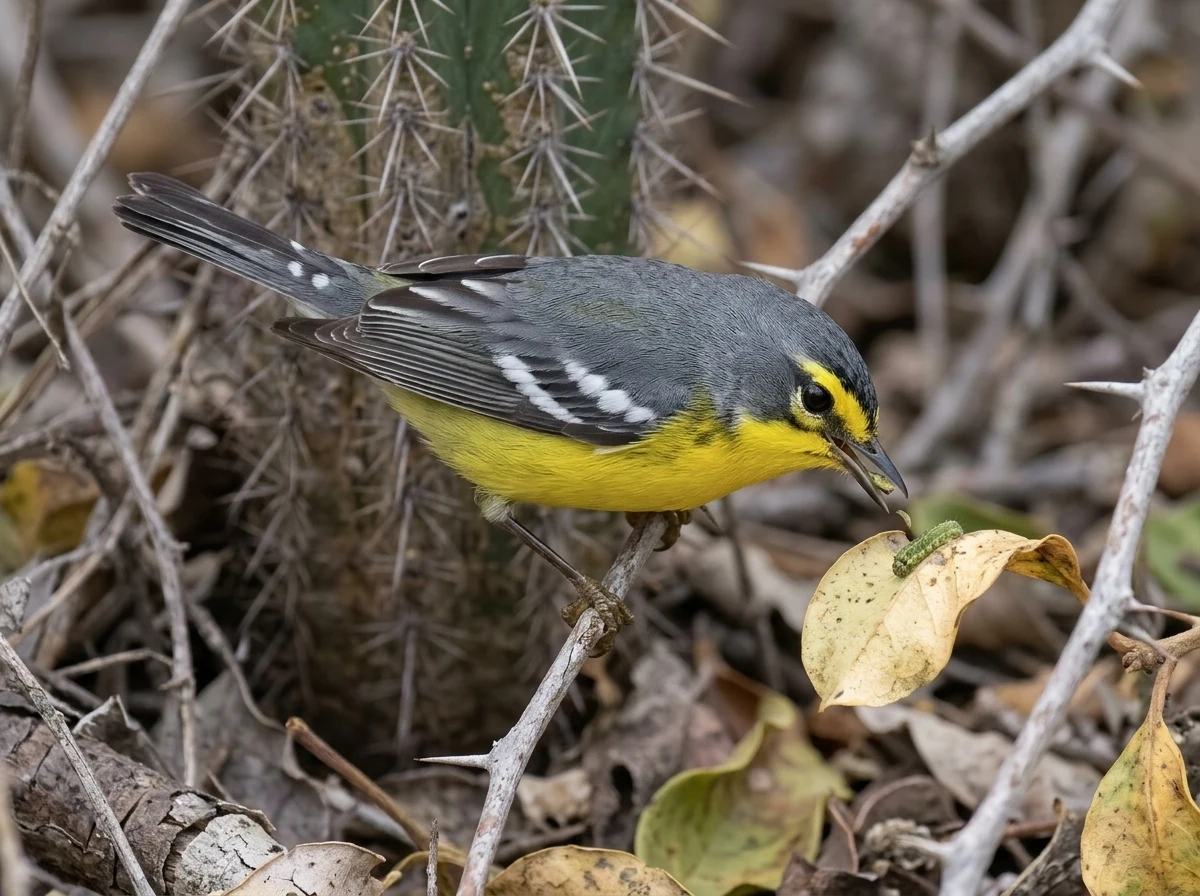
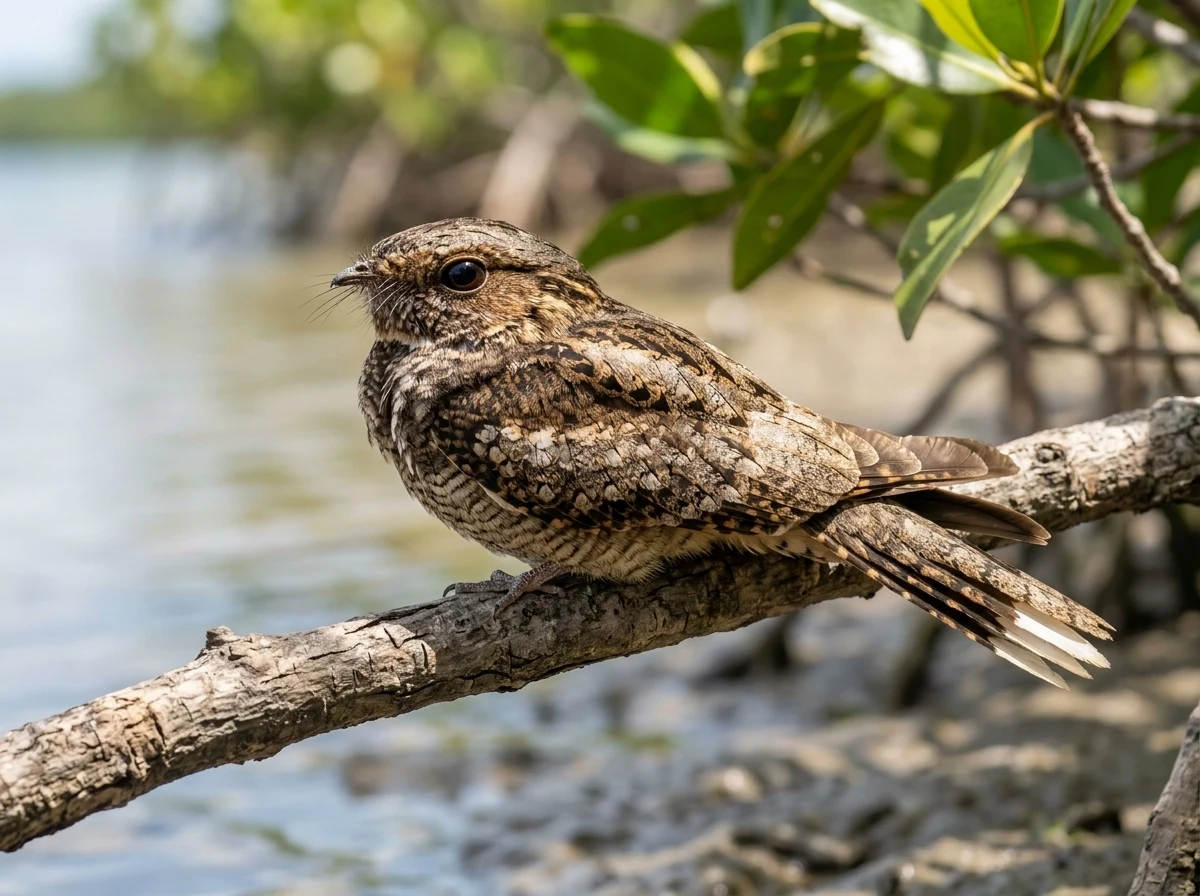
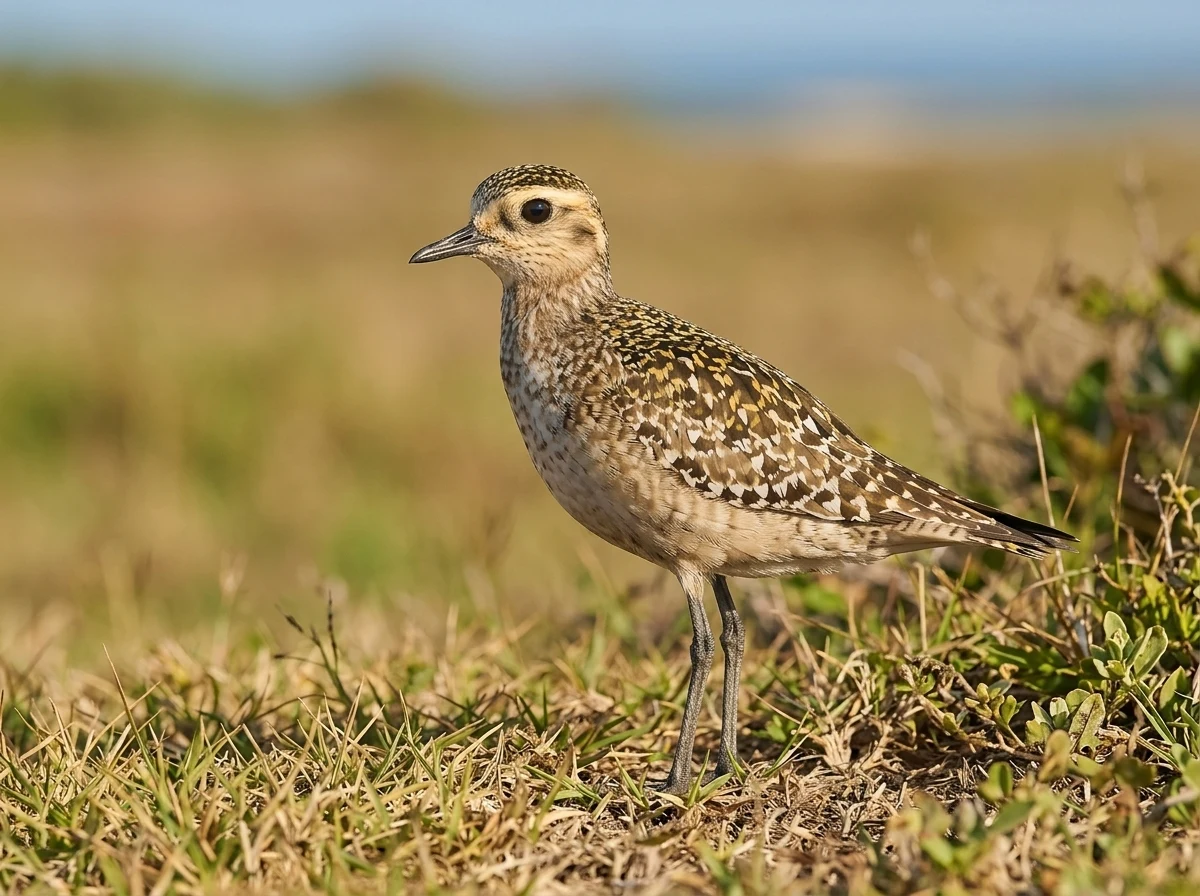
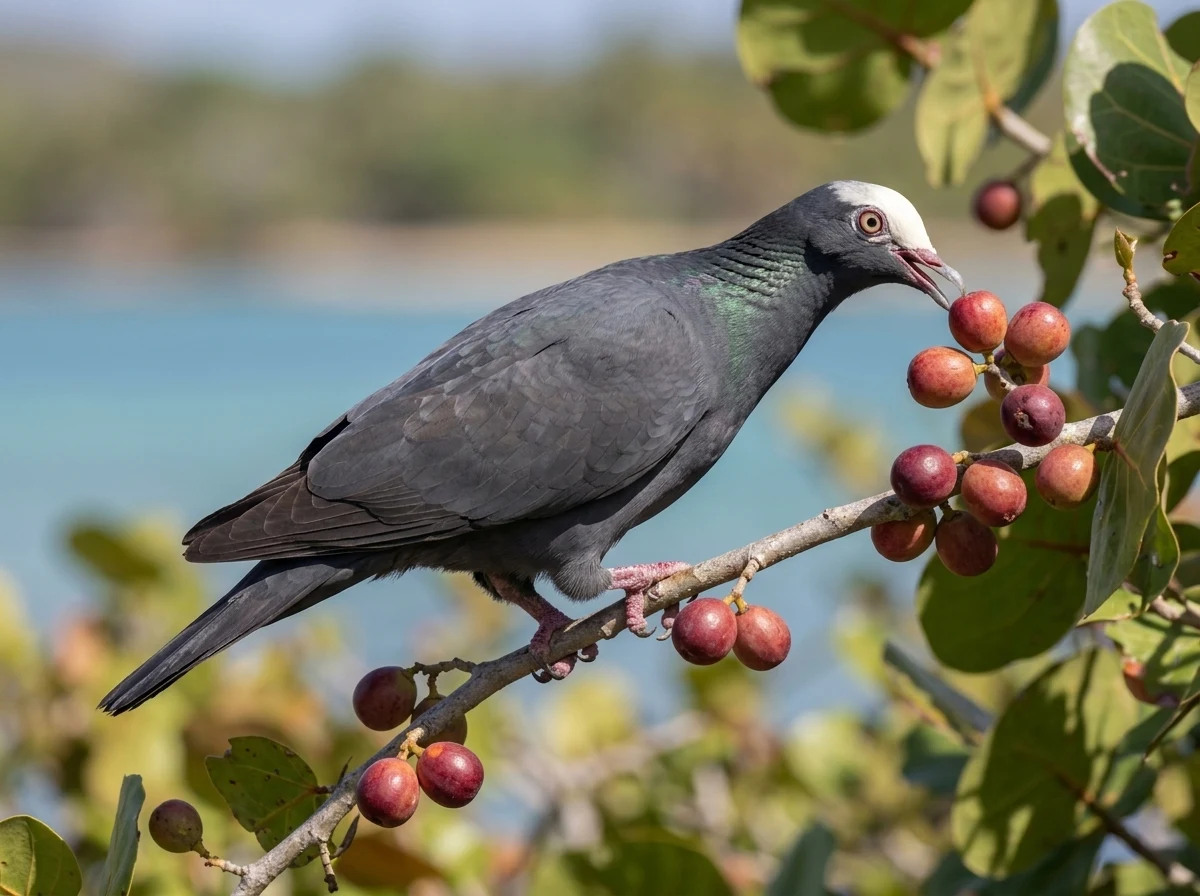
Open each profile to review names, marks, audio, habitat, status, and sources.
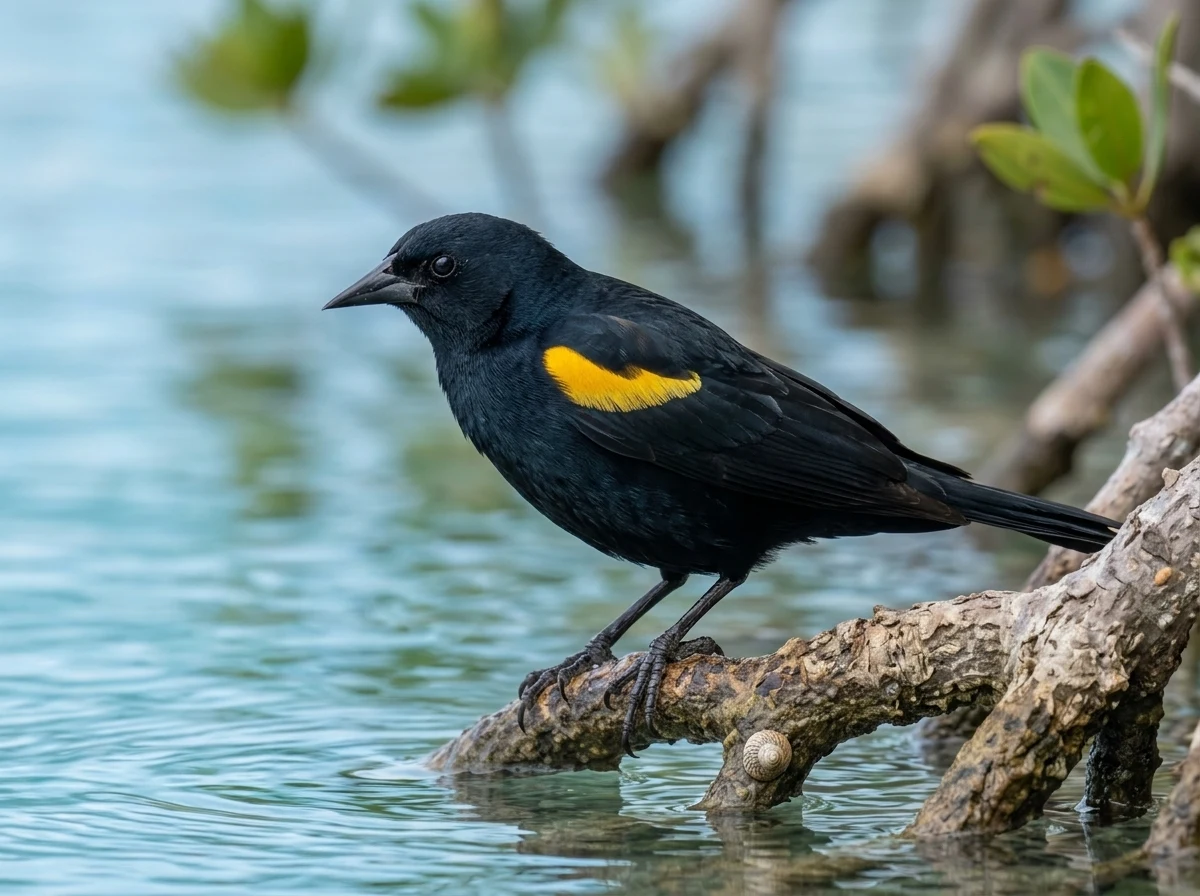
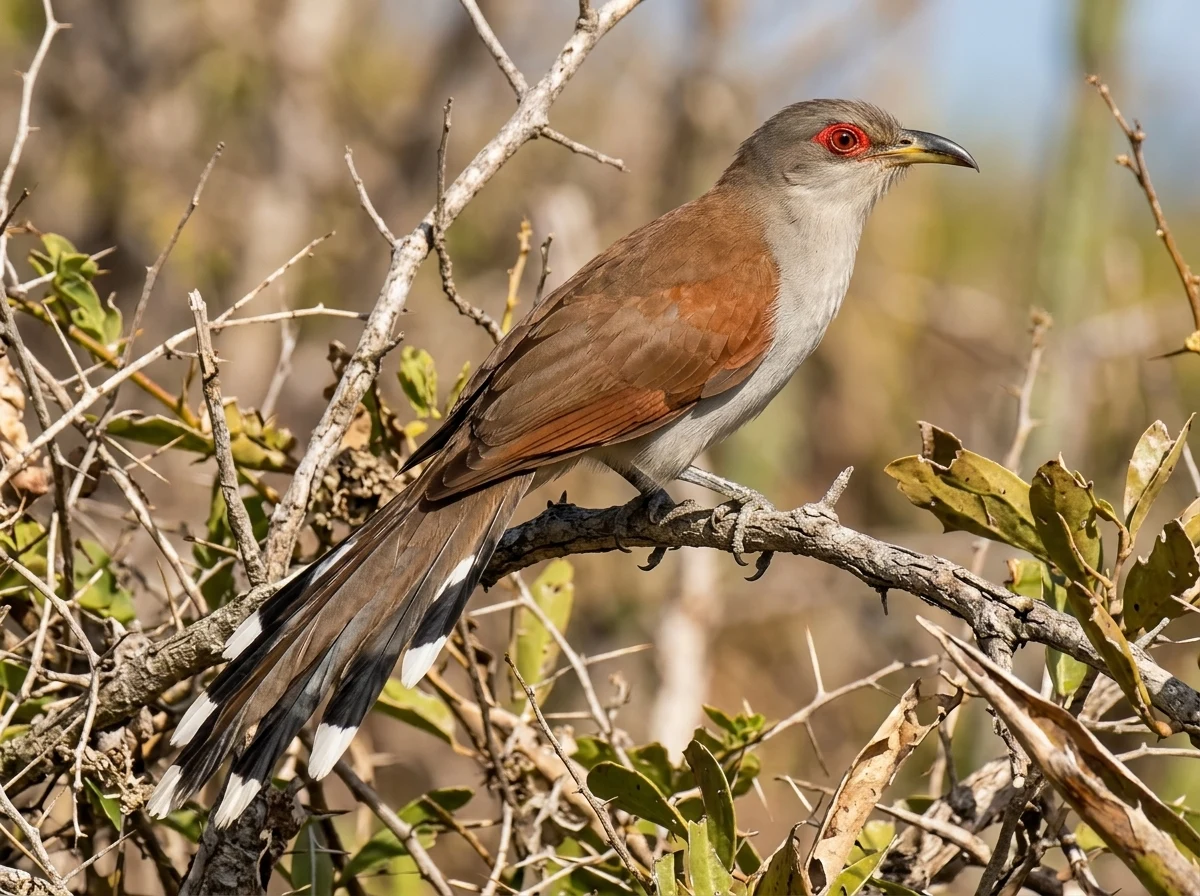
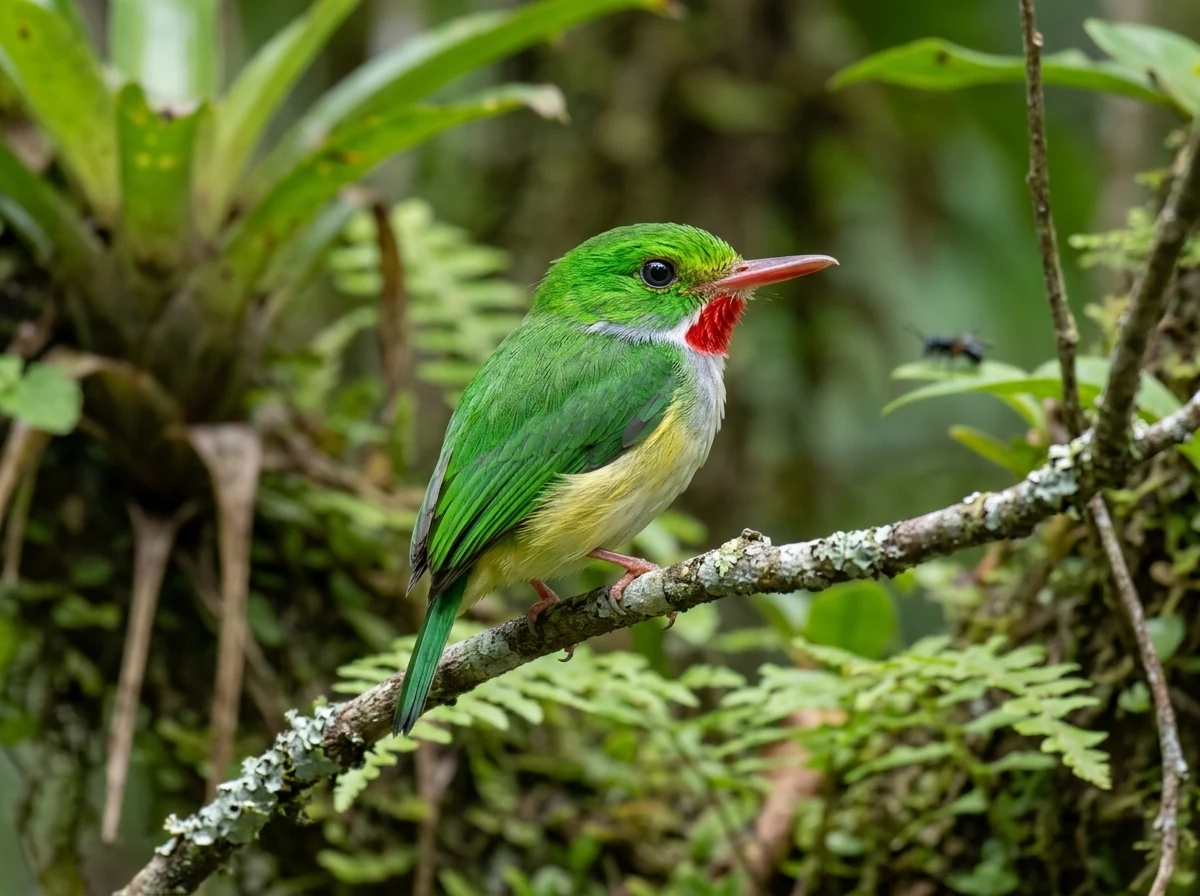
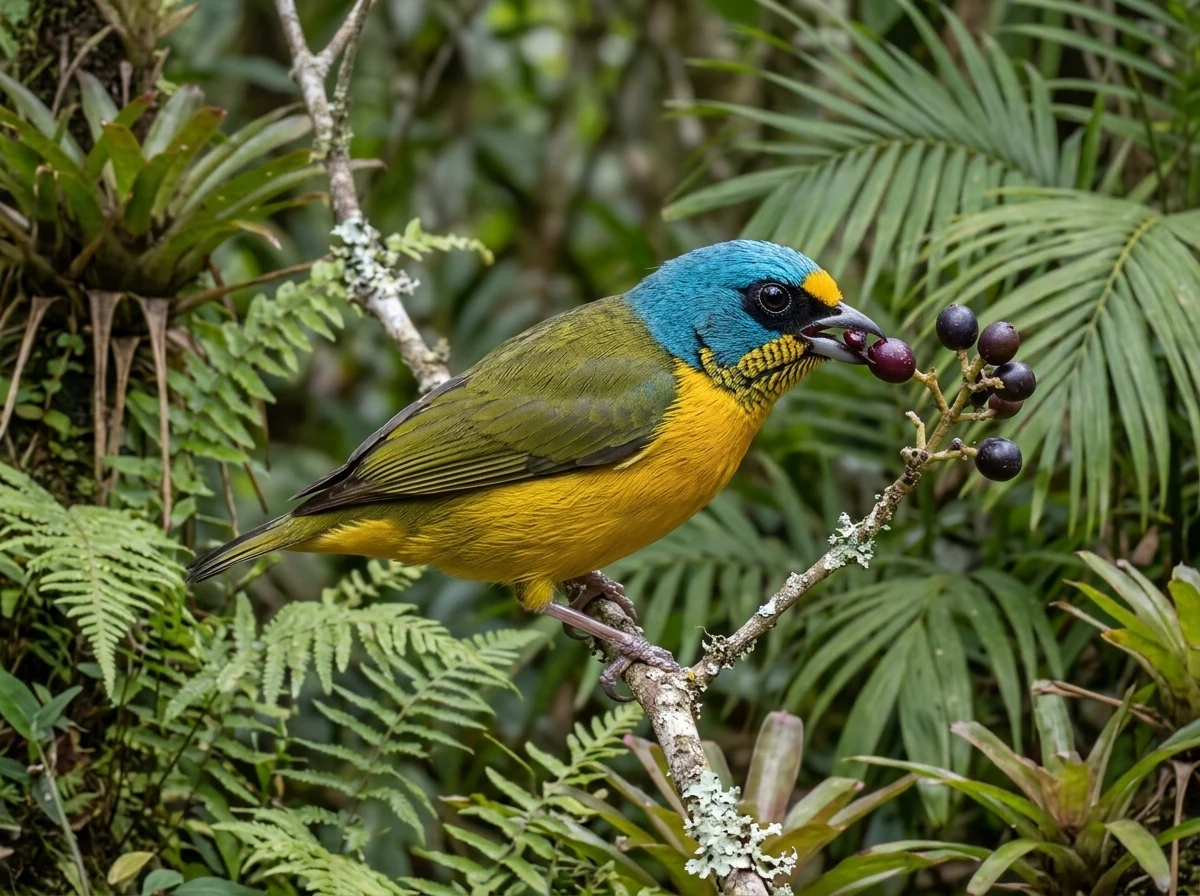
Sound archive
Hear its voice
Explore real songs and calls. The spectrogram turns each sound into a visual trace of time and frequency.
XC308516Recording 1 of 3song

Play: song by Ross Gallardy
Choose another recording
Sound recorded by Ross Gallardy · XC308516 · CC BY-NC-SA 4.0. Visualization by Stichting Xeno-canto voor Natuurgeluiden.
Every recording retains the creator, catalogue number, and license published by Xeno-canto. Metadata via GBIF ↗
01
Will I see all 19 endemics?
A broad search is possible, but no guide guarantees all. Prioritize habitat, ethics, and adequate observation.
02
Where should I stay?
An eastern base for days 1–2 and a western or southwestern base for days 4–7 reduce driving; use day 3 for transfer.
03
How do I verify an identification or claim?
Compare more than one mark, check date and place, open the linked profile, and consult the sources published at the end of the guide.
Keep exploring
Connected routes
Sources and review
The evidence is one link away.
These sources support the editorial scope of this guide. Bird profiles also retain their own taxonomy, occurrence, and conservation references.
Reviewed:
01↗02↗03↗04↗05↗06↗07↗08↗09↗10↗
Discover Puerto Rico
Birding in Puerto Rico
Overview of habitats and birding places across the archipelago.U.S. Forest Service
El Portal de El Yunque
Official visitor information and context for the Puerto Rican Parrot recovery program.Departamento de Recursos Naturales y Ambientales
Río Abajo State Forest management plan
Official basis for the limestone forest, its resources, management zones, and conservation.Departamento de Recursos Naturales y Ambientales
Maricao State Forest
Geology, climate, and endemic birds of the western mountain forest.Departamento de Recursos Naturales y Ambientales
Guánica State Forest
Official reference on access and endemic species observed in the forest.U.S. Fish and Wildlife Service
Cabo Rojo National Wildlife Refuge
Habitats, focal birds, conservation, trails, and official refuge notices.U.S. Fish and Wildlife Service
Laguna Cartagena National Wildlife Refuge
Importance of the freshwater wetland for resident and migratory waterbirds.Departamento de Recursos Naturales y Ambientales
Piñones State Forest
Official context for Puerto Rico's largest mangrove forest.U.S. Fish and Wildlife Service
Puerto Rican Parrot recovery
Populations, management, and goals of the interagency program.NOAA Office for Coastal Management
Jobos Bay Estuarine Research Reserve
Habitats, extent, and monitoring of the reserve.The atlas continues