 AI
AILearning guides
Endemic Bird Scavenger Hunt: Puerto Rico Map
A map activity to learn where Puerto Rico's endemic birds live, with clues by ecological region and research questions.
Reviewed:Prepared with AI assistance and linked sources. Illustrations are not field photographs.
Where do endemic birds live?
Puerto Rico's endemic birds do not live in one single place. Each species is associated with documented forest types and elevation ranges. This guide turns that information into a scavenger hunt: students place bird icons on a simplified island map and justify each location with evidence.
The map is not an observation record or a promise of where to see each bird today. It is an educational tool for teaching the relationship between species, habitat, and ecological region. The clues are based on documented sources about distribution, habitat, and elevation.
Learning guides
Activity facts
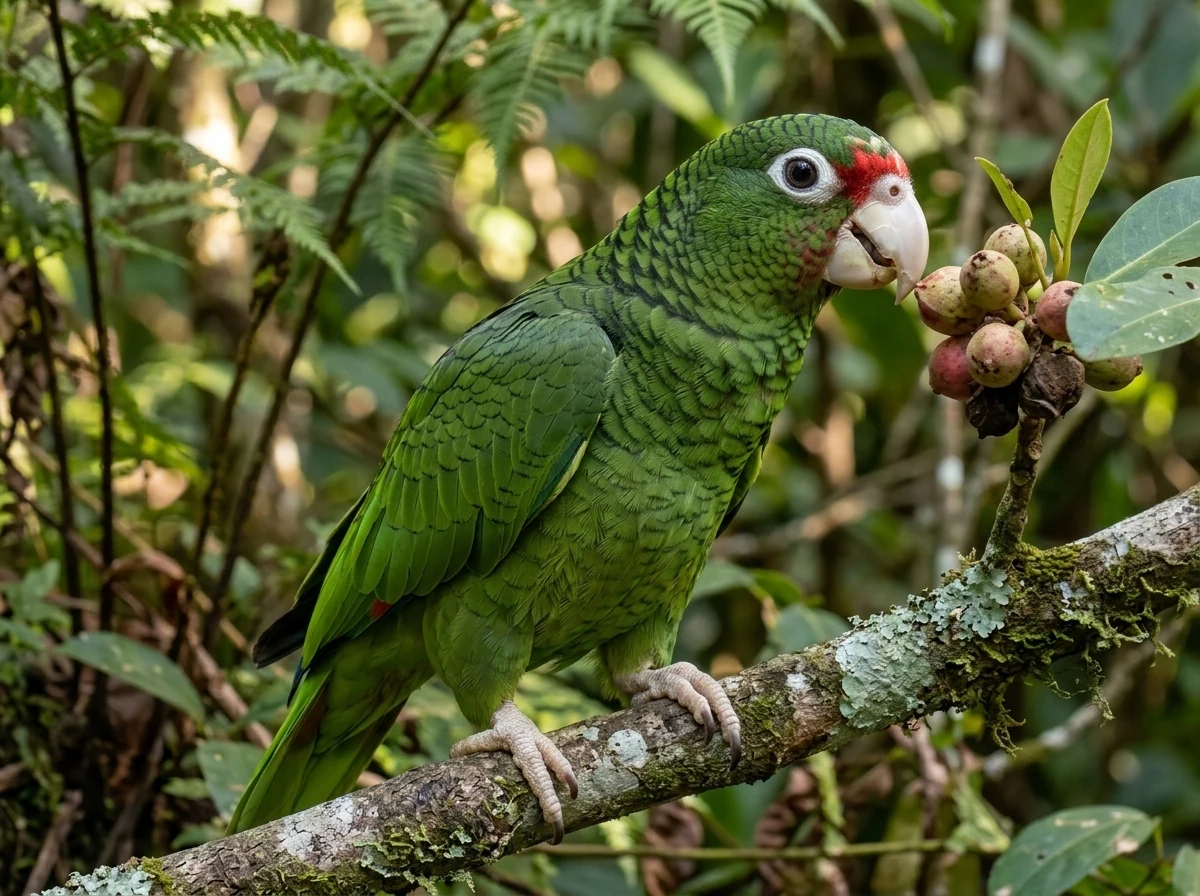
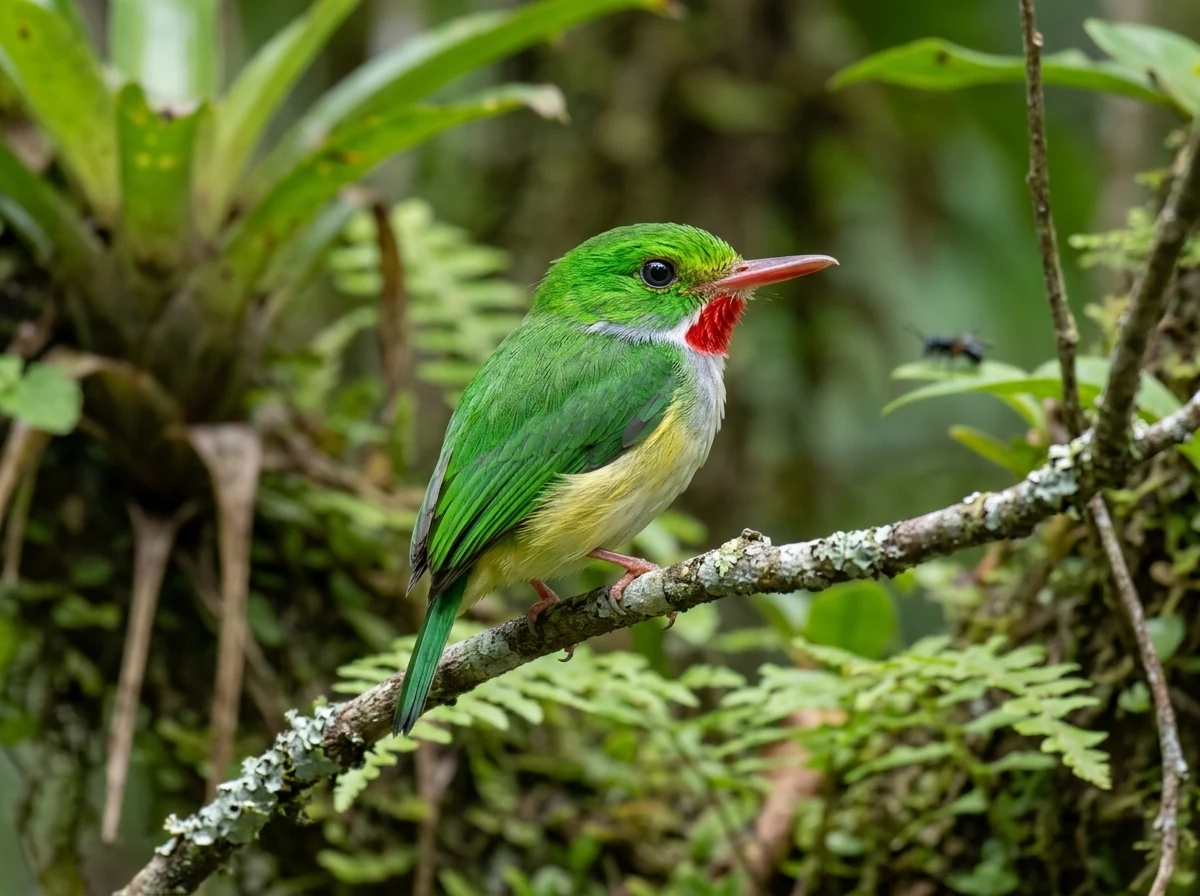
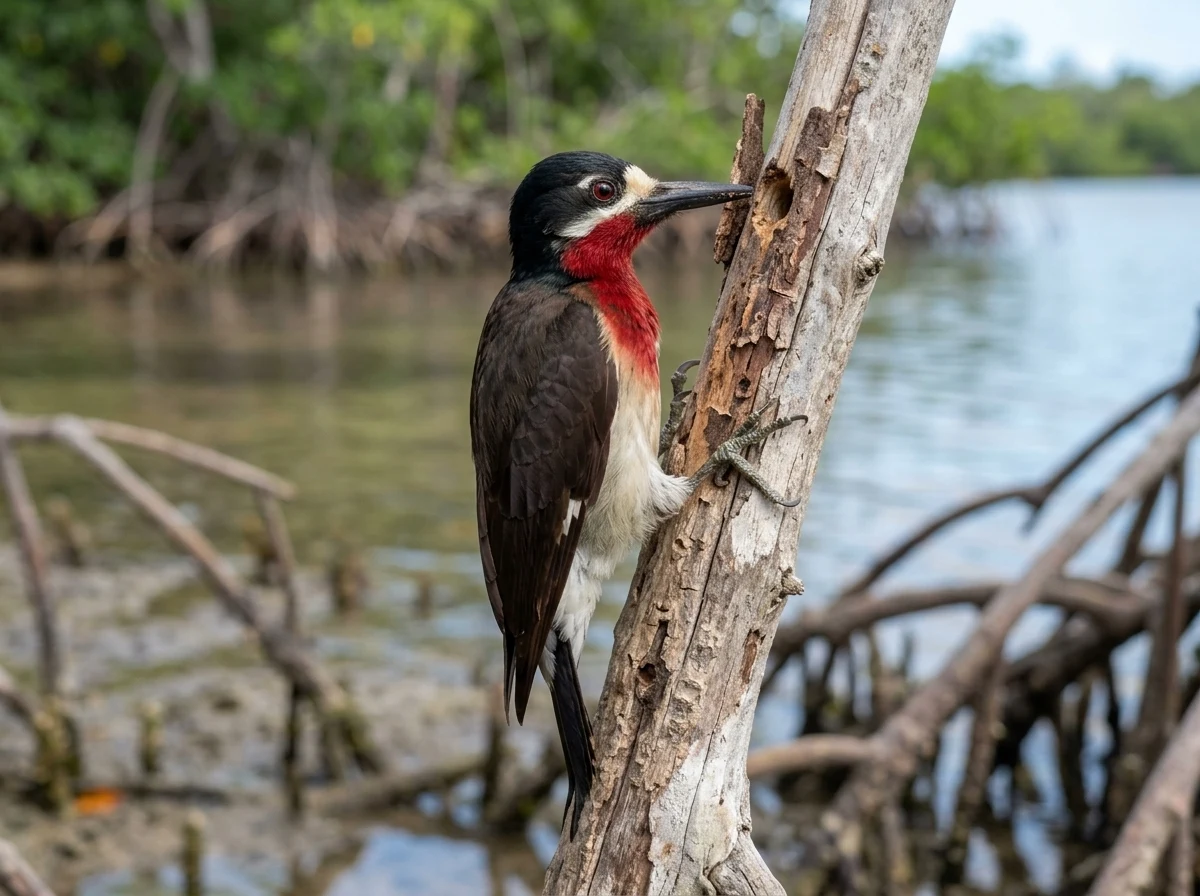
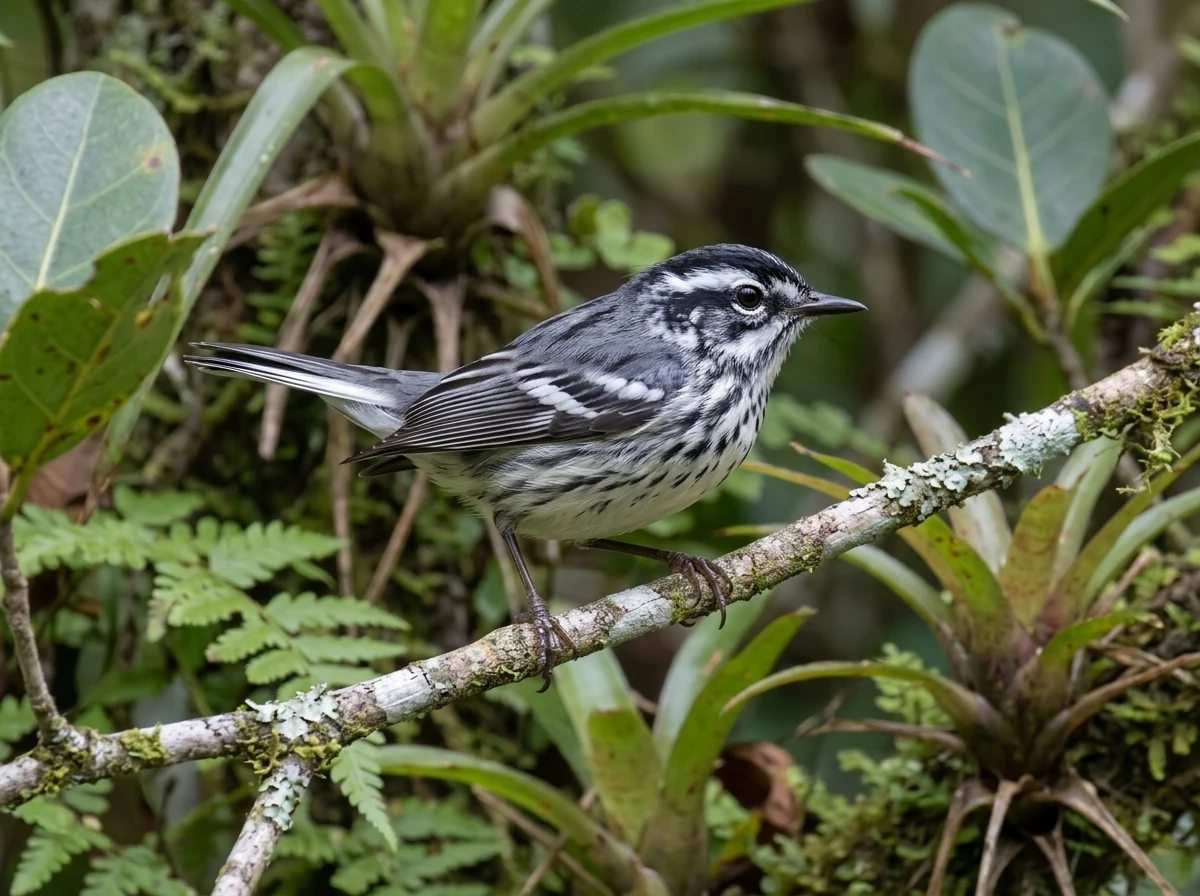
5endemic birds in this huntAmazon, Tody, Woodpecker, Elfin-woods Warbler, and Nightjar.
3main ecological regionsMontane wet forest, karst, and dry coastal forest.
600–900 mreported elevation for Elfin-woods WarblerPer the trait catalog; the bird source describes it in middle and higher elevation humid forests.
01
Prepare the map and cards
Draw or print a simplified outline of Puerto Rico. Divide the island into three ecological bands: humid interior and eastern mountains, northern karst, and southern and southwestern dry coastal forest. Prepare five cards with the common name, scientific name, and a habitat clue for each bird.
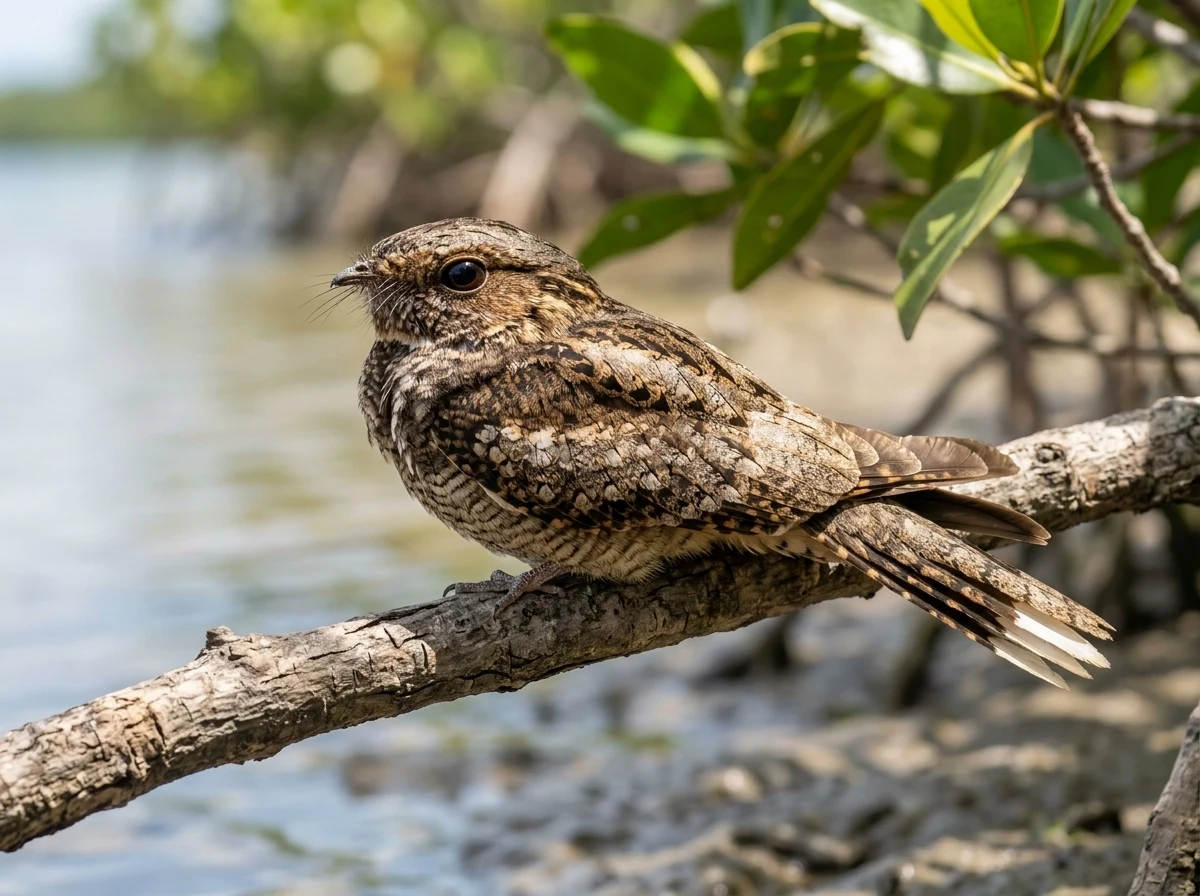
Each card should include an elevation clue when available. For example: the Elfin-woods Warbler is associated with montane wet forest, cloud forest, and elfin woodland, with a reported elevation of 600 to 900 m. The Nightjar is associated with subtropical dry limestone forest, coastal dry forest, and scrub, with a reported elevation of 0 to 640 m.
02
Clues by ecological region
Humid mountains: the Puerto Rican Amazon has a subspecies in eastern Puerto Rico, in the Caribbean National Forest, and a population established in Río Abajo State Forest, in the west-central part of the island. The Elfin-woods Warbler has been documented in middle and higher elevation humid forests of the Cordillera Central, Sierra de Cayey, and Sierra de Luquillo, with its existence restricted to Sierra de Luquillo and Maricao. The Tody occupies forests, woodlands, karst, and shade coffee plantations, from coastal lowlands into the mountains.
Karst and northern forests: the Amazon is also associated with karst forest. The Puerto Rican Woodpecker uses dry and moist forest, mangrove, plantations, parks, and gardens. The Tody also appears in karst and shade coffee plantations.
Southern and southwestern dry coastal forest: the Nightjar ranges in coastal and lower montane forests of southern and southwestern Puerto Rico, from Cabo Rojo to Guayama, and is more abundant in the upland forest in and around the Guánica Biosphere Reserve. The Woodpecker also uses dry forest and mangrove.
03
Observation and recording procedure
Before going out, review the map and write a hypothesis for each bird: in which region would you expect to find it, and why? During a quiet walk, move slowly, stop every few minutes, and listen. Do not chase birds or use recordings to attract them. Note time, place, forest type, and approximate elevation if known.
Record only what you observe or hear with certainty. If unsure, write 'possible' and describe the behavior. Back home, compare your notes with the map and adjust the locations. This comparison between hypothesis and evidence is the heart of the activity.
04
Student research questions
1. Why is the Elfin-woods Warbler associated with elevations of 600 to 900 m and not the coast? 2. What is the difference between the Nightjar's dry limestone forest and the Warbler's montane wet forest? 3. Why does the Puerto Rican Amazon have populations in the east and west-central parts of the island? 4. Which habitats do the Tody and the Woodpecker share? 5. What questions remain unanswered about the distribution of these birds?
These questions do not have a single correct answer. The goal is for students to cite the source, distinguish between documented habitat and personal observation, and explain their map decisions.
Linked profiles
The five birds in the hunt
Each card includes name, documented habitat, and an elevation clue when available.
01
Can I use this map to know exactly where to see each bird?
No. The map is an educational tool based on documented habitat and distribution. It does not guarantee observations or replace a field trip with a local guide.
02
Why does the Puerto Rican Amazon appear in two regions?
The nominate subspecies is distributed in eastern Puerto Rico, in the Caribbean National Forest, and a population established from released birds lives in Río Abajo State Forest, in the west-central part of the island.
03
What elevation is reported for the Nightjar?
The trait catalog reports 0 to 640 m. The bird source indicates that at Guánica Forest, nests are more frequent above 100 m elevation.
04
Do the Tody and the Woodpecker share habitats?
Yes. Both use forest, karst, and plantations. The Woodpecker also uses mangrove and dry forest; the Tody also uses shade coffee plantations.
05
Can I add other endemic birds to the map?
Yes, if you use documented sources for their habitat and distribution. This guide is limited to five species with clear evidence in the available sources.
Keep exploring
Connected routes
Sources and review
The evidence is one link away.
These sources support the editorial scope of this guide. Bird profiles also retain their own taxonomy, occurrence, and conservation references.
Reviewed:
01↗02↗03↗04↗
Cornell Lab of Ornithology, Birds of the World
Puerto Rican Amazon (Amazona vittata)
Evidence for cited sections; consult the original document.Cornell Lab of Ornithology, Birds of the World
Elfin-woods Warbler (Setophaga angelae)
Evidence for cited sections; consult the original document.Cornell Lab of Ornithology, Birds of the World
Puerto Rican Nightjar (Antrostomus noctitherus)
Evidence for cited sections; consult the original document.Cornell Lab of Ornithology, Birds of the World
Puerto Rican Tody (Todus mexicanus)
Evidence for cited sections; consult the original document.The atlas continues